



Plumbing Invoice Template Google Sheets Overview
A wheel offset chart is a handy tool for anyone looking to understand wheel fitment and its impact on their vehicle. This guide will provide a clear overview, ensuring you can read and interpret these charts with ease.
The chart offers a visual representation of wheel offset, which can vary depending on your vehicle's make and model. It's an essential reference, especially when considering wheel upgrades or replacements, as it ensures you choose the right fit for your ride.
Understanding Measurements: Wheel Offset Chart Explained
A wheel offset chart is a valuable reference tool for anyone looking to understand and select the right wheel offset for their vehicle. This chart provides a visual representation of the various offset options, helping you make an informed decision. By referring to this chart, you can determine the appropriate offset for your wheels, ensuring a proper fitment and a smooth driving experience.
Comparing Common Offsets: A Practical Guide
The wheel offset chart typically presents different offset values, often in millimeters (mm) or inches (in), depending on the standard used. These values indicate the distance between the wheel's mounting surface and its centerline. The chart may categorize offsets into positive, negative, or zero categories, offering a quick visual reference. Positive offsets move the wheel outward, negative offsets bring it inward, and zero offsets align the mounting surface with the centerline. Understanding these categories is crucial for accurate wheel fitment.
Reading the Chart: A Step-by-Step Guide
- Identify the Standard: Begin by determining the standard your vehicle follows. Common standards include the metric system (mm) or imperial (in). This ensures you are referencing the correct chart.
- Locate the Offset Value: Look for the specific offset value you require. The chart will provide a range of options, so choose the one that best suits your vehicle's specifications and your desired fitment.
- Consider Wheel Size: Take into account the size of your wheels. The offset value should align with the wheel's overall dimensions to ensure a proper fit.
- Check Backspacing: Backspacing is another critical factor. It refers to the distance from the wheel's back side to the mounting surface. Ensure your chosen offset and backspacing combination allows for sufficient clearance for your vehicle's suspension and other components.
Common Misreadings and Pitfalls: Practical Fitment Tips
When using a wheel offset chart, it's essential to avoid common mistakes. First, ensure you are referencing the correct standard. Mixing up mm and in measurements can lead to incorrect fitment. Additionally, while the chart provides a guide, it's crucial to cross-reference with your vehicle's manufacturer specifications. Some vehicles may have specific requirements or limitations, so double-check to avoid potential issues. Finally, consider the overall wheel fitment and aesthetics. While the chart provides a technical guide, your personal preferences and the visual appeal of the wheels on your vehicle are also important factors in the decision-making process.
Remember, while this chart is an invaluable tool, it's always wise to cross-reference with your specific vehicle's requirements. The exact values can vary, so a quick check ensures you're on the right track.
Feel free to bookmark this page for future reference. It's a handy guide to have on hand when you need a quick reminder or a detailed breakdown of wheel offsets. Consider it your go-to resource for all things offset-related!
Related: RSMeans Construction Essential Guide For Builders
"rs means construction" is a phrase that might pop up when you're planning a home renovation or building project. It's a mouthful, but it's a useful tool for anyone wanting to understand construction costs. So, let's break it down and see what it's all about!
Understanding RSMeans and Construction Costs
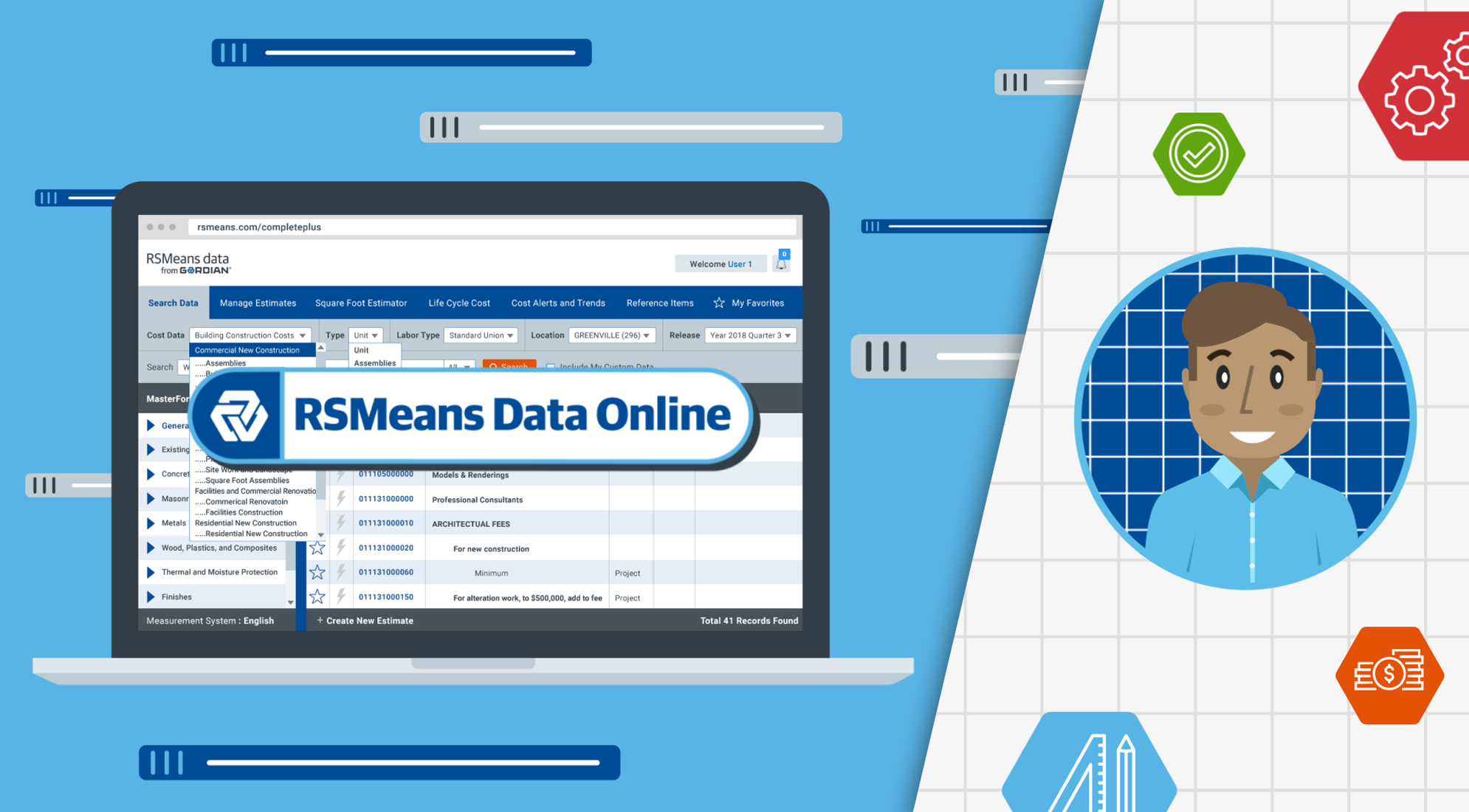
RSMeans is a database and resource for construction professionals and homeowners alike. It provides detailed information on construction costs, helping you estimate and plan your project's budget. This tool is a go-to for many in the industry, offering insights into labor, materials, and other expenses. It's especially handy for comparing quotes and ensuring you get a fair deal.
When using RSMeans, you can get a good idea of what your project might cost. It considers various factors like the size of the project, the materials you choose, and the local labor rates. This data helps you set a realistic budget and understand the costs involved. It's a great way to ensure you're not overspending or underestimating the expenses.
Hiring a Contractor: What to Look For
When it comes to hiring a contractor, RSMeans can be a valuable ally. It can help you understand the typical costs for your project, so you know if a quote is reasonable. Before hiring, always check the contractor's references and licenses. Ask for a detailed breakdown of the costs and what's included in the quote. A good contractor will be transparent and provide this information.
You should also consider the scope of the project and whether the contractor has experience with similar work. Don't be afraid to ask questions and get a clear picture of what you're paying for. It's your project, and you want to ensure it's done right!
Construction Company Names and Branding
Naming a construction company is an important step. It's the first impression you give to potential clients and should reflect your business's values and services. A good name is memorable, unique, and gives a hint at what you do. For example, "BuildStrong", "Renovate Right", or "HomeCrafters" are catchy and descriptive.
When choosing a name, consider registering it and checking domain availability. You want to ensure your online presence is secure and that your name isn't already taken locally. It's a small but crucial step in building your brand and standing out in a competitive industry.
Jobs and Opportunities in Construction
The construction industry offers a range of roles, from estimators who use tools like RSMeans to project managers and skilled laborers. These jobs are in demand, and you'll often find opportunities advertised online or through local trade associations. It's a varied industry, and you can specialize in different areas, whether it's residential construction, commercial projects, or specific trades like plumbing or electrical work.
Data and Tools for the Industry
RSMeans is just one of the many tools and resources available to construction professionals. These tools help manage projects, estimate costs, and keep track of industry trends. For example, cost indexes provide an overview of construction costs over time, helping businesses and homeowners plan and budget effectively. Escalation, another term for cost increases, is also an important factor to consider when planning long-term projects.
Big Companies and the Industry
In the construction world, you'll find a mix of small, local businesses and large, national firms. The size of the company often reflects the scale of projects it takes on. Big companies may have the resources to tackle large-scale developments, while smaller businesses might focus on local renovations and additions. It's a diverse industry, and both types of companies play a crucial role in building our communities.
So, there you have it! RSMeans construction is a useful tool for anyone involved in construction, whether you're a homeowner, a contractor, or a business owner. It's a great way to stay informed and ensure your projects are on track and within budget.
Related: What's the Wire Size Chart I Need?
A wire size chart is a handy reference tool, a simple yet powerful resource for anyone working with wires and electrical systems. This guide will give you a quick overview of what these charts offer and how to use them effectively.
They provide a clear, visual way to understand wire sizes, often showing wire gauge, diameter, and even ampacity. It's important to note that these charts can vary slightly depending on the standard or region, so it's good to check the relevant specifications.
Understanding Wire Size: A Practical Guide
The wire size chart is a handy tool that provides essential information about the various wire sizes used in electrical systems. It's like a map guiding you through the world of wires, ensuring you choose the right one for your project. This chart offers a simple yet effective way to understand wire dimensions, current-carrying capacities, and other crucial details.
Wire Size Standards and Formats
There are different standards and formats for wire size charts, depending on the region and industry. The most common ones are the American Wire Gauge (AWG) and the metric wire size system. The AWG system is widely used in the United States and follows a specific numbering system, where a lower gauge number indicates a thicker wire. On the other hand, the metric system uses millimeters to define wire diameters. These standards ensure consistency and safety in electrical installations.
Step-by-Step Guide to Using the Wire Size Chart
Using the wire size chart is straightforward. Here's a simple guide:
- Identify the Wire Type: Determine if you need a solid or stranded wire, as this affects its current-carrying capacity.
- Find the Gauge or Diameter: Look for the wire's gauge (e.g., 12 AWG) or diameter (e.g., 2 mm) on the chart.
- Check Current Capacity: The chart will provide information on the maximum current the wire can handle safely.
- Consider Voltage Drop: If your application involves long wire runs, check the voltage drop column to ensure adequate voltage at the end of the wire.
- Verify Insulation: Ensure the wire's insulation type and thickness match your requirements.
Common Misreadings and Pitfalls
One common mistake is assuming all wires with the same gauge have identical properties. In reality, factors like material, temperature, and insulation can affect a wire's performance. Always double-check the specific wire's properties and ratings. Additionally, be cautious when converting between AWG and metric sizes, as they follow different scales.
Factors Affecting Accuracy and Real-World Use
Several factors can impact the accuracy of a wire size chart and its application:
- Temperature: Higher temperatures can reduce a wire's current-carrying capacity. Always consider the operating temperature when selecting a wire.
- Voltage: Voltage drop becomes more critical with longer wire runs or higher voltage systems.
- Material: Different materials have varying resistances, affecting current flow.
- Environment: Outdoor installations may require thicker wires to account for weather conditions.
- Safety Margins: It's wise to choose a wire size slightly larger than the minimum requirement to ensure safety and reliability.
Adapting the Wire Size Chart for Specific Needs
While standard wire size charts cover most general applications, some projects may require specialized charts or considerations. For instance, high-power applications might need charts focusing on large wire sizes and their capabilities. Similarly, specialized industries like aerospace or marine may have unique wire size standards and requirements. Always refer to industry-specific guidelines or consult experts for precise recommendations.
Hey there, fellow wire enthusiasts! We hope this guide has given you a solid foundation for understanding wire size charts. Remember, the exact details may differ slightly depending on your specific needs and the standards you're working with.
Don't forget to explore our other resources for more practical tips and tricks. We've got a whole library of guides covering various topics to help you navigate the world of wires and beyond. Happy wiring, and we'll catch you on the next one!