









Pokemon Eevee Coloring Sheets Overview
A common pitfall when working with flange bolt charts is assuming they are universal and consistent across industries. In reality, these charts can vary based on factors like standards, regions, and specific applications. It's essential to understand that a flange bolt chart is a tailored tool, providing precise information for a particular context.
These charts offer a quick reference for flange bolt dimensions, including sizes, strengths, and markings. While the format may differ, the purpose remains the same: to ensure accurate selection and application of flange bolts, a critical component in many industries.
Understanding the Flange Bolt Chart
The flange bolt chart is a valuable reference tool for anyone working with flange connections. It provides a quick and practical guide to selecting the right bolts for your project. This chart offers a visual representation of various bolt sizes, strengths, and specifications, ensuring accurate choices for your application.
Comparing Standards and Formats
Different standards and regions may have variations in flange bolt charts. For instance, the metric bolt chart follows international standards, while the ANSI B18.2.1 is specific to the US. These charts detail bolt dimensions, including head size, shank length, and thread pitch, ensuring compatibility with flange dimensions. Additionally, bolt strength is indicated by markings on the head, following standards like SAE J429.
Applying the Flange Bolt Chart: A Step-by-Step Guide
To use the flange bolt chart effectively, follow these steps:
- Identify the flange size and type you are working with. This information is crucial for selecting the correct bolt.
- Refer to the chart and locate the corresponding flange size. Each flange size will have a range of recommended bolt sizes and strengths.
- Choose the bolt size that best fits your application, considering factors like load capacity and space constraints.
- Check the bolt head markings to ensure you select bolts with the appropriate strength rating.
- Confirm the thread pitch and length of the bolts to ensure they match the flange's thread and provide sufficient grip.
Common Misreadings and Pitfalls
While the flange bolt chart is a precise tool, misreadings can occur. Here are some common pitfalls:
- Failing to consider the specific standard or region's chart: Different standards may have variations in dimensions and markings. Always use the correct chart for your application.
- Neglecting to check bolt head markings: These markings indicate bolt strength and must match your requirements.
- Assuming all charts are universal: While charts provide general guidelines, some applications may require specific bolt dimensions or strengths. Always double-check exact specifications, especially for critical applications.
Key factors to consider:
- Flange size and type
- Bolt size and strength
- Thread pitch and length
- Specific application requirements
By following these guidelines and being mindful of potential variations, you can accurately utilize the flange bolt chart for your projects.
Remember, while this guide offers a comprehensive overview, the exact details may differ slightly depending on your specific needs and the standards you follow. It's always a good idea to refer to the latest editions of the relevant standards and consult with experts when making critical decisions.
Feel free to explore our other guides for more practical insights and tips. We've got a range of topics covered, so you can find the information you need to tackle various projects with confidence. Happy learning and exploring!
Related: Whole House Remodeling Essential Guide
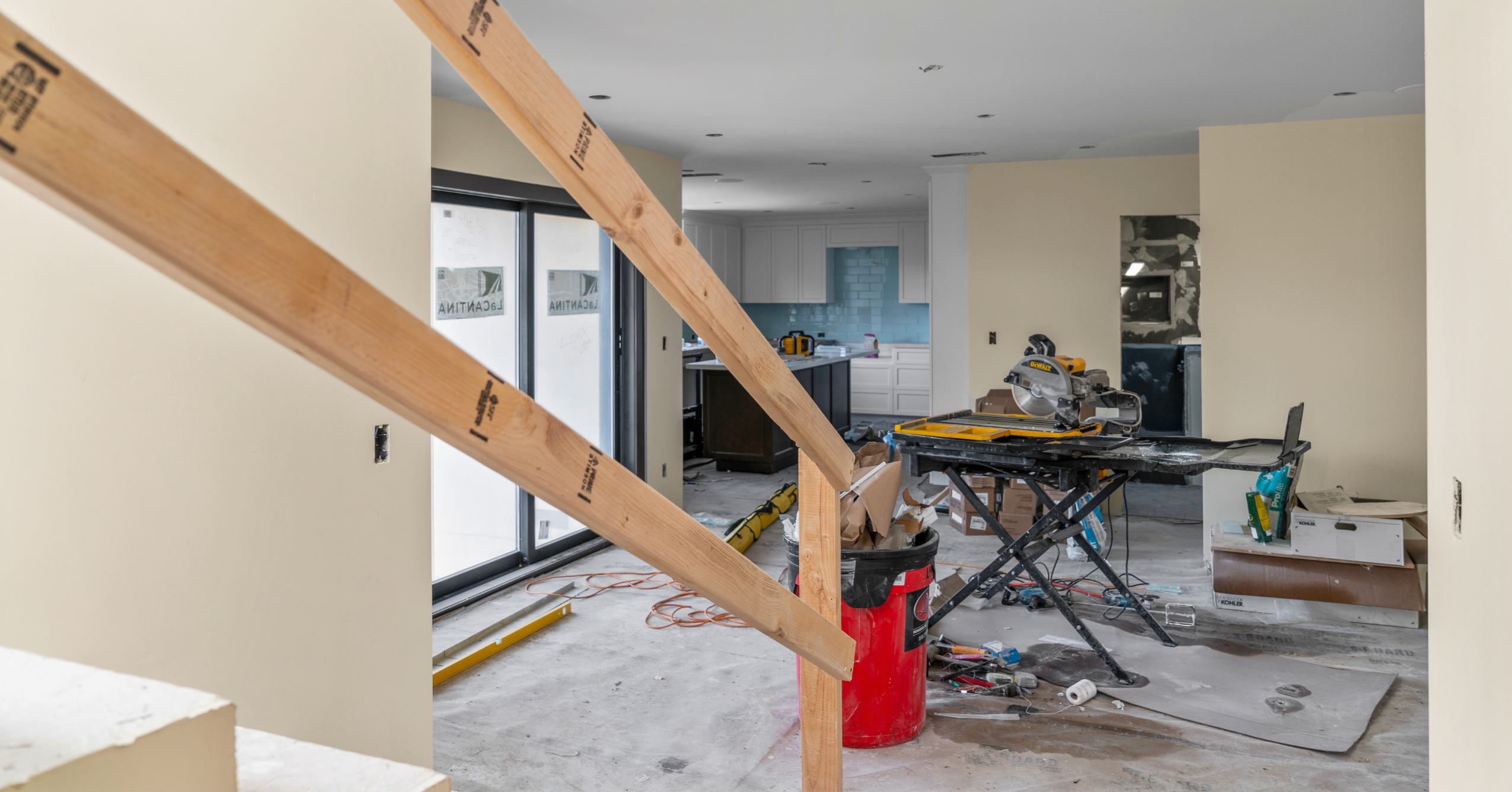
I just got home from work, and as I walk through my house, I can't help but think about how much I'd love to give it a whole new look. Whole house remodeling is on my mind, and I'm curious about the process and what it entails. It's an exciting prospect, but also a big undertaking, so I want to make sure I understand the ins and outs before diving in.
What Does Whole House Remodeling Mean?
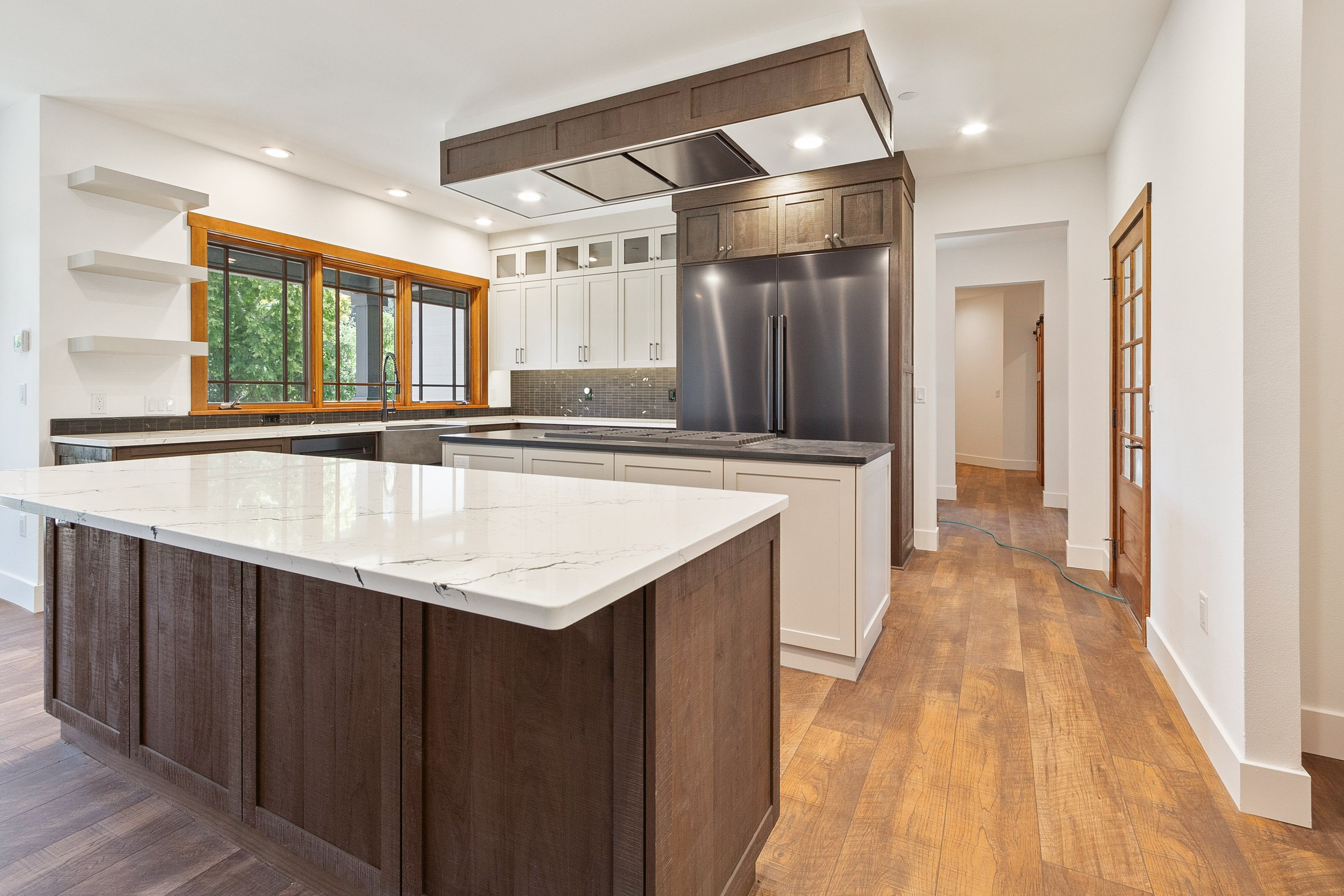
Whole house remodeling is exactly what it sounds like: a complete transformation of your home. It's not just about updating one room or making small changes here and there. This type of project involves a major overhaul, where you can redesign and renovate every aspect of your living space. From the kitchen and bathrooms to the bedrooms and living areas, every room can get a fresh, modern look. It's a chance to create a home that truly reflects your style and meets your functional needs.
When considering whole house remodeling, it's important to think about the scope of the project. Do you want to change the layout and add new features, or is it more about updating the aesthetics and making everything look cohesive? The scale of your project will impact the cost and the length of time it takes to complete.
Finding the Right Contractor
One of the biggest decisions you'll make is choosing a contractor or building company. It's crucial to find someone who understands your vision and can bring it to life. Before hiring, ask for references and examples of their previous work. You want to ensure they have experience with projects similar to yours and that their style aligns with your own.
Get quotes from multiple contractors to compare prices and services. Make sure the quotes are detailed, outlining the work to be done, the materials to be used, and the estimated timeline. This will help you understand the costs and give you a sense of the contractor's organization and attention to detail.
Construction Jobs and Industry Tools
The construction industry offers a range of jobs, from general contractors and project managers to estimators and skilled tradespeople. Estimators, for example, use tools like RSMeans to calculate costs accurately. This data is essential for providing realistic quotes and managing projects effectively.
Large construction companies often have specialized teams and can take on more complex projects. They may have access to advanced tools and technologies, but that doesn't mean smaller companies can't deliver excellent results. It's all about finding the right fit for your whole house remodeling project.
Company Names and Branding
When starting a construction business, choosing a name is an important step. It should be memorable, reflect the nature of your work, and stand out in a crowded market. Some examples of unique and catchy names could be:
- BuildBright
- Crafted Spaces
- HomeRevamp
- Renova
- Constructo
Before finalizing a name, check its availability for domains and local business registration to avoid any legal issues.
Final Thoughts
Whole house remodeling is a significant investment, but it can transform your living space and enhance your daily life. It's an exciting process, and with the right planning and the help of a skilled contractor, you can achieve the home of your dreams. So, if you're thinking about taking on a whole house remodeling project, start by doing your research and getting those quotes!
Related: How do I use a ski sizing chart?
Many people assume that a ski sizing chart is a one-size-fits-all guide, but it's actually a bit more nuanced than that! While these charts offer a great starting point, they're not always an exact science. It's a common mistake to think that your height alone determines your ski size, when in fact, there are several factors to consider.
The ski sizing chart is a useful tool, but it's important to remember that ski size recommendations can vary slightly depending on your skiing ability, personal preference, and even the type of terrain you typically ski on. So, while it's a great reference, it's always worth seeking a little extra advice to ensure you get the perfect fit.
Ski Sizing Chart: A Practical Guide
Ski sizing charts are your go-to tool for finding the perfect ski length. They provide a simple way to match your height, weight, and skill level with the right ski size. This chart is a handy reference, but it's important to understand how to use it accurately.
Key Details: Understanding the Chart
The ski size guide typically shows a range of heights and corresponding ski lengths. It often includes categories like beginner, intermediate, and advanced skiers. The units used are usually inches or centimeters, depending on the standard. For example, a common recommendation might be a ski length of 160-170 cm for a skier who is 170-180 cm tall. These charts are a great starting point, but they're not one-size-fits-all.
Reading and Applying the Chart: Step-by-Step
Here's a simple process to follow:
- Identify your height and skill level.
- Locate your height range on the chart.
- Choose a ski length within the recommended range.
- Consider your personal preference and adjust slightly if needed.
For instance, if you're an intermediate skier and the chart suggests 165-175 cm skis for your height, you might opt for 170 cm skis. Remember, this is a guide, so feel free to experiment within the suggested range.
Variations: Why Ski Sizing Charts Differ
Several factors can cause variations in ski size recommendations:
- Ski height to length ratio: This ratio can vary based on the type of skiing (e.g., alpine vs. cross-country).
- Ski size by ability: Advanced skiers often prefer longer skis, while beginners might find shorter ones more manageable.
- Ski size by weight: Heavier skiers might benefit from slightly longer skis for better float and stability.
- Manufacturer preferences: Different brands may have unique recommendations.
- Regional standards: Some charts might use metric units, while others use imperial.
Common Mistakes and How to Avoid Them
A few simple errors to watch out for:
- Assuming one chart fits all: Always check if the chart is relevant to your skill level and the type of skiing you plan to do.
- Ignoring personal preference: While the chart is a guide, your comfort and confidence are key. Don't be afraid to adjust within the recommended range.
- Relying solely on height: Skill level and weight also play a role, so consider all factors.
Practical Tips for Accurate Results
To ensure you get the best fit:
- Double-check the chart's units and ensure they match your measurements.
- If you're between sizes, consider your skill level and the type of skiing.
- When trying skis, take a few runs to get a feel for the length.
- Remember, the chart is a starting point, but your comfort and performance are the ultimate goals.
By understanding the ski sizing chart and its variations, you can make an informed decision and enjoy your skiing experience. Happy trails!
Well, there you have it! Finding the perfect ski size is an important step to ensure your comfort and safety on the slopes. Remember, while this guide provides a great starting point, it's always a good idea to consult with experts or try out different sizes to find your ideal fit.
Feel free to explore our other guides and resources to enhance your skiing experience. We've got plenty of tips and tricks to help you become a pro!