



Preschool Manners Printables Overview
"Wow, that construction site looks busy! I wonder how they plan and cost all these projects. It must be a lot of work, and someone has to do it. I'm curious about junior estimator salaries and what that job entails."
Estimating: The Foundation of Construction
As a building project begins, someone has to estimate the costs. That's where junior estimators come in. They play a crucial role in the early stages, helping to shape the financial plan. It's a detailed process, and their work affects the entire project. So, what does a junior estimator do, and what can you expect from this role?
Estimators gather data, analyze costs, and create detailed reports. They consider materials, labor, and any specific requirements. It's a precise job, and estimators must be accurate to avoid costly mistakes. They work with contractors, architects, and clients to ensure everyone is on the same page. The role is an important one, and it's a great starting point for a career in construction.
A Day in the Life of a Junior Estimator
A typical day might involve researching and comparing prices for materials. Estimators need to find the best deals without compromising quality. They also calculate labor costs, considering the scope of the project and the required skills. It's a balancing act, ensuring the estimate is competitive while also being realistic. Junior estimators often work with more experienced colleagues, learning the trade and developing their skills.
Finding a Junior Estimator Role
If you're interested in this field, you'll likely find opportunities with construction companies, remodeling firms, and even larger building organizations. It's a role often filled by recent graduates or those with some relevant experience. When looking for jobs, check online job boards and company websites. You might also find openings through industry connections or by approaching companies directly.
What to Expect from the Salary
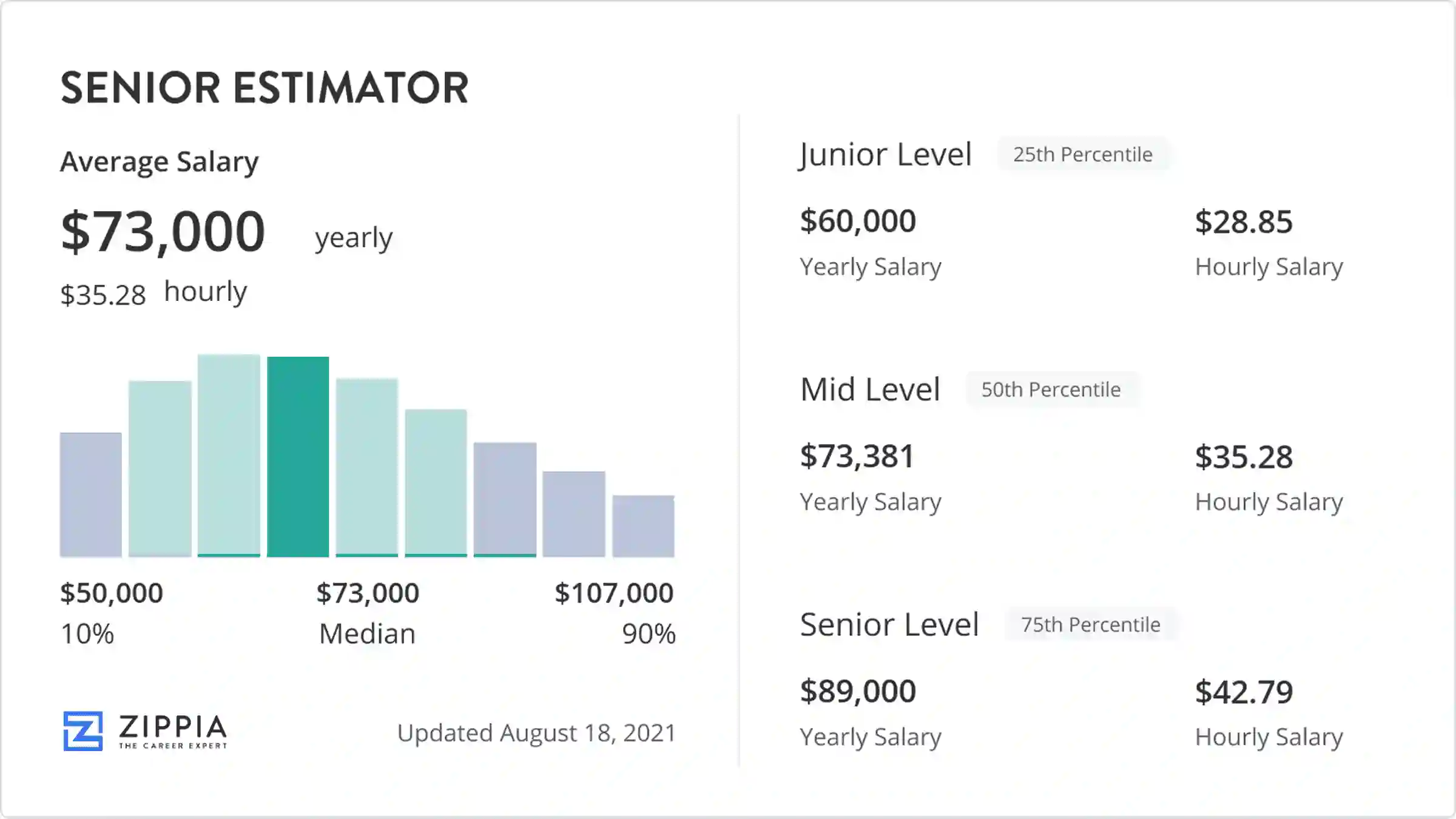
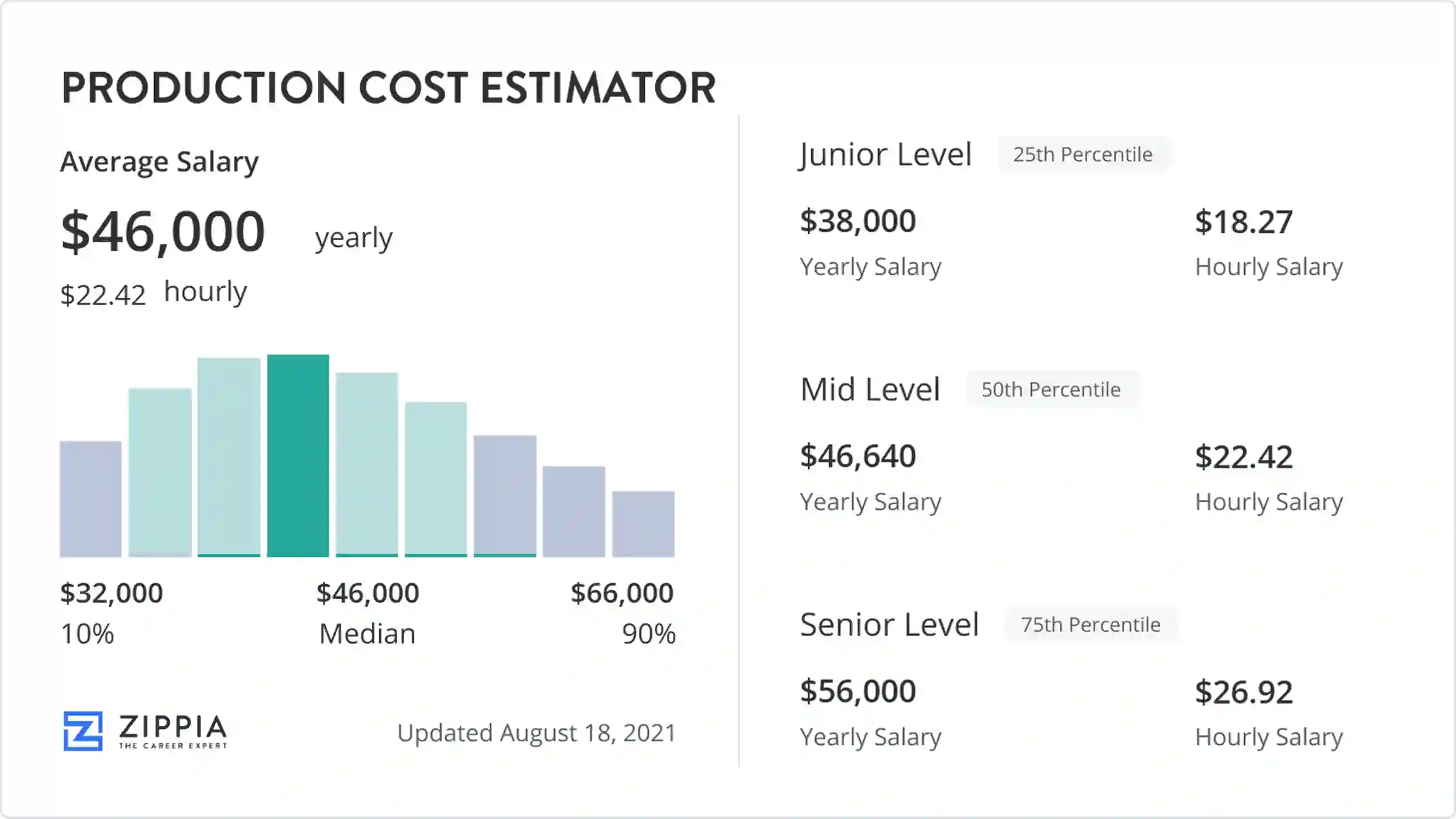
Junior estimator salaries can vary depending on the company, location, and your experience. It's a role that often comes with a set salary, rather than an hourly rate. As you gain experience, your salary is likely to increase. It's a great starting point, offering a stable income and the chance to develop valuable skills.
Building a Career in Estimating
Estimating is a specialized field, and with experience, you can progress to more senior roles. These roles often involve managing a team and taking on larger, more complex projects. You might also specialize in a particular area, such as commercial or residential construction. The skills you develop as an estimator are highly valued and can open doors to other roles in the industry.
Wrapping Up
So, there you have it! A glimpse into the world of junior estimators and their important role in construction. It's a fascinating field, and one that offers a great career path. If you're considering a role in estimating, I'd encourage you to research further and explore the opportunities. It's a rewarding career with plenty of room to grow and develop.
Related: Understanding the Lip Sync Chart
A lip sync chart can be a bit of a mystery to those new to it, but it's actually a simple and useful tool. Many assume it's only for professionals, but it's a valuable reference for anyone dealing with audio-visual sync.
The chart is a straightforward guide, often tailored to specific needs, ensuring your lips match the words perfectly. It's an essential tool for ensuring your content is on point, whether you're a content creator or just want to avoid video sync issues.
What is a Lip Sync Chart?
A lip sync chart is a valuable tool for ensuring accurate audio-visual synchronization in media production. It provides a visual representation of the relationship between audio and video signals, helping to identify and rectify any timing issues. This chart is an essential reference for professionals working in film, television, and video production, ensuring a seamless viewing experience for audiences.
Key Details and Categories
The lip sync chart typically displays information in a tabular format, with columns representing different factors affecting synchronization. These factors include frame rates, video formats, audio sample rates, and various delay measurements. The chart provides specific values or ranges for each category, allowing users to compare and adjust their settings accordingly. It's important to note that the values may vary depending on the standard or format being used, so it's essential to refer to the correct chart for your specific needs.
Reading and Applying the Lip Sync Chart
Here's a step-by-step guide on how to utilize the lip sync chart:
Identify your project's frame rate and video format. These are crucial parameters that determine the foundation of your synchronization.
Locate the corresponding values on the chart. The chart will provide you with the recommended audio sample rate and any necessary delays to achieve optimal synchronization.
Apply the recommended settings to your audio and video equipment. This may involve adjusting audio sample rates and introducing delays as indicated by the chart.
Test and verify the synchronization. Play back your media and observe the lip movements in relation to the audio. If any issues persist, refer back to the chart and make further adjustments as needed.
Understanding Sync Issues and Variations
Variations in synchronization can occur due to several factors. Here are some key considerations:
Frame rate conversions: Changing frame rates can introduce timing discrepancies, so it's essential to account for these conversions accurately.
Video format differences: Various video formats have unique characteristics, and their interaction with audio can vary. The lip sync chart accounts for these differences to ensure accurate synchronization.
Equipment and software variations: Different devices and software may have slight variations in their handling of audio and video signals. The chart provides a standardized reference to overcome these variations.
Environmental factors: External factors like temperature and signal interference can affect synchronization. While the chart provides a baseline, real-world conditions may require further adjustments.
Remember, while the lip sync chart offers a comprehensive guide, it's always beneficial to double-check specific tolerances and standards for your unique project requirements. By following these practical steps and understanding the potential variations, you can achieve precise audio-visual synchronization and deliver a high-quality viewing experience.
Hey there, I hope this lip sync chart guide has been a helpful reference for you. Remember, while the basics remain the same, the exact details can vary slightly depending on the context and the source you're working with.
So, keep this page bookmarked for a quick reminder, and feel free to explore our other guides for more practical tips and tricks. Happy syncing!
Related: Need an Alo Size Chart?
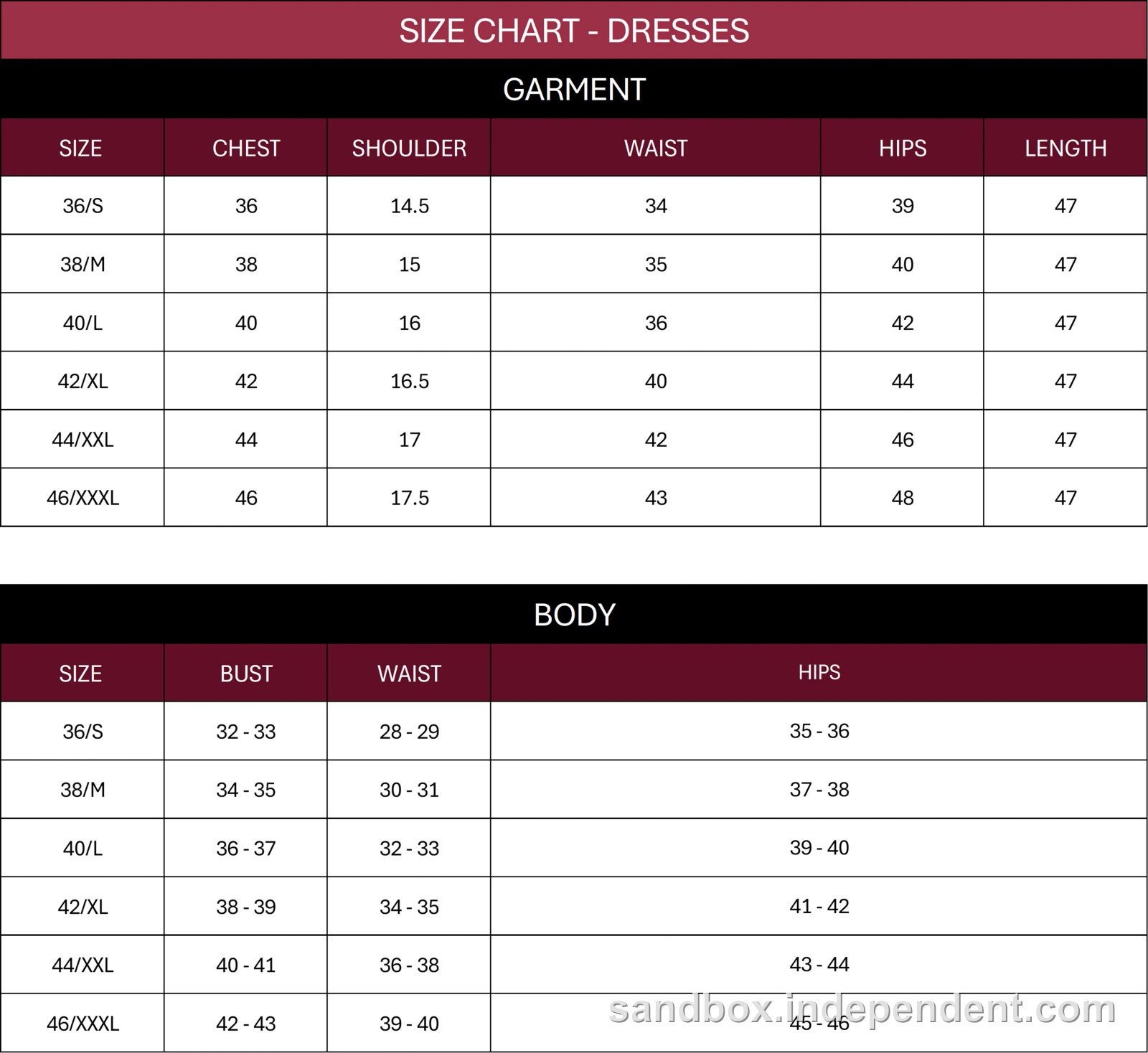
The alo size chart is a valuable tool for anyone seeking a reliable guide to sizing, especially for activewear enthusiasts. This comprehensive guide covers the essential aspects of understanding and utilizing the alo size chart effectively. It provides a clear and concise reference for navigating the world of clothing sizes, ensuring a perfect fit for your activewear needs.
Understanding the Alo Yoga Size Chart
The alo yoga size chart is a valuable tool for anyone looking to purchase alo yoga apparel, ensuring a perfect fit. This guide will help you navigate the chart, understand its categories, and make informed size choices.
Comparing Size Chart Standards
Size charts can vary depending on the brand and region. Alo yoga size charts typically follow US standard sizing, but it's essential to check the specific chart for any variations. These charts provide a range of sizes, often in small, medium, and large categories, with corresponding numerical values for bust, waist, hip, and inseam measurements.
Step-by-Step Guide to Using the Alo Size Chart
Here's a simple process to ensure you choose the right size:
Measure yourself accurately. Use a flexible tape measure to record your bust, waist, hip, and inseam dimensions. Ensure the tape is parallel to the floor and not too tight.
Refer to the alo yoga size chart. Find your closest match for each measurement. For instance, if your bust measurement is 34 inches, look for the size that corresponds to this value on the chart.
Consider the garment's intended use. If you're buying alo yoga pants, you might want a snug fit for better movement. In this case, choose the size that aligns with your smallest measurement.
Check the size guide notes. Some charts provide additional information, such as whether a garment runs small or large. This can help you make a more precise choice.
Convert if necessary. If you're more familiar with metric measurements, use a conversion tool to ensure accuracy.
Avoiding Common Misreadings
It's easy to misinterpret size charts, especially if you're not used to them. Here are some tips to avoid mistakes:
Don't assume all brands use the same sizing. Always refer to the specific brand's chart.
Be aware of the size categories. Some charts use letters (S, M, L), while others use numbers (e.g., 4, 6, 8). Ensure you're reading the right column or row.
Consider the garment's style. Fitted styles might require more precise measurements, while loose-fit garments offer more flexibility.
Factors Affecting Size Accuracy
Several factors can influence the accuracy of your size choice:
Body composition: Muscle mass and body fat distribution can affect your measurements.
Garment design: Different alo yoga styles might have varying fits, so always check the product description.
Personal preference: Some might prefer a looser fit, while others go for a more tailored look.
Material stretch: The fabric's stretchability can impact the final fit.
Manufacturing variations: Even within the same size, there can be slight differences between garments.
Remember, the alo size chart is a guide, and individual variations are normal. It's always a good idea to refer to the brand's return policy if you're unsure.
Remember, while this chart is a fantastic tool, it's always wise to double-check your specific needs and requirements. Exact values can vary, so a quick verification ensures you get the perfect fit.
Consider bookmarking this page for future reference. It's a handy guide to have on hand, and you'll be glad you did when you need it again!