


Preschool Mom Worksheets Overview
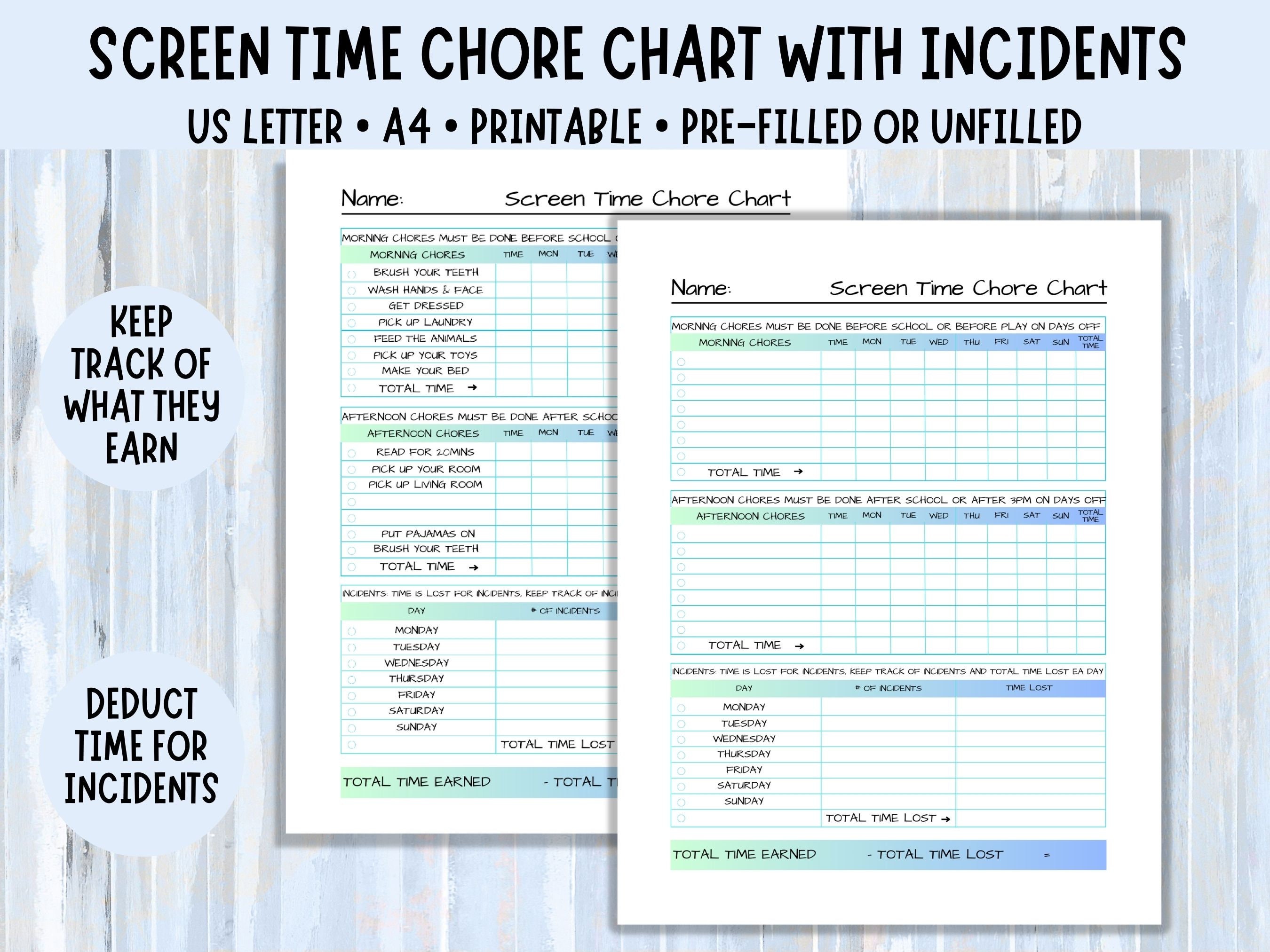
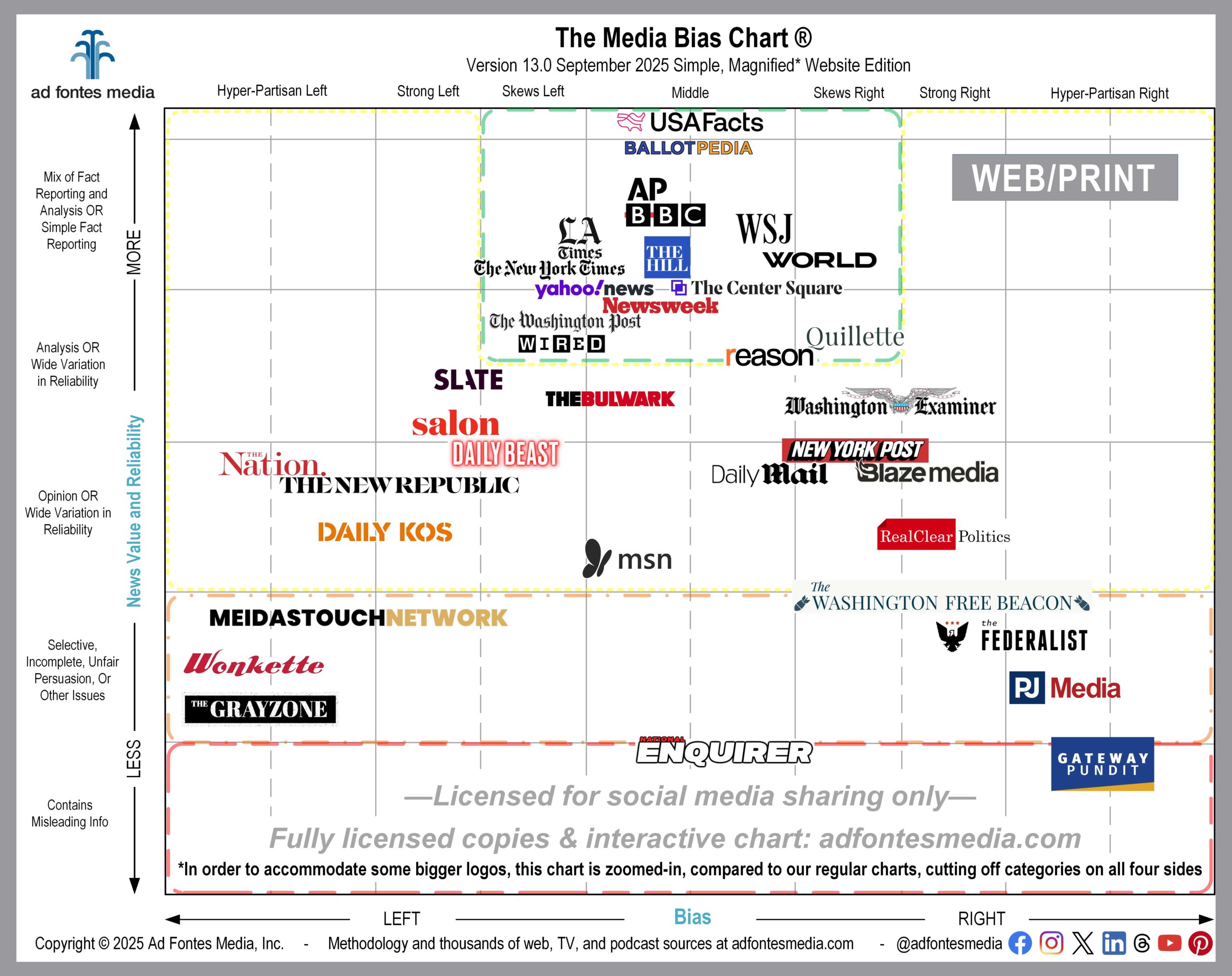
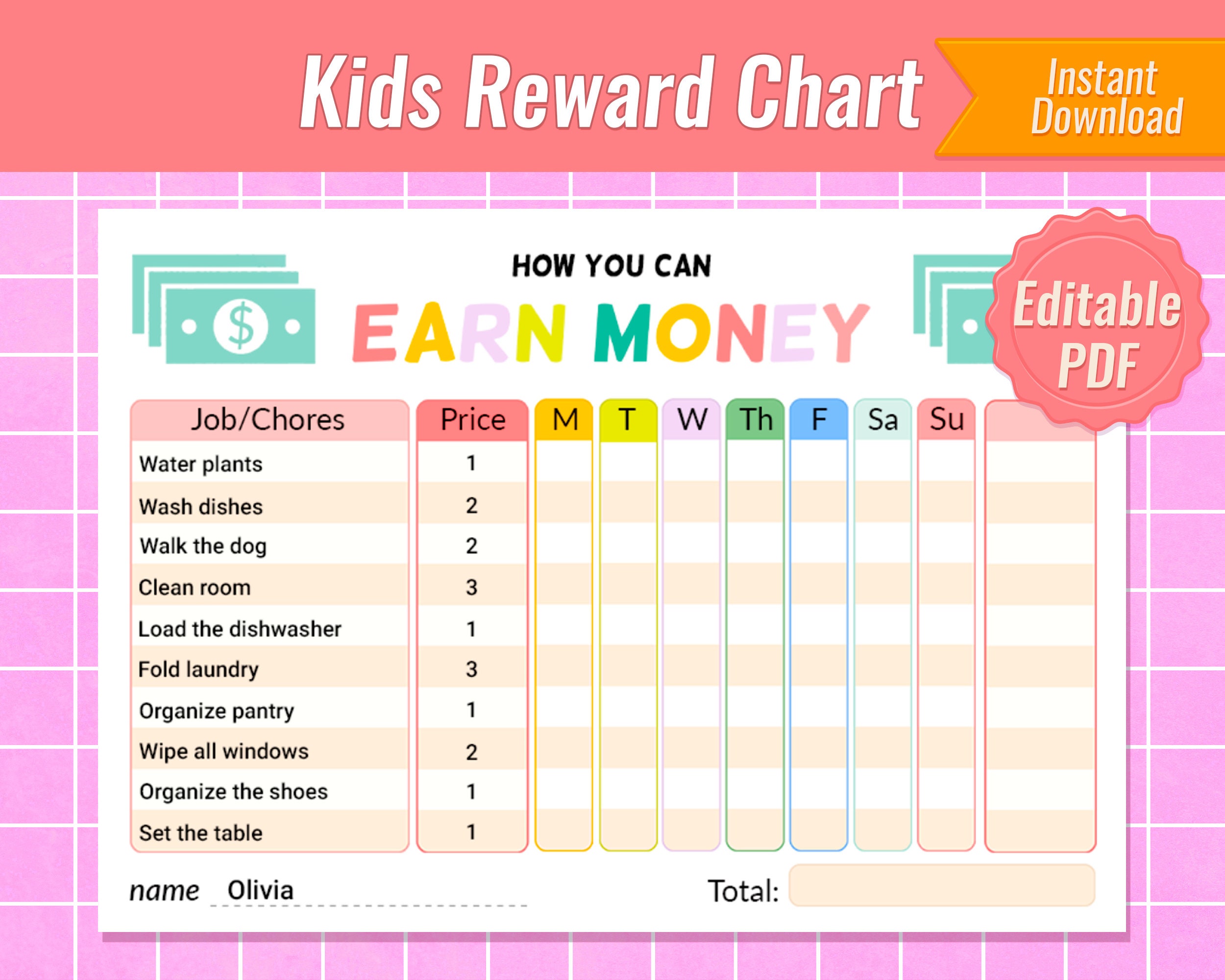
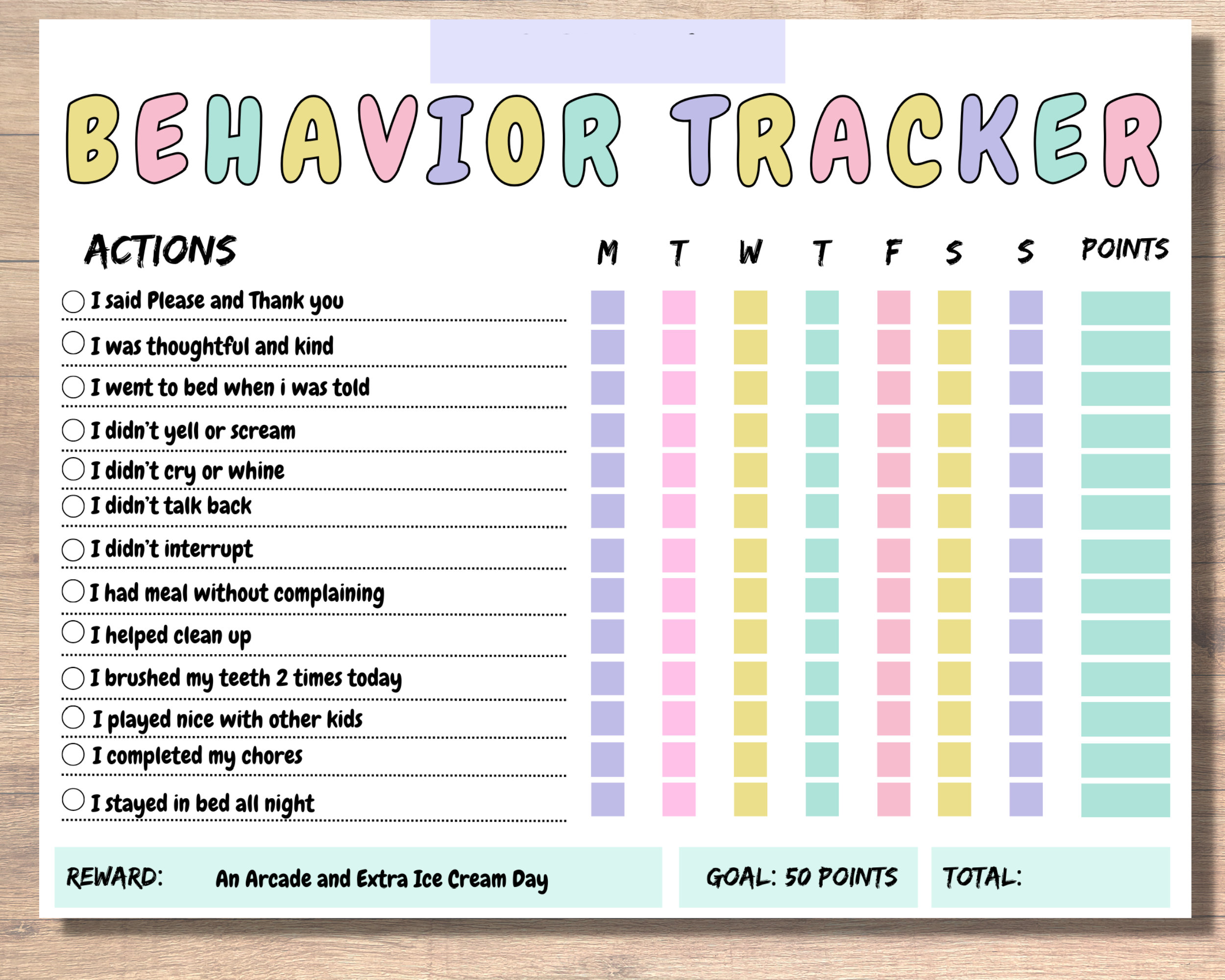
You've stumbled upon the keep it chart, a nifty tool that's here to make your life easier. It's a simple yet effective way to keep track of things, and it's a real time-saver for those quick reference moments.
This chart, or visual guide, offers a straightforward solution to keep your information organized. Whether it's a common measurements table or a practical tips diagram, the keep it chart ensures you have a reliable reference at your fingertips.
What is the Keep It Chart?
The keep it chart is a handy visual reference guide that simplifies complex information. It's a practical tool designed to help you quickly find and understand key data points, making it an essential companion for various tasks and projects.
Understanding the Chart's Details
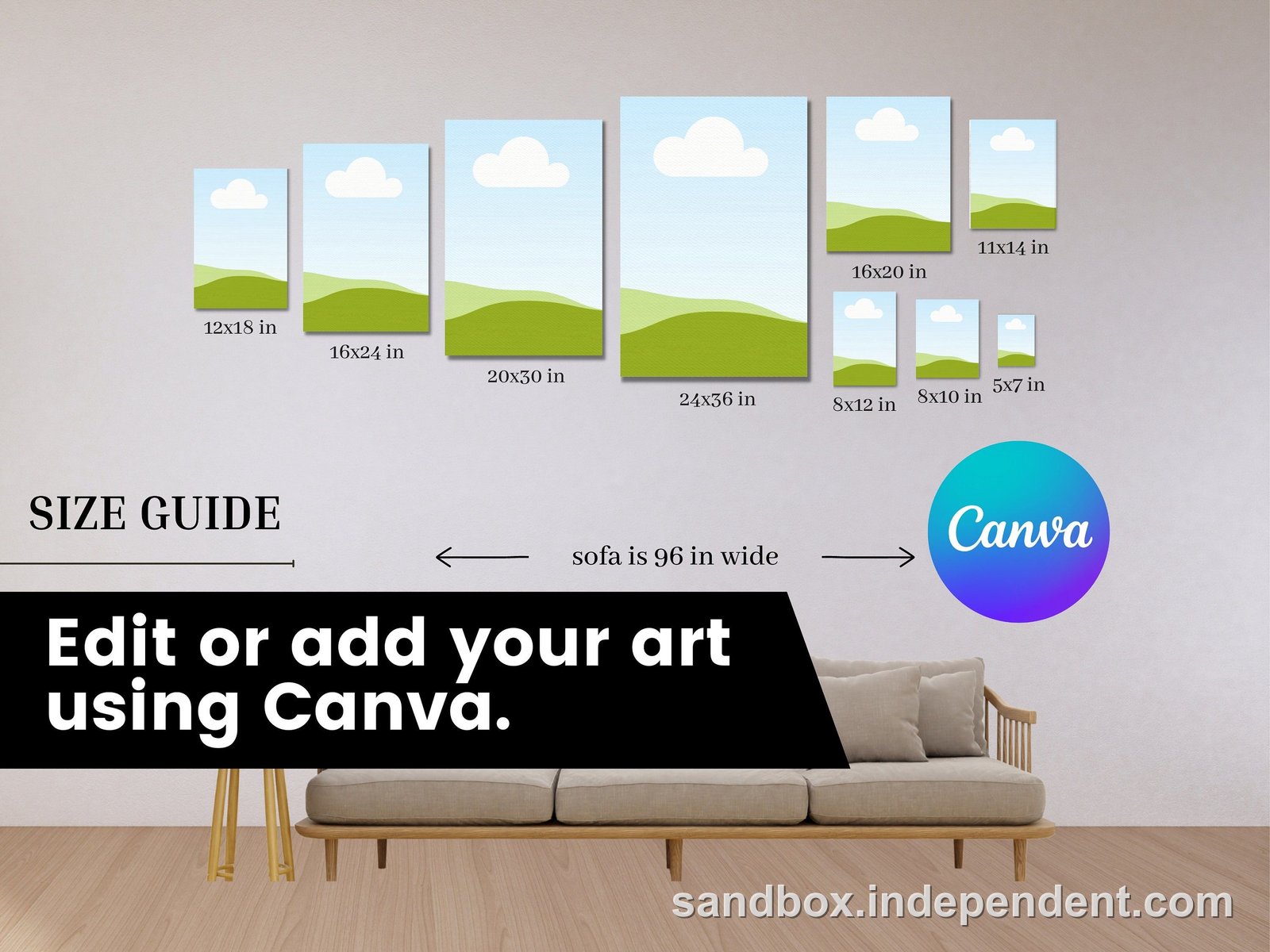
Before diving in, let's clarify some basics. The keep it chart typically covers a range of common measurements and specifications, presented in a clear, organized manner. You'll find categories like length, width, height, weight, and more, each with its specific units. These units can vary depending on the standard you're using, so it's essential to be aware of the system in play. For instance, you might see inches, feet, and pounds in one chart, while another might use centimeters, meters, and kilograms.
How to Read and Use the Keep It Chart
Using the keep it chart is straightforward. Here's a step-by-step guide:
- Identify the category you need. Let's say you're looking for length measurements.
- Locate the relevant section on the chart. It will likely have a clear label or heading.
- Within that section, find the specific measurement or range you require. The chart might provide a range of values, so choose the one that best suits your needs.
- Note the corresponding value or specification. This could be a dimension, a weight, or any other relevant data point.
- Apply this information to your project or task. Whether you're building, designing, or simply organizing, the keep it chart provides a quick and reliable reference.
Common Variations and Differences
While the keep it chart is a valuable tool, it's important to note that variations exist across different standards and contexts. For example, the units and ranges may differ between the metric system and the imperial system. Additionally, specific industries or applications might have unique requirements, leading to customized charts. Always double-check the exact specifications when dealing with critical or specialized tasks.
Tips and Tricks to Avoid Mistakes
To ensure accurate use of the keep it chart, keep these tips in mind:
- Always verify the standard being used, especially when working with international projects or diverse teams.
- Pay attention to the units. Converting between systems can be tricky, so double-check your calculations if needed.
- If you're unsure about a measurement or if the chart seems to contradict your expectations, trust your instincts and seek further clarification.
- Regularly review and update your keep it chart to ensure you have the latest and most relevant information.
Remember, the keep it chart is a practical tool designed to simplify your work, but it's essential to use it with care and attention to detail. With these tips, you'll be able to make the most of this valuable resource!
Well, there you have it! A handy guide to keep you on track and ensure you're using the right tools for the job. Remember, these charts are a great reference, but it's always wise to double-check the specifics for your unique situation.
Consider bookmarking this page for future use; it's a simple yet effective way to stay organized and informed. Happy charting!
Related: How to use a youth sizing chart?
A youth sizing chart is a handy tool to have when shopping for kids' clothes and shoes. This guide will show you how to navigate these charts with ease, ensuring you get the right fit every time.
These charts are a quick reference, offering standard youth measurements to help you find the perfect size. While values may vary slightly by brand and region, they provide a reliable starting point. You'll find clothing size charts, shoe size guides, and even a head circumference guide, all designed to make sizing a breeze!
Understanding the Youth Sizing Chart
The youth sizing chart is your go-to guide for finding the perfect fit for kids' clothing and shoes. It's a simple yet powerful tool that helps you navigate the world of sizing, ensuring your little ones look and feel their best.
Key Details and Categories
This chart typically includes measurements for height, weight, and sometimes even age. These measurements are divided into categories, often based on age groups or specific size ranges. You'll find units in both centimeters (cm) and inches, so it's essential to know which system you're using. For instance, a child's height might be listed as 122 cm or 48 inches, depending on the standard.
How to Read and Apply the Chart
Using the youth sizing chart is straightforward:
Start by measuring your child's height and weight. If you're unsure, ask a friend or family member to help. It's best to measure in the morning, before any major activities, to get an accurate reading.
Locate the height and weight categories on the chart that match your child's measurements. These categories will often have a range, so find the one that best fits your child's size.
Once you've identified the right category, you'll see a recommended size or a range of sizes. This is the size you should choose when shopping for clothing or shoes.
For clothing, you might see a letter (e.g., S, M, L) or a number (e.g., 6, 8, 10) indicating the size. For shoes, you'll often find a number followed by a width indicator (e.g., 13 M, 1 M).
Variations and Differences
It's important to note that youth sizing charts can vary depending on the standard being used. For instance, a clothing size chart from one brand might not align perfectly with another brand's chart. This is especially true when comparing international sizing standards. Additionally, some charts might be more detailed, including measurements for head circumference or chest size, which can further refine the fit.
Common Mistakes and How to Avoid Them
One of the most common mistakes is not measuring accurately. Always take precise measurements, especially if your child is on the border of two size categories. Another pitfall is assuming that all brands or manufacturers use the same sizing standards. Always double-check the specific kids sizing guide or standard youth measurements provided by the brand or retailer. Lastly, don't forget to consider the material and design of the clothing or shoes. Some items might run larger or smaller than expected, so it's always a good idea to check reviews or ask for recommendations.
Well, that's the lowdown on youth sizing charts! You now have the tools to navigate these charts with ease and ensure a perfect fit for your little ones. Remember, while these charts are a fantastic guide, it's always wise to double-check the specific requirements or standards you're working with.
Feel free to explore our other resources; we've got a range of practical guides to help you tackle various tasks with confidence. Happy sizing and see you around!
Related: Grout Color Chart: Your Quick Reference Guide
Finding the right grout color can be a tricky task, and that's where a grout color chart comes in handy. It's a simple yet effective tool, providing a quick reference to help you choose and match the perfect shade for your tiles. With various colors and shades available, this chart ensures you get it right, offering a visual guide to navigate the world of grout color options.
Grout Color Chart: A Practical Guide to Selecting the Right Shade
The grout color chart is a handy reference tool for anyone working with tiles and grout. It provides a visual guide to help you choose the perfect grout shade for your project, ensuring a cohesive and aesthetically pleasing result. This chart is a valuable resource for both professionals and DIY enthusiasts, offering a simple way to navigate the world of grout colors.
Key Details and Categories to Know
The grout color chart typically presents a range of grout shades, often organized in a grid or palette format. Each shade is assigned a name or code for easy reference. The chart may also include additional information such as the grout type, whether it's sanded or unsanded, and sometimes even the manufacturer's brand. It's important to note that the specific categories and details can vary depending on the standard or brand you're using.
Step-by-Step Guide to Reading and Using the Chart
Using the grout color chart is straightforward. First, identify the type of grout you need - sanded or unsanded - as this will narrow down your options. Then, assess the color options available for your chosen grout type. The chart will provide a visual representation of the shades, allowing you to compare and contrast. You can also refer to the color names or codes to find the perfect match for your tiles. Once you've selected your preferred shade, simply note down the corresponding code or name to ensure you get the right grout product.
Understanding Variations and Differences
Variations in grout color charts can occur due to several factors. Different manufacturers may have their own unique color palettes, so it's essential to refer to the specific brand's chart for accurate results. Additionally, the lighting conditions and surface materials can affect how grout colors appear. It's always a good idea to view grout samples in the intended lighting and against the actual tile surface to get a true representation of the shade.
Common Mistakes and How to Avoid Them
One common mistake is relying solely on the chart without considering the actual grout sample. Always request a physical sample or visit a store to see the grout in person. Another pitfall is not accounting for lighting differences. Grout colors can appear differently under various lighting conditions, so ensure you view samples in the intended lighting environment. Lastly, be mindful of the grout type - sanded vs. unsanded - as using the wrong type can affect the final outcome.
Practical Tips for Accurate Results
To ensure you achieve the desired grout color, consider these tips. Firstly, obtain multiple samples of your chosen shade to account for any variations in lighting and surface conditions. Secondly, compare the samples side by side with your tiles to ensure a harmonious match. Thirdly, if you're working with a large area, it's advisable to purchase grout from the same batch to minimize color variations. Lastly, don't be afraid to seek advice from professionals or experienced DIYers who can offer valuable insights and recommendations.
By following these guidelines and utilizing the grout color chart effectively, you'll be able to select the perfect grout shade for your project, adding the finishing touch to your tiled space. Remember, the right grout color can enhance the overall aesthetic and create a seamless, polished look.
Well, there you have it! Grout color charts are a handy tool to have in your toolkit, and while the basics are covered here, it's always worth exploring the specific details for your project. Exact colors and shades can vary, so it's a good idea to double-check and ensure you're using the right references.
Don't forget to explore our other guides for more practical tips and tricks. We've got a whole range of topics to help you with your home improvement projects, so feel free to browse and discover more!