

Preschool Yellow Worksheet Overview
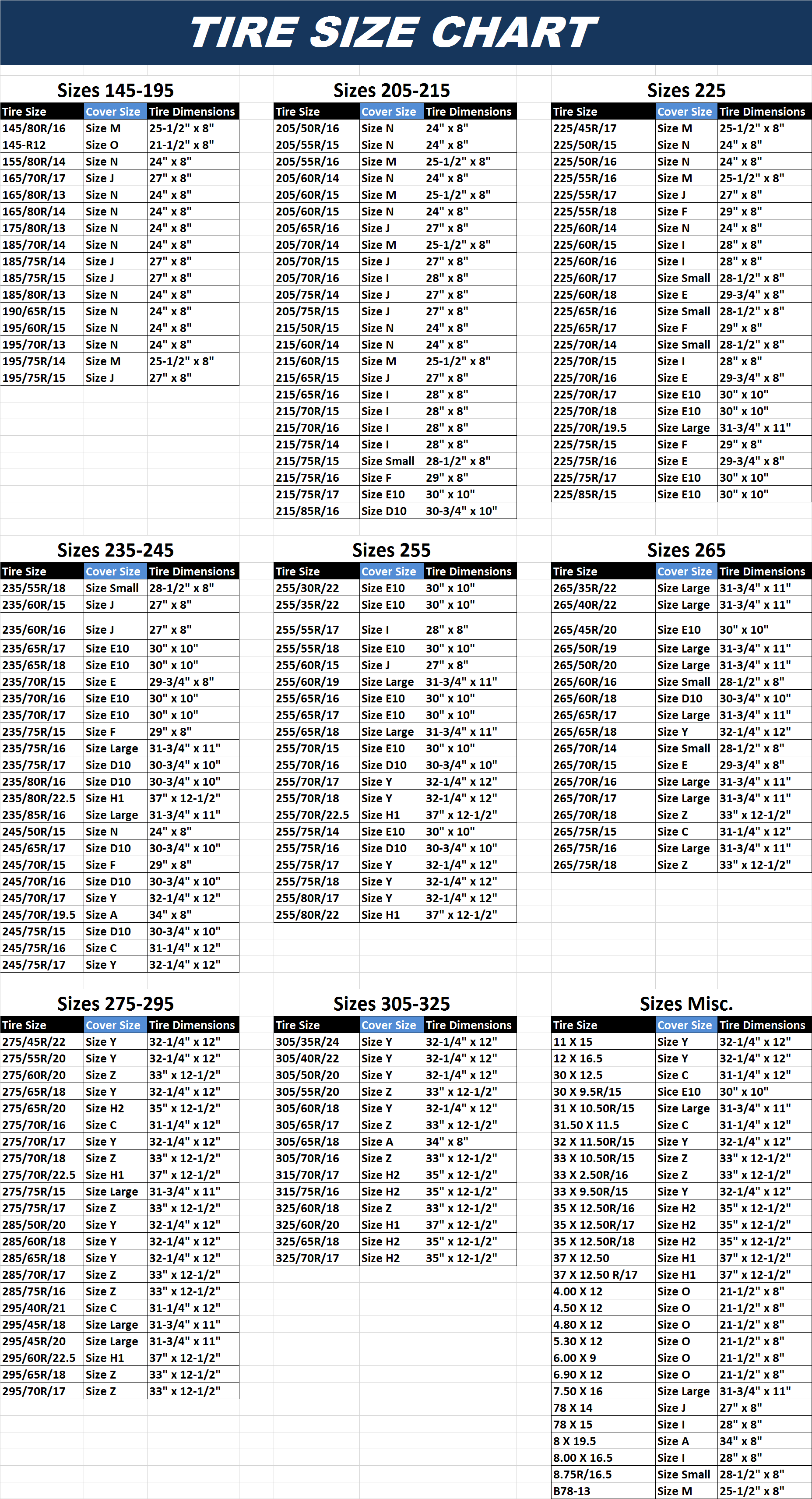
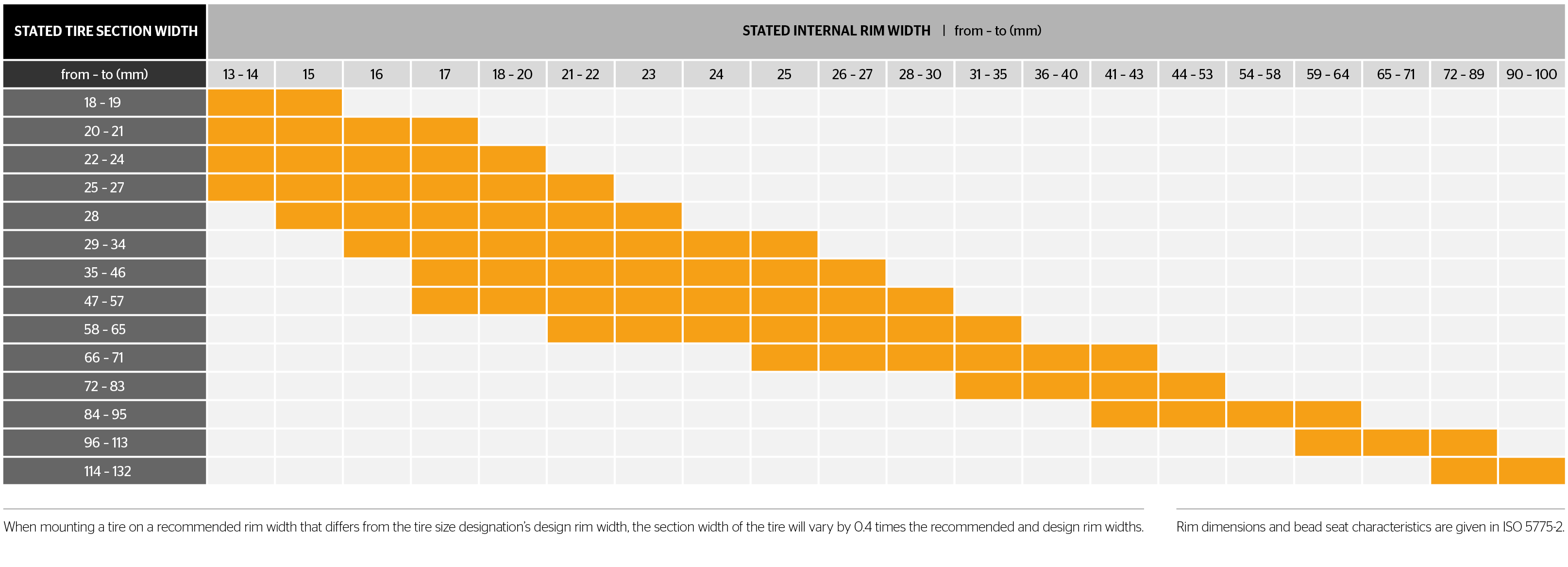
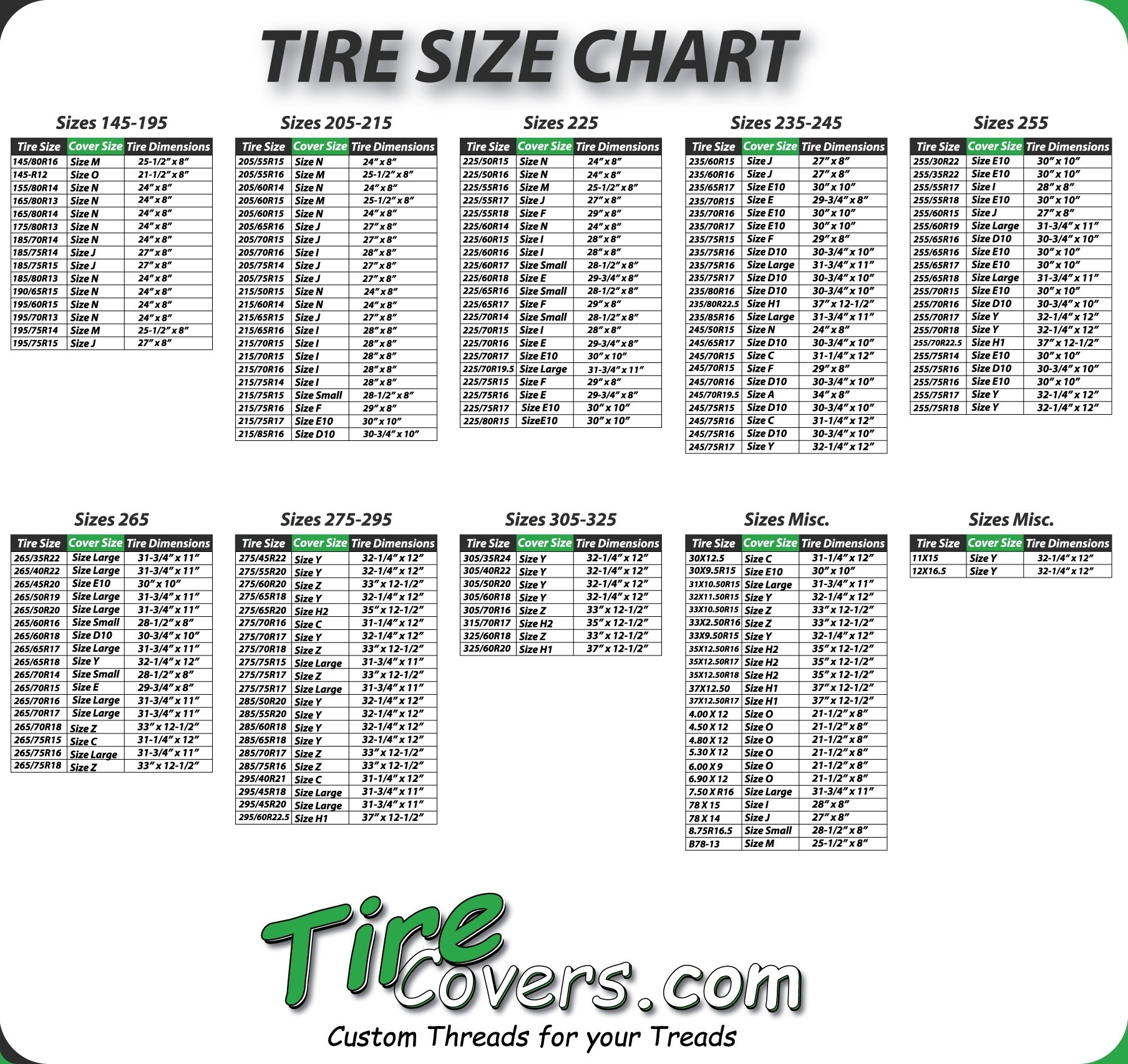
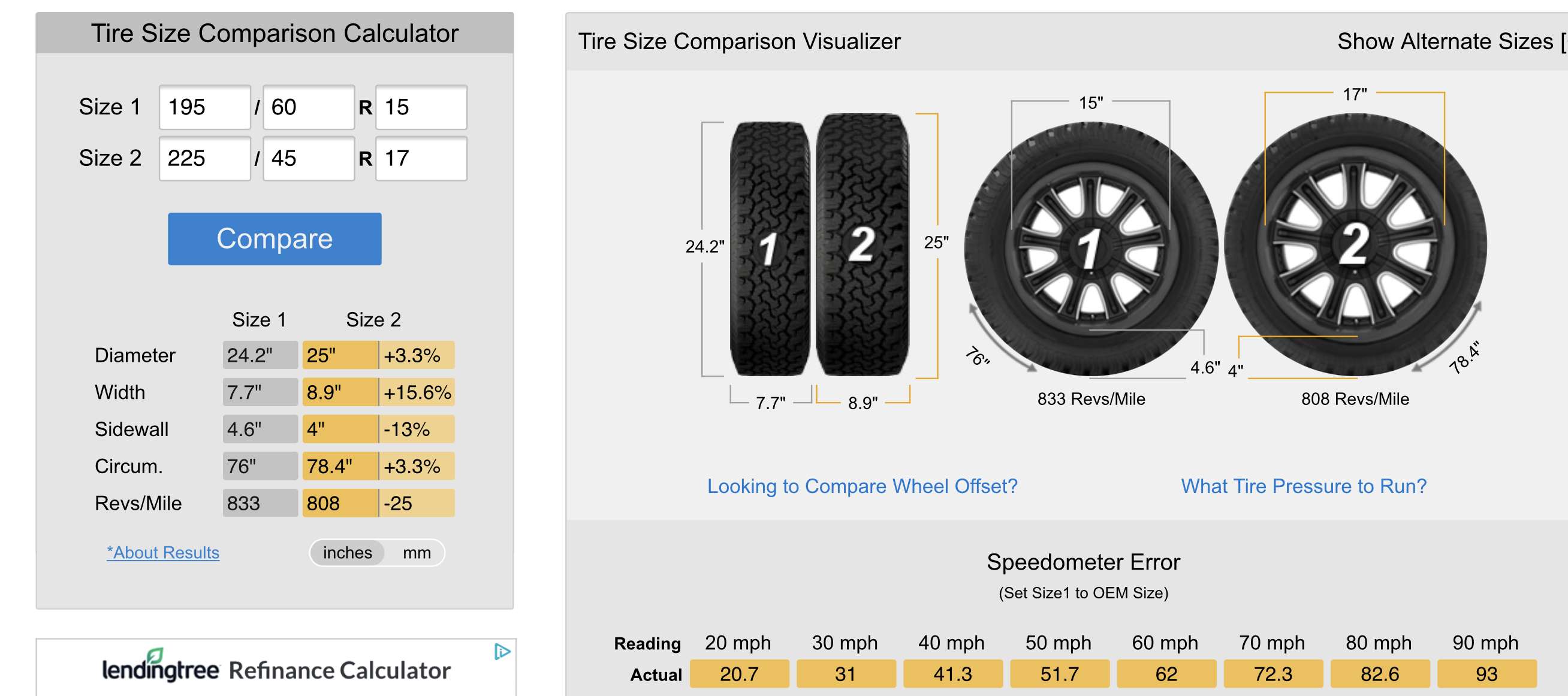
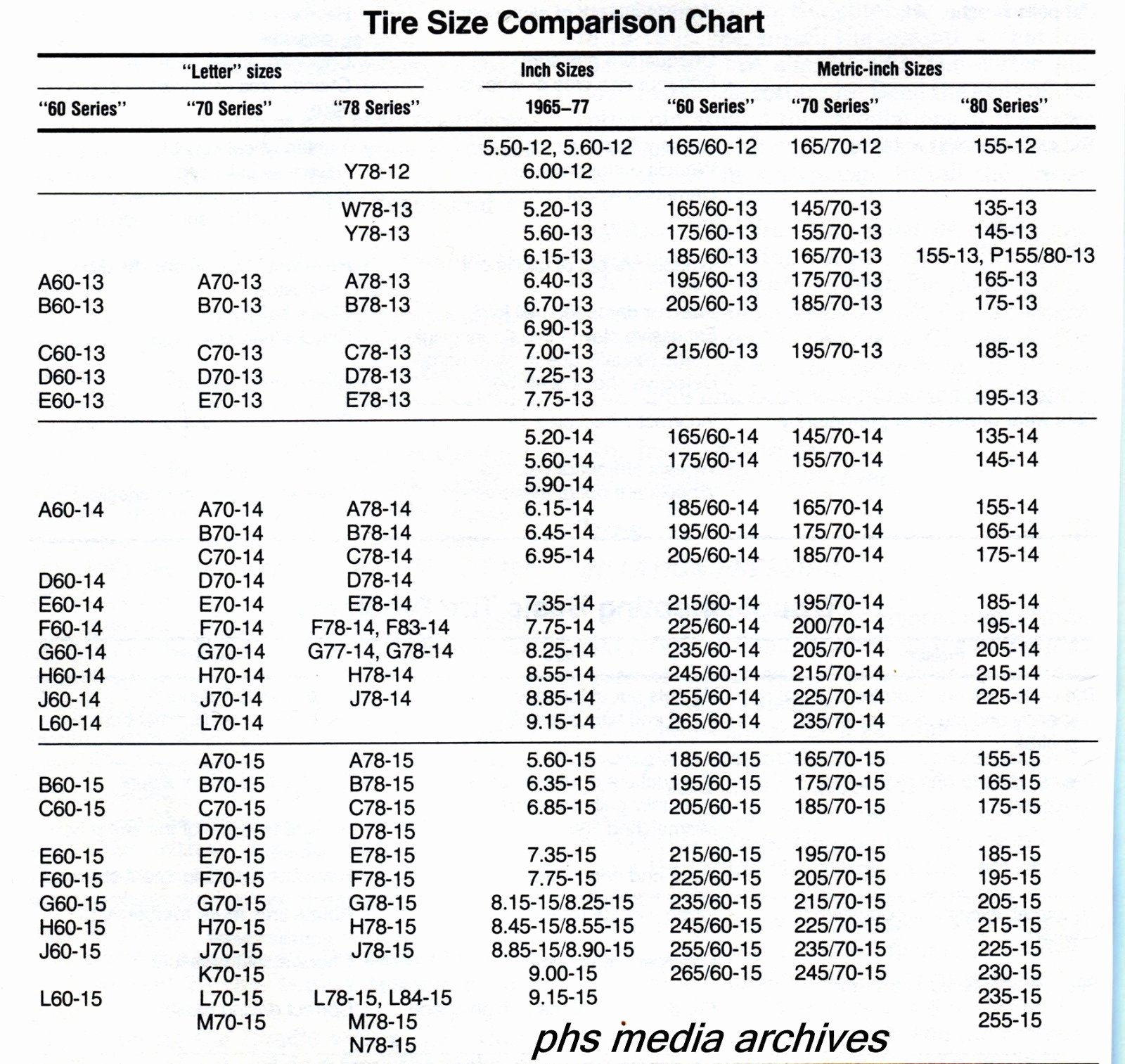
Finding the right tire size can be a straightforward process with the right tools. A tire size chart is an essential reference, offering a clear overview to help you make an informed decision. This chart, a simple yet powerful tool, provides a quick and reliable way to match your needs with the right tire specifications. From tire diameter charts to rim size guides, these resources offer a comprehensive view, ensuring you find the perfect fit for your vehicle.
Understanding Tire Size Charts: A Quick Overview
A tire size chart is an essential tool for anyone dealing with tires, offering a comprehensive guide to tire dimensions and specifications. It provides a clear, visual representation of various tire sizes, helping you make informed choices for your vehicle.
Comparing Tire Size Chart Standards and Formats
There are different standards and formats for tire size charts, primarily the metric tire size chart and the one based on imperial units. The metric system is widely used internationally, while the imperial system is more common in the US. These charts may also vary based on the tire manufacturer's specific guidelines.
Practical Guide to Reading Tire Size Charts
To use a tire size chart accurately, follow these steps:
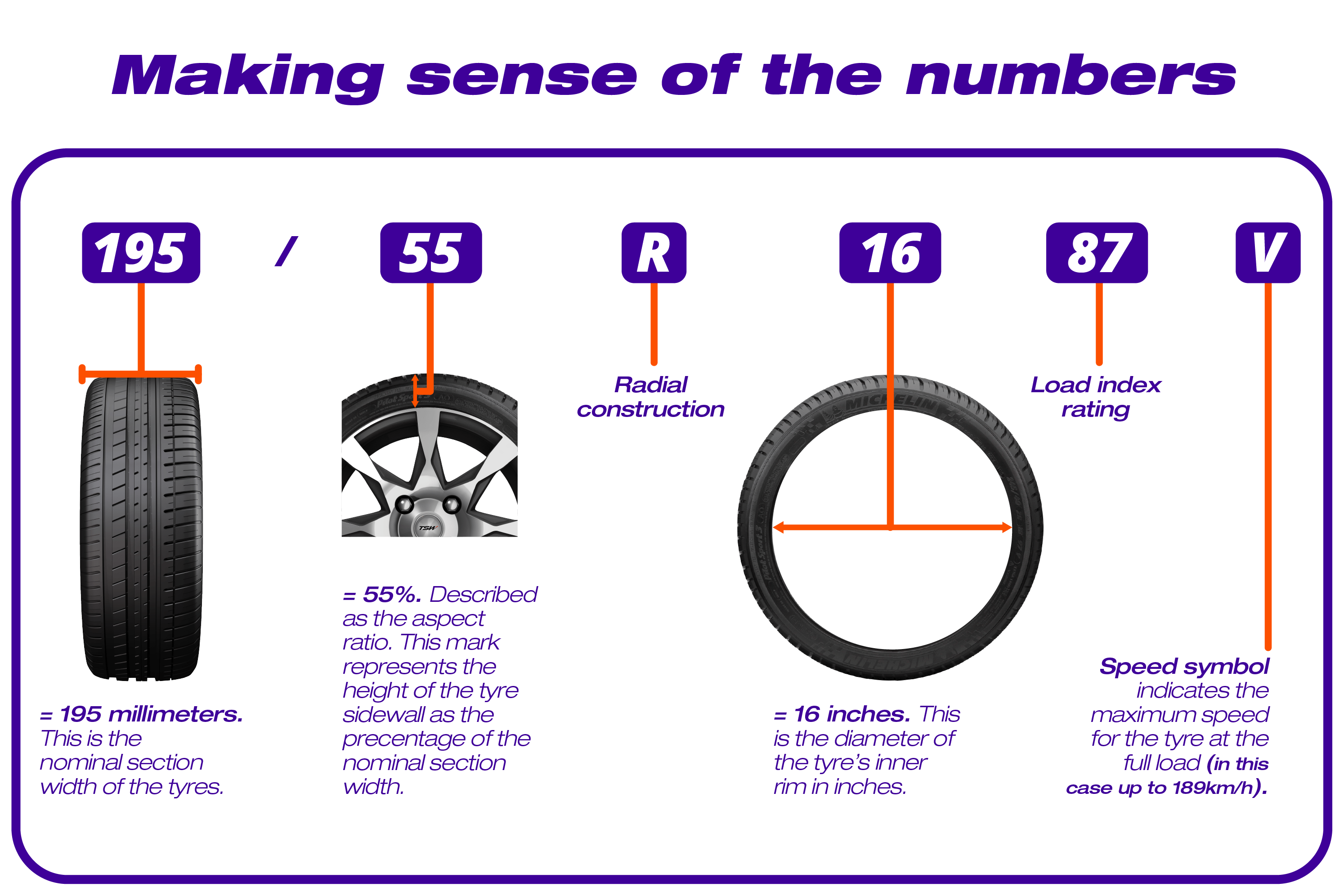
Identify the tire size code on your existing tire. This code typically starts with a letter (e.g., P for passenger vehicle) followed by numbers indicating the width in millimeters, aspect ratio, and rim diameter in inches.
Locate the corresponding size on the chart. Most charts are organized with tire width on one axis and aspect ratio on the other, with rim sizes indicated along the edges.
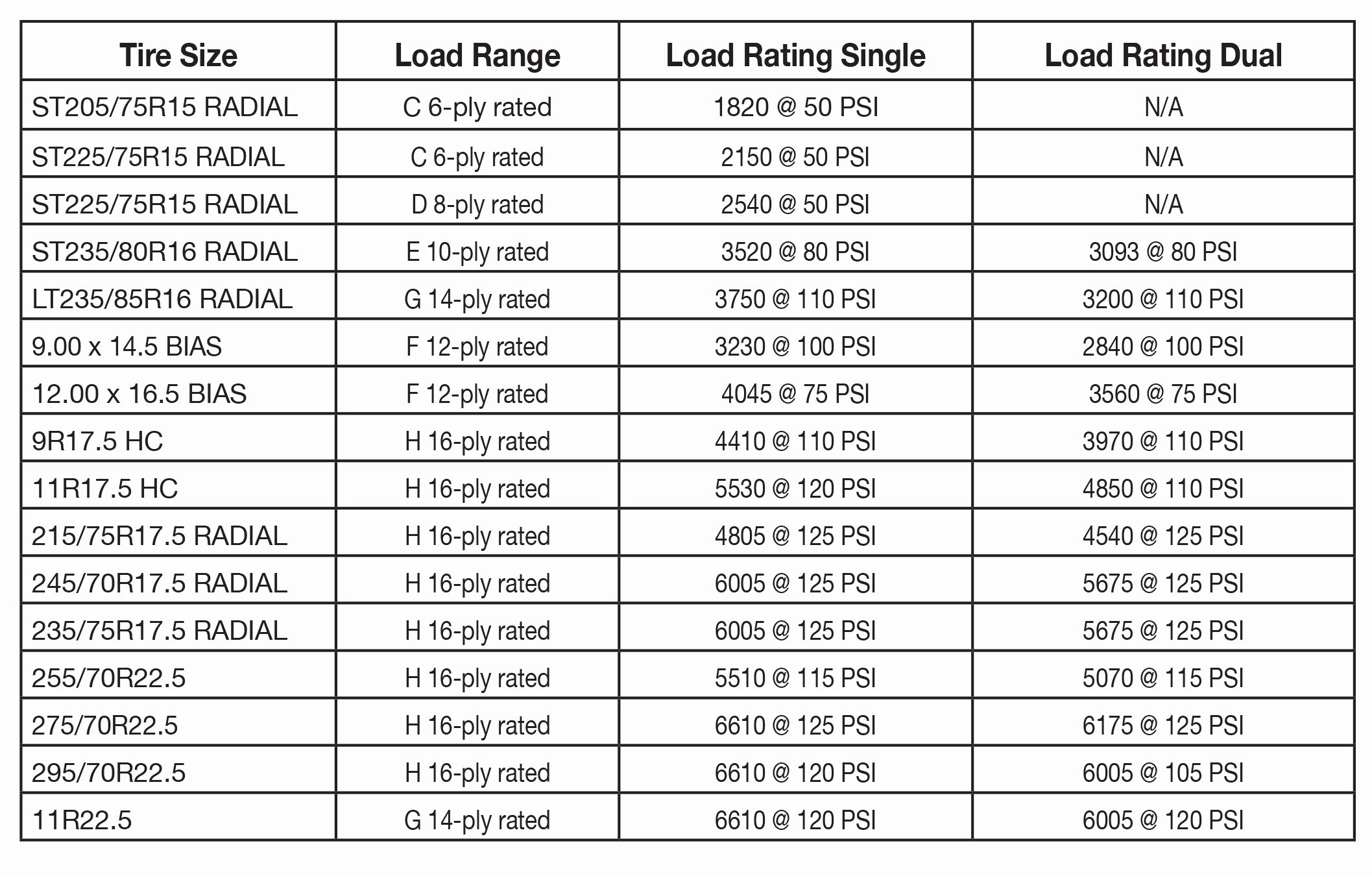
Cross-reference the size code with the chart to find the tire's diameter, load index, and other relevant specifications.
Ensure the tire size you choose is compatible with your vehicle's make and model, as well as the intended use (e.g., off-road vs. highway driving).
Common Misreadings and How to Avoid Them
Tire size charts can be misinterpreted if you confuse the tire width with the rim size. Always check the chart's labels to ensure you're reading the correct values.
Aspect ratio, which represents the tire's sidewall height, is often misunderstood. It's a percentage of the tire width, not an absolute value.
Load index, indicating the maximum weight a tire can carry, is another critical specification. Ensure you understand the load index range for your vehicle and choose tires within this range.
Remember, while tire size charts provide valuable guidance, they may not cover every possible variation. Always double-check exact specifications, especially when dealing with specialized tires or unique vehicle requirements.
While the chart provides a comprehensive guide, it's important to remember that tire sizing can have slight variations, so always double-check the specifics for your vehicle. These details might differ based on your region and the tire manufacturer's standards.
Feel free to explore our other guides for more practical tips and insights. We've got a range of topics covered, so you can find the information you need to make informed decisions. Happy reading!
Related: How to Find Your Glove Size Chart?
A glove size chart is a handy tool to ensure you get the perfect fit for your hands. This guide will show you how to navigate these charts and find your ideal glove size with ease.
Glove sizing can vary depending on the type and purpose of the glove, so having a reliable chart is key. It's a simple process to measure your hand and find your size, and we'll cover the steps to ensure you get it right. With a glove size chart, you'll be able to choose the right gloves for any task, from gardening to safety gear.
Glove Size Chart: A Quick Overview
A glove size chart is your handy guide to finding the perfect fit for your hands. It's a simple yet effective tool that ensures your gloves are neither too loose nor too tight, offering comfort and functionality. This chart typically includes measurements for hand length and width, helping you choose the right size for various glove types.
Comparing Standards and Formats
Glove size charts can vary depending on the standard used. Common standards include the US sizing system and the international glove size standards. These standards provide different measurement categories and ranges. For instance, the US system often uses letter sizes like S, M, L, while international standards may employ numerical sizes with more precise measurements. It's essential to know which standard your chart follows to ensure accurate sizing.
Step-by-Step Guide to Using the Chart
Using a glove size chart is straightforward. First, measure your hand length from the tip of your middle finger to the base of your palm. Then, measure your hand width across your palm at its widest point. These measurements will guide you to the right size on the chart. For instance, if your hand length is 7.5 inches and your hand width is 3.5 inches, you'd likely need a medium-sized glove according to the US standard. Always refer to the chart's legend or key to understand the measurements and categories.
- Measure your hand length and width accurately.
- Locate these measurements on the chart.
- Identify the corresponding glove size.
- Cross-check with the glove's product description or packaging for any specific sizing details or recommendations.
- Try on the gloves to ensure a comfortable fit.
Common Misreadings and Pitfalls
Misreading a glove size chart can lead to an inaccurate fit. One common mistake is assuming all glove types follow the same sizing standards. For example, safety gloves might have different measurements than regular gloves. Always check the chart's specific use case or purpose. Another pitfall is neglecting to measure both hand length and width. Both measurements are crucial for an accurate fit. Lastly, remember that hand shapes can vary, so a size that fits one hand perfectly might not fit the other.
Factors Affecting Accuracy
Several factors can influence the accuracy of a glove size chart. Here are some key considerations:
- Hand Shape: Hands come in various shapes, and some gloves might fit certain shapes better than others.
- Material Stretch: The material of the glove can affect its stretch and fit. For instance, leather gloves might have less give than fabric gloves.
- Safety Features: Gloves with extra padding or safety features might have a different fit compared to standard gloves.
- Personal Preferences: Some people prefer a tighter or looser fit, so personal preference plays a role in sizing.
- Manufacturing Tolerances: Gloves from different manufacturers might have slight variations in sizing, so always check the brand's specific measurements.
Always refer to the glove sizing guide provided by the manufacturer for the most accurate fit.
So, there you have it, a handy guide to glove sizing. Remember, it's always a good idea to double-check your specific needs and consider any unique factors that might impact your glove choice.
We've covered a lot of ground, but there's always more to explore. If you found this helpful, why not check out some of our other practical guides? We've got a range of topics to keep you informed and ensure you're always making the right choices. Happy reading!
Related: How to Read the Eagles Depth Chart?
You've landed on this page, so you're likely seeking a quick glimpse at the eagles depth chart or wanting to understand its layout. It's a handy tool for eagle enthusiasts and bird watchers, offering a simple way to visualize the hierarchy and organization of these majestic birds. The chart provides a snapshot of eagle species, with potential variations depending on your region and the specific eagles you're studying. It's a great reference, especially when you're out spotting these birds of prey and need a quick reminder of their unique characteristics and rankings.
Understanding Rankings: Eagles Depth Chart 101
The eagles depth chart is a valuable tool for bird enthusiasts and observers, offering a structured overview of eagle species and their unique characteristics. It's like a roadmap to the world of eagles, helping you navigate and understand these magnificent birds better. This chart ranks and organizes eagles based on various factors, providing a quick reference guide.
Comparing Standards and Formats
When it comes to eagles depth charts, there can be variations in the standards and formats used. Different regions and organizations may have their own ways of categorizing and presenting eagle data. For instance, some charts might focus on size and wingspan, while others prioritize hunting techniques or breeding behaviors. It's important to be aware of these differences to interpret the charts accurately.
Step-by-Step Guide: Using the Eagles Depth Chart
Using the eagles depth chart is straightforward and practical. Here's a simple guide:
Start by identifying the purpose of your observation. Are you interested in eagle sizes, hunting strategies, or something else?
Locate the relevant section on the chart. It will typically have categories like size, hunting techniques, or breeding behaviors.
Within each category, you'll find a ranking or list of eagle species. Compare the values or descriptions to identify the eagles that match your interest.
Take note of any additional information provided on the chart, such as brief descriptions or fun facts.
Cross-reference with other resources if needed, especially for specific details or regional variations.
Common Misreadings and Pitfalls
One common mistake is assuming that all eagles depth charts are universal. While they provide a great overview, certain charts may have limitations or focus on specific aspects. Always double-check the chart's scope and purpose to ensure you're using it correctly. Additionally, be cautious of charts that claim to cover every detail; sometimes, more specialized resources are needed for specific information.
Factors Affecting Accuracy and Real-World Use
The accuracy of eagles depth charts can be influenced by various factors. Firstly, the data collection methods and sources play a crucial role. Charts based on extensive research and reliable data are more accurate. Secondly, regional variations and eagle behaviors can impact the rankings. Eagles in different parts of the world may exhibit unique characteristics, so it's important to consider the chart's geographical focus. Lastly, the chart's purpose and intended audience can affect its content and presentation.
Adapting the Format for Specific Needs
The beauty of eagles depth charts is their adaptability. If you have specific requirements or a unique focus, you can create or customize a chart to suit your needs. For instance, if you're interested in eagle breeding pairs, you can design a chart that highlights this aspect, including information on nesting behaviors and preferred habitats. This flexibility allows you to create a personalized tool for your bird-watching adventures.
Remember, while these depth charts offer a great starting point, the specifics can differ based on your unique circumstances. It's always a good idea to tailor them to your needs and keep an eye on any updates or changes.
Feel free to explore our other guides for more practical insights and tips. We've got a range of topics covered, so you can dive deeper into the world of sports analysis and strategy. Happy reading!