




Princess Twilight Sparkle Coloring Pages Overview
You're probably here because you need a quick reference or a simple explanation of the race anchor chart. This chart is a handy tool, a go-to resource, and a visual aid that can be incredibly useful for understanding and addressing racial issues. It offers a straightforward way to explore and navigate discussions on race, providing a clear format that can be adapted to various contexts. Whether you're an educator, a professional, or simply someone seeking to educate themselves, the race anchor chart is a valuable starting point, offering a structured approach to an important topic.
What is a Race Anchor Chart?
A race anchor chart is a visual tool that provides a quick reference guide to help understand and compare different races and their characteristics. It serves as a valuable resource, offering a concise overview of racial categories and their key attributes. This chart is particularly useful for educators, diversity trainers, and anyone seeking to promote inclusion strategies and foster an understanding of equity resources.
Key Metrics and Categories
The race anchor chart typically includes a range of categories to provide a comprehensive view. These may consist of: race or ethnic group names, associated regions or countries, population statistics, cultural or historical notes, and sometimes even language or dialect information. Each category is carefully selected to offer a well-rounded understanding of the diverse racial landscape. The chart's structure allows for easy comparison and reference, making it a practical tool for various educational and awareness-raising purposes.
How to Read and Apply the Chart
- Start by identifying the specific race or ethnic group you are interested in. Look for the corresponding category on the chart, which will often be listed alphabetically or grouped by region.
- Once you've located the race, scan the columns to find the relevant information. Common details include population size, notable cultural practices, historical background, and any other unique attributes associated with that race.
- Compare and contrast different races by moving across the chart horizontally. This allows you to quickly identify similarities and differences, aiding in a deeper understanding of racial diversity.
- For a more detailed analysis, refer to the notes or resources provided alongside the chart. These may offer further insights, personal stories, or educational materials to enhance your knowledge.
Variations and Differences
It's important to note that race anchor charts can vary depending on the context and the specific purpose for which they are designed. Different charts may emphasize certain categories over others, depending on the intended audience or the focus of the discussion. For instance, a chart aimed at educators might prioritize cultural practices and historical contexts, while a medical reference chart might highlight genetic predispositions and health considerations.
Common Mistakes and How to Avoid Them
One common mistake is treating the race anchor chart as an exhaustive resource. While it provides a valuable overview, it cannot capture the full complexity and diversity of human experiences. Avoid the pitfall of oversimplification by recognizing that each race or ethnic group is made up of unique individuals with their own stories and perspectives. Additionally, be mindful of the potential for stereotypes and generalizations. The chart should be used as a starting point for further exploration and understanding, not as a definitive guide to any specific race or culture.
Practical Tips for Accurate Results
When using a race anchor chart, it's crucial to cross-reference information with multiple sources to ensure accuracy. Remember that charts are often simplified representations and may not capture the full range of diversity within a race or ethnic group. Stay updated with the latest research and resources to avoid relying on outdated or biased information. Additionally, consider the context in which the chart is being used. For instance, a chart designed for a specific region may not accurately represent the global diversity of a particular race. Adapt your understanding and application of the chart accordingly.
Double-Checking and Handling Edge Cases
In certain situations, it's essential to double-check the exact specifications or tolerances, especially when dealing with sensitive topics or specific cultural practices. While the race anchor chart provides a useful framework, it's important to recognize that it may not cover every exception or unique circumstance. Be prepared to seek additional resources or consult experts when dealing with complex or nuanced racial issues. This ensures a more accurate and respectful understanding of diverse cultures and experiences.
Well, there you have it! A race anchor chart is a handy tool to have in your kit, offering a simple and visual way to keep track of key details. Remember, though, that these charts are just a guide, and the exact values or categories might differ slightly based on your specific context or the standard you're following.
So, before you put this knowledge into practice, take a moment to ensure you've considered all the unique aspects of your situation. And don't forget to explore our other resources; we've got plenty of practical guides to keep you informed and inspired!
Related: Find Your Perfect Fit: The Levi's Size Chart Guide
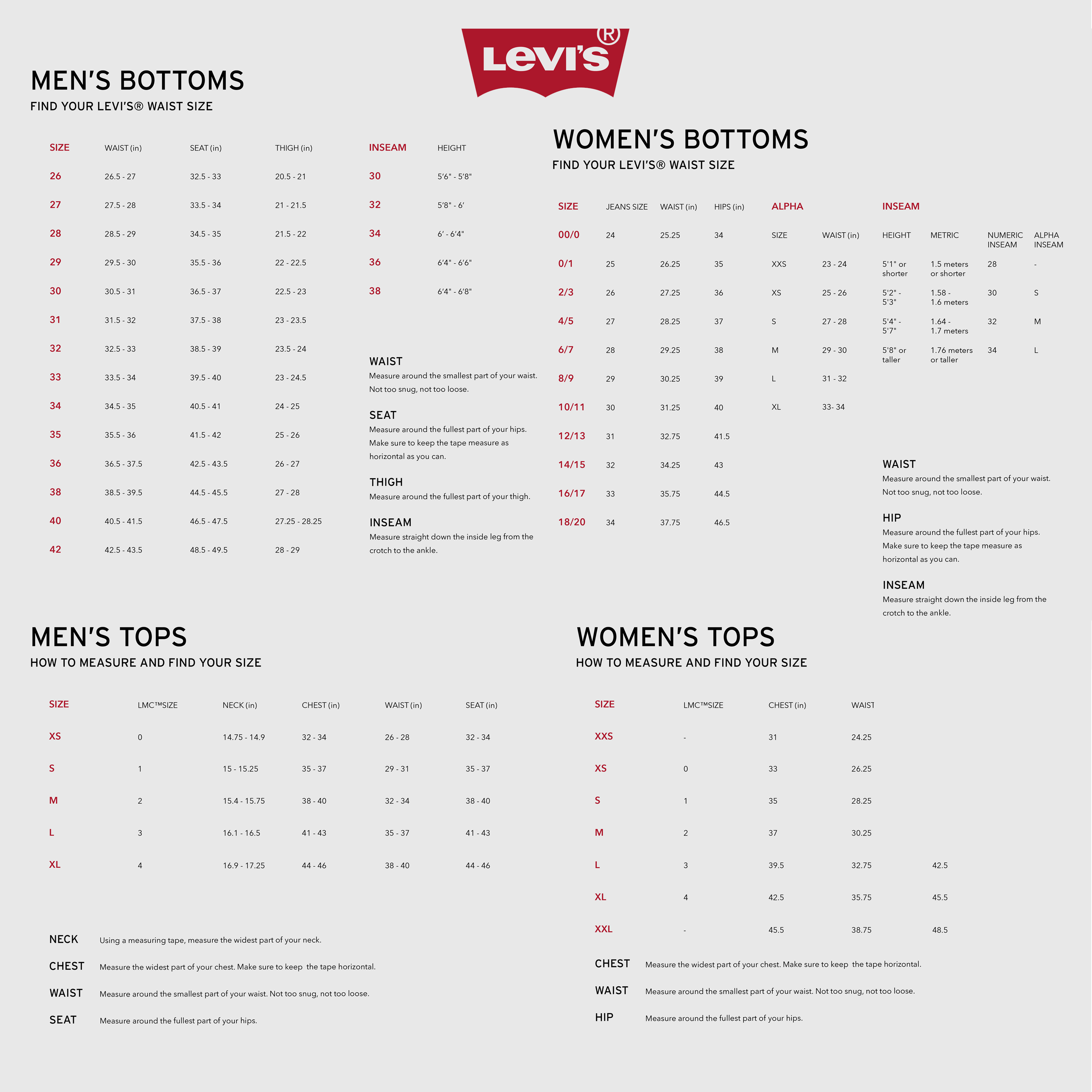
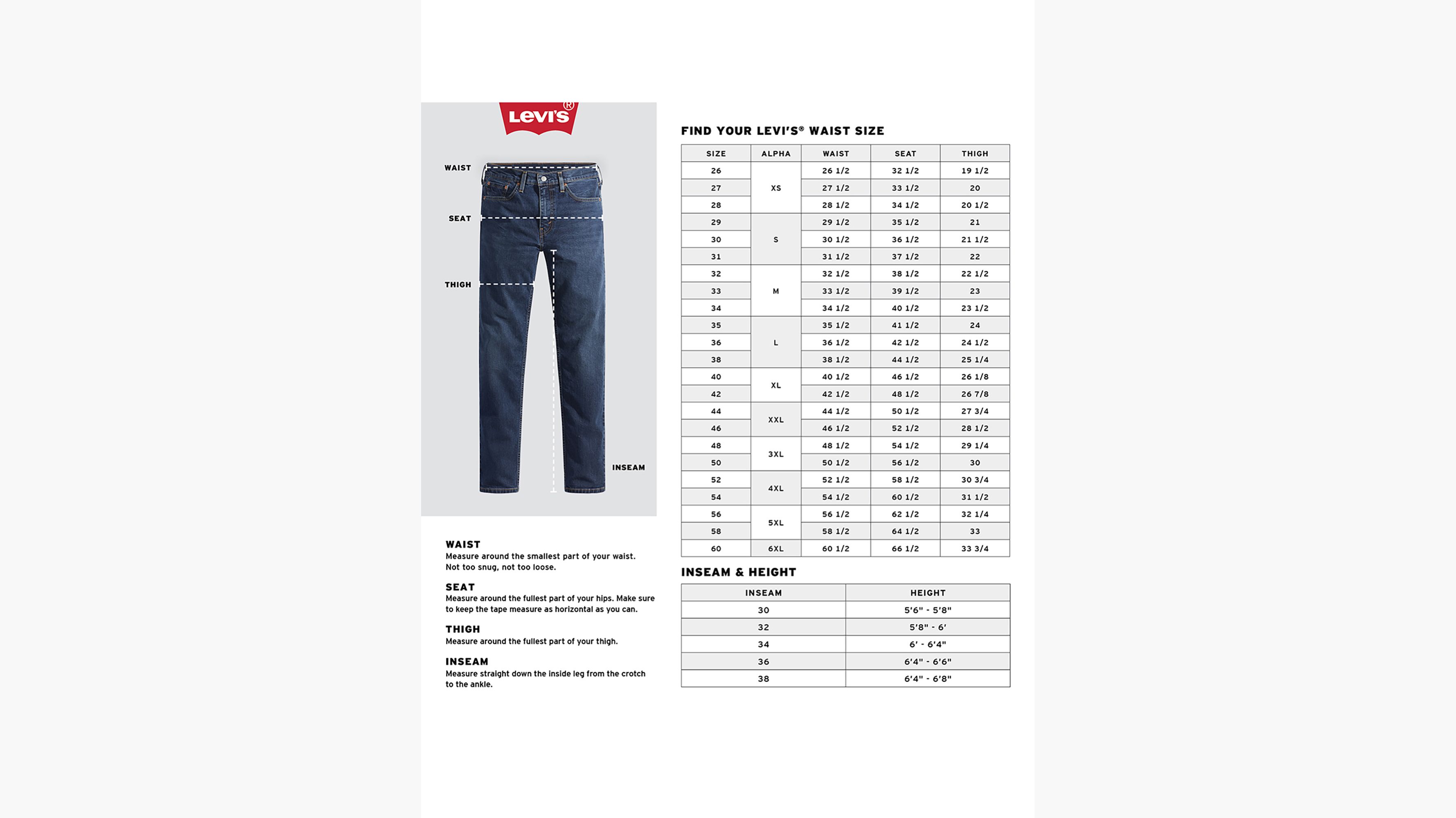
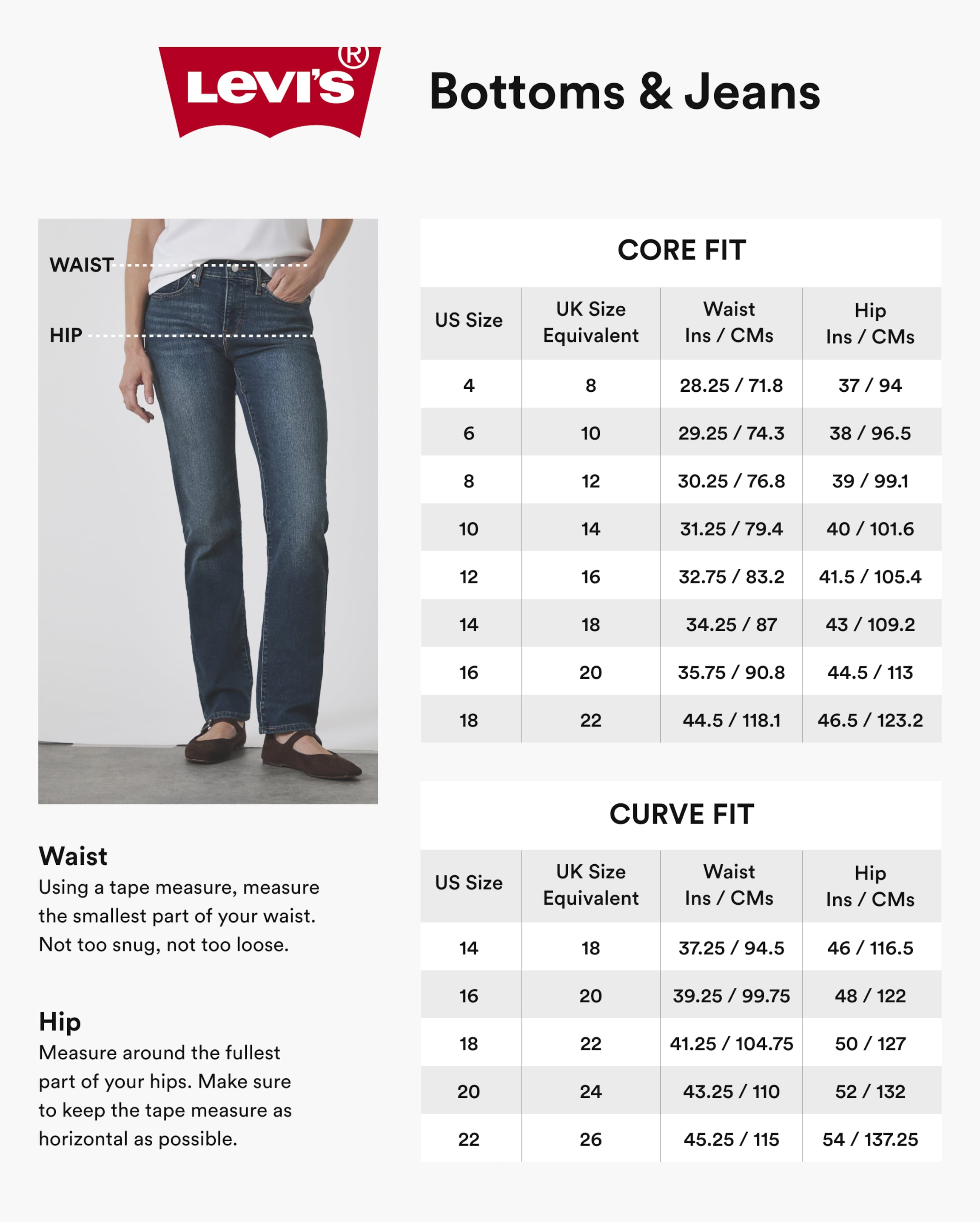
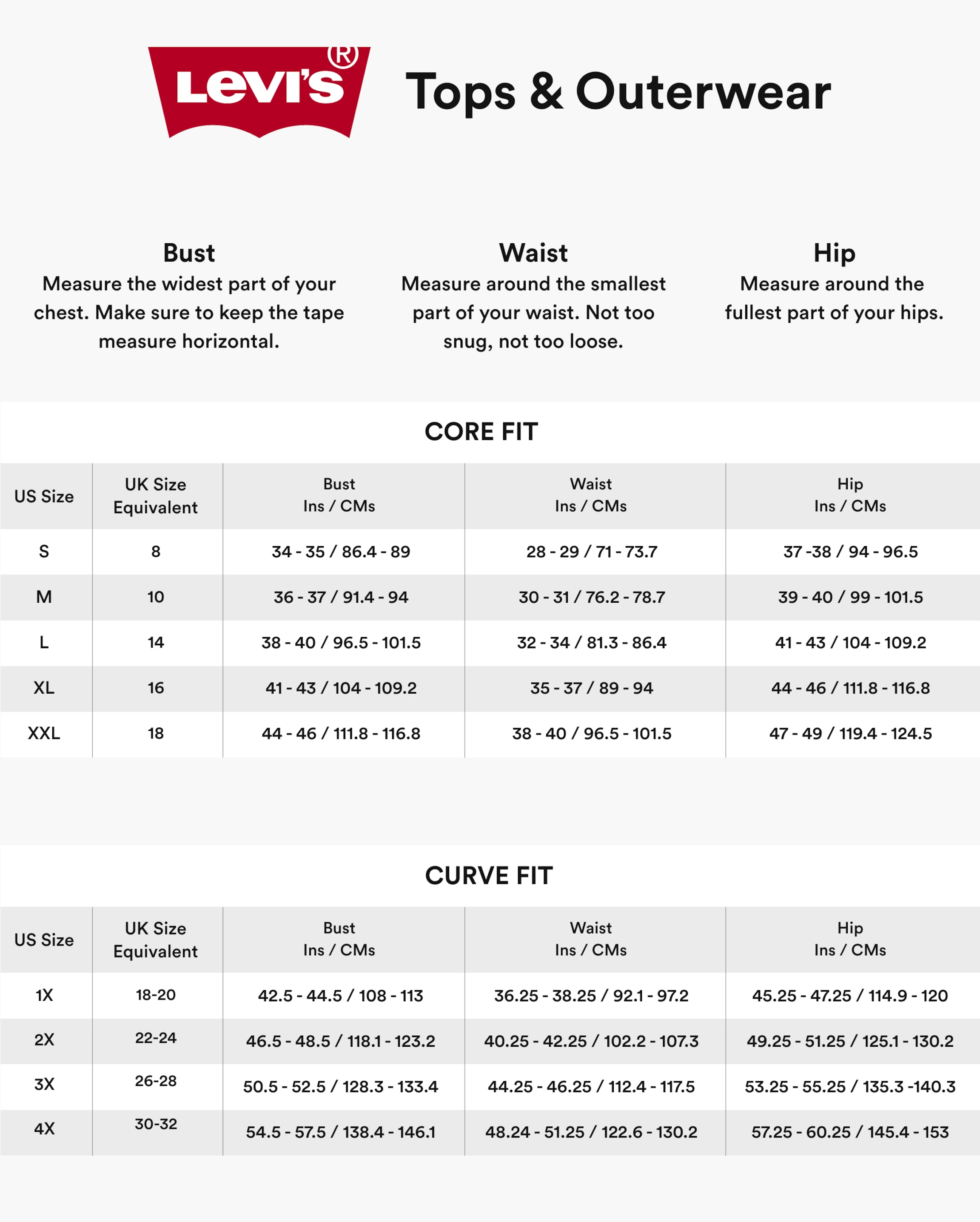
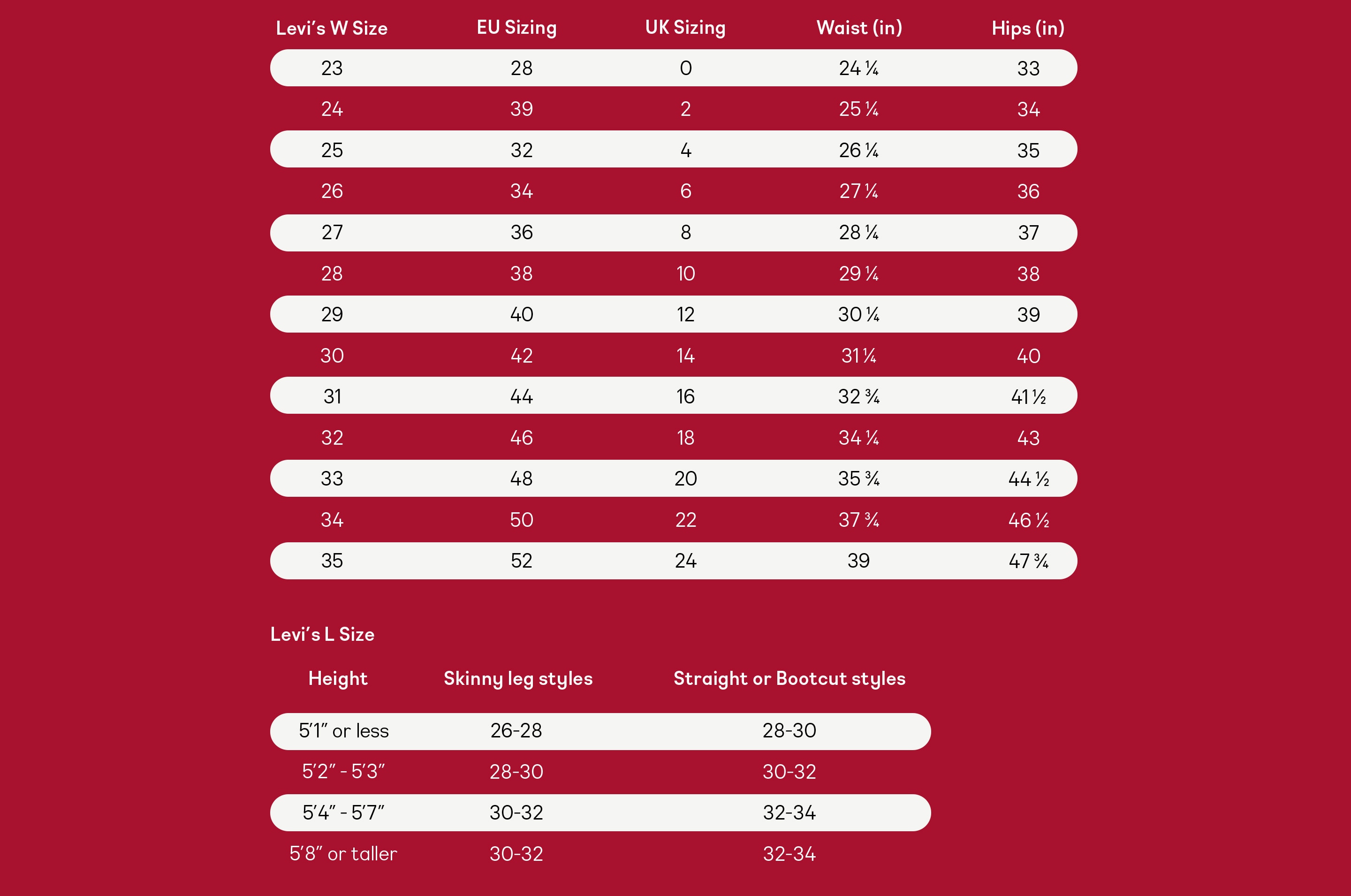
Many people approach the Levis size chart with a bit of trepidation, assuming it's a complex and confusing tool. However, it's actually a straightforward guide that can make finding your perfect fit a breeze. The chart, often accompanied by a sizing guide, provides a clear and visual representation of Levis' sizing system, ensuring you can easily navigate the brand's unique sizing standards. It's a simple reference, yet a powerful tool when you understand its layout and key measurements, such as waist size and inseam length.
Understanding the Levis Size Chart
The Levis size chart is a valuable tool for anyone looking to find their perfect fit in Levis jeans. It provides a clear and standardized guide to help you determine your size based on key body measurements. This chart ensures a consistent sizing experience across Levis products, making it easier to shop with confidence.
Key Details and Categories
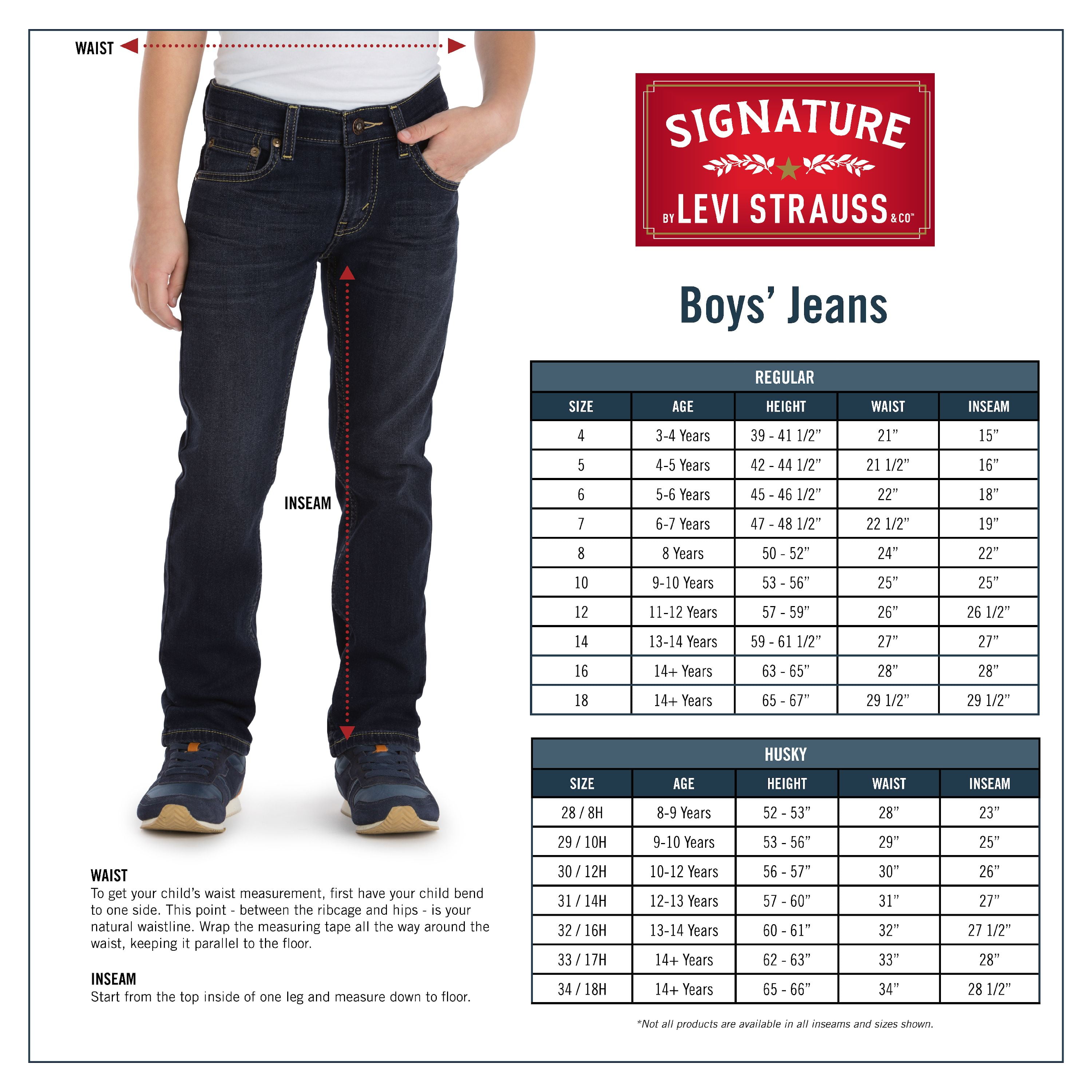
The Levis size chart typically includes measurements for waist size, hip size, and inseam length. These measurements are crucial in determining the right fit for your body. The chart provides a range of sizes, usually in inches or centimeters, depending on the standard being used. For example, the waist size may be listed in inches, while the inseam length is given in centimeters. It's important to note that these measurements are specific to Levis products and may differ from other brands' sizing guides.
How to Read and Apply the Chart
To use the Levis size chart accurately, follow these steps:
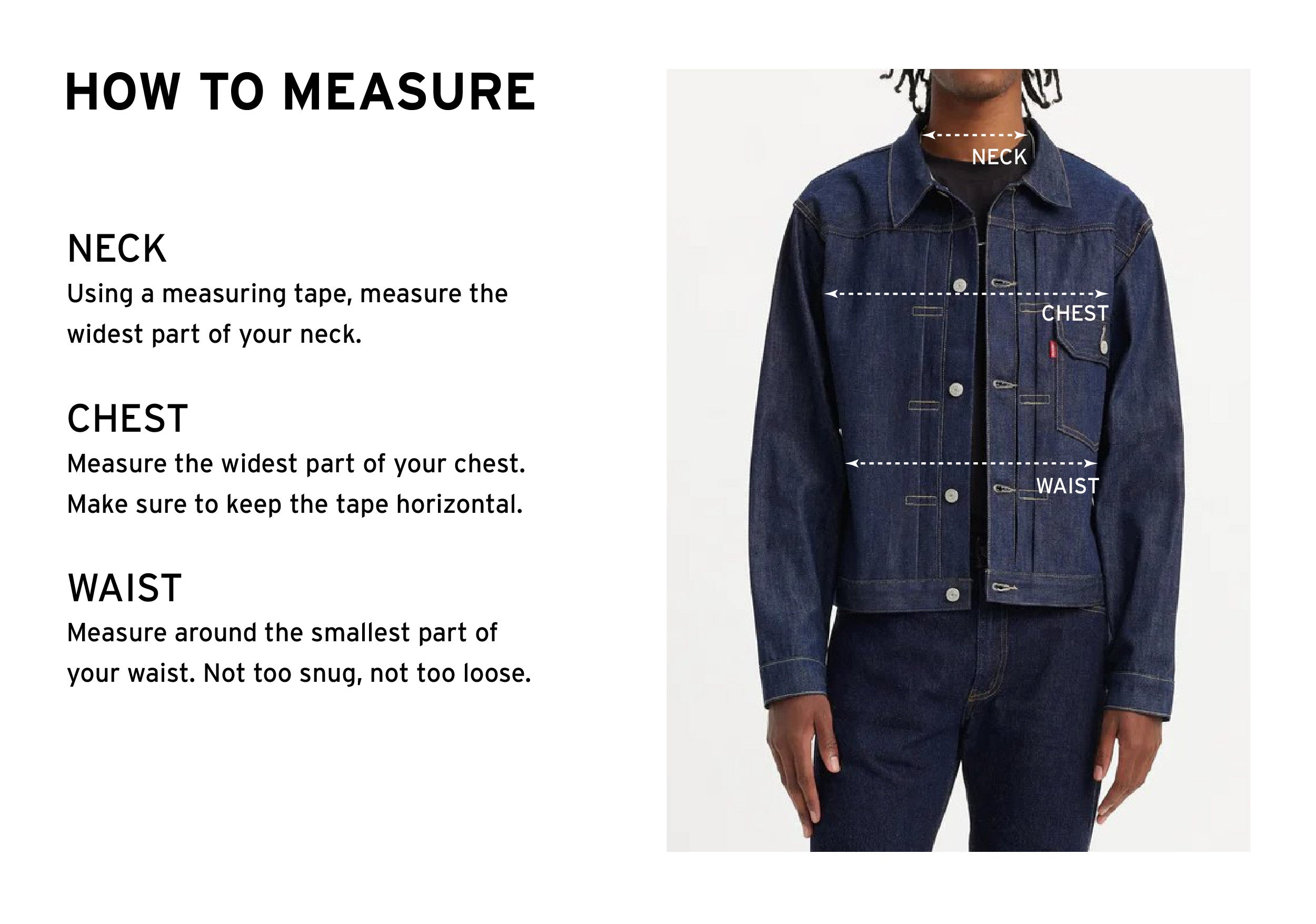
- Measure your waist size: Use a measuring tape to find the circumference of your waist, ensuring the tape is parallel to the floor. This measurement should be taken at the point where you would normally wear your jeans.
- Determine your hip size: Measure the fullest part of your hips, again keeping the tape parallel to the floor. This measurement is crucial for a comfortable and flattering fit.
- Check your inseam length: Measure the length from your crotch to the point where you want your jeans to end. This measurement ensures the jeans have the desired length and fit.
- Refer to the Levis size chart: Locate your waist and hip measurements on the chart. The intersection of these measurements will give you your size. For example, if your waist is 32 inches and your hip measurement is 40 inches, you would look for the size that corresponds to these dimensions.
- Consider the style: Different Levis styles may have slightly different fits, so be sure to check the specific style guide for any variations. Some styles may have a slimmer or more relaxed fit, impacting the overall sizing.
Variations and Differences
It's important to note that sizing can vary across different standards and regions. Levis, like many clothing brands, may have slight variations in their size charts depending on the market. Additionally, individual body shapes and preferences can also impact the fit. Some people may prefer a looser or tighter fit, which can influence their size choice. It's always a good idea to refer to the brand's size guide and consider any style-specific notes.
Common Mistakes and How to Avoid Them
- Not measuring accurately: Ensure you follow the correct measuring techniques to get precise measurements. Inaccurate measurements can lead to an incorrect size choice.
- Ignoring style-specific guides: Different Levis styles may have unique fits. Always check the style guide to ensure you're choosing the right size for the style you want.
- Relying solely on past purchases: Sizing can change over time, and brands may update their size charts. It's best to measure yourself each time you shop to ensure an accurate fit.
- Assuming one size fits all: Levis offers a range of sizes to accommodate different body types. Don't be afraid to try different sizes to find the perfect fit.
- Neglecting care and maintenance: Proper care and maintenance of your jeans can impact their fit over time. Follow the care instructions to ensure your jeans maintain their shape and size.
Well, there you have it! A comprehensive guide to navigating the world of Levi's size charts. Remember, while this chart provides a solid foundation, exact values can vary, so always double-check your specific needs and requirements.
Consider bookmarking this page for future reference; it's a handy tool to have at your fingertips when you need to quickly find the right size. Stay stylish and confident, and happy sizing!
Related: Aritzia Size Chart: Your Easy Reference Guide
An Aritzia size chart is your go-to resource for navigating the brand's sizing with ease. This guide will show you how to use it effectively, ensuring you find the perfect fit for your favorite Aritzia pieces. From understanding the measurements to knowing the brand's unique sizing system, we'll cover it all.
Understanding the Ariztia Size Chart: Your Guide to Perfect Fit
The aritzia size chart is your go-to tool for finding the right fit in Ariztia clothing. It's a simple yet effective way to ensure you get the perfect size every time. This chart provides a clear overview of the brand's size range and helps you understand your ideal measurements.
Comparing Size Standards: US vs. International
Ariztia's size chart follows the standard US sizing system, which is commonly used in North America. However, it's important to note that clothing measurements can vary slightly between brands and regions. If you're used to international sizing, you may find a slight difference in the fit. The chart offers a size conversion guide to help you navigate these variations.
How to Use the Ariztia Size Chart: A Step-by-Step Guide
Measure yourself accurately: Take your measurements using a measuring tape. Focus on the key areas: bust, waist, and hips. These measurements are crucial for finding the right size.
Refer to the size chart: Locate your measurements on the chart. The chart provides a range of sizes, typically from XS to XXL. Find the size that aligns with your bust, waist, and hip measurements.
Consider the style: Different clothing styles may have varying fits. Some styles may run smaller or larger, so pay attention to the aritzia fit guide notes on the chart. These notes provide valuable insights into how a particular style fits and can help you make an informed choice.
Double-check the size: If you're between sizes, it's always a good idea to go up a size. Ariztia's clothing tends to fit true to size, but it's better to err on the side of comfort. Trust your measurements and the chart to guide you towards the perfect fit.
Common Misreadings and How to Avoid Them
One common pitfall is assuming that all brands follow the same sizing standards. While Ariztia's size chart is reliable, it's essential to remember that clothing measurements can vary. Always refer to the specific brand's size guide to avoid any surprises.
Additionally, pay attention to the style of the clothing. Some styles, like tailored dresses or skinny jeans, may have a different fit than you expect. The aritzia size chart provides helpful notes to guide you, but it's always a good idea to read the product description for any specific fit details.
By following these simple steps and being mindful of potential variations, you'll master the art of using the aritzia size chart to achieve a perfect fit every time you shop with Ariztia.
Well, there you have it! A handy guide to navigating the Ariztia size chart with ease. Remember, while the basics remain the same, there might be slight variations depending on the specific item and its unique fit.
Feel free to explore other guides on our site for more practical tips and tricks. We've got you covered with simple, straightforward advice to make your shopping experience a breeze!