



Printable Worksheets With Hearts Overview
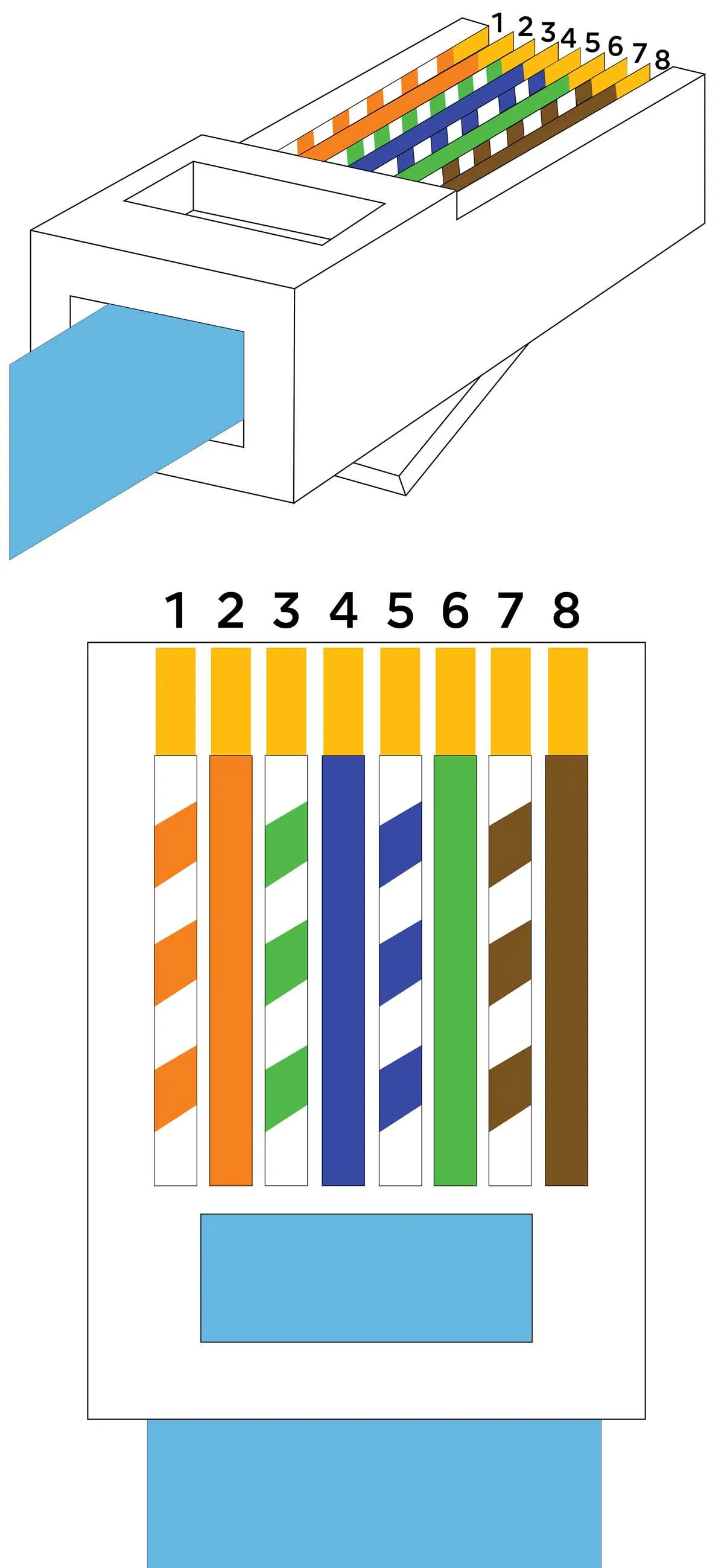
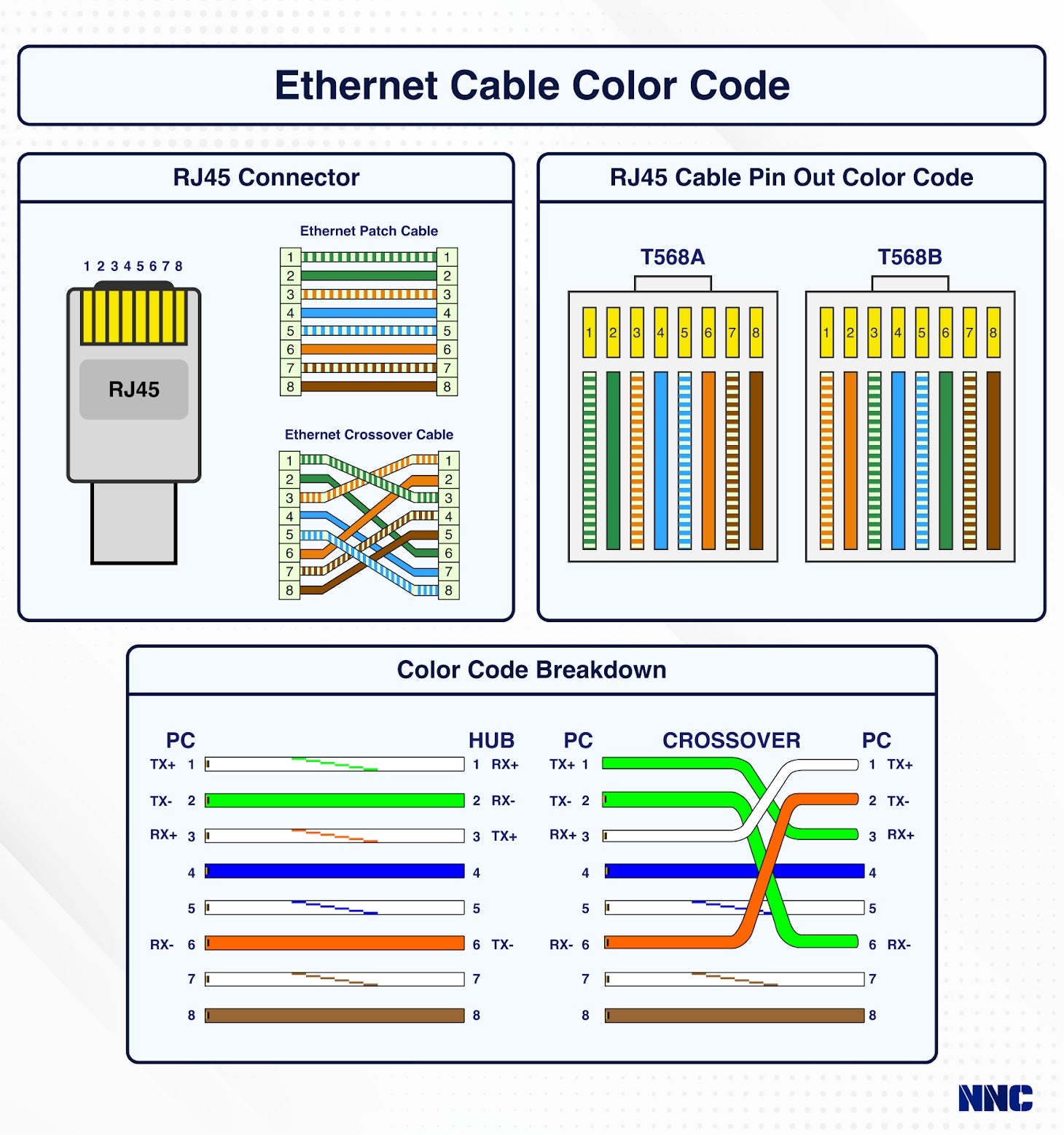
Many folks get overwhelmed when they first see an RJ45 wiring chart, assuming it's a complex, confusing maze. But fear not! It's a simple, visual guide that demystifies ethernet cable wiring. This chart is your friend, offering a clear path to understanding the rj45 pinout and color code chart. While values may vary slightly, the RJ45 wiring chart ensures you're following network cable standards, T568A or T568B, like a pro.
An Overview of the RJ45 Wiring Chart
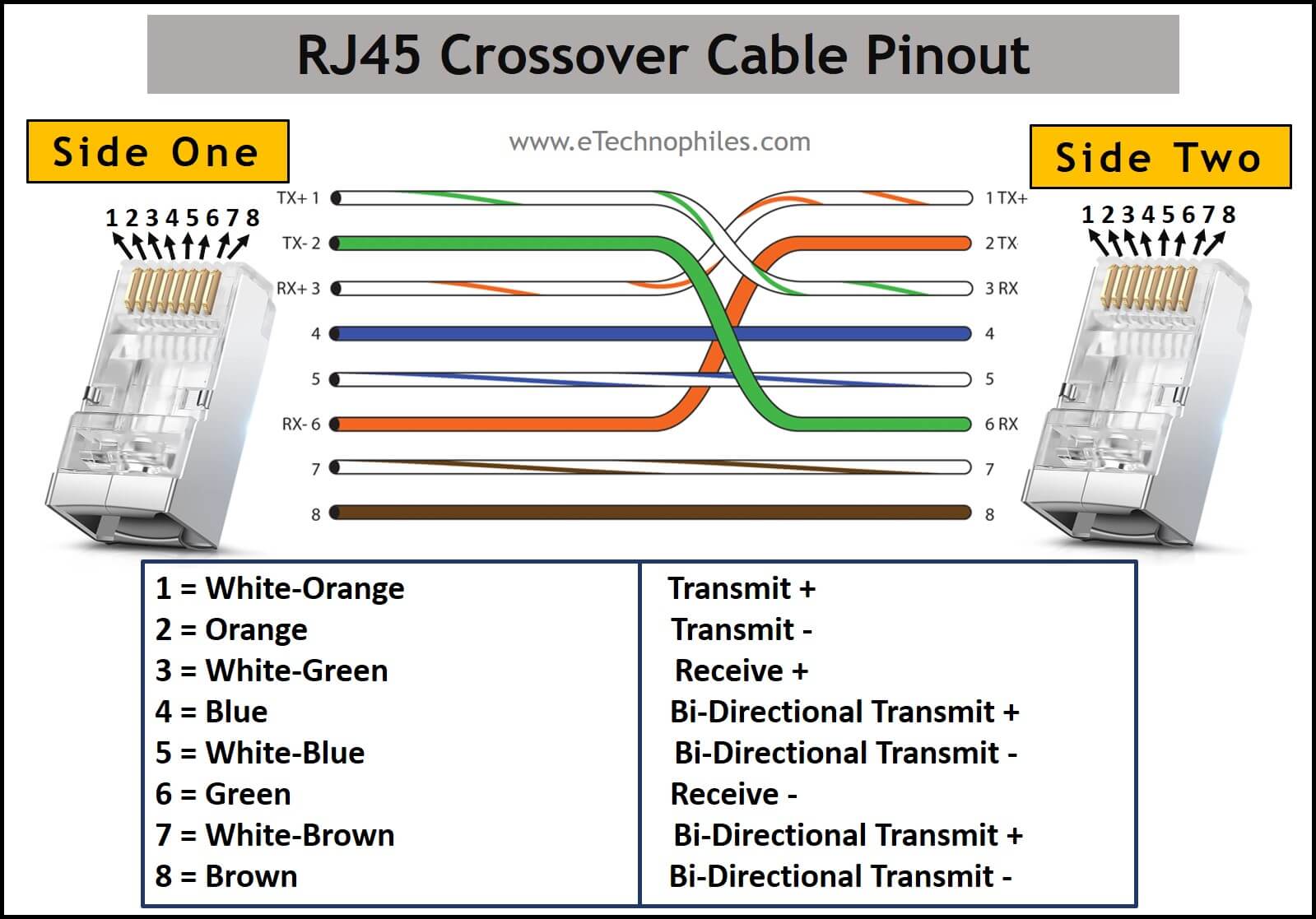
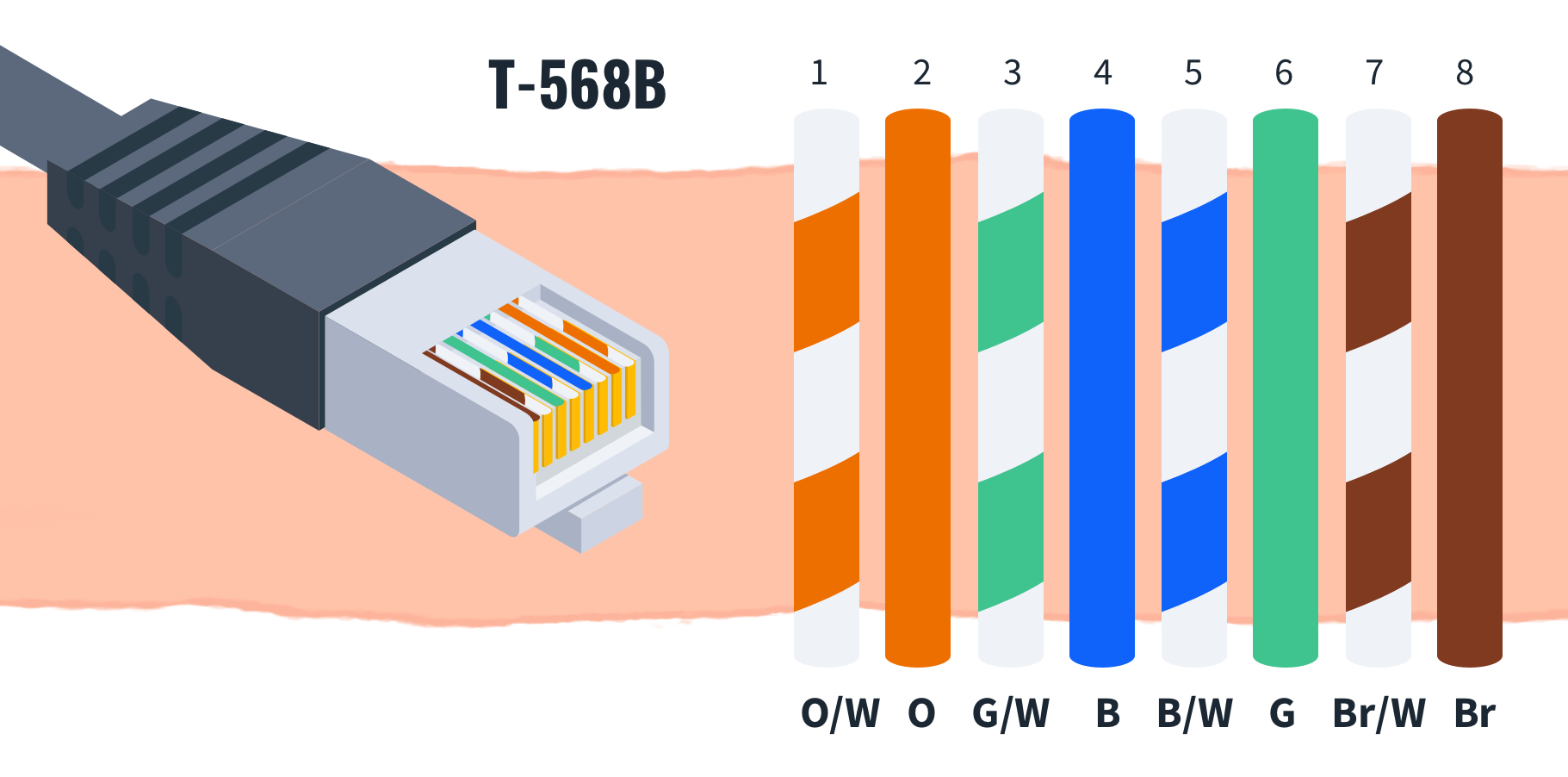
The RJ45 wiring chart is your go-to guide for understanding and creating RJ45 connections. It's like a map that shows how each wire should be connected to its corresponding pin in an RJ45 connector. This chart is essential for setting up networks and ensuring your ethernet cables work as intended.
Comparing RJ45 Standards: T568A vs. T568B
There are two common standards for RJ45 wiring: T568A and T568B. These standards dictate the color code and pin assignments for the wires. While both standards are widely used, they have different color arrangements. T568A is often preferred for its compatibility with older telephone wiring, while T568B is more common in modern networks. It's crucial to know which standard you're working with to avoid any misconnections.
Step-by-Step Guide: Using the RJ45 Wiring Chart
Using the RJ45 wiring chart is straightforward. Here's a simple process to follow:
Identify the standard: Determine whether you're working with T568A or T568B. This information is usually available on the chart itself or in the documentation for your specific project.
Understand the color code: The chart will show you the color-coded wires and their corresponding pins. Each wire has a specific color, and these colors match the pins on the RJ45 connector.
Connect the wires: Follow the color code and connect each wire to its designated pin. Ensure a secure connection by firmly inserting the wires into the connector.
Double-check: After connecting all the wires, take a moment to verify your work. Ensure each wire is in the correct position and securely fastened.
Common Misreadings and How to Avoid Them
Misreading the RJ45 wiring chart can lead to incorrect connections. Here are some common pitfalls and how to fix them:
Mixing up standards: Always double-check the standard you're using. T568A and T568B have different color arrangements, so using the wrong standard can cause issues.
Reversing wires: Pay attention to the orientation of the wires. Some charts might show a mirror image, so ensure you're connecting the wires in the correct direction.
Ignoring the color code: The color code is crucial. Don't assume you know the colors; always refer to the chart to avoid mistakes.
Factors Affecting Accuracy: Cable Types and Specifications
The accuracy of your RJ45 connections depends on several factors:
Cable type: Different cable types, like solid or stranded, have specific uses. Ensure you're using the right cable for your application.
Connector dimensions: RJ45 connector dimensions can vary slightly between manufacturers. Always use connectors that match your cable type and standard.
Wire gauge: The gauge of the wires affects their performance. Ensure your wires meet the required specifications for your network setup.
Adapting the RJ45 Wiring Chart for Specific Needs
While the RJ45 wiring chart provides a standard, you might encounter situations that require adaptations. Here's how to handle them:
Custom color codes: In some cases, you might need to create custom color codes. This is often done for aesthetic reasons or to match existing wiring. Ensure you document these custom codes for future reference.
Non-standard connectors: If you're working with non-standard connectors, you'll need to adapt the wiring accordingly. Refer to the connector's specifications and ensure compatibility with your chosen standard.
Special applications: Certain applications, like industrial networks, might require specific wiring configurations. Research and understand the unique requirements for these specialized setups.
Keeping Your Setup Reliable: Documentation and Best Practices
To ensure your RJ45 connections remain reliable, follow these best practices:
Document your setup: Create a record of the standard, color codes, and any custom configurations you've made. This documentation will be invaluable for future reference and troubleshooting.
Label your cables: Clearly label your cables with their purpose and any relevant information. This helps with identification and reduces the risk of incorrect connections.
Regularly test your network: Perform periodic tests to ensure your network is functioning correctly. This proactive approach can help identify and resolve issues early on.
By following these guidelines and referring to the RJ45 wiring chart, you'll be well-equipped to create accurate and reliable network connections. Remember, precision and attention to detail are key when working with RJ45 wiring.
Hey there, we've covered a lot of ground with our RJ45 wiring chart adventure! From understanding the basics to mastering the art of wiring, we hope this guide has been a helpful companion. Remember, while we've provided a comprehensive overview, the exact details might shift a bit based on your specific setup or the standards you're following.
Feel free to explore our other guides for more practical tips and tricks. We've got a whole library of resources to help you navigate the world of networking and beyond. Happy wiring, and we hope to see you on your next tech journey!
Related: What's the deal with quilt sizes chart?
A quilt sizes chart can be a handy tool, but it's often misunderstood as a rigid, one-size-fits-all guide. In reality, these charts are flexible and adaptable, offering a range of standard sizes as a starting point for your quilting journey.
While the quilt sizes chart provides a great reference, it's important to remember that these dimensions can vary slightly depending on your region and personal preferences. Whether you're crafting a crib quilt size or aiming for a king-size masterpiece, understanding the chart is key to achieving your desired quilt measurements.
Understanding the Quilt Sizes Chart
The quilt sizes chart is your practical guide to creating quilts with precision and ease. It provides a clear overview of standard quilt dimensions, helping you choose the right size for your project and ensuring a perfect fit every time. This chart is a valuable resource for quilters, offering a quick reference to common quilt sizes and their measurements.
Comparing Quilt Size Categories
When exploring the quilt sizes chart, you'll notice a range of categories, each representing a specific quilt size. These categories are typically based on standard bed sizes, such as crib, twin, full, queen, and king. The chart provides the length and width measurements for each size, allowing you to select the right dimensions for your quilt. It's a simple and effective way to ensure your quilt fits its intended purpose.
Step-by-Step Guide to Using the Chart
Using the quilt sizes chart is straightforward. Here's a simple guide:
- Identify the intended use for your quilt. Are you making a crib quilt, a baby quilt, or a larger quilt for a bed?
- Refer to the chart and locate the relevant category.
- Take note of the length and width measurements provided. These are the standard dimensions for that particular quilt size.
- Measure your available space or the intended recipient's bed to ensure the quilt will fit perfectly.
- Use the chart's measurements as a guide to create your quilt pattern and ensure a comfortable and well-fitted result.
Avoiding Common Misreadings
While the quilt sizes chart is a reliable reference, it's essential to avoid common misreadings. Always double-check the units of measurement, as some charts may use imperial or metric units. Additionally, be aware that the chart provides standard measurements, and variations may exist based on personal preferences or specific projects. Always measure your space or the intended bed to ensure an accurate fit.
Factors Affecting Accuracy
Several factors can influence the accuracy of your quilt size selection. Firstly, the intended use of the quilt is crucial. A crib quilt will have different dimensions compared to a king-size bed quilt. Additionally, personal preferences and design choices can impact the final size. Some quilters may opt for a larger or smaller quilt, depending on their style and the recipient's needs. Always consider these factors when referring to the quilt sizes chart.
Adapting to Specific Needs
While the quilt sizes chart provides standard measurements, it's flexible enough to accommodate custom quilt dimensions. If you require a unique size, you can use the chart as a starting point and adjust the measurements to fit your specific needs. This adaptability allows quilters to create one-of-a-kind quilts that perfectly suit their vision and the intended recipient's preferences.
Keeping Your Reference Reliable
To ensure the continued reliability of your quilt sizes chart, it's essential to keep it updated and accessible. Regularly refer to reputable sources to verify the accuracy of the measurements, especially if you notice any significant changes in standard quilt sizes. Consider printing the chart or saving it digitally for easy reference during your quilting projects. By keeping your chart up-to-date, you'll always have a trusted guide for creating beautifully sized quilts.
Well, there you have it! A handy guide to quilt sizes, covering all the bases and giving you the tools to tackle any quilting project.
Remember, every quilter's needs are unique, so take a moment to ensure the sizes and standards you're using fit your specific project. With these tips and tricks, you'll be quilting like a pro in no time!
Feel free to explore our other guides and resources; we've got plenty of practical advice to offer, so you can keep crafting with confidence. Happy quilting!
Related: Decode Your Child's Behavior with an ABC Chart
Many people often assume that abc behavior charts are solely for teachers and classrooms, but they are so much more versatile and beneficial than that! While they are commonly used in educational settings, these charts are a powerful tool for anyone looking to track and improve behavior. The beauty of abc behavior charts lies in their simplicity and adaptability; they can be tailored to suit various contexts and goals.
Understanding the ABC Behavior Chart
The ABC Behavior Chart is a simple yet effective tool for tracking and managing behavior. It provides a visual representation of an individual's behavior patterns, helping to identify and address any issues or positive trends. This chart is a great way to encourage desired behaviors and set clear expectations.
Key Details and Categories
The ABC Behavior Chart consists of three main columns: Antecedent, Behavior, and Consequence. Each column represents a critical aspect of behavior analysis:
- Antecedent: This column notes the triggers or events that precede a behavior. It helps identify potential causes or situations that lead to certain behaviors.
- Behavior: Here, you record the actual behavior observed. It could be positive, negative, or neutral, depending on the context.
- Consequence: The final column details the outcome or response to the behavior. It could be a reward, a consequence, or simply a neutral reaction.
Additionally, the chart often includes a date and time column to track when behaviors occur. This provides a timeline for analysis and helps identify patterns.
Tracking Behavior: A Step-by-Step Guide
Using the ABC Behavior Chart is straightforward:
- Observe and Record: Start by noting the antecedent, the event or trigger that precedes the behavior. Be specific and descriptive.
- Describe the Behavior: Next, write down the behavior itself. Be objective and focus on the action, not judgments or interpretations.
- Note the Consequence: Finally, record the consequence or response to the behavior. This could be a reward, a redirection, or a neutral response.
- Analyze and Adjust: Regularly review the chart to identify patterns. Look for trends in behaviors and their antecedents. This analysis helps you understand what triggers certain behaviors and allows you to adjust your strategies accordingly.
Variations and Customizing the Chart
While the ABC Behavior Chart provides a standard framework, it can be customized to suit different needs and contexts. Here are some factors that may vary:
- Frequency: The chart can be used daily, weekly, or even monthly, depending on the behavior being tracked and the goals.
- Focus: The chart can be tailored to specific behaviors, such as focusing on positive behaviors or addressing challenging ones.
- Rewards and Consequences: The consequences or rewards listed can be adjusted based on individual preferences and the behavior intervention plan.
- Visual Design: The chart's design can be adapted to make it more engaging. Adding colors, icons, or even a point system can make it more appealing, especially for younger individuals.
Remember, the ABC Behavior Chart is a flexible tool. It's essential to review and adapt it to ensure it remains an effective behavior management strategy. By understanding the chart's core components and customizing it to your needs, you can create a powerful behavior tracking system.
Hey there! We've covered a lot of ground with the ABC behavior chart, and I hope it's given you a solid understanding of this practical tool. Remember, while the basics remain the same, the exact details might shift a little depending on your specific context or the source you're using. It's always a good idea to adapt and make it work for your unique situation.
So, the next time you need a quick refresh on this topic, be sure to bookmark this page for easy access. There's no need to scour the internet; you've got all the key info right here! Feel free to explore our other guides too; we've got plenty more practical tips and tricks to share. Happy learning!