



Professional Auto Repair Invoice Template Overview
"I've been putting off those house repairs for too long, but I really need to get them done. Time to find a contractor for house repair!"
All About Hiring a Contractor
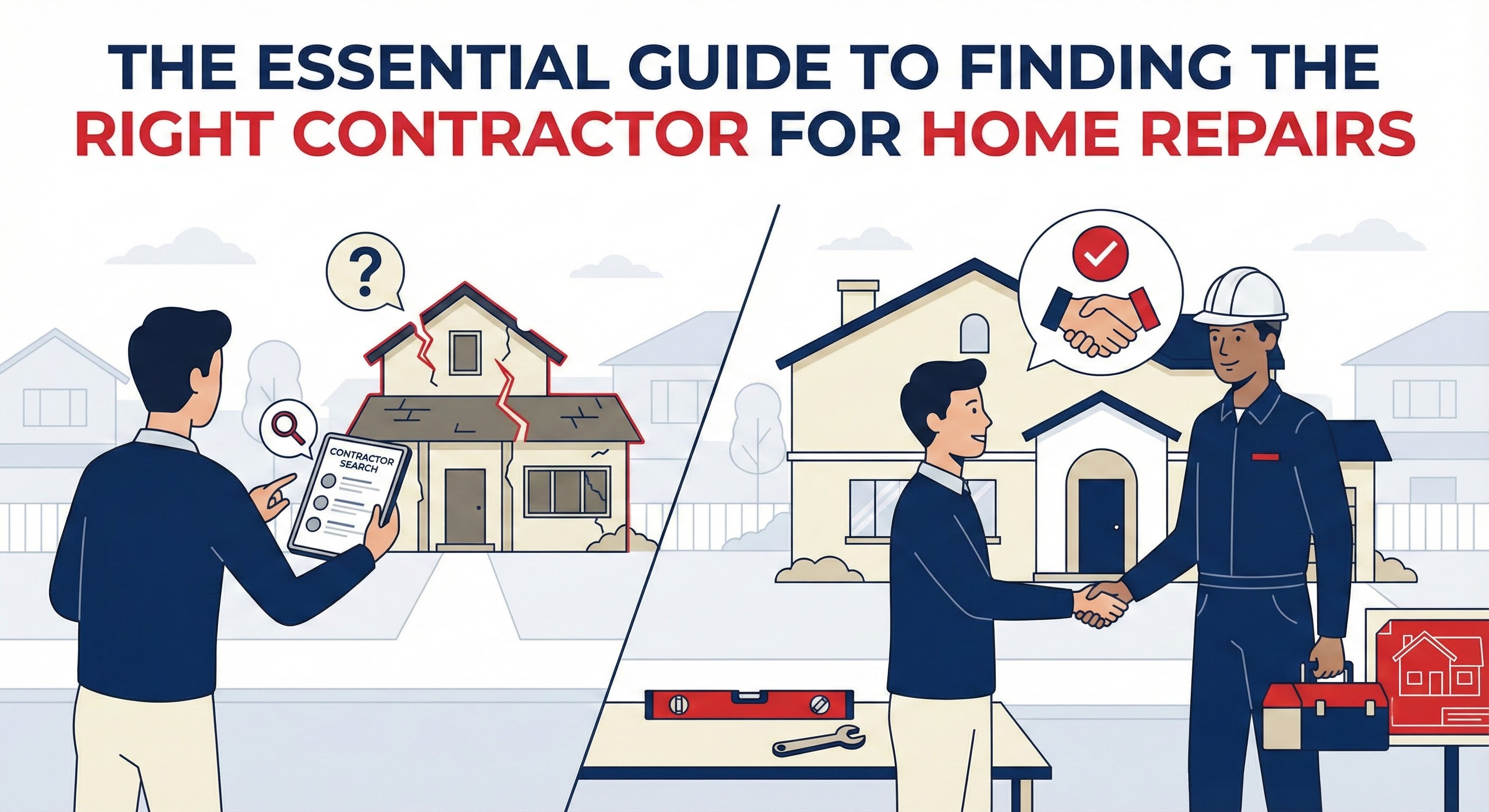
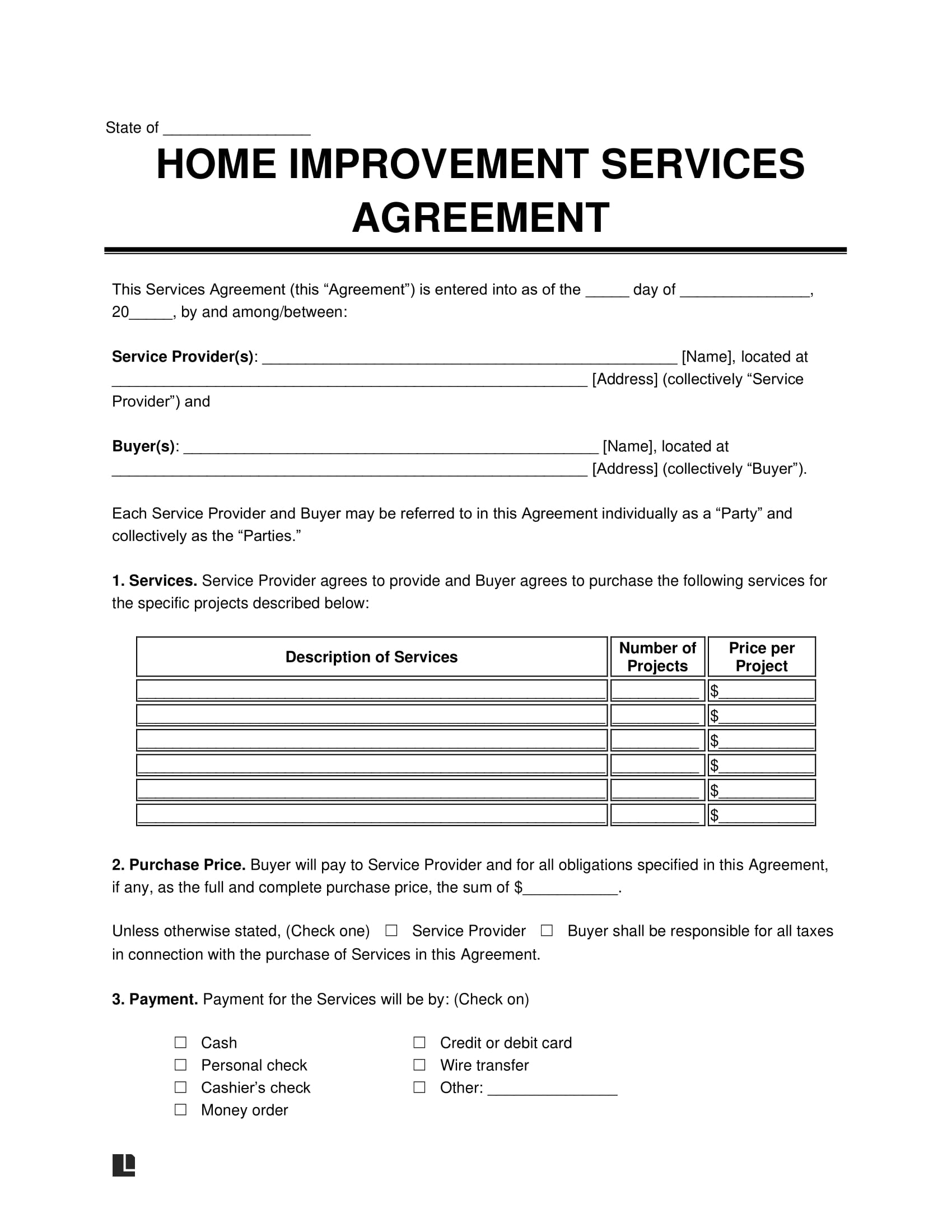
So, you've got some home repairs or renovations on your to-do list, and you're thinking about hiring a contractor to get the job done. It's a big step, and there's a lot to consider. A contractor for house repair can handle all sorts of jobs, from small fixes to major overhauls. They're the experts in construction and remodeling, and they'll have the skills and tools to get your project completed.
When it comes to costs, it's tricky to give an exact figure as it depends on so many factors. The size of the job, the materials needed, and the labor involved will all impact the price. It's a good idea to get quotes from a few different contractors to compare. Look for detailed quotes that break down the costs, so you can see what you're paying for. Don't just go for the cheapest option; consider the quality of the work and the contractor's reputation too.
Finding and Choosing the Right Contractor
There are lots of contractors and building companies out there, so how do you find the right one? Word of mouth is a great way to start - ask friends or family for recommendations. You can also search online for local contractors and read reviews to get an idea of their work. When you've found a few potential contractors, give them a call or send an email to ask some initial questions.
Find out about their experience and the types of projects they typically work on. Ask about their availability and how long they estimate the job will take. It's also worth asking about any potential extra costs or unexpected issues that might arise during the work. A good contractor will be transparent and give you an honest assessment.
Naming Your Construction Business
If you're thinking of starting your own construction business, you'll need a great name. The name should be memorable and reflect the nature of your work. It might include words like 'build', 'repair', 'remodel', or 'renovate'. It could also be a play on your own name or a unique combination of words. Here are a few ideas:
- Build-It-Better
- Renovate Right
- Fix-It-Fast
- Home Remedy
- Construction Solutions
- The Repair Crew
Remember to check the availability of the name you choose. You'll need to register it locally and secure the domain name for your website.
The Construction Industry and You
The construction industry offers a range of jobs, from general contractors and estimators to specialized roles like plumbers, electricians, and carpenters. If you're looking for work, these roles are often advertised online or through local recruitment agencies. The industry is always in need of skilled workers, so it's a great field to get into.
Estimators, for example, play a crucial role in construction. They use tools like RSMeans to calculate the costs of materials and labor for a project. It's a detailed and important job, and estimators are in high demand.
Big Companies and the Industry Outlook
The construction industry is made up of a mix of small, medium, and large companies. The bigger firms often have more resources and can take on larger, more complex projects. They might have a wider range of specialized staff and more advanced tools and equipment.
However, smaller companies can offer a more personalized service and often have a strong local reputation. It's a competitive industry, and companies of all sizes are always looking for ways to stand out and offer the best service.
So, there you have it! A contractor for house repair is a great option for getting those home improvements done. It's an exciting step, and with the right contractor, you'll be enjoying your renovated space in no time.
Related: Find Your Perfect Fit: Socks Size Chart
You've found yourself in need of a socks size chart, and who can blame you? It's a simple yet essential tool for ensuring you get the right fit. Whether you're buying socks for yourself or someone else, this chart is your go-to guide. It provides a quick and easy reference, ensuring you don't end up with socks that are too tight or too loose. While the values may vary depending on the brand or region, the socks size chart offers a reliable starting point.
Understanding the Sock Size Chart
The socks size chart is your go-to guide for finding the perfect fit for your feet. It's a simple yet practical tool that ensures your socks hug your feet comfortably and don't leave you with blisters or discomfort. This chart is like a secret code, and once you crack it, you'll never have to guess your sock size again!
Key Details and Categories
The chart typically features two main categories: sock size and shoe size. These are further divided into specific measurements and ranges. For sock size, you'll often see a numerical range, like 3-5, 6-8, and so on. These numbers represent the circumference of your foot, ensuring the sock fits snugly. Shoe size, on the other hand, is a familiar concept, often following standard shoe sizing guidelines.
Choosing the Right Fit: A Step-by-Step Guide
Using the socks size chart is a breeze! First, identify your shoe size. This is usually pretty straightforward, as you likely know your shoe size off the top of your head. Next, match your shoe size to the corresponding sock size on the chart. The chart will guide you to the right sock size, ensuring a perfect fit. It's as simple as that!
If you're buying socks as a gift or for someone with unique foot dimensions, you might need to measure their foot circumference. A simple tape measure will do the trick. Measure the widest part of their foot, and you're good to go!
Common Size Variations and Why They Happen
While the socks size chart is a reliable guide, variations can occur due to several factors. Different manufacturers might use slightly different standards or have unique sizing guidelines. Additionally, the material and construction of the sock can affect its stretch and fit. For instance, a thick, cozy wool sock might have a looser fit compared to a thin, athletic sock.
It's also worth noting that foot size can vary depending on factors like age, height, and even the time of day! Yes, our feet can swell slightly throughout the day, so it's best to measure or refer to the chart in the morning for the most accurate size.
Remember, while the socks size chart provides a great starting point, it's always a good idea to double-check the exact specifications and tolerances, especially for specialized socks or if you have unique foot dimensions. Happy sock shopping!
Well, there you have it! A handy guide to understanding sock sizes and how to use a size chart effectively. Remember, when it comes to sock sizes, there can be slight variations, so always check the specific guidelines or measurements provided by your preferred brand or manufacturer.
It's always a good idea to double-check, as these charts are just a general guide, and you want to ensure a perfect fit. So, take your time, measure up, and find those dream socks! And if you're keen to explore more practical guides and tips, feel free to browse our other articles. We've got you covered!
Related: Find Your Girth Size with Our Easy Chart
A girth size chart is a handy tool, a simple yet effective way to visualize and understand measurements. This guide will show you how to navigate and utilize these charts efficiently, as they can vary in format and detail.
Whether you're dealing with circumference guides or size charts for various applications, knowing how to read and interpret them is key. Standard units and metric conversions may differ, so being able to quickly reference and understand these charts is a useful skill.
Understanding the Girth Size Chart: A Quick Overview
The girth size chart is a handy reference tool that provides a visual representation of various girth measurements and their corresponding sizes. It offers a simple way to understand and compare different girth dimensions, making it an essential guide for various applications.
Comparing Standards and Formats: Girth Size Chart vs. Circumference Guide
While the terms girth size chart and circumference guide are often used interchangeably, they can refer to slightly different formats. A girth size chart typically presents a range of measurements with their corresponding sizes, often in a table or diagram format. In contrast, a circumference guide may provide more detailed information, including specific circumference values and their equivalent sizes, which can be particularly useful for precise measurements.
Step-by-Step: Reading and Using a Girth Size Chart
To effectively use a girth size chart, follow these simple steps:
Identify the type of measurement you need to make. For example, you might need to measure the girth of a tree trunk, a person's waist, or the circumference of a pipe.
Locate the relevant section on the chart. Girth size charts often categorize measurements by type, such as body measurements, industrial applications, or natural objects.
Measure the girth accurately using the appropriate tool, such as a tape measure or calipers. Ensure you follow any specific instructions for the measurement, such as where to place the tape measure or how to account for any irregularities.
Find the measured value on the chart. Some charts may provide a scale or ruler for direct measurement, while others may require you to estimate the closest value.
Read the corresponding size or category. The chart will provide a clear indication of the size associated with the measured girth. This can be a numerical value, a size category (e.g., small, medium, large), or a specific application-related term.
Common Misreadings and How to Avoid Them
Misreading a girth size chart can lead to inaccurate results and potential issues. Here are some common pitfalls and how to avoid them:
Ensure you are using the correct chart for your specific application. Different charts may have varying scales, units, or categories, so double-check the chart's intended use.
Be aware of the units of measurement. Some charts may use imperial units (inches, feet), while others use metric units (centimeters, meters). Convert your measurements accordingly to ensure accuracy.
Pay attention to the scale or ruler provided on the chart. Misinterpreting the scale can lead to significant errors. If you're unsure, estimate the value or use a separate measuring tool to verify.
Consider any tolerances or allowances specified on the chart. Some applications may have specific tolerances, especially in industrial or technical fields. Ensure you understand and account for these tolerances in your measurements.
Factors Affecting Accuracy: Variations and Averages
The accuracy of a girth size chart can be influenced by various factors, including:
Regional standards and conventions: Different countries or regions may have specific measurement standards and units, so ensure you're using the appropriate chart for your location.
Application-specific variations: Girth measurements can vary significantly depending on the application. For example, measuring the girth of a tree trunk at different heights may yield different results, impacting the accuracy of the chart.
Averages and ranges: Some charts may provide average values or ranges to account for natural variations. Understanding these averages can help you interpret the chart more effectively, especially when dealing with organic or irregularly shaped objects.
By considering these factors and following the step-by-step process, you can accurately use a girth size chart for a wide range of applications, from everyday measurements to technical specifications.
Well, there you have it! A handy guide to help you navigate the world of girth size charts. Remember, while we've covered the basics, the exact details might shift a little based on your specific needs and the standards you follow.
So, keep this page bookmarked for a quick reminder, and feel free to explore our other guides for more practical tips and insights. Happy measuring!