








Professional Handyman Invoice Template Excel Overview
A tattoo hurt chart is a valuable resource for anyone considering body art, offering a visual representation of the potential pain levels associated with different tattoo placements. This guide aims to demystify the process, providing an overview of how these charts work and what they can tell you.
The tattoo hurt chart is a simple yet effective tool, often presented as a table or diagram, which rates various body parts based on their pain sensitivity during the tattooing process. While the exact values may vary, depending on individual pain tolerance and the artist's technique, it serves as a useful reference point, helping you make an informed decision about your tattoo journey.
A Guide to Tattoo Pain: Understanding the Hurt Chart
The tattoo hurt chart is a valuable tool for anyone considering body art, providing an insight into the relative pain levels associated with different tattoo placements. This chart serves as a reference, offering a visual representation of pain intensity to help individuals make informed decisions about their tattoo journey.
Comparing Pain Levels: The Tattoo Pain Index
The tattoo pain index is a standardized scale that rates the pain associated with various body parts. It categorizes pain levels from mild to severe, considering factors such as skin sensitivity and nerve density. The chart typically uses a numerical scale, with higher numbers indicating greater pain. For example, a rating of 5 might represent moderate pain, while a 10 signifies an intense, uncomfortable experience.
How to Use the Tattoo Hurt Chart: A Step-by-Step Guide
Identify the Body Part: Start by locating the specific area on your body where you plan to get tattooed. Different body parts have varying pain thresholds due to their unique anatomical characteristics.
Consult the Chart: Refer to the tattoo hurt chart to find the corresponding body part. Each body part is assigned a pain rating, providing an indication of the expected discomfort.
Interpret the Scale: Understand the scale's range and what each number signifies. A rating of 3 might indicate a mild discomfort, suitable for those new to tattoos, while a 7 could suggest a more challenging experience.
Consider Personal Factors: Remember that pain perception is subjective. Your personal pain threshold and tolerance play a significant role. Some individuals may find a certain rating more bearable than others.
Discuss with Your Artist: Share your concerns and expectations with your tattoo artist. They can offer insights based on their experience and provide techniques to manage pain effectively during the process.
Common Misconceptions and Pitfalls
While the tattoo hurt chart is a valuable guide, it's essential to be aware of potential misconceptions. Firstly, pain perception varies greatly among individuals, so the chart should be used as a general reference rather than an absolute indicator. Additionally, the chart may not account for all variables, such as the complexity of the design or the artist's technique. It's crucial to have open communication with your artist to ensure a comfortable and enjoyable tattoo experience.
In summary, the tattoo hurt chart is a practical tool to navigate the pain associated with different tattoo placements. By understanding the scale, considering personal factors, and seeking professional advice, you can make informed decisions and embrace the tattoo journey with confidence.
Tattooing is an art, and like any art form, it comes with its own set of considerations. Remember that every experience is unique, and the pain threshold can vary from person to person. The chart provides a general guide, but your personal journey may differ slightly.
Feel free to explore other guides on our site to deepen your understanding and make informed choices. We've got you covered with various resources to ensure your tattoo experience is as enjoyable and comfortable as possible. Happy inking!
Related: General Contractor Names Essential Guide
"Hmm, I need to find a good general contractor for my home renovation. Any ideas on where to start?"
Understanding General Contractor Names
When you're planning a construction project, whether it's a new build or a renovation, one of the first steps is finding the right general contractor. General contractor names can be a bit of a mystery, but it's an important part of the process. These names are like a window into the company's identity and can give you a sense of their expertise and reputation.
So, how do you go about finding and choosing the right one? Well, it's not just about the name, but what it represents. A good general contractor will have a solid team, the right skills, and a track record of successful projects.
Choosing the Right Contractor
When you're searching for a general contractor, it's essential to do your research. Look for companies with a strong online presence and read reviews from previous clients. Check their portfolio to see if they've worked on similar projects to yours. You want to ensure they have the necessary experience and can handle the scope of your job.
Ask for references and contact previous clients to get an honest opinion on the contractor's work. It's also a good idea to meet with the contractor in person to discuss your project and get a feel for their communication style and approach.
Pricing and Quotes
One of the biggest concerns when hiring a general contractor is the cost. Pricing can vary greatly depending on the scope of the project, materials, and labor costs. It's crucial to get several written quotes to compare and ensure you're getting a fair deal.
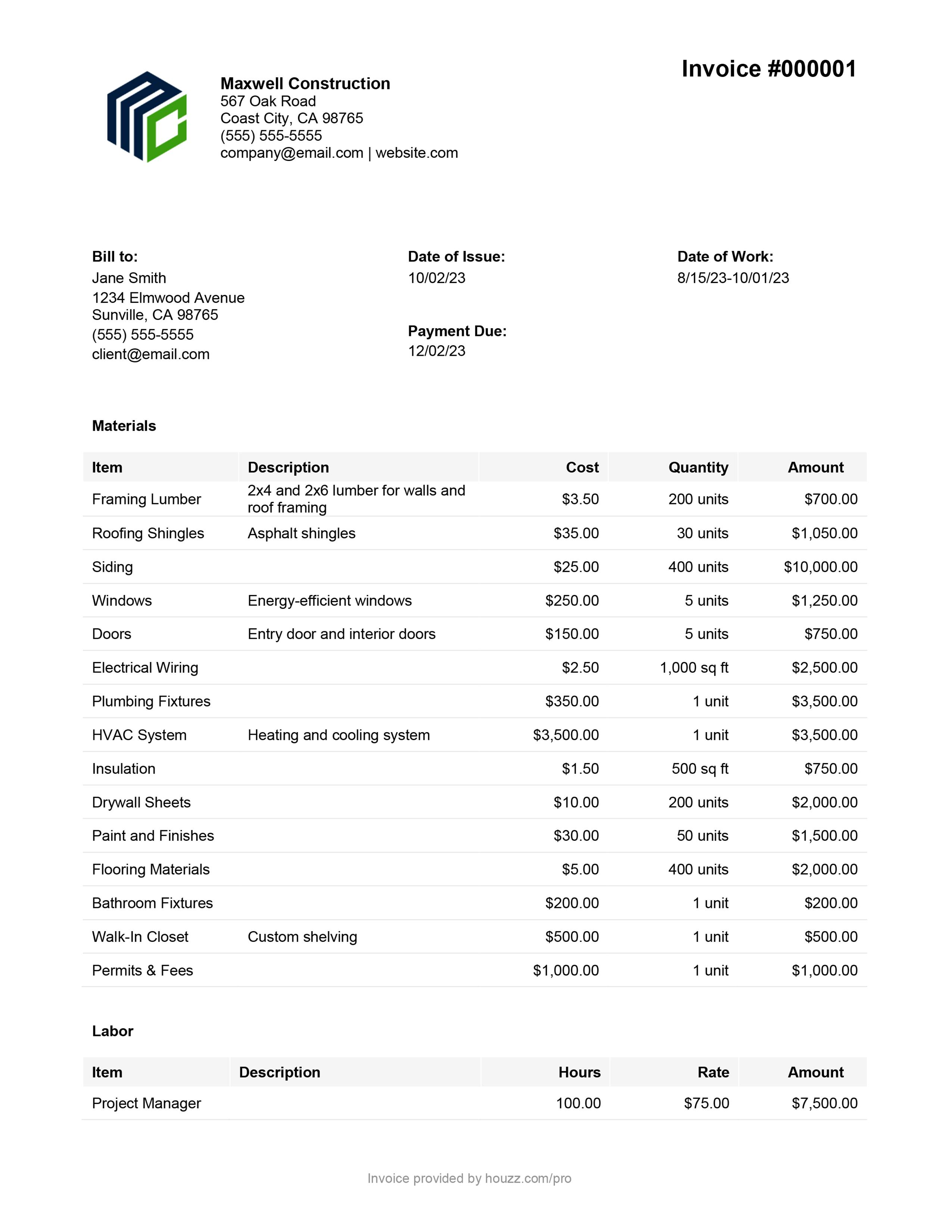
When comparing quotes, look beyond the bottom line. Consider what's included in the price, the timeline, and any potential hidden costs. A detailed, itemized quote is often a good indicator of a professional and transparent contractor.
Naming Your Construction Business
If you're in the construction business, choosing a name for your company is a big decision. It's your brand and can impact how potential clients perceive you. A good name should be memorable, unique, and reflect your company's values and services.
Here are a few name ideas to get you started:
- BuildCraft
- HomeRemodel Pros
- Constructive Solutions
- Renova
- The Build Team
- Crafted Spaces
Remember, before settling on a name, check its availability for domains and local registration to avoid any legal issues down the line.
Industry Tools and Data
In the construction industry, tools like RSMeans can be valuable resources. RSMeans provides cost data and estimating tools, helping contractors and clients understand the financial aspects of a project. It's a great way to ensure accurate pricing and manage expectations.
The Construction Industry
The construction industry is diverse, with companies of all sizes. Larger firms often have the resources to take on bigger projects and may specialize in certain areas. Smaller companies can offer a more personalized service and may be more flexible with pricing.
Wrapping Up
Finding the right general contractor is a crucial step in any construction project. It's all about research, comparing quotes, and understanding what you want and need. Remember, the name is just the beginning; it's the company's reputation and expertise that truly matter.
So, take your time, do your due diligence, and you'll be on your way to a successful construction project. Good luck!
Related: Understand Jupiter's Tide Chart Easily
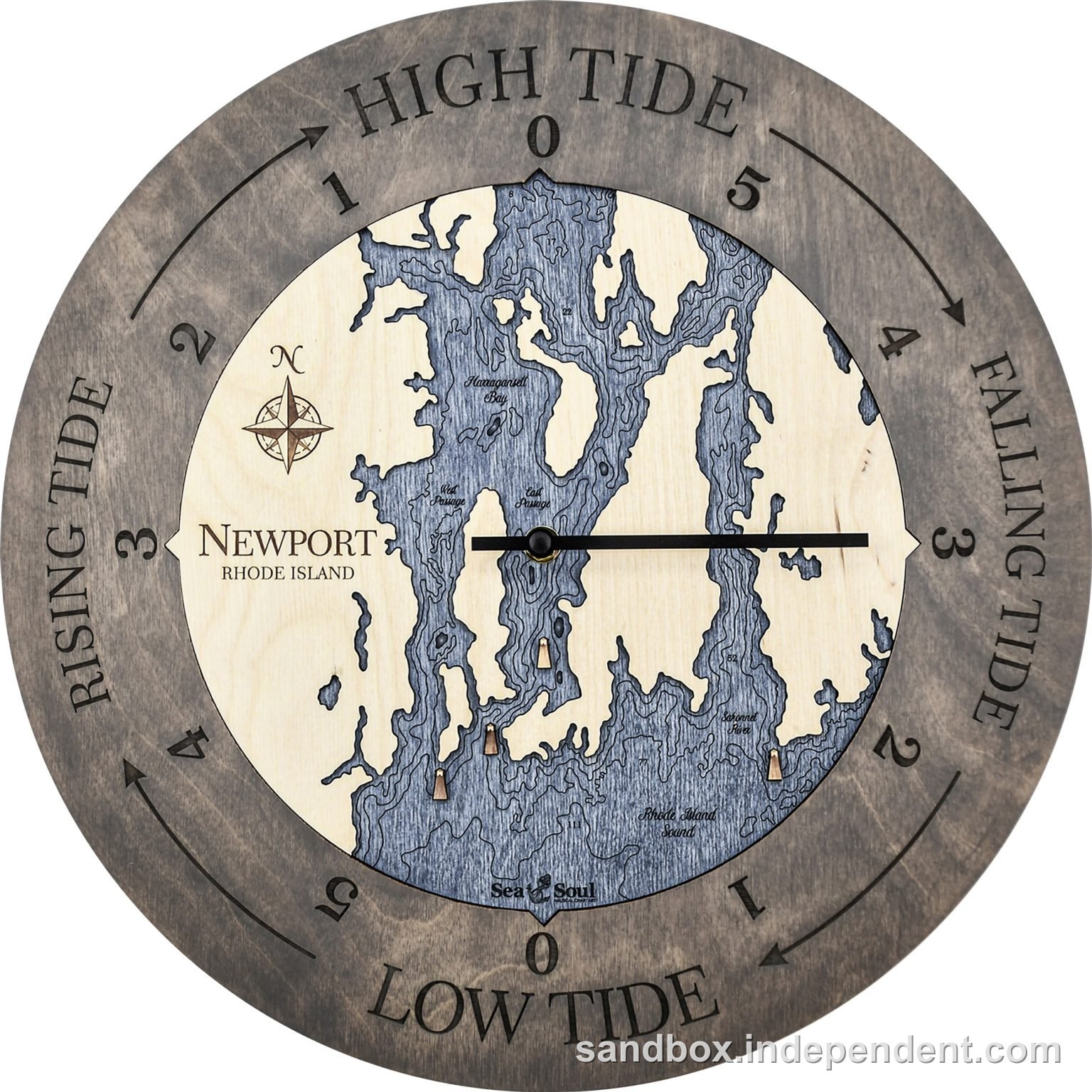
Many people assume that the Jupiter tide chart is only relevant for those visiting the planet, but it's a valuable tool for understanding tidal patterns right here on Earth too! While it might seem like an exotic concept, the Jupiter tide chart is actually a practical and accessible resource.
This chart provides a simple way to visualize and predict tidal movements, offering insights into Jupiter's tidal data and patterns. It's an easy-to-use reference, especially when you know how to read it accurately, and can be a helpful guide for understanding Jupiter's water levels and current tides.
Understanding the Jupiter Tide Chart
The jupiter tide chart is a valuable tool for anyone interested in tracking and understanding the tidal patterns of Jupiter. It provides a visual representation of the water levels and tidal ranges over a specific period, typically a day or a week. This chart is an essential guide for activities like boating, fishing, or simply enjoying the jupiter water levels.
Comparing Chart Formats and Standards
There are various formats for jupiter tidal charts, but the most common ones use a simple bar graph or line graph. The horizontal axis represents time, often in 24-hour intervals, while the vertical axis shows the water level or tidal range. Some charts may also include additional information, such as current speeds or moon phases, which can influence the tides. It's important to note that the units and scales may vary depending on the region and the standard being used. For example, the US may use different units compared to international standards.
Using the Jupiter Tide Chart Step by Step
To make the most of your jupiter tide chart, follow these steps:
Identify the time frame: Determine the period you want to analyze, whether it's a day, a week, or a specific time interval.
Locate the time of interest: Find the corresponding time on the horizontal axis.
Read the water level: The vertical axis will show the water level or tidal range at that specific time.
Plan your activities: With the water level information, you can now plan your boating, fishing, or other water-related activities accordingly. For instance, higher water levels might be ideal for certain fishing techniques, while lower levels could expose interesting coastal features.
Consider seasonal variations: Remember that jupiter tidal patterns can also change with the seasons. So, if you're planning an activity over a longer period, consider the seasonal trends and adjust your plans accordingly.
Common Misreadings and How to Avoid Them
When using a jupiter tide chart, it's important to be aware of potential misreadings:
Time intervals: Ensure you're reading the correct time interval. Some charts may have hourly intervals, while others might use half-hourly or even 15-minute intervals.
Units and scales: Be mindful of the units used. Different charts may use feet, meters, or even a scaled representation. Always check the chart's legend or key to understand the units and scales accurately.
Seasonal and weather variations: Jupiter tidal ranges can be influenced by seasonal changes and weather conditions. Always consider these factors and cross-reference with local weather forecasts.
Chart accuracy: While jupiter tidal charts are a great tool, they are estimates and may not account for all variables. Always double-check the exact specifications and conditions for critical activities or when safety is a concern.
By following these guidelines, you'll be able to accurately interpret and utilize the jupiter tide chart for your adventures on Jupiter's waters.
Jupiter tide charts are a handy tool for anyone interested in planning their activities around this fascinating phenomenon. With the different options and formats available, it's easy to find a chart that suits your needs.
Following the step-by-step guide, you can avoid common pitfalls and ensure an accurate reading. Remember, these charts provide a general guide, so it's always wise to double-check and consider any specific local factors that might affect the tides.
Feel free to explore our other guides and resources for more practical tips and insights. We've got you covered!