









Professional Plumbing Invoice Template Doc Overview
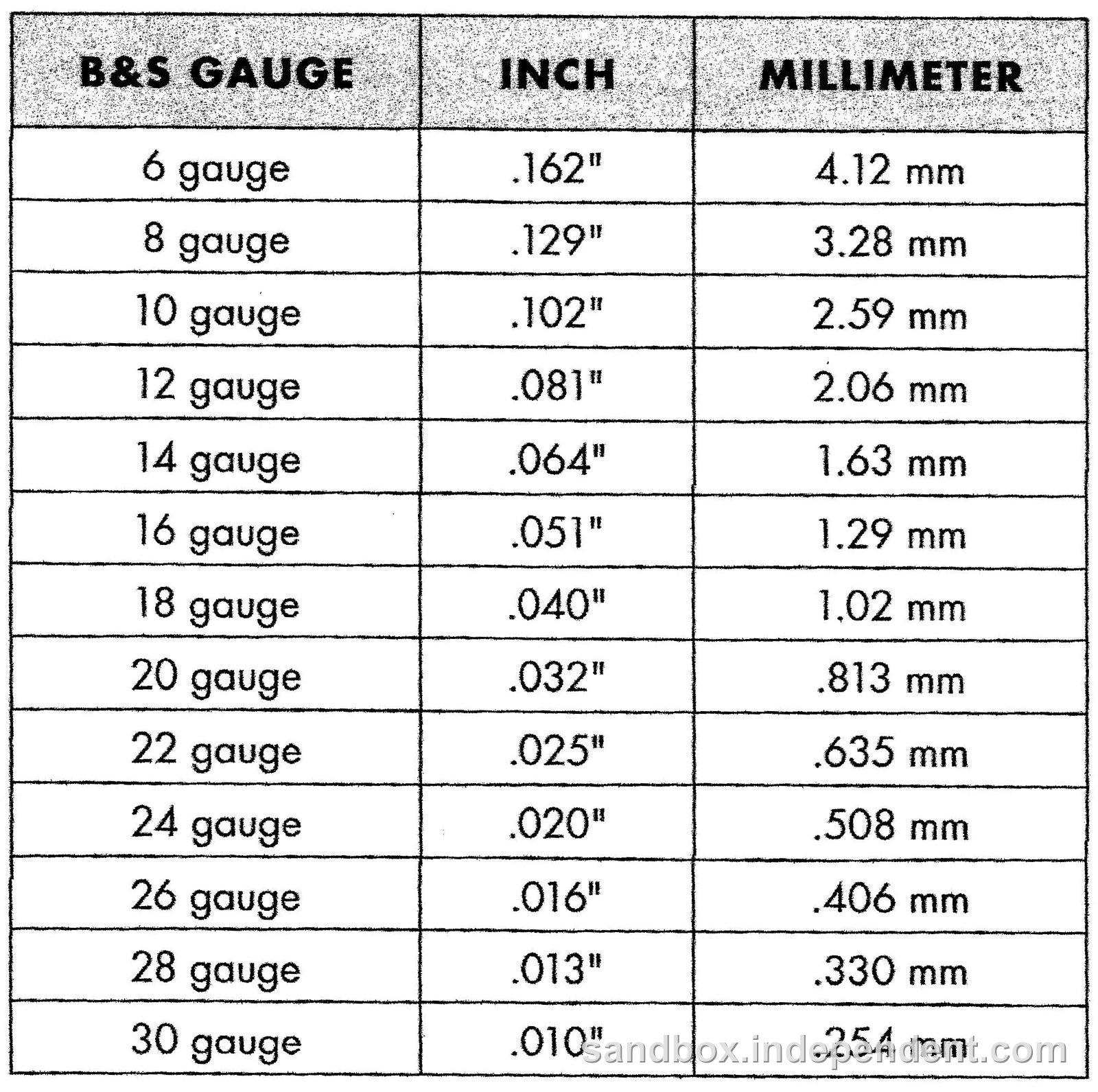
Many people often mistake cox and charter for being interchangeable terms, but they are, in fact, distinct concepts with specific applications. Cox and charter, a reference table, offers a clear and organized way to understand and utilize a set of standards and measurements. It provides a visual guide, ensuring accuracy and consistency, which is crucial for various practical purposes.
Understanding the Cox and Charter Chart
The cox and charter chart is a valuable reference tool, providing a visual representation of standard measurements and categories. It offers a quick and easy way to compare and understand various specifications, making it an essential guide for professionals and enthusiasts alike. This chart is particularly useful when dealing with complex systems or processes that involve multiple variables.
Comparing Options: Cox vs. Charter
The cox and charter chart presents two primary categories: Cox and Charter. Each category has its own set of measurements and specifications, allowing for a clear comparison. The Cox category often represents a more traditional or established standard, while Charter offers an alternative, sometimes with modern adaptations. The chart provides a side-by-side view, making it simple to identify the differences and choose the most suitable option for a given application.
Step-by-Step Guide to Using the Chart
- Identify the Category: Begin by determining whether your specific application falls under the Cox or Charter category. This initial step is crucial as it sets the foundation for accurate interpretation.
- Locate the Relevant Measurements: Once you've identified the category, locate the corresponding measurements or specifications on the chart. These measurements are typically presented in a clear, tabular format, making it easy to find the values you need.
- Interpret the Data: The chart provides a range of values for each measurement. Understand the context and purpose of your application to interpret these values accurately. Consider any specific requirements or tolerances that may apply to your project.
- Apply the Information: With the relevant measurements in hand, you can now apply this knowledge to your project. Whether it's selecting the right components, calculating dimensions, or making informed decisions, the cox and charter chart ensures you have the necessary data to proceed with confidence.
Common Misreadings and How to Avoid Them
While the cox and charter chart is designed for simplicity, misreadings can occur. One common mistake is failing to consider the specific standard being used. Remember, measurements and categories may vary depending on the standard, so always double-check the applicable standard for your project. Another pitfall is assuming the chart covers every possible scenario. While it provides a comprehensive overview, there may be exceptions or unique cases that require additional research or consultation with experts.
Factors Affecting Accuracy and Real-World Use
The accuracy of the cox and charter chart relies on several key factors. Firstly, the chart's effectiveness depends on staying up-to-date with the latest standards and specifications. Regular updates ensure the chart remains relevant and accurate. Secondly, the chart's applicability varies across industries and regions. What may be standard in one field might differ in another, so understanding the specific context is essential. Lastly, while the chart provides a valuable reference, it is always beneficial to cross-reference with other resources or seek expert advice for complex or critical applications.
Remember, while this guide provides a solid framework, the specifics may shift based on your unique context. Every situation is different, so adapt these principles to fit your needs.
Feel free to explore our other guides, where you'll find a wealth of practical information and tips to enhance your understanding and skills. We've got you covered, whether you're seeking more comparisons, step-by-step guides, or insights into potential pitfalls. Happy learning!
Related: A Beginner's Guide to Understanding the ND Depth Chart
Many sports enthusiasts may overlook the importance of a bold nd depth chart, assuming it's merely a list of names. However, this chart is a strategic tool, offering a unique glimpse into a team's dynamics and potential. It's not just about the starting lineup; the nd depth chart reveals the depth and versatility of a team's roster, providing insights that can impact game strategies and player development.
Understanding the nd Depth Chart: A Comprehensive Guide
The nd depth chart is a valuable tool used in various fields, providing a visual representation of hierarchical relationships and resource allocation. It offers a clear snapshot of the structure and depth within a system, whether it's a sports team, an organizational chart, or a technical diagram. This guide will help you navigate and utilize the nd depth chart effectively.
Key Details and Categories
The nd depth chart typically consists of multiple columns and rows, with each column representing a specific category or resource. Common categories include positions, roles, or skill sets. The rows, on the other hand, indicate the depth or level of each category, often progressing from primary or essential elements to secondary or backup options. The chart's design may vary depending on the standard or context, but the core structure remains consistent.
Reading and Applying the nd Depth Chart
- Start by identifying the chart's categories and their respective columns. These categories provide the framework for understanding the chart's content.
- Move on to the rows, which represent the depth or hierarchy. Each row typically corresponds to a specific level or tier within the system.
- Read across the rows to understand the distribution and allocation of resources. For example, in a sports depth chart, the top row might represent the starting lineup, with subsequent rows indicating substitutes or reserves.
- Pay attention to any color-coding or symbols used. These visual cues often provide additional information or indicate special considerations.
- Use the nd depth chart as a reference to make informed decisions. It can guide strategic planning, resource allocation, and understanding the system's capabilities and limitations.
Variations and Differences
While the nd depth chart follows a standard structure, variations may occur due to different standards, industries, or specific use cases. For instance, a sports depth chart may vary depending on the sport and its unique positions. Additionally, regional differences might influence the chart's design, especially when comparing metric and imperial systems. It's essential to be aware of these variations and refer to the appropriate standard or guidelines for your specific context.
Common Mistakes and How to Avoid Them
One common mistake is assuming that the nd depth chart provides a comprehensive overview without any exceptions. While it offers a valuable snapshot, it may not account for all variables or unique circumstances. To avoid this pitfall, always double-check the exact specifications, especially when dealing with critical or safety-related systems. Another mistake is overlooking the chart's context. Remember to consider the industry, region, and specific use case to ensure accurate interpretation. By being mindful of these potential pitfalls, you can utilize the nd depth chart effectively and make informed decisions.
Hey there, reader! We've covered a lot of ground with this depth chart guide, and I hope it's given you a clear understanding of the concept and its practical applications. Remember, while the fundamentals remain consistent, the exact details can vary slightly across different contexts and standards.
Feel free to explore other guides on our site to deepen your knowledge and gain insights into related topics. We've got a whole library of resources to help you navigate and master various concepts and tools. Happy learning!
Related: Atlanta Construction Jobs Essential Guide
"Atl construction jobs": A phrase that might seem a little mysterious at first, but it's actually a pretty straightforward concept with some great opportunities. Whether you're looking for work or considering a home renovation, there's a lot to uncover here.
Unpacking Atl Construction Jobs
So, what's the deal with atl construction jobs? Well, it's all about the construction and building industry in and around Atlanta, Georgia. This includes everything from large-scale commercial projects to smaller residential renovations and home additions. It's a bustling sector with plenty of activity, and it can offer some exciting prospects for those in the know.
When it comes to costs, there are a few key factors that can influence the price tag on a construction or renovation project. Materials, labor, and the scope of the work are major players here. It's always a good idea to get multiple quotes to compare and ensure you're getting a fair deal. Remember, the cheapest quote might not always be the best option, so take the time to assess what's included and what the overall value is.
Hiring a contractor or company for your project is a big decision. You want to make sure you're choosing someone reliable, experienced, and trustworthy. Check their credentials, ask for references, and don't be afraid to ask lots of questions. A good contractor will be happy to provide this information and should offer a detailed quote that covers all aspects of the work.
Naming Your Construction Business
If you're in the construction game yourself, you might be thinking about starting your own business. Naming your company is an important step, and it's worth putting some thought into it. A good name should be memorable, unique, and reflect the services you offer. It could be a play on words, a reference to your location, or something entirely original. Here are a few ideas to get you started:
- Build-It-Right
- Atlanta Home Renovators
- Construction Pros
- The Building Block Company
- Home Makeover Specialists
Remember, before you settle on a name, check its availability for registration and domain names to avoid any legal issues down the line.
Jobs and Opportunities
Atl construction jobs offer a range of roles, from general contractors and estimators to specialized tradespeople like plumbers, electricians, and carpenters. The construction industry provides a steady stream of work, and with the right skills and experience, you can find some great opportunities. Many jobs are advertised online, so it's worth keeping an eye on job boards and company websites.
Industry Insights
Tools like RSMeans can be a huge help when it comes to estimating costs and planning projects. These resources provide valuable data and insights that can make a big difference in the construction world. Whether you're a contractor or a homeowner, understanding these tools can give you an edge and help you make more informed decisions.
Large construction companies often have the resources to take on bigger projects and may have more specialized teams. They can offer a wider range of services and might have the capacity to handle multiple projects simultaneously. However, smaller companies can also be highly skilled and may offer a more personalized service, so it's a case of weighing up the pros and cons to find the right fit for your needs.
So, there you have it - a glimpse into the world of atl construction jobs. Whether you're seeking work, considering a renovation, or starting a business, there's plenty to explore and discover. It's a dynamic industry with a lot to offer, and with the right knowledge, you can make the most of the opportunities available.