




Professional Plumbing Invoice Template Excel Overview
Many people struggle with the initial step of understanding shoe size charts, often assuming they are a universal guide. However, it's important to note that Dansko's size chart, like many others, is specific to their brand and may differ from other shoe brands. This chart serves as a crucial tool to ensure a perfect fit, so let's clarify how to navigate it effectively. Size charts can vary, and Dansko's is no exception, offering a range of measurements and conversions to cater to different needs.
Dansko Shoe Size Chart: A Practical Guide
The Dansko size chart is an essential tool for anyone looking to purchase their perfect pair of Dansko shoes. It provides a clear and concise reference to help you find your ideal size, ensuring a comfortable and well-fitted shoe. This guide will walk you through the chart, its key details, and how to use it effectively.
Key Details and Categories
The Dansko size chart is designed to cater to both men and women, offering a comprehensive range of sizes. It typically displays shoe sizes in US measurements, with a clear indication of the corresponding European sizes for easy conversion. The chart provides length measurements in centimeters and inches, allowing for precise comparisons. Additionally, it may include width categories, such as narrow, medium, and wide, to ensure an accurate fit for different foot shapes.
Understanding and Reading the Chart
Using the Dansko size chart is straightforward. Here's a step-by-step guide:
Measure your foot length: Use a ruler or a measuring tape to determine the length of your foot in centimeters or inches. Ensure you measure from the heel to the longest toe for an accurate reading.
Locate your size: Find your foot length on the chart and identify the corresponding Dansko shoe size. The chart will typically have a clear indication of the size range it covers, making it easy to locate your ideal size.
Consider width: If the chart includes width categories, take note of your foot's width. This step is crucial for a comfortable fit, especially if you have wider or narrower feet.
Convert if needed: If you are more familiar with European sizes, the chart will provide a clear conversion guide, ensuring you choose the correct size.
Variations and Differences
It's important to note that shoe size charts can vary slightly between brands and manufacturers. Dansko size charts are designed to provide a consistent fit, but individual foot shapes and preferences may require some adjustments. Additionally, regional differences in sizing standards can impact the chart's accuracy. Always refer to the specific Dansko size chart for the most accurate information.
Common Mistakes and How to Avoid Them
One common mistake is assuming that all shoe brands have the same sizing standards. While Dansko size charts are reliable, it's essential to double-check the brand's specific size guide. Another pitfall is neglecting to measure both feet, as slight differences can occur. Always measure both feet and choose the size that corresponds to the larger foot.
Tips for a Perfect Fit
To ensure an accurate and comfortable fit, consider these practical tips:
Take your time and measure your feet accurately. A slight miscalculation can lead to an ill-fitting shoe.
If you are between sizes, it's generally recommended to size up for a more comfortable fit, especially if you plan to wear thick socks.
Pay attention to the width category, as a narrow or wide foot may require a specific fit.
Consider the type of shoe and its intended use. Some Dansko styles may have slightly different fits, so choosing the right style for your activities is crucial.
Double-Checking and Edge Cases
While the Dansko size chart is a reliable guide, it's always a good idea to double-check your measurements and the specific shoe style's sizing details. If you have unique foot characteristics, such as a high arch or wide toes, you may need to consult a specialist or try the shoes on in-store to ensure a perfect fit.
The Dansko size chart is a valuable tool, offering a straightforward and accurate way to find your ideal shoe size. By following this guide and considering individual foot characteristics, you can ensure a comfortable and well-fitted Dansko shoe experience.
Well, there you have it! A comprehensive guide to understanding the Dansko size chart and its applications. Remember, when it comes to sizing, it's always a good idea to refer back to your specific needs and preferences. Dansko's size chart provides a great starting point, but exact values can vary, so it's wise to double-check and ensure a perfect fit.
Feel free to explore our other resources and guides; we have a range of practical tips and insights to offer, all designed to make your shopping experience smoother and more informed. Happy browsing!
Related: Learn Piano Scales: A Comprehensive Chart Guide
Many pianists, especially beginners, often overlook the power of a simple piano scales chart. It's a common misconception that these charts are only for advanced players or music theorists. However, a piano scales chart is an incredibly useful tool for all levels!
This chart is your quick guide to understanding and mastering scales. It provides a visual representation of scale patterns, intervals, and fingerings, making it easier to navigate and play scales with confidence. While there may be variations in format or notation, the essence remains the same: a practical guide to exploring major and minor scales.
Piano Scales Chart: Your Visual Guide to Musical Mastery
The piano scales chart is a powerful tool for musicians, offering a visual representation of the building blocks of music. It's like a map that helps you navigate the world of scales, providing a quick reference for understanding and playing different scale patterns. This chart is your secret weapon to mastering the piano keyboard and creating beautiful melodies.
Understanding Scale Structure: The Basics
Before diving into the chart, let's grasp some fundamental concepts. A scale is a sequence of notes that forms the foundation of music. There are two main types: major and minor scales, each with its unique sound and mood. The chart typically displays these scales in a standardized format, showing the notes and their intervals. You'll find scale degree names, like "tonic" or "dominant," which are essential for understanding the structure.
Reading Scale Charts: A Step-by-Step Guide
Using the piano scales chart is straightforward. Here's a simple guide:
- Identify the scale you want to learn. Let's say it's the C major scale.
- Locate the C major scale on the chart. It will show the notes in sequence, often with fingerings to guide your playing.
- Follow the notes and fingerings, playing each one on your piano.
- Practice the scale until you can play it smoothly and confidently.
- Repeat this process for other scales, exploring the various patterns and sounds.
Common Scale Variations: Navigating Differences
While the piano scales chart provides a standard reference, scales can vary depending on the musical context. Different styles, such as jazz or classical, may use unique scale variations. Additionally, some scales have multiple forms, like the harmonic minor scale, which has a distinct sound compared to its natural minor counterpart. It's essential to explore these variations and understand their applications to become a versatile musician.
Mistakes to Avoid: Common Pitfalls
When working with the piano scales chart, it's crucial to avoid common mistakes. One pitfall is rushing through the learning process. Take your time to understand each scale and its characteristics. Another mistake is neglecting to practice the scales in context. Apply them to real songs or exercises to reinforce your understanding and muscle memory.
Practical Tips for Accurate Results
To get the most out of your piano scales chart, consider these practical tips:
- Start with the basic major and minor scales. These are the foundation for many other scales and musical concepts.
- Practice regularly, even if it's just a few minutes each day. Consistency is key to mastering scales.
- Explore different piano scale patterns and intervals to expand your musical vocabulary.
- Use the chart as a reference, but also try to internalize the scales by playing them from memory.
- Challenge yourself with more complex scales once you've mastered the basics.
Remember, the piano scales chart is a valuable tool, but it's just the beginning. Practice, experimentation, and a deep understanding of music theory will take your piano skills to new heights. Happy practicing!
Well, there you have it! A piano scales chart is a handy tool to keep close by, offering a quick and easy reference for your musical adventures. Remember, while this guide provides a solid foundation, exact values might shift slightly based on the source or standard you follow.
So, before you dive in, ensure you're using the right chart for your specific needs. And hey, why not bookmark this page for future musical missions? It's always good to have a reliable resource at your fingertips!
Related: Find Your Perfect Fit: Brooks Size Chart
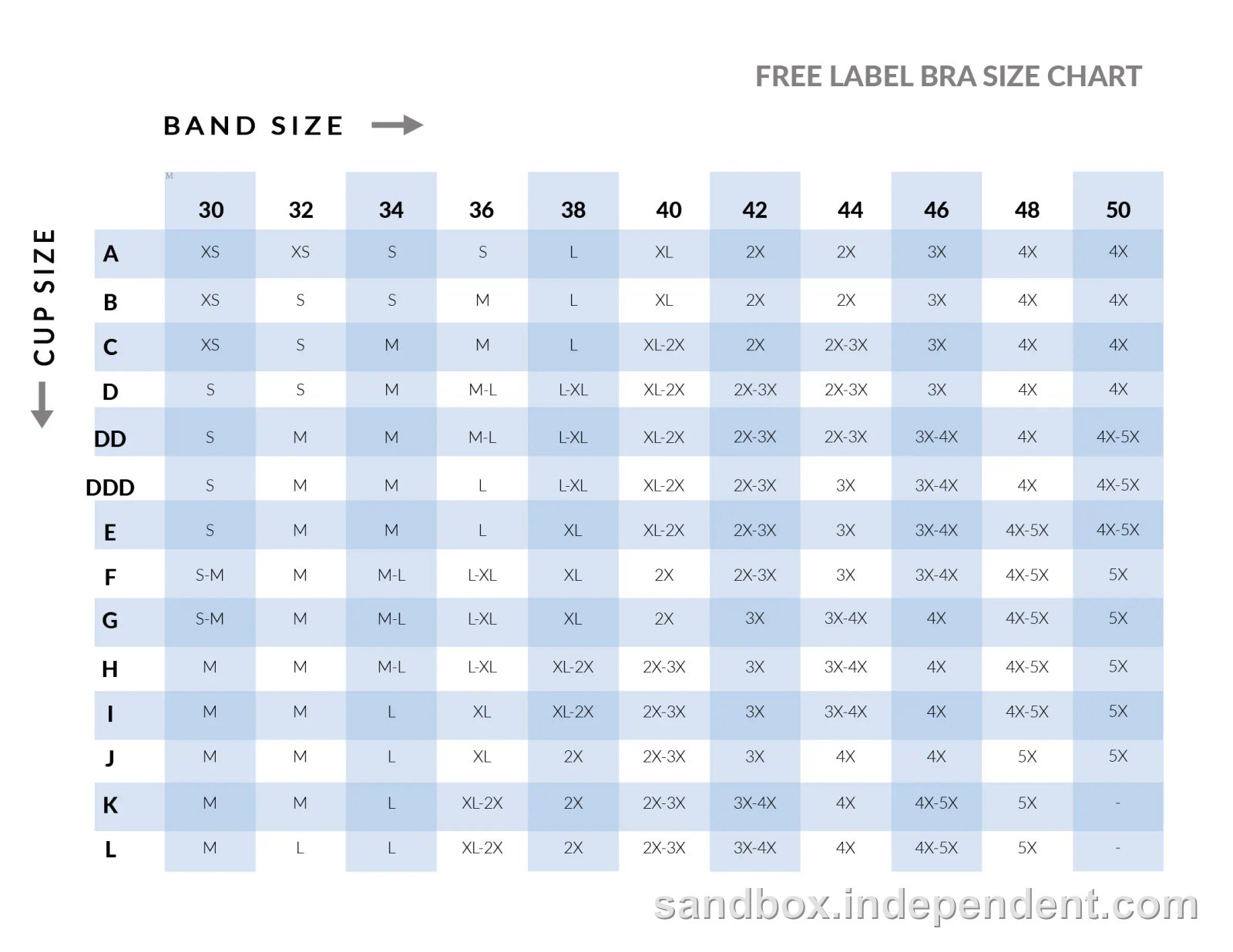
The Brooks size chart is a valuable tool for anyone seeking accurate sizing information, offering a simple and effective way to find the right fit. This guide will navigate you through the various charts and sizing guides Brooks provides, ensuring you understand the process and can make an informed choice. Whether you're after a precise shoe size or need to find the perfect bra fit, these charts are designed to simplify the process, and we'll explore how to utilize them effectively.
Understanding the Brooks Size Chart
The Brooks size chart is a valuable tool for anyone looking to find their perfect fit in Brooks footwear and apparel. It provides a comprehensive guide to help you determine your ideal size across various Brooks products, ensuring a comfortable and precise fit. This chart serves as a reference, offering size conversions and measurements to assist you in making informed choices.
Key Details and Categories
The Brooks size chart covers a range of sizes, typically starting from smaller sizes like 5 or 6 and extending up to larger sizes, such as 12 or 13, depending on the product category. It includes both men's and women's sizes, with separate charts for shoes and apparel. The shoe size chart provides measurements in both US and UK sizes, offering a conversion guide for international customers. For apparel, the chart typically uses standard sizing categories like small, medium, and large, with specific measurements for each category.
Step-by-Step Guide: Reading and Applying the Size Chart
To utilize the Brooks size chart, follow these steps:
- Identify the product category you are interested in, whether it's shoes or apparel.
- Locate the corresponding size chart for your gender.
- For shoes, find your US or UK size and refer to the provided measurements. Ensure you measure your foot length accurately, as this is crucial for a precise fit.
- In the case of apparel, identify your size category (e.g., small, medium) and refer to the provided measurements for chest, waist, and hip sizes.
- Compare your measurements with the size chart to determine the best fit. If your measurements fall between sizes, consider opting for the larger size for a more comfortable fit.
- Remember, the Brooks size chart serves as a guide, and individual preferences may vary. It's always a good idea to try on the product to ensure the perfect fit.
Size Variations and Differences
It's important to note that size variations can occur across different Brooks products and even within the same product line. These variations may be due to factors such as the intended use of the product, the materials used, or design differences. For instance, running shoes might have a slightly different fit compared to casual footwear. Additionally, Brooks may offer specialized fits, like wide or narrow options, to cater to individual foot shapes. Always refer to the specific size chart for the product you are interested in to ensure accuracy.
Common Mistakes and How to Avoid Them
When using the Brooks size chart, avoid these common mistakes:
- Relying solely on your usual shoe size without considering the specific fit of Brooks shoes.
- Neglecting to measure your feet accurately, especially if you're between sizes.
- Assuming that all Brooks apparel will fit the same; always refer to the size chart for each product.
- Failing to account for personal preferences; some may prefer a tighter or looser fit, so consider your comfort level.
- Not checking the size chart for any specific fit options, like wide or narrow, that may be available. By being mindful of these potential pitfalls, you can ensure a more accurate and satisfying shopping experience with the Brooks size chart.
Well, there you have it! A simple yet effective guide to understanding Brooks' size chart. Remember, these charts are a great tool, but it's always wise to confirm the specific details for your unique needs.
Don't forget to keep this page handy for future reference. It's a quick and easy way to ensure you're on the right track when it comes to sizing, and it might just save you some time and hassle down the line. Consider it your go-to resource for a smooth and stress-free sizing experience.