



Quilt Size Chart Template Overview
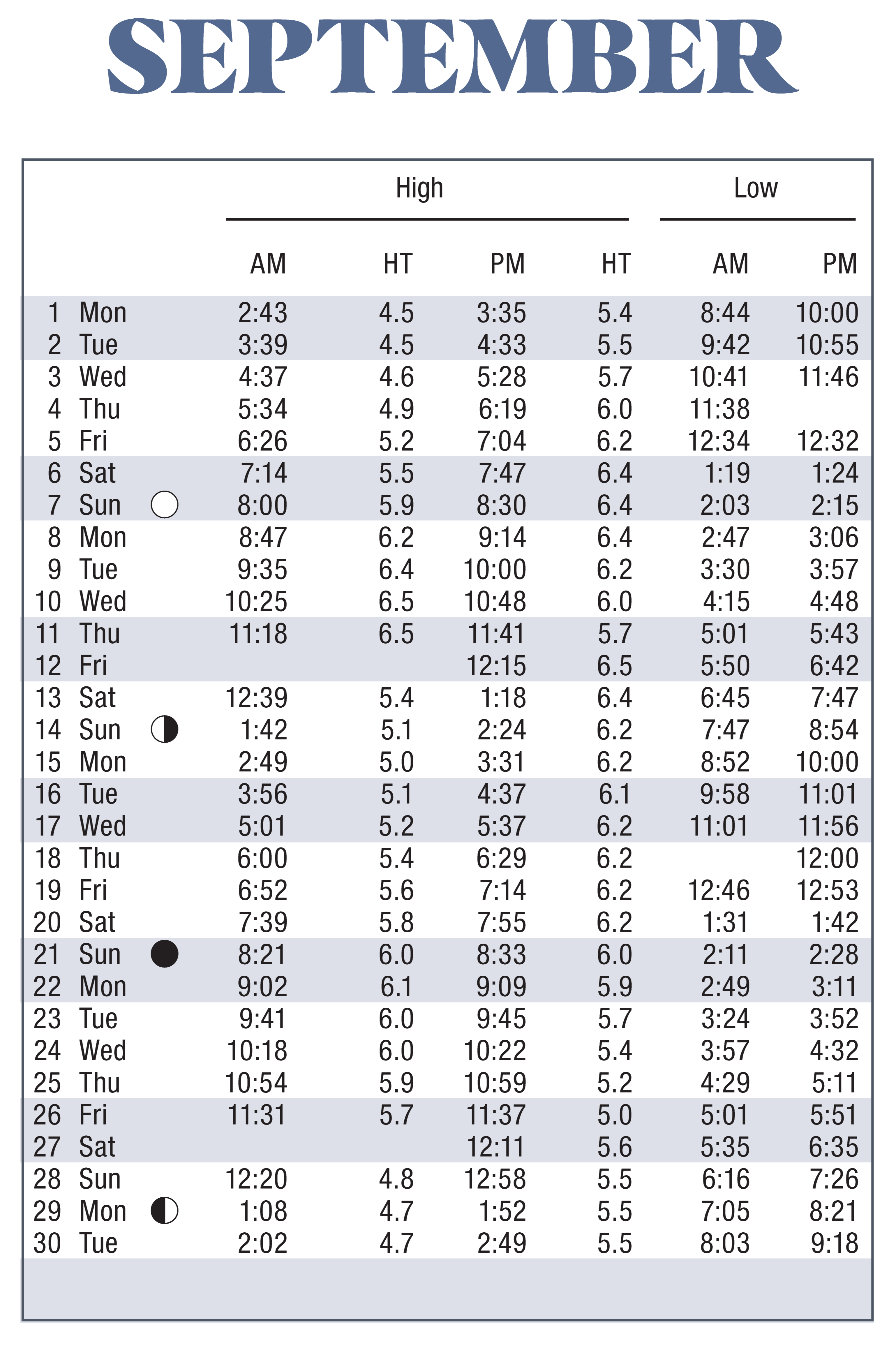
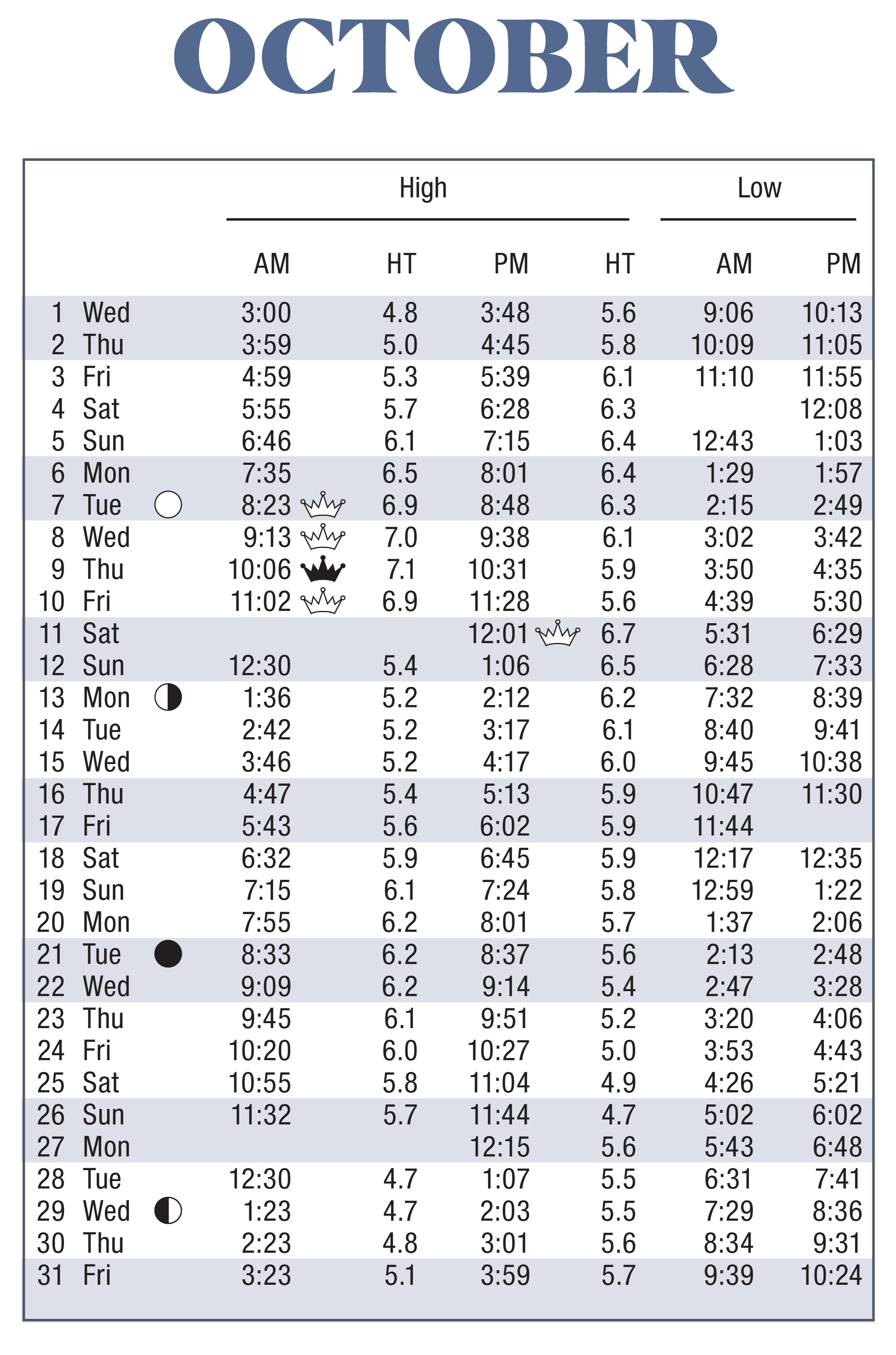
An edisto tide chart is a handy tool for anyone wanting to explore the beautiful Edisto Island and its surroundings. This guide will show you how to make the most of this chart, whether you're a seasoned pro or new to the area.
It's a simple yet effective way to understand the tides, and with a little practice, you'll be reading and using it like a local. The chart provides an overview of tide heights and current flow rates, which can vary depending on the region and specific location.
What is the Edisto Tide Chart?
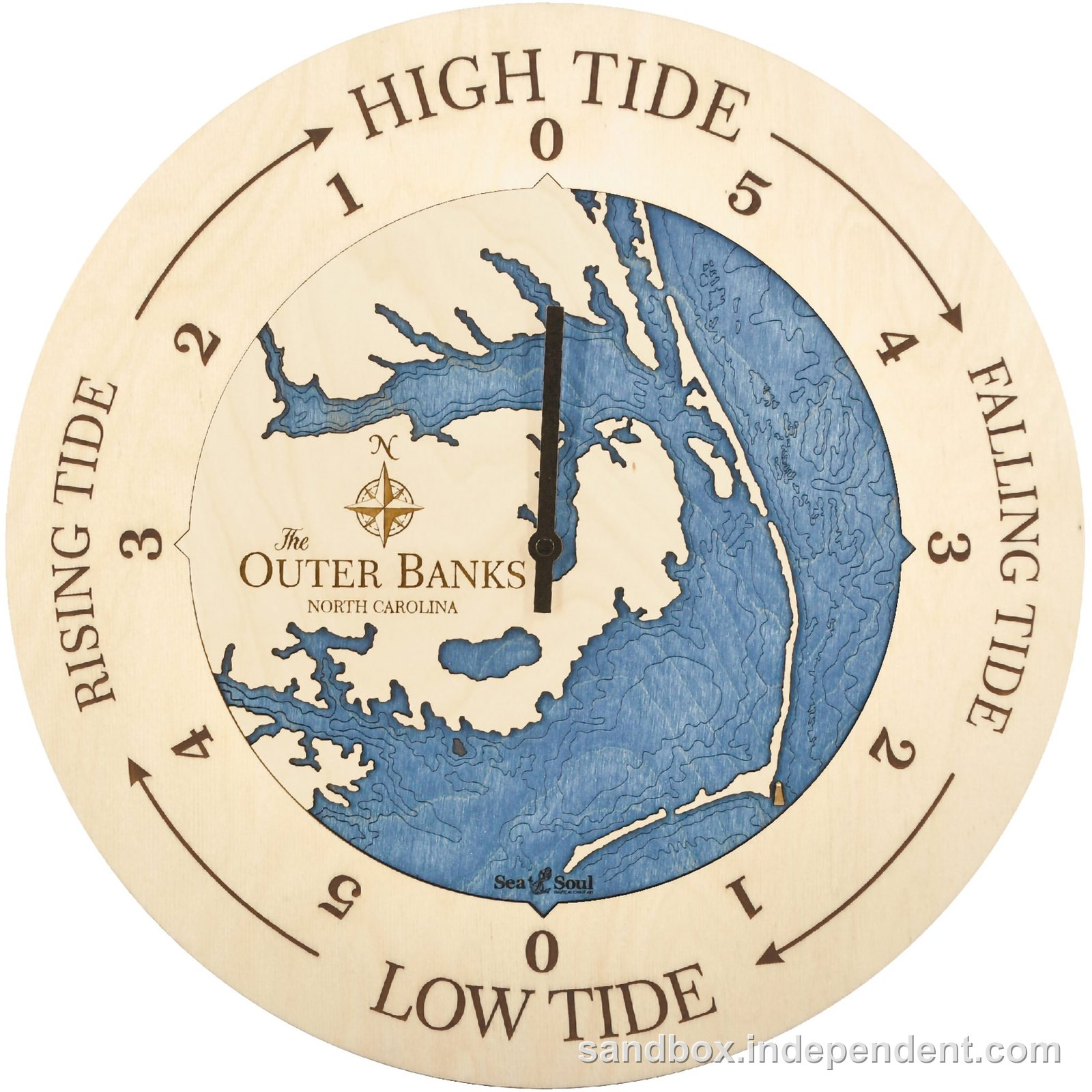
The Edisto Tide Chart is a valuable tool for anyone planning activities or relying on tidal information around Edisto Island. It provides a visual representation of the predicted tide levels and current flow rates over a specific period, typically a day or a few days. This chart is essential for understanding the ever-changing nature of the tides and making informed decisions.
Key Details and Categories
When examining an Edisto tide chart, you'll notice a few key elements. First, the chart displays the predicted tide heights, usually measured in feet or meters, depending on the standard used. These heights indicate the expected water levels at different times. Additionally, the chart may include information on current flow rates, which show the direction and speed of the tidal currents. The time of day or specific hours are often marked along the chart's horizontal axis, while the vertical axis represents the tide height or current strength. Understanding these basic units and categories is crucial for interpreting the data accurately.
How to Read and Apply the Chart
Reading an Edisto tide chart is straightforward. Here's a step-by-step guide:
- Identify the time of interest on the chart. This is usually indicated along the bottom or side of the graph.
- Locate the corresponding tide height or current flow rate. The height is typically represented by a line or curve, and the current flow may be shown as arrows or a separate graph.
- Note the predicted tide level or current strength at that time. For example, if you're planning a boating trip, you can ensure you have sufficient water depth by checking the tide height during your planned departure or return times.
- Repeat this process for other relevant times, especially if your activity spans multiple hours or days.
Variations and Differences
While Edisto tide charts provide valuable predictions, it's important to remember that tides and currents can vary due to several factors. Weather conditions, such as strong winds or storms, can influence tide heights and current patterns. Additionally, the moon's phases and gravitational pull play a significant role in tidal changes. These natural variations mean that the predicted values on the chart may differ slightly from the actual conditions on the water. It's always a good idea to keep an eye on the weather and consider any unusual tidal patterns when relying on the chart.
Common Mistakes and How to Avoid Them
One common mistake is assuming the chart provides absolute accuracy. While the predictions are based on historical data and scientific models, they are still estimates. To avoid surprises, always allow for some flexibility in your plans. For instance, if you're fishing and the chart indicates a high tide at a certain time, consider that the actual high tide may arrive a little earlier or later. Another mistake is neglecting to check for any recent updates to the chart. Tidal patterns can change over time, so ensure you're using the most recent data available.
Practical Tips for Accurate Results
To ensure you're making the most of your Edisto tide chart, consider these practical tips:
- Regularly check for updates, especially if you're planning activities that rely heavily on precise tidal information.
- Familiarize yourself with the local tidal patterns and any unique characteristics of the Edisto Island area. This knowledge can help you interpret the chart more effectively.
- When possible, observe the actual tides and currents in real life. This hands-on experience can enhance your understanding of how the chart relates to the natural environment.
- If you're new to the area, consider seeking advice from local experts or experienced boaters who can provide insights into the local tidal variations.
- Remember that the Edisto tide chart is a valuable tool, but it's just one part of your planning process. Always combine it with common sense, local knowledge, and a healthy dose of flexibility.
Well, there you have it! You're now equipped with the knowledge to navigate the Edisto tide chart like a pro. Remember, while these charts are incredibly useful, it's always a good idea to double-check the specific conditions and requirements for your particular activity or location.
Feel free to explore our other guides and resources; we've got plenty of practical tips and tricks to offer, so take a look around and find something that piques your interest!
Related: Find Corolla Tide Chart: Quick Reference Guide
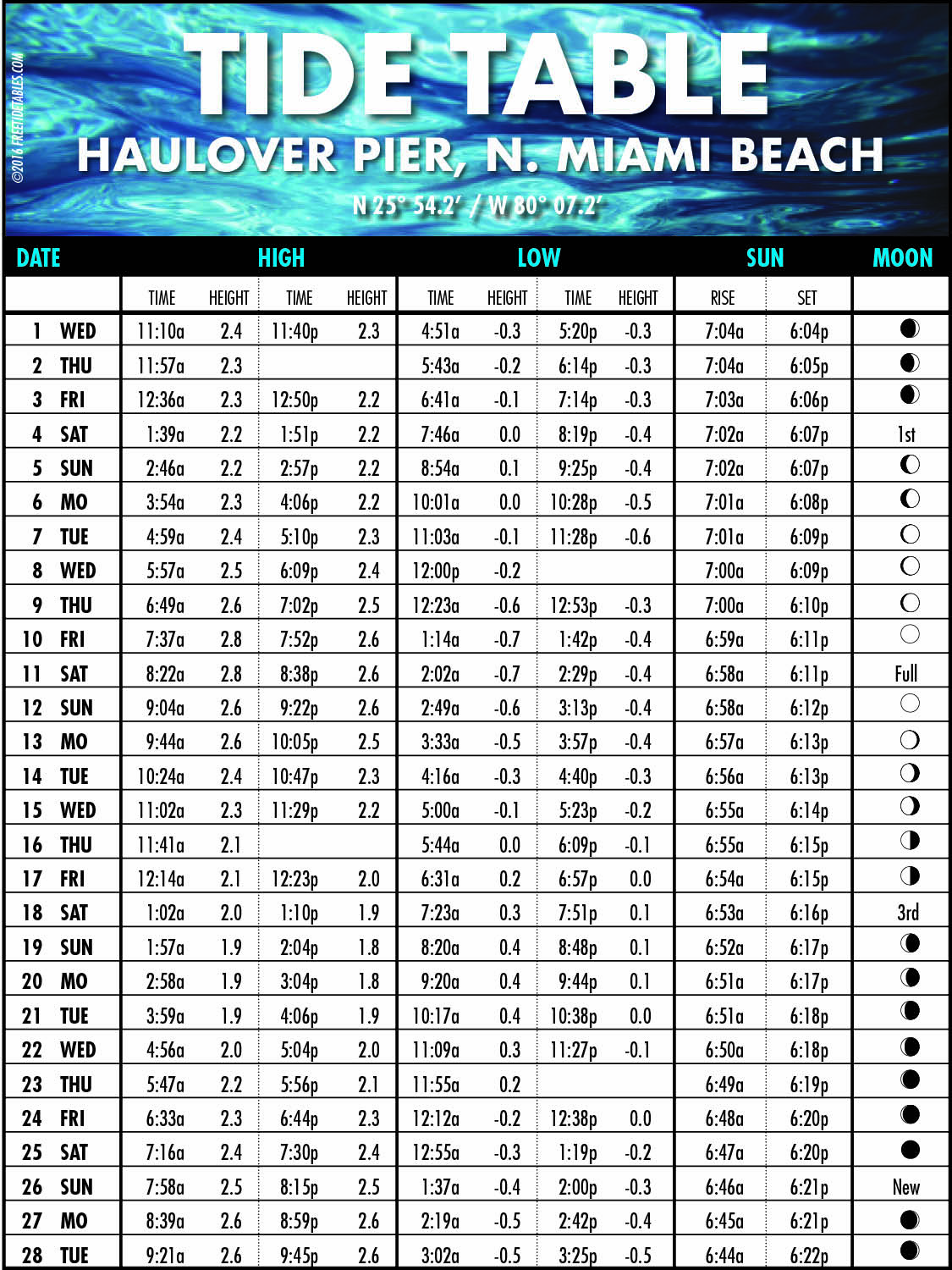
You're probably here because you need a quick answer, a reliable reference, or some clarity on reading Corolla tide charts. These charts are a handy tool, offering a simple visual guide to help you plan your day by the sea. They provide valuable insights into the ebb and flow of the tides, showing you the tide times and heights, which can vary depending on your location.
Understanding Corolla Tide Charts
A tide chart is a handy tool that shows the predicted times and heights of high and low tides for a specific location, like Corolla. These charts are essential for anyone planning activities near the coast, from fishing and boating to beachcombing and surfing. By understanding and using a tide chart, you can make the most of your time on the water or along the shore.
Key Details and Categories
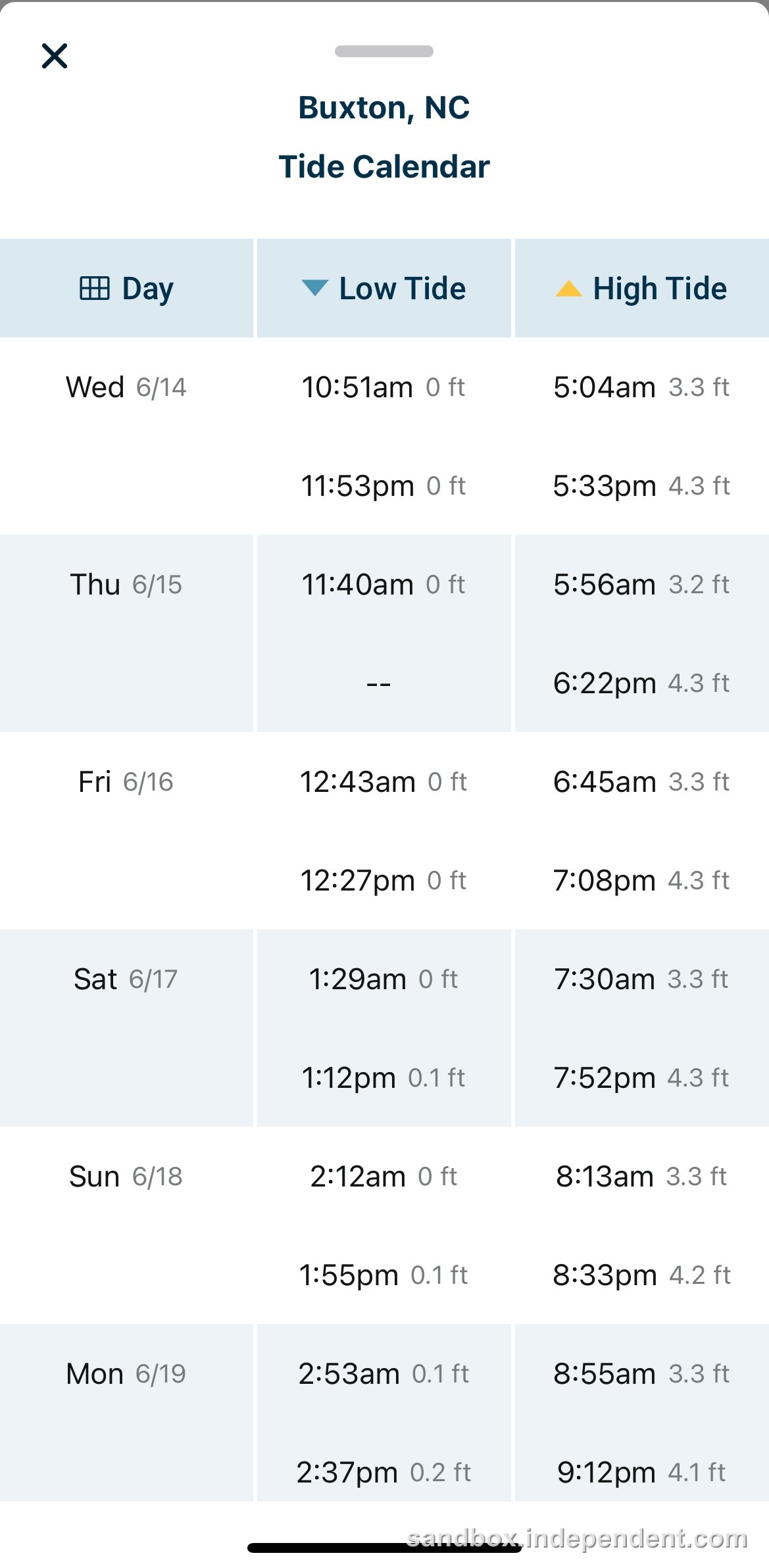
A tide chart typically displays the following information: the date and time of each tide, the height of the tide (usually in feet or meters), and sometimes additional details like the moon phase or tidal current speeds. The times are often given in a 24-hour clock format, so it's good to be familiar with that. The height of the tide is a crucial factor, as it affects water depth and can impact various activities.
Reading and Applying Tide Levels
Here's a step-by-step guide to reading and using a corolla tide chart:
- Identify the date and time you're interested in. Tide charts usually cover a specific period, often a month, so find the relevant date.
- Look for the corresponding high and low tide times. These are typically marked clearly, with the height of the tide noted beside each time.
- Consider the height of the tide for your activity. For example, if you're fishing, you might want to aim for a high tide to access deeper waters.
- Plan your activities accordingly. With the tide times and heights in mind, you can schedule your day to make the most of the conditions.
- Remember to check the moon phase, if available. This can give you an idea of the tidal range and the potential for strong currents.
Variations and Differences
Tide charts can vary based on several factors:
- Location: Different coastal areas will have unique tide patterns due to geographical features and ocean currents.
- Moon and Sun: The gravitational pull of these celestial bodies affects tides, so lunar and solar cycles can cause variations.
- Weather: Storms and high winds can influence tidal behavior.
- Seasonal Changes: Tides can exhibit different patterns throughout the year.
Common Mistakes and How to Avoid Them
- Misreading the Time: Always double-check the time format. A simple mistake like confusing AM and PM can lead to missed opportunities.
- Ignoring Tidal Currents: Strong currents can make boating and fishing challenging. Check for any notes on current speeds on your tide chart.
- Assuming Consistency: Tide patterns can change, so avoid relying solely on past experiences. Always check the latest tide data.
- Forgetting to Adjust for Daylight Saving: Remember to account for time changes, especially during spring and autumn.
Practical Tips for Accurate Results
- Use Reputable Sources: Ensure your tide chart comes from a reliable source, such as a trusted website or a local marina.
- Check Regularly: Tide conditions can change, so update your tide data frequently, especially if you're planning activities over several days.
- Consider Weather Forecasts: Weather can impact tides, so keep an eye on forecasts to anticipate any unusual tidal behavior.
- Learn Local Patterns: If you frequent a specific coastal area, study the local tide patterns to better predict conditions.
Double-Checking and Handling Exceptions
While tide charts are valuable, they are predictions and may not always be accurate, especially during extreme weather events. Always be prepared for variations and:
- Check for Any Alerts: If there's a storm or unusual weather, confirm the tide predictions with local authorities or marine experts.
- Use Multiple Sources: Compare predictions from different sources to get a more accurate picture, especially during exceptional circumstances.
- Plan for Flexibility: If you're dependent on specific tide conditions, consider having a backup plan or being ready to adapt.
- Stay Informed: Keep updated with the latest weather and marine forecasts to make informed decisions.
Well, there you have it! Understanding the Corolla Tide Chart is a handy skill, and now you're equipped with the knowledge to navigate it like a pro. Remember, while this guide provides a solid foundation, always double-check the specific context and requirements for your project or location. It's a good idea to keep an eye on any unique factors that might affect your readings.
Feel free to explore our other resources for more practical insights and guides. We've got you covered with a range of topics to enhance your knowledge and skills. Happy charting!
Related: Aritzia Size Chart: Your Easy Reference Guide
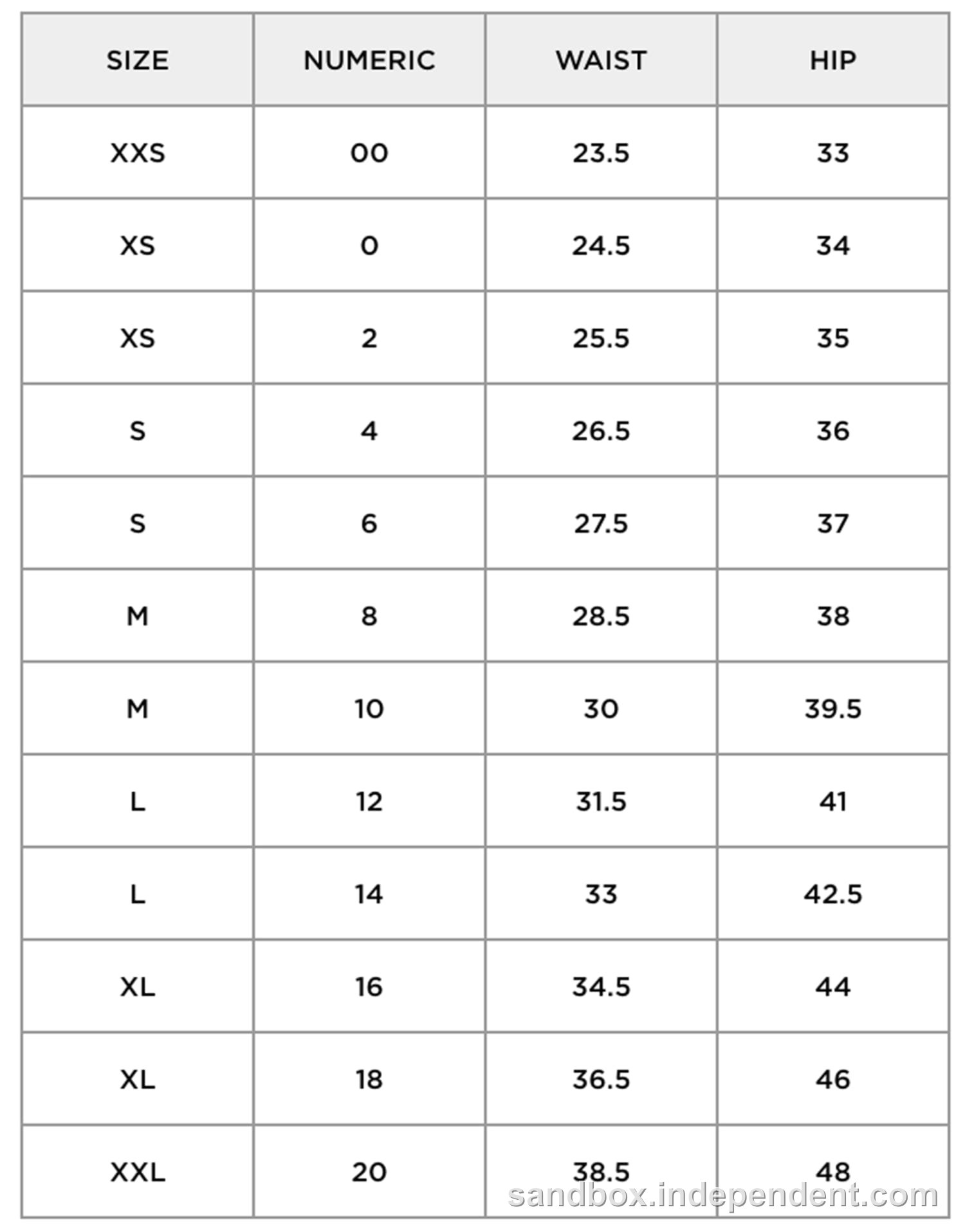
An Aritzia size chart is your go-to resource for navigating the brand's sizing with ease. This guide will show you how to use it effectively, ensuring you find the perfect fit for your favorite Aritzia pieces. From understanding the measurements to knowing the brand's unique sizing system, we'll cover it all.
Understanding the Ariztia Size Chart: Your Guide to Perfect Fit
The aritzia size chart is your go-to tool for finding the right fit in Ariztia clothing. It's a simple yet effective way to ensure you get the perfect size every time. This chart provides a clear overview of the brand's size range and helps you understand your ideal measurements.
Comparing Size Standards: US vs. International
Ariztia's size chart follows the standard US sizing system, which is commonly used in North America. However, it's important to note that clothing measurements can vary slightly between brands and regions. If you're used to international sizing, you may find a slight difference in the fit. The chart offers a size conversion guide to help you navigate these variations.
How to Use the Ariztia Size Chart: A Step-by-Step Guide
Measure yourself accurately: Take your measurements using a measuring tape. Focus on the key areas: bust, waist, and hips. These measurements are crucial for finding the right size.
Refer to the size chart: Locate your measurements on the chart. The chart provides a range of sizes, typically from XS to XXL. Find the size that aligns with your bust, waist, and hip measurements.
Consider the style: Different clothing styles may have varying fits. Some styles may run smaller or larger, so pay attention to the aritzia fit guide notes on the chart. These notes provide valuable insights into how a particular style fits and can help you make an informed choice.
Double-check the size: If you're between sizes, it's always a good idea to go up a size. Ariztia's clothing tends to fit true to size, but it's better to err on the side of comfort. Trust your measurements and the chart to guide you towards the perfect fit.
Common Misreadings and How to Avoid Them
One common pitfall is assuming that all brands follow the same sizing standards. While Ariztia's size chart is reliable, it's essential to remember that clothing measurements can vary. Always refer to the specific brand's size guide to avoid any surprises.
Additionally, pay attention to the style of the clothing. Some styles, like tailored dresses or skinny jeans, may have a different fit than you expect. The aritzia size chart provides helpful notes to guide you, but it's always a good idea to read the product description for any specific fit details.
By following these simple steps and being mindful of potential variations, you'll master the art of using the aritzia size chart to achieve a perfect fit every time you shop with Ariztia.
Well, there you have it! A handy guide to navigating the Ariztia size chart with ease. Remember, while the basics remain the same, there might be slight variations depending on the specific item and its unique fit.
Feel free to explore other guides on our site for more practical tips and tricks. We've got you covered with simple, straightforward advice to make your shopping experience a breeze!