
Radar Chart Maker Black And White Overview
You're probably here because you need a quick solution, right? Well, if you're looking for a simple guide to understanding hair length, the hair level chart is a handy tool. It's like having a secret code to deciphering those tricky hair measurements. This chart, a simple yet effective reference, can help you determine your hair's growth and length accurately. From there, you can explore various hair growth charts, length guides, and even styling tips tailored to your hair's level.
Understanding the Hair Level Chart: A Quick Overview
The hair level chart is a useful tool for anyone interested in hair care and styling. It provides a visual representation of hair length, offering a standardized way to measure and communicate hair length. This chart is especially handy for professionals in the hair industry, ensuring consistency in haircuts and styles.
Comparing Hair Level Chart Standards and Formats
There are a few different standards and formats for hair level charts. The most common one is based on the hair growth chart, which typically uses a numerical scale. This scale ranges from 1 to 10, with each number representing a specific hair length. For example, level 1 might indicate very short hair, while level 10 represents extremely long hair.
Another format uses descriptive terms, such as "short," "medium," and "long," to categorize hair lengths. This method is often used in everyday conversations and provides a more general idea of hair length. However, it lacks the precision of numerical scales.
Measuring Hair Accurately: A Step-by-Step Guide
To use the hair level chart accurately, follow these simple steps:
- Start by determining your current hair length. You can do this by measuring your hair from the scalp to the tip.
- Compare your measurement to the chart. Look for the closest match on the numerical scale or find the descriptive term that best describes your hair length.
- If you're using a numerical scale, you might find your hair length falls between two levels. In such cases, you can estimate or round up to the nearest level.
- Once you've identified your hair level, you can communicate it to your hairstylist or use it as a reference for styling and product choices.
Common Misconceptions and Pitfalls to Avoid
While the hair level chart is a practical tool, there are a few things to keep in mind:
- Hair length can vary depending on factors like hair type, texture, and individual growth rates. So, while the chart provides a standard, your personal hair characteristics may influence the accuracy of the measurement.
- The chart might not cover all hair types and styles. For instance, some hairstyles, like dreadlocks or extensions, may require additional considerations.
- It's essential to measure your hair accurately. Ensure you measure from the scalp and consider the natural fall of your hair.
- Remember, the chart is a guide, and individual preferences may vary. Feel free to adjust the level based on your desired style and comfort.
By understanding these factors, you can use the hair level chart effectively and make informed decisions about your hair care and styling.
Well, there you have it! A handy hair level chart can be a great tool to ensure you're getting the right products and services for your hair type. It's always a good idea to refer to these charts and guides, but remember, every head of hair is unique, so make sure to consider your specific needs and goals.
Feel free to explore our other guides and resources; we've got plenty of practical tips and tricks to help you navigate the world of hair care and styling. Happy hair adventures!
Related: Understanding the Blank 100 Chart
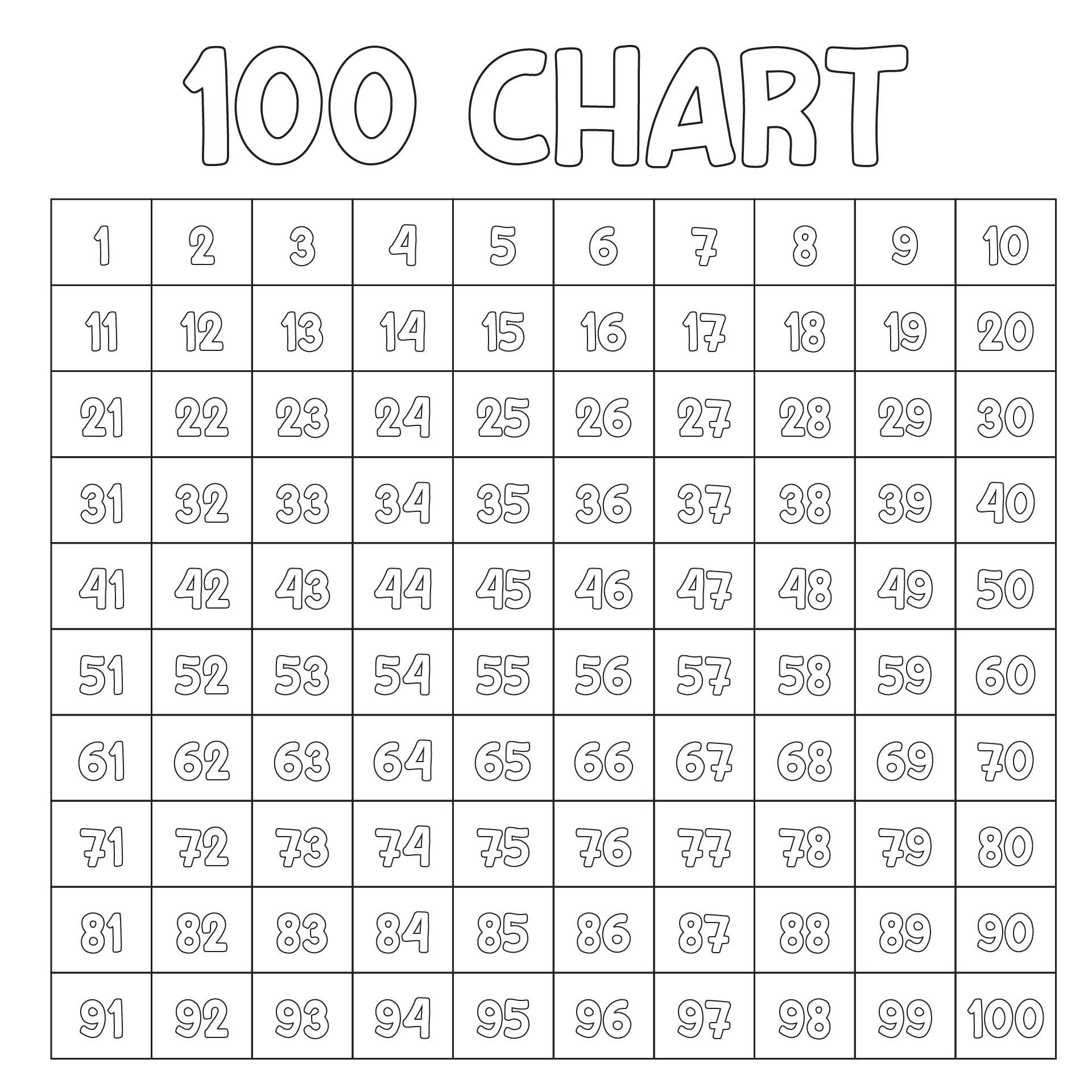
You've stumbled upon the blank 100 chart, a versatile tool often sought for its practical applications. This simple yet powerful chart serves as a reference guide, offering a structured layout that can be tailored to various needs. Whether you're seeking a quick numerical reference or aiming to teach counting and number recognition, the blank 100 chart provides a flexible foundation.
Understanding the Blank 100 Chart
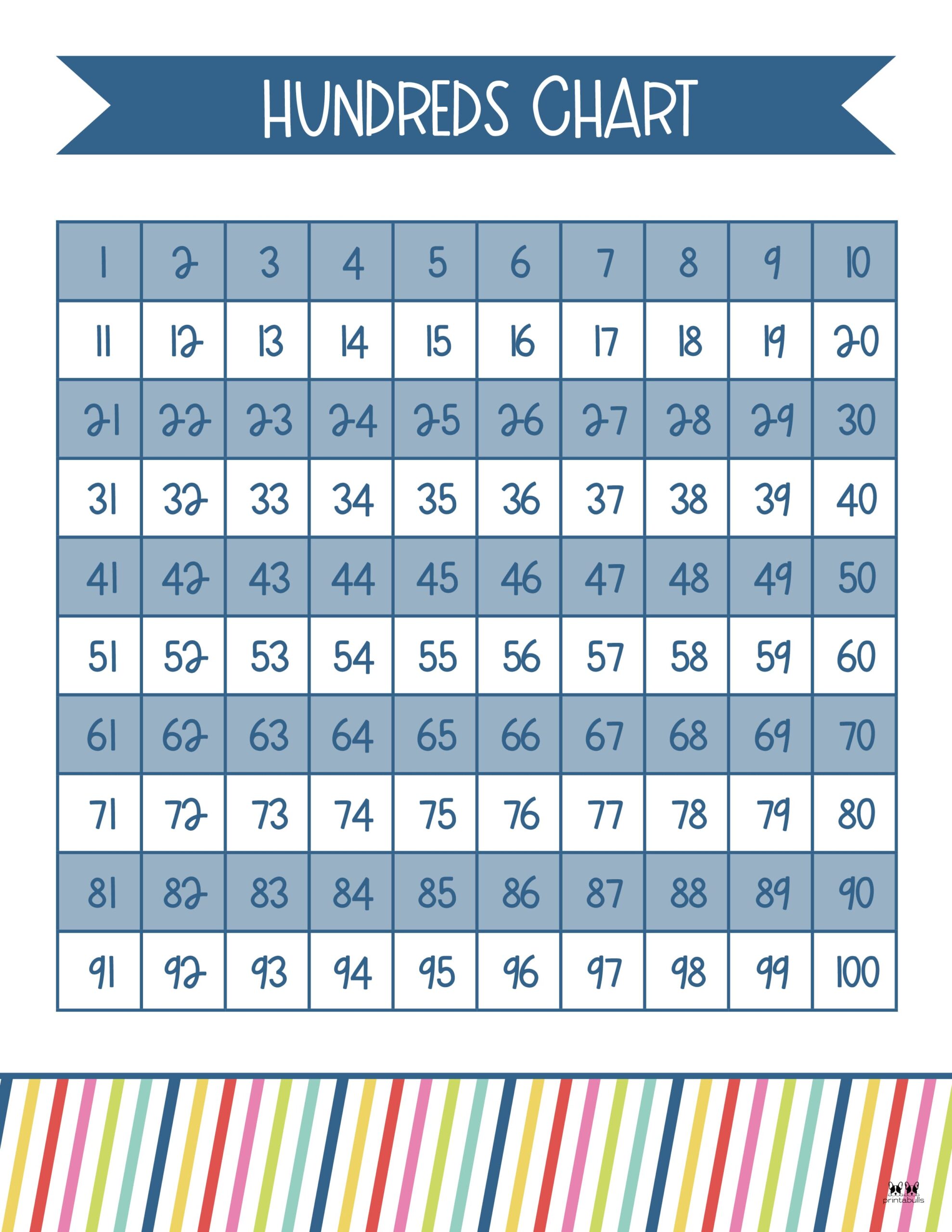
The blank 100 chart is a versatile and simple tool, often used as an educational resource, particularly in mathematics. It provides a visual representation of numbers from 1 to 100, arranged in a grid format, with each number occupying its own square. This chart is a fundamental teaching aid, helping students grasp counting, number patterns, and basic mathematical operations.
Comparing Chart Formats and Standards
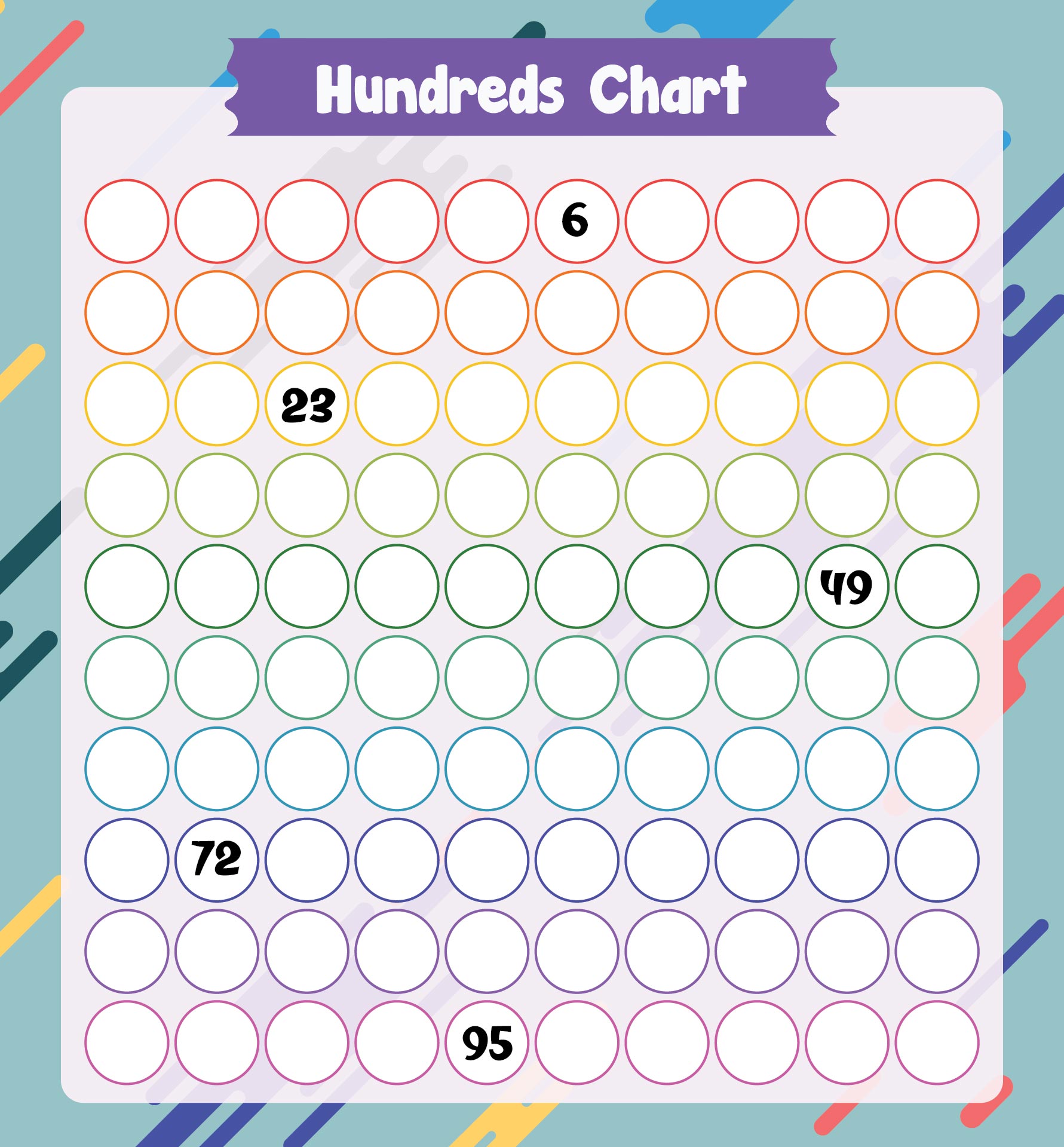
While the basic structure remains consistent, there are variations in the hundred chart depending on the educational context and region. Some charts feature a simple grid with numbers, while others may include additional elements like color-coding or mathematical symbols. For instance, a chart designed for younger learners might use colors to highlight number patterns or prime numbers. The number chart's format can also vary based on the educational standard being followed, such as the US Common Core or international curricula.
Using the Blank 100 Chart: A Step-by-Step Guide
- Obtain a blank grid suitable for your purpose. Ensure it has a clear and consistent layout, with each number easily identifiable.
- Familiarize yourself with the chart's structure. Typically, numbers increase from left to right and top to bottom.
- Use the chart for counting and number recognition. Point to each number as you count, helping students associate the written digit with its value.
- Teach number patterns and sequences. The hundred square format makes it easy to identify patterns, such as even and odd numbers, or counting by twos, fives, or tens.
- Introduce basic mathematical operations. The chart can visually represent addition and subtraction, helping students understand number lines and the concept of 'jumping' numbers.
- Encourage creative uses. The chart can be a starting point for various mathematical explorations, such as identifying prime numbers, creating number stories, or even simple data analysis.
Common Misconceptions and How to Avoid Them
- Blank 100 chart values are not absolute. While the chart provides a structured framework, it's important to remember that numbers can be represented in various ways, and different educational standards may have slight variations. Always double-check specific requirements or tolerances for your context.
- Avoid over-reliance on the chart. While it's a valuable tool, it should complement other teaching methods and not become the sole focus of mathematical learning. Encourage students to explore numbers and patterns beyond the chart's boundaries.
- Be aware of potential distractions. Some charts may include colorful designs or patterns, which can be engaging but might also distract certain learners. Choose a chart with a design that suits your students' needs and learning styles.
Remember, the blank 100 chart is a flexible resource, adaptable to various teaching approaches and student needs.
Remember, when working with any chart or guide, it's essential to tailor it to your unique needs. Double-check that the information and values you're using align with your specific context and requirements.
Feel free to explore our other resources and guides; we've got plenty of practical tips and tools to help you stay organized and efficient. Happy charting!
Related: What is the shades eq chart all about?
Many folks get overwhelmed when they first see a shades eq chart, thinking it's some complex, mysterious tool. But it's actually a simple, visual guide to hair color magic! This chart is your friend, offering a clear path to achieving those perfect hair tones.
It's a handy reference, whether you're a pro stylist or a color-curious individual. You'll find it covers various color mixing ratios and toning techniques, and while the specifics might vary slightly depending on your region or brand, the shades eq chart concept remains a reliable companion for your hair color adventures.
Understanding the Shades EQ Chart: A Simple Guide
The Shades EQ Chart is a valuable tool for hair professionals and enthusiasts, offering a visual guide to hair color mixing and toning. It simplifies the process of achieving desired hair shades and helps avoid common color mistakes.
Key Details and Categories
This chart typically features a grid-like structure, with rows and columns representing different hair color categories. The rows often indicate the base color or starting shade, while the columns represent the desired end result or tone. Each cell in the grid provides a specific mixing ratio or formula to achieve the target color.
How to Read and Apply the Chart
Reading the Shades EQ Chart is straightforward. Identify your client's current hair color on the chart, which serves as the base. Then, determine the desired new color or tone. The intersection of these two colors on the chart provides the recommended mixing ratio. For instance, if the base color is a level 6 and you aim for a warm brown tone, the chart will guide you to mix specific amounts of warm brown toner with the base color.
Variations and Differences
It's important to note that Shades EQ Chart variations exist, often due to different standards or manufacturer-specific formulas. These charts may use various color notations and mixing ratios, so always refer to the specific chart's guidelines. Additionally, hair porosity, previous color treatments, and natural hair texture can influence the final result, requiring adjustments to the standard ratios.
Common Mistakes and How to Avoid Them
A frequent error is overlooking the hair's condition and history. Always consider the client's hair health and previous color treatments. Another mistake is not following the recommended mixing ratios precisely. Accurate measurements are crucial for consistent results. Lastly, neglecting to perform a strand test before a full application can lead to unexpected outcomes.
Tips for Accurate Results
For precise color outcomes, ensure you're using the correct Shades EQ Chart for your product and standard. Always measure toners and developers accurately, and follow the recommended ratios. Conduct a strand test to preview the final result, especially with dramatic color changes. Additionally, be mindful of the hair's porosity and adjust the developer strength or processing time accordingly.
Double-Checking and Handling Exceptions
While the Shades EQ Chart is a valuable guide, it's essential to double-check the exact specifications for your product and client's hair. Some hair types may require customized formulas or additional steps. Always refer to the product manufacturer's guidelines and consider seeking professional advice for complex color corrections or unique hair conditions.
Remember, the Shades EQ Chart is a tool to simplify the hair coloring process, but it's not a one-size-fits-all solution. Adapt and customize the formulas based on individual hair needs for the best results.
Well, there you have it! A handy guide to navigating the shades eq chart with ease. Remember, these charts are a great reference, but it's always wise to double-check the specifics for your unique situation.
Consider bookmarking this page for future reference; it might just save you some time and effort the next time you need a quick reminder. Happy charting!