



Rainbow Friends Coloring Page Roblox Overview
A guitar scale chart can be a guitarist's best friend, but it's often misunderstood as a complex and daunting tool. Rest assured, it's a simple and powerful reference, offering a clear visual guide to navigating the fretboard. This chart, with its various representations, is an essential companion for any guitarist, providing an organized layout of scale patterns, fretboard diagrams, and scale degree names.
Understanding the Guitar Scale Chart
A guitar scale chart is an essential tool for any guitarist, providing a visual representation of the fretboard and the various scales you can play. It serves as a quick reference guide, offering a bird's-eye view of the guitar neck and its scales. This chart is your roadmap, helping you navigate the guitar's vast landscape of sounds and tones.
Comparing Scale Chart Formats
There are several formats for guitar scale charts, each with its own advantages and use cases. The most common format is the standard fretboard diagram, which displays the guitar neck horizontally, with frets running vertically and strings represented as parallel lines. This format is intuitive and easy to follow, especially for beginners. Another popular format is the scale degree chart, which focuses on the theoretical aspect, showing the scale degrees and their corresponding notes. This chart is ideal for those delving deeper into music theory.
Step-by-Step Guide: Using the Scale Chart
To make the most of your guitar scale chart, follow these steps:
Identify the scale you want to play. The chart will typically feature common scales like major, minor, and pentatonic scales, each with its own section.
Locate the starting point on the fretboard. The chart will indicate the root note of the scale, often highlighted or marked with a symbol.
Follow the pattern: Each scale has a unique pattern of whole and half steps. The chart will show these intervals, guiding you to the correct notes.
Practice: Use the chart as a reference while playing. With time, you'll memorize the patterns, making it easier to play scales without constant reference.
Common Misreadings and How to Avoid Them
It's easy to misinterpret a guitar scale chart, especially for beginners. Here are some common pitfalls:
Confusing scale degrees with fret numbers. Remember, scale degrees (e.g., 1, 2, 3) represent the position of a note within the scale, not the fret number.
Assuming all scales follow the same pattern. While many scales share similar characteristics, each has its unique intervals and patterns. Always refer to the specific scale you're playing.
Neglecting open strings. Some scales utilize open strings, so ensure you include these when playing.
Factors Affecting Accuracy and Real-World Use
The accuracy of your guitar scale chart depends on several factors:
Guitar type: Different guitar types (e.g., electric, acoustic, classical) may have slight variations in scale length, affecting the positioning of notes. Always check the specific scale length for your guitar.
Tuning: Ensure your guitar is tuned correctly. Even a slight detuning can throw off the scale positions.
String gauge: Thicker strings may require slight adjustments to finger placement, especially for bends and vibratos.
Choosing the Right Format for Your Needs
When selecting a guitar scale chart, consider your skill level and specific needs:
Beginners may benefit from a simple fretboard diagram with clear, color-coded scales.
Intermediate players might prefer a scale degree chart to explore music theory in more depth.
Advanced guitarists may opt for comprehensive charts covering multiple scales and modes, offering a wide range of options for improvisation and composition.
While this guide aims to provide a comprehensive overview, it's important to remember that the specifics can indeed vary. Different sources may offer slight variations in scale patterns or fingerings, so it's always a good idea to cross-reference and find the one that resonates with your playing style.
Feel free to explore other guides and resources to expand your knowledge. And when you need a quick reminder, don't forget to bookmark this page for future reference! It's a handy tool to have at your fingertips.
Related: Construction Jobs Helena MT Essential Guide
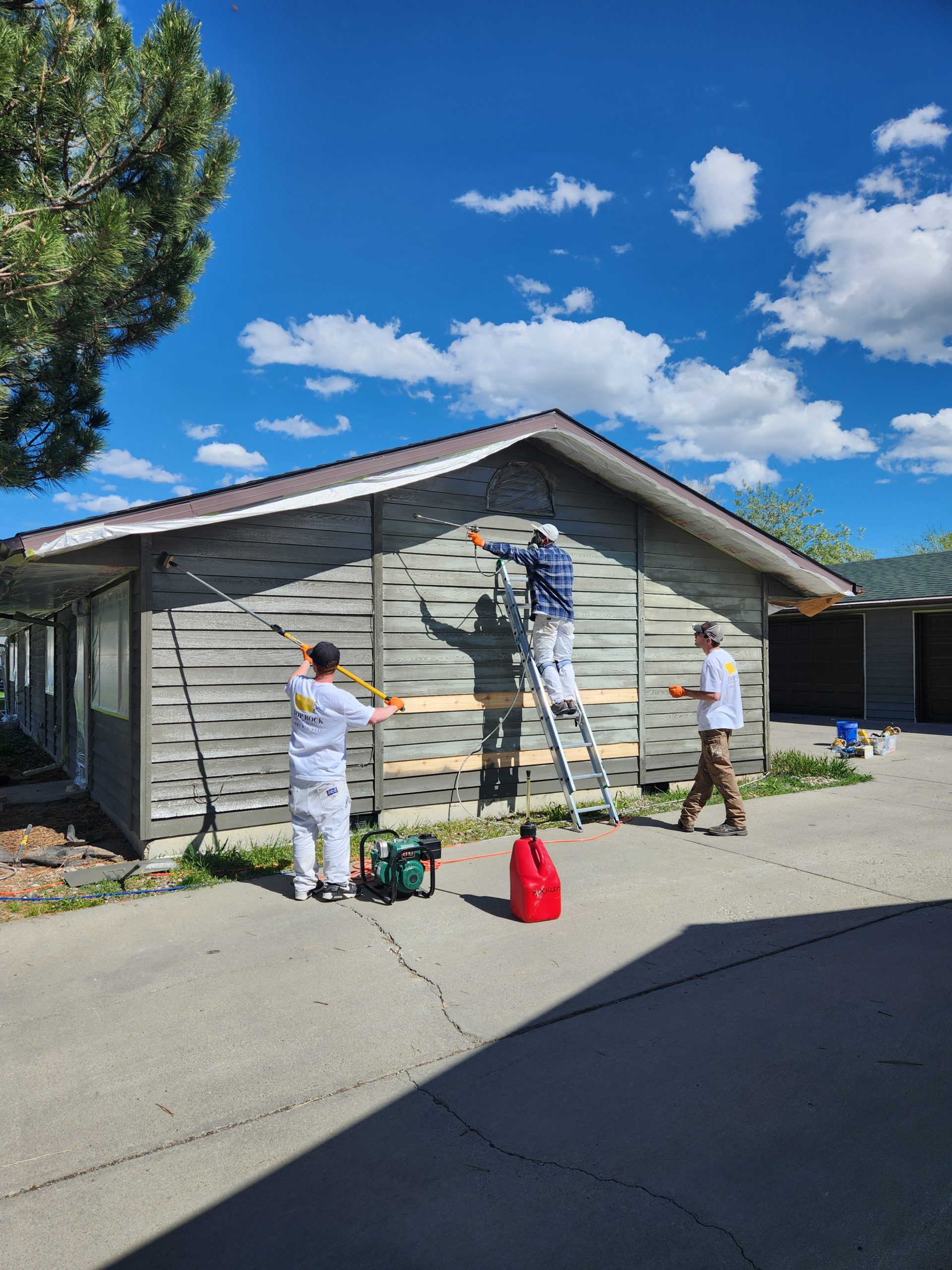
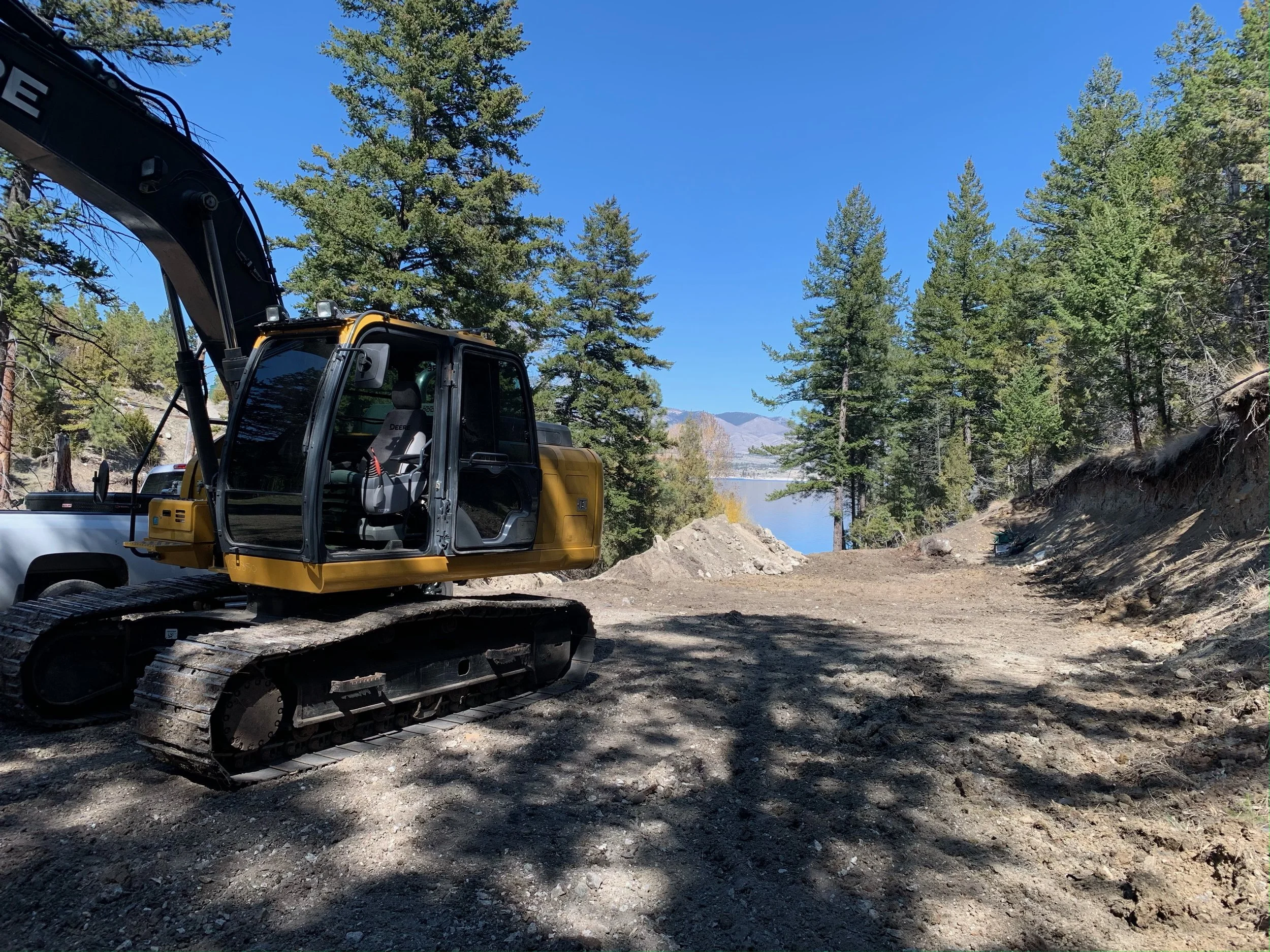
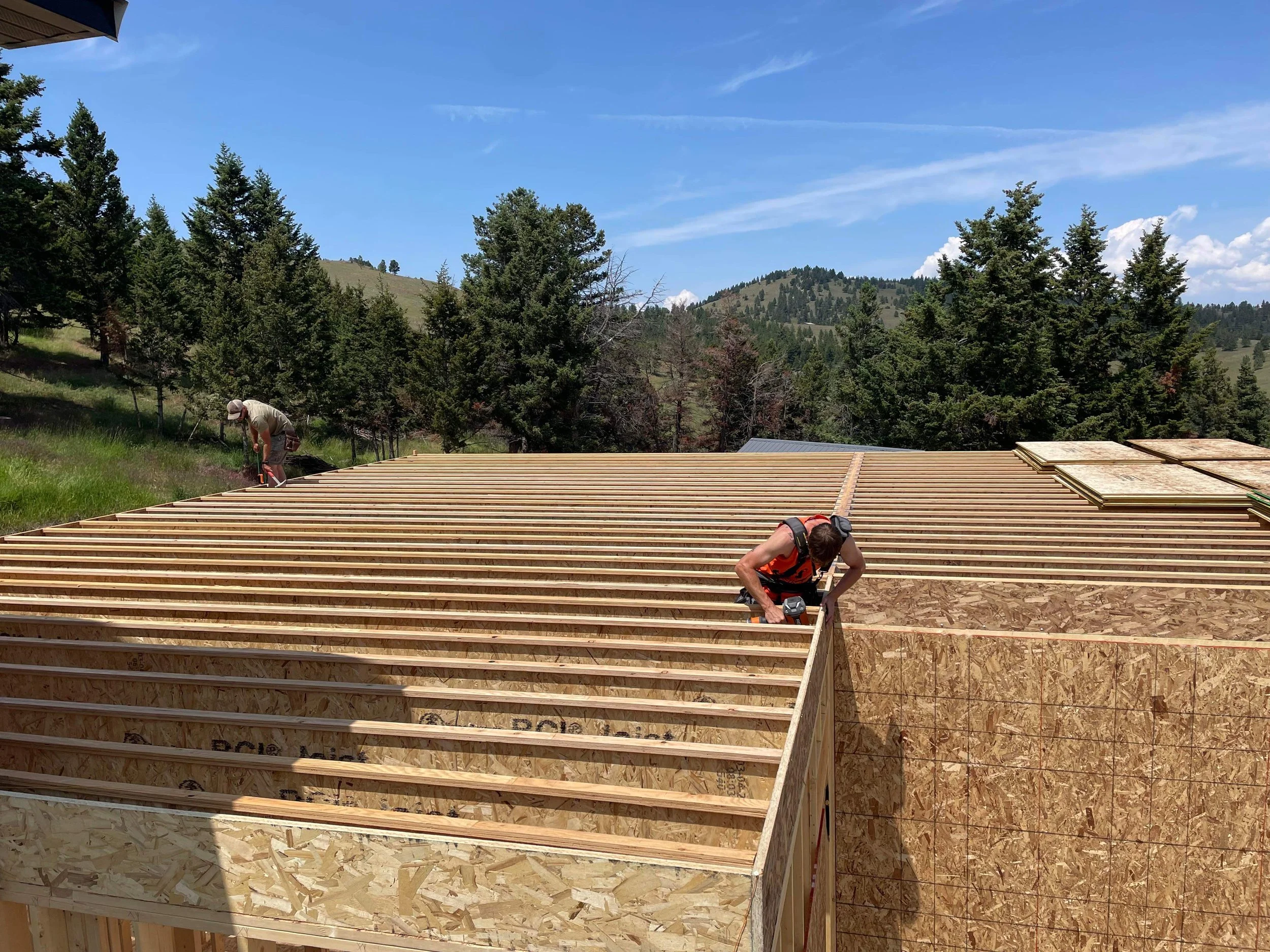
I was walking around Helena, MT, the other day, and it struck me how many construction sites there are. Construction jobs Helena MT are clearly in demand, and it got me thinking about all the opportunities and challenges in this industry. So, let's explore what's going on in the world of construction and building in this beautiful city.
Building a Career in Construction
Construction jobs Helena MT offer a range of opportunities for those interested in the industry. From general contractors to specialized tradespeople, there's a role for many skill sets. Whether you're an experienced builder or new to the field, there are paths to consider.
For those looking to start a business, the construction industry provides an exciting avenue. With the right skills and a solid business plan, you can establish your own company, offering services like home remodeling or new builds. It's a competitive market, but with the right approach, you can find your niche.
Finding the Right Contractor
When it comes to hiring a contractor for your building project, it's crucial to do your research. Check their credentials, ask for references, and ensure they have the necessary licenses and insurance. A good contractor will provide a detailed quote, outlining the scope of work and any potential additional costs.
Compare quotes from multiple contractors to ensure you're getting a fair deal. Don't just go for the cheapest option; consider the quality of work and the contractor's reputation. It's a balance between finding a competitive price and ensuring the job is done right.
Naming Your Construction Business
Choosing a name for your construction business is an important step. It needs to be memorable, reflect your services, and stand out in a crowded market. Avoid generic names and opt for something unique that will stick in people's minds.
Here are a few name ideas to get you started:
- Mountain Peak Builders
- Helena Home Remodelers
- Big Sky Construction Co.
- Northern Lights Builders
- Rock Solid Renovations
Remember to check name availability and secure the right domain and local registrations before finalizing your business name.
Industry Tools and Data
The construction industry relies on various tools and data to operate efficiently. One such tool is RSMeans, a cost database that provides accurate estimates for construction projects. It's a valuable resource for contractors and builders, helping them plan and manage costs effectively.
Construction cost indexes are another essential tool, providing insights into the current market and helping contractors and clients understand the financial landscape. These indexes consider factors like labor, materials, and location, offering a comprehensive view of construction costs.
Large vs. Small Firms
The construction industry is diverse, with a range of company sizes. Large firms often have the resources to take on bigger projects and may offer a wider range of services. They can provide stability and a broader skill set.
However, small firms can offer a more personalized service and may be more flexible in their approach. They often have a strong local presence and can provide a more tailored experience. It's a matter of finding the right fit for your needs and preferences.
So, whether you're looking for a career in construction, hiring a contractor, or starting your own business, construction jobs Helena MT offer a wealth of opportunities. It's an exciting industry with a lot to offer, and with the right approach, you can find success and satisfaction.
Related: Flute Notes Chart: A Simple Guide
You're here, perhaps with your flute in hand, seeking a simple, reliable guide to navigate the world of flute notes. A flute notes chart is your trusted companion, offering a clear and concise visual representation of the notes you can produce. This chart, a valuable tool for musicians, presents the standard flute note range and beyond, with details that can vary depending on your instrument and playing style. It's a quick reference, ensuring you stay on track and play with precision.
The Flute Notes Chart: A Visual Guide
The flute notes chart is a valuable tool for flute players, offering a visual representation of the notes produced by the instrument. It provides a quick reference for understanding the relationship between finger positions and the corresponding musical notes. This chart is an essential guide for beginners and experienced flutists alike.
Key Details and Prerequisites
Before delving into the chart, it's important to understand some basic concepts. The flute notes chart typically displays the standard flute note range, which covers the notes from the lowest to the highest pitch achievable on a flute. It uses a combination of finger positions, or flute fingering, to represent different notes. The chart often includes common flute scales and note names, providing a comprehensive overview.
Understanding and Reading the Chart: A Step-by-Step Guide
The flute notes chart usually features a grid-like structure, with finger positions represented horizontally and note names or pitches vertically. Each intersection represents a specific note.
Locate the starting point, which is often marked as "C" or "Do." This is the reference point for all other notes. From there, you can identify the finger positions required to play each note.
Pay attention to the alternate fingerings indicated on the chart. These are alternative ways to produce the same note, offering options for players to adjust their technique or achieve a desired sound.
Practice reading the chart by identifying a specific note and finding its corresponding finger position. Then, try playing that note on your flute to reinforce the connection between the visual representation and the actual sound.
As you become more familiar with the chart, you can use it to explore different scales and musical phrases. The chart serves as a roadmap, guiding you through the finger positions needed to play various melodies.
Variations and Differences: Factors to Consider
While the flute notes chart provides a standardized reference, variations can occur due to several factors:
Standard flute note range can differ slightly between different flute models or types. Always check the specific range for your flute.
The chart may not account for all possible fingerings or techniques. Some advanced players might discover unique fingerings not commonly used.
Pitch chart accuracy can be influenced by factors like flute quality, player technique, and environmental conditions.
Different regions or manufacturers might use slightly different standards for note frequencies or labels.
The chart is a guide, but practical exercises and experience are essential for mastering the flute.
Remember, the flute notes chart is a valuable tool, but it's important to verify specific details and tolerances for your flute and playing style. With practice and familiarity, it becomes an indispensable reference for your musical journey.
Flute notes are a fascinating subject, and this chart is a great tool to have in your musical arsenal. Remember, while the fundamentals remain consistent, the exact details can vary slightly depending on the standard or context. So, if you're keen to explore more, our site offers a range of guides and resources to satisfy your curiosity. Dive into the world of music theory and discover the endless possibilities!