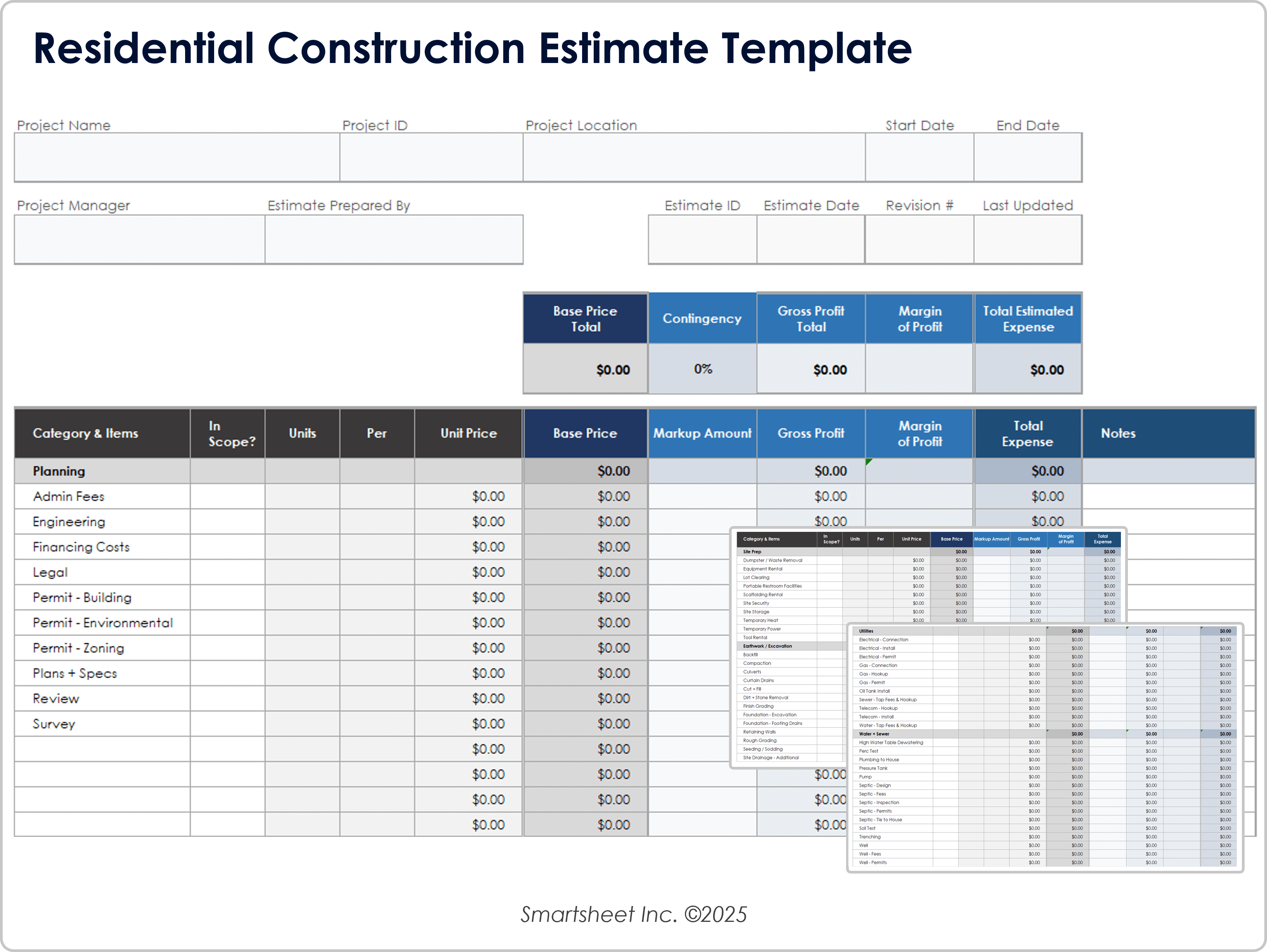






Real Estate Invoice Template Excel Overview
You're here because you need a quick answer, a reliable reference for a chart that's got you stumped. Maybe it's a body mass index (BMI) chart, or a weight-height ratio guide - these can be off the charts confusing! It's easy to feel lost when you're trying to understand the categories and ranges, especially as they can vary depending on where you are and who you ask. But don't worry, we'll get you on track with a simple breakdown. These charts are designed to give you a snapshot of your health, and with a few key insights, you'll be reading them like a pro.
Understanding Body Mass Index (BMI): What It Means to Be "Off the Charts"
Body Mass Index, or BMI, is a simple calculation that helps give an indication of whether your weight is in a healthy range for your height. It's a useful tool to get an overview of your health, but it's not the only measure of health or fitness. So, what does it mean when someone is "off the charts" with their BMI? Let's find out!
Key Details and Categories to Know
The BMI chart is a visual representation of the BMI calculation, which is your weight (in kilograms) divided by the square of your height (in meters). The result is then compared to a standard range to determine your BMI category. These categories are: underweight (below 18.5), healthy weight (18.5 to 24.9), overweight (25 to 29.9), and obese (30 or above). The chart often uses colors or shading to represent these categories, making it easy to see where you fall.
Step-by-Step Guide: Reading and Interpreting Your BMI
To use the BMI chart accurately, follow these steps:
- Weigh yourself and note your weight in kilograms.
- Measure your height accurately and convert it to meters (if needed).
- Square your height (multiply it by itself).
- Divide your weight by the squared height.
- Locate your BMI on the chart.
- Identify the color or category it falls into.
For example, if your BMI is 28, you would be in the overweight category. It's a simple process, but remember, it's just one tool to assess your health.
Variations and Differences: Why BMI Can Vary
It's important to understand that BMI can vary due to several factors. Age, muscle mass, and bone density can all affect your BMI. For instance, highly muscular individuals might have a higher BMI but not be overweight or obese. Additionally, BMI charts and categories can differ slightly depending on the standard used. Some charts might have slightly different ranges or categories, so always check which standard is being used.
- Key factors that can cause BMI variations:
- Muscle mass
- Bone density
- Age
- Body composition
Common Mistakes and How to Avoid Them
When using the BMI chart, be aware of these potential mistakes:
- Assuming BMI is the only health indicator: It's just one tool, so consider other factors like diet, exercise, and overall well-being.
- Forgetting to convert units: Always ensure your height is in meters and weight in kilograms for an accurate calculation.
- Not considering individual differences: BMI is a general guide; it might not apply accurately to everyone.
- Relying solely on the chart: It's a visual aid, but the calculation is more precise.
Remember, being "off the charts" with BMI doesn't always mean there's a health issue. It's a guide, and understanding your individual circumstances is key.
Well, that's a wrap on our exploration of this handy reference tool! We've covered the basics, from understanding the key elements to navigating any variations you might encounter. Remember, while the fundamentals remain consistent, exact details can shift based on your specific context or the source you're referencing.
Feel free to dive into our other guides for more practical tips and tricks. We've got a whole library of resources to help you master various topics, so take a browse and find something that piques your interest!
Related: RSMeans Cost Estimating Essential Guide
I was chatting with a friend the other day, and they mentioned they were planning a home renovation. It got me thinking about the whole process, especially the costs involved. So, I did some research, and RSMeans cost estimating kept popping up. Let's break it down and see what it's all about.
Understanding RSMeans
RSMeans is a well-known name in the construction industry, and for good reason. It's a comprehensive cost database and resource for estimating the costs of construction projects. Whether you're a homeowner planning a remodel or a contractor bidding on a new build, RSMeans provides valuable data to help you make informed decisions. It covers a wide range of construction costs, from materials and labor to equipment and overhead.
The beauty of RSMeans is its ability to provide accurate and up-to-date information. It takes into account various factors like location, market conditions, and project specifics. So, you can get a realistic estimate for your project, ensuring you're not overspending or underestimating the costs.
Using RSMeans for Your Project
When it comes to using RSMeans for your construction or remodeling project, it's all about getting the right information for your specific needs. Here's a simple guide:
First, identify the scope of your project. Are you building a new deck, remodeling your kitchen, or constructing an entire house? The more detailed your plan, the better your estimate will be.
Next, access the RSMeans database. You can find it online or through industry resources. The database will provide you with cost data for various components of your project, like framing, electrical work, plumbing, and more.
Compare the RSMeans data with other estimates and quotes you receive from contractors. This will help you understand if the quotes are reasonable and if any contractors are trying to overcharge you.
Contractor Hiring and Quotes
When hiring a contractor, it's essential to do your due diligence. Check their credentials, ask for references, and ensure they're licensed and insured. Get multiple quotes for your project, and compare them to the RSMeans data.
A good quote will break down the costs clearly, explaining the labor, materials, and any other expenses. It should also include a timeline for the project. Don't be afraid to ask questions and negotiate. Remember, you want a fair price and a contractor who understands your vision.
Construction Jobs and Salaries
For those interested in construction careers, RSMeans can also be a valuable tool. It provides insight into the industry and the various roles involved. From general contractors and project managers to estimators and specialists, there are diverse opportunities.
Salaries in the construction industry can vary widely depending on the role, experience, and location. Estimators, for example, play a crucial role in the early stages of a project, ensuring accurate cost estimates. Their expertise is highly valued, and their salaries reflect that.
Naming Your Construction Business
If you're starting a construction business, choosing the right name is important. It should be memorable, reflect your services, and be unique. Here are a few name ideas to get you started:
- BuildMaster
- Crafted Constructions
- Renova Remodeling
- Stronghold Builders
- GreenSpace Builders
- BluePrint Builders
Remember to check the availability of the name, domain, and local registration before finalizing your choice.
Wrapping Up
So, there you have it! RSMeans cost estimating is a powerful tool for anyone involved in construction or remodeling. It provides valuable insights and helps ensure your project stays on track financially. Whether you're a homeowner, contractor, or industry professional, it's worth exploring further.
I hope this overview has been helpful. Feel free to delve deeper into the world of RSMeans and discover more about its benefits and applications.
Related: Jacket Size Chart: A Simple Guide to Perfect Fit
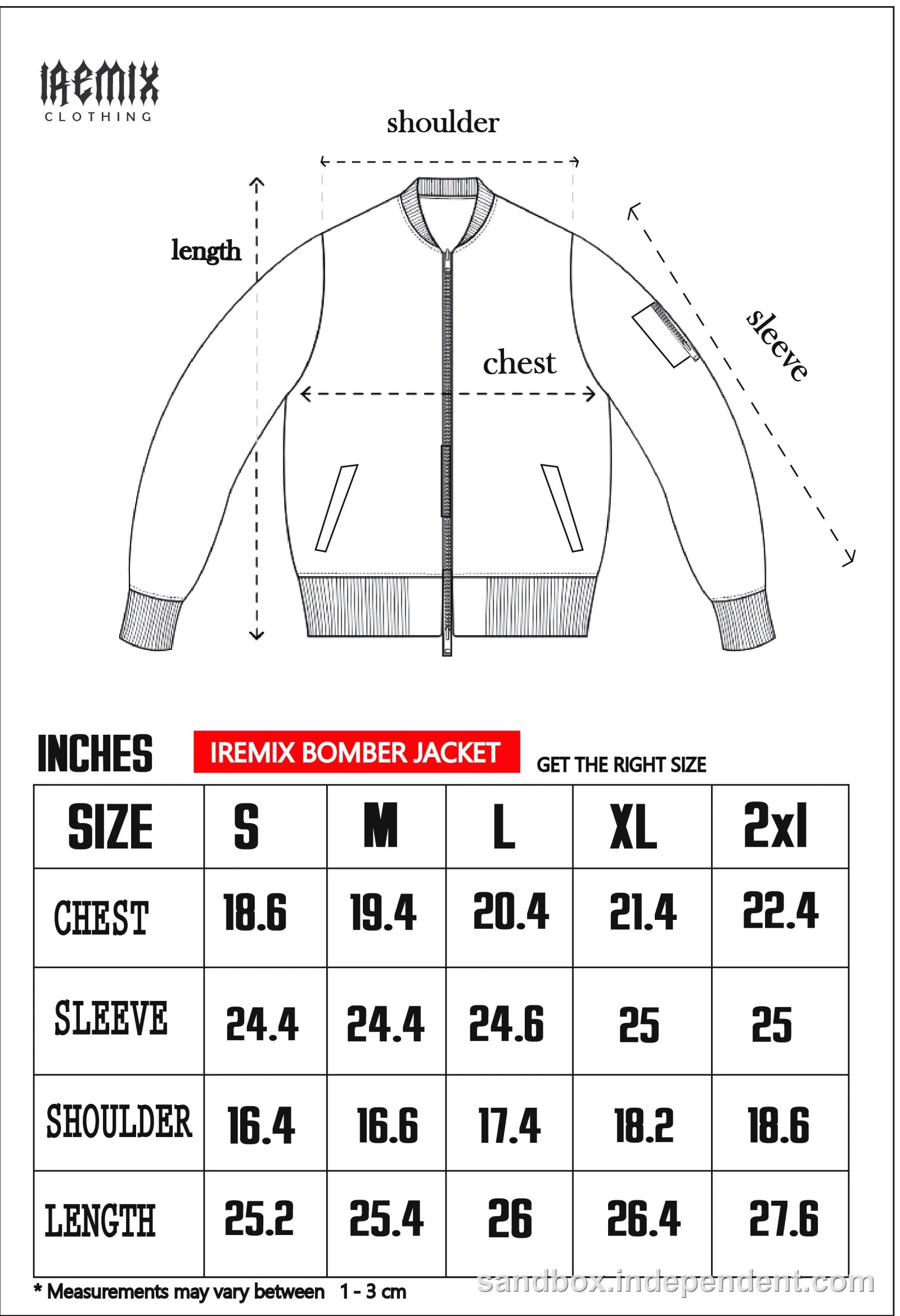
A jacket size chart is a handy tool to ensure you get the perfect fit when shopping for outerwear. This guide will navigate you through the process of understanding and utilizing these charts effectively. Whether you're seeking a coat size chart or a jacket sizing guide, this reference covers the basics to help you find your ideal size. While values may vary across different brands and standards, a clear jacket size chart can provide a reliable starting point for your measurements.
Understanding Jacket Size Charts
A jacket size chart is a valuable tool for anyone looking to purchase a jacket that fits perfectly. It provides a standardized guide to help you determine your ideal size based on various measurements. This chart is an essential reference, ensuring you make an informed choice and avoid common sizing pitfalls.
Key Details and Categories
The jacket size chart typically includes measurements such as chest circumference, sleeve length, and sometimes waist or hip measurements, depending on the style of the jacket. These measurements are presented in a clear, tabular format, often with columns indicating different sizes and rows for each measurement type. The chart may also provide guidance on how to measure these body parts accurately. It's important to note that the units of measurement can vary; some charts use inches, while others use centimeters. Always check the units before taking measurements.
Step-by-Step Guide: Reading and Applying the Chart
To use a jacket size chart effectively, follow these steps:
- Gather the necessary measuring tools, such as a flexible tape measure. Ensure it's suitable for measuring both your body and the jacket.
- Take accurate measurements of your body. Measure your chest circumference at the fullest part of your chest, ensuring the tape is not too tight or too loose. For sleeve length, measure from the center of the back of your neck to the desired sleeve length.
- Refer to the jacket size chart and locate the size that best matches your measurements. Look for the size where your chest circumference and sleeve length (or other relevant measurements) fall within the specified range.
- If your measurements fall between two sizes, consider the fit you prefer. If you want a looser fit, choose the larger size; for a more tailored look, opt for the smaller size.
- Check the jacket's specific sizing guidelines, if available. Some brands or styles may have unique sizing recommendations or variations.
Variations and Differences Across Standards
Jacket size charts can vary depending on several factors. One significant factor is the region or country of origin. International size standards can differ, with variations between the US, Europe, and other regions. For instance, a size 'M' in the US may not correspond to the same size in Europe. Additionally, different manufacturers may have their own sizing systems, which can lead to slight variations even within the same region. It's crucial to be aware of these differences and refer to the specific jacket size chart provided by the brand or retailer.
Common Mistakes and How to Avoid Them
One common mistake is assuming that all jacket size charts are universal. Always check the specific chart for the brand or style you're interested in. Another pitfall is measuring yourself incorrectly. Ensure you follow the guidelines provided on the chart for accurate measurements. Avoid estimating or guessing your size, as this can lead to an ill-fitting jacket. Lastly, be mindful of the style and cut of the jacket. Some jackets, like tailored blazers, may require more precise measurements compared to casual, loose-fitting styles.
Practical Tips for Accurate Results
To ensure an accurate fit, consider the following tips:
- Measure yourself regularly, as your body shape can change over time.
- Take measurements at the same time of day, as body shape can vary slightly throughout the day.
- If you're between sizes, consider the fabric and stretchiness of the jacket material. A more flexible fabric may allow for a slightly looser fit.
- Don't be afraid to try on multiple sizes, especially if you're shopping online. Many retailers offer easy return policies.
- Pay attention to the jacket's intended fit. Some jackets are designed to be oversized or fitted, and this can impact your sizing choice.
Double-Check and Handle Exceptions
While jacket size charts provide a great starting point, there are some exceptions to consider:
- If you have a unique body shape or specific fit preferences, you may need to adjust the standard measurements. For example, if you have a broad chest and narrow shoulders, you might need to choose a size based on your chest measurement, even if it means the sleeve length is slightly longer.
- Certain jacket styles, like puffer jackets or down-filled coats, may have different sizing considerations due to the bulkiness of the insulation. In such cases, it's essential to check the brand's specific sizing guidelines.
- Always refer to the product description and reviews for additional sizing insights. Sometimes, customers provide valuable feedback on the fit and sizing of a particular jacket.
Remember, while this chart provides a comprehensive guide, it's always wise to confirm the specific requirements for your intended use. Exact values can vary, so double-check the standards or guidelines relevant to your context.
Consider bookmarking this page for future reference; it's a handy tool to have at your fingertips when you need a quick reminder on jacket sizing. Stay organized, and happy measuring!