






Rj45 Wiring Chart Template Overview
A USC depth chart is a valuable tool for any sports fan or analyst, offering a clear glimpse into a team's lineup and strategy. This guide will break down the essentials, covering what you need to know to understand and utilize this chart effectively.
It provides an at-a-glance view of the team's depth and starting lineup, with player rankings and position groups clearly outlined. While the exact format may vary, the USC depth chart is a reliable resource for predicting the team's starting lineup and analyzing their overall depth.
Understanding the USC Depth Chart: A Practical Overview
The USC depth chart is a valuable tool for sports enthusiasts, providing an insightful look into the University of Southern California's football team structure. It's a reference guide that outlines the players' positions and their rankings within the team, offering a snapshot of the current squad's composition.
Comparing Key Positions and Player Rankings
The depth chart typically displays the starting lineup first, followed by backup players for each position. These rankings are based on various factors, including skill, experience, and performance during practices and previous games. It's a dynamic tool, often changing as players improve, get injured, or transfer, so it's essential to refer to the most recent version for accurate information.
Step-by-Step Guide to Reading the USC Depth Chart
When analyzing the depth chart, start by identifying the position groups. These are typically listed across the top of the chart, with players' names and rankings beneath each position. The rankings often use a simple numerical system, with the starting player at the top, followed by backups in descending order. For example, a position might show "1. John Smith, 2. Jane Doe, 3. Michael Jones."
Here's a quick breakdown of the key steps:
- Locate the position group you're interested in.
- Identify the starting player and their ranking.
- Note the backups and their respective rankings.
- Repeat for each position group to get a comprehensive overview.
Avoiding Common Misreadings and Pitfalls
While the USC depth chart is a straightforward tool, there are a few potential pitfalls to be aware of. One common mistake is assuming that the depth chart is set in stone. Remember, it's a snapshot of the current team structure and can change rapidly due to injuries, transfers, or performance improvements.
Another potential issue is misinterpreting the rankings. The numbers don't always indicate a significant skill gap between players; they simply reflect the current team's structure and strategy. It's also worth noting that some positions might have more depth than others, which can impact the overall team dynamics and strategy.
So, keep an eye on the latest updates, and remember that the depth chart is just one piece of the puzzle when it comes to understanding a team's performance and potential.
Hey there! So, the USC depth chart is a handy tool, and while we've covered the basics, remember that these charts can have slight variations. It's always a good idea to double-check and adapt to your specific needs.
Feel free to explore other guides on our site; we've got plenty of resources to help you navigate these topics and more. Happy learning, and don't forget to keep an eye out for those unique twists and turns!
Related: How to Read the Charter Oak Winery's Chart?
If you're seeking a quick reference on a specific winery, you've come to the right place. Charter Oak Winery is a name that might ring a bell for wine enthusiasts, and it's no surprise, given their reputation for quality. This winery, known for its attention to detail, offers an extensive wine list, providing an array of choices for any occasion. From the classic oak barrel aging to modern wine production processes, their wines are a true reflection of their dedicated craft.
Charter Oak Winery: A Guide to Understanding the Chart
Charter Oak Winery provides a comprehensive chart that offers valuable insights into their wine production process and the unique characteristics of their wines. This guide will help you decipher the information presented on the chart, ensuring an enjoyable and informed wine-tasting experience.
Key Details and Categories
The chart from Charter Oak Winery covers essential information about their wine offerings. It typically includes details such as the wine region, oak barrel aging duration, and wine production process techniques. Additionally, you'll find notes on the wine's aroma, taste, and texture, providing a sensory guide. Each wine is categorized by its varietal and vintage, offering a snapshot of its unique qualities.
Reading the Chart: A Step-by-Step Guide
To navigate the chart effectively, follow these steps:
Begin by locating the wine you wish to explore. The chart is typically organized by wine name or varietal, making it easy to find your preferred choice.
Once you've identified the wine, pay attention to the wine region it originates from. This provides context for the wine's unique characteristics, influenced by the region's climate and soil.
Take note of the oak barrel aging duration. This process imparts a range of flavors and textures, so understanding the aging time can offer insights into the wine's complexity.
Explore the wine tasting notes section. Here, you'll find detailed descriptions of the wine's aroma, taste, and texture. These notes guide you in appreciating the wine's unique sensory experience.
Finally, consider the wine production process techniques mentioned. Different methods, such as traditional or modern approaches, can influence the wine's overall profile.
Variations and Differences
It's important to note that wine production is an art, and variations can occur due to various factors. Here are some key considerations:
Wine region: Different regions have unique climates and soil compositions, leading to distinct grape characteristics and, consequently, variations in the resulting wine.
Oak barrel aging: The duration and type of oak barrels used can significantly impact the wine's flavor and texture. Longer aging periods often result in more complex and robust flavors.
Wine production process: Winemakers may employ different techniques, such as traditional or innovative methods, which can influence the wine's style and character.
Vintage: Each vintage year brings its own set of weather conditions and grape qualities, leading to unique wines within the same varietal.
Common Mistakes and How to Avoid Them
To ensure an accurate understanding of the chart and wine characteristics:
Avoid assuming that all wines from a specific region taste identical. Each wine region has diverse sub-regions, each with its own unique attributes.
Don't neglect the importance of oak barrel aging. The duration and type of oak used can significantly impact the wine's flavor profile, so pay attention to these details.
Be mindful of the wine production process techniques. Understanding the winemaker's approach provides context for the wine's style and character.
Remember that vintage variations are natural and can lead to unique wine experiences, even within the same winery and varietal.
Well, there you have it! A comprehensive guide to Charter Oak Winery and its unique offerings. Remember, when it comes to wine, context is key. So, be sure to consider your specific needs and preferences before making any decisions.
Feel free to explore our other guides and resources; we've got a wealth of information to help you navigate the world of wine with ease and confidence. Happy browsing, and cheers to your next wine adventure!
Related: A Simple Piano Notes Chart Guide
You've landed here because you're seeking a piano notes chart to help you out, right? Maybe you're a musician looking for a quick reference, or a music enthusiast wanting to understand the notes better. Either way, these charts are a handy tool to have.
The great thing about piano notes chart is that they provide a visual overview, making it easier to grasp the layout and understand note frequencies. While there are different formats and variations, the core information remains the same, offering a simple and effective way to navigate the piano's vast range of notes.
What is a Piano Notes Chart?
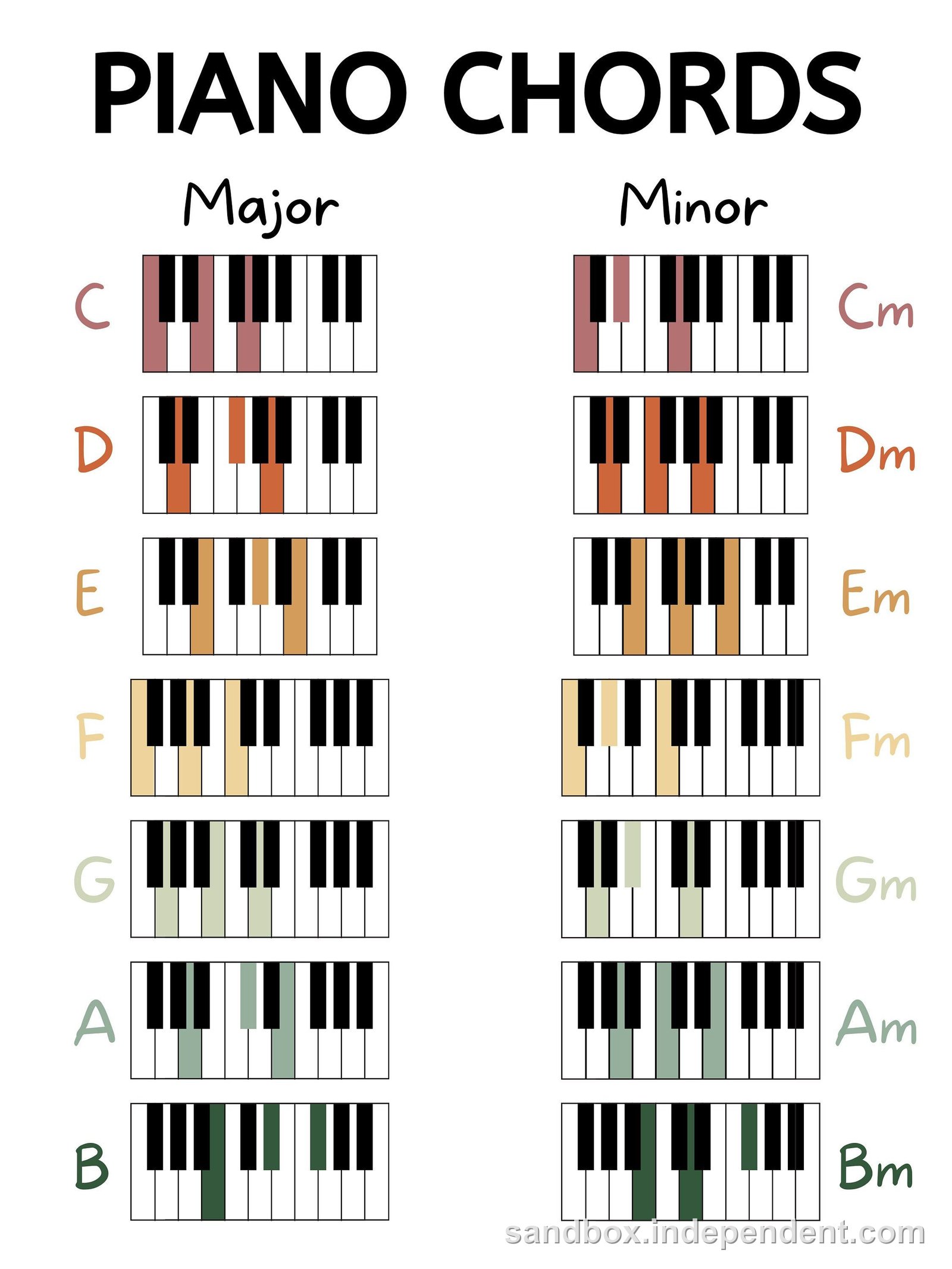
A piano notes chart is a visual representation that helps musicians and music enthusiasts understand the relationship between piano keys and the corresponding musical notes. It serves as a handy reference tool, especially for beginners, to grasp the layout of the piano keyboard and the notes it produces.
Key Details and Categories
The chart typically displays the piano keyboard's layout, with each key labeled according to its note. It covers the entire range of notes, from the lowest to the highest, and often includes multiple octaves. The notes are usually represented by their standard musical notation, such as C, D, E, F, G, A, and B, along with their respective sharps and flats. Additionally, some charts may include the frequency of each note, which is a numerical value indicating the pitch.
How to Read and Apply the Chart
Reading a piano notes chart is straightforward. Here's a step-by-step guide:
- Identify the Keyboard: The chart will display a visual representation of the piano keyboard, typically showing the white and black keys.
- Note Labels: Each key on the chart is labeled with its corresponding note. Look for the notes you need, whether it's a specific scale, chord, or a single note.
- Octaves and Range: Understand the octaves displayed on the chart. Octaves are indicated by numbers, and each octave contains a complete set of notes. The chart will usually cover multiple octaves to provide a comprehensive view.
- Sharps and Flats: Pay attention to the sharps (#) and flats (b) on the keys. These indicate the raised or lowered pitch of a note. For example, Cis a semitone higher than C, and Db is a semitone lower.
- Frequency (Optional): If the chart includes frequency values, these represent the pitch of each note in hertz (Hz). This information is useful for understanding the scientific aspect of pitch.
Variations and Differences
Piano notes charts may vary depending on the standard used. Different regions and music education systems might have slight variations in notation or labeling. For example, some charts might use scientific pitch notation, while others prefer the traditional letter names. Additionally, the range of notes covered can differ, especially when dealing with specialized keyboards or digital pianos with extended ranges.
Common Mistakes and How to Avoid Them
One common mistake is confusing the placement of sharps and flats. Remember, sharps raise the pitch, while flats lower it. Another pitfall is assuming all pianos have the same note distribution. While most standard pianos have 88 keys, some keyboards or digital pianos might have fewer keys, affecting the range of notes. Always double-check the specific keyboard you are using to ensure accuracy.
Practical Tips for Accurate Results
When using a piano notes chart, it's essential to familiarize yourself with the layout and understand the note names and their positions. Practice identifying notes by sight and sound. Start with the basic notes and gradually expand your knowledge to include sharps, flats, and different octaves. Additionally, consider using color-coded charts or stickers on your piano keys as a visual aid, especially if you are a beginner.
Double-Checking and Edge Cases
While piano notes charts provide a valuable reference, it's crucial to double-check specific note frequencies or tolerances for professional or precise applications. Some charts might not cover every possible note variation or custom keyboard setup. In such cases, consult specialized resources or seek guidance from music experts to ensure accuracy, especially when dealing with unique instruments or specific musical requirements.
Well, there you have it! You now possess a handy piano notes chart and the knowledge to use it effectively. Remember, when it comes to music and instruments, there's always room for variation and personal preference. So, ensure you check any specific requirements or standards relevant to your context.
Consider bookmarking this page for future reference. It's a quick and easy way to refresh your memory on those piano notes and their corresponding keys. Happy playing, and keep those fingers dancing!