




Rocket Ship Coloring Sheets Overview
A Boston tide chart is a handy tool for anyone interested in understanding the tides and water levels in the Boston area. This guide will provide a straightforward overview, ensuring you can read and utilize the chart with ease.
The chart offers a visual representation of tide times, heights, and predictions specific to Boston Harbor. It's a valuable resource for various activities, from boating and fishing to simply enjoying the harbor's beauty. While the format may vary slightly, the essential information remains consistent, making it a reliable companion for all your coastal adventures.
Understanding Tide Data: A Guide to Boston's Tidal Patterns
The Boston tide chart is a valuable tool for anyone interested in the city's water levels and tidal movements. It provides a visual representation of the predicted tides, offering insights into the rise and fall of the Boston harbor tides. This guide will help you interpret the chart and understand its practical applications.
Comparing Tide Graphs and Charts: Formats and Standards
There are various ways to present tide data, but the Boston tide chart typically follows a standard format. It displays a graph with time on the horizontal axis and tide height on the vertical axis. The chart often includes a legend or key, indicating the different tide levels and their corresponding heights. You may find charts using either feet or meters, depending on the standard adopted.
Reading Tide Graphs: A Step-by-Step Guide
To read a Boston tide chart accurately, follow these steps:
Identify the time scale: The chart's horizontal axis represents time, usually in 24-hour format. Ensure you understand the time intervals and any adjustments for daylight saving.
Locate the tide height: The vertical axis shows the tide height, typically in feet or meters. Each mark represents a specific height, and the scale may vary depending on the chart's focus.
Interpret the data: The graph's lines or curves represent the predicted tide levels over time. High points indicate high tides, while low points show low tides. The chart may also include additional information, such as the moon's phase, which can influence tidal patterns.
Plan your activities: With the tide data at hand, you can now plan your boating, fishing, or beach activities accordingly. High tides may offer better conditions for certain activities, while low tides can expose interesting marine life or provide access to specific areas.
Common Misreadings and Pitfalls: Practical Tips
While the Boston tide chart is a reliable tool, it's essential to be aware of potential pitfalls:
Weather conditions: Extreme weather events can impact tidal patterns, so always check the weather forecast and consider any storm surges or unusual weather patterns that may affect water levels.
Local variations: Boston harbor may have unique features or obstacles that can cause variations in tidal flow. Be aware of any local factors that might influence the actual water levels.
Time accuracy: Ensure you are using the correct time zone and adjust for any time changes, especially during seasonal transitions. A few minutes' difference can impact the accuracy of your readings.
Remember, the Boston tide chart is a predictive tool, and actual conditions may vary. It's always a good practice to double-check the current tide levels and water conditions before heading out.
While the specifics may differ slightly based on your unique circumstances, the key principles outlined here should provide a solid foundation for understanding and utilizing Boston tide charts. Remember, these charts are an invaluable tool for anyone planning coastal activities, offering a glimpse into the ebb and flow of the ocean's tides.
Feel free to explore our other guides and resources, where you can find more practical insights and tips to enhance your coastal adventures. Happy charting!
Related: Home Renovation Contractor Simple Guide
I'm feeling a bit overwhelmed by the thought of my upcoming home renovation. I've heard home renovation contractor is the way to go, but I'm not sure where to start. I want to get it right, so I'm doing some research to find the best approach.
Understanding the Home Renovation Contractor
A home renovation contractor is your go-to expert for all things related to transforming your living space. They handle the ins and outs of construction and remodeling, ensuring your vision becomes a reality. From adding a room to updating your bathroom, these professionals manage the entire process, from planning to completion.
When you hire a home renovation contractor, you're getting a team of skilled workers who can handle various tasks. They'll coordinate the work, manage the timeline, and ensure the project stays on track and within budget. It's a one-stop shop for all your renovation needs, taking the stress out of the process.
Finding and Hiring the Right Contractor
Finding a reliable home renovation contractor is key. Check online reviews and ask for recommendations from friends or family. Once you've found a few potential contractors, it's important to ask the right questions. Inquire about their experience, the scope of their work, and any specific skills or certifications they have.
Get detailed quotes from at least three contractors. Compare these quotes, but remember the cheapest isn't always the best. Look for a balance between cost and quality. A good quote will include a breakdown of costs, the timeline, and a clear understanding of the work to be done.
Construction Companies and Their Names
Construction companies often have unique names that reflect their brand and services. A good name should be memorable, easy to pronounce, and give a hint about the business. Some creative names could be Build-It-Right, Renovate & Revive, or Home Transformation Specialists.
Before settling on a name, check its availability for local registration and as a domain. You want to ensure your business name isn't already taken and that you can secure a matching website address.
Industry Tools and Data
The construction industry uses various tools and data to estimate costs and manage projects. One such tool is RSMeans, which provides cost databases and escalation data to help contractors and estimators. This data is crucial for accurate pricing and helps ensure projects stay within budget.
Construction Jobs and Salaries
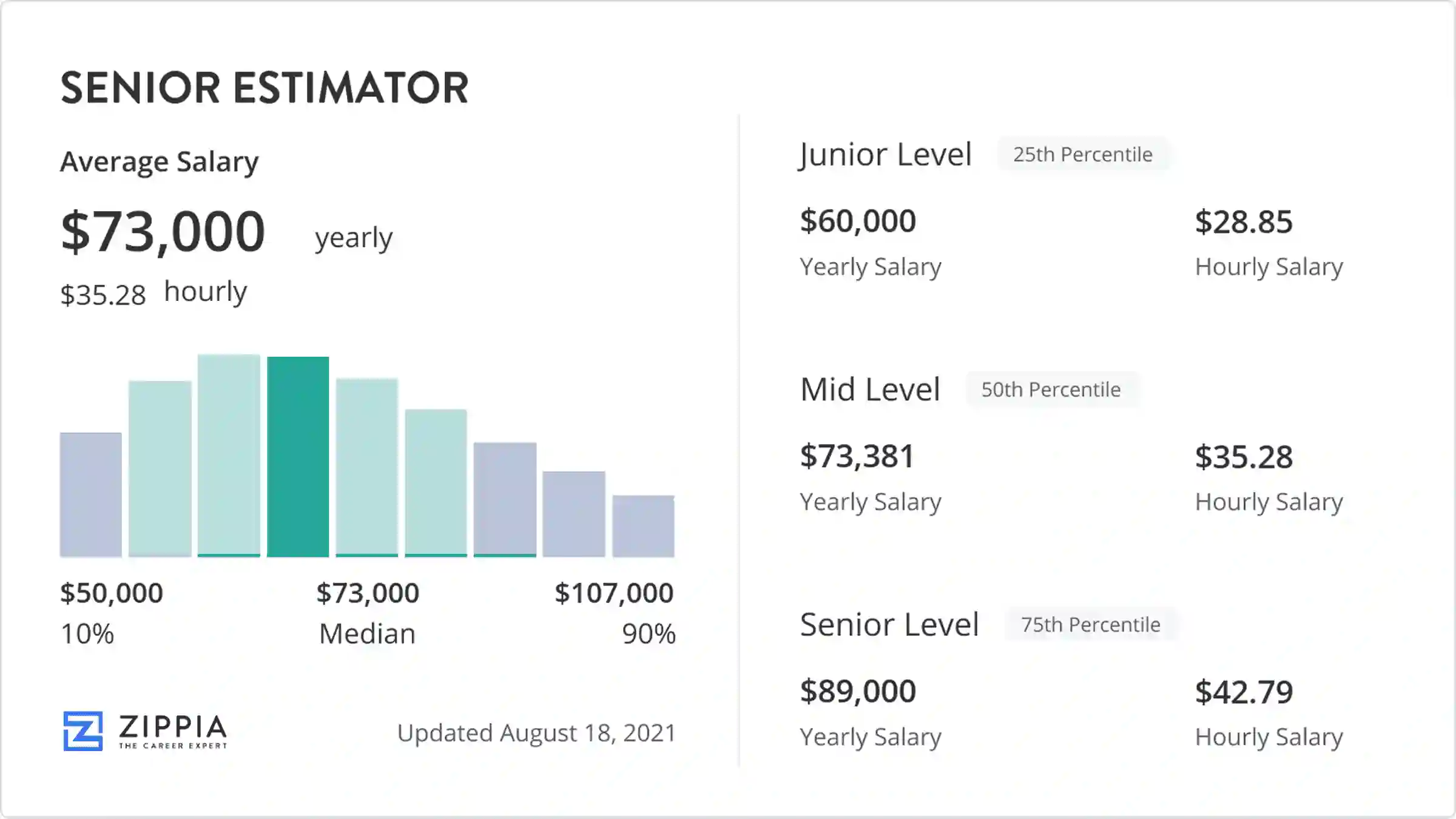
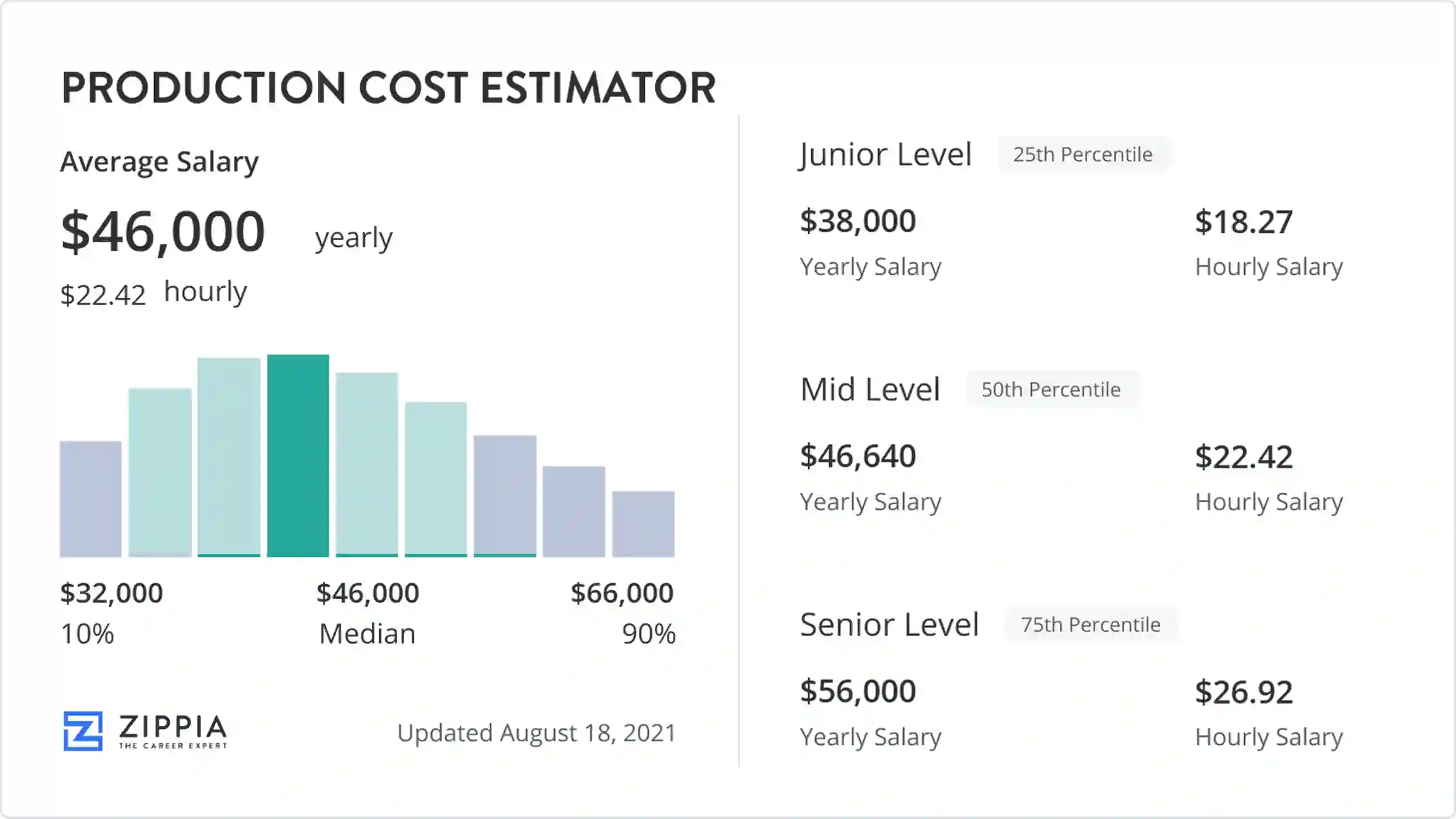
The construction industry offers a range of roles, from general contractors to specialized tradespeople. Salaries can vary depending on the role, experience, and location. Estimators, for example, play a crucial part in pricing projects accurately.
If you're interested in construction jobs, check local job boards, company websites, and industry-specific platforms. It's a hands-on, rewarding career with plenty of opportunities.
Big Construction Companies
Large construction companies often have the resources to take on major projects. They may have a broader range of services and a larger team of specialists. However, smaller companies can offer personalized service and may be more flexible.
The size of the company doesn't always determine its quality. It's important to research and choose a company that aligns with your needs and budget, regardless of its size.
Final Thoughts
Hiring a home renovation contractor can be a great way to bring your home improvement dreams to life. With the right team, you can transform your space and create a home you love. So, take the time to research, ask questions, and find the perfect fit for your project.
Related: Junior Estimator Salary Essential Guide
"Wow, that construction site looks busy! I wonder how they plan and cost all these projects. It must be a lot of work, and someone has to do it. I'm curious about junior estimator salaries and what that job entails."
Estimating: The Foundation of Construction
As a building project begins, someone has to estimate the costs. That's where junior estimators come in. They play a crucial role in the early stages, helping to shape the financial plan. It's a detailed process, and their work affects the entire project. So, what does a junior estimator do, and what can you expect from this role?
Estimators gather data, analyze costs, and create detailed reports. They consider materials, labor, and any specific requirements. It's a precise job, and estimators must be accurate to avoid costly mistakes. They work with contractors, architects, and clients to ensure everyone is on the same page. The role is an important one, and it's a great starting point for a career in construction.
A Day in the Life of a Junior Estimator
A typical day might involve researching and comparing prices for materials. Estimators need to find the best deals without compromising quality. They also calculate labor costs, considering the scope of the project and the required skills. It's a balancing act, ensuring the estimate is competitive while also being realistic. Junior estimators often work with more experienced colleagues, learning the trade and developing their skills.
Finding a Junior Estimator Role
If you're interested in this field, you'll likely find opportunities with construction companies, remodeling firms, and even larger building organizations. It's a role often filled by recent graduates or those with some relevant experience. When looking for jobs, check online job boards and company websites. You might also find openings through industry connections or by approaching companies directly.
What to Expect from the Salary
Junior estimator salaries can vary depending on the company, location, and your experience. It's a role that often comes with a set salary, rather than an hourly rate. As you gain experience, your salary is likely to increase. It's a great starting point, offering a stable income and the chance to develop valuable skills.
Building a Career in Estimating
Estimating is a specialized field, and with experience, you can progress to more senior roles. These roles often involve managing a team and taking on larger, more complex projects. You might also specialize in a particular area, such as commercial or residential construction. The skills you develop as an estimator are highly valued and can open doors to other roles in the industry.
Wrapping Up
So, there you have it! A glimpse into the world of junior estimators and their important role in construction. It's a fascinating field, and one that offers a great career path. If you're considering a role in estimating, I'd encourage you to research further and explore the opportunities. It's a rewarding career with plenty of room to grow and develop.