







Round Lake Charter 2026 Overview
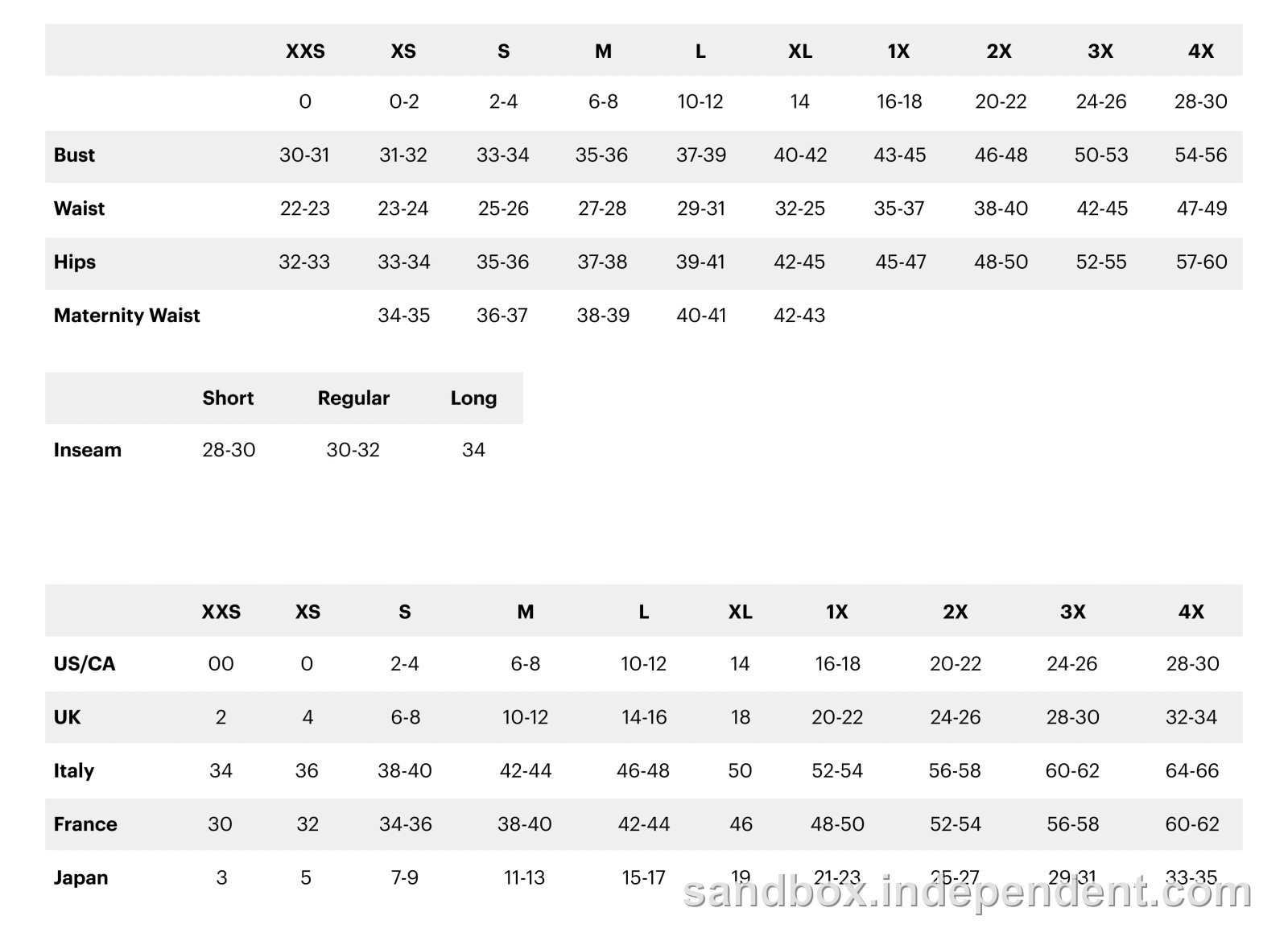
Many people often mistake cox and charter for being interchangeable terms, but they are, in fact, distinct concepts with specific applications. Cox and charter, a reference table, offers a clear and organized way to understand and utilize a set of standards and measurements. It provides a visual guide, ensuring accuracy and consistency, which is crucial for various practical purposes.
Understanding the Cox and Charter Chart
The cox and charter chart is a valuable reference tool, providing a visual representation of standard measurements and categories. It offers a quick and easy way to compare and understand various specifications, making it an essential guide for professionals and enthusiasts alike. This chart is particularly useful when dealing with complex systems or processes that involve multiple variables.
Comparing Options: Cox vs. Charter
The cox and charter chart presents two primary categories: Cox and Charter. Each category has its own set of measurements and specifications, allowing for a clear comparison. The Cox category often represents a more traditional or established standard, while Charter offers an alternative, sometimes with modern adaptations. The chart provides a side-by-side view, making it simple to identify the differences and choose the most suitable option for a given application.
Step-by-Step Guide to Using the Chart
- Identify the Category: Begin by determining whether your specific application falls under the Cox or Charter category. This initial step is crucial as it sets the foundation for accurate interpretation.
- Locate the Relevant Measurements: Once you've identified the category, locate the corresponding measurements or specifications on the chart. These measurements are typically presented in a clear, tabular format, making it easy to find the values you need.
- Interpret the Data: The chart provides a range of values for each measurement. Understand the context and purpose of your application to interpret these values accurately. Consider any specific requirements or tolerances that may apply to your project.
- Apply the Information: With the relevant measurements in hand, you can now apply this knowledge to your project. Whether it's selecting the right components, calculating dimensions, or making informed decisions, the cox and charter chart ensures you have the necessary data to proceed with confidence.
Common Misreadings and How to Avoid Them
While the cox and charter chart is designed for simplicity, misreadings can occur. One common mistake is failing to consider the specific standard being used. Remember, measurements and categories may vary depending on the standard, so always double-check the applicable standard for your project. Another pitfall is assuming the chart covers every possible scenario. While it provides a comprehensive overview, there may be exceptions or unique cases that require additional research or consultation with experts.
Factors Affecting Accuracy and Real-World Use
The accuracy of the cox and charter chart relies on several key factors. Firstly, the chart's effectiveness depends on staying up-to-date with the latest standards and specifications. Regular updates ensure the chart remains relevant and accurate. Secondly, the chart's applicability varies across industries and regions. What may be standard in one field might differ in another, so understanding the specific context is essential. Lastly, while the chart provides a valuable reference, it is always beneficial to cross-reference with other resources or seek expert advice for complex or critical applications.
Remember, while this guide provides a solid framework, the specifics may shift based on your unique context. Every situation is different, so adapt these principles to fit your needs.
Feel free to explore our other guides, where you'll find a wealth of practical information and tips to enhance your understanding and skills. We've got you covered, whether you're seeking more comparisons, step-by-step guides, or insights into potential pitfalls. Happy learning!
Related: A Quick Guide to Lyon Charter Twp: Reference Values
Frustrated by the endless scrolling and unclear charts? You're not alone. Many people seek a quick, reliable reference when dealing with Lyon Charter Twp and its various charts and diagrams. It's a common challenge, and understanding these visuals is crucial for getting things done efficiently.
Whether you're a resident of Lyon Township or just need to navigate the local government's systems, the charts and references can be a real headache. Rest assured, you're not alone in this, and there are ways to simplify the process.
Understanding Lyon Charter Twp: A Practical Guide
Lyon Charter Twp is a unique form of local government, offering a specific set of services and benefits to its residents. This guide will help you navigate the charter township's structure and operations.
Key Details and Categories
The charter township of Lyon operates under a unique legal status, providing a range of services and powers not typically found in standard townships. It's important to understand the key personnel and their roles, as well as the various departments and their functions. The township's administration is headed by a supervisor, who oversees the daily operations and acts as the chief executive. Other key personnel include the clerk, treasurer, and trustees, each with specific responsibilities.
Reading and Applying the Township Chart
The township chart is a visual representation of the Lyon Charter Twp's organizational structure. It outlines the various departments, their functions, and the reporting hierarchy. To read the chart effectively, start by identifying the supervisor at the top, who has overall authority. Below them, you'll find the clerk, treasurer, and trustees, each with their own areas of responsibility. The chart also shows the various departments and their interconnections, helping you understand the flow of information and decision-making.
Variations and Differences
While the charter township of Lyon follows a standard structure, variations can occur due to specific local needs and preferences. Different townships may have slightly different department names or functions, depending on the community's requirements. Additionally, the size and population of a township can influence its organizational structure. Larger townships may have more specialized departments, while smaller ones might combine certain functions. It's important to be aware of these variations when comparing different townships.
Common Mistakes and How to Avoid Them
One common mistake is assuming that all townships operate identically. While there are standard practices, each township has its own unique characteristics. Another pitfall is overlooking the specific roles and responsibilities of key personnel. It's crucial to understand who does what within the township administration to ensure effective engagement and communication. Finally, failing to consider the township's unique services and benefits can lead to missed opportunities for residents.
Practical Tips for Accurate Understanding
When navigating Lyon Charter Twp, take the time to familiarize yourself with the township's website and official documents. These resources provide valuable insights into the township's structure, services, and contact information. Attend township meetings or events to gain a deeper understanding of local issues and engage with community leaders. Building relationships with township staff and officials can also provide valuable insights and assistance.
Double-Checking and Handling Exceptions
While the township chart provides a useful overview, it's important to double-check specific details and exceptions. Certain services or functions may vary depending on the township's unique circumstances. For example, the availability of certain recreational facilities or specialized programs might differ. It's always a good idea to confirm these details with the relevant department or township office to ensure accurate information.
Hey there, we hope this guide has given you a clear understanding of Lyon Charter Twp and its practical applications. Remember, while we've covered the basics, exact details can vary, so always refer to the most relevant and up-to-date sources for your specific needs.
Feel free to explore our other guides; we've got a whole range of topics to help you navigate various concepts and standards. Happy learning, and stay curious!
Related: How to Read the Charter Oak Winery's Chart?
If you're seeking a quick reference on a specific winery, you've come to the right place. Charter Oak Winery is a name that might ring a bell for wine enthusiasts, and it's no surprise, given their reputation for quality. This winery, known for its attention to detail, offers an extensive wine list, providing an array of choices for any occasion. From the classic oak barrel aging to modern wine production processes, their wines are a true reflection of their dedicated craft.
Charter Oak Winery: A Guide to Understanding the Chart
Charter Oak Winery provides a comprehensive chart that offers valuable insights into their wine production process and the unique characteristics of their wines. This guide will help you decipher the information presented on the chart, ensuring an enjoyable and informed wine-tasting experience.
Key Details and Categories
The chart from Charter Oak Winery covers essential information about their wine offerings. It typically includes details such as the wine region, oak barrel aging duration, and wine production process techniques. Additionally, you'll find notes on the wine's aroma, taste, and texture, providing a sensory guide. Each wine is categorized by its varietal and vintage, offering a snapshot of its unique qualities.
Reading the Chart: A Step-by-Step Guide
To navigate the chart effectively, follow these steps:
Begin by locating the wine you wish to explore. The chart is typically organized by wine name or varietal, making it easy to find your preferred choice.
Once you've identified the wine, pay attention to the wine region it originates from. This provides context for the wine's unique characteristics, influenced by the region's climate and soil.
Take note of the oak barrel aging duration. This process imparts a range of flavors and textures, so understanding the aging time can offer insights into the wine's complexity.
Explore the wine tasting notes section. Here, you'll find detailed descriptions of the wine's aroma, taste, and texture. These notes guide you in appreciating the wine's unique sensory experience.
Finally, consider the wine production process techniques mentioned. Different methods, such as traditional or modern approaches, can influence the wine's overall profile.
Variations and Differences
It's important to note that wine production is an art, and variations can occur due to various factors. Here are some key considerations:
Wine region: Different regions have unique climates and soil compositions, leading to distinct grape characteristics and, consequently, variations in the resulting wine.
Oak barrel aging: The duration and type of oak barrels used can significantly impact the wine's flavor and texture. Longer aging periods often result in more complex and robust flavors.
Wine production process: Winemakers may employ different techniques, such as traditional or innovative methods, which can influence the wine's style and character.
Vintage: Each vintage year brings its own set of weather conditions and grape qualities, leading to unique wines within the same varietal.
Common Mistakes and How to Avoid Them
To ensure an accurate understanding of the chart and wine characteristics:
Avoid assuming that all wines from a specific region taste identical. Each wine region has diverse sub-regions, each with its own unique attributes.
Don't neglect the importance of oak barrel aging. The duration and type of oak used can significantly impact the wine's flavor profile, so pay attention to these details.
Be mindful of the wine production process techniques. Understanding the winemaker's approach provides context for the wine's style and character.
Remember that vintage variations are natural and can lead to unique wine experiences, even within the same winery and varietal.
Well, there you have it! A comprehensive guide to Charter Oak Winery and its unique offerings. Remember, when it comes to wine, context is key. So, be sure to consider your specific needs and preferences before making any decisions.
Feel free to explore our other guides and resources; we've got a wealth of information to help you navigate the world of wine with ease and confidence. Happy browsing, and cheers to your next wine adventure!