



Science Worksheet Lkg Overview
I was browsing home improvement ideas online when I stumbled upon the phrase "french door installation cost." It got me thinking about how much it would cost to install those elegant, wide-opening doors in my own home. So, I decided to do some research and share my findings with fellow homeowners.
Understanding French Door Installation Costs
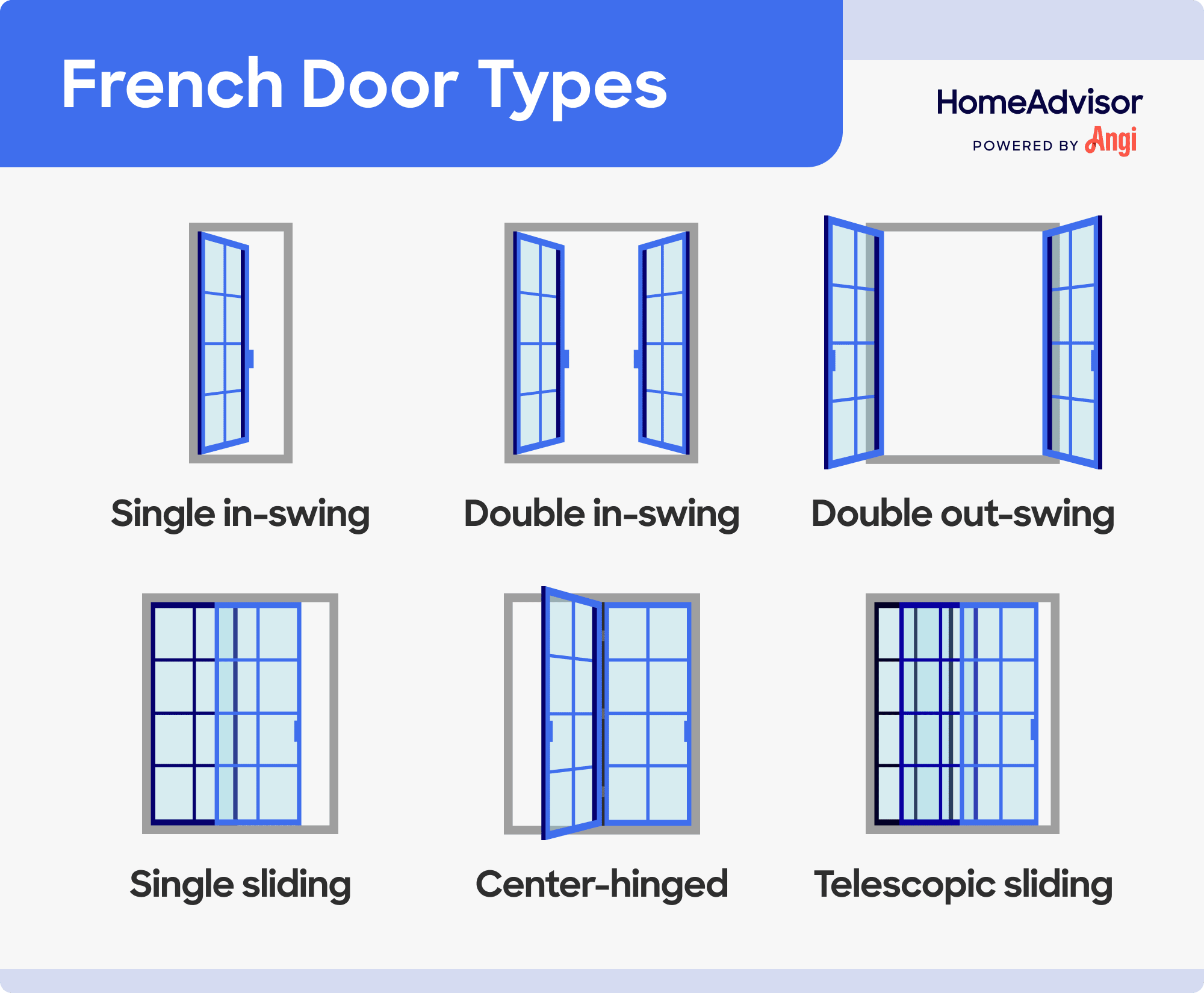
When it comes to installing French doors, there are a few key factors that can influence the overall cost. Firstly, the size and style of the doors themselves play a significant role. French doors come in various materials, including wood, fiberglass, and vinyl, each with its own price range. The size of the opening and the number of doors you need will also impact the final cost.
Another major factor is the labor involved. Installing French doors requires skilled labor, and the complexity of the job can vary. If the installation is straightforward, with no major structural changes needed, the labor costs will likely be lower. However, if additional work is required, such as modifying the door frame or making adjustments to the surrounding walls, the labor costs will increase accordingly.
Getting Quotes and Comparing Prices
To get an accurate idea of the french door installation cost, it's essential to obtain quotes from multiple contractors or remodeling companies. When requesting quotes, be sure to provide detailed information about your project, including the size and style of doors you want, the current state of your door frame, and any specific requirements or preferences you have.
When comparing quotes, look beyond the bottom line. Consider the reputation and experience of the companies, their warranties and guarantees, and the level of detail provided in their quotes. A comprehensive quote should include a breakdown of costs, covering materials, labor, and any additional expenses like permits or disposal fees.
Choosing a Contractor or Company
Selecting the right contractor or company for your French door installation is crucial. Here are a few tips to help you make an informed decision:
- Check their credentials and licensing. Ensure they are properly licensed and insured for the work they will be performing.
- Ask for references and read online reviews. Previous customers' experiences can provide valuable insights.
- Inquire about their experience with French door installations. Ask to see examples of their work and how they handle potential issues or challenges.
- Get a clear understanding of their warranty and guarantee policies. This will give you peace of mind in case any issues arise after the installation.
Company Names and Naming Ideas
When it comes to naming a construction or remodeling business, simplicity and clarity are often best. A name should reflect the services offered and be easy to remember. Here are a few original name ideas for construction companies:
- BuildCraft
- HomeCrafters
- Structure Solutions
- Renovate & Revive
- DoorWay Innovations
- Framing Future
Remember to check the availability of the name, domain, and local registration before finalizing your choice.
Wrapping Up
Understanding the factors that influence french door installation cost and taking the time to research and compare quotes will help you make an informed decision. Whether you're looking to enhance your home's curb appeal or improve functionality, French doors can be a beautiful addition. So, take that first step, gather some quotes, and start planning your home improvement project!
Related: Understand T Chart Accounting Easily
"T chart accounting" is a simple yet powerful tool for keeping your finances organized and clear. This guide will show you how to master the art of using these charts, offering a quick and efficient way to manage your accounts.
The beauty of t chart accounting lies in its ability to simplify complex financial data. It's a visual representation, often in the shape of a 'T', that helps you keep track of debits and credits, ensuring your books balance. While the format may vary slightly, the core concept remains the same, making it a versatile and reliable accounting method.
What is a T Chart in Accounting?
A T-account is a simple yet powerful tool used in accounting to visualize and record financial transactions. It's a basic structure that helps accountants and bookkeepers keep track of debits and credits, ensuring a balanced ledger.
Understanding the Structure and Key Details
The T chart gets its name from its visual resemblance to the letter "T". It consists of two columns divided by a vertical line, with the account name at the top. The left column is for debit entries, and the right column is for credits. Each transaction is recorded as a separate row, with the amount and a brief description. The chart provides a clear, organized view of a single account's transactions.
Recording Transactions and Balancing Entries
To use a T chart, follow these steps:
- Identify the account for which you want to record transactions.
- Write the account name at the top of the chart, above the "T".
- For each transaction: a. Record the date in the first column. b. In the second column, write a brief description of the transaction. c. In the third column, enter the debit amount (if applicable). d. In the fourth column, enter the credit amount (if applicable). e. Ensure that the total debits and total credits balance.
Variations and Differences Across Standards
While the basic structure of a T chart remains consistent, there can be variations depending on the accounting standards and practices followed. For example, some charts may include additional columns for specific details like references or transaction types. The format and labels might also differ slightly between different accounting software or systems. It's important to understand the specific standards and guidelines applicable to your region or industry to ensure accurate recording and reporting.
Common Mistakes and How to Avoid Them
Here are some common errors to watch out for when using T charts:
- Failing to balance the debits and credits: Always double-check that the total debits equal the total credits to ensure accuracy.
- Misinterpreting debit and credit entries: Remember, debits increase asset and expense accounts, while credits increase liability, equity, and revenue accounts.
- Omitting important details: Ensure each transaction is properly described and categorized to maintain clarity and ease of reference.
- Using the wrong chart for the account: Different accounts may require specific T chart formats or additional columns. Refer to your accounting standards or consult an expert to avoid errors.
By understanding the structure, recording transactions accurately, and being aware of potential variations and mistakes, you can effectively utilize T charts in your accounting practices.
Well, that's a wrap on T-chart accounting! You should now have a solid grasp of this handy tool and how to use it effectively. Remember, it's a simple yet powerful way to keep your accounts organized and easily referenceable.
Before you go, just a quick reminder to always check your specific context and requirements. While T-charts are a great general tool, exact values and categories can vary, so it's good to double-check you're using the right info for your situation. Bookmark this page for future reference—it'll be a lifesaver next time you need a quick accounting refresh!
Related: Unraveling the OCMD Tide Chart
Many people assume that reading a ocmd tide chart is complex and confusing, but it's actually a straightforward process once you know the basics. So, let's clear up any misconceptions and make it simple!
The ocmd tide chart, whether for Ocean City Maryland or other coastal areas, provides a clear visual guide to tide levels and times. It's a handy tool, and with a quick glance, you can understand the current and upcoming tide conditions. While the specific values and formats may vary, the core information remains the same and is easy to interpret.
Understanding the ocmd Tide Chart: A Quick Overview
The ocmd tide chart is a valuable tool for anyone planning activities or relying on the ocean's tides. It provides a visual representation of the water levels at Ocean City Maryland, helping you predict when the tides will be high or low. This chart is like a map, guiding you through the ever-changing ocean tides.
Comparing Tide Chart Formats: Standard vs. Metric
Tide charts can follow different standards, but the ocmd tide chart typically uses the US standard. This standard measures tide levels in feet, providing precise data for the region. However, some charts might use the metric system, showing tide levels in meters. It's essential to know which standard your chart follows to avoid confusion.
Reading the Graph: A Step-by-Step Guide
Understanding the ocmd tide chart is straightforward:
Identify the date and time: Each entry on the chart represents a specific date and time. Ensure you're referring to the correct entry for your planned activity.
Locate the tide level: The chart displays high and low tide times, often with a clear visual indicator. Look for the height of the tide at the given time.
Interpret the data: High tide indicates the maximum water level, while low tide shows the minimum. Plan your activities accordingly, considering the tide's impact on your location.
Common Misreadings and How to Avoid Them
A common mistake is assuming all tide charts are the same. Different charts might use varying scales or formats, so always check the units and labels. Another pitfall is neglecting to consider weather conditions, which can impact tide levels. Always double-check the current weather and its potential effects on the tides.
Factors Affecting Tide Levels: A Practical Guide
Several factors influence tide levels, and understanding these can improve your accuracy:
Weather conditions: Storms, winds, and atmospheric pressure can cause significant variations in tide levels. Always check the weather forecast to anticipate potential changes.
Moon phases: The moon's gravitational pull affects tides. Full and new moon phases often bring higher high tides and lower low tides.
Seasonal changes: Tides can vary seasonally, with some months experiencing more extreme ranges. Be aware of these patterns for better predictions.
Choosing the Right Tide Chart: Adapting to Your Needs
Not all tide charts are created equal. When selecting a chart, consider your specific needs:
Activity type: Different activities require varying levels of precision. Fishing, for example, might need more detailed tide information than a casual beach visit.
Location: Ensure the chart covers your exact location. Ocean City Maryland is a vast area, and tide levels can vary within it.
Timeframe: Some charts provide daily data, while others offer weekly or monthly overviews. Choose a chart that suits your planning horizon.
Remember, while the ocmd tide chart is a valuable tool, it's just one piece of the puzzle. Stay informed about weather conditions and local factors to make the most accurate predictions for your ocean adventures.
Hey there, I hope this guide has been helpful in navigating the world of OCMD tide charts. Remember, while we've covered the basics, the exact details might differ slightly based on your specific needs and the sources you consult.
Feel free to bookmark this page for future reference, and don't hesitate to explore our other guides for more practical tips and insights. Happy charting!