



Screw Size Chart Easy Overview
The bjcc seating chart is a valuable tool for anyone planning an event or attending a show at the BJCC. This guide will help you navigate and understand the different seating options available, ensuring you make the most of your experience. From concert halls to arenas, the BJCC offers a range of venues, and each has its own unique seating layout. We'll cover the basics, including how to read row numbers and locate your seats accurately.
Understanding the BJCC Seating Chart
The BJCC seating chart is a valuable tool for anyone attending an event at the BJCC Concert Hall. It provides a clear visual representation of the venue's layout, helping you navigate and find your seat with ease. This chart offers a comprehensive overview, ensuring an enjoyable and stress-free experience.
Comparing Seating Options and Views
The BJCC arena seating chart categorizes seats into different sections, each with its own unique view and atmosphere. These sections are typically labeled with letters or numbers, making it simple to locate your seat. The chart also indicates the proximity to the stage, with some sections offering a more intimate experience, while others provide a panoramic view of the entire arena.
Step-by-Step Guide to Using the Seating Chart
When using the BJCC seating chart, follow these steps:
- Identify your seat number and section on the chart. Look for the corresponding letter or number on the venue's layout.
- Navigate to your section. The chart often includes a key or legend, providing a visual guide to the different sections and their locations within the arena.
- Find your row and seat. Once in your section, locate the row number and then identify your specific seat, which is usually numbered sequentially.
- Enjoy the event! With your seat located, you can now focus on the performance or activity without any distractions.
Avoiding Common Misreadings
While the BJCC theater seating chart is designed to be user-friendly, there are a few common mistakes to avoid:
- Double-check your seat number and section. Mistakes can happen, so ensure you have the correct details before setting off.
- Be aware of potential obstructions. Some seats may have limited views due to pillars or other structural elements. The chart might indicate these obstructions, so pay attention to any notes or symbols.
- Consider legroom. Different sections may offer varying legroom, so if comfort is a priority, choose a section with ample space.
Factors Affecting Accuracy and Real-World Use
Several factors can influence the accuracy and practicality of the BJCC concert seating chart:
Stage Setup: The position and size of the stage can impact the view from certain seats. Always check the event's specific stage setup to ensure an optimal experience.
Seat Width and Legroom: These can vary, so consider your personal preferences and comfort needs.
Event-Specific Considerations: Some events may have unique seating arrangements or configurations, so always refer to the specific seating chart for that event.
Related Factors:
Seating capacity and density.
Seat spacing and aisle width.
Proximity to concessions and restrooms.
Choosing the Right Seating Format
The BJCC concert hall offers various seating formats to cater to different preferences and needs:
- Standard Seating: This is the most common format, offering a mix of row and section seating. It provides a balanced experience, suitable for most events.
- Premium Seating: These seats often have enhanced amenities, such as wider seats, more legroom, and exclusive access to certain areas.
- General Admission: This format offers a more flexible and casual experience, with no assigned seats. It is ideal for standing events or those who prefer a less structured environment.
Remember, the BJCC row numbers and seat arrangements may vary depending on the event and the specific seating chart provided. Always refer to the official chart for the most accurate and up-to-date information.
Well, there you have it! A comprehensive guide to understanding and utilizing the BJCC seating chart effectively.
Remember, while this guide provides a solid foundation, every situation is unique. It's always a good idea to review your specific event details and consider any unique factors that may impact your seating choice. With the right preparation, you'll be seated comfortably and ready to enjoy the show!
Consider bookmarking this page for future reference. It's a handy tool to have at your disposal whenever you need a quick reminder or a more in-depth look at the BJCC seating chart.
Related: What is the Redken Color Chart?
You're likely here because you're seeking clarity on the Redken color chart, a valuable resource for anyone wanting to navigate hair color options effectively. This chart is your go-to guide, offering a simple yet comprehensive overview of Redken's color range. It provides an easy-to-understand visual representation, ensuring you can make informed choices about your hair color journey.
Understanding the Redken Color Chart
The Redken color chart is a comprehensive guide to their hair color range, offering a visual representation of the various shades and tones available. It provides a standardized way to choose and mix colors, ensuring consistent results. This chart is an essential tool for professionals and enthusiasts alike, offering a clear reference for achieving desired hair colors.
Standard Color Notation: Comparing Options
The Redken color chart follows a simple and intuitive system. Each color is represented by a unique code, typically a combination of letters and numbers. For example, the code "GG" represents a specific shade of golden blonde. This notation allows for easy identification and mixing of colors. The chart also displays the intensity and tone of each color, helping users choose the right shade for their desired look.
Practical Application Tips: Step-by-Step Guide
To use the Redken color chart effectively, follow these steps:
- Identify your desired color family. The chart is organized into sections, making it easy to navigate.
- Choose the specific shade within that family. Consider the natural hair color and the desired level of lift or deposit.
- Note the color code and intensity. This information is crucial for accurate mixing.
- Follow the recommended mixing ratios and application techniques provided by Redken.
- Test a small strand to ensure the desired result before full application.
Common Misreadings and Pitfalls
While the Redken color chart is straightforward, there are a few potential pitfalls to avoid:
- Ensure you are using the correct chart for your region or standard. Redken may offer different charts for various markets.
- Pay attention to the color intensity and tone. A slight variation in these can lead to significantly different results.
- Be aware of the natural hair color and its impact on the final result. Pre-lightening or pre-pigmentation may be necessary for certain shades.
- Always refer to the Redken color wheel or swatches for a more visual representation of the final color.
- Remember, practice and experience are key to mastering color application.
Remember, while this guide offers a comprehensive overview, it's always beneficial to cross-reference with your specific needs. The Redken color chart is a versatile tool, but its application may vary depending on your unique circumstances.
Feel free to explore our other guides for a deeper understanding of hair care and styling. We've got plenty of resources to help you navigate the world of hair coloring and beyond!
Related: How to Read a Sock Size Chart?
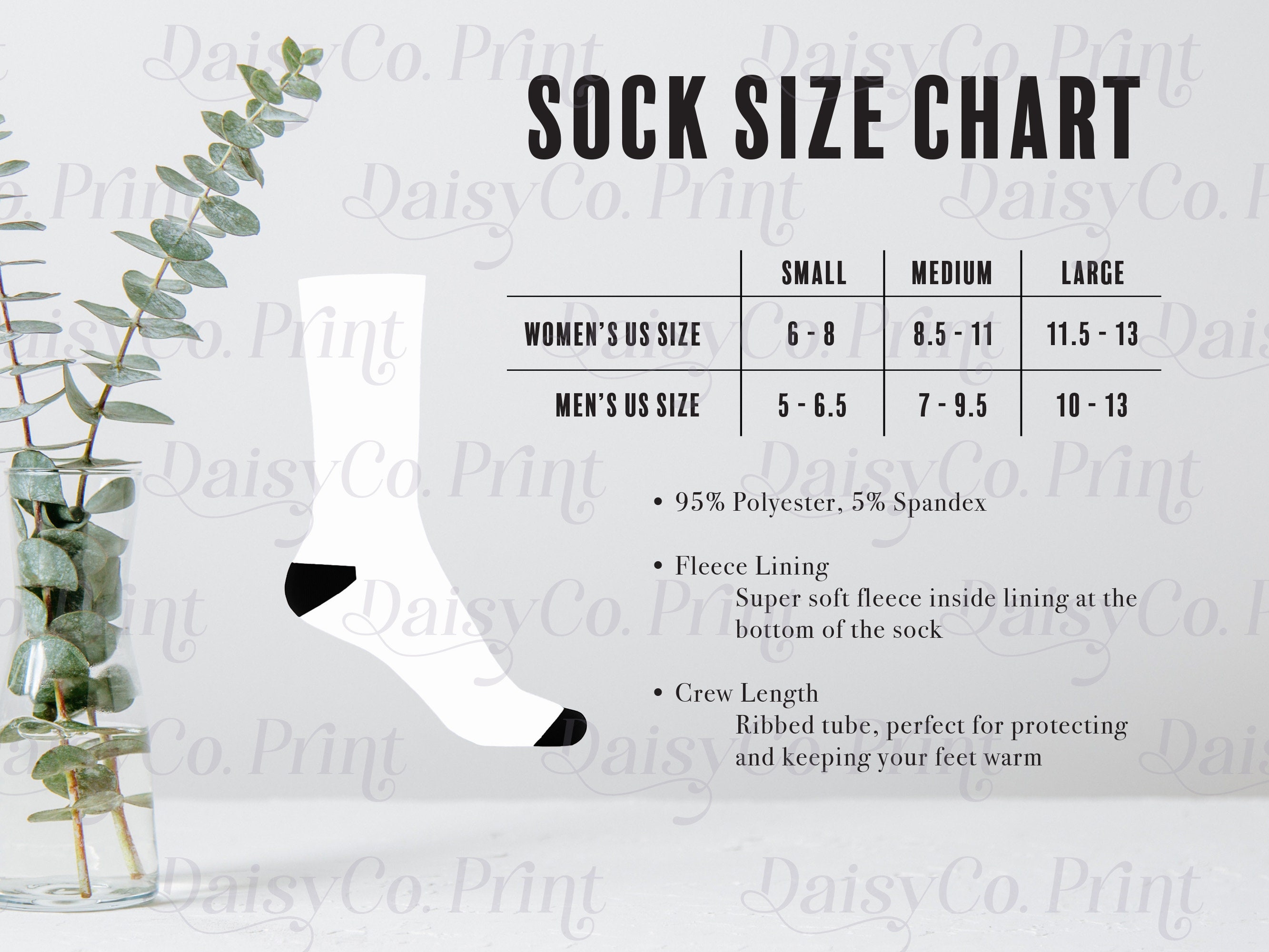
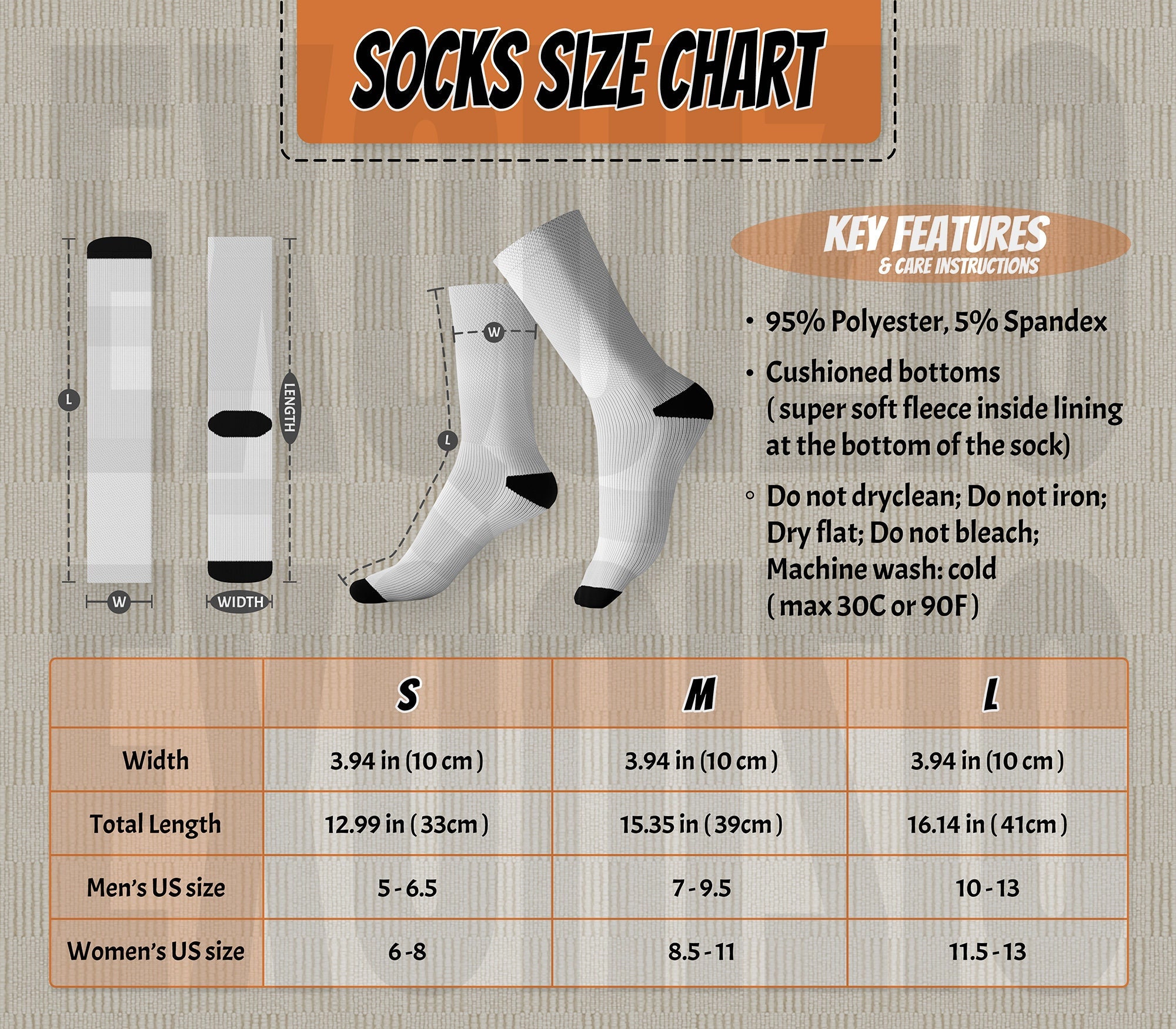
Many people overlook the importance of a sock size chart and its accuracy, often leading to ill-fitting socks and discomfort. This simple tool is your secret weapon against blisters and sore feet!
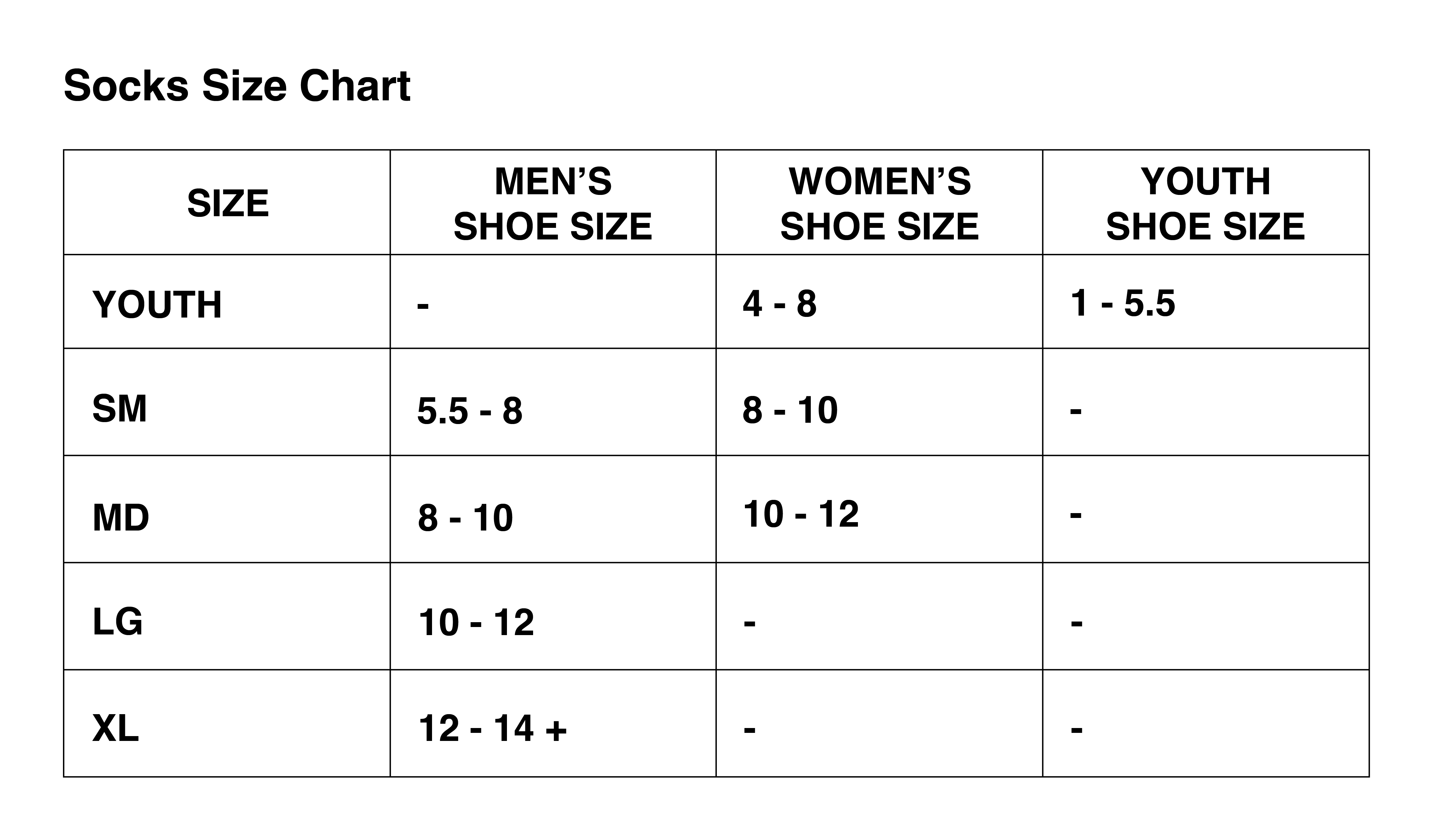
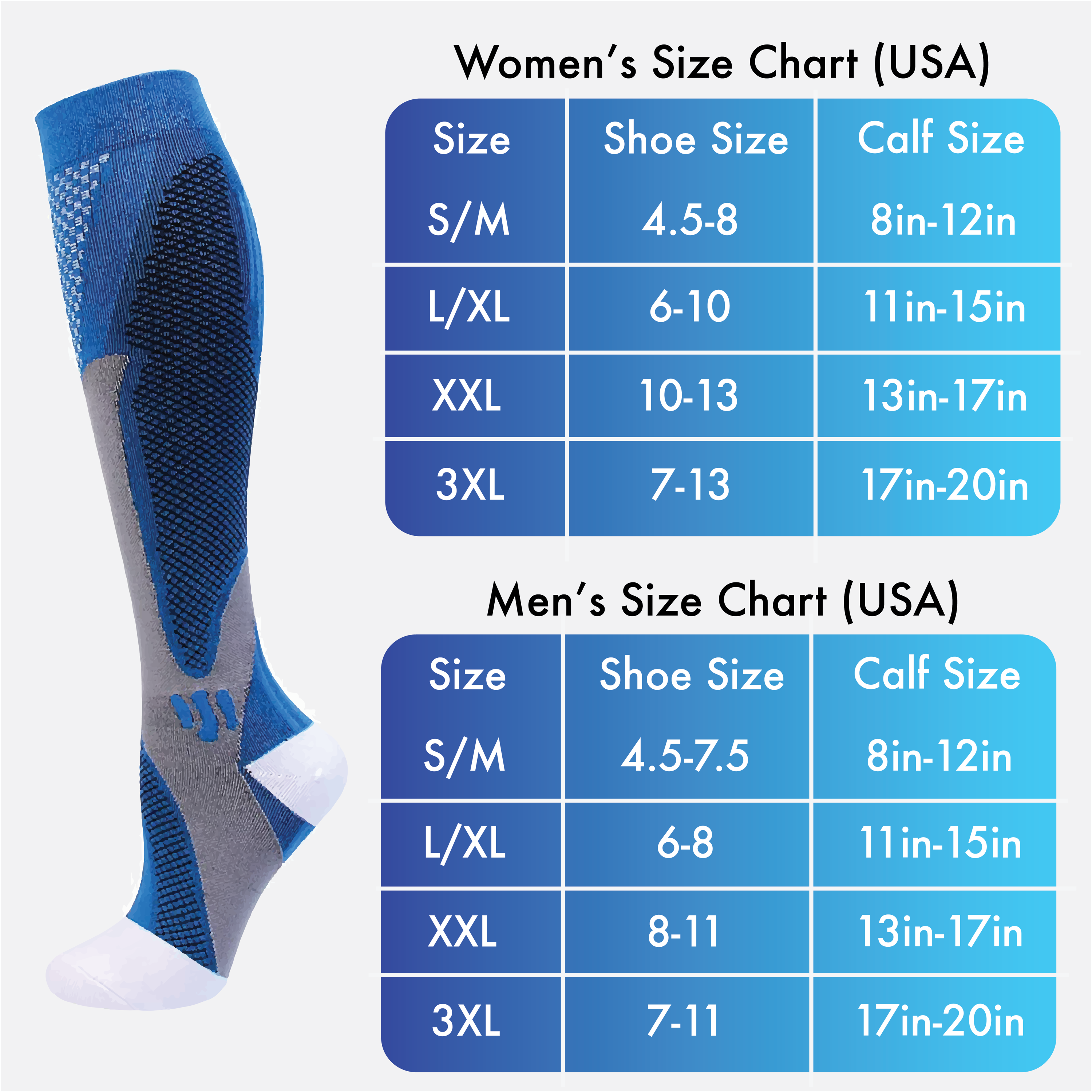
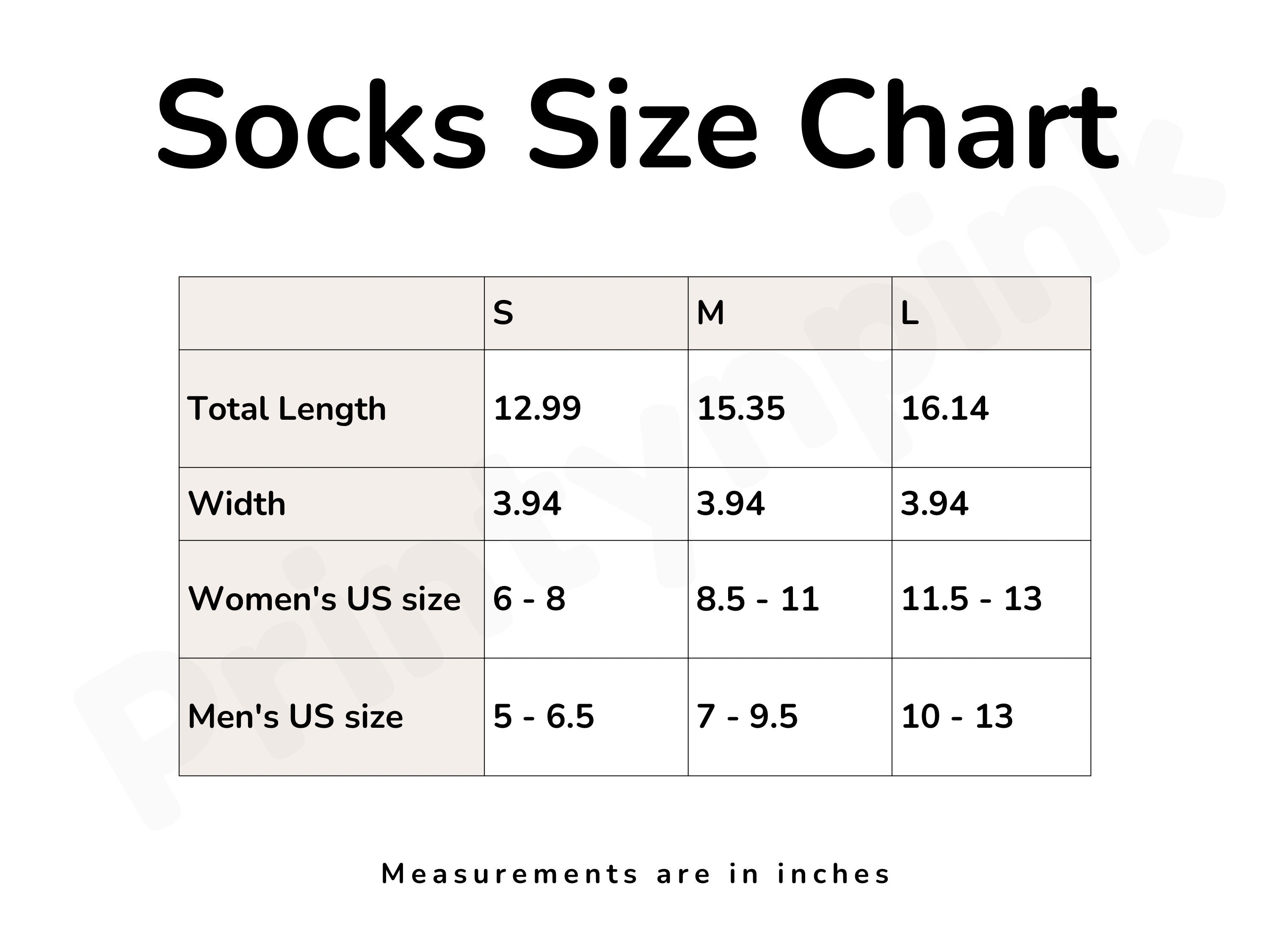
A sock size chart is a straightforward reference, yet it can vary depending on the brand and region. It's a quick guide to ensure you choose the right size, and it's especially useful when buying online. Think of it as a map to finding the perfect fit, guiding you through the process of matching your foot measurements to the right sock size.
Understanding the Sock Size Chart
A sock size chart is your go-to guide for finding the perfect fit for your feet. It's a simple tool that helps you match your foot measurements to the right sock size, ensuring comfort and avoiding any awkward bunching or slipping.
Key Details and Categories
The chart typically displays two main categories: foot length and sock size. Foot length is usually measured in centimeters (cm) or inches, and it's the distance from the heel to the tip of your longest toe. Sock size, on the other hand, is a standardized measurement that corresponds to this foot length. It's important to note that sock size charts can vary slightly depending on the region and manufacturer, so it's good to check if you're using an international sock size chart or one specific to your country.
How to Read and Apply the Chart
Using a sock size chart is straightforward:
Measure your foot length. Place your foot on a flat surface and use a ruler or measuring tape to get the distance from your heel to the longest toe.
Find your foot length on the chart. Look for the column or row that matches your measured foot length.
Identify the corresponding sock size. The intersecting row or column will give you the recommended sock size.
Choose your socks. Now you can confidently pick your socks, knowing they'll fit comfortably and snugly.
Variations and Differences
While sock size charts provide a standardized guide, there can be variations across different brands and manufacturers. Some may have slightly different size ranges or use unique sizing systems. It's always a good idea to check the brand's specific size guide, especially if you're ordering online or trying a new brand. Additionally, the type of sock (e.g., crew, ankle, or no-show) can also impact the fit, so consider the style you prefer.
Common Mistakes and How to Avoid Them
One of the most common mistakes is not measuring your foot length accurately. Ensure you're standing up and placing your foot flat on the measuring surface. Another pitfall is assuming all sock size charts are the same. Always double-check if you're using an international or regional chart, especially when shopping online or across borders. Lastly, remember that foot shape and width can also affect the fit, so consider trying on socks if possible, or opting for a brand that offers a generous return policy.
Well, that's a wrap on our sock size chart adventure! You now have the tools to ensure you're always getting the perfect fit, which is a win-win for your comfort and style.
Remember, while this guide offers a solid framework, exact values can vary slightly between different standards and sources. So, take a moment to double-check the specific requirements or guidelines relevant to your context. And there you have it—a simple yet effective way to ensure your socks are always a snug and cozy fit!