

Seattle Tide Chart Sheet Overview
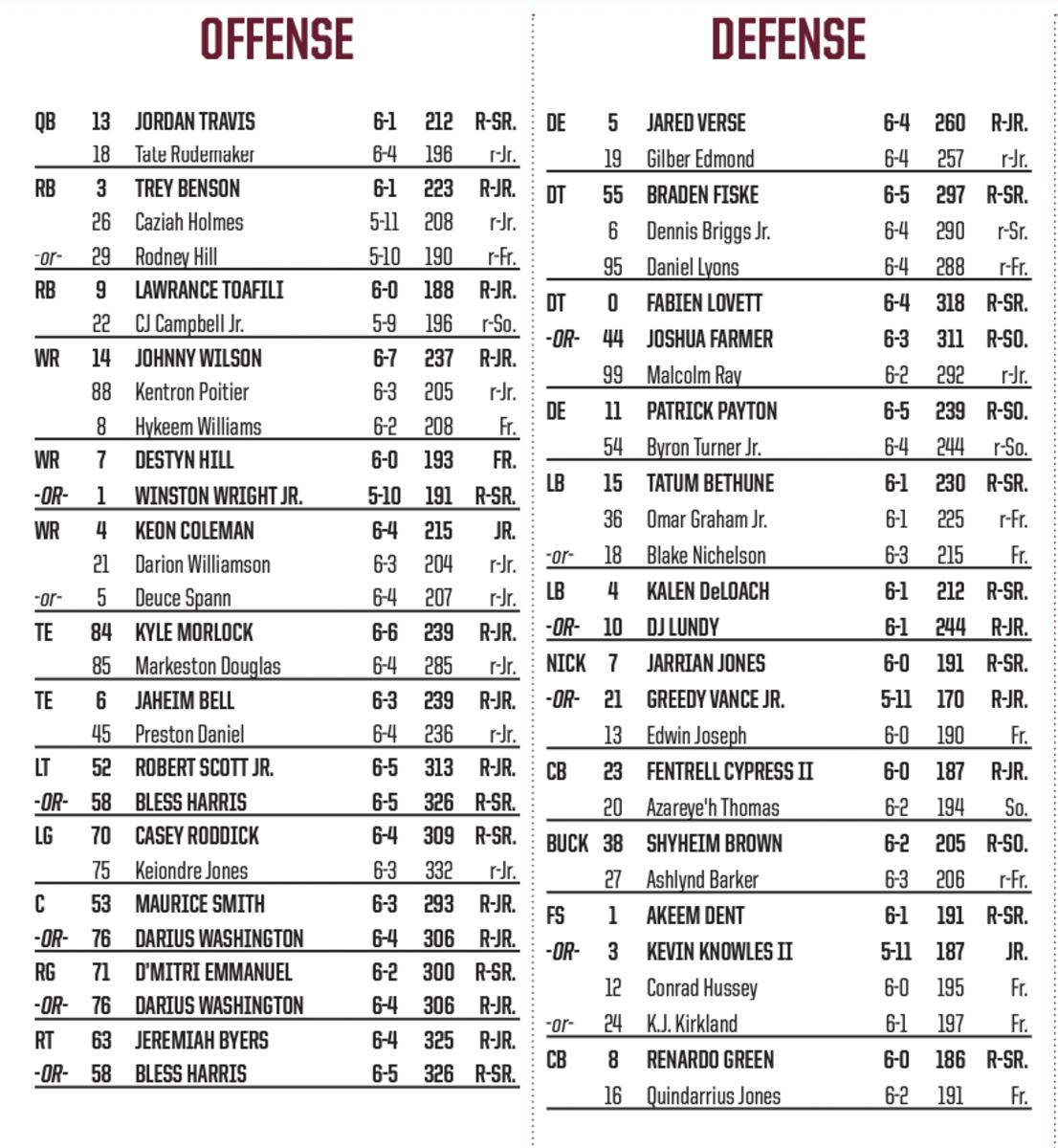
Many folks mistakenly assume that an fsu depth chart is only for die-hard fans or coaches, but it's actually a handy tool for any FSU football enthusiast. It's not as complex as it may seem; think of it as a simple map guiding you through the team's lineup.
This chart offers a quick snapshot of the players and their positions, providing an easy reference for understanding the game and following the action. Whether you're tracking the fsu football roster or just want a clear view of the starting lineup, the depth chart has you covered.
Understanding the FSU Depth Chart
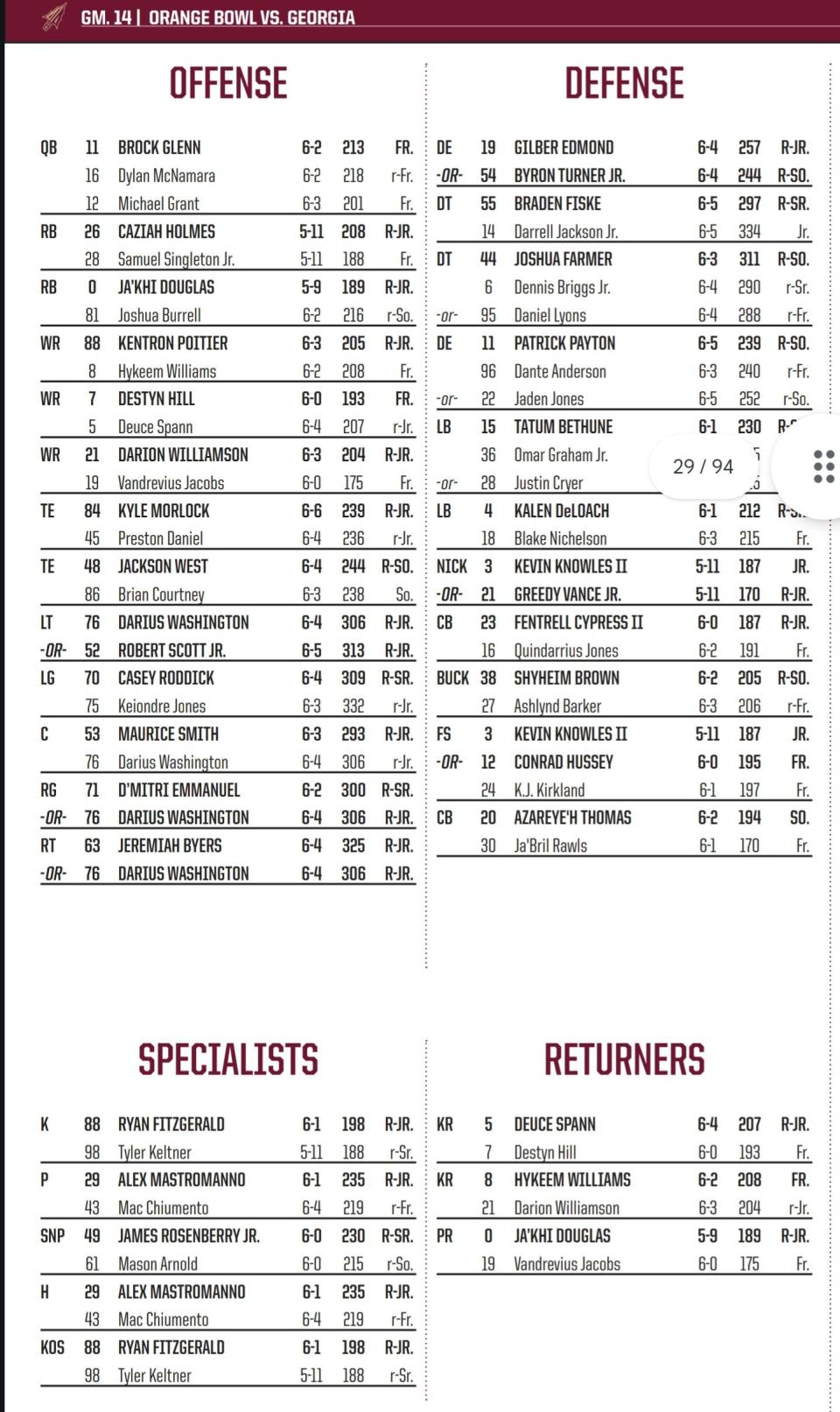
The FSU depth chart is a valuable tool for any fan or follower of Florida State University football. It's a visual representation, often in the form of a table or diagram, that outlines the team's roster and player positions. This chart provides an overview of the depth and talent within the team, giving you a quick glimpse of who's on the squad and their roles.
Comparing Key Positions and Formats
When you look at an FSU depth chart, you'll notice columns representing different player positions, such as quarterback, running back, wide receiver, and so on. Each position has a starter and often multiple backup options listed in order of their depth. The chart may also include additional columns for key stats, like height, weight, and year in school, providing a quick reference for player attributes.
Reading and Interpreting the Chart
To read the FSU depth chart effectively, follow these steps:
Identify the position columns. These are usually labeled clearly, such as "QB" for quarterback or "RB" for running back.
Locate the starter for each position. They are typically listed first, often in bold or highlighted in some way.
Scan the backup options. These are usually listed in order of their depth, so the second player is the primary backup, the third is the secondary backup, and so on.
Take note of any special teams or utility players. These are often listed separately and may have unique roles or positions.
Compare players within positions. The chart can help you see how the starters and backups stack up against each other in terms of experience, size, and other attributes.
Common Misreadings and Pitfalls
It's important to remember that the FSU depth chart is a snapshot in time and can change rapidly. Here are some potential misreadings and how to avoid them:
Don't assume starters are set in stone. Coaches may rotate players or make changes based on performance, injuries, or strategy.
Be aware of injuries or suspensions. These can impact the depth chart significantly, so always check for the latest updates.
Understand the difference between game-day and practice depth charts. The latter may include more players and provide a broader view of the team's talent pool.
Factors Affecting Depth Chart Accuracy
The accuracy of the FSU depth chart can be influenced by several factors:
Player performance and development: As players improve or regress, their depth chart ranking may change.
Injuries and health: These can impact a player's availability and depth chart position.
Recruiting and transfers: New players joining the team can affect the depth chart, especially if they are highly ranked recruits or experienced transfers.
Coaching decisions: The coaching staff's strategies and preferences play a significant role in depth chart rankings.
Game performance: Strong or weak performances in games can influence a player's standing on the depth chart.
Remember, the FSU depth chart is a dynamic tool, and while it provides a great overview, it's always wise to stay updated with the latest news and analysis to fully understand the team's depth and talent.
Hey there! We've covered a lot of ground with the FSU depth chart, and it's great to have a solid understanding of this useful tool. Remember, while we've outlined the basics, the specifics might differ slightly based on your unique circumstances.
Don't forget to explore other guides on our site; there's a wealth of knowledge waiting to be discovered. It's always beneficial to expand your horizons and learn about different aspects of these charts and their applications. Happy reading and learning!
Related: How to use the Vans size chart?
You're on a mission to find the perfect fit for your new Vans, and the Vans size chart is your trusty guide. It's a simple yet effective tool, offering a quick and reliable way to ensure you get the right size. This chart, a handy reference, provides an easy-to-read overview of men's and women's sizes, with length and width measurements to help you match your feet to the ideal pair. While the values may vary slightly depending on the style and region, the Vans size chart is a great starting point for an accurate fit.
Understanding Vans Size Chart
The Vans size chart is your go-to guide for finding the perfect fit for your favorite Vans sneakers. It's a handy tool that simplifies the sizing process, ensuring you get the right size for a comfortable and stylish stride.
Key Details and Categories
This chart provides a comprehensive breakdown of Vans shoe sizes, covering both men's and women's styles. The sizes are typically presented in US standard measurements, with length and width dimensions for each size. You'll find a clear table or diagram, making it easy to locate your ideal size.
Step-by-Step Guide to Reading the Chart
Here's a simple guide on how to navigate the Vans size chart:
- Identify your gender: The chart often separates men's and women's sizes, so start by locating the relevant section.
- Find your US size: Look for the column or row labeled with your US shoe size.
- Check the length and width: The chart will provide measurements for both length and width, ensuring a precise fit.
- Convert if needed: If you're more familiar with international sizes, use the conversion chart provided to find your equivalent US size.
- Choose your style: Different Vans styles might have slight variations, so ensure you're referring to the correct style guide.
Variations and Differences
It's important to note that shoe sizing can vary slightly between brands and even within the same brand for different styles. Vans, like many other shoe manufacturers, may have slight variations in their sizing charts to accommodate different foot shapes and preferences. These variations ensure a comfortable fit for a wide range of wearers.
Common Mistakes and How to Avoid Them
One common mistake is assuming that your Vans size will be the same as your regular shoe size. Always refer to the Vans shoe size chart specifically, as it may differ from other brands you wear. Another pitfall is neglecting to measure your foot properly. Ensure you follow the provided guidelines for accurate measurements.
Tips for Accurate Sizing
To ensure an accurate fit, consider these practical tips:
- Measure your foot regularly, especially if you're between sizes or notice any changes.
- Try on multiple sizes if possible, especially if you're new to Vans or have unique foot characteristics.
- Pay attention to the width measurements; a wide foot might require a different size than what you usually wear.
- Consider the style of Vans you prefer; some styles might fit slightly differently due to their design.
Double-Checking and Handling Exceptions
While the Vans size chart is a reliable guide, it's always a good idea to double-check the specific style and model you're interested in. Some Vans styles might have unique features or fit preferences, so referring to the detailed sizing guide for that particular style is recommended. Additionally, if you have unique foot characteristics, such as a wide or narrow foot, you may need to adjust your size accordingly. Always trust your comfort and fit preferences.
Well, there you have it! A comprehensive guide to understanding the Vans size chart. It's always best to be prepared and know your size, especially when it comes to finding the perfect fit.
Remember, while this guide provides a solid foundation, it's always wise to check the specific size chart for the style you're interested in. Vans, like many brands, may have slight variations, so double-checking ensures you get the right size for your feet. Happy shopping, and don't forget to explore our other helpful guides to enhance your shoe-buying experience!
Related: How to Use the Apoquel Dose Chart?
Frustrated by the endless search for the right information? You're not alone. Many pet owners find themselves seeking a quick, reliable guide to navigate the apoquel dose chart and ensure their furry friends receive the correct dosage. This chart is a crucial tool, offering a simple yet effective way to determine the appropriate treatment for canine allergies. With variations in dosing based on factors like weight and region, having a clear, accessible reference is essential.
Understanding the Apoquel Dose Chart
The apoquel dose chart is a valuable tool for pet owners and veterinary professionals, offering a clear guide to administering the correct dosage of apoquel, a medication used to treat canine allergies. This chart simplifies the process, ensuring your dog receives the right amount based on their weight.
Key Details and Categories
The apoquel dose chart typically presents two main categories: weight ranges and corresponding dosage recommendations. Weight is a critical factor, as it determines the appropriate dose. The chart provides a range of weights, often in kilograms or pounds, with the recommended dosage for each range. This ensures accuracy and safety in medication administration.
Step-by-Step Guide: Reading and Applying the Chart
Follow these steps to accurately use the apoquel dose chart:
- Weigh your dog accurately. Ensure the scale is suitable for your dog's size and provides precise readings.
- Locate your dog's weight on the chart. If their weight falls within a range, choose the dosage for the lower weight in the range. For instance, if your dog weighs 15 kg and the range is 15-20 kg, select the dosage for 15 kg.
- Measure the dosage precisely. Use the appropriate measuring tool, such as a syringe or oral dispenser, to ensure an accurate dose.
- Administer the medication as directed. Follow the instructions for the frequency and timing of doses, typically twice daily for the first two weeks and then once daily thereafter.
Variations and Differences
It's important to note that apoquel dose charts may vary slightly depending on the region and the specific manufacturer's guidelines. Factors like the dog's age, breed, and overall health may also influence dosage, so it's crucial to consult with a veterinarian for personalized advice. Additionally, the chart provides a general guide, and individual cases may require adjustments.
- Key factors influencing dosage:
- Weight of the dog
- Manufacturer's guidelines
- Region-specific standards
- Dog's age and breed
- Overall health condition
Common Dosage Mistakes and How to Avoid Them
To ensure accurate dosing:
- Always refer to the most recent apoquel dose chart provided by your veterinarian or the medication's packaging.
- Avoid rounding up or down when determining the dosage. Stick to the precise weight and corresponding dosage.
- Be mindful of the medication's expiration date and storage instructions to maintain its effectiveness.
- Consult your veterinarian if you have any concerns or questions about the dosage or your dog's response to the medication.
Remember, while the apoquel dose chart is a helpful guide, it's essential to prioritize your dog's health and well-being. Regular communication with your veterinarian is key to ensuring the best care for your canine companion.
Remember that while this chart provides a valuable reference, the exact doses and guidelines may differ slightly depending on various factors. It's always a good idea to consult with a veterinarian for personalized advice and to ensure the best care for your furry friend.
Feel free to bookmark this page for future use, and don't forget to check out our other practical guides for pet owners! We aim to make your life a little easier with these handy resources.