

Seed Cycling Chart A4 Overview
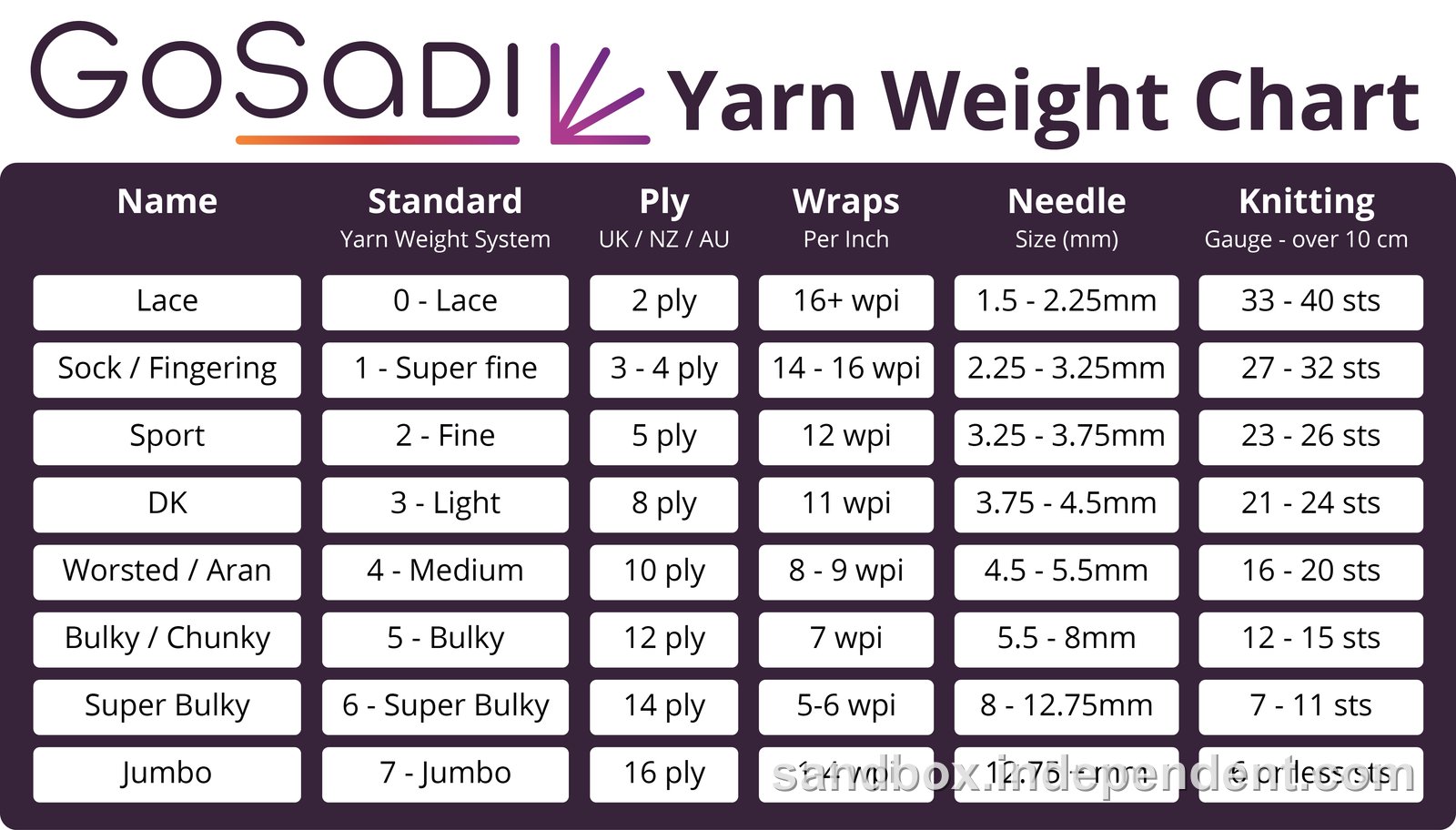
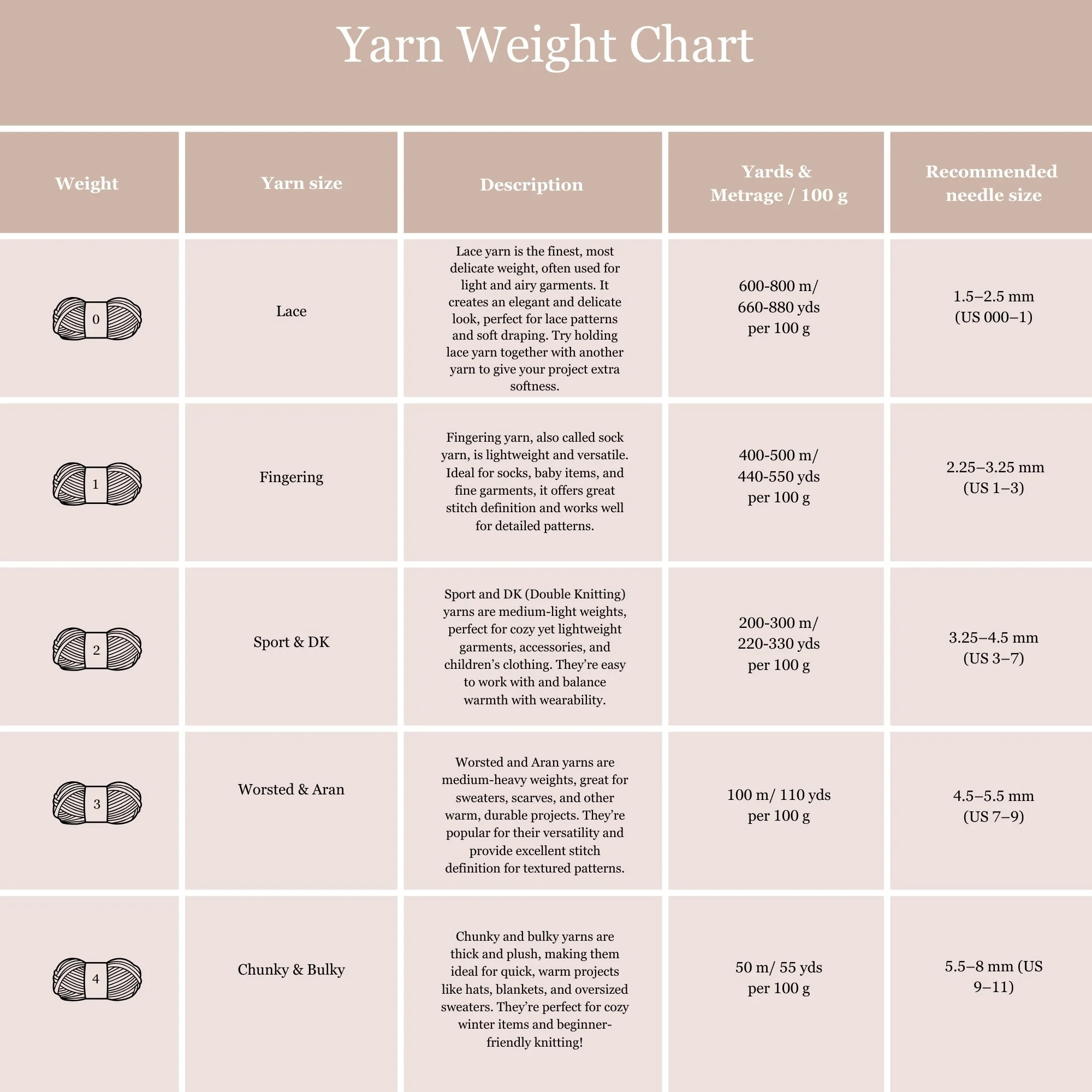
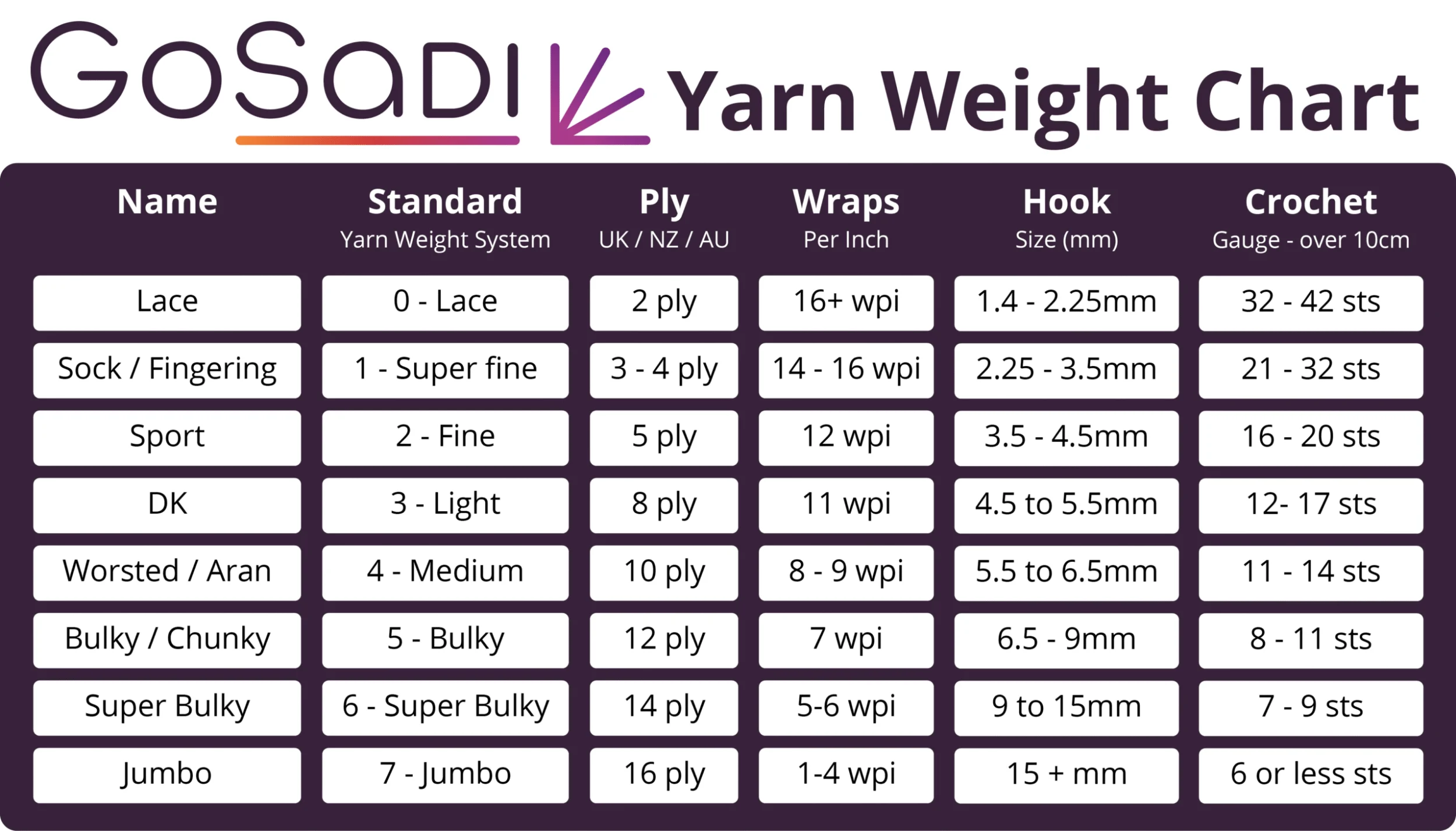
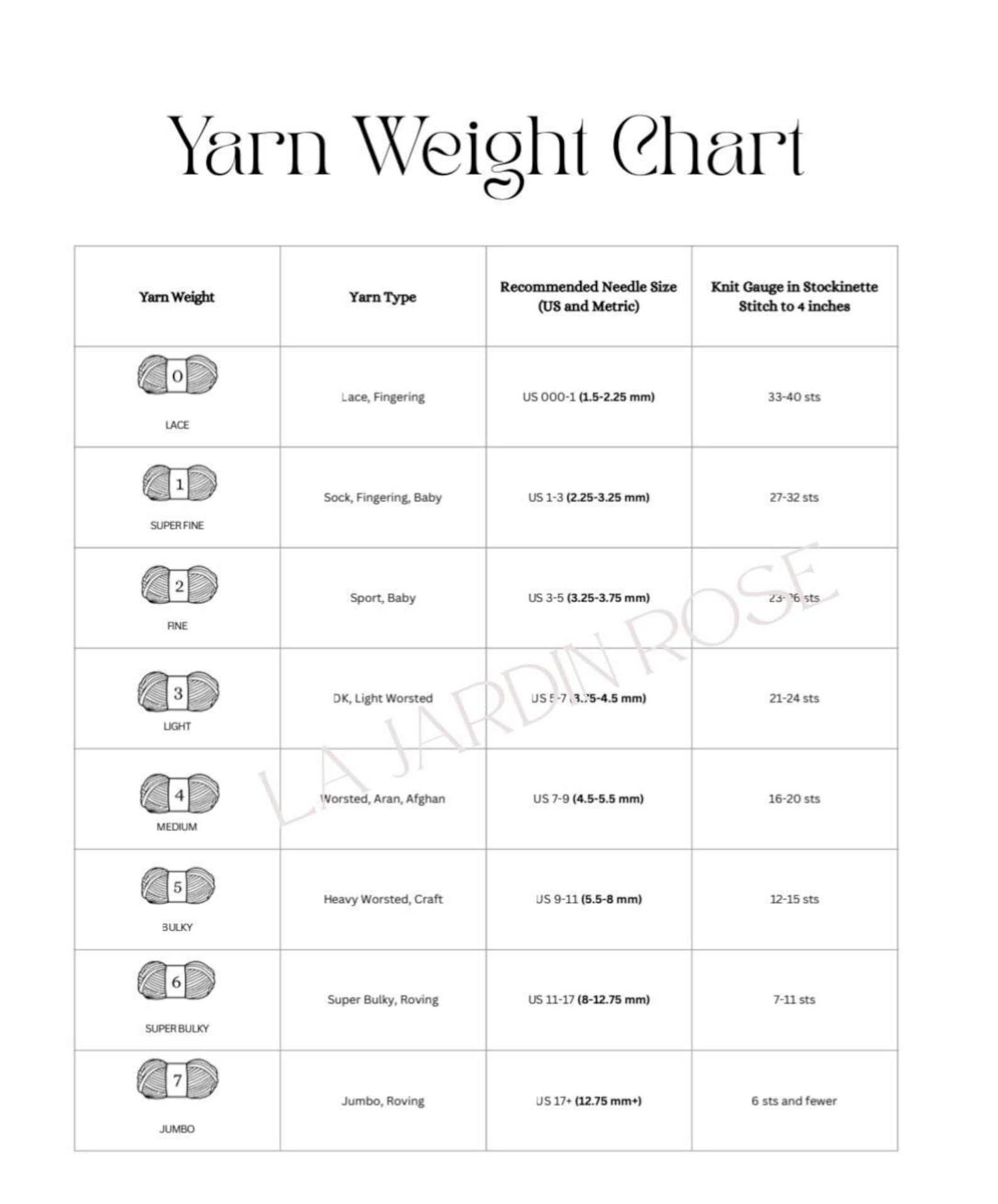
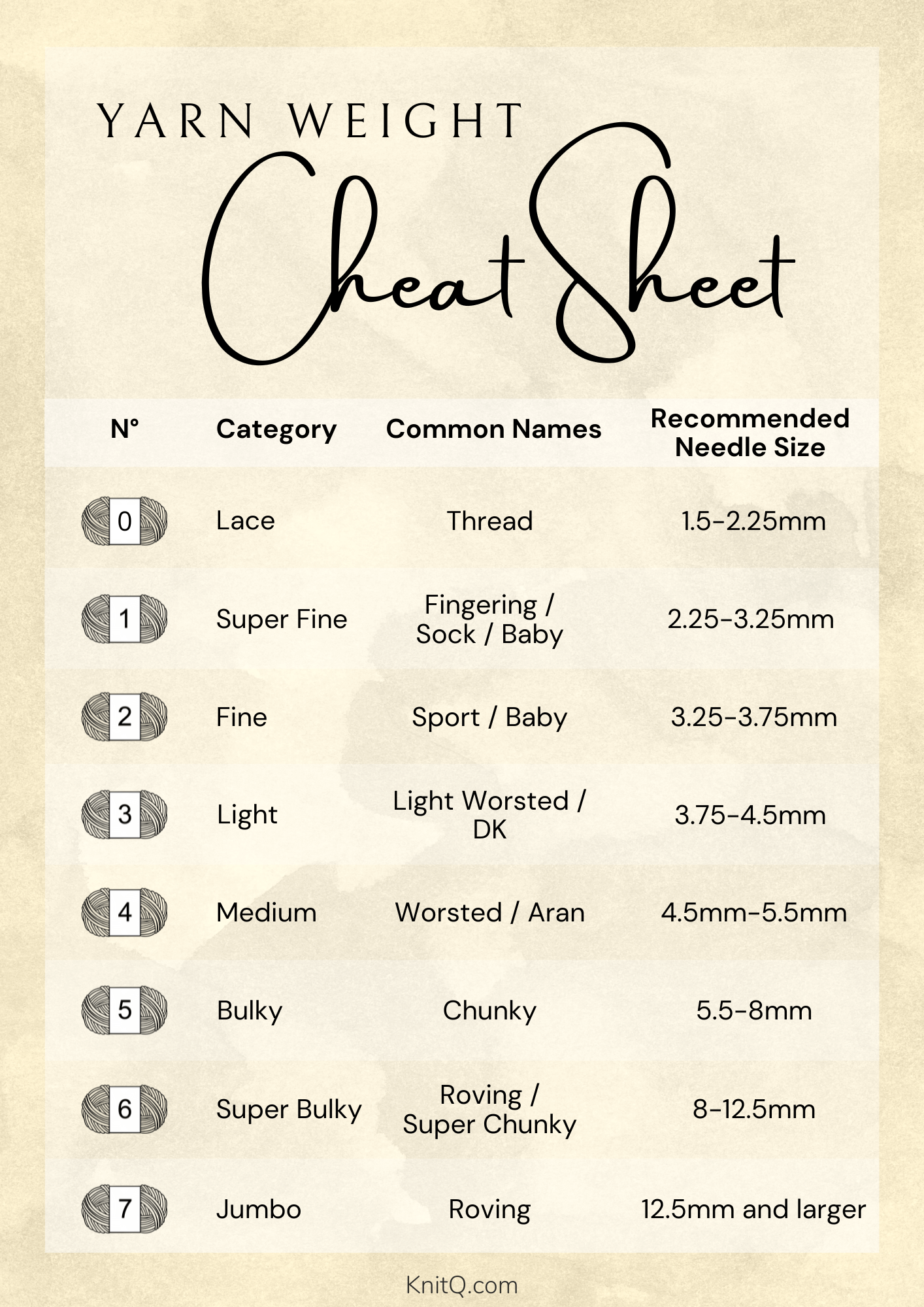
A yarn size chart is a handy tool for any knitter or crocheter, offering a quick glance at the essential information needed to choose the right yarn for your project. This guide will walk you through the basics, ensuring you can read and interpret these charts with ease.
Yarn size charts provide a standardized way to understand yarn thickness, often referred to as weight or ply. While the values and formats may vary slightly depending on your region or the brand you're using, these charts offer a reliable starting point for your creative journey.
Understanding the Yarn Size Chart
The yarn size chart is a valuable tool for knitters, crocheters, and weavers, offering a standardized way to determine the thickness or weight of yarn. It provides a clear reference for choosing the right yarn for your project and ensures consistent results. This chart is a crucial guide for any fiber artist, allowing them to navigate the vast array of yarn options available.
Key Details and Categories
The yarn size chart typically displays yarn weights in two primary systems: the US Standard System and the Metric System. In the US, yarn weight is often categorized from 0 to 6, with 0 being the finest and 6 the thickest. The metric system uses a more precise measurement, usually in millimeters (mm), to indicate the thickness of the yarn. Additionally, some charts may include a column for the number of plies, which refers to the number of strands twisted together to form the yarn.
How to Read and Apply the Chart
When using a yarn size chart, follow these steps:
- Identify the yarn weight system you are working with. Is it the US Standard or Metric? Ensure you are referring to the correct chart.
- Locate the category or range that best describes your yarn. If you have a specific yarn brand or type, match it to the appropriate weight category.
- Take a small length of your yarn and wrap it around a wpi tool or a ruler. Count the number of wraps per inch (wpi) to get an approximate measurement.
- Compare your measured wpi to the chart's values. This will give you an idea of the yarn's thickness and help you choose the right needle or hook size for your project.
- Consider the recommended needle or hook size for your chosen yarn weight. This information is often included in the chart or can be found on the yarn label.
Variations and Differences
It's important to note that yarn size charts may vary slightly between different standards and regions. While the US and Metric systems provide a good foundation, some yarn manufacturers may have their own unique sizing systems. Additionally, the way yarn is spun and the materials used can also impact its thickness, leading to slight variations. It's always a good practice to refer to the specific yarn brand's guidelines or consult their website for exact specifications.
Common Mistakes and How to Avoid Them
One common mistake is assuming that all yarn within a certain weight category will behave the same. While the chart provides a guide, individual yarns can have unique characteristics. Always check the yarn label and consider the recommended needle or hook size provided by the manufacturer. Another pitfall is relying solely on the chart without physically measuring your yarn. Taking the time to wrap and count the wpi ensures a more accurate assessment of your yarn's thickness.
Tips for Accurate Sizing
To ensure accurate sizing when working with a yarn size chart, consider these best practices:
- Always refer to the specific yarn brand's guidelines or website for any unique sizing information.
- Invest in a wpi tool or a ruler to measure your yarn's thickness accurately.
- When in doubt, err on the side of a slightly larger needle or hook size. This can help prevent overly tight stitches and ensure a more relaxed, comfortable knitting or crocheting experience.
- Keep a record of the yarns you've used and their corresponding needle/hook sizes. This can be a valuable reference for future projects.
- Remember that the yarn size chart is a guide, and some variation is normal. Embrace the uniqueness of each yarn and enjoy the process of creating with fiber!
Remember, while this chart provides a great starting point, it's always wise to check the specific requirements for your project. Exact values can vary, so it's good to double-check the standards or guidelines relevant to your context.
This yarn size chart is a handy reference, and I hope it proves useful for your knitting and crocheting adventures. Feel free to bookmark this page for a quick reminder the next time you need it. Happy crafting!
Related: Find the Perfect Fit: Chicos Size Chart Guide
Many shoppers may approach the chicos size chart with some hesitation, assuming it's a complex and confusing tool. However, it's quite the opposite; this chart is a straightforward and invaluable resource for anyone navigating the world of clothing sizes.
The beauty of the chicos size chart lies in its simplicity and consistency. While size charts can vary slightly across brands and regions, the Chicos chart offers a reliable and standardized guide, ensuring a seamless shopping experience for its customers. With a quick glance, you can confidently understand your size and make informed choices, whether you're shopping online or in-store.
Understanding the Chicos Size Chart
The chicos size chart is a valuable tool for anyone looking to find their perfect fit in Chicos clothing. It provides a clear and organized guide to help you determine your size based on your body measurements. By following this chart, you can ensure a comfortable and flattering fit for your Chicos wardrobe.
Key Details and Categories
The chicos sizing guide typically includes measurements for bust, waist, and hip, which are the primary categories to consider. These measurements are presented in inches or centimeters, depending on the standard being used. The chart offers a range of sizes, usually starting with smaller sizes and progressing to larger ones, covering a wide range of body types. It's important to note that Chicos, like many clothing brands, may have slight variations in their sizing charts, so always refer to the specific chart provided by Chicos for the most accurate information.
How to Read and Apply the Size Chart
To use the chicos size chart effectively, follow these steps:
- Measure your bust, waist, and hip using a measuring tape. Ensure the tape is straight and not twisted, and that it sits comfortably around your body without squeezing or sagging.
- Locate your measurements on the chart. Find the size that aligns with your bust, waist, and hip measurements. If your measurements fall between two sizes, consider the overall fit you prefer. A looser fit may be more comfortable, while a closer fit can create a more tailored look.
- Take into account the fabric and style of the garment. Some fabrics have more give, so a slightly smaller size may work, while structured garments may require a more precise fit.
- If you're between sizes or unsure, don't hesitate to contact Chicos' customer support for further guidance. They can provide additional advice based on the specific garment and your preferences.
Size Variations and Common Causes
It's important to understand that size charts can vary across brands and even within a brand's different product lines. Here are some factors that can contribute to size variations:
- Fabric and design: Different fabrics and styles can affect the fit and sizing of a garment. Stretchier fabrics may accommodate a wider range of sizes.
- Regional standards: Clothing size charts can differ based on regional standards. For example, a US size may not align perfectly with an international size chart.
- Body shape: Everyone's body is unique, and variations in body shape can impact how a size chart applies to you. Curves, height, and proportion can all influence the fit.
- Manufacturing tolerances: Even within a brand, there can be slight variations in sizing due to manufacturing processes. Always refer to the specific size chart for the garment you're interested in.
Remember, the chicos size chart is a helpful guide, but it's not an exact science. By understanding your body measurements and the factors that can influence sizing, you can make informed choices and find the perfect Chicos outfit that flatters your figure.
Chicos size charts are a handy tool to have at your disposal, especially when you need to find the perfect fit. Remember, these charts are a guide, and while they provide a consistent framework, exact values can vary.
So, before you finalize your measurements, take a moment to ensure you're using the right chart for your specific needs. With that in mind, you're all set to tackle your sizing challenges! Consider bookmarking this page for future reference; it might just save you some time and effort the next time you need to refer to a size chart.
Related: Baylor Depth Chart: A Simple Visual Guide
If you're here, you likely need a quick reference for the Baylor depth chart or are seeking clarity on how to interpret it effectively. This essential tool, often presented as a chart or table, offers a snapshot of the Baylor football team's player lineup and their respective positions. It's a go-to resource for understanding the team's structure and making sense of player rankings and statistics.
Understanding the Baylor Depth Chart
The Baylor Depth Chart is a valuable tool for coaches, players, and fans alike, offering a comprehensive overview of a team's roster and player positions. It provides a clear visual representation of the team's lineup, showcasing the depth and talent within the squad.
Key Details and Categories
This chart typically features columns indicating player positions, with rows representing individual players. Common positions include quarterback, running back, wide receiver, tight end, offensive line, defensive line, linebacker, cornerback, and safety. Each position has its own set of skills and responsibilities, and the depth chart reflects the players' abilities and roles within the team's strategy.
Reading the Roster: A Step-by-Step Guide
- Start by identifying the position columns. These will usually be clearly labeled, such as "QB" for quarterback or "WR" for wide receiver.
- Within each position column, players are typically listed in a hierarchical order, with the starting player at the top and backups or reserves below. This order reflects the coach's current assessment of the team's strengths and strategies.
- Take note of any special markings or symbols. These might indicate injuries, suspensions, or other factors that could affect a player's availability or role. For example, an asterisk or a specific color code could signify a player's injury status.
- Pay attention to the depth of the roster. A strong depth chart will have multiple capable players for each position, ensuring the team can adapt to injuries or strategic needs.
Common Chart Variations and Factors
While the basic structure of a Baylor Depth Chart remains consistent, there can be variations based on the team's preferences and the specific sport or league. Here are some factors that can influence the chart's presentation:
- Player Rankings: The chart might include additional rankings or ratings to provide more detailed information about player performance or potential.
- Team Statistics: Some charts integrate team statistics, such as passing or rushing yards, to offer a broader context for player performance.
- Starting Lineup: This section might be highlighted or color-coded to distinguish the players who are expected to start the game.
- Substitutions: The chart may also indicate which players are likely substitutes or rotational players, providing insights into the coach's strategy.
- Injuries and Availability: As mentioned, symbols or notes can indicate player injuries or other factors affecting their availability.
- League or Conference Standards: The format and content of depth charts can vary slightly between different leagues or conferences, so it's essential to be aware of these standards.
Hey there! I hope this depth chart guide has been helpful and provided a clear understanding of the topic. Remember, while we've covered the basics, the exact details may differ slightly based on your specific context or the source you're referring to. It's always good to double-check and adapt to your needs.
Feel free to bookmark this page for future reference; it's a handy tool to have at your fingertips. And if you're curious about other related topics, there are plenty of guides to explore on our platform. Happy learning, and until next time!