





Seek Three Wise Beasts Overview
A club length chart is a valuable tool for golfers, offering a simple yet effective way to navigate the world of golf club sizing. This guide aims to demystify the process, ensuring you can quickly and confidently understand and utilize these charts.
The charts provide a standardized reference for golf club lengths, typically covering various club types like drivers, irons, and more. While values may vary slightly depending on factors such as brand and region, these charts offer a reliable starting point for custom club fitting, ensuring an accurate and personalized golf experience.
Understanding the Club Length Chart
A club length chart is an essential tool for golfers and club fitters, providing a standardized reference for determining the optimal length of golf clubs. This chart ensures consistency and helps golfers find the right fit for their game.
Standard Measurements Explained
The club length chart typically displays a range of club lengths, usually in inches, for various types of clubs. It covers all the essential clubs, including drivers, fairway woods, hybrids, irons, and wedges. The chart provides a quick reference for golfers to identify the standard length of each club based on their height and playing style.
How to Read and Apply the Chart
To use the club length chart, follow these steps:
Identify your height. This is a critical factor in determining the right club length.
Refer to the chart and locate your height range. Most charts provide a height range with a recommended club length.
Consider your playing style and preferences. The chart offers a standard length, but you can adjust based on your comfort and swing.
Measure your existing clubs. If you already have a set, measure the length and compare it to the chart. This helps ensure consistency and allows for easy adjustments.
Make informed decisions. The chart provides a starting point, but custom club fitting can further refine the length to suit your unique swing and performance goals.
Common Adjustments and Variations
While the club length chart offers a standardized guide, several factors can influence the ideal club length:
Height and physical attributes: Taller golfers often require longer clubs, while shorter players may need shorter ones.
Swing speed and tempo: A faster swing may benefit from slightly longer clubs, while a slower swing might perform better with shorter ones.
Playing conditions: Different course conditions can impact club selection and length. For example, longer clubs might be preferred for windy conditions.
Personal preference: Ultimately, the golfer's comfort and confidence with the club's length are crucial.
Remember, while the club length chart provides a solid foundation, it's essential to consider individual factors and seek professional advice for a precise custom fitting.
As you navigate the world of club lengths, remember that precision is key. While this chart provides a solid foundation, it's essential to cross-reference with your specific requirements. Exact values can vary, so a quick double-check ensures you're on the right track.
Consider bookmarking this page for future reference; it's a handy tool to have at your fingertips when you need a quick reminder. Stay organized, and happy measuring!
Related: RSMeans Construction Data Essential Guide
RS Means construction data is something I recently stumbled across while planning a home renovation project. It's a term that might not be familiar to everyone, but it's an essential tool for anyone in the construction industry or considering a building project. So, let's break it down and see why it's worth knowing about.
Unraveling the Mystery: What's RS Means All About?
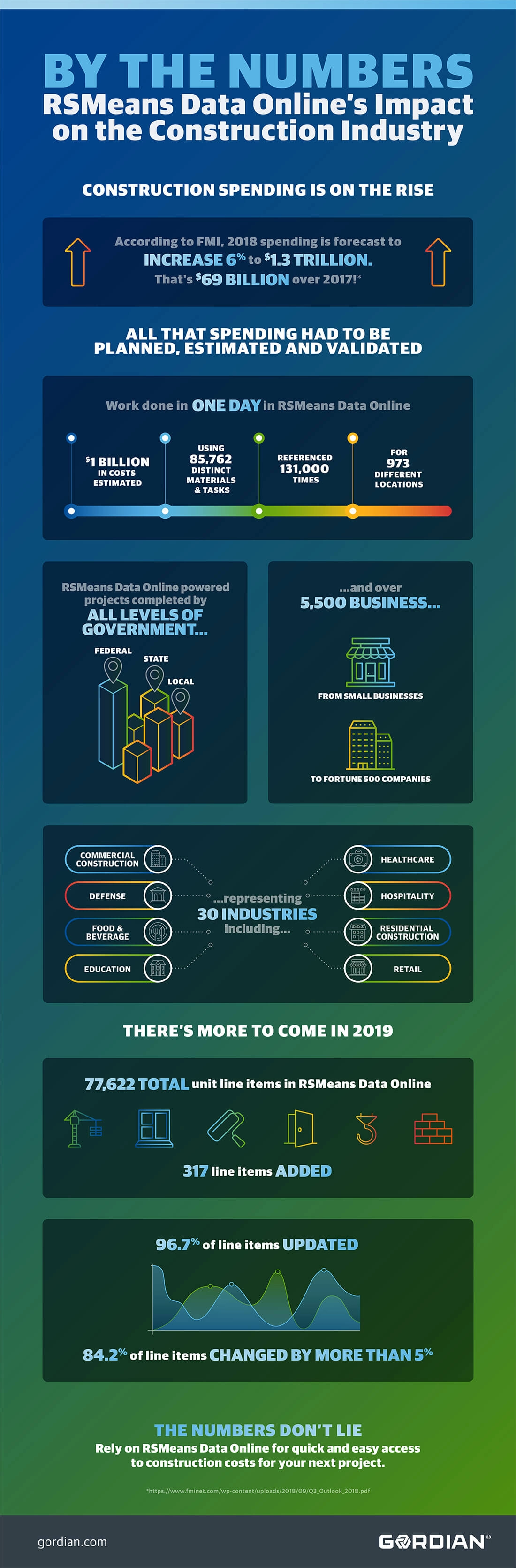
RS Means construction data is a comprehensive resource for anyone involved in construction, from contractors to builders and even homeowners. It's like a secret weapon for those in the know, providing valuable insights and accurate information. This data covers a wide range of topics, including material and labor costs, project timelines, and industry trends. It's a go-to source for anyone wanting to stay informed and make smart decisions.
One of the key benefits of RS Means construction data is its ability to provide accurate cost estimates. Whether you're planning a small renovation or a large-scale construction project, having access to reliable cost data is crucial. It helps you budget effectively and compare quotes from different contractors. You'll know if a price seems fair or if there might be hidden costs.
Hiring the Right Team: A Contractor's Guide
When it comes to hiring contractors, RS Means construction data can be a game-changer. It empowers you to ask the right questions and make informed decisions. Before hiring, check their experience and ask for references. A good contractor should be able to provide a detailed quote, breaking down costs and explaining their process.
Naming Your Construction Business: A Creative Venture
If you're starting a construction business, choosing a name is an exciting step. A unique and memorable name can set you apart. Consider something that reflects your services or location. For example, "Build-It-Right Construction" or "Skyline Builders". It's important to check name availability and secure your domain and local business registration.
Exploring Construction Careers: More Than Meets the Eye
The construction industry offers a variety of roles beyond contractors. From estimators to project managers, there are diverse career paths. Estimators, for instance, use tools like RS Means to provide accurate cost estimates. They research and analyze data, ensuring projects stay on budget. These roles are in demand and offer great opportunities for growth.
A Bird's Eye View: The Industry's Big Picture
On a larger scale, RS Means construction data provides valuable insights into the industry as a whole. It helps track trends, understand market shifts, and forecast future costs. This data is essential for big construction firms planning large-scale projects. It allows them to make strategic decisions and stay competitive.
Keeping Up with the Times: Cost Indexes and Escalation
RS Means also offers cost indexes, which track and predict cost changes over time. These indexes are crucial for long-term projects, helping to account for inflation and other economic factors. The concept of escalation is key here, ensuring that budgets and estimates remain relevant as projects progress.
A Word of Advice: Check Local Rules
When it comes to construction, local rules and regulations can vary. It's always a good idea to check with your local building department for specific requirements. They can provide guidance on permits, zoning, and any unique considerations for your area.
In conclusion, RS Means construction data is a powerful tool for anyone involved in construction. It provides valuable insights, helps make informed decisions, and ensures projects stay on track. Whether you're a homeowner, contractor, or industry professional, it's worth exploring the benefits of this comprehensive resource.
Related: How to Read a Puppy Shot Chart?
A puppy shot chart is a handy tool for any pet owner, offering a clear overview of your pup's vaccine journey. This guide will navigate you through the essential info, ensuring you understand the basics of reading and using the chart effectively.
It's a simple yet powerful reference, providing a snapshot of your puppy's health and the crucial vaccinations they need. While the specific values and formats may vary, the puppy shot chart remains a reliable companion, guiding you through the core and non-core vaccine protocol.
Understanding the Puppy Shot Chart
The puppy shot chart is a valuable tool for dog owners, providing a clear guide to vaccinating your furry friend. It's essentially a roadmap, ensuring your puppy gets the right vaccines at the right time. This chart simplifies the process, helping you keep track of your puppy's health and ensuring they receive the necessary protection.
Comparing Vaccine Options and Standards
When it comes to puppy vaccines, there are two main categories: core and non-core vaccines. Core vaccines are essential and recommended for all puppies, protecting against serious, often life-threatening diseases. These typically include distemper, parvovirus, adenovirus, and rabies. Non-core vaccines, on the other hand, are optional and depend on your puppy's lifestyle and risk factors. Examples include vaccines for leptospirosis, Lyme disease, or bordetella (kennel cough). The puppy shot chart will usually list these vaccines separately, allowing you to make informed decisions with your vet.
Step-by-Step Guide to Using the Chart
Here's a simple process to follow when using the puppy shot chart:
Start by familiarizing yourself with the chart. It will typically list the vaccine type, the recommended age or time interval for administration, and sometimes the dosage or volume.
Begin vaccinations early. Puppies are generally given their first set of core vaccines between 6 and 8 weeks of age. This early start is crucial as it helps build their immunity quickly.
Follow the recommended schedule. The chart will guide you on when to give subsequent doses. For core vaccines, these are usually given every 3-4 weeks until the puppy is around 16-18 weeks old.
Discuss non-core vaccines with your vet. Based on your puppy's lifestyle and exposure risks, your vet may recommend additional vaccines. The chart can help you keep track of these too.
Keep a record. It's a good idea to maintain a shot record or health chart for your puppy. This ensures you stay on top of their vaccination schedule and provides a clear history for future reference.
Avoiding Common Misreadings and Pitfalls
While the puppy shot chart is straightforward, there are a few potential pitfalls to watch out for:
Age vs. Weight: Some charts may list vaccine doses based on weight rather than age. Always ensure you're following the correct guidelines for your puppy's age.
Core vs. Non-Core: Distinguish between core and non-core vaccines. Core vaccines are essential, while non-core ones are optional. Your vet will guide you on the best choices for your puppy.
Multiple Doses: Remember that some vaccines require multiple doses to be effective. The chart will guide you on the timing of these doses.
Key Factors Affecting Accuracy and Real-World Use
Several factors can influence the accuracy and application of the puppy shot chart:
- Breed and Size: Different breeds and sizes of puppies may have slightly varied vaccine schedules. Always consult your vet for breed-specific advice.
- Health Status: A puppy's overall health can impact the vaccine protocol. Puppies with certain health conditions may require adjusted timing or doses.
- Lifestyle and Environment: Your puppy's lifestyle and the environment they're exposed to can influence the choice of non-core vaccines. For example, a puppy that spends a lot of time outdoors may need different vaccines than one that mostly stays indoors.
- Regional Differences: Vaccine protocols can vary slightly between regions or countries. Always check with your local vet for the most accurate and up-to-date information.
Adapting the Chart to Your Needs
While the puppy shot chart provides a standard guide, it can be adapted to suit specific needs:
Customizable Charts: Some charts allow you to input your puppy's details, such as breed, age, and weight, to generate a personalized vaccine schedule.
Digital Tools: There are digital puppy health charts and apps that can help you track your puppy's vaccinations and overall health. These can send reminders and provide additional information.
Veterinary Advice: Your vet is the best resource for adapting the chart to your puppy's unique needs. They can guide you on any adjustments needed based on your puppy's health and lifestyle.
Hey there, fellow pet parents! We hope this guide has given you a clear picture of the puppy shot chart and its importance. Remember, while we've covered the basics, the exact details might differ slightly based on your specific circumstances and the recommendations of your veterinarian.
Feel free to bookmark this page for future reference, and don't forget to explore our other guides for more practical pet care tips!