




Sept 2025 Calendar Printable Overview
Many beginners in the world of finance and trading often overlook the power of visual tools, assuming they are complex and intimidating. However, a price charting app is your friendly companion, offering a simple yet effective way to understand market trends. It's not about deciphering a secret code; these apps provide an accessible gateway to interpreting historical price data and identifying patterns.
Understanding Price Charting: A Quick Overview
A price charting app is a powerful tool for anyone interested in stock market analysis and understanding historical price data. It provides a visual representation of price movements, helping investors and traders make informed decisions. This guide will walk you through the basics of reading and interpreting these charts.
Chart Types and Formats: Comparing the Options
There are various chart types commonly used in the financial world. The most popular include line charts, bar charts, and candlestick charts. Each format has its strengths and is suitable for different trading strategies. Line charts offer a simple, continuous view of price changes, while bar charts provide more detail with open, high, low, and close prices. Candlestick charts are popular for their visual appeal and ability to display price patterns.
Step-by-Step Guide: Reading and Interpreting Price Charts
To read a price chart, follow these steps:
- Identify the time frame: Charts can display data for different periods, such as daily, weekly, or hourly. Choose the time frame relevant to your analysis.
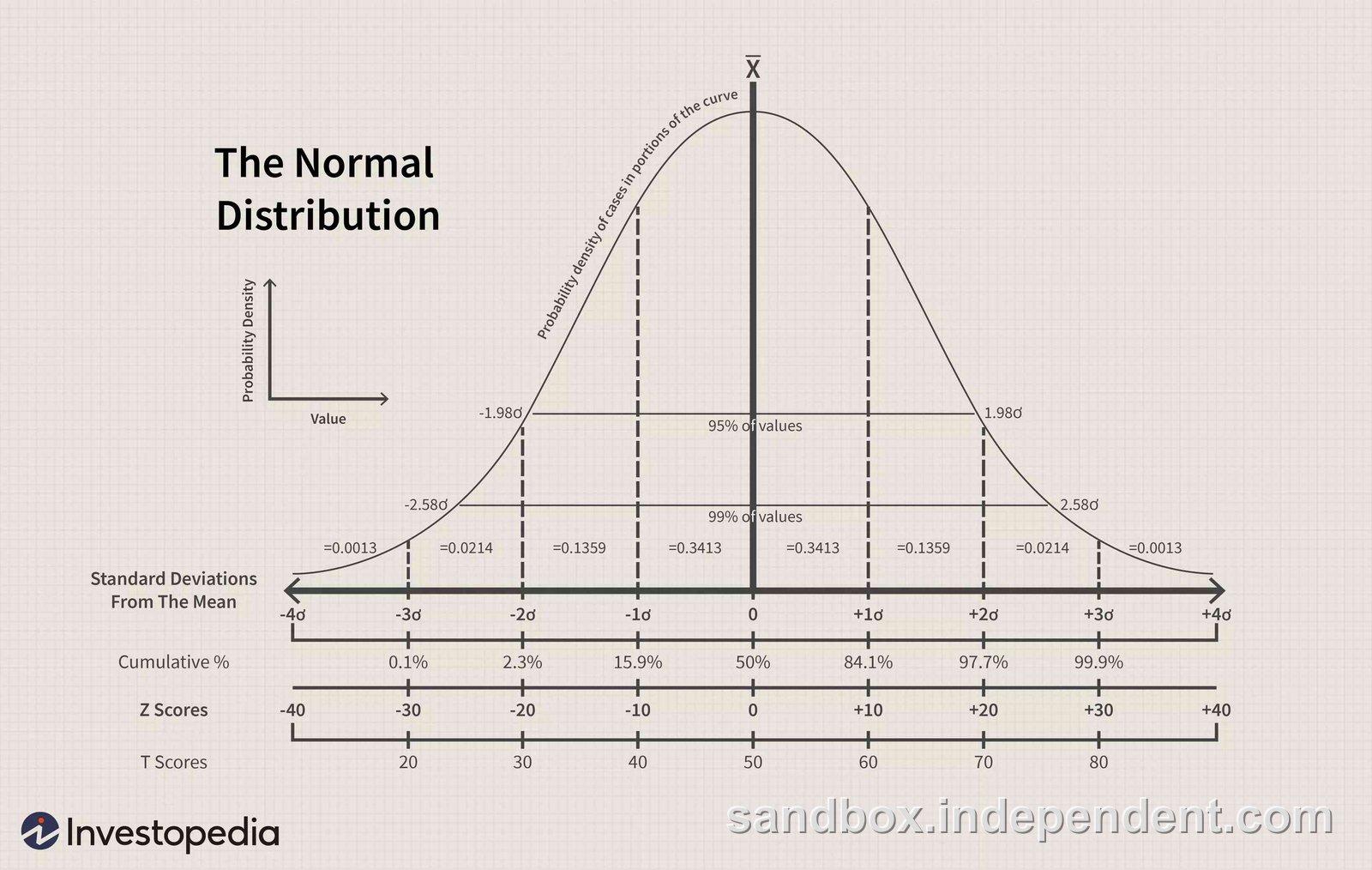
- Understand the price scale: The vertical axis represents the price range. Ensure you're aware of the scale and any potential adjustments due to stock splits or dividends.
- Recognize key metrics: Look for important price levels, such as support and resistance, which indicate potential buying or selling opportunities.
- Analyze trends: Observe the overall direction of the price movement. Is it trending upwards, downwards, or ranging sideways?
- Identify patterns: Price charts often display recognizable patterns like triangles, head and shoulders, or double tops. These patterns can signal potential reversals or continuations.
- Use technical indicators: Many charts offer additional tools like moving averages, RSI, or MACD. These indicators can provide insights into momentum, overbought/oversold conditions, and potential entry or exit points.
Common Misreadings and Pitfalls: Avoiding Mistakes
When interpreting price charts, it's essential to avoid common pitfalls:
- Don't rely solely on charts: While charts are powerful, they should be used in conjunction with other analysis methods and fundamental research.
- Be cautious of confirmation bias: It's easy to interpret charts to confirm your existing beliefs. Stay objective and consider all possibilities.
- Understand chart customization: Different platforms offer various customization options. Ensure you're familiar with the settings to avoid misinterpretations.
- Watch out for false signals: Not all patterns or indicators lead to the expected outcome. Always consider the bigger picture and use multiple signals for confirmation.
Key Factors Affecting Chart Accuracy and Real-World Use
Several factors can impact the accuracy and applicability of price charts:
Market volatility: Highly volatile markets can make it challenging to identify clear trends or patterns.
Time frame selection: Choosing the wrong time frame may lead to misinterpretations. Ensure it aligns with your trading strategy.
Data quality: Ensure you're using reliable and up-to-date data sources. Inaccurate data can skew your analysis.
Chart customization: Adjusting chart settings, like adding indicators or changing the price scale, can impact your interpretation.
Market conditions: External factors like economic news, political events, or seasonal trends can influence price movements, affecting chart patterns.
Choosing the Right Chart Format for Your Needs
The choice of chart format depends on your trading style and preferences:
- If you prefer simplicity and ease of interpretation, a line chart might be ideal.
- For detailed analysis and identifying specific price levels, bar charts offer more information.
- Candlestick charts are excellent for visualizing price patterns and understanding market sentiment.
- Consider your trading strategy and the specific insights you seek. Choose a format that aligns with your goals and provides the necessary data.
Remember, price charting apps are powerful tools, but they are just one piece of the puzzle. Combine them with other analysis methods and stay updated on market news to make well-informed trading decisions.
Well, there you have it! We've covered a lot of ground, from understanding the basics to diving into the practical aspects of using a price charting app.
Remember, while this guide provides a solid foundation, every situation is unique. So, before you finalize your charts and references, take a moment to ensure they align perfectly with your specific needs and context. It's a simple step but an important one!
Feel free to explore more of our guides; we've got a range of topics that might just spark your interest and offer practical insights. Happy charting!
Related: Understanding the Drill Tap Chart: A Simple Guide
Many folks tend to overlook the drill tap chart, assuming it's just a simple table, but it's a powerful tool with a hidden depth. This chart is a handy reference, often overlooked, yet it holds the key to precise drilling and tapping, ensuring your projects are spot on. While it may seem straightforward, there's more to it than meets the eye, and understanding its nuances is crucial for accurate results.
Understanding the Drill Tap Chart
The drill tap chart is a handy reference tool for anyone working with drills and taps. It provides a quick guide to selecting the right drill bit size for a specific tap size, ensuring a secure and efficient fit. This chart is a valuable resource for professionals and hobbyists alike, offering a simple way to determine the correct drill bit diameter needed to create the perfect thread for your tap.
Key Details and Categories
The drill tap chart typically displays two main categories: drill bit sizes and corresponding tap sizes. These sizes are usually presented in standard measurements, such as inches or millimeters, depending on the region and the standard being followed. The chart provides a clear, visual representation of the relationship between drill bit and tap sizes, making it easy to identify the appropriate drill bit for a given tap.
How to Read and Use the Chart
Using the drill tap chart is straightforward. Here's a step-by-step guide:
Identify the tap size you require for your project. This information is usually available on the tap packaging or can be found in the product specifications.
Locate the tap size on the chart. The tap size is typically listed on the left side of the chart, with corresponding drill bit sizes displayed across the top or in a separate column.
Find the intersection of the tap size and the drill bit size column. This intersection point indicates the recommended drill bit size for that particular tap.
Select the appropriate drill bit based on the chart's recommendation. Ensure you choose a drill bit with the correct diameter to achieve a precise and secure fit.
Double-check the tap drill size calculator or consult the chart again if you need to confirm the size for a specific tap. It's always a good practice to verify, especially for critical applications.
Variations and Differences
While drill tap charts provide a standardized guide, variations can occur due to different standards and regions. For instance, the metric drill tap chart may have slightly different values compared to the imperial (inch) chart. Additionally, some manufacturers might offer their own charts with specific recommendations, especially for unique or specialized tap designs. It's essential to be aware of these variations and refer to the appropriate chart for your specific needs and region.
Common Mistakes and How to Avoid Them
One common mistake is assuming that all drill tap charts are universal. Always ensure you are using the correct chart for your region and standard. Another pitfall is neglecting to verify the tap drill size calculator or chart for specific tap designs. Some taps, especially those with unique thread profiles, may require a slightly different drill bit size than what is commonly recommended. To avoid these issues, always double-check the exact specifications and consult the relevant charts or calculators for your specific application.
Well, there you have it! A drill tap chart is a handy tool to have in your back pocket, offering a quick and easy reference for your drilling and tapping needs. It's a simple concept but one that can save you time and ensure accurate results.
Remember, while these charts provide a great starting point, exact values can vary slightly depending on your specific context and the standard you're working with. So, always double-check your requirements before you begin. Consider this article your go-to guide; bookmark it for future reference, and you'll never be lost for the right drill tap info again!
Related: Construction Jobs Helena MT Essential Guide
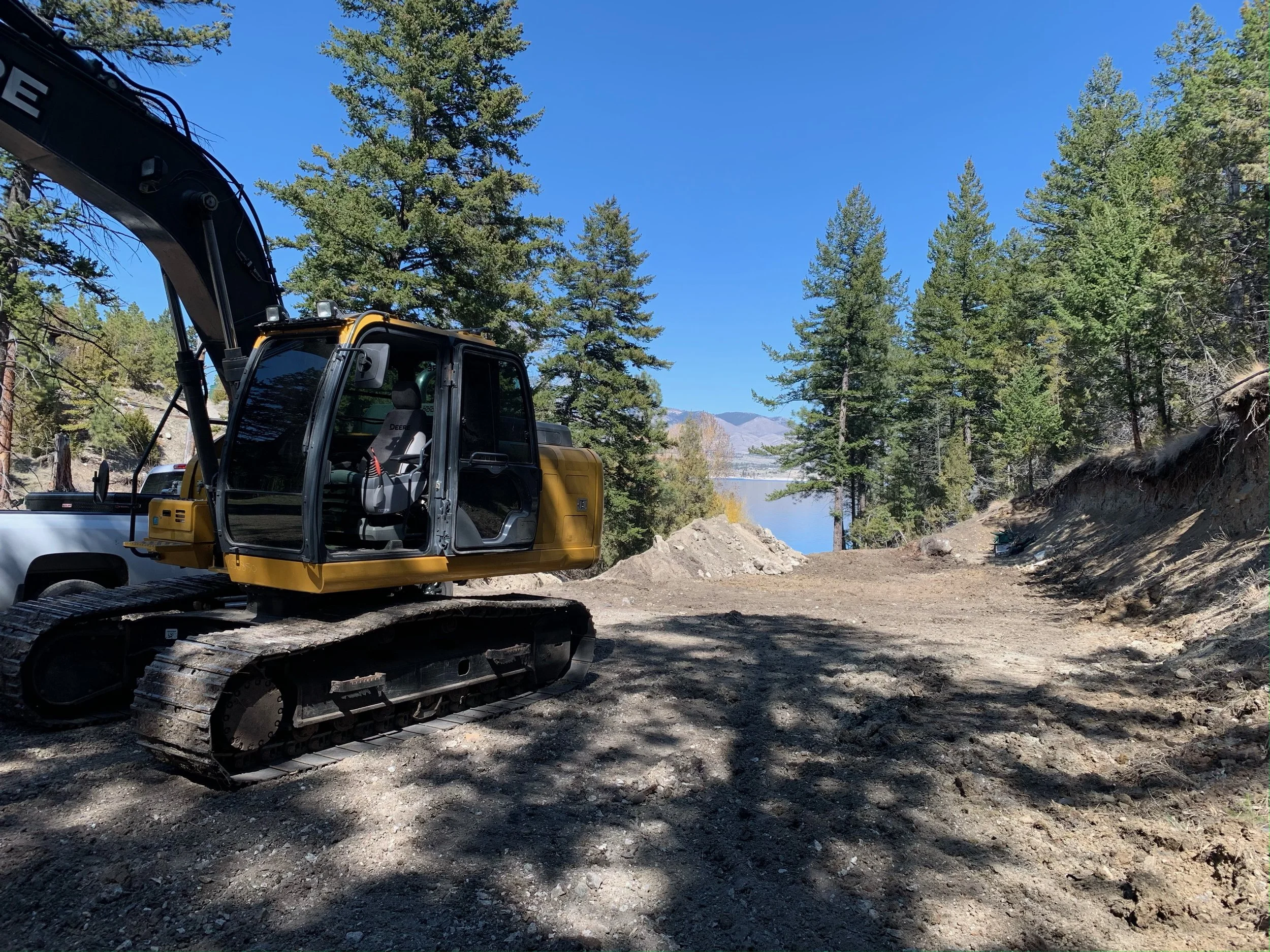
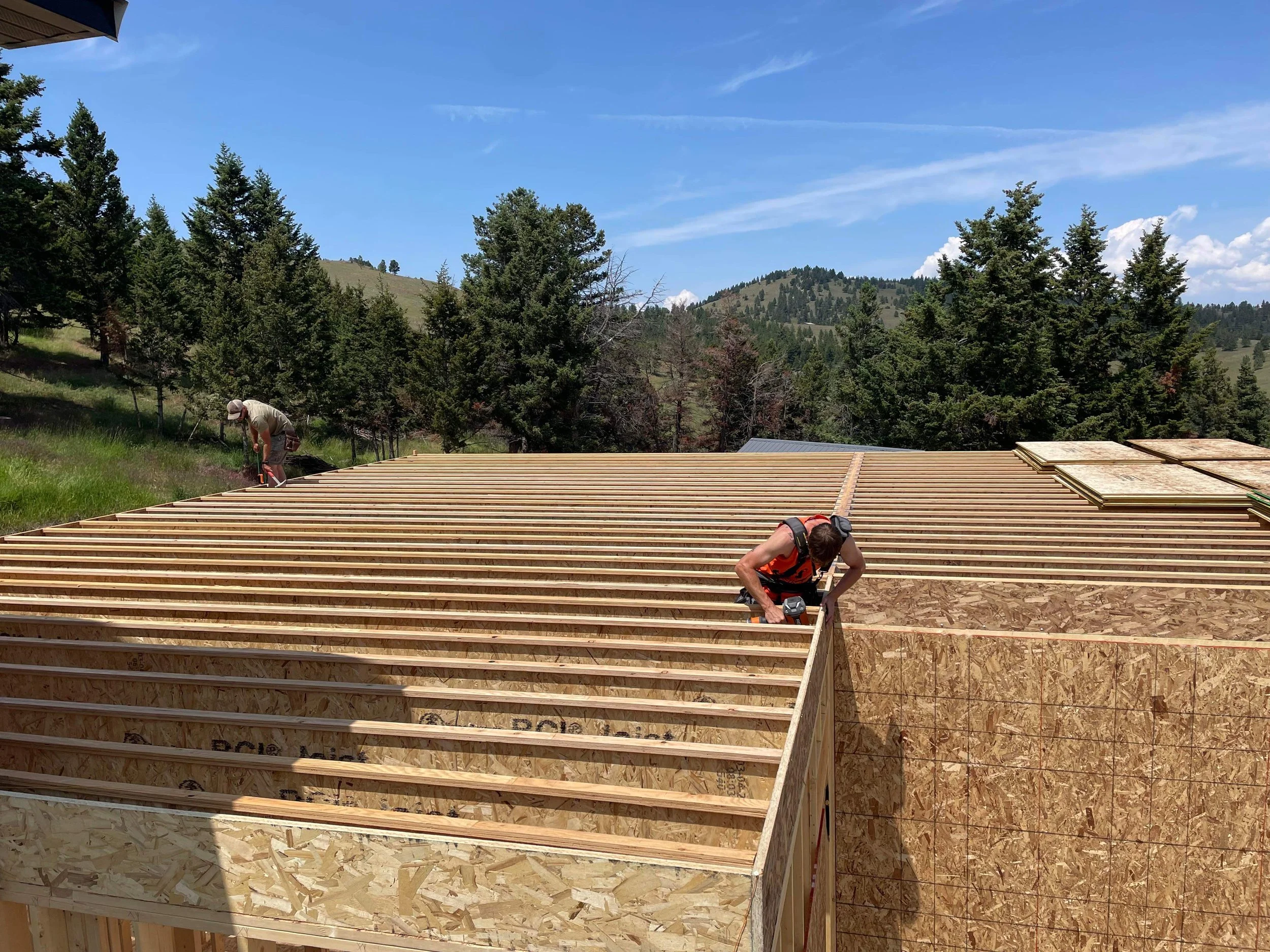
I was walking around Helena, MT, the other day, and it struck me how many construction sites there are. Construction jobs Helena MT are clearly in demand, and it got me thinking about all the opportunities and challenges in this industry. So, let's explore what's going on in the world of construction and building in this beautiful city.
Building a Career in Construction
Construction jobs Helena MT offer a range of opportunities for those interested in the industry. From general contractors to specialized tradespeople, there's a role for many skill sets. Whether you're an experienced builder or new to the field, there are paths to consider.
For those looking to start a business, the construction industry provides an exciting avenue. With the right skills and a solid business plan, you can establish your own company, offering services like home remodeling or new builds. It's a competitive market, but with the right approach, you can find your niche.
Finding the Right Contractor
When it comes to hiring a contractor for your building project, it's crucial to do your research. Check their credentials, ask for references, and ensure they have the necessary licenses and insurance. A good contractor will provide a detailed quote, outlining the scope of work and any potential additional costs.
Compare quotes from multiple contractors to ensure you're getting a fair deal. Don't just go for the cheapest option; consider the quality of work and the contractor's reputation. It's a balance between finding a competitive price and ensuring the job is done right.
Naming Your Construction Business
Choosing a name for your construction business is an important step. It needs to be memorable, reflect your services, and stand out in a crowded market. Avoid generic names and opt for something unique that will stick in people's minds.
Here are a few name ideas to get you started:
- Mountain Peak Builders
- Helena Home Remodelers
- Big Sky Construction Co.
- Northern Lights Builders
- Rock Solid Renovations
Remember to check name availability and secure the right domain and local registrations before finalizing your business name.
Industry Tools and Data
The construction industry relies on various tools and data to operate efficiently. One such tool is RSMeans, a cost database that provides accurate estimates for construction projects. It's a valuable resource for contractors and builders, helping them plan and manage costs effectively.
Construction cost indexes are another essential tool, providing insights into the current market and helping contractors and clients understand the financial landscape. These indexes consider factors like labor, materials, and location, offering a comprehensive view of construction costs.
Large vs. Small Firms
The construction industry is diverse, with a range of company sizes. Large firms often have the resources to take on bigger projects and may offer a wider range of services. They can provide stability and a broader skill set.
However, small firms can offer a more personalized service and may be more flexible in their approach. They often have a strong local presence and can provide a more tailored experience. It's a matter of finding the right fit for your needs and preferences.
So, whether you're looking for a career in construction, hiring a contractor, or starting your own business, construction jobs Helena MT offer a wealth of opportunities. It's an exciting industry with a lot to offer, and with the right approach, you can find success and satisfaction.