

Simple Html Invoice Template Free Codepen Overview
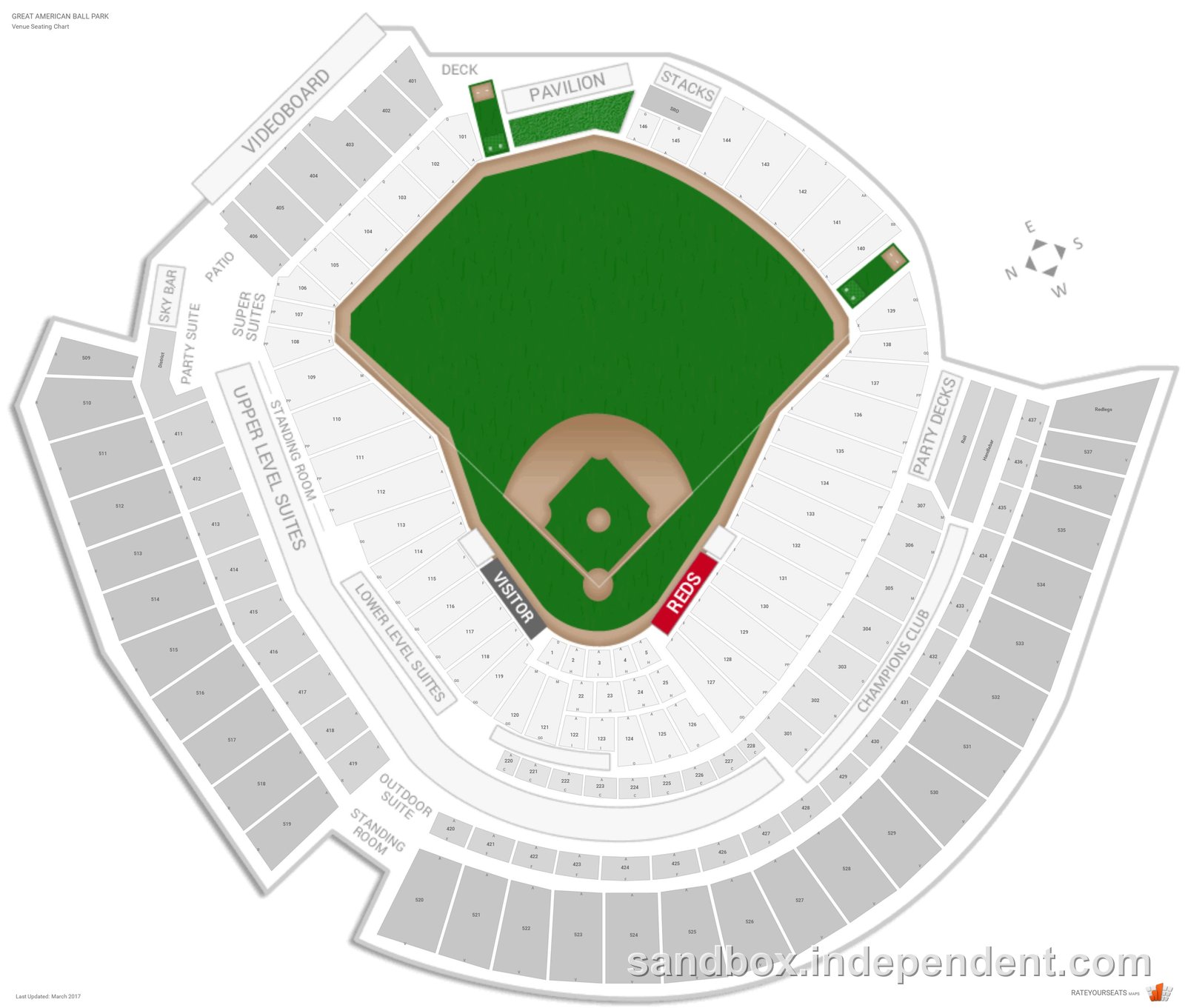
Many fans might feel overwhelmed when first looking at a Mets seating chart, thinking it's a complex puzzle. But fear not! It's a simple tool to navigate and enjoy the game.
The chart is your guide to finding the perfect spot at Citi Field. With various sections and views, you can choose your ideal seat, whether you prefer being close to the action or having a panoramic view. It's worth noting that seat prices can vary, so it's a good idea to explore the different options and find the best value for your preferred experience.
Understanding the Mets Seating Chart
The mets seating chart is your guide to navigating the iconic Citi Field stadium and choosing the perfect seats for your baseball experience. This chart provides a visual representation of the stadium's layout, helping fans understand the different sections, seat numbers, and views.
Key Details and Categories
When examining the mets stadium seating chart, you'll notice it's divided into various sections, each with its own unique features and amenities. These sections are typically labeled with letters or numbers, and each has a distinct seating arrangement. The chart will also display the row numbers within each section, allowing you to identify your seat's exact location.
Reading and Applying the Seating Chart
Here's a step-by-step guide to using the mets seating chart effectively:
- Start by identifying the section you're interested in. Each section offers a different perspective and atmosphere, so choose based on your preferences.
- Within your chosen section, look for the row number that aligns with your ticket. This will help you find your seat quickly and easily.
- Consider the view from your seat. The citi field seating view can vary depending on the section and row. Some seats offer a more intimate view of the field, while others provide a broader perspective.
- Take note of any amenities or features specific to your section. For instance, certain sections may have better access to concessions or offer a more relaxed, family-friendly environment.
Variations and Differences
It's important to note that mets seating charts can vary slightly depending on the game or event. Factors such as special promotions, concerts, or other events may impact the seating arrangement and availability. Additionally, weather conditions or field maintenance can sometimes lead to last-minute changes. Always double-check the mets ticket prices by seat and any specific event details to ensure an accurate understanding of the seating chart for your chosen game.
Remember, the mets seating chart is your tool to navigate and enjoy the game to the fullest. With a little knowledge and planning, you can make the most of your baseball experience at Citi Field!
Well, there you have it! You're now equipped with the knowledge to navigate the Mets seating chart like a pro. Remember, when it comes to seating charts, there's no one-size-fits-all approach. So, always double-check the specifics for your game day experience.
Feel free to explore our other guides and resources for more baseball-related tips and tricks. We've got you covered, whether you're a seasoned fan or a newcomer to the sport. Happy reading, and here's to an awesome season ahead!
Related: Link Seal Chart: Your Simple Reference Guide
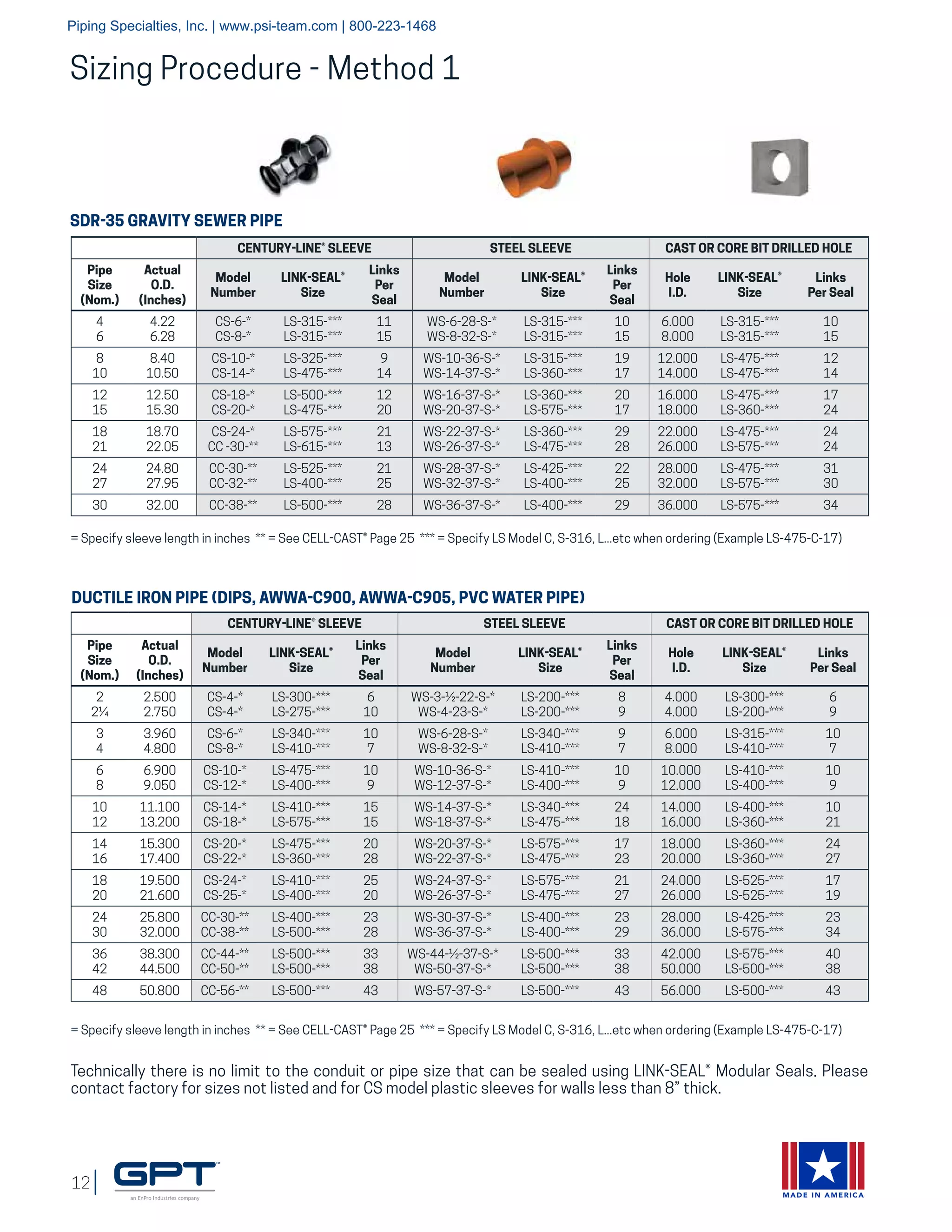
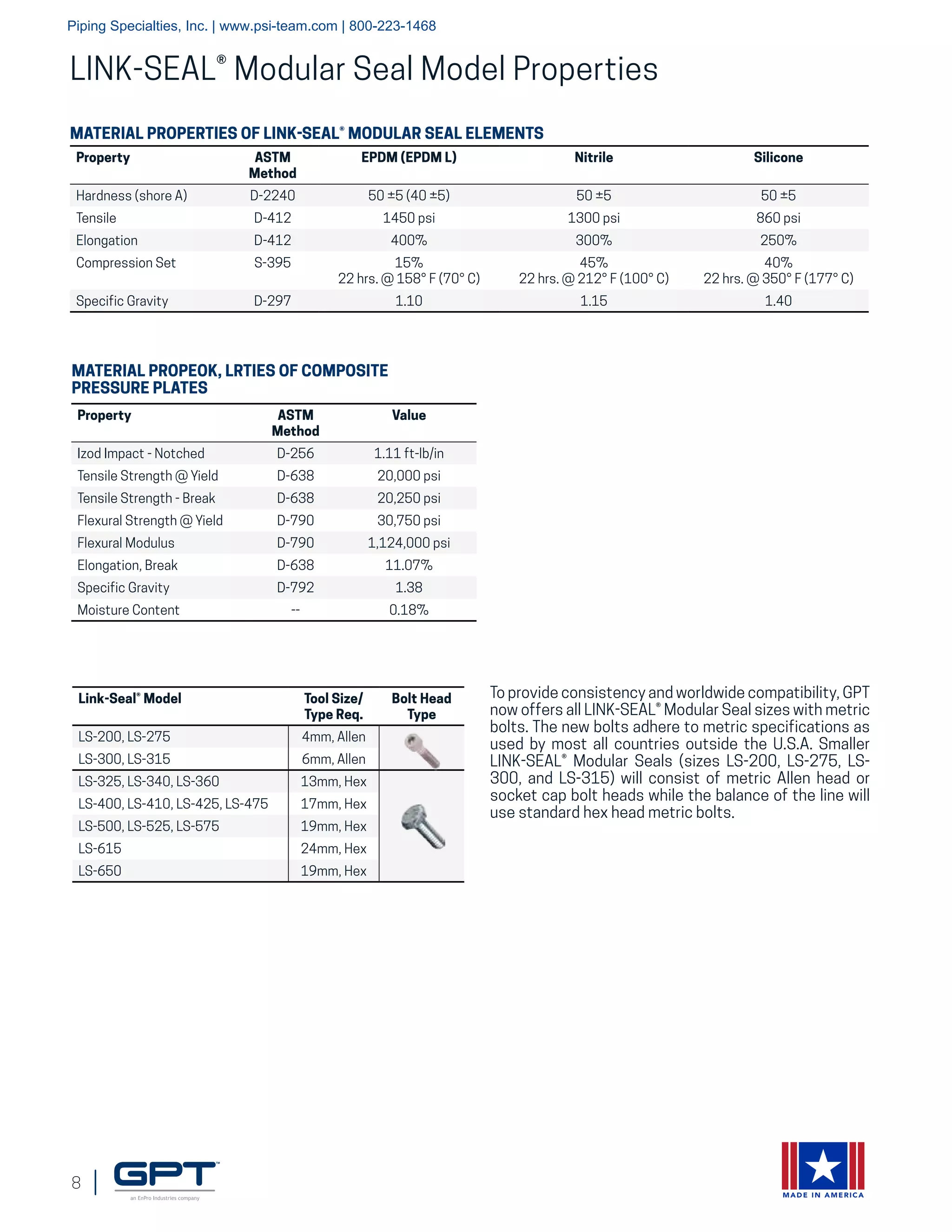
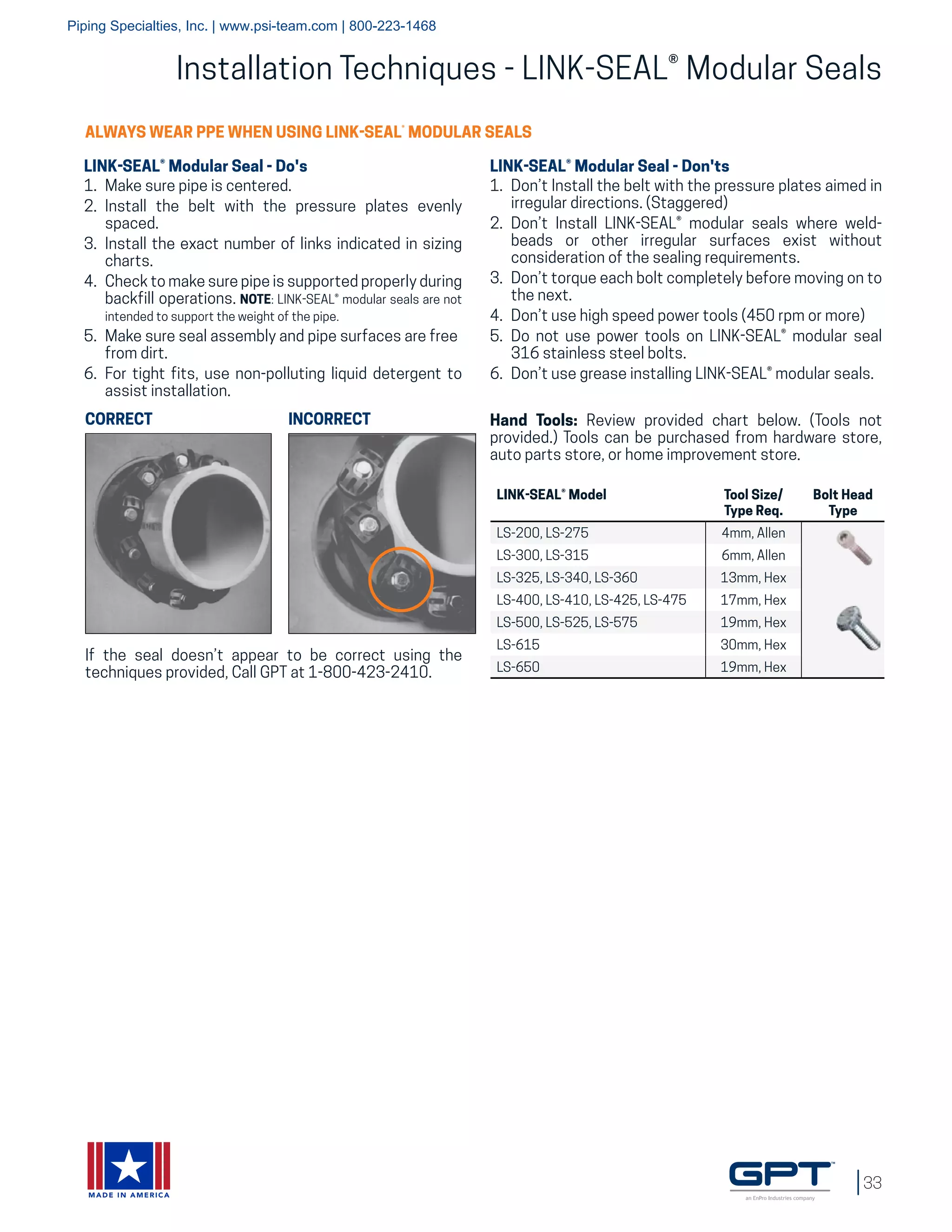
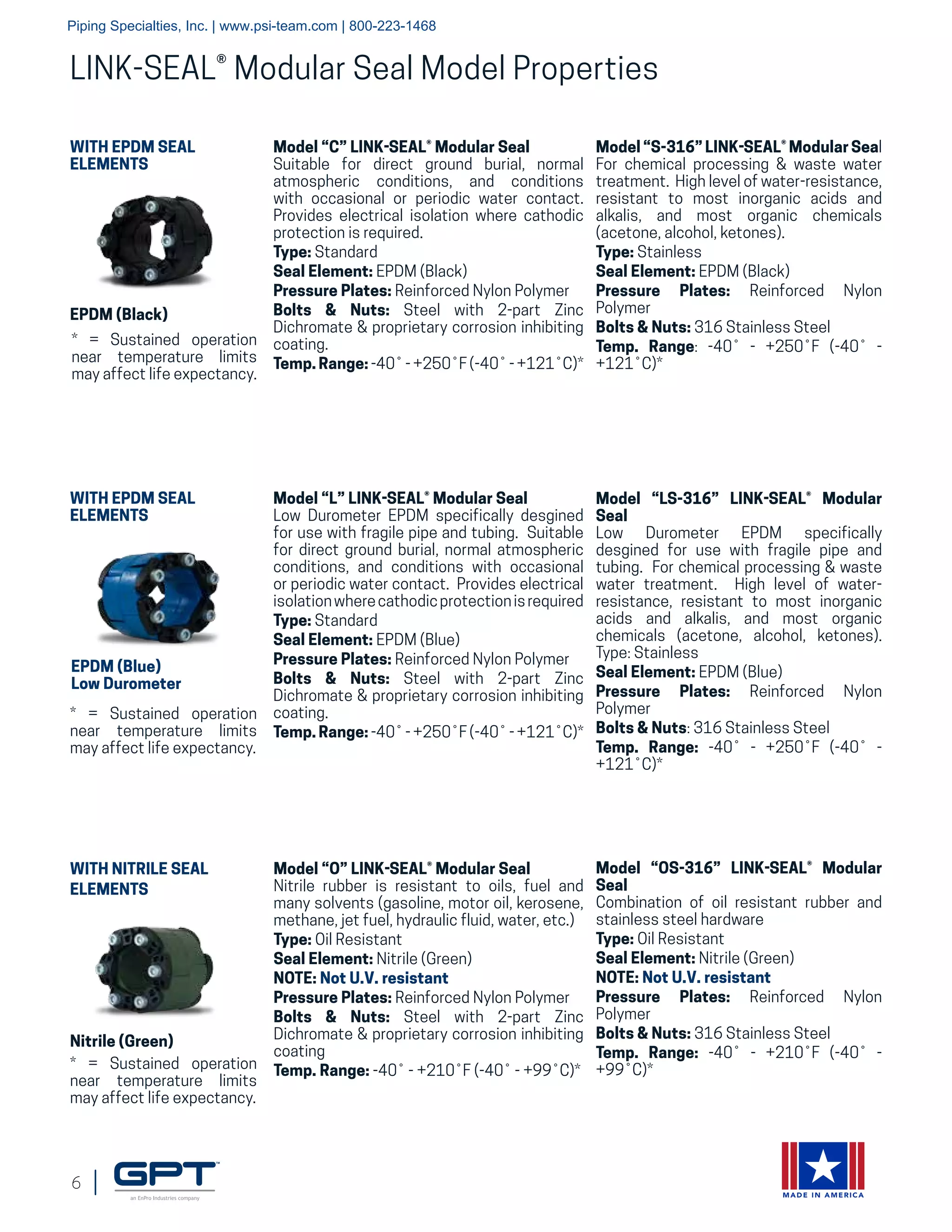
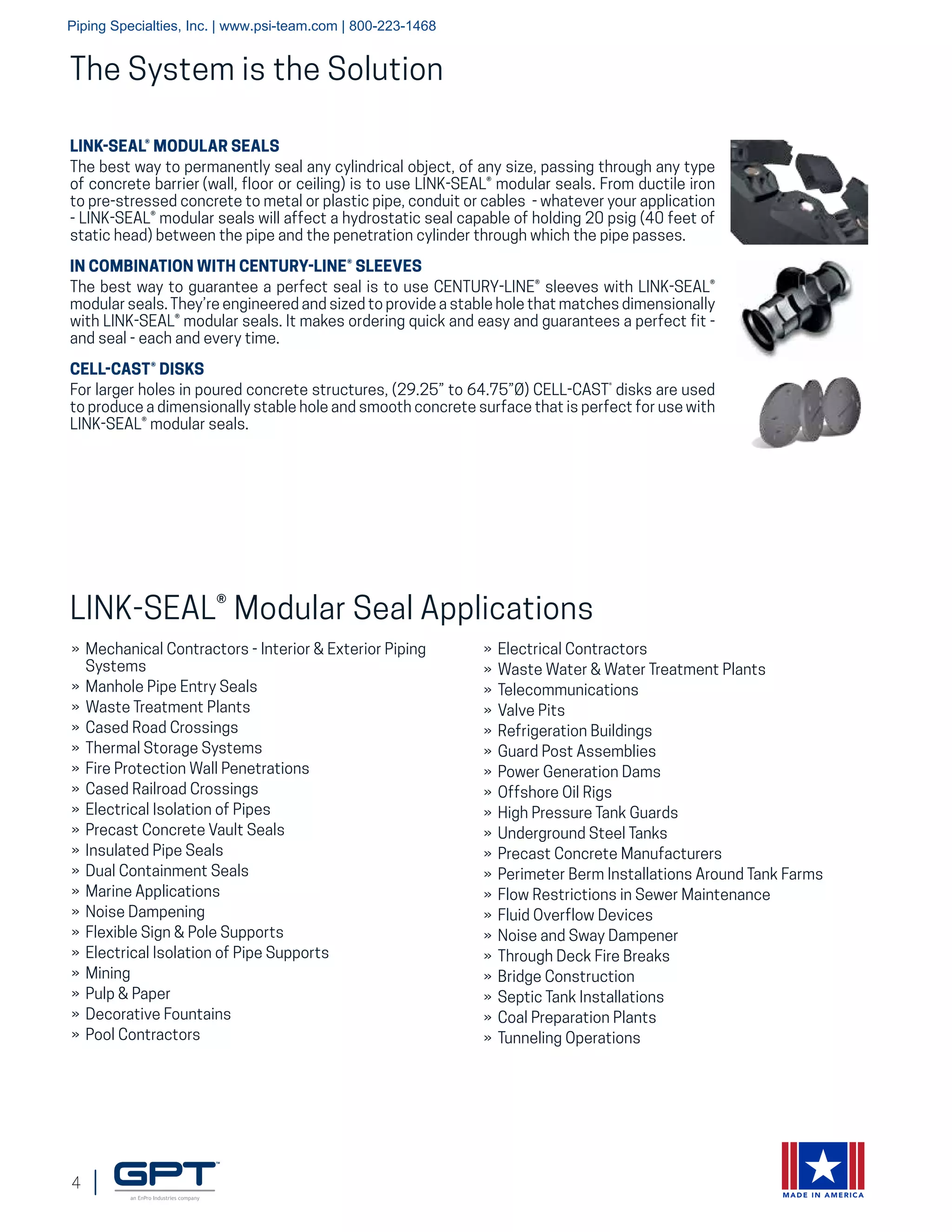
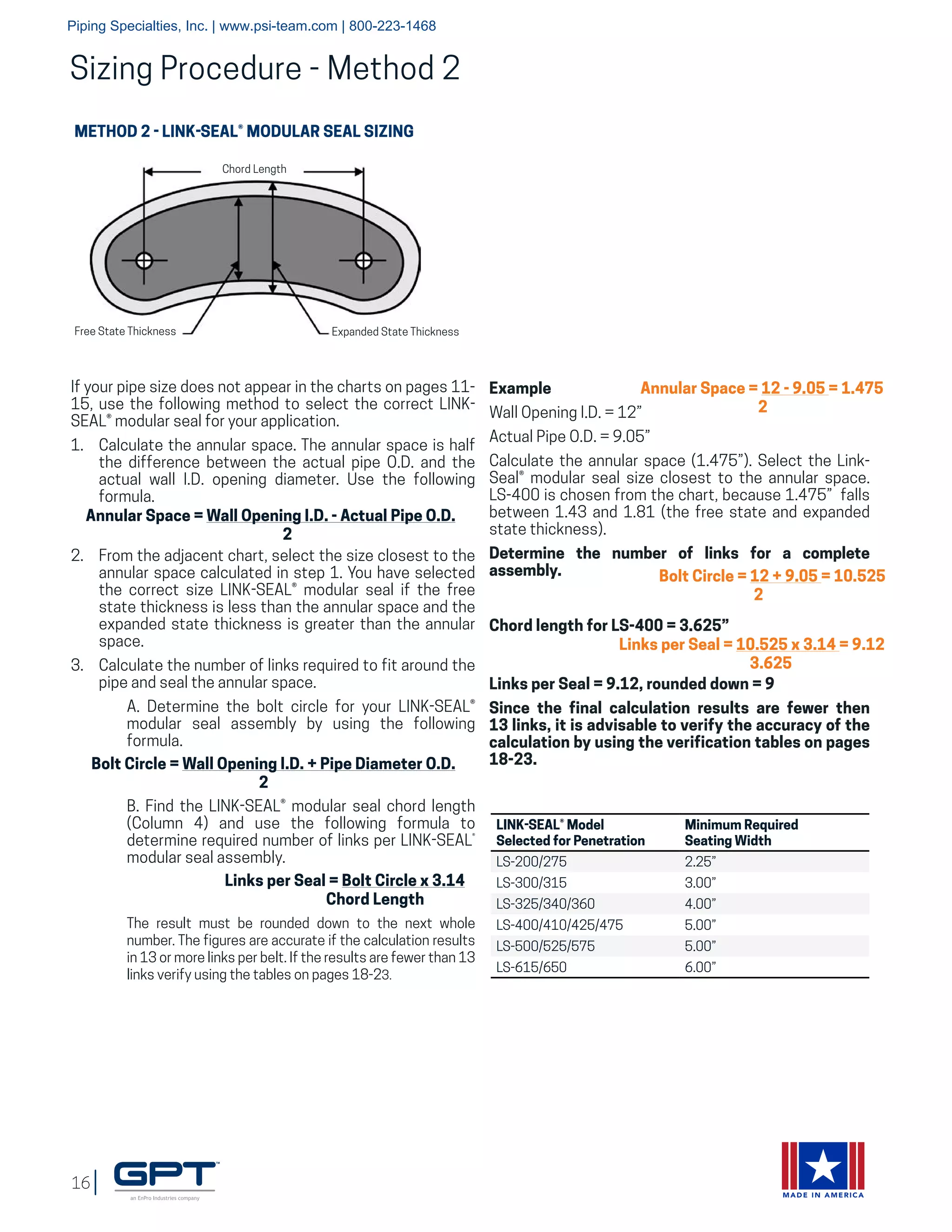
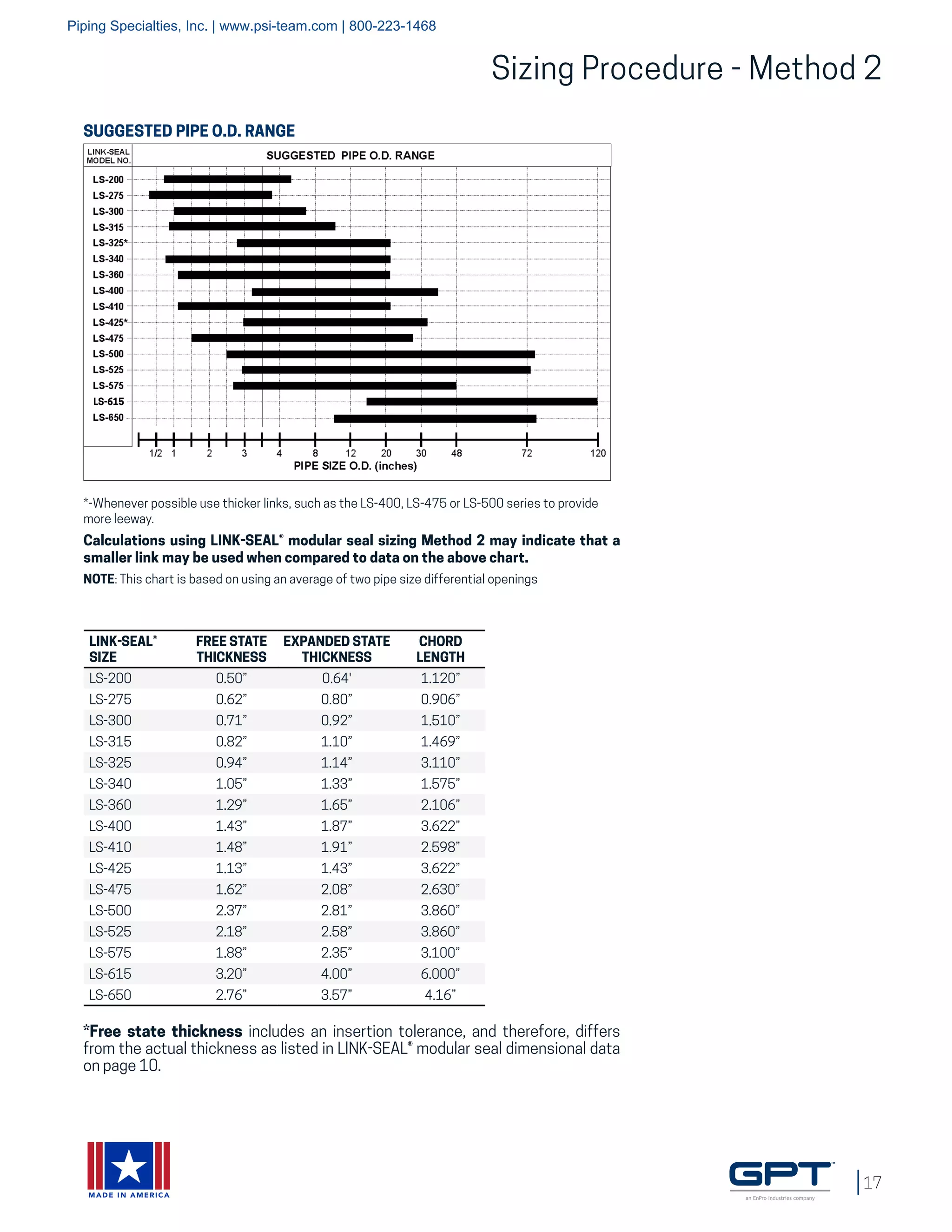
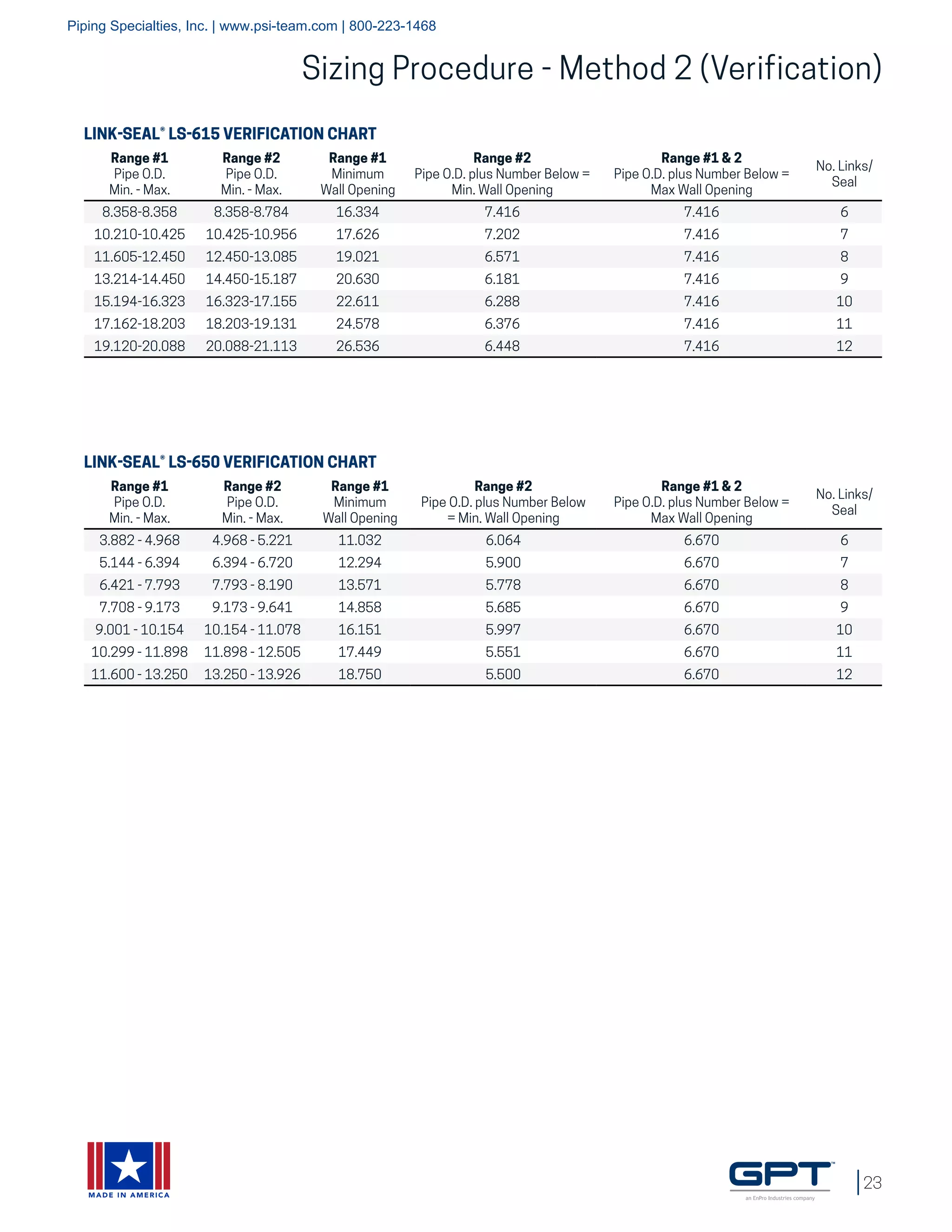
You're probably familiar with the link seal chart, a handy reference tool for anyone working with seals and their applications. It's a simple yet effective visual guide, offering a quick and reliable way to understand seal measurements and types. This chart, with its clear layout, provides an efficient solution for those seeking precise information without the need for extensive research. While the values and formats may vary depending on certain factors, the link seal chart serves as a valuable starting point, ensuring you have the right data at your fingertips.
Link Seal Chart: Unlocking the Secrets of Effective Sealing
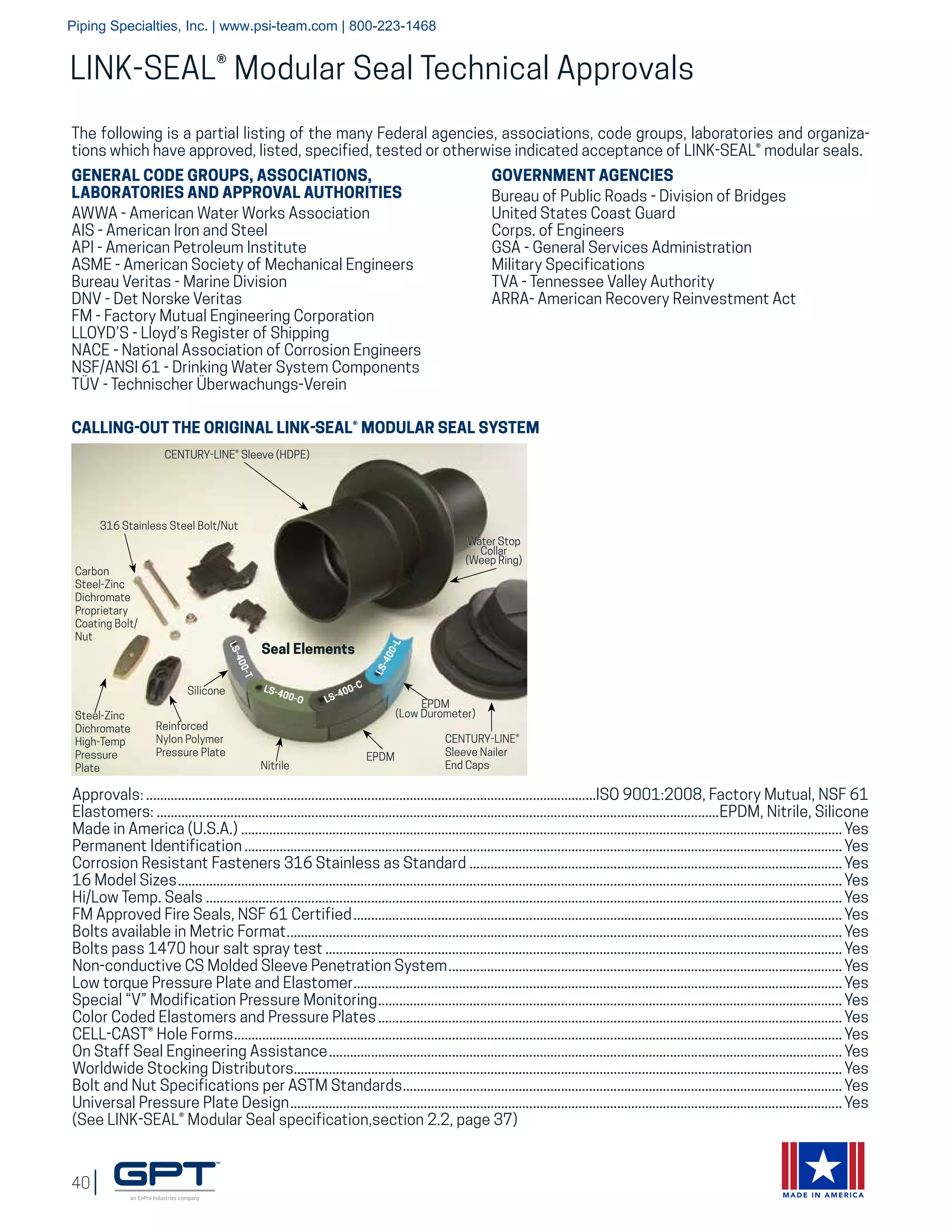
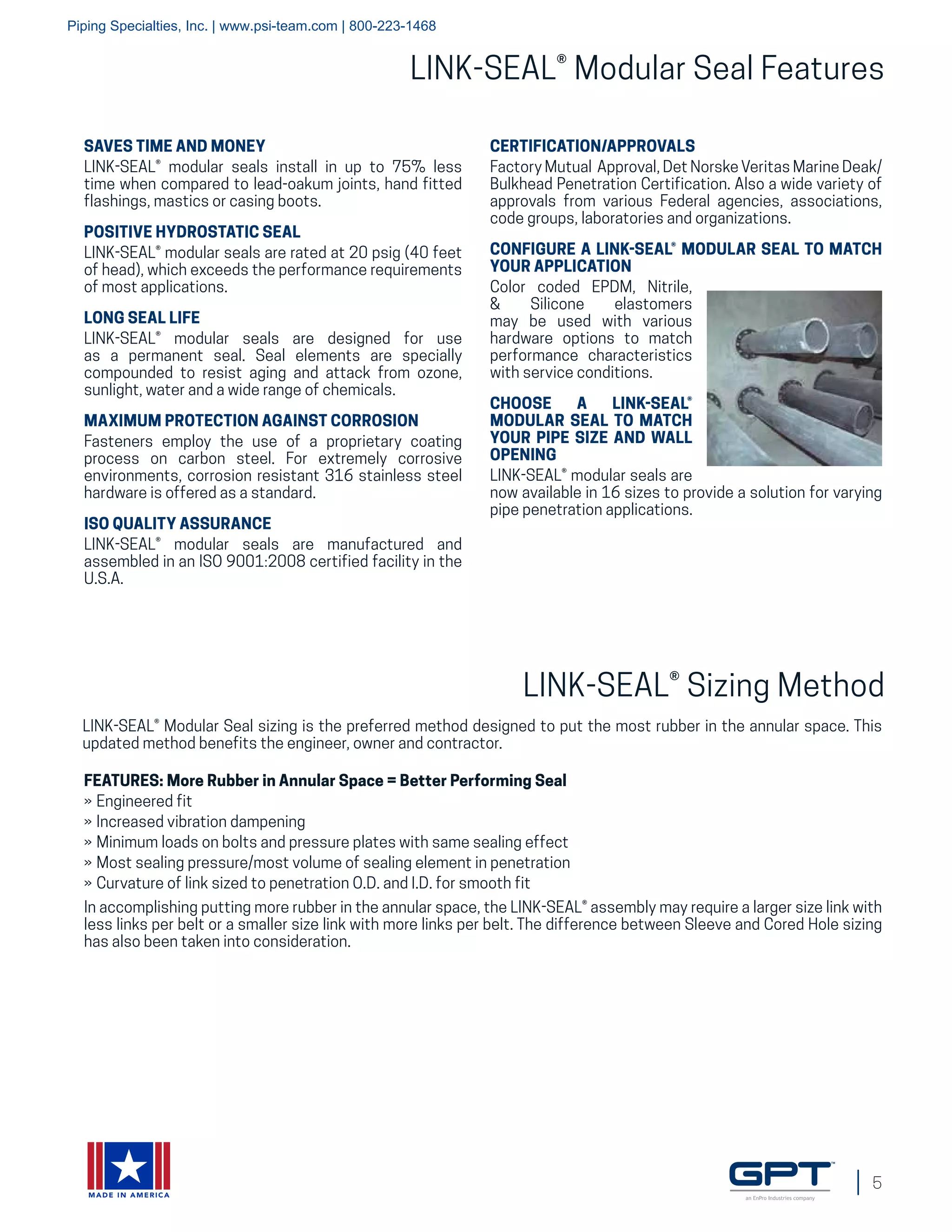
The link seal chart is a valuable tool for anyone involved in construction, engineering, or industries requiring precise sealing solutions. This reference guide provides a clear understanding of the various seal types, their dimensions, and their applications. By using the link seal diagram, you can make informed decisions and ensure successful installations.
Key Measurements and Categories
The chart presents a comprehensive overview of standard link seal dimensions, offering a quick reference for professionals. It typically includes columns indicating the seal type, its size or diameter, and other relevant specifications. Common seal types, such as single, double, or triple-link seals, are categorized and measured in inches or millimeters, depending on the standard being used. Each seal type has its unique characteristics and is designed for specific purposes.
Understanding the Chart: A Step-by-Step Guide
Reading the link seal chart is straightforward. First, identify the seal type you require for your project. The chart will provide a range of options, each with its own set of dimensions. Pay close attention to the seal's diameter, as this is a critical measurement for proper installation. Additionally, the chart may offer insights into the seal's material, which is essential for compatibility and durability considerations.
Here's a simple step-by-step process:
- Identify the seal type needed.
- Locate the seal on the chart and note its diameter.
- Check the material and ensure it aligns with your project requirements.
- Cross-reference with industry standards or manufacturer specifications for any specific tolerances or additional details.
Seal Variations and Practical Tips
While the link seal chart provides a valuable framework, variations can occur due to industry standards, regional differences, and specific use cases. It's essential to be aware of these potential discrepancies. Here are some key factors to consider:
- Standard link seal dimensions may differ slightly between regions, so always double-check the relevant standards for your location.
- Manufacturer-specific charts might offer unique seal types or measurements, so refer to their guides for accurate information.
- Environmental factors, such as temperature and pressure, can influence seal performance, so choose seals suitable for your application.
Remember, the link seal chart is a practical tool, but it's essential to adapt and verify the information for your specific project needs. With this guide, you can confidently navigate the world of sealing solutions and ensure successful installations.
Hey there! I hope this link seal chart has been a helpful reference for you. Remember, while the basics remain consistent, the exact details can shift a little based on your specific context or the standards you're working with.
Feel free to keep this page bookmarked for future use. It's always handy to have a quick, reliable guide like this at your fingertips. You might also want to explore some of our other practical guides for more tips and tricks. Happy referencing!
Related: Need a Hair Color Guide? Use Our Simple Chart
Many people approach hair colors charts with a bit of trepidation, assuming they are complex and confusing. But fear not! These charts are your friends and can be incredibly useful tools.
They provide a simple, visual way to understand and choose hair colors. While the specific values and formats may vary, the hair colors chart remains a reliable guide, offering a clear path to achieving your desired hair color. Think of it as a map, leading you to your perfect shade, with the color wheel and hair color levels acting as your compass.
Hair Colors Chart: A Visual Guide to Hair Dye Shades
The hair colors chart is a handy reference tool for anyone looking to experiment with hair dye. It's a visual representation of different hair colors, shades, and tones, helping you choose and understand the various options available. This chart is a great starting point for anyone new to hair coloring or those seeking a specific shade.
Key Details and Categories
The hair color guide typically features a range of colors, organized into sections or families. You'll often find categories like "blonde," "brunette," "red," and "black," with further subdivisions for specific shades. Each color is usually represented by a swatch or a small square, showing the exact shade. Additionally, the chart may include a color wheel or a visual representation of color theory, which helps understand the relationships between colors.
Reading and Applying the Chart
To use the hair colors chart, start by identifying the color family you're interested in. Let's say you're looking for a specific shade of brown. Locate the "brunette" section and explore the various shades within. Each shade will have a unique code or number, which represents the specific formulation of that color. These codes are essential when purchasing hair dye, as they ensure you get the exact shade you want.
Here's a step-by-step guide:
- Identify the color family.
- Locate the specific shade you desire.
- Note the corresponding code or number.
- Use this code when purchasing hair dye to ensure an accurate match.
Variations and Differences
It's important to note that hair color charts may vary depending on the brand or manufacturer. Different companies may use slightly different shades or numbering systems. Additionally, the way hair reacts to dye can vary based on individual hair types and previous coloring treatments. Here are some key factors that can cause variations:
- Tone and depth: Hair color can appear different depending on the natural tone and depth of your hair.
- Previous coloring: If your hair has been dyed before, the new color may interact with the existing dye, resulting in a unique outcome.
- Hair type: The porosity and texture of your hair can affect how it absorbs and holds color.
- Environmental factors: Sun exposure and water quality can impact the longevity and vibrancy of your hair color.
When using a hair color chart, it's always a good idea to consult with a professional stylist, especially if you're aiming for a specific look or have unique hair characteristics. They can guide you towards the best shade and provide tips for achieving and maintaining your desired hair color.
Hey there! So, we've covered a lot of ground with this hair color chart, and I hope it's given you a clear picture of what you need to know. Remember, these charts are a great starting point, but exact details can differ slightly, so it's always good to double-check.
Feel free to explore our other guides; we've got plenty of practical tips and tricks to help you navigate the world of hair care and styling. Happy coloring!