

Simple Invoice Windows Overview
You're probably here because you need a quick answer, a simple guide to help you understand nipple size charts and their purpose. It's a common query, and these charts are more useful than you might think! They provide a straightforward way to measure and compare nipple sizes, often alongside other breast-related measurements. While the values may vary depending on the source, a nipple size chart can be a handy reference tool, especially when paired with a bra size guide or areola size chart.
Understanding the Nipple Size Chart
The nipple size chart is a handy reference tool that provides a standardized way to measure and categorize nipple sizes. It offers a simple and visual guide to help individuals understand their nipple dimensions and find the right products or solutions based on size. This chart is particularly useful for those seeking nipple piercings, nipple jewelry, or even nursing aids, as it ensures a comfortable and accurate fit.
Key Details and Categories
The nipple size chart typically displays nipple diameters, measured in millimeters (mm) or inches, depending on the standard being used. It categorizes nipples into size ranges, often with labels like "Small," "Medium," "Large," and so on. These categories provide a quick reference for individuals to identify their nipple size without the need for precise measurements.
Reading the Measurements: A Step-by-Step Guide
Start by locating the chart's measurement scale. This scale will typically run along one edge of the chart, indicating the nipple diameters in either mm or inches.
Next, identify the category labels. These labels, such as "Small," "Medium," or "Large," are usually positioned above or below the measurement scale, indicating the size range.
To determine your nipple size, measure the diameter of your nipple using a ruler or a specialized nipple gauge. Ensure you measure from the base of the nipple, where it meets the areola, to the tip.
Compare your measured diameter to the scale on the chart. Find the corresponding size category, and you've identified your nipple size!
Common Variations and Differences
It's important to note that nipple size charts may vary depending on the standard or region. For instance, a chart designed for the US market might use inches as the unit of measurement, while an international chart might use millimeters. Additionally, some charts may provide more detailed size categories, especially for specialized products like nipple jewelry, which require precise sizing.
Mistakes to Avoid
One common mistake is assuming that all nipple size charts are the same. Always check the units of measurement and the source of the chart to ensure it aligns with your needs. Another pitfall is relying solely on category labels without measuring your nipples. While categories provide a quick reference, precise measurements are essential for an accurate fit, especially for delicate items like piercings or jewelry.
Practical Tips for Accurate Results
When measuring your nipples, ensure you're in a relaxed state. Nipple size can vary slightly depending on factors like temperature and arousal, so it's best to measure when you're comfortable and at rest. If you're measuring for piercings or jewelry, consider consulting a professional piercer or a medical professional for guidance and to ensure you're using the correct techniques and tools.
Double-Checking and Edge Cases
While the nipple size chart provides a useful guide, it's not an exact science. Individual variations and unique anatomical features can sometimes fall outside standard size categories. In such cases, it's essential to consult a professional or the manufacturer's guidelines for specific products. They may provide additional sizing information or custom solutions to accommodate unique nipple sizes.
Hey there, we've covered a lot of ground on this topic, and I hope it's been helpful! Remember, when it comes to nipple size charts, the exact measurements can vary slightly depending on the source or standard you're using, so it's always good to double-check.
This guide aims to provide a straightforward reference, but every body is unique, and so are their measurements. So, if you ever need a quick reminder or want to explore other related topics, feel free to bookmark this page for future use. It's always handy to have these practical guides at your fingertips!
Related: Unraveling the DVC Points Chart: A Simple Guide
A DVC points chart is a handy tool for Disney Vacation Club members, offering a clear and concise way to visualize and understand their points system. This guide will take you through the essentials, covering what you need to know to navigate and utilize the DVC points chart effectively.
It's a simple yet powerful resource, providing an at-a-glance overview of your points and their potential, with variations depending on your region and membership type.
Understanding the DVC Points Chart
The DVC points chart is your guide to navigating the Disney Vacation Club (DVC) points system. It's a handy tool that helps you understand the value of your DVC points and how they can be used across different Disney resorts and accommodations. This chart is a reference for members to plan their vacations and make the most of their points.
Comparing Point Values and Categories
The DVC points chart typically displays point values for various Disney properties, categorized by resort and room type. You'll find columns for different resorts, with rows indicating the point cost for each room category. These categories might include standard rooms, preferred rooms, or even villas, each with its own point value. It's important to note that point values can vary based on the resort's location, amenities, and demand.
Reading the Points Chart: A Step-by-Step Guide
Start by identifying the resort you're interested in. Each resort will have its own column on the chart. Next, locate the specific room category you prefer. The corresponding point value will be displayed in that cell. For example, if you want a standard room at Resort A, find "Resort A" on the chart, then look for the "Standard Room" category. The point value in that cell is what you'll need for your stay. Remember, these points are flexible and can be used across different resorts, so you have options!
Avoiding Common Misreadings
One common pitfall is assuming that all resorts and room types have the same point values. This is not the case; each resort's point values are unique. Another mistake is not considering the time of year. Point values can fluctuate based on seasonality and demand, so always check the chart for the specific dates you're planning to travel. It's also important to note that the DVC points chart may not cover every single resort or room type. Some specialty accommodations or unique experiences might have their own point values, so it's wise to double-check with Disney or a DVC guide for these exceptions.
Factors Affecting Point Variations
Point values on the DVC points chart can vary due to several factors. Here are some key influences:
- Resort Location: Resorts in high-demand areas, like popular theme park locations, often have higher point values.
- Seasonality: Point costs can increase during peak travel seasons, such as school holidays or summer months.
- Room Amenities: Rooms with special features, like a balcony or a better view, may require more points.
- Resort Facilities: Resorts with extensive amenities, like water parks or multiple dining options, might have higher point values.
- Room Size and Capacity: Larger rooms or those accommodating more guests usually require more points.
Adapting the Chart for Your Needs
While the standard DVC points chart is a great starting point, you might need to adapt it for your specific vacation plans. Here are some tips:
- If you're planning a large family vacation, consider the room's capacity and ensure it aligns with your needs.
- For a more luxurious stay, look for resorts with higher-end amenities and check their point values.
- If you're flexible with dates, you can save points by choosing off-peak travel periods.
- Use a DVC points calculator or consult a Disney points conversion guide to estimate the points needed for your desired resort and room type.
- Keep an eye on vacation club points charts for any updates or changes, especially if you're planning far in advance.
Well, there you have it! A comprehensive guide to navigating the world of DVC points. We've covered the basics, compared the options, and provided a step-by-step process to ensure you're on the right track.
Remember, every situation is unique, so be sure to tailor these insights to your specific needs. Double-check the factors that impact your context, and you'll be well on your way to making informed decisions. This chart is a handy reference, so bookmark this page for future use. It's always good to have a quick reminder when you need it!
Related: Find the Right Dog Size: A Simple Chart
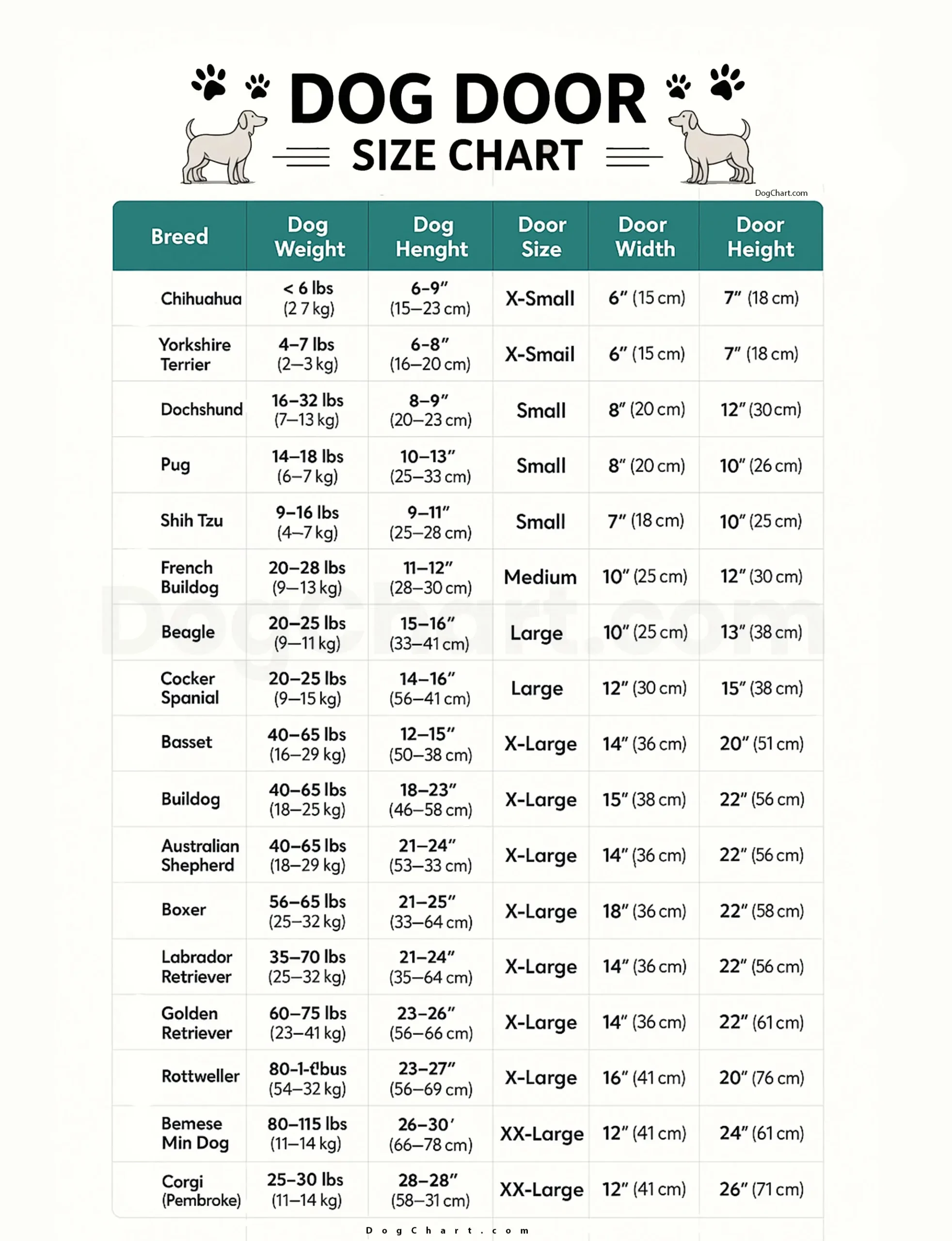
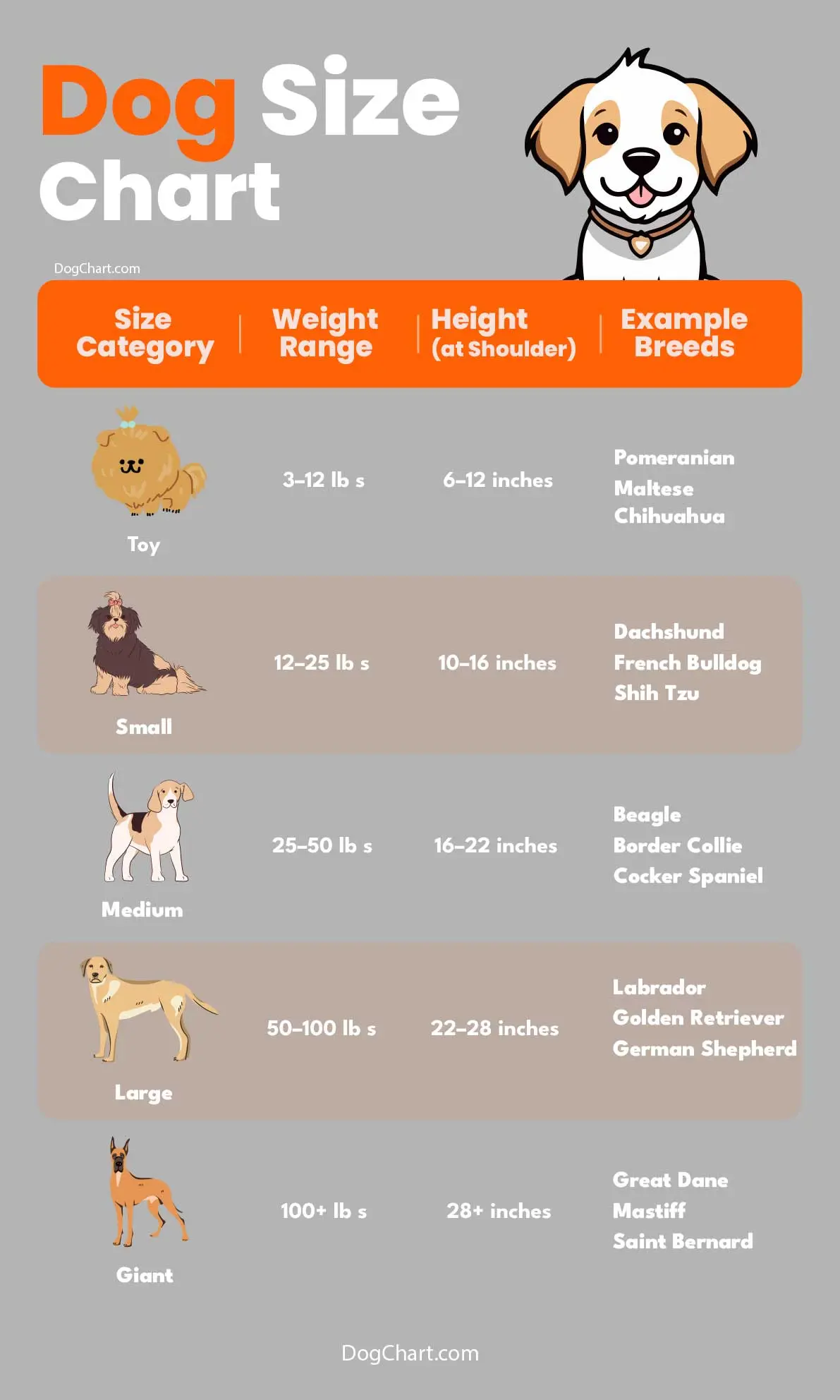
You're likely here because you need a quick reference, a reliable guide to help you understand dog size charts and their applications. These charts are an essential tool for anyone dealing with canine care, offering a simple yet effective way to visualize and compare dog sizes. From small dog breeds to larger ones, the dog size chart provides a clear overview, often including weight charts and breed size standards. It's a handy resource, especially when metric conversions or imperial measurements are involved.
Understanding the Dog Size Chart: A Practical Guide
The dog size chart is a valuable tool for anyone wanting to quickly estimate a dog's size and understand its standard category. This chart provides a visual reference, typically using height and weight measurements, to categorize dogs into various size groups. It offers a convenient way to grasp the size range of different breeds and individual dogs.
Standard Size Categories: Comparing the Options
The dog size chart typically divides dogs into categories like small, medium, large, and extra-large. These categories are based on standardized height and weight ranges. For instance, a small dog might be defined as under 10 inches tall and weighing less than 20 pounds, while a large dog could be over 24 inches tall and weigh more than 50 pounds. These ranges can vary slightly between different charts and standards, so it's essential to check the specific guidelines you are using.
Measuring Your Dog: A Step-by-Step Guide
- Stand your dog upright on a flat surface, ensuring they are comfortable and relaxed.
- Use a measuring tape to record their height from the ground to the highest point of their shoulder or withers.
- Weigh your dog using a scale suitable for their size. Ensure they are stationary and the scale is level.
- Compare these measurements to the dog size chart to determine their size category.
Common Misreadings and How to Avoid Them
One common mistake is assuming that all dogs within a size category are the same. While the chart provides a standard, individual dogs can vary significantly within these ranges. Additionally, some breeds may have unique characteristics that affect their size, such as long legs or a heavy build. Always consider these factors and compare your dog's specific measurements to the chart rather than relying solely on their breed's typical size.
Key Factors Affecting Accuracy and Real-World Use
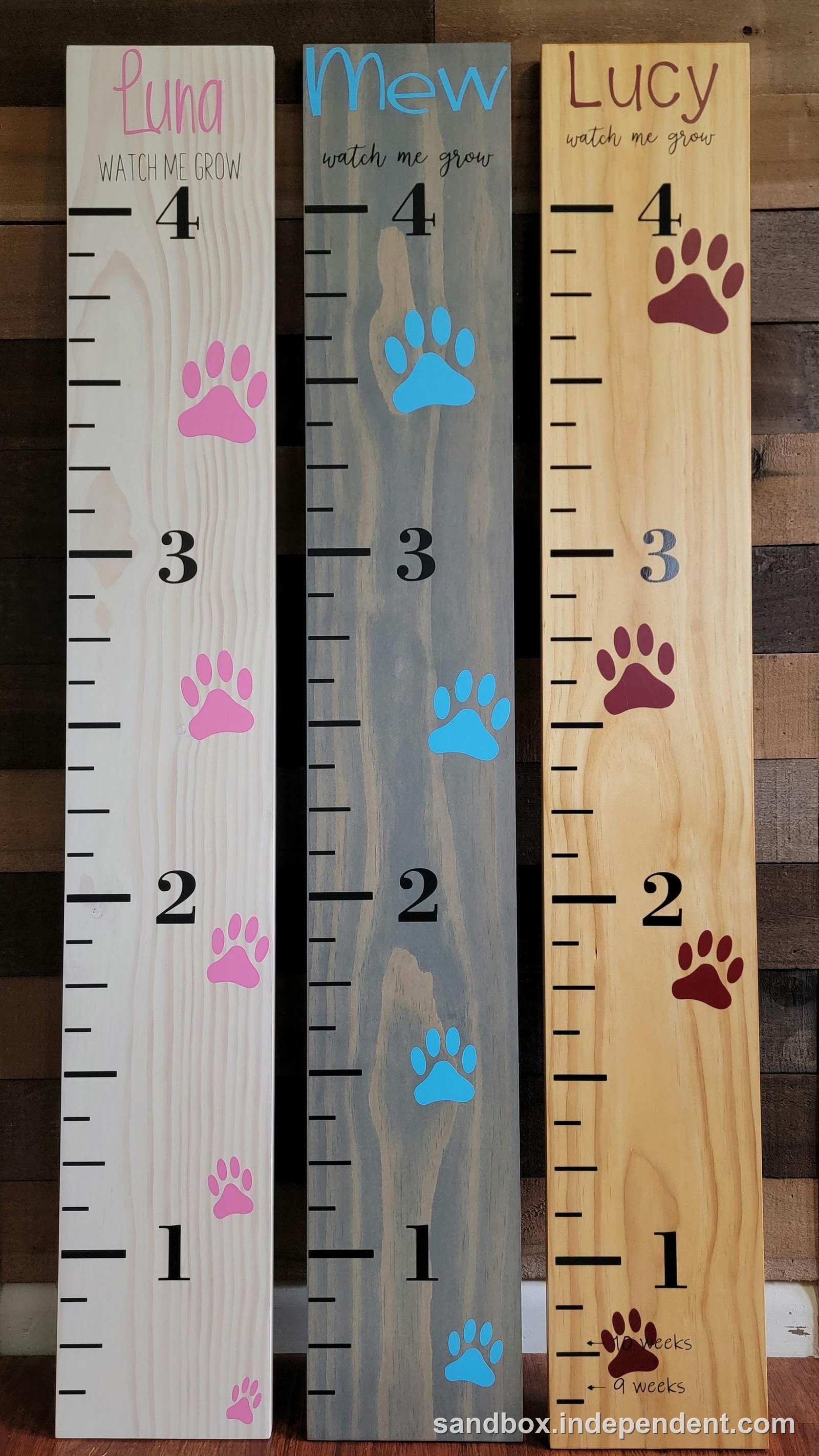
Several factors can impact the accuracy of the dog size chart. First, the chart's measurements are approximate and may not account for all variations in dog breeds and individuals. Second, dogs can change size over time, especially during growth or weight fluctuations. Regularly re-measuring your dog, especially if they are young or their weight is changing, ensures the most accurate assessment. Finally, remember that the chart is a guide, and individual dogs may not fit neatly into a single category. Always consider your dog's unique characteristics and consult a veterinarian for specific health or nutritional advice based on their size and breed.
Well, there you have it! A comprehensive guide to dog size charts, covering all the bases. Remember, while these charts provide a helpful framework, exact values may differ slightly based on various factors.
Feel free to explore our other guides for more practical insights. We've got plenty of resources to keep you informed and inspired, so take a look around and find something that piques your interest!