







Skye Paw Patrol Coloring Pages Overview
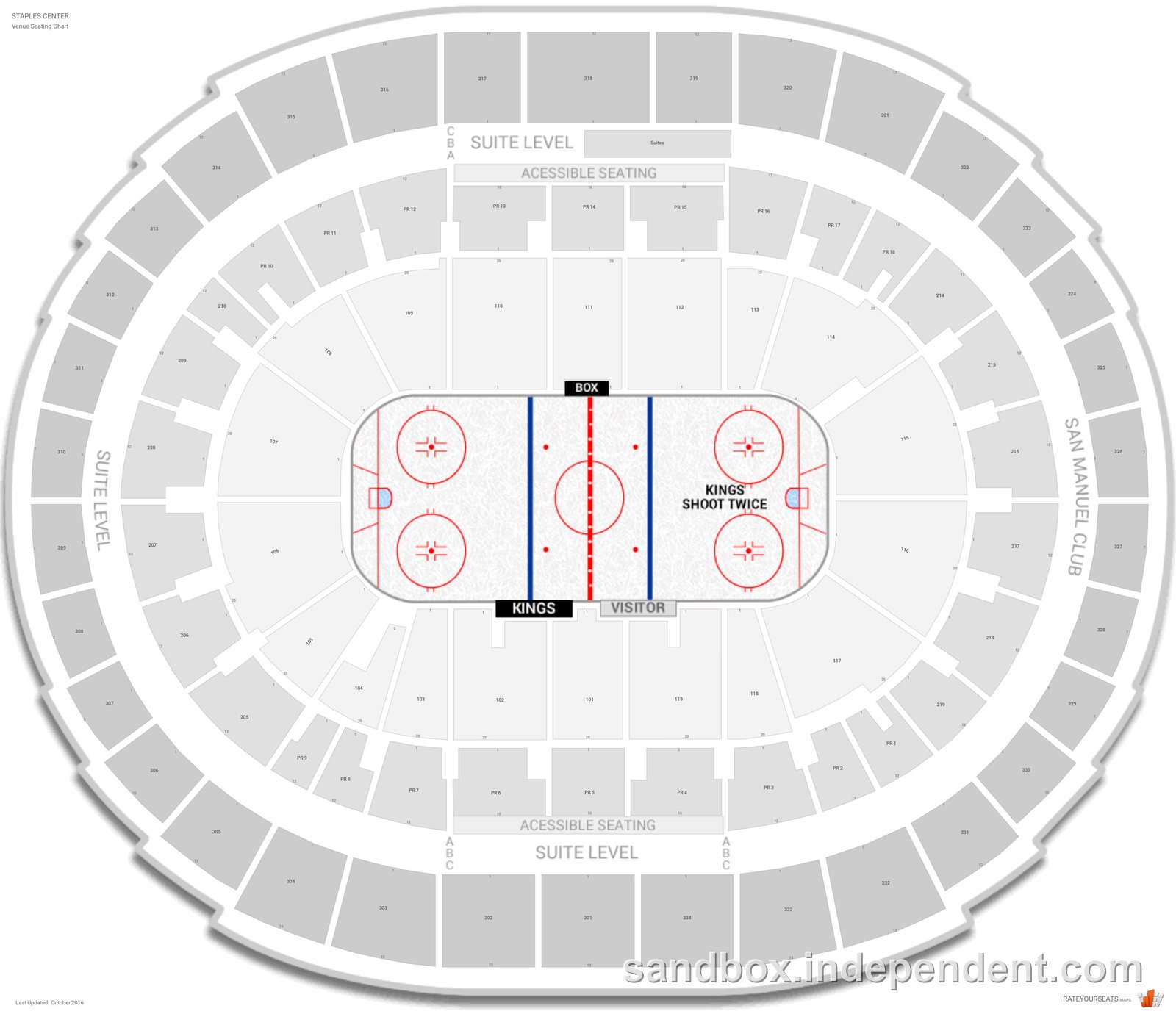
Many folks approach the opry seating chart with some confusion, assuming it's a complex maze to navigate. Rest assured, it's a straightforward tool! This chart is your guide to an enjoyable experience, offering a clear layout of the venue. With a quick glance, you'll grasp the layout, ensuring you know your spot and have an awesome view.
Understanding the Opry Seating Chart: A Quick Overview
The Grand Ole Opry seating chart is a visual guide that helps you navigate and choose your seats for an unforgettable live music experience. It provides a clear layout of the venue, showing the different sections, rows, and seat numbers. With this chart, you can easily visualize your view of the stage and make an informed decision about where to sit.
Comparing Seating Options: Best Views and Legroom
The seating chart offers a variety of options to suit different preferences. It displays sections with varying distances from the stage, providing a range of views. Some sections offer more legroom and wider seats, while others provide a more intimate and close-up experience. By comparing the chart's categories, you can decide whether you prefer a front-row view or a more spacious seating area.
How to Read and Use the Opry Seating Chart: A Step-by-Step Guide
- Start by familiarizing yourself with the chart's layout. Identify the different sections and their corresponding letters or numbers. Each section has its own unique characteristics, so pay attention to the details.
- Next, consider your personal preferences. Do you want to be close to the action or prefer a more relaxed view? The chart will help you visualize the sightlines and row visibility for each section.
- Check the seat numbers within each section. The numbers usually indicate the row and seat position, making it easy to locate your chosen spot.
- Keep in mind that some sections may have restricted views due to obstacles like pillars or sound equipment. The seating chart should provide notes or indications for these areas.
- If you require specific accommodations, such as wheelchair accessibility or extra legroom, refer to the chart's key or consult the venue's accessibility information.
Common Misreadings and How to Avoid Them
It's important to note that seating charts can sometimes be misleading if not read carefully. Here are some common pitfalls to watch out for:
- Section Visibility: Some sections may appear to offer a great view on the chart, but in reality, they might have limited sightlines due to the venue's design. Always check for any notes or reviews mentioning visibility issues.
- Row Spacing: The chart might not accurately represent the legroom between rows. It's best to research or ask for specific row measurements to ensure you have enough space.
- Seat Width: Similarly, seat widths can vary, so double-check if you require extra-wide seats for comfort.
Factors Affecting Accuracy: Real-World Considerations
The accuracy of the opry seating chart can be influenced by several factors. While the chart provides a general guide, it's essential to consider these variables:
- Venue Design: The layout and architecture of the Opry House can impact the actual views and seating arrangements. Some sections may have unique features or obstacles that affect the overall experience.
- Seat Cushions: The presence or absence of seat cushions can impact comfort and legroom. Check if the chart mentions cushion availability or consult the venue's website for details.
- Event Setup: The configuration of the stage and seating arrangement may vary depending on the event. Always refer to the specific event's seating chart for the most accurate information.
Adapting the Chart: Choosing the Right Format for Your Needs
Not all opry seating charts are created equal. Depending on your preferences and the event, you might need to adapt or choose a different format:
- Standard Seating Chart: This is the basic layout, providing a general overview of the venue. It's ideal for most events and offers a clear representation of the sections and rows.
- Detailed Seating Chart: For more specific needs, a detailed chart can provide additional information. It might include row-by-row measurements, seat widths, and even notes on visibility or accessibility.
- Interactive Seating Map: Some venues offer interactive maps that allow you to zoom in and explore different sections. This format provides a more immersive experience and can help you visualize your seating options better.
Hey there! I hope this guide has given you a clear picture of what to expect with Opry seating charts. Remember, while the basics remain the same, there might be slight variations in the details, so always double-check for your specific needs.
Feel free to bookmark this page for future reference, and if you're curious about other similar topics, explore our other guides. We've got you covered with straightforward, practical advice, so you can navigate these charts like a pro!
Related: Understanding the Mens Size Chart
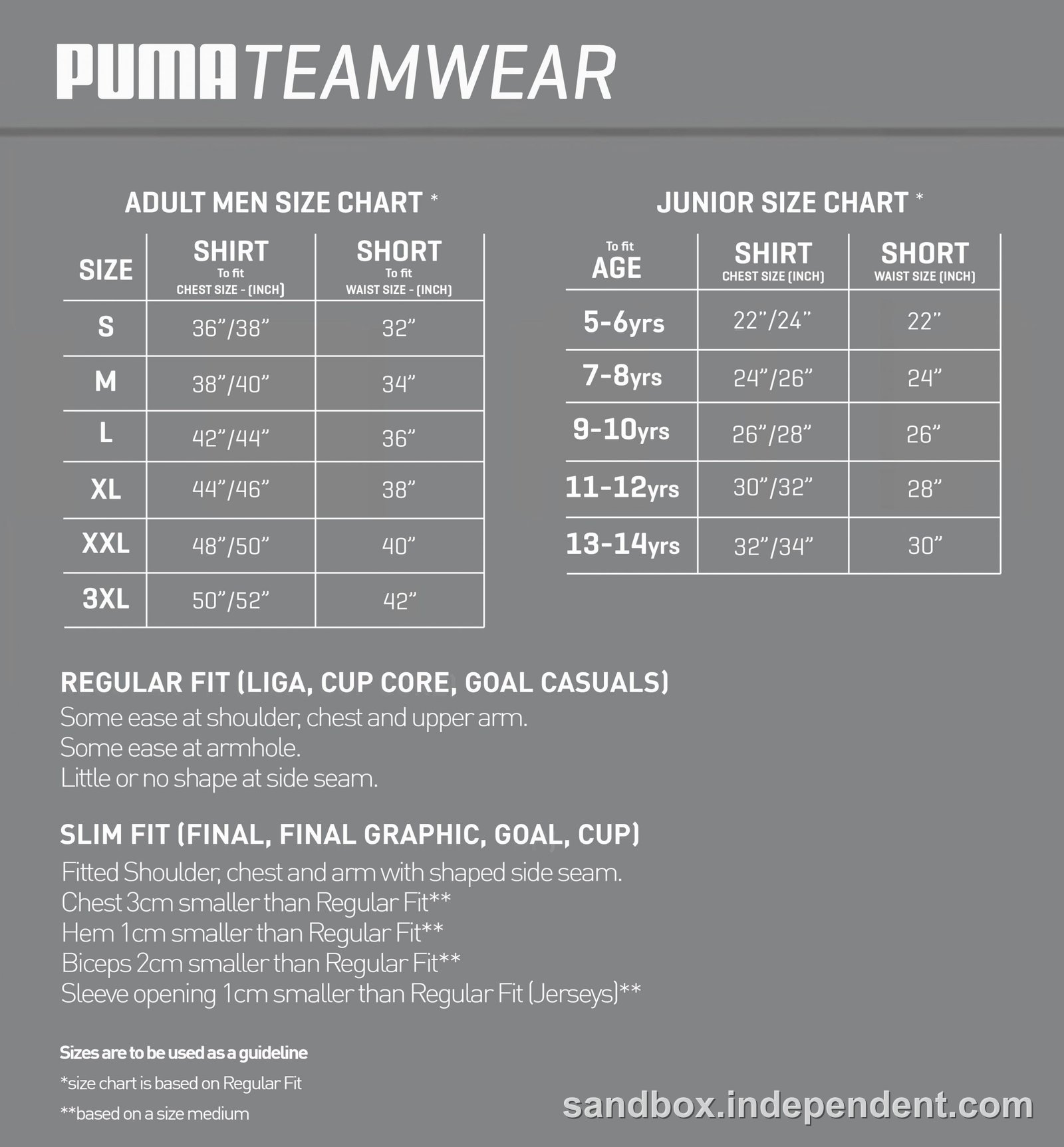
You've found yourself searching for a mens size chart, perhaps for a specific item or to understand the sizing standards better. This chart is a handy tool, offering a quick and visual way to navigate clothing and shoe sizes, especially when you need to get the right fit. It provides a simple reference, often with clear columns and rows, making it easy to find your size and ensure a comfortable, well-fitted garment. While the values and formats may vary, depending on the brand or region, the mens size chart is a reliable starting point for anyone seeking a precise fit.
Understanding the Mens Size Chart
The mens size chart is a valuable tool for anyone looking to find the perfect fit for their clothing or footwear. It provides a standardized guide to help determine the right size for men's garments, ensuring a comfortable and well-tailored look. This chart simplifies the process of finding your size by offering a clear reference for various measurements.
Key Measurements Explained
The mens size chart typically includes essential measurements such as chest, waist, and hip circumference, along with height and sometimes sleeve length. These measurements are presented in a tabular format, with columns indicating different sizes and rows for each measurement. The chart may also include a size guide, offering a quick reference for the corresponding measurements of each size.
Reading and Applying the Chart: A Step-by-Step Guide
Identify the measurement you need: Start by determining the specific measurement you want to find, whether it's chest size, waist size, or any other relevant dimension.
Locate the correct column: Find the column on the chart that corresponds to the size you believe you are. This is usually indicated by a size label, such as "Small," "Medium," or "Large."
Check the measurements: Within the chosen column, look for the row that matches the measurement you're seeking. For instance, if you're finding your chest size, locate the row labeled "Chest."
Compare and select: Compare the measurement on the chart with your own body measurements. If your measurement falls within the range provided, that size should be a good fit. If not, try the next size up or down and repeat the process until you find the closest match.
Consider other factors: While the chart provides a general guide, individual body shapes and preferences may vary. Consider factors like your desired fit (loose or fitted) and the style of the garment when making your final size selection.
Common Size Variations and Their Causes
Size charts can vary depending on several factors. One significant influence is the standard being used, as different regions and manufacturers may have their own sizing systems. For instance, a size "Medium" in the US may not align with a "Medium" in Europe. Additionally, the intended use of the garment can impact sizing; athletic wear, for example, often has a different fit compared to casual wear. It's essential to be aware of these variations and refer to the specific size chart provided by the brand or retailer.
Mistakes to Avoid and How to Get it Right
A common mistake is relying solely on your usual size without considering the specific brand or style. Each brand may have its unique sizing, so it's crucial to refer to the provided size chart. Additionally, ensure you measure yourself accurately, as slight variations can make a difference in finding the perfect fit. Always double-check the measurements against the chart to avoid any sizing errors.
Tips for Accurate Sizing and a Perfect Fit
To ensure an accurate fit, measure yourself with a flexible tape measure. Take your measurements while wearing minimal clothing to get the most precise results. If you're between sizes, consider the fabric and style of the garment. Some materials have more give, allowing for a slightly looser fit, while others may be more structured and require a precise size match. Don't be afraid to try on different sizes and trust your judgment based on the provided size chart and your own comfort.
While we've covered the essentials, it's worth noting that the specifics of size charts can vary, so it's always a good idea to double-check the source and ensure you're using the right measurements for your context.
Don't worry, though; with a bit of practice, reading and applying size charts will become second nature. If you ever need a quick refresher, feel free to revisit this guide or explore our other helpful references. It's always good to have these tools at your fingertips!
Related: Construction Innovation News Essential Guide
"Construction innovation news" is something that's always on my radar as a homeowner. I mean, who doesn't want to keep up with the latest trends and advancements in the building world? It's not just about keeping an eye on the cool new tools and techniques; it's also about making sure your home stays modern, efficient, and, most importantly, safe.
Unveiling the Buzz: What's All the Fuss About?
Construction innovation news covers a whole lot more than just shiny new gadgets. It's about the methods and materials that are shaping the industry and, by extension, our homes and communities. Think 3D-printed houses, sustainable building practices, and even construction robots! These innovations can impact everything from the cost and speed of your next project to the environmental footprint of your home.
Costs and Comparisons: A Balancing Act
When it comes to costs, construction innovation news can be a double-edged sword. While new technologies and methods can often streamline processes and reduce labor costs, they can also introduce new materials or techniques that are pricier. So, when you're comparing quotes, it's not just about the bottom line. You want to understand what's included, what materials are being used, and how those choices might impact your project's timeline and overall success.
Hiring Help: What to Look For
If you're considering hiring a contractor or company for your next project, construction innovation news can be a great resource. It can help you understand the latest trends and best practices, which can be useful when evaluating potential hires. Look for companies that are keeping up with the times, whether that's through the equipment they use or the techniques they employ. Ask about their experience with new methods and materials, and don't be afraid to request references or examples of their work.
Company Names: Making an Impact
For those in the business, construction innovation news might also mean rebranding or starting anew. A catchy, memorable name can be a powerful tool for any construction company. It should be unique, easy to remember, and ideally, it should give a hint about what the company does. Some ideas could be "Build-It-Right," "Future Homes," or "Eco-Construct." But remember, before you settle on a name, check its availability for domains and local registration to avoid any legal headaches down the line.
Industry Insights: A Bird's-Eye View
The construction industry is a beast, and construction innovation news can give us a glimpse into its inner workings. From cost databases and escalation indexes to the latest tools for estimating and planning, these innovations help keep the industry moving forward. They provide a framework for professionals to stay organized, accurate, and efficient, which ultimately benefits us as consumers.
Jobs and Opportunities: Where to Look
For those seeking construction jobs, construction innovation news can be a great way to stay informed about industry trends and potential opportunities. While specific openings and salaries can vary widely, keeping up with the latest innovations can give you an edge in a competitive job market. Whether you're an estimator, project manager, or skilled laborer, understanding the latest tools and techniques can make you a more attractive candidate.
Final Thoughts: Stay Informed, Stay Inspired
Construction innovation news is an exciting, ever-evolving field. Whether you're a homeowner, a business owner, or a job seeker, staying informed about the latest trends and advancements can give you a real edge. So, keep an eye out, ask questions, and don't be afraid to explore new ideas. After all, innovation is what keeps our homes, businesses, and communities moving forward.