







Smash Bros Coloring Pages Overview
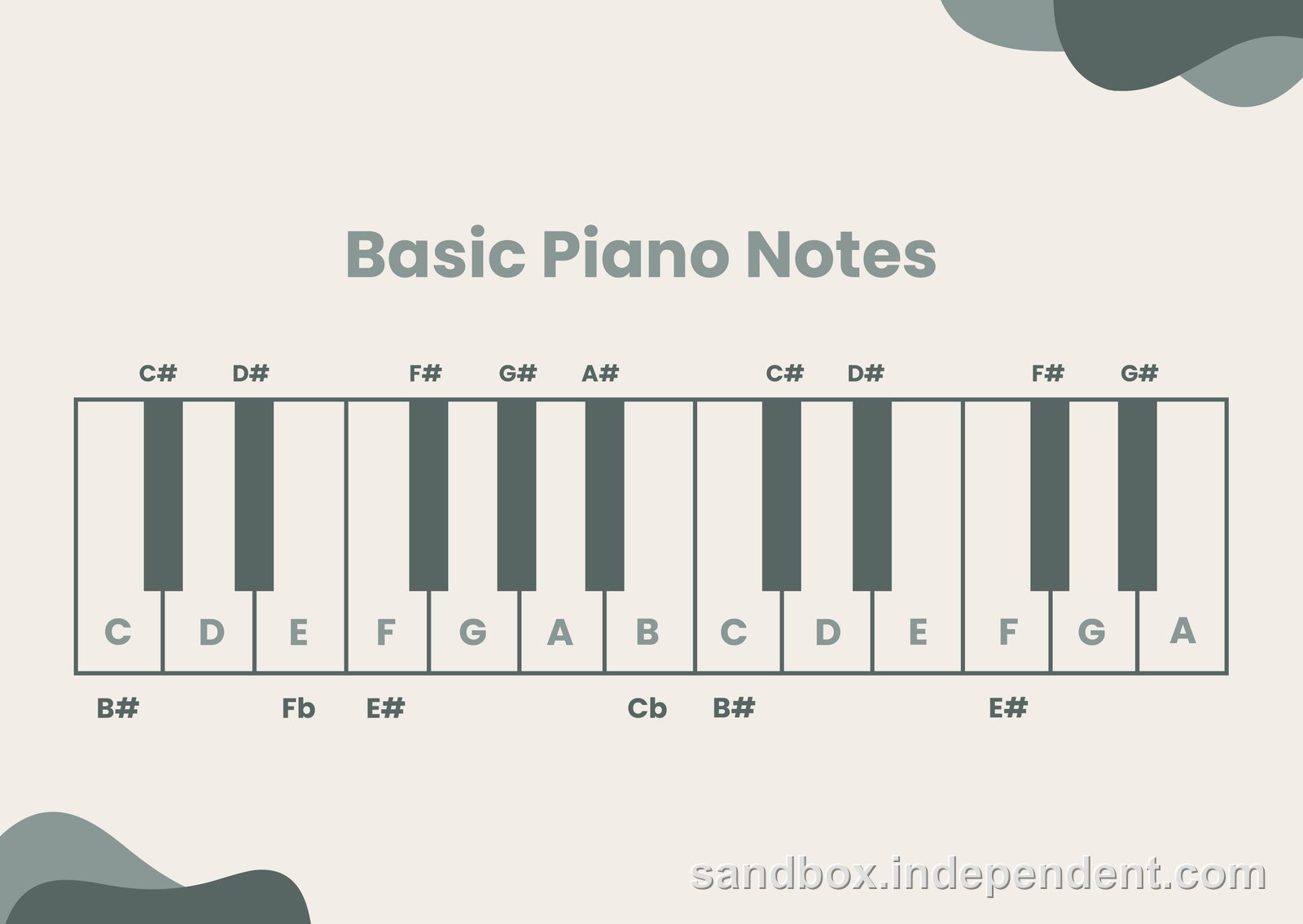
You're probably here because you need a quick reference, a reliable guide to navigate the world of banjo chords. And what better tool than a banjo chord chart? It's a simple yet powerful resource, offering a visual representation of chords and their finger placements. This chart is your go-to companion, especially when you're learning new tunes or exploring different styles. It may vary slightly depending on the source, but the core information remains consistent, making it a handy and accessible tool for any banjo enthusiast.
Understanding the Banjo Chord Chart
The banjo chord chart is your go-to guide for mastering banjo chords. It's a visual representation, often a diagram or table, that simplifies the complex world of banjo music. This chart displays various chords, their finger placements, and sometimes even the corresponding notes and frets. It's an essential tool for banjo players, especially beginners, as it provides a quick reference for mastering chord progressions.
Comparing Chord Chart Formats
There are a few standard formats for banjo chord charts. Some charts use a grid-like structure, showing the banjo's fretboard with dots or numbers indicating finger positions. Others might use a more simplified approach, focusing on the chord shapes and their names. The choice of format often depends on the level of detail required and personal preference. For instance, a beginner might prefer a chart with clear, simple chord shapes, while an advanced player might opt for a more detailed fretboard diagram.
Using the Chart: A Step-by-Step Guide
To use the banjo chord chart effectively, follow these steps:
- Identify the chord you want to play. This is usually indicated by a letter or a chord name.
- Locate the corresponding chord diagram or fretboard chart.
- Place your fingers according to the diagram. Ensure your fingers are correctly positioned on the indicated frets.
- Strum or pluck the strings, and you've played the chord!
Common Misreadings and How to Avoid Them
While banjo chord charts are incredibly useful, there are a few common pitfalls to watch out for:
- Alternative Tunings: If you've altered your banjo's standard tuning, the chord chart might not align perfectly. Always ensure you're using the correct chart for your tuning.
- Open Chords: Some charts might not differentiate between open and barre chords. Open chords often have simpler finger placements, so ensure you understand the difference.
- Fret Placement: Misreading fret numbers is common. Double-check the fret positions, especially for chords with multiple notes.
- String Banjo: Ensure you're using a chart designed for a string banjo, as other types might have different string arrangements.
Remember, practice makes perfect! The banjo chord chart is a tool to guide your learning, but consistent practice is key to mastering these chords.
Hey there, banjo enthusiasts! We've covered a lot of ground with this chart, giving you a handy tool to navigate the world of banjo chords. Remember, the specifics might shift a bit based on your unique context, so always double-check.
Feel free to explore other guides and resources to enhance your banjo-playing skills. And don't forget to bookmark this page for future reference; it'll be a quick and easy way to refresh your memory whenever you need a chord reminder!
Related: Small Kitchen Remodel Easy Guide
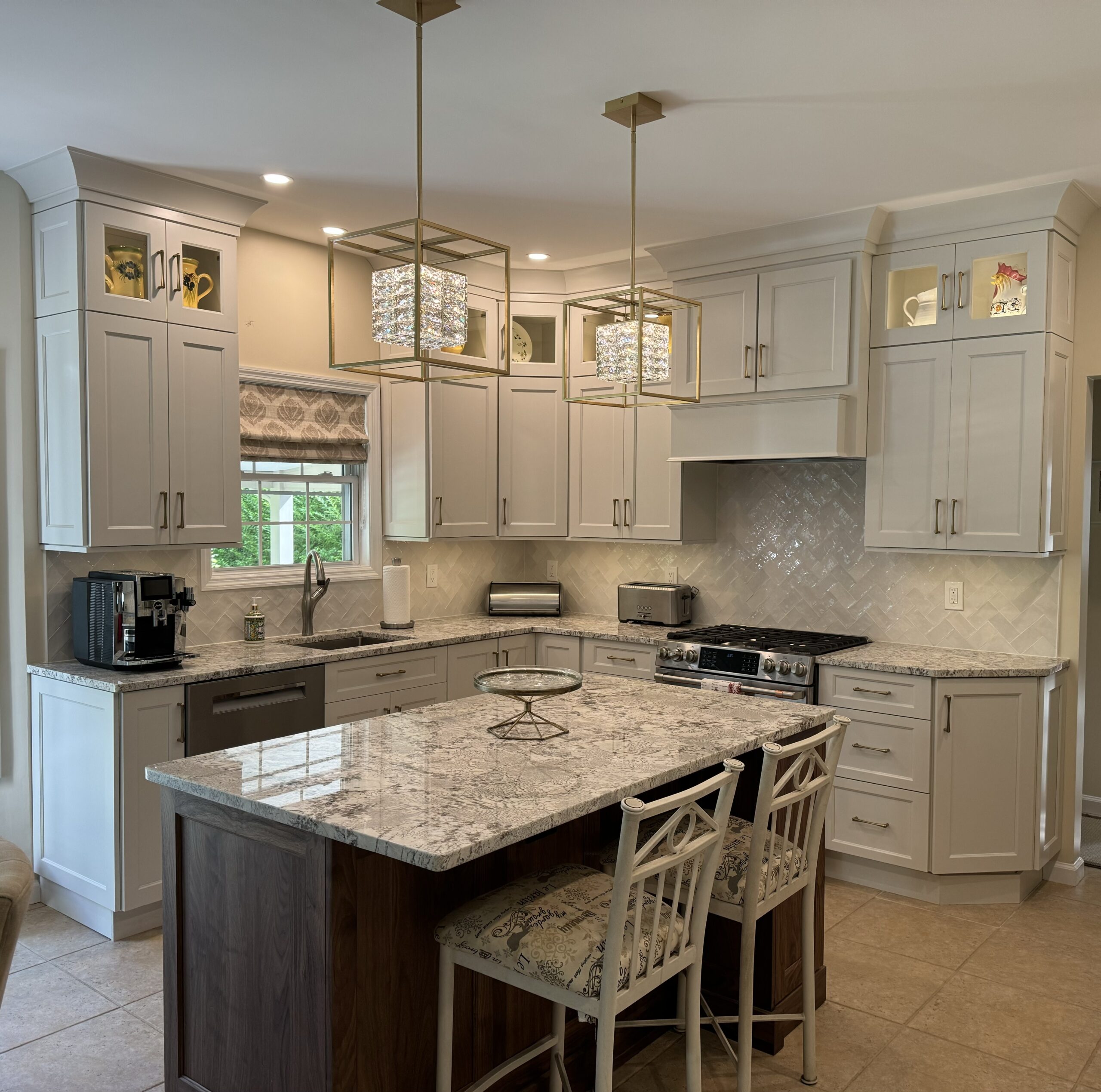
I just moved into a new place, and the kitchen is so tiny! I'm thinking about doing a small kitchen remodel to make it more functional and enjoyable to use. It's amazing how much a simple refresh can transform a space.
All About Your Small Kitchen Remodel
A small kitchen remodel is a great way to enhance your cooking and dining experience without a full-scale renovation. It focuses on improving the layout, storage, and overall functionality while keeping costs and disruption to a minimum. You can achieve a lot with some clever design and thoughtful upgrades.
First, assess your needs and budget. Decide what you want to achieve: more storage, a better workflow, or a brighter, more modern feel. Then, research materials and fixtures to find options that fit your style and price range. For example, new countertops and cabinet fronts can make a big difference, or you could consider a fresh coat of paint and some new hardware for a more affordable refresh.
When it comes to labor, you have a few options. If you're handy, you might be able to tackle some tasks yourself, like painting or installing new fixtures. But for more complex work, like plumbing or electrical, it's best to hire a professional. Look for local contractors or remodeling companies with good reviews and ask for quotes. Compare prices and ask about their experience with similar projects.
Finding the Right Contractor
Hiring a contractor is a crucial step in your small kitchen remodel. Check their licensing and insurance, and ask for references from past clients. A good contractor will listen to your vision and offer suggestions to make it a reality. They should provide a detailed quote outlining the work, materials, and expected timeline.
Get quotes from multiple contractors to compare prices and approaches. Don't just go for the cheapest option; consider their experience, reputation, and how well they understand your needs. A clear, itemized quote will help you spot any potential issues or hidden costs.
Construction and Remodeling Companies
Construction and remodeling companies come in all sizes, from sole proprietors to large firms. Smaller companies often offer more personalized service and may be more flexible with design and budget. Larger firms may have more resources and specialized teams, but they might be more rigid in their processes.
When choosing a company, consider your project's scope and complexity. For a simple refresh, a smaller local company might be ideal. But for a more extensive remodel, a larger firm with specialized departments could provide more comprehensive service.
Naming Your Business
If you're in the construction or remodeling business, your company name is key. It should be memorable, reflect your services, and stand out in a crowded market. Avoid generic names and opt for something unique and catchy. Here are a few ideas:
- Build-It-Better
- Renovate & Revive
- Home Transformation Pros
- Crafted Spaces
- Modern Makeovers
Remember to check name availability and secure the relevant local registrations and domains.
Final Thoughts
A small kitchen remodel is an exciting project that can transform your cooking space. By assessing your needs, researching options, and hiring the right help, you can create a functional and beautiful kitchen. It's a great way to add value to your home and make it a more enjoyable place to be. So, are you ready to get started?
Related: A Guide to Understanding OIB Tide Charts
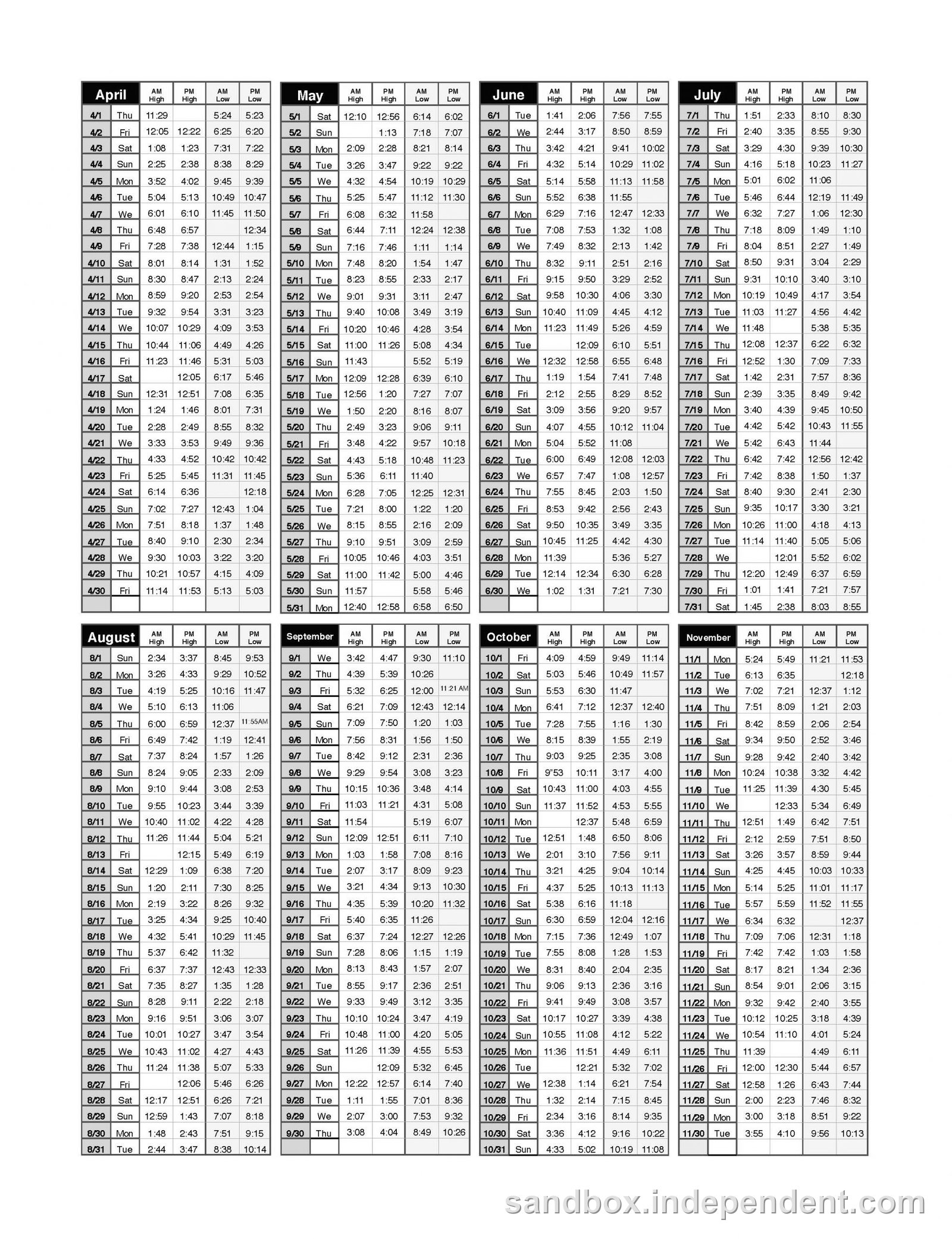
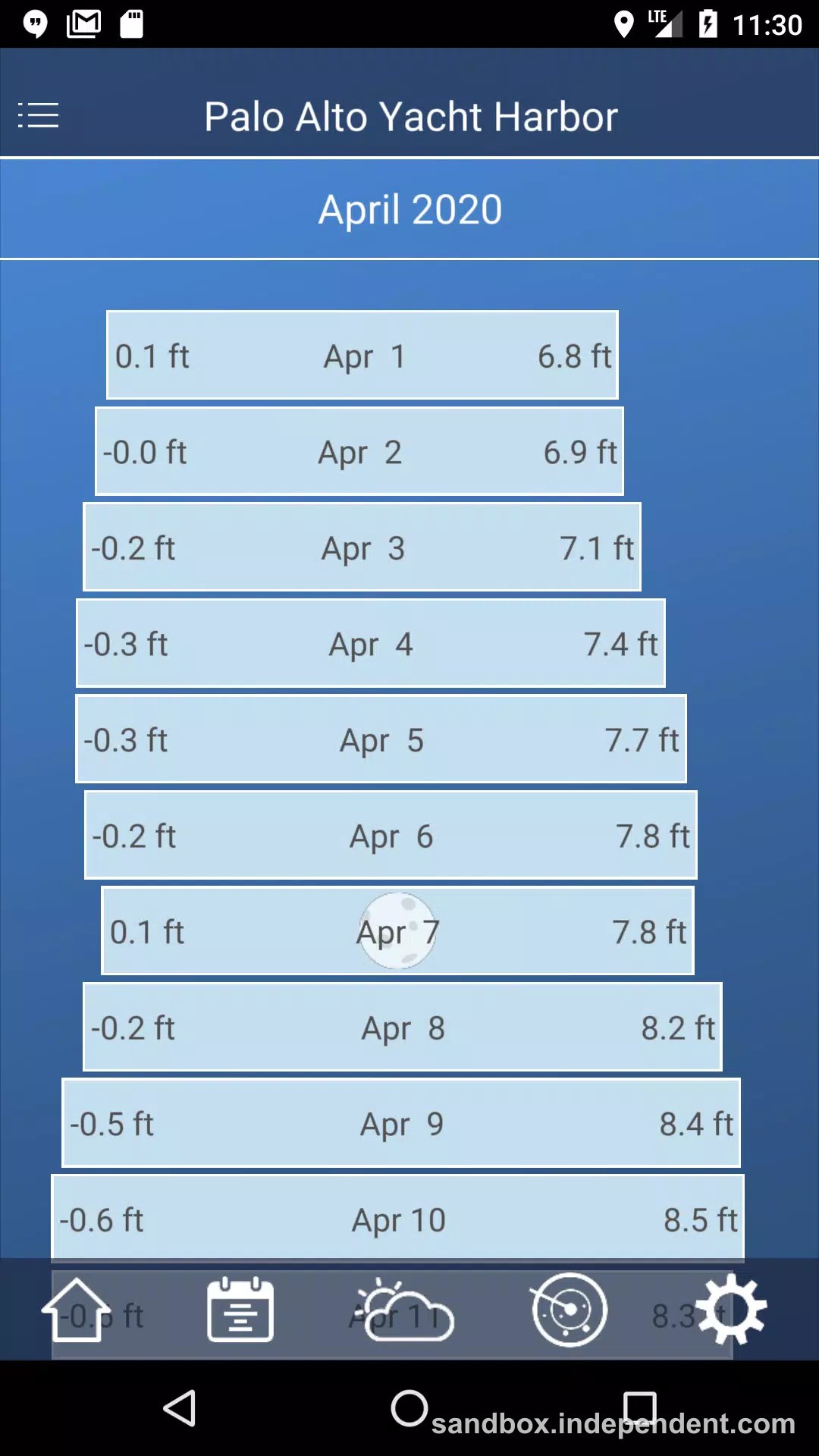
You're probably here because you need a reliable, quick reference for your OIB tide chart. It's a handy tool, offering a simple visual guide to the tides and their times. With OIB, you get an at-a-glance view of water levels and can plan your day accordingly. The chart provides a clear snapshot of the tidal range and predictions, making it an essential aid for various activities.
Understanding the OIB Tide Chart
The OIB tide chart is a valuable tool for anyone interested in coastal activities, offering a visual representation of tidal patterns. It provides a simple yet effective way to predict and understand the rise and fall of tides over a specific period. By reading this chart, you can plan your activities, from boating to beachcombing, with confidence.
Key Details and Categories
The OIB tide chart typically displays two main categories: tide height and time. Height is usually measured in feet or meters, depending on the standard used, and represents the vertical change in water level. Time is shown in 24-hour format, covering a full tidal cycle, which is approximately 25 hours. Each chart covers a specific location, so it's essential to use the right chart for your area.
Reading the Data: A Step-by-Step Guide
Here's a simple guide to reading an OIB tide chart:
- Identify the location: Ensure the chart represents the area you're interested in.
- Understand the scale: Note the height scale, usually on the side or bottom of the chart. This scale tells you how much the tide will rise or fall.
- Follow the timeline: The chart's timeline runs horizontally, with each mark representing a specific time.
- Connect the dots: The chart uses a line graph, so connect the dots to visualize the tide's movement.
- Read the values: The height of the line at each time mark indicates the tide height. A higher line means a higher tide.
- Plan your activities: With this information, you can now plan your coastal adventures, considering the best times for activities like kayaking or collecting shellfish.
Common Fluctuations and Variations
Tide predictions, as shown on the OIB tide chart, can vary due to several factors:
- Weather conditions: Storms and strong winds can cause significant deviations from predicted tides.
- Seasonal changes: Tides may behave differently during certain seasons, influenced by factors like solar and lunar cycles.
- Geographical features: The shape of the coastline and the depth of the water can affect tide behavior.
- Human activities: Dredging and construction near the coast can impact tidal patterns.
Practical Applications and Common Mistakes
When using an OIB tide chart, remember these practical tips:
- Always check the date and time: Tide charts are specific to a particular day and time.
- Consider the weather: Extreme weather conditions can make the actual tide differ from the chart's prediction.
- Be aware of your location: Different areas may have unique tidal patterns, so ensure you're using the right chart.
- Don't rely solely on the chart: It's a prediction, and nature can be unpredictable. Always exercise caution and stay informed about local conditions.
- Double-check for special events: During rare astronomical events, tides may behave unusually, so it's essential to stay updated.
Hey there, we hope this guide has given you a clear understanding of the OIB tide chart and its practical uses. Remember, while the core principles remain the same, the exact details can vary slightly depending on your specific context or the source you're using.
Feel free to explore our other guides for more insights and practical tips. We've got a range of topics covered, so you can continue your learning journey and stay prepared for your coastal adventures!