



Socks Size Chart 2026 Overview
A Utah depth chart is a handy tool for any sports fan or enthusiast, offering a clear snapshot of a team's lineup and player positions. This guide will walk you through the ins and outs of reading and understanding these charts, ensuring you can quickly reference and interpret them accurately. From the Utah football depth chart to any team's roster depth, we'll cover it all, providing a practical understanding of this essential sports reference.
Understanding the Utah Depth Chart
The Utah depth chart is a valuable tool for any sports fan, especially those following American football. It's like a map that shows you the team's lineup and the players' positions, giving you an overview of the team's strength and strategy. This chart is a visual representation of the players' rankings and their roles, helping you understand the team's dynamics and potential.
Key Positions and Categories
The depth chart is divided into different sections, each representing a specific player position. You'll find categories like quarterbacks, running backs, wide receivers, tight ends, offensive linemen, defensive linemen, linebackers, defensive backs, and special teams. Each position has its own unique role and impact on the game. The chart typically lists the players' names, their jersey numbers, and their rank within their position group. It's a quick way to see who's starting and who's on the bench, and it gives you an idea of the team's depth and options.
Reading and Applying the Depth Chart
Here's a step-by-step guide to using the Utah depth chart:
Start by familiarizing yourself with the different positions and their roles. Understand the basic strategies and tactics of American football to get the most out of the chart.
Look at the chart and identify the starting lineup. These are the players who are currently ranked highest and will likely be on the field for the majority of the game. Their names are often highlighted or listed first.
Explore the depth of the team. Scroll down or look for the players listed below the starters. These are the backups, ready to step in if needed. They provide flexibility and can be crucial in case of injuries or strategic substitutions.
Pay attention to the rankings within each position. The chart often uses a simple ranking system, like 1st string, 2nd string, and so on. This indicates the players' current standing and their likelihood of playing time.
Note any special teams or units. These are players with specialized roles, like kickers, punters, or return specialists. They have unique skills and are an important part of the team's overall strategy.
Variations and Differences
It's important to remember that Utah depth charts can vary depending on the coach's strategy and the team's needs. Factors like injuries, player performance, and game plans can influence the chart. For instance, a key player's injury might result in a backup moving up the ranks, or a strategic change could lead to a different starting lineup. These variations are part of the game and can make the depth chart dynamic and exciting to follow.
Common Mistakes and How to Avoid Them
One common mistake is assuming that the depth chart is set in stone. It's a living document, and changes are frequent. Keep an eye on updates, especially before game days, as last-minute adjustments are not uncommon. Another pitfall is overlooking the impact of special teams. These players often have a significant influence on the game, so don't underestimate their importance. Lastly, remember that the depth chart is a guide, not a guarantee. Player performance and game flow can deviate from the expected lineup, so stay flexible and enjoy the surprises that football can bring!
Well, there you have it! You're now equipped with the knowledge to tackle the Utah depth chart like a pro. Remember, these charts are a handy tool, but it's always wise to double-check the specific details relevant to your project or context.
Feel free to explore our other guides; we've got a range of practical resources to help you navigate various topics with ease. Happy learning, and may your projects be successful!
Related: What is the lol mastery chart all about?
You've found yourself searching for a lol mastery chart to help you quickly grasp the game's mechanics and strategies. This simple yet effective tool, often in the form of a visual guide, offers a snapshot of the game's mastery system. It's a handy reference for players, providing an overview of the mastery tree, runes, and the path to progression.
Understanding the LOL Mastery Chart
The lol mastery chart is a visual representation of a player's progress and skill development in the game League of Legends. It provides an overview of a player's mastery points, ranks, and their journey through the game's mastery system. This chart is a valuable tool for players to track their growth and understand their standing among other players.
Key Details and Categories
The chart typically displays mastery points, which are earned through playing and achieving certain milestones. These points are represented on a scale, often with different colors or levels to indicate progress. The categories or ranks on the chart are usually divided into tiers, with each tier representing a higher level of mastery. These tiers may have names or numerical values associated with them, indicating the player's overall skill level.
Reading Mastery Levels and Progression
To read the lol mastery chart, start by identifying your current mastery rank or tier. This is often displayed prominently on the chart. Next, look at the mastery points associated with your rank. These points indicate the progress you've made and the skills you've acquired. The chart may also provide insights into the next steps for progression. It might suggest specific champions or roles to focus on to advance to the next tier.
Here's a step-by-step guide:
- Locate your current rank or tier.
- Note the mastery points and any associated achievements.
- Identify the requirements or suggestions for advancing to the next tier.
- Plan your gameplay to fulfill these requirements, whether it's mastering a new champion or improving your strategy.
Common Mastery Paths and Variations
The lol mastery chart can vary based on several factors. Firstly, different regions or servers may have slightly different mastery systems and charts. Additionally, the game itself evolves, introducing new champions and updates, which can impact the mastery path. Players' preferences and playstyles also contribute to variations. Some players might focus on a specific role or champion, resulting in unique mastery paths.
- Regional differences
- Game updates and new champions
- Player preferences and playstyles
Remember, the lol mastery chart is a guide, and while it provides a structured overview, it's important to adapt and tailor your gameplay to your strengths and interests. It's a tool to help you understand your progress and set goals, but the beauty of League of Legends lies in its diverse strategies and the freedom to explore different paths.
The LOL Mastery Chart is a handy tool, offering a clear and concise reference point for your LOL journey. By understanding the key elements, you can navigate and apply this chart with ease.
Remember, when utilizing any reference guide, it's essential to consider your unique context and requirements. Exact values and standards may vary, so a quick double-check ensures you're on the right path. Feel free to bookmark this page for future LOL adventures; it's a simple yet effective resource to have at your fingertips!
Related: What's the Right Bat Size for You?
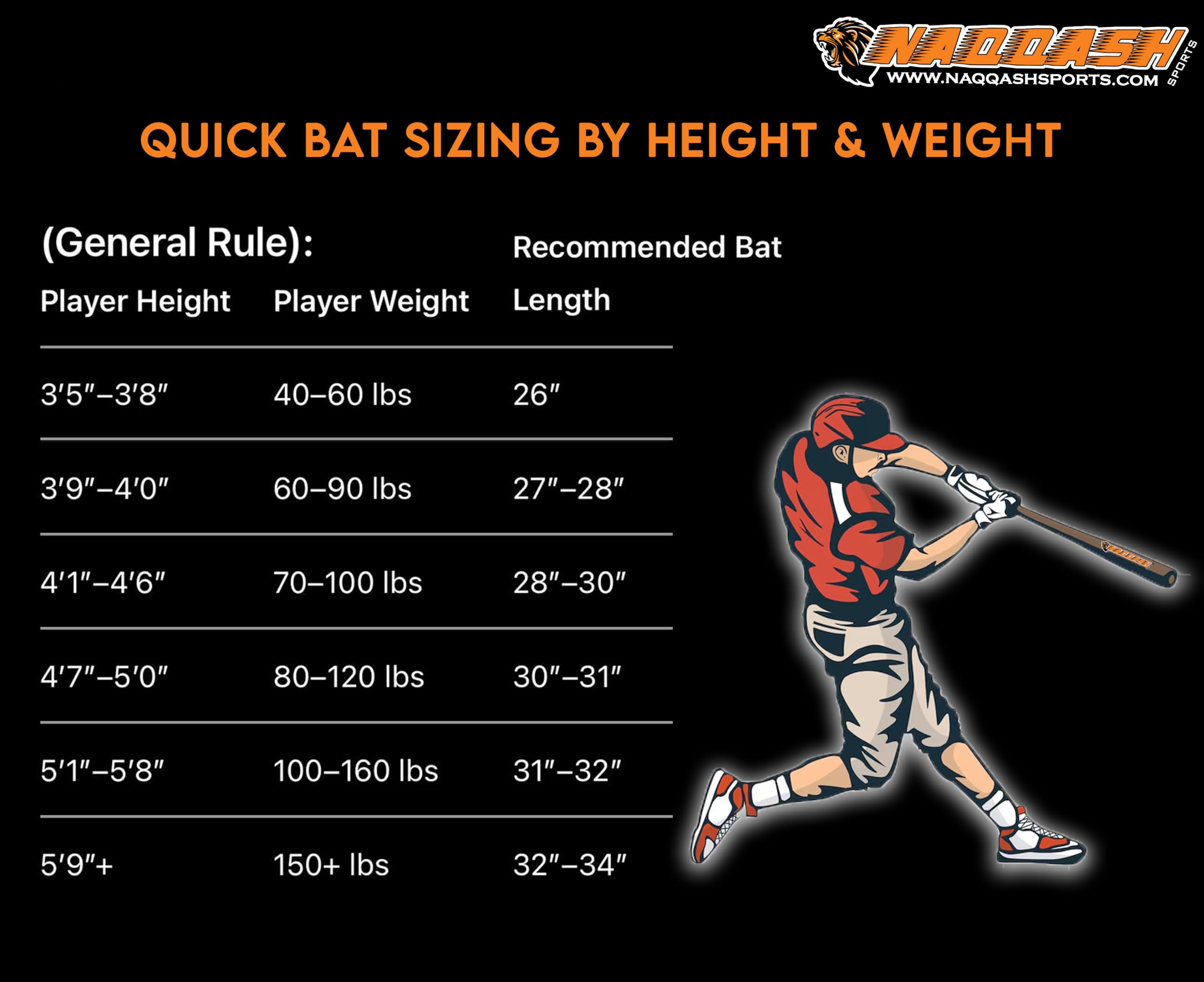
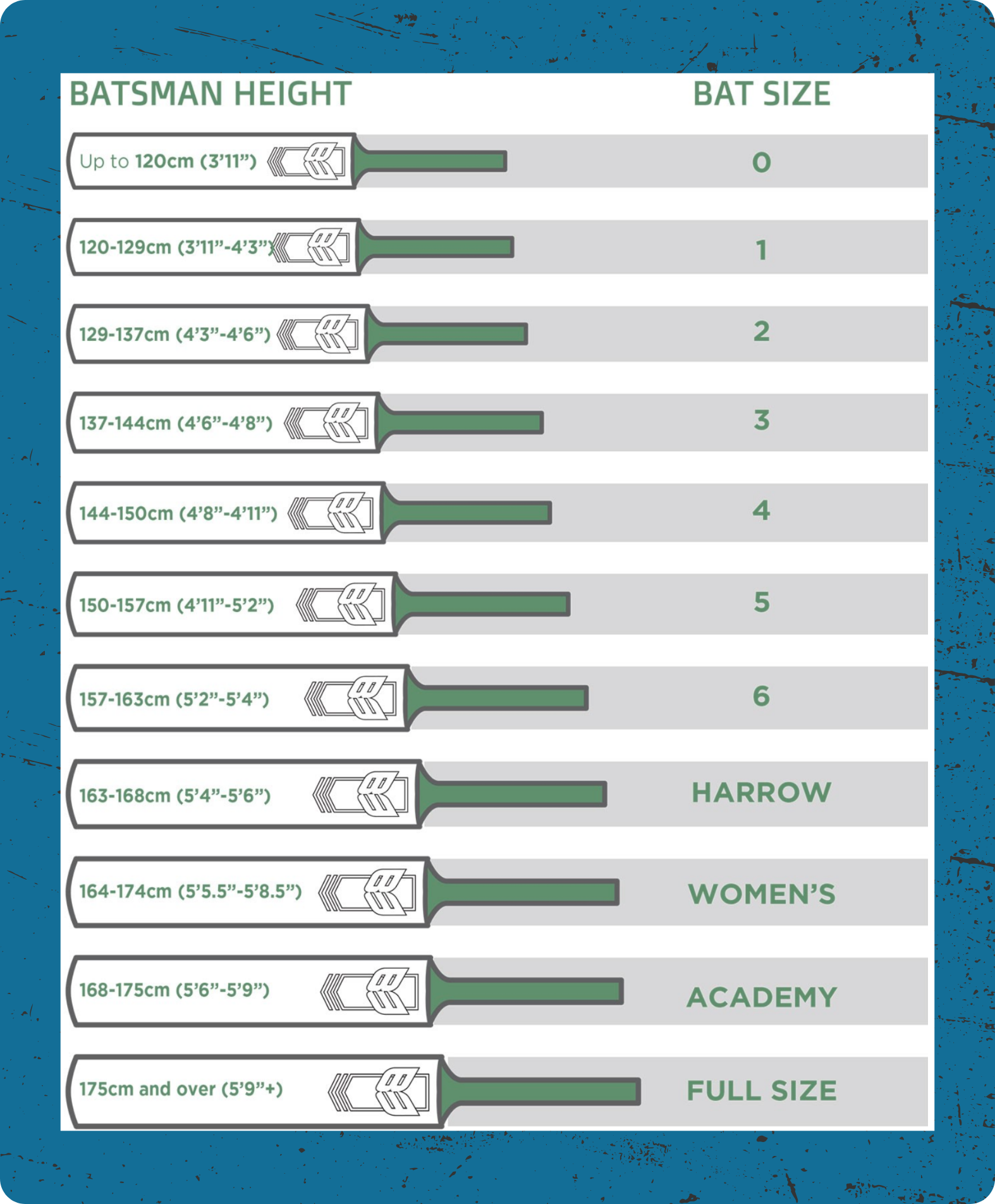
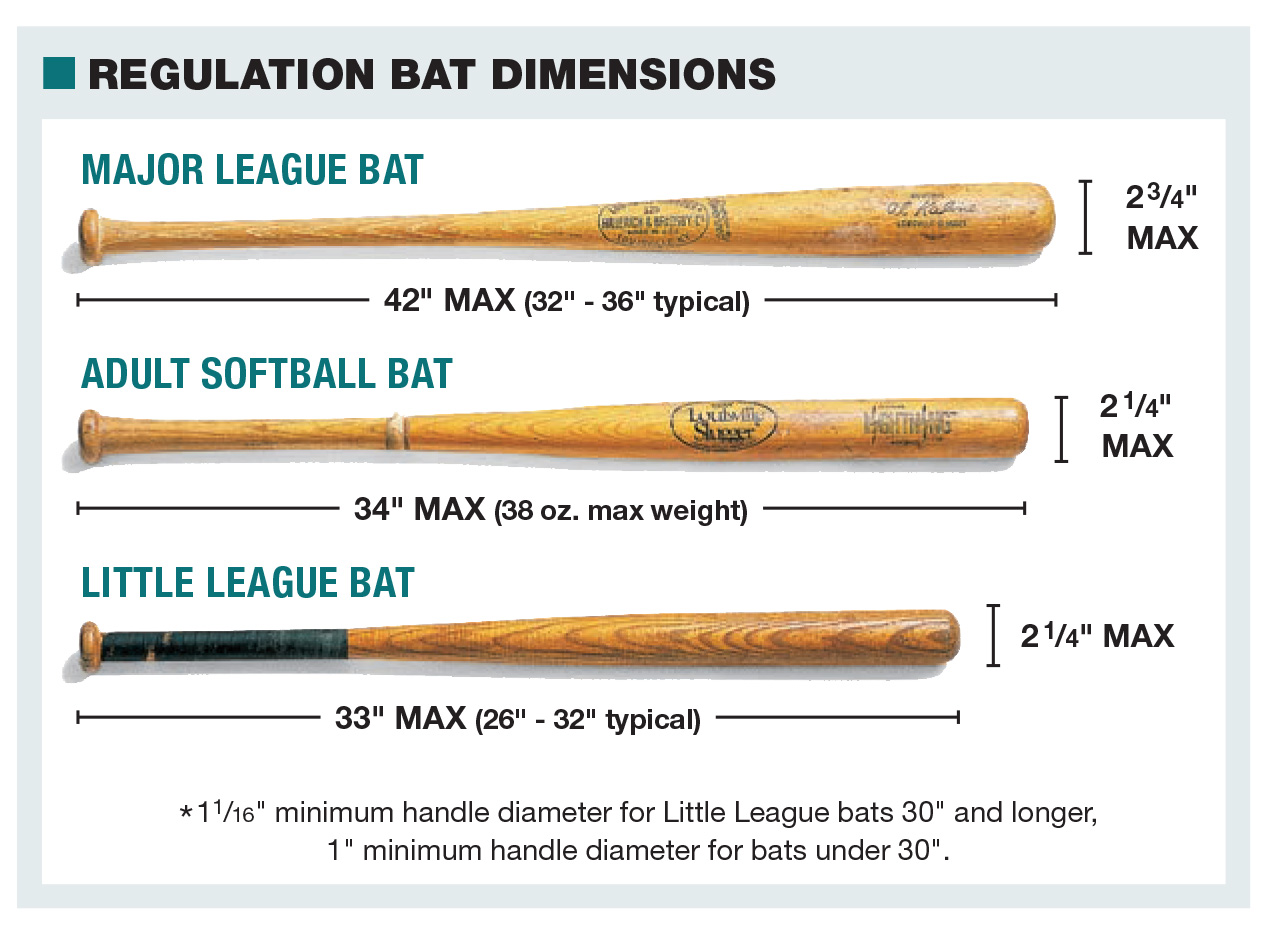
Many people assume that a bat size chart is solely about the length of a bat, but it's actually a comprehensive guide covering various dimensions and specifications. While length is an essential factor, a bat size chart also provides insights into other critical aspects, ensuring you choose the right equipment. This simple yet effective tool offers a quick reference, guiding you through the process of selecting the perfect bat size, whether for yourself or a young player.
Understanding the Bat Size Chart: A Quick Overview
The bat size chart is an essential tool for anyone involved in baseball or softball, offering a simple yet effective way to determine the appropriate bat size for players of all ages and skill levels. This chart acts as a reference guide, providing measurements and recommendations to ensure players have the right equipment for their physical attributes and playing style.
Comparing Bat Size Standards and Formats
Bat size charts can vary depending on the sport and the specific standards or regulations followed. For instance, baseball and softball often have different size charts, and even within these sports, there might be variations for youth leagues, adult recreational play, or professional leagues. These charts typically cover bat length and weight, with some also including additional factors like drop weight (the difference between bat length and weight) and barrel diameter.
Measuring for the Right Bat Size: A Step-by-Step Guide
To use a bat size chart accurately, follow these steps:
- Identify the relevant chart for your sport and league.
- Measure the player's height and, if applicable, their weight.
- Refer to the chart to find the recommended bat length based on the player's height and weight.
- Consider the player's age and skill level, as these can influence the ideal bat weight and drop.
- Select a bat within the recommended range, keeping in mind that personal preference and comfort are also important factors.
Common Size Variations and How to Avoid Misreadings
While bat size charts provide a great starting point, there can be variations due to several factors:
- Height and weight are just two of many physical attributes that can influence bat size. Hand size, arm length, and overall strength can also play a role.
- Age and skill level are often used as general guidelines, but individual player development and experience can vary widely.
- Manufacturer variations can occur, as different brands might have slightly different size recommendations or use unique sizing systems.
To ensure a perfect fit, it's essential to consider these factors and not solely rely on the chart. Always allow for some flexibility and personal preference, as the ultimate goal is to find a bat that feels comfortable and performs well for the individual player.
Before you put this guide to use, remember to cross-check your specific needs and requirements. While the chart offers a comprehensive overview, exact values can vary, so it's essential to ensure you're referring to the right standard or source for your context.
Consider bookmarking this page for future reference; it's a handy tool to have at your fingertips when you need a quick reminder of bat sizes. Stay organized, and happy batting!