




Sonic Coloring Sheets Free Overview
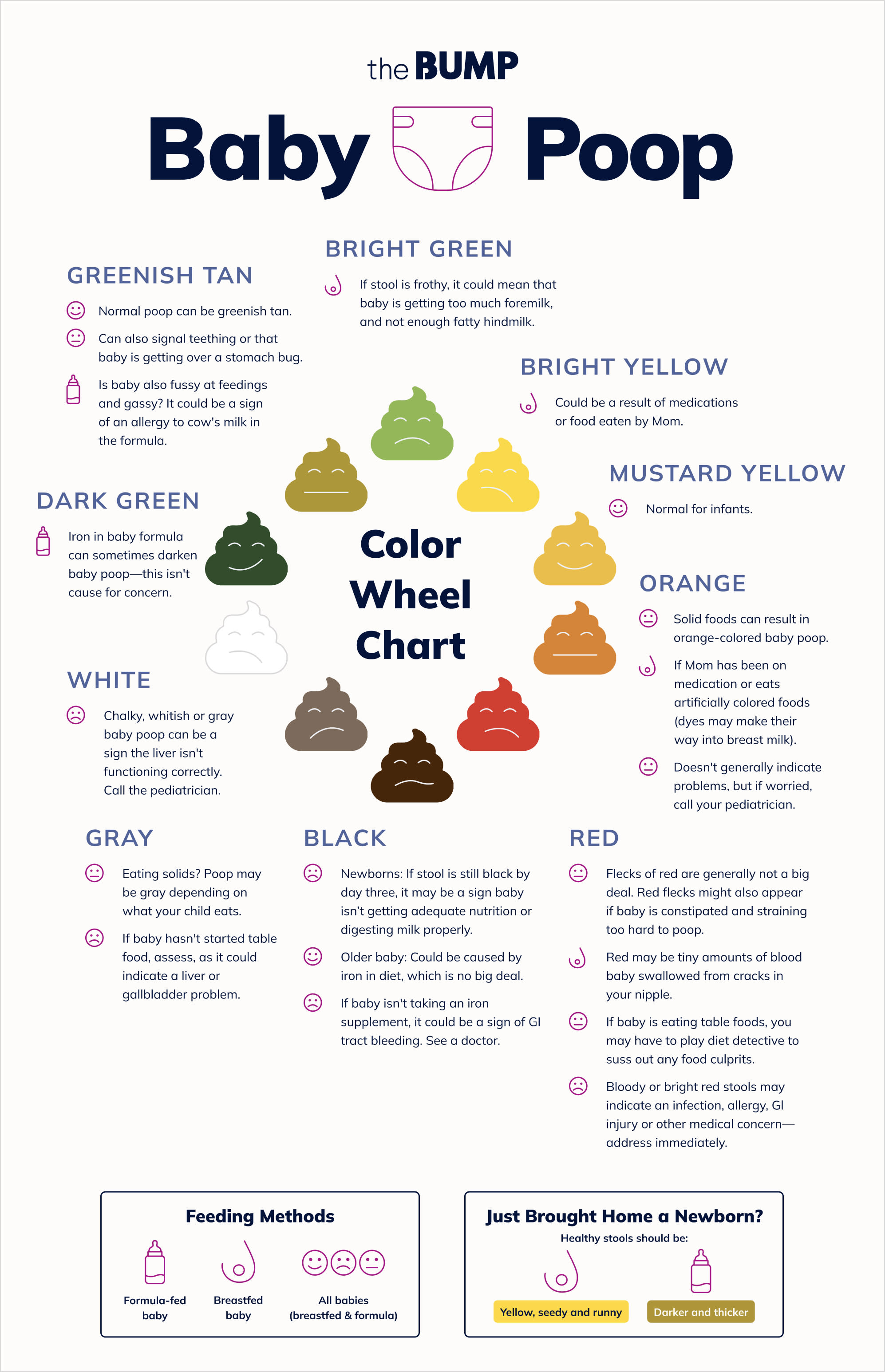
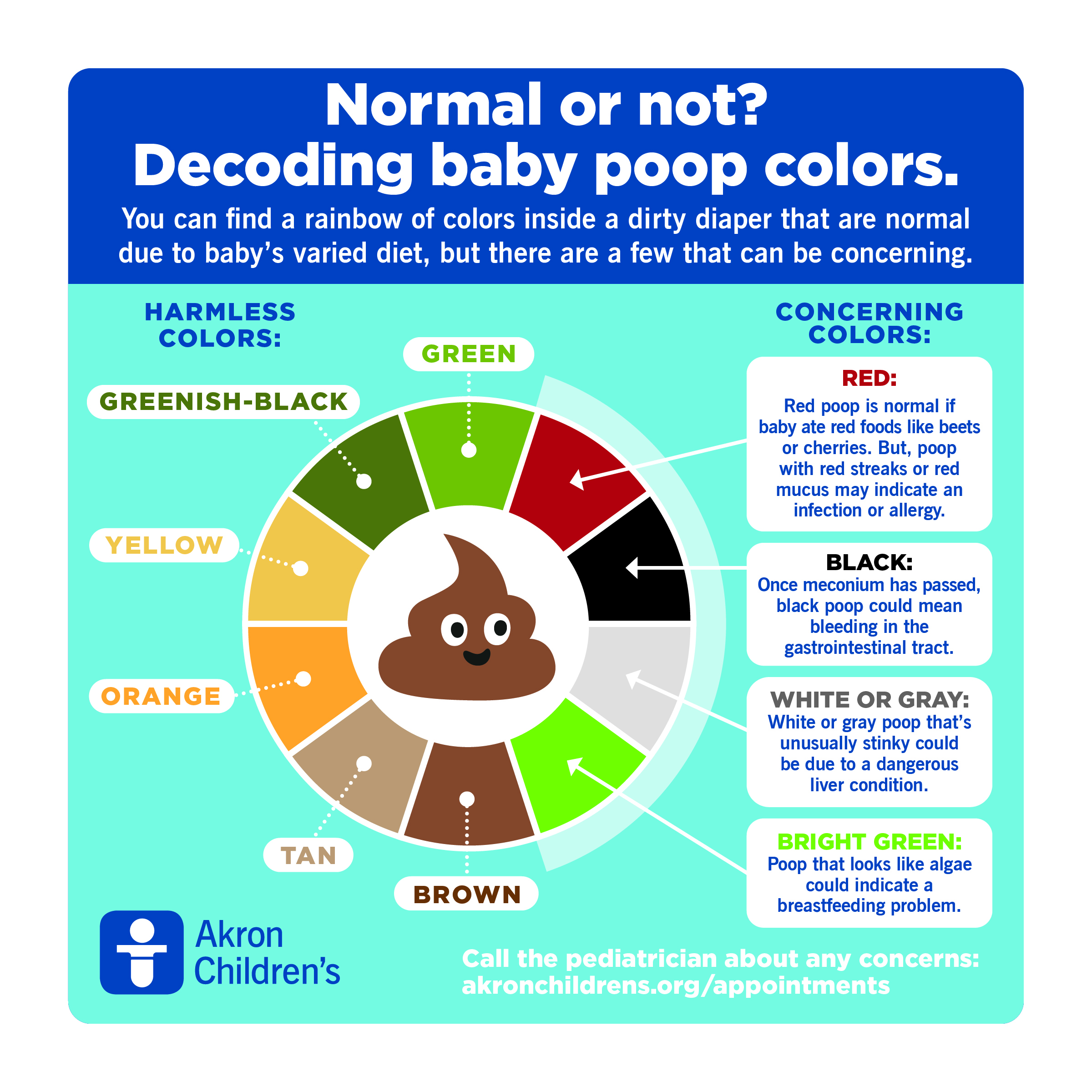
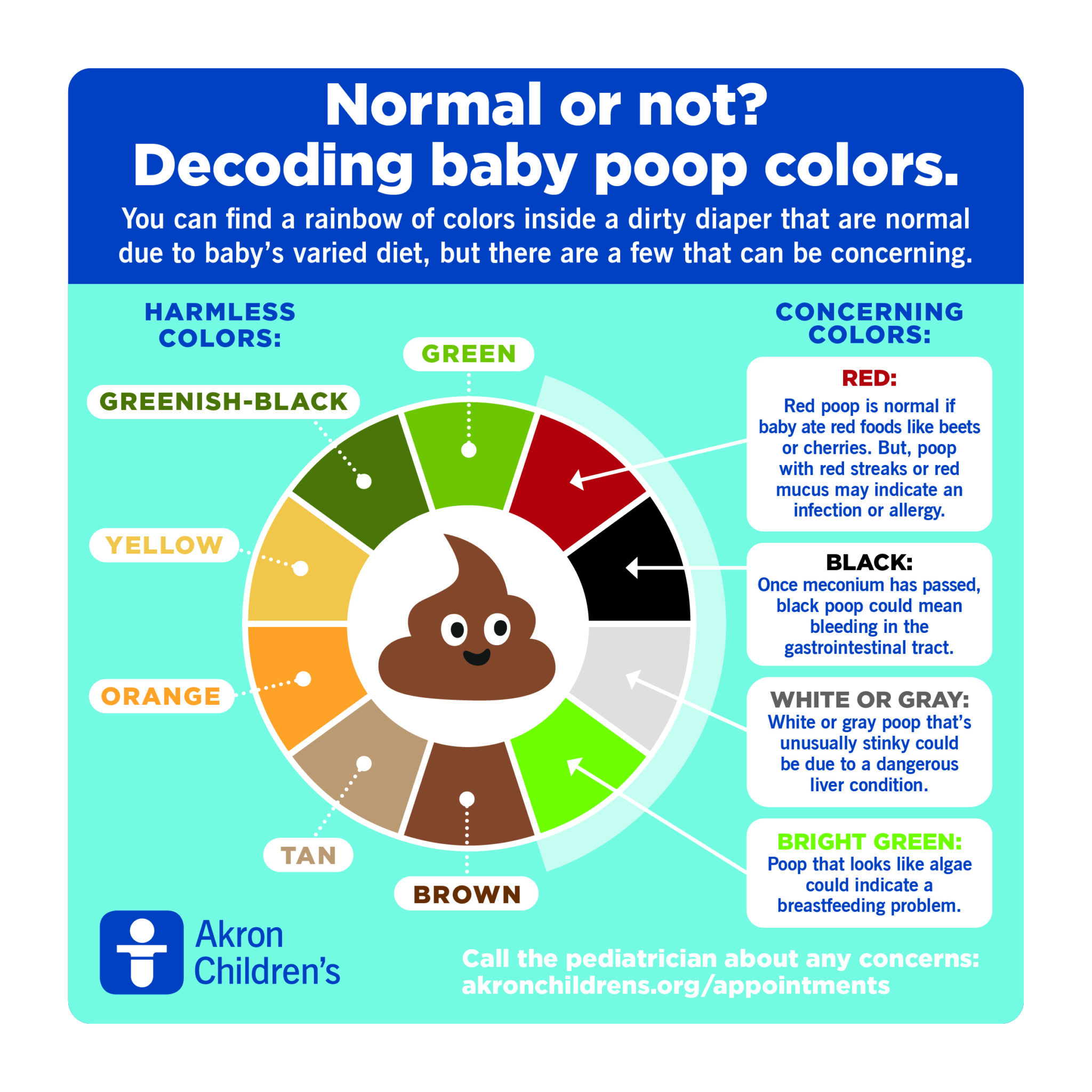
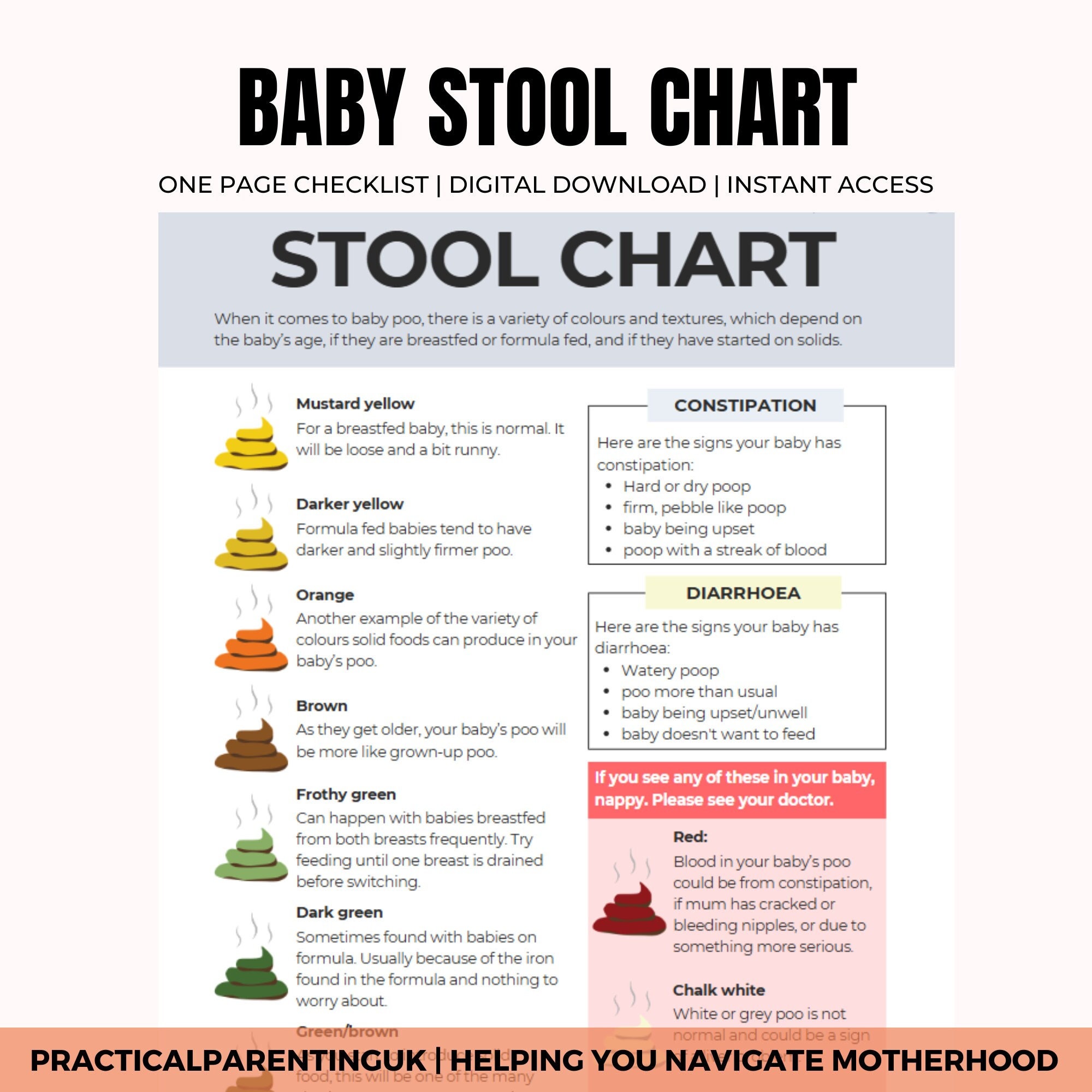
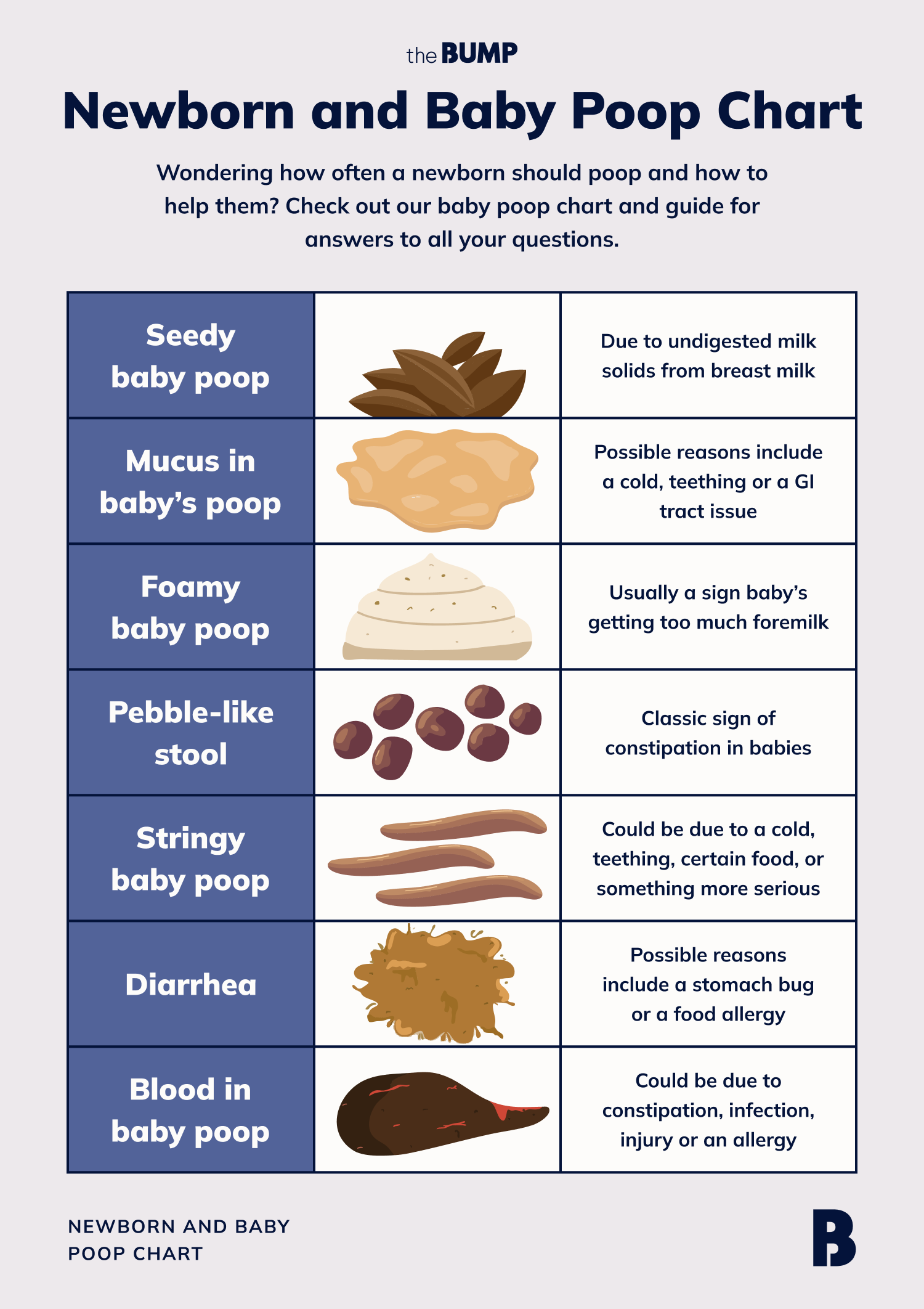
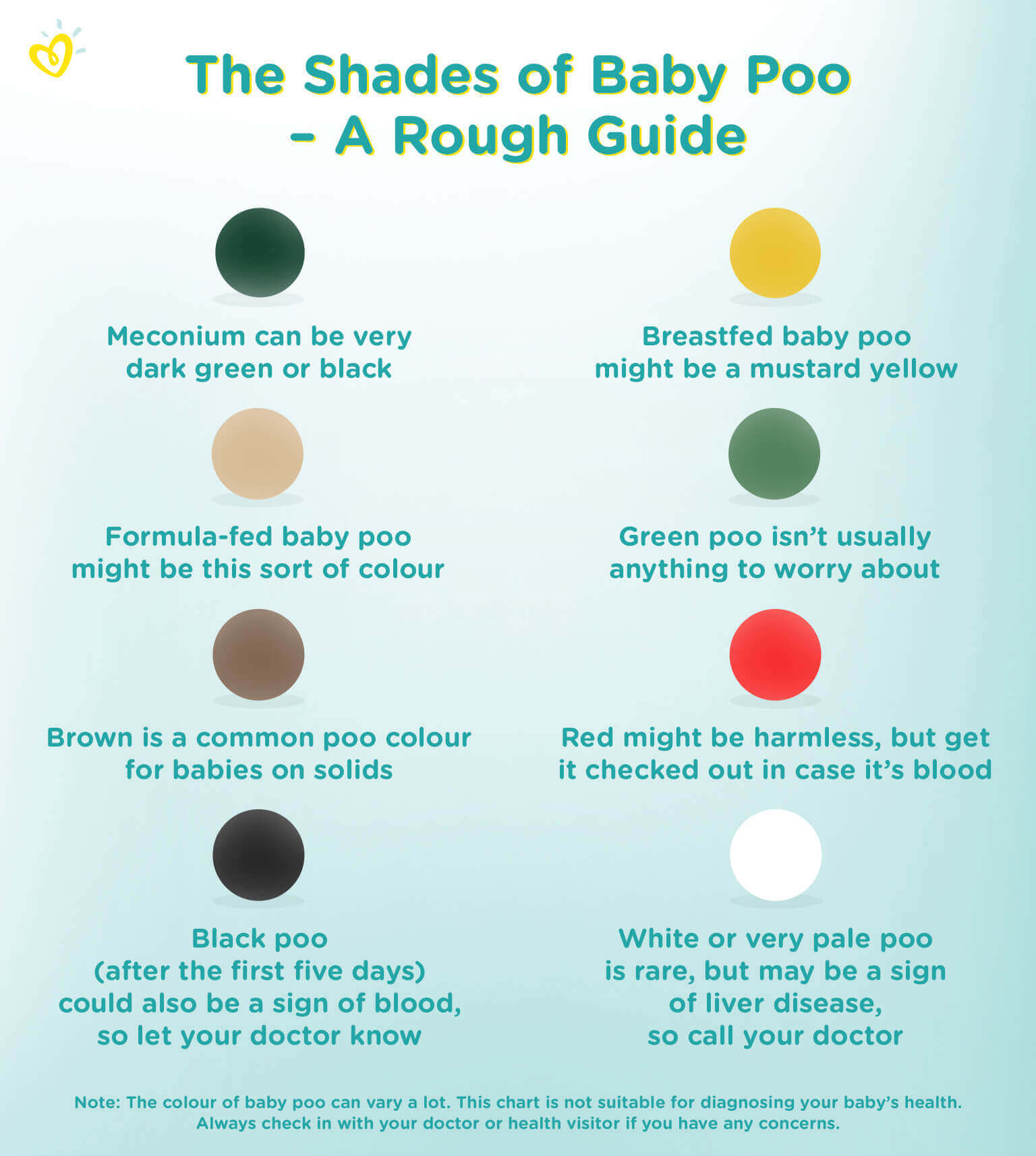
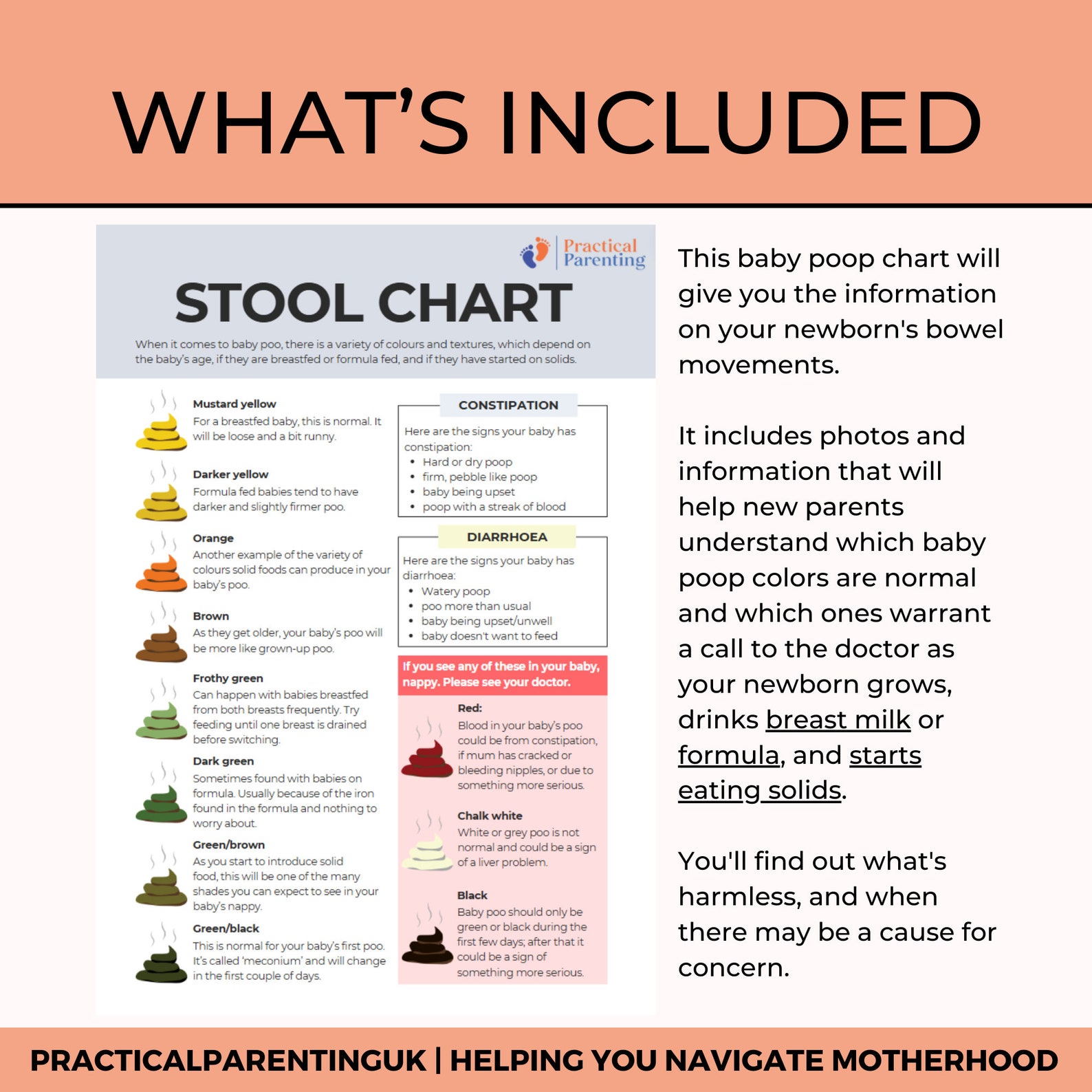
A baby poop chart is a handy tool for parents, offering a simple visual guide to understanding your little one's nappy business. This guide will give you the lowdown on how to interpret these charts and what they can tell you about your baby's health and diet. From meconium to breast milk poop and formula poop, we'll cover it all, ensuring you know what to look for and when to seek advice.
Understanding the Baby Poop Chart: A Quick Overview
The baby poop chart is a handy tool for parents to understand their little one's digestion and health. It provides a visual guide to help identify normal and abnormal poop patterns, ensuring you can spot any potential issues early on. This chart is a simple yet effective way to track your baby's progress and keep an eye on their overall well-being.
Comparing Poop Patterns: Typical and Not-So-Typical
The baby poop chart typically categorizes poop based on its color, consistency, and frequency. These categories help parents understand what's considered normal for a newborn and what might indicate an issue. For instance, a green, seedy poop with a paste-like consistency could be a sign of a healthy breastfed baby, while a hard, dry poop might indicate constipation. It's important to note that these categories can vary slightly depending on the baby's age, diet, and individual factors.
How to Use the Baby Poop Chart: A Step-by-Step Guide
Using the baby poop chart is straightforward:
- Observe your baby's poop and note its color, consistency, and frequency.
- Refer to the chart and match these observations to the corresponding category.
- The chart will provide guidance on whether the poop pattern is typical or a cause for concern.
- If you're unsure or notice any significant deviations, consult a healthcare professional for further advice.
Avoiding Misinterpretations: Common Pitfalls and How to Avoid Them
While the baby poop chart is a valuable tool, it's essential to use it correctly to avoid misinterpretations. Here are some common mistakes to watch out for:
- Overlooking individual variations: Every baby is unique, and their poop patterns can differ. Don't panic if your baby's poop doesn't exactly match the chart; it's normal for there to be some variation.
- Ignoring other symptoms: The chart focuses on poop, but it's crucial to consider other symptoms your baby might be displaying. For instance, a change in poop color could be a sign of an infection, so look for other indicators like fever or unusual behavior.
- Relying solely on the chart: While the chart provides a great guide, it's not a substitute for professional medical advice. If you have concerns, always consult a healthcare provider.
Key Factors Affecting Accuracy and Real-World Use
When using the baby poop chart, keep these factors in mind:
- Age: A baby's poop patterns can change as they grow and develop. The chart may need to be interpreted differently for newborns, infants, and toddlers.
- Diet: Breast milk, formula, and solid foods can all impact poop consistency and color. Be mindful of any dietary changes and their potential effects.
- Health conditions: Certain health issues can affect poop patterns. For example, jaundice might cause a change in poop color.
- Medications: Some medications can alter poop consistency and frequency. Always read the side effects and consult a doctor if you notice any changes.
Remember, the baby poop chart is a helpful tool, but it's just one piece of the puzzle. Stay vigilant, trust your instincts, and seek professional advice when needed.
So, there you have it, a handy guide to navigating the world of baby poop charts. It's a simple yet effective tool to have in your parenting toolkit. Remember, while these charts provide a general guide, every baby is unique, so always consider your specific circumstances and consult with healthcare professionals if needed.
Feel free to explore our other resources on related topics. We've got you covered with practical tips and insights to make parenting a little easier and more enjoyable. Happy reading and here's to healthy, happy babies!
Related: Understand the 100 Number Chart Easily
Many folks get tripped up by the 100 number chart's simplicity, but it's a powerful tool when you grasp its potential. This chart, a basic number line or grid, is often overlooked yet incredibly useful for various tasks. It's not just for counting; it's a versatile reference, and understanding its layout is key to unlocking its benefits.
Understanding the 100 Number Chart
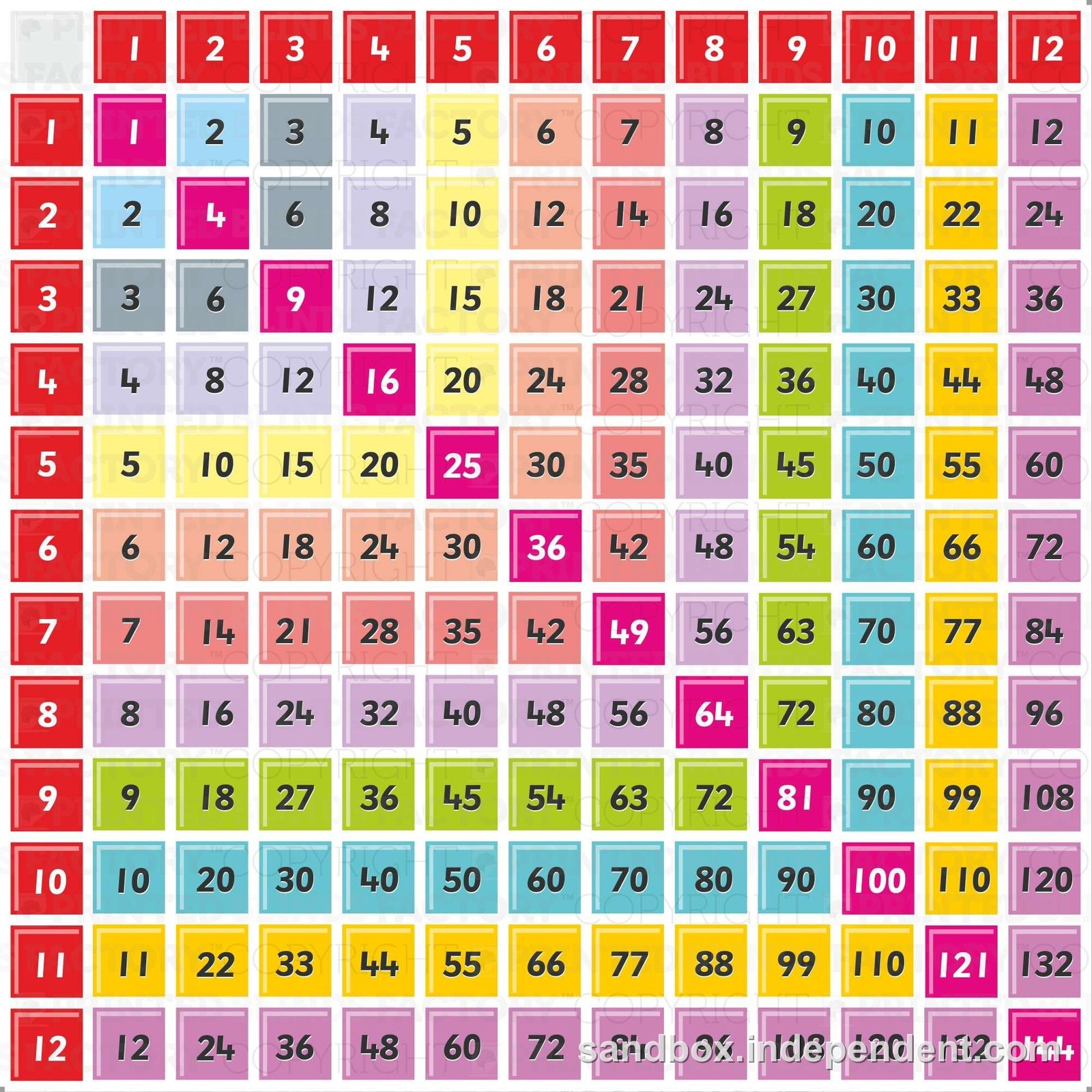
The 100 number chart is a simple yet powerful tool for visualizing and understanding numbers from 1 to 100. It's like a map that helps you navigate the world of numbers, showing you how they relate to each other and providing a quick reference for counting, calculating, and identifying patterns.
Key Details and Categories
This chart is typically a grid with 10 rows and 10 columns, creating a hundred squares. Each square contains a number, starting from 1 in the top left and increasing sequentially to 100 in the bottom right. The numbers are arranged in a logical, ascending order, with each row representing a multiple of 10. So, the first row has numbers 1 to 10, the second row has 11 to 20, and so on.
Reading and Applying the Chart
To use the 100 number chart, you simply read the numbers as you would on a regular number line. Start at the top left and move across and down, following the natural flow of the grid. This method is particularly useful for young learners who are just starting to grasp the concept of numbers and their relationships. It helps them count, identify patterns, and understand place value. For example, they can see that the number 23 is in the same row as 13 and 33, which helps reinforce the concept of 'tens' and 'ones'.
Variations and Differences
While the basic structure of the 100 number chart remains consistent, there can be variations in how it's presented or used. Some charts might include additional features like color-coding to highlight patterns or groups of numbers. Others might have certain sections emphasized to focus on specific mathematical concepts, like prime numbers or square numbers. Additionally, the chart's size and format can vary depending on its intended use and the preferences of the user or educator. It's important to note that while the 100 number chart is a great tool for understanding numbers, it's not an exhaustive resource. For more complex calculations or specific mathematical tasks, other charts or reference tables might be more suitable. Always double-check the exact specifications and tolerances for your particular use case.
Well, there you have it! A simple and handy guide to navigating the 100 number chart. Remember, these charts are versatile tools, so always check your specific needs and ensure you're using the right one for your context.
Consider bookmarking this page for future reference. It's a quick and easy way to refresh your memory and ensure you're using the chart correctly. Happy charting!
Related: Need a Pipe Thread Chart? Find the Right One Here!
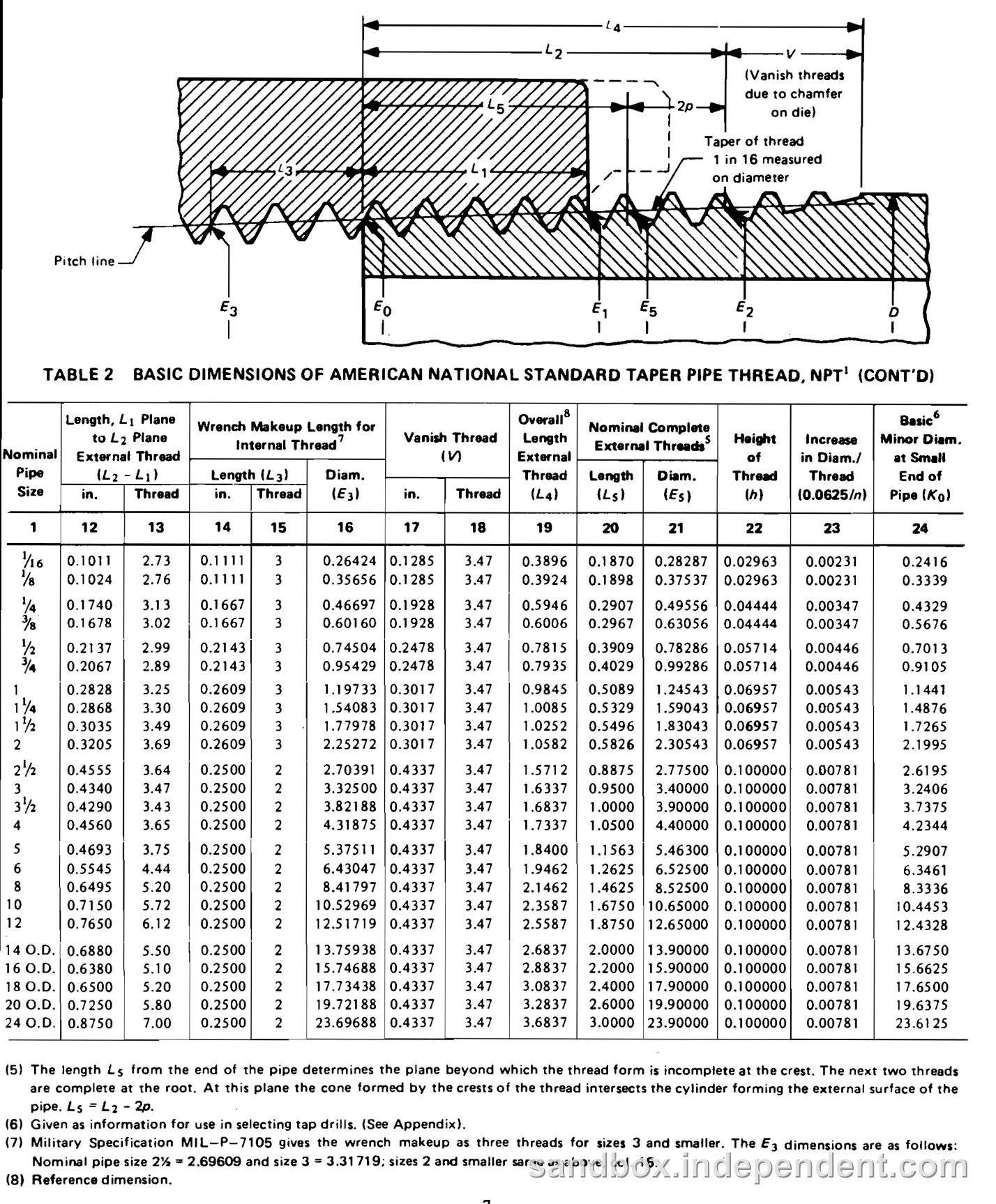
A pipe thread chart is an essential tool for anyone working with pipes and fittings, offering a quick and precise way to identify and match threads. This guide aims to provide an overview of what these charts entail and how they can be utilized effectively.
The charts present a clear and organized display of thread specifications, including standard sizes, pitch, depth, and more. While the values may vary depending on the region and pipe thread standards, the pipe thread chart serves as a reliable reference, ensuring accurate connections and preventing costly mistakes.
Understanding Pipe Thread Chart: A Practical Guide
The pipe thread chart is a valuable reference tool for anyone working with pipes and threaded connections. It provides a comprehensive overview of the various thread types, sizes, and standards commonly used in the industry. By understanding and utilizing this chart, you can ensure accurate measurements, proper fittings, and secure connections.
Key Details and Prerequisites
Before delving into the pipe thread chart, it's essential to grasp some fundamental concepts. First, pipe threads are categorized into different standards, such as the National Pipe Thread (NPT) and British Standard Pipe (BSP). These standards define the thread's dimensions, including the thread angle, pitch, and depth. The chart typically includes information on both tapered and straight threads, covering a range of sizes and series. Understanding these categories and their corresponding units is crucial for accurate interpretation.
Reading and Applying the Pipe Thread Chart
Using the pipe thread chart is a straightforward process. Here's a step-by-step guide:
Identify the Standard: Determine the pipe thread standard you are working with. This information is often indicated on the pipe or fitting itself. Common standards include NPT and BSP, but there are others as well.
Locate the Thread Series: The chart usually organizes threads into series, such as NPTF (National Pipe Thread Fuel) or BSPT (British Standard Pipe Tapered). Each series has its own unique characteristics and dimensions.
Measure the Thread Size: Measure the outside diameter (OD) of the pipe or fitting. This measurement is crucial for identifying the correct thread size.
Refer to the Chart: Using the measured OD and the identified thread series, locate the corresponding thread size and its specifications on the chart. The chart will provide details such as the thread pitch, depth, and other relevant dimensions.
Verify the Thread Type: Confirm the thread type, whether it is tapered or straight. This information is essential for selecting the right fittings and ensuring a proper seal.
Variations and Differences Across Standards
It's important to note that pipe thread standards can vary across regions and industries. The pipe thread chart may present different specifications for NPT, BSP, and other standards. These variations are due to historical and functional differences, and it's crucial to refer to the appropriate standard for accurate results. For instance, NPT threads are commonly used in the United States, while BSP threads are prevalent in the United Kingdom and other parts of the world.
Common Mistakes and How to Avoid Them
One common mistake is assuming that all pipe threads are universal. Different standards and thread series have unique specifications, and using the wrong one can lead to leaks, poor performance, or even safety hazards. Always double-check the thread type and size before making any connections. Additionally, ensure that you are using the correct chart for the specific standard you are working with. Misinterpreting the chart or applying it to the wrong standard can result in incorrect measurements and fittings.
Practical Tips for Accurate Results
To ensure accurate use of the pipe thread chart, consider the following best practices:
Always refer to the latest and most updated version of the chart. Standards and specifications can evolve over time, so staying current is essential.
When in doubt, consult with experts or refer to reputable sources for guidance. Pipe thread connections are critical, and getting it right is crucial for safety and performance.
Keep in mind that the chart provides general information. For precise applications or specialized projects, it's advisable to consult detailed specifications or seek professional advice.
Measure accurately and consistently. Small variations in measurements can lead to significant differences in thread size and fit.
Regularly inspect and maintain your pipe threads and fittings. Over time, threads can wear down or become damaged, affecting their performance.
By following these practical tips and understanding the nuances of pipe thread charts, you can ensure accurate and reliable connections in your projects.
Remember, while the fundamentals remain consistent, exact details can vary slightly across different standards and sources. It's always a good idea to double-check and refer back to this guide when needed.
Feel free to bookmark this page for future reference, and don't hesitate to explore other helpful guides we have available. Accurate measurements and seamless connections are just a click away!