



Spinal Nerve Chart Easy Overview
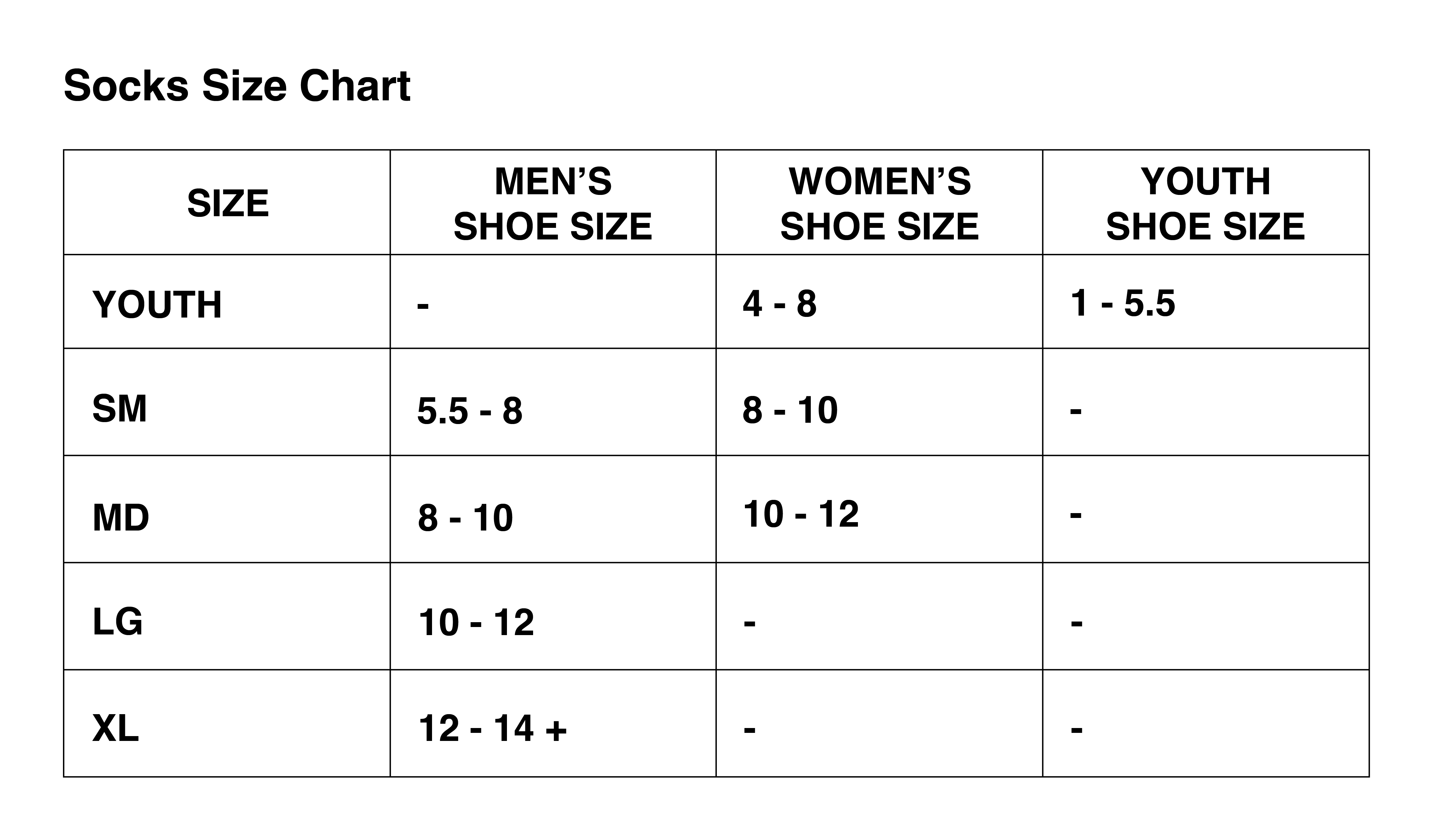
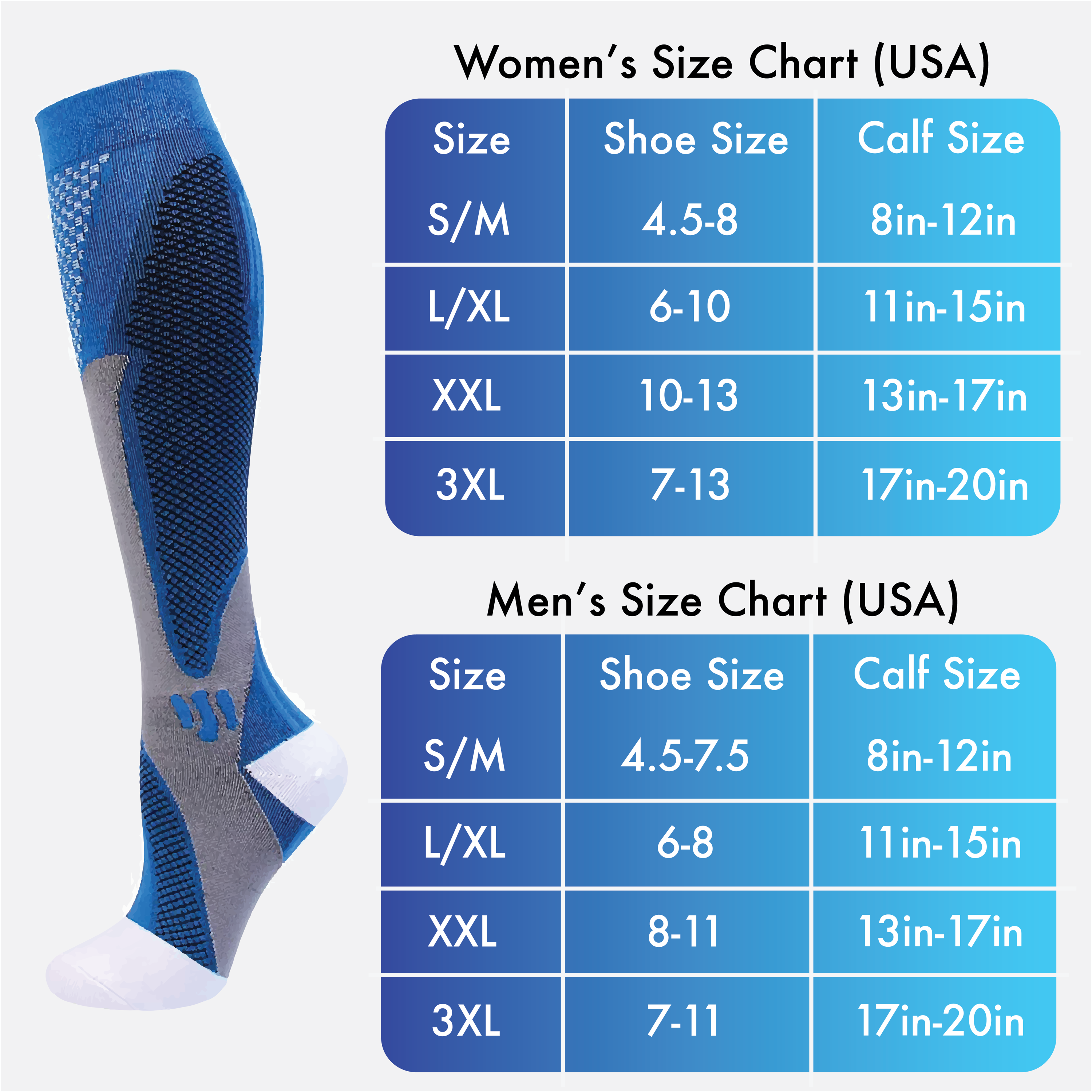
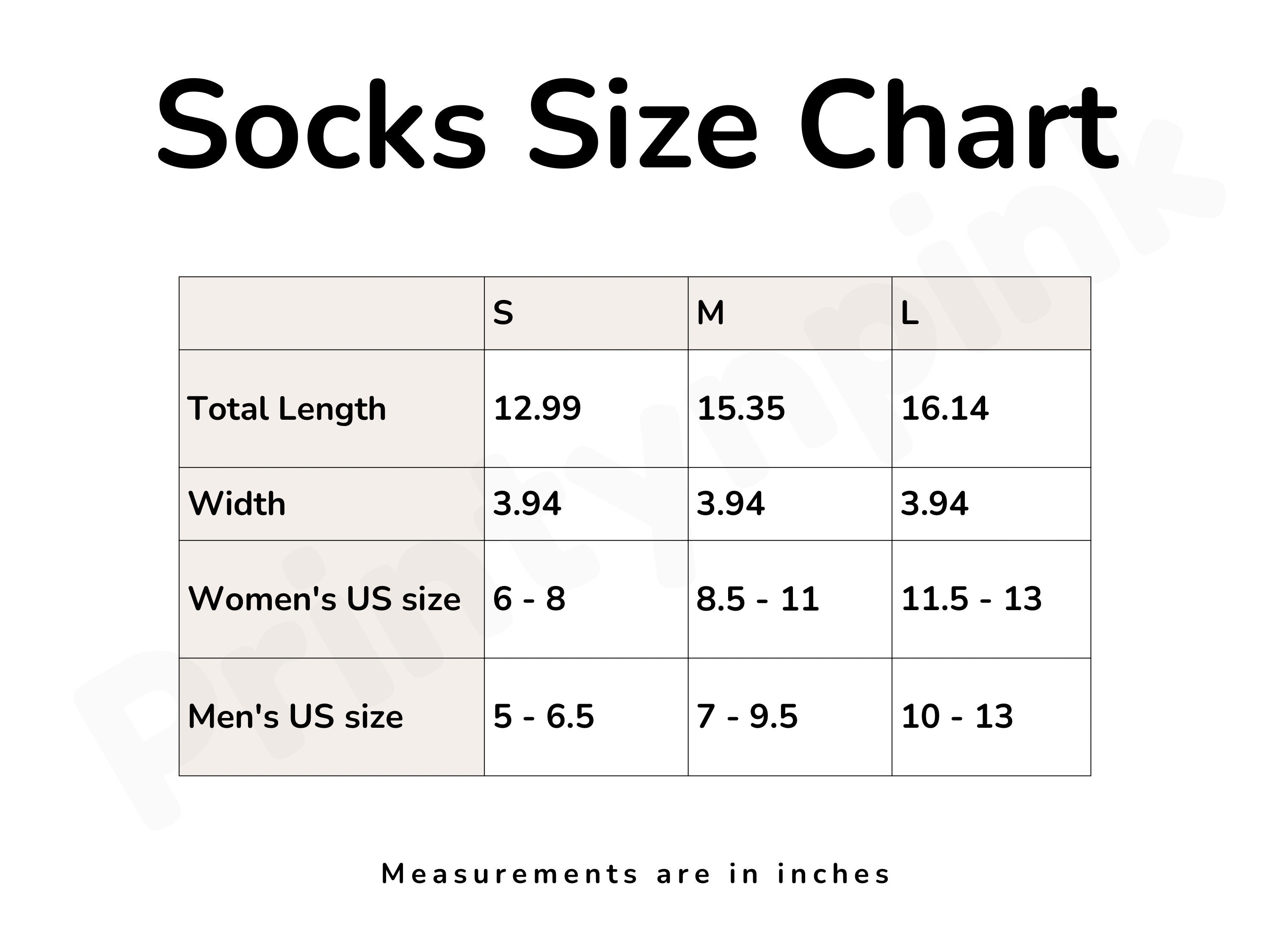
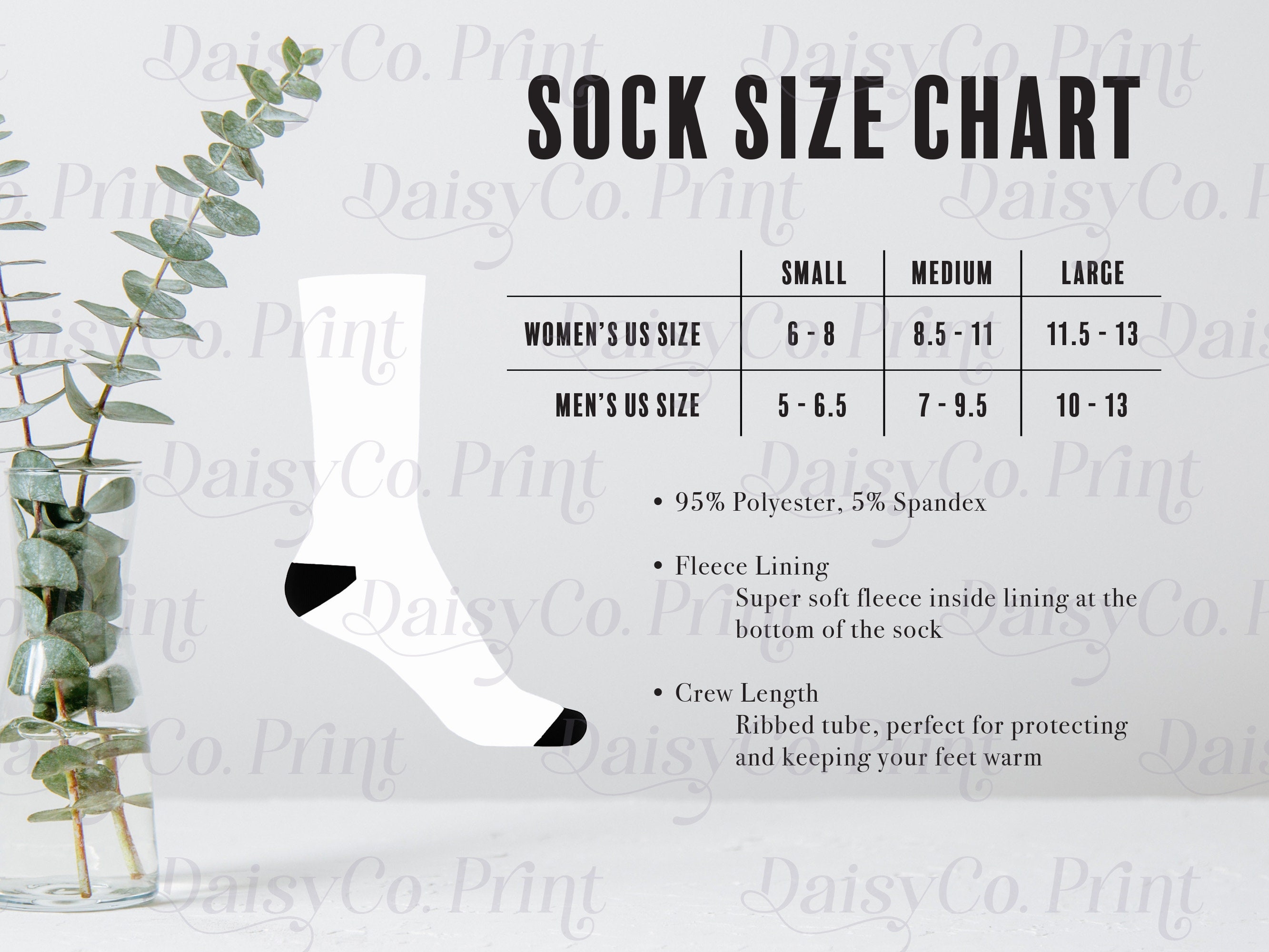
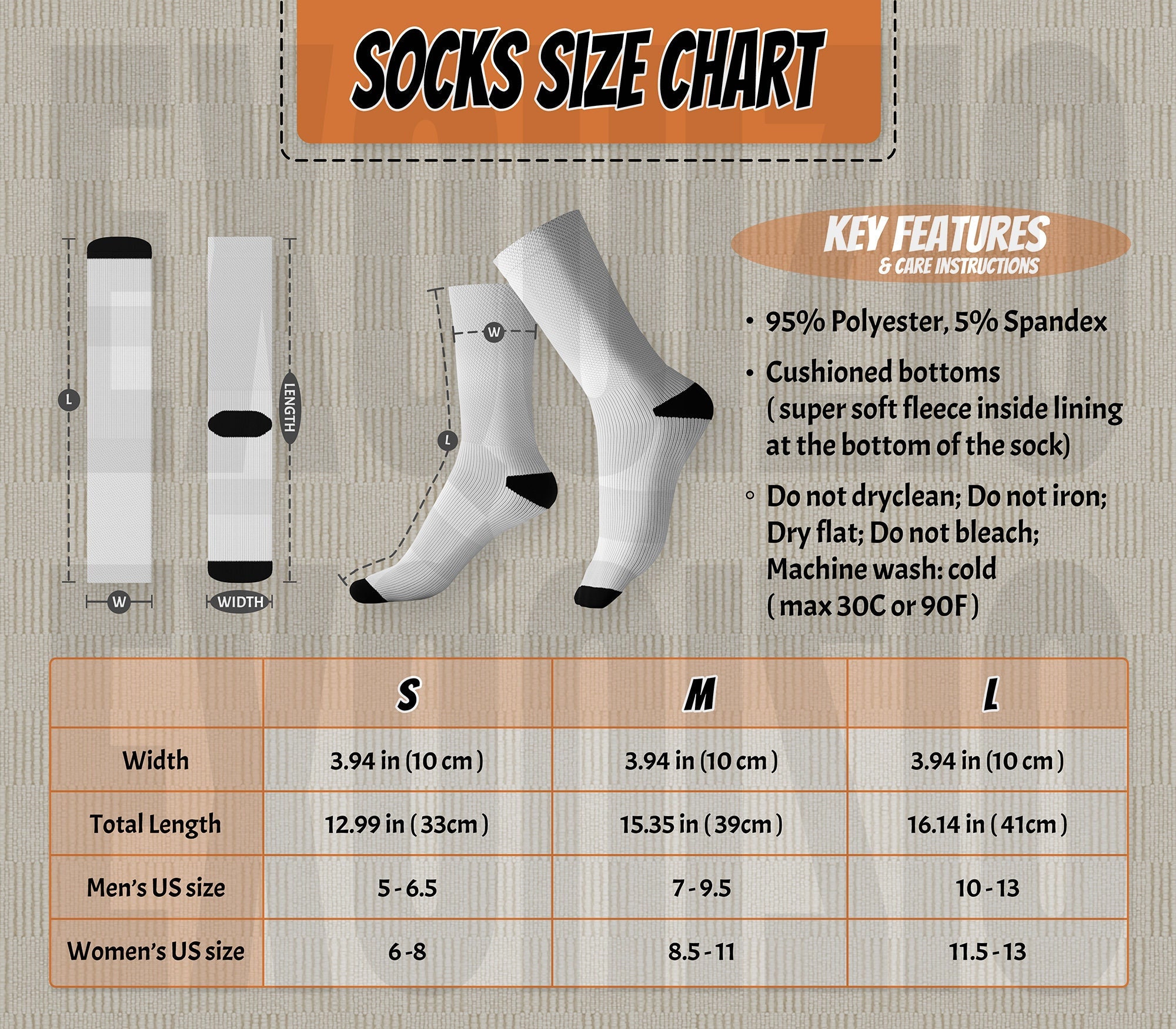
Many people overlook the importance of a sock size chart and its accuracy, often leading to ill-fitting socks and discomfort. This simple tool is your secret weapon against blisters and sore feet!
A sock size chart is a straightforward reference, yet it can vary depending on the brand and region. It's a quick guide to ensure you choose the right size, and it's especially useful when buying online. Think of it as a map to finding the perfect fit, guiding you through the process of matching your foot measurements to the right sock size.
Understanding the Sock Size Chart
A sock size chart is your go-to guide for finding the perfect fit for your feet. It's a simple tool that helps you match your foot measurements to the right sock size, ensuring comfort and avoiding any awkward bunching or slipping.
Key Details and Categories
The chart typically displays two main categories: foot length and sock size. Foot length is usually measured in centimeters (cm) or inches, and it's the distance from the heel to the tip of your longest toe. Sock size, on the other hand, is a standardized measurement that corresponds to this foot length. It's important to note that sock size charts can vary slightly depending on the region and manufacturer, so it's good to check if you're using an international sock size chart or one specific to your country.
How to Read and Apply the Chart
Using a sock size chart is straightforward:
Measure your foot length. Place your foot on a flat surface and use a ruler or measuring tape to get the distance from your heel to the longest toe.
Find your foot length on the chart. Look for the column or row that matches your measured foot length.
Identify the corresponding sock size. The intersecting row or column will give you the recommended sock size.
Choose your socks. Now you can confidently pick your socks, knowing they'll fit comfortably and snugly.
Variations and Differences
While sock size charts provide a standardized guide, there can be variations across different brands and manufacturers. Some may have slightly different size ranges or use unique sizing systems. It's always a good idea to check the brand's specific size guide, especially if you're ordering online or trying a new brand. Additionally, the type of sock (e.g., crew, ankle, or no-show) can also impact the fit, so consider the style you prefer.
Common Mistakes and How to Avoid Them
One of the most common mistakes is not measuring your foot length accurately. Ensure you're standing up and placing your foot flat on the measuring surface. Another pitfall is assuming all sock size charts are the same. Always double-check if you're using an international or regional chart, especially when shopping online or across borders. Lastly, remember that foot shape and width can also affect the fit, so consider trying on socks if possible, or opting for a brand that offers a generous return policy.
Well, that's a wrap on our sock size chart adventure! You now have the tools to ensure you're always getting the perfect fit, which is a win-win for your comfort and style.
Remember, while this guide offers a solid framework, exact values can vary slightly between different standards and sources. So, take a moment to double-check the specific requirements or guidelines relevant to your context. And there you have it—a simple yet effective way to ensure your socks are always a snug and cozy fit!
Related: Find Your Perfect Gauge Size: A Comprehensive Chart
Many people assume that a gauges size chart is a simple, one-size-fits-all guide, but it's actually a bit more complex than that! These charts are essential tools for anyone getting or wanting ear piercings, as they ensure you get the right size jewelry.
While gauges size charts provide a standard gauge system, it's worth noting that variations exist due to different measurement standards and brands. So, it's always a good idea to double-check and ensure you're using the right chart for your needs, whether it's for ear piercing measurements or body jewelry sizing.
Understanding the Gauges Size Chart: A Quick Overview
The gauges size chart is a handy tool for anyone who wants to understand and work with different gauge sizes. It provides a clear visual representation of the various measurements used for gauge sizing, typically for body jewelry or ear piercings. This chart is your go-to reference, offering a simple way to grasp the differences between gauge sizes.
Comparing Gauge Standards and Formats
When it comes to gauge sizes, there are two main standards: the imperial and metric systems. The gauges size chart often presents these in separate columns or sections. Imperial gauges are measured in fractions of an inch, while metric gauges use millimeters. It's crucial to know which system you're dealing with to read the chart accurately.
Measuring Accurately: Step-by-Step Guide
Using the gauges size chart is straightforward:
- Identify the type of gauge you're working with - whether it's an imperial or metric gauge.
- Locate the corresponding column or section on the chart.
- Find the specific gauge size you need by matching it to the values on the chart.
- Take note of the measurements provided, ensuring you understand whether they are in inches or millimeters.
- If you need to convert between the two systems, you can use a gauge conversion chart as a helpful tool.
Common Gauge Mistakes and How to Avoid Them
A common pitfall is mixing up the imperial and metric systems. Always double-check which system your gauge size follows to ensure accurate measurements. Another mistake is assuming all gauge sizes are universal. Different manufacturers and regions might have slight variations, so always refer to the specific body jewelry sizing standards for your context.
Factors Affecting Accuracy and Real-World Use
The gauges size chart is a valuable reference, but it's important to remember that real-world applications can vary. Factors like material tolerance, manufacturing processes, and even the specific body part being pierced can influence the actual size. Always check with reputable sources or professionals for the most accurate information, especially for specialized applications.
Adapting the Chart for Your Needs
While the gauges size chart provides a standard reference, it's adaptable to different needs. If you work primarily with one gauge system, you can focus on that section for quicker reference. For those who need a more comprehensive view, combining both imperial and metric systems on one chart can be beneficial. Additionally, some charts offer additional features like conversion tools or visual aids to assist in understanding gauge sizes.
So, there you have it! A comprehensive guide to gauge size charts, covering all the bases. We've looked at the different standards, a step-by-step process for accurate readings, and even some common mistakes to avoid.
Remember, when it comes to precision, context is key. Ensure you're using the right chart for your specific needs and double-check any critical applications. With these charts as your reference, you'll be well-equipped to make informed decisions. Feel free to explore our other guides; we've got plenty of practical tips and tricks to offer!
Related: Unraveling the Wine Sweet Chart: A Simple Guide
A wine sweet chart is a handy tool for any wine enthusiast, offering a simple and visual way to understand the sweetness levels in your favorite wines. This guide will cover the basics, helping you read and interpret these charts like a pro.
It's a great reference, especially when you want to explore new wines and understand their sweetness. The charts provide a quick insight into the wine's sugar content, often measured as residual sugar, and can vary depending on the wine's style and origin.
The Wine Sweet Chart: Your Guide to Wine Sweetness
The wine sweet chart is a handy tool that wine enthusiasts and professionals use to understand and communicate the sweetness levels of different wines. It provides a standardized way to measure and categorize wine based on its residual sugar content, offering a clear indication of how sweet or dry a wine is.
Key Details and Categories
The chart typically presents a range of sweetness levels, often using a scale of 0 to 10 or 0 to 100, with 0 representing a bone-dry wine and higher numbers indicating increasing sweetness. This scale is a relative measure, allowing for easy comparison between wines. The categories are usually defined by specific sugar content ranges, such as 0-1 g/L for dry wines and 100+ g/L for very sweet wines.
Reading and Applying the Wine Sweet Chart
To use the wine sweet chart, follow these steps:
Identify the wine's sweetness level: Look for information on the wine's label or consult a wine guide or expert to determine its sweetness category.
Understand the scale: The chart provides a visual representation of the sweetness range, with dry wines at one end and very sweet wines at the other.
Interpret the values: Each wine on the chart is assigned a number or category, indicating its sweetness level. For example, a wine labeled as "Off-Dry" might fall between 1 and 3 on a 0-10 scale.
Apply the knowledge: Knowing a wine's sweetness level can help you choose the right wine for a meal, pair it with appropriate foods, or simply understand its unique characteristics.
Variations and Differences
It's important to note that the wine sweet chart may vary depending on the standard or region. Different wine-producing countries or organizations may use slightly different scales or categories. For instance, the International Organisation of Vine and Wine (OIV) uses a 0-400 scale for residual sugar, with specific categories like "Dry" (0-4 g/L) and "Very Sweet" (120-400 g/L). Always refer to the specific standard being used to ensure accuracy. Additionally, factors like fermentation, climate, and grape variety can influence a wine's sweetness, leading to variations within the same category.
Well, there you have it! A handy wine sweet chart, a simple yet effective tool to navigate the world of wine sweetness. Remember, while the basics remain the same, the exact details might shift a little depending on the source and context.
Feel free to bookmark this page for future reference; it's a quick and easy way to ensure you always have a sweet guide at your fingertips! We've got plenty more guides like this, so be sure to check them out for all your wine-related queries.