





Spotify Pie Chart Editable Overview
The Brooks size chart is a valuable tool for anyone seeking accurate sizing information, offering a simple and effective way to find the right fit. This guide will navigate you through the various charts and sizing guides Brooks provides, ensuring you understand the process and can make an informed choice. Whether you're after a precise shoe size or need to find the perfect bra fit, these charts are designed to simplify the process, and we'll explore how to utilize them effectively.
Understanding the Brooks Size Chart
The Brooks size chart is a valuable tool for anyone looking to find their perfect fit in Brooks footwear and apparel. It provides a comprehensive guide to help you determine your ideal size across various Brooks products, ensuring a comfortable and precise fit. This chart serves as a reference, offering size conversions and measurements to assist you in making informed choices.
Key Details and Categories
The Brooks size chart covers a range of sizes, typically starting from smaller sizes like 5 or 6 and extending up to larger sizes, such as 12 or 13, depending on the product category. It includes both men's and women's sizes, with separate charts for shoes and apparel. The shoe size chart provides measurements in both US and UK sizes, offering a conversion guide for international customers. For apparel, the chart typically uses standard sizing categories like small, medium, and large, with specific measurements for each category.
Step-by-Step Guide: Reading and Applying the Size Chart
To utilize the Brooks size chart, follow these steps:
- Identify the product category you are interested in, whether it's shoes or apparel.
- Locate the corresponding size chart for your gender.
- For shoes, find your US or UK size and refer to the provided measurements. Ensure you measure your foot length accurately, as this is crucial for a precise fit.
- In the case of apparel, identify your size category (e.g., small, medium) and refer to the provided measurements for chest, waist, and hip sizes.
- Compare your measurements with the size chart to determine the best fit. If your measurements fall between sizes, consider opting for the larger size for a more comfortable fit.
- Remember, the Brooks size chart serves as a guide, and individual preferences may vary. It's always a good idea to try on the product to ensure the perfect fit.
Size Variations and Differences
It's important to note that size variations can occur across different Brooks products and even within the same product line. These variations may be due to factors such as the intended use of the product, the materials used, or design differences. For instance, running shoes might have a slightly different fit compared to casual footwear. Additionally, Brooks may offer specialized fits, like wide or narrow options, to cater to individual foot shapes. Always refer to the specific size chart for the product you are interested in to ensure accuracy.
Common Mistakes and How to Avoid Them
When using the Brooks size chart, avoid these common mistakes:
- Relying solely on your usual shoe size without considering the specific fit of Brooks shoes.
- Neglecting to measure your feet accurately, especially if you're between sizes.
- Assuming that all Brooks apparel will fit the same; always refer to the size chart for each product.
- Failing to account for personal preferences; some may prefer a tighter or looser fit, so consider your comfort level.
- Not checking the size chart for any specific fit options, like wide or narrow, that may be available. By being mindful of these potential pitfalls, you can ensure a more accurate and satisfying shopping experience with the Brooks size chart.
Well, there you have it! A simple yet effective guide to understanding Brooks' size chart. Remember, these charts are a great tool, but it's always wise to confirm the specific details for your unique needs.
Don't forget to keep this page handy for future reference. It's a quick and easy way to ensure you're on the right track when it comes to sizing, and it might just save you some time and hassle down the line. Consider it your go-to resource for a smooth and stress-free sizing experience.
Related: What's the deal with steak cuts chart?
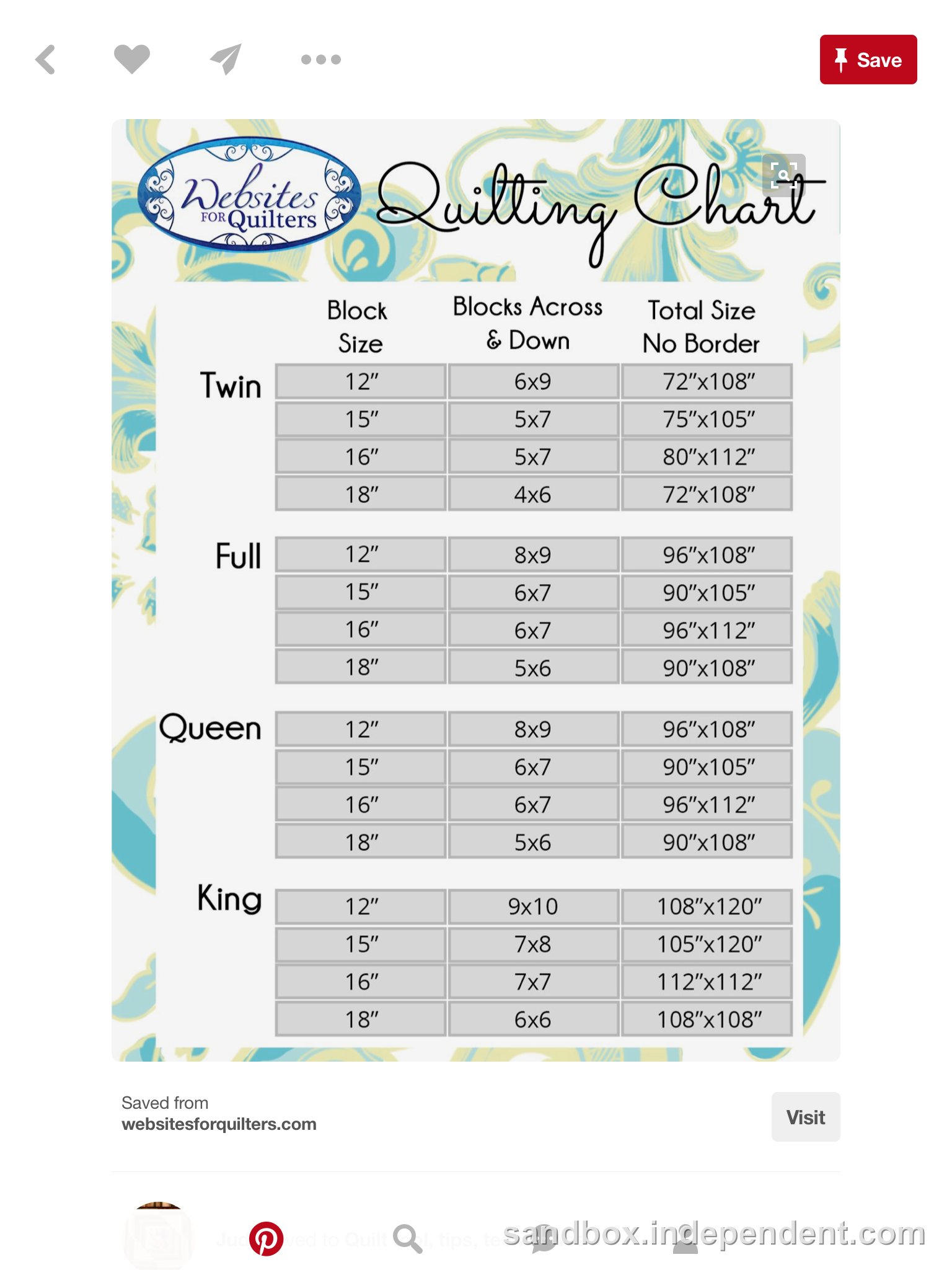
You've got your steak cuts chart at hand, ready to navigate the world of beef cuts with ease. This handy reference tool is a lifesaver for any cooking enthusiast, offering a quick glance at the various cuts and their unique characteristics. The steak cuts chart provides a simple visual guide, ensuring you choose the right cut for your culinary creation. While formats may vary, the essence remains the same: a practical tool to elevate your steak game.
A Practical Guide to Understanding the Steak Cuts Chart
The steak cuts chart is your go-to reference for all things steak-related. It's a visual guide that helps you navigate the world of steak cuts, making it easier to choose the perfect cut for your culinary adventures. This chart is a valuable tool for both beginners and experienced cooks.
Comparing Steak Cuts: Standard Sizes and Popular Variations
The steak cuts chart typically displays different cuts of beef, organized by their names and standard sizes. You'll find classic cuts like ribeye, sirloin, and tenderloin, each with its own unique characteristics. These charts often follow regional or industry standards, so you might see variations in measurements or names depending on where you are. For instance, a ribeye steak can range from 1 to 1.5 inches thick, but some charts may specify a slightly different thickness.
How to Use the Steak Cuts Chart: A Step-by-Step Guide
Start by identifying the type of steak you want to cook. The chart will provide a visual representation of each cut, making it easy to recognize.
Check the thickness or weight of the steak. This information is crucial for cooking times and methods. Most charts will give a standard range, but always double-check the exact specifications on the package or with your butcher.
Consider the fat content and marbling. Some charts will indicate the amount of fat, which can impact the flavor and juiciness of your steak.
Choose the right cut for your cooking method. Different cuts are better suited for grilling, pan-searing, or slow cooking. The chart can guide you on which cuts work best for your preferred cooking style.
Avoiding Missteps: Common Pitfalls and How to Avoid Them
While the steak cuts chart is a fantastic resource, it's essential to be aware of potential variations. Always remember that charts might not cover every single cut or variation. For instance, some specialty butchers may offer unique cuts with different names or sizes. Additionally, cooking times and methods can vary based on personal preference and the specific cut's thickness. It's always a good idea to consult multiple sources or ask your butcher for advice to ensure you're getting the best cut for your needs.
Well, that's a wrap on our steak cuts chart adventure! We've covered a lot of ground, from understanding the different cuts to learning how to use our handy guide. Now you're equipped with the knowledge to make informed choices and impress your steak-loving friends.
Remember, while this chart is a great tool, it's always wise to double-check the specifics for your region or personal preferences. Exact values might vary, so it's good to be aware of any local standards or your own unique requirements. Consider bookmarking this page for future steak adventures—it'll be a lifesaver when you need a quick refresh!
Related: Unraveling the USC Depth Chart: A Clear Guide
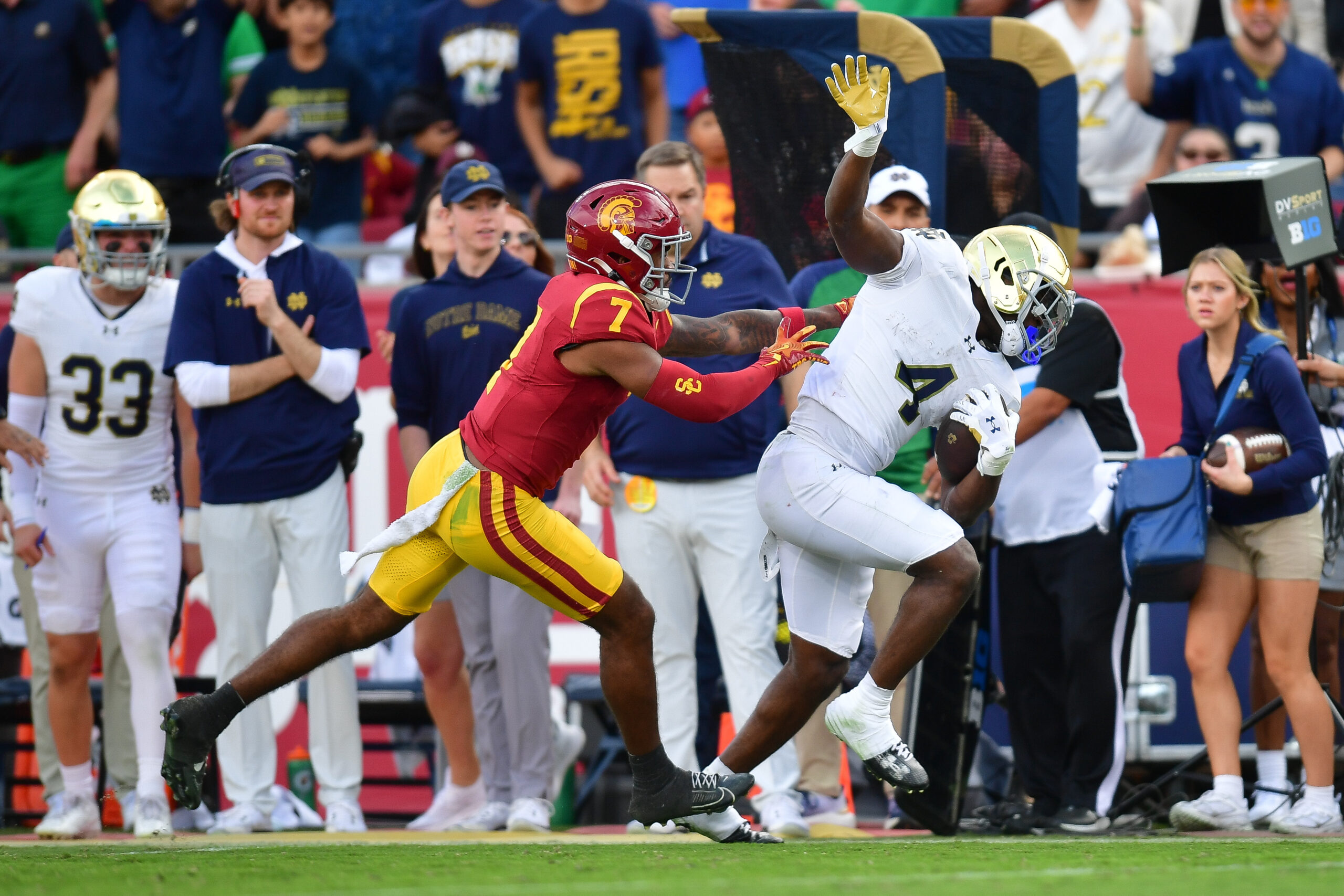
A USC depth chart is a valuable tool for any sports fan or analyst, offering a clear glimpse into a team's lineup and strategy. This guide will break down the essentials, covering what you need to know to understand and utilize this chart effectively.
It provides an at-a-glance view of the team's depth and starting lineup, with player rankings and position groups clearly outlined. While the exact format may vary, the USC depth chart is a reliable resource for predicting the team's starting lineup and analyzing their overall depth.
Understanding the USC Depth Chart: A Practical Overview
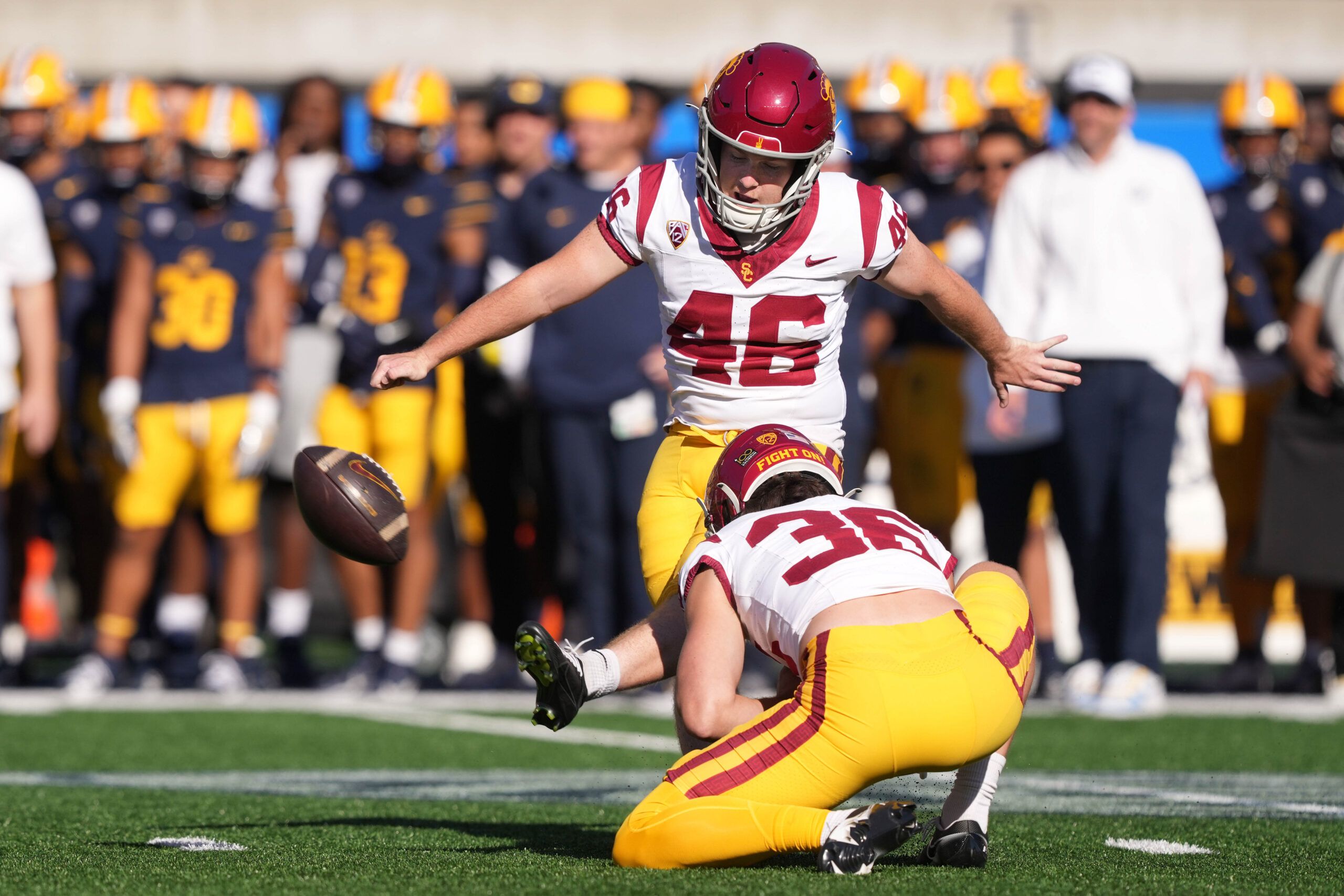
The USC depth chart is a valuable tool for sports enthusiasts, providing an insightful look into the University of Southern California's football team structure. It's a reference guide that outlines the players' positions and their rankings within the team, offering a snapshot of the current squad's composition.
Comparing Key Positions and Player Rankings
The depth chart typically displays the starting lineup first, followed by backup players for each position. These rankings are based on various factors, including skill, experience, and performance during practices and previous games. It's a dynamic tool, often changing as players improve, get injured, or transfer, so it's essential to refer to the most recent version for accurate information.
Step-by-Step Guide to Reading the USC Depth Chart
When analyzing the depth chart, start by identifying the position groups. These are typically listed across the top of the chart, with players' names and rankings beneath each position. The rankings often use a simple numerical system, with the starting player at the top, followed by backups in descending order. For example, a position might show "1. John Smith, 2. Jane Doe, 3. Michael Jones."
Here's a quick breakdown of the key steps:
- Locate the position group you're interested in.
- Identify the starting player and their ranking.
- Note the backups and their respective rankings.
- Repeat for each position group to get a comprehensive overview.
Avoiding Common Misreadings and Pitfalls
While the USC depth chart is a straightforward tool, there are a few potential pitfalls to be aware of. One common mistake is assuming that the depth chart is set in stone. Remember, it's a snapshot of the current team structure and can change rapidly due to injuries, transfers, or performance improvements.
Another potential issue is misinterpreting the rankings. The numbers don't always indicate a significant skill gap between players; they simply reflect the current team's structure and strategy. It's also worth noting that some positions might have more depth than others, which can impact the overall team dynamics and strategy.
So, keep an eye on the latest updates, and remember that the depth chart is just one piece of the puzzle when it comes to understanding a team's performance and potential.
Hey there! So, the USC depth chart is a handy tool, and while we've covered the basics, remember that these charts can have slight variations. It's always a good idea to double-check and adapt to your specific needs.
Feel free to explore other guides on our site; we've got plenty of resources to help you navigate these topics and more. Happy learning, and don't forget to keep an eye out for those unique twists and turns!