





Starter Pokemon List Overview
I was walking past a busy construction site the other day, and it got me thinking about public listed construction companies. Who are these firms, and what do they do? Well, let's find out!
Understanding Public Listed Construction Companies
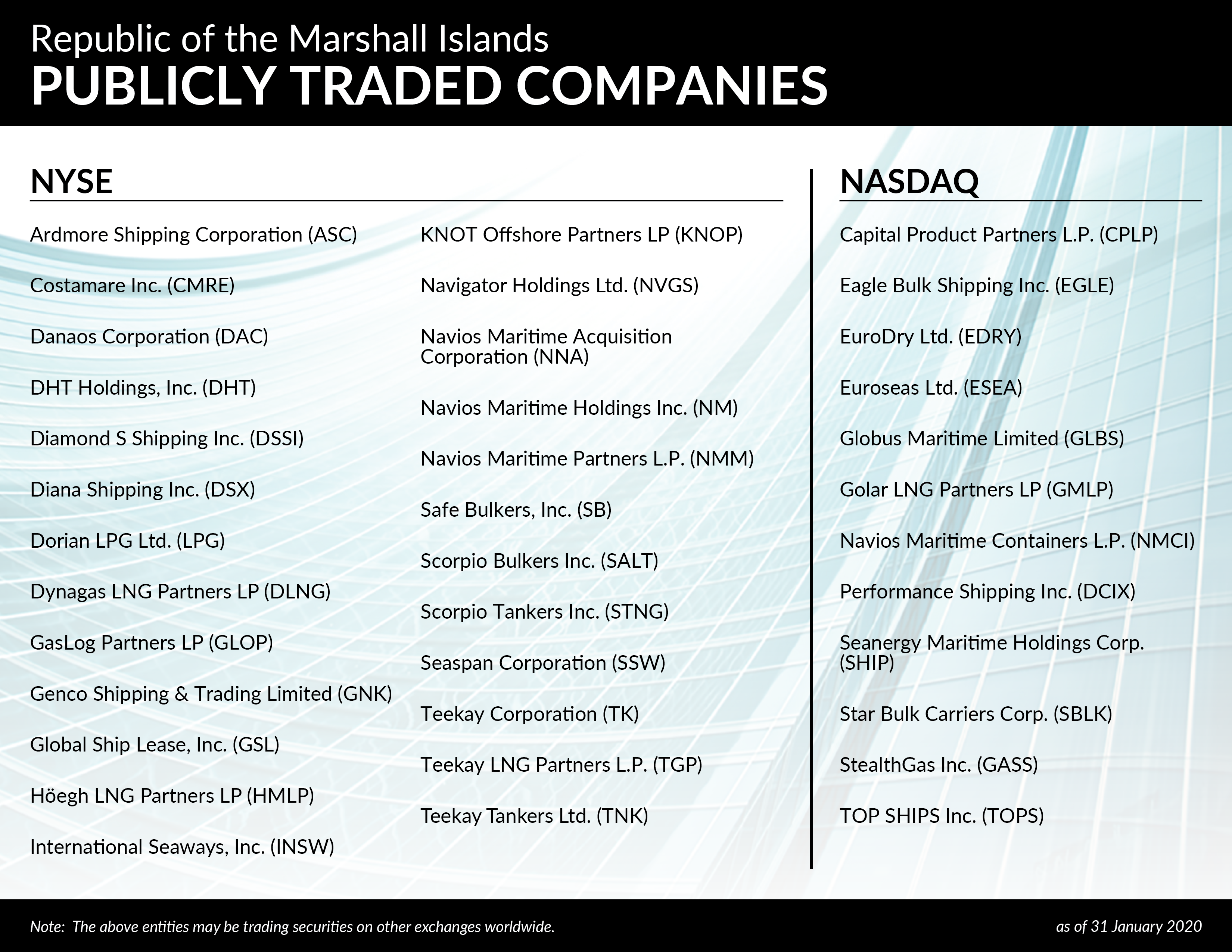
A public listed construction company is a business that builds and renovates structures, from homes to commercial buildings, and everything in between. These companies are often large-scale operations, with the resources to take on major projects. They might construct new buildings from the ground up or handle complex renovations and additions. The key here is that these companies are publicly listed, which means their shares are traded on a stock exchange and anyone can invest in them.
So, why does this matter? Well, for one, it means these companies are usually well-established and financially stable. They have the backing of investors and the public market, which can be a good sign of their long-term viability. This stability is important when you're considering hiring a contractor for a big project. You want to know they'll be around to honor their warranty and provide ongoing support.
Hiring a Contractor: What to Look For
When you're in the market for a contractor, whether it's for a home renovation or a new build, there are a few key things to consider. First, check their licensing and insurance. Make sure they're properly registered and insured for the work they do. This protects you in case of accidents or issues down the line. Next, ask for references and check their online reviews. Seeing what past clients have to say can give you a good idea of the company's reliability and quality of work.
It's also important to get multiple quotes. Prices can vary widely, and you want to make sure you're getting a fair deal. Compare apples to apples though; make sure the scope of work is the same across all quotes. And don't forget to ask about the timeline. A good contractor will give you a realistic estimate of how long the project will take, and they should be able to explain any potential delays.
Naming Your Construction Business
If you're in the construction business or thinking of starting one, you'll need a great name. A catchy, memorable name can help you stand out and make a good first impression. But what makes a good name? It should be unique, easy to remember, and reflect your business's personality or services. Avoid names that are too generic or could be confused with other businesses.
Here are a few original name ideas:
- BuildCraft
- Renova Solutions
- StructureWorks
- HomeRevamp
- ConstructoPros
- BuildTech
Remember to check the availability of these names and secure the relevant domains and local registrations before you finalize your choice.
The Construction Industry: A Quick Overview
The construction industry is a vast and diverse field, with roles ranging from general contractors to specialized tradespeople. Estimators, for example, play a crucial role in calculating costs and providing accurate quotes. Then there are project managers, who oversee the entire operation, ensuring it stays on track and within budget. These jobs can be found through various channels, including online job boards, industry-specific websites, and even word-of-mouth recommendations.
Data and Tools: RSMeans and More
In the construction world, tools like RSMeans are essential. RSMeans provides cost data and estimating tools, helping contractors and companies accurately price their work. It's a valuable resource for staying competitive and ensuring projects are financially viable. Similarly, cost databases and indexes are used to track and predict construction costs, helping businesses plan and budget effectively.
Large vs. Small Construction Firms
The construction industry is diverse, with a range of company sizes. Large firms often have the resources to take on big, complex projects and may have a national or even international presence. They can offer a wide range of services and have the manpower to handle multiple projects simultaneously. On the other hand, smaller firms might specialize in a particular area, like home renovations, and offer a more personalized service. They might be better suited to local projects and have a strong understanding of the specific market and its needs.
So, there you have it! A quick dive into the world of public listed construction companies. Whether you're looking to hire a contractor or just curious about the industry, I hope this gives you a better understanding of what these companies do and how they operate.
Related: Uncover the Secrets of Chart of Kalyan
Many people often mistake the chart of kalyan for a complex and mysterious tool, but it's actually a simple and incredibly useful reference guide. The kalyan chart is a straightforward visual aid, and while it may look intimidating at first, its purpose is to provide a quick and easy reference for specific tasks. Think of it as a handy, universal language that simplifies complex information.
You'll find that this chart, in its various forms, is an essential tool for many, offering a clear and consistent way to understand and apply certain standards. Whether it's a kalyan diagram or a reference table, the key is to remember that its values and formats might vary depending on the context, so it's always a good idea to check the specific standards for your needs.
Understanding the Chart of Kalyan
The Kalyan chart is a reference tool that provides a visual representation of key data points, helping users quickly grasp complex information. It's a handy guide, often used in various industries, to make informed decisions and ensure accuracy in measurements and calculations. This chart is a valuable resource, offering a simple yet effective way to interpret and apply specific data.
Comparing Chart Variations
There are different versions of the Kalyan chart, each tailored to specific needs. These variations can include different measurement systems, such as the metric system or imperial units, depending on the region and industry. Additionally, charts may differ in their level of detail and the data they present, ranging from basic overviews to highly detailed breakdowns.
Step-by-Step Guide to Using the Chart of Kalyan
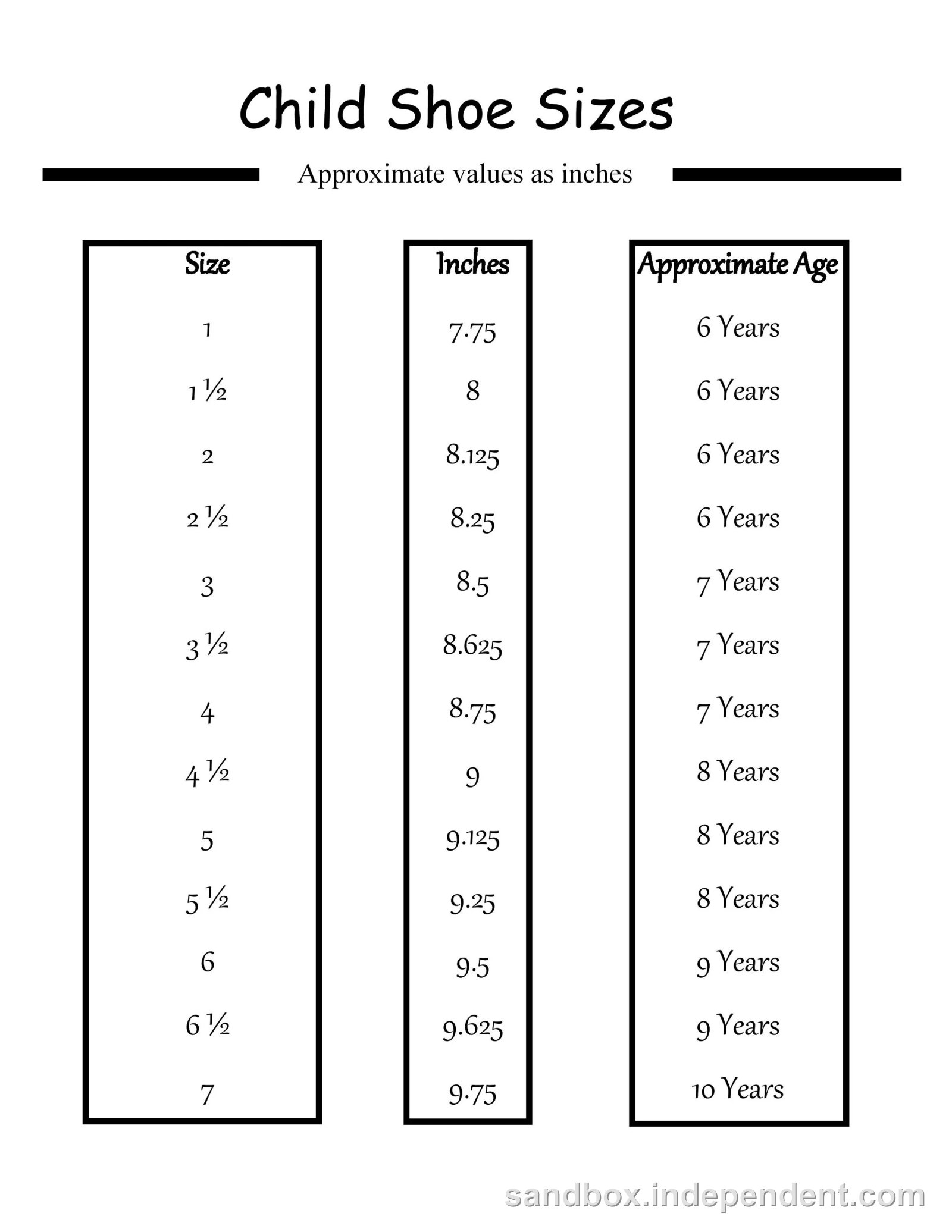
Using the Kalyan chart is straightforward. First, identify the type of chart you're working with, ensuring it aligns with your measurement system and data requirements. Next, locate the specific data point or category you need. Read the values or categories carefully, noting any units of measurement. For instance, if you're using a chart with imperial units, ensure you understand measurements like inches or feet. Finally, apply the data to your calculations or decision-making process.
Common Misreadings and How to Avoid Them
Misinterpreting the Kalyan chart is easy, especially when dealing with multiple variations. To avoid this, always double-check the chart's units and ensure they match your needs. For example, mistaking inches for centimeters can lead to significant errors. Additionally, pay attention to any notes or legends on the chart, as these often provide crucial context. Misreading these can result in incorrect assumptions about the data.
Key Factors Affecting Accuracy
Several factors can impact the accuracy of the Kalyan chart and its real-world applications. These include:
- Standardization: Ensure the chart follows the relevant industry or regional standards.
- Data Freshness: Regularly update your charts to account for any changes in specifications or tolerances.
- User Experience: Familiarity with the chart's format and data can impact accuracy.
- Environmental Factors: Consider any external influences, like temperature or pressure, which may affect measurements.
Choosing the Right Chart Format
Selecting the appropriate Kalyan chart format is crucial for accurate results. Consider your specific needs and the data you require. For instance, if you need detailed measurements, opt for a chart with a higher level of precision. On the other hand, a basic overview chart might suffice for general decision-making. Always ensure the chart's units match your measurement system to avoid confusion and errors.
Keeping Your Reference Reliable
To maintain the reliability of your Kalyan chart, regular updates are essential. Stay informed about any changes in standards or specifications relevant to your industry. Additionally, consider creating a system to track and manage different chart versions, ensuring you always have access to the most recent and accurate data. This practice helps avoid using outdated charts, which can lead to significant errors.
Well, there you have it! A comprehensive guide to the Chart of Kalyan, a handy tool for your reference needs. We've covered a lot of ground, from understanding the different options to ensuring accuracy and reliability.
Remember, when it comes to practical guides like this, it's always worth taking a moment to ensure the specifics match your unique situation. So, double-check those details, and you'll be all set!
If you found this guide helpful, feel free to explore our other resources. We've got a range of practical, no-nonsense guides to assist with various topics. Happy learning, and we hope to see you around!
Related: Link Seal Chart: Your Simple Reference Guide
You're probably familiar with the link seal chart, a handy reference tool for anyone working with seals and their applications. It's a simple yet effective visual guide, offering a quick and reliable way to understand seal measurements and types. This chart, with its clear layout, provides an efficient solution for those seeking precise information without the need for extensive research. While the values and formats may vary depending on certain factors, the link seal chart serves as a valuable starting point, ensuring you have the right data at your fingertips.
Link Seal Chart: Unlocking the Secrets of Effective Sealing
The link seal chart is a valuable tool for anyone involved in construction, engineering, or industries requiring precise sealing solutions. This reference guide provides a clear understanding of the various seal types, their dimensions, and their applications. By using the link seal diagram, you can make informed decisions and ensure successful installations.
Key Measurements and Categories
The chart presents a comprehensive overview of standard link seal dimensions, offering a quick reference for professionals. It typically includes columns indicating the seal type, its size or diameter, and other relevant specifications. Common seal types, such as single, double, or triple-link seals, are categorized and measured in inches or millimeters, depending on the standard being used. Each seal type has its unique characteristics and is designed for specific purposes.
Understanding the Chart: A Step-by-Step Guide
Reading the link seal chart is straightforward. First, identify the seal type you require for your project. The chart will provide a range of options, each with its own set of dimensions. Pay close attention to the seal's diameter, as this is a critical measurement for proper installation. Additionally, the chart may offer insights into the seal's material, which is essential for compatibility and durability considerations.
Here's a simple step-by-step process:
- Identify the seal type needed.
- Locate the seal on the chart and note its diameter.
- Check the material and ensure it aligns with your project requirements.
- Cross-reference with industry standards or manufacturer specifications for any specific tolerances or additional details.
Seal Variations and Practical Tips
While the link seal chart provides a valuable framework, variations can occur due to industry standards, regional differences, and specific use cases. It's essential to be aware of these potential discrepancies. Here are some key factors to consider:
- Standard link seal dimensions may differ slightly between regions, so always double-check the relevant standards for your location.
- Manufacturer-specific charts might offer unique seal types or measurements, so refer to their guides for accurate information.
- Environmental factors, such as temperature and pressure, can influence seal performance, so choose seals suitable for your application.
Remember, the link seal chart is a practical tool, but it's essential to adapt and verify the information for your specific project needs. With this guide, you can confidently navigate the world of sealing solutions and ensure successful installations.
Hey there! I hope this link seal chart has been a helpful reference for you. Remember, while the basics remain consistent, the exact details can shift a little based on your specific context or the standards you're working with.
Feel free to keep this page bookmarked for future use. It's always handy to have a quick, reliable guide like this at your fingertips. You might also want to explore some of our other practical guides for more tips and tricks. Happy referencing!