


Strip Chart Graph Letter Size Overview
A youth sizing chart is a handy tool to have when shopping for kids' clothes and shoes. This guide will show you how to navigate these charts with ease, ensuring you get the right fit every time.
These charts are a quick reference, offering standard youth measurements to help you find the perfect size. While values may vary slightly by brand and region, they provide a reliable starting point. You'll find clothing size charts, shoe size guides, and even a head circumference guide, all designed to make sizing a breeze!
Understanding the Youth Sizing Chart
The youth sizing chart is your go-to guide for finding the perfect fit for kids' clothing and shoes. It's a simple yet powerful tool that helps you navigate the world of sizing, ensuring your little ones look and feel their best.
Key Details and Categories
This chart typically includes measurements for height, weight, and sometimes even age. These measurements are divided into categories, often based on age groups or specific size ranges. You'll find units in both centimeters (cm) and inches, so it's essential to know which system you're using. For instance, a child's height might be listed as 122 cm or 48 inches, depending on the standard.
How to Read and Apply the Chart
Using the youth sizing chart is straightforward:
Start by measuring your child's height and weight. If you're unsure, ask a friend or family member to help. It's best to measure in the morning, before any major activities, to get an accurate reading.
Locate the height and weight categories on the chart that match your child's measurements. These categories will often have a range, so find the one that best fits your child's size.
Once you've identified the right category, you'll see a recommended size or a range of sizes. This is the size you should choose when shopping for clothing or shoes.
For clothing, you might see a letter (e.g., S, M, L) or a number (e.g., 6, 8, 10) indicating the size. For shoes, you'll often find a number followed by a width indicator (e.g., 13 M, 1 M).
Variations and Differences
It's important to note that youth sizing charts can vary depending on the standard being used. For instance, a clothing size chart from one brand might not align perfectly with another brand's chart. This is especially true when comparing international sizing standards. Additionally, some charts might be more detailed, including measurements for head circumference or chest size, which can further refine the fit.
Common Mistakes and How to Avoid Them
One of the most common mistakes is not measuring accurately. Always take precise measurements, especially if your child is on the border of two size categories. Another pitfall is assuming that all brands or manufacturers use the same sizing standards. Always double-check the specific kids sizing guide or standard youth measurements provided by the brand or retailer. Lastly, don't forget to consider the material and design of the clothing or shoes. Some items might run larger or smaller than expected, so it's always a good idea to check reviews or ask for recommendations.
Well, that's the lowdown on youth sizing charts! You now have the tools to navigate these charts with ease and ensure a perfect fit for your little ones. Remember, while these charts are a fantastic guide, it's always wise to double-check the specific requirements or standards you're working with.
Feel free to explore our other resources; we've got a range of practical guides to help you tackle various tasks with confidence. Happy sizing and see you around!
Related: A Comprehensive Nail Length Chart Guide
Many people approach the nail length chart with some confusion, assuming it's a complex tool when it's actually a simple, handy reference. Rest assured, it's an easy-to-use guide!
The chart provides a clear visual representation of nail lengths, offering a quick way to measure and compare. While values may vary slightly depending on your region or the brand you use, the nail length chart remains a reliable tool for anyone seeking precision and consistency. Think of it as your go-to nail size chart or fingernail measurement guide!
Nail Length Chart: A Practical Guide
A nail length chart is a handy tool that provides a reference for various nail lengths, typically used in the beauty and fashion industries. It offers a visual representation of different nail sizes, helping you understand and communicate nail lengths effectively.
Understanding the Key Details
The chart usually displays nail lengths in two common units: inches and millimeters. You'll find categories like "Short," "Medium," and "Long," each with a range of values. For example, short nails might be 0.5 to 1 inch (or 12 to 25 mm), while long nails could be 1.5 to 2 inches (38 to 51 mm).
Reading the Chart and Measuring Nails
Here's a step-by-step guide to using the nail length chart:
- Identify the unit you prefer, whether it's inches or millimeters.
- Locate the category that best describes the nail length you want to measure or achieve.
- Within that category, find the specific length you need. For instance, if you want medium-length nails, you might aim for 1 inch (25 mm).
- Use a nail length gauge or a simple ruler to measure your nails against the chart's values.
Variations and Differences
It's important to note that nail length charts may vary depending on the standard or context. Different regions and industries might have slightly different measurements or categories. For instance, the US and international standards might have slight variations in the exact ranges for each category. Additionally, specific nail art or design trends can influence the definitions of nail lengths.
To ensure accuracy, always refer to the appropriate standard for your industry or region. If you're unsure, it's best to double-check the exact specifications or consult a professional. Remember, the chart provides a general guide, but precise measurements might require additional tools or expertise.
Hey there! I hope this nail length chart guide has been helpful. Remember, these measurements are a great starting point, but they can vary slightly depending on the context and your personal preferences.
It's always good to have a reference guide like this handy, so feel free to bookmark this page for future nail adventures! You'll find other practical guides on our blog too, so make sure to check them out for more tips and tricks. Happy measuring!
Related: Understand the 1 to 100 Chart Easily
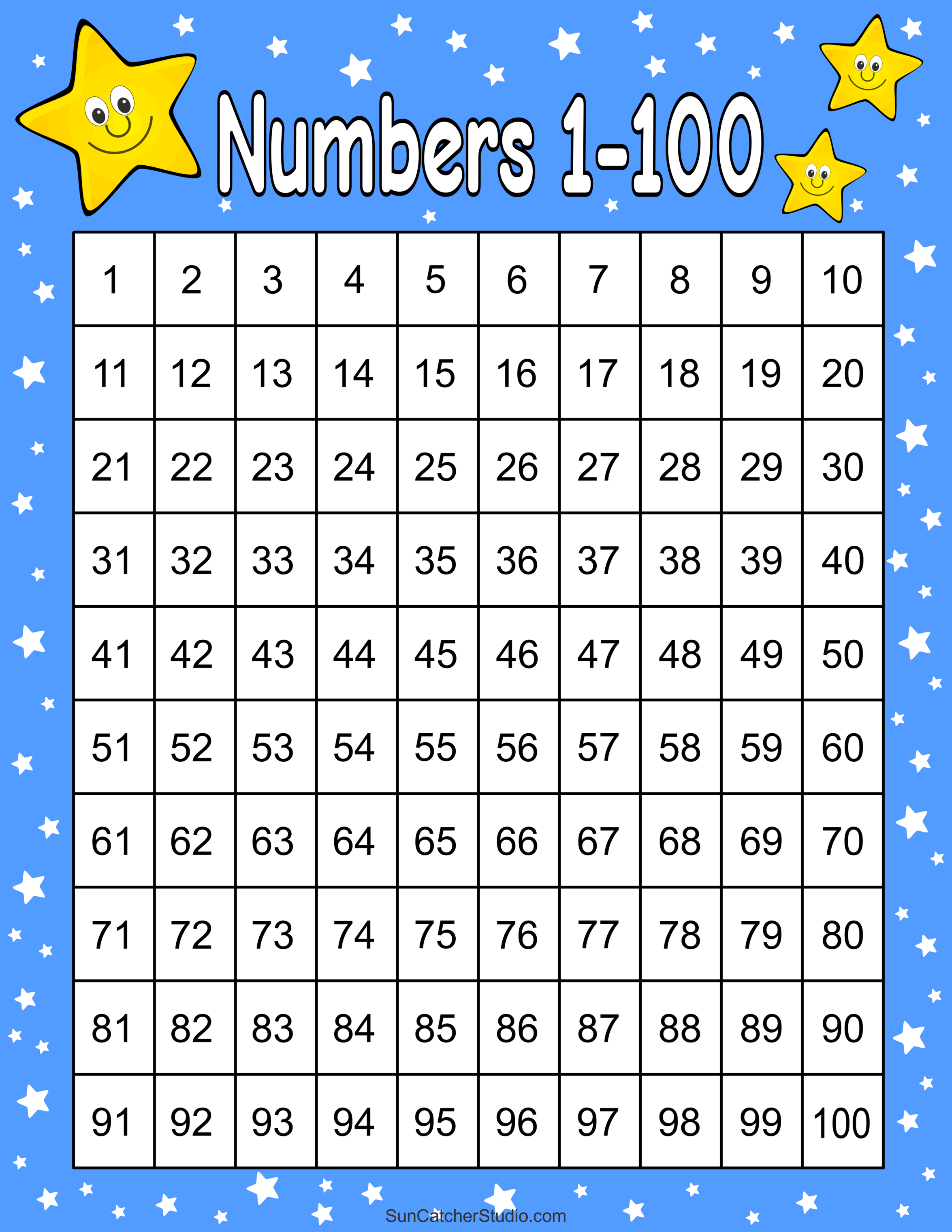
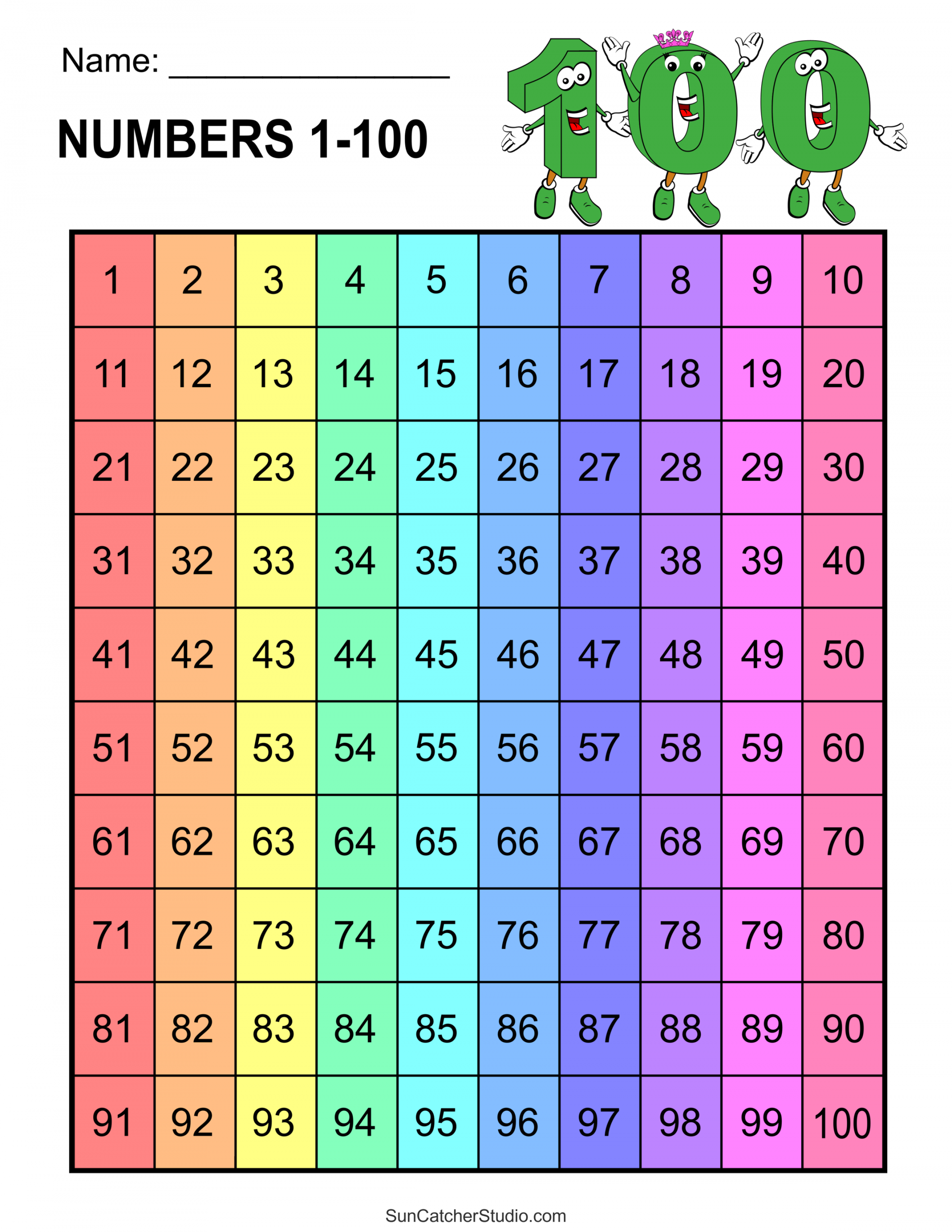
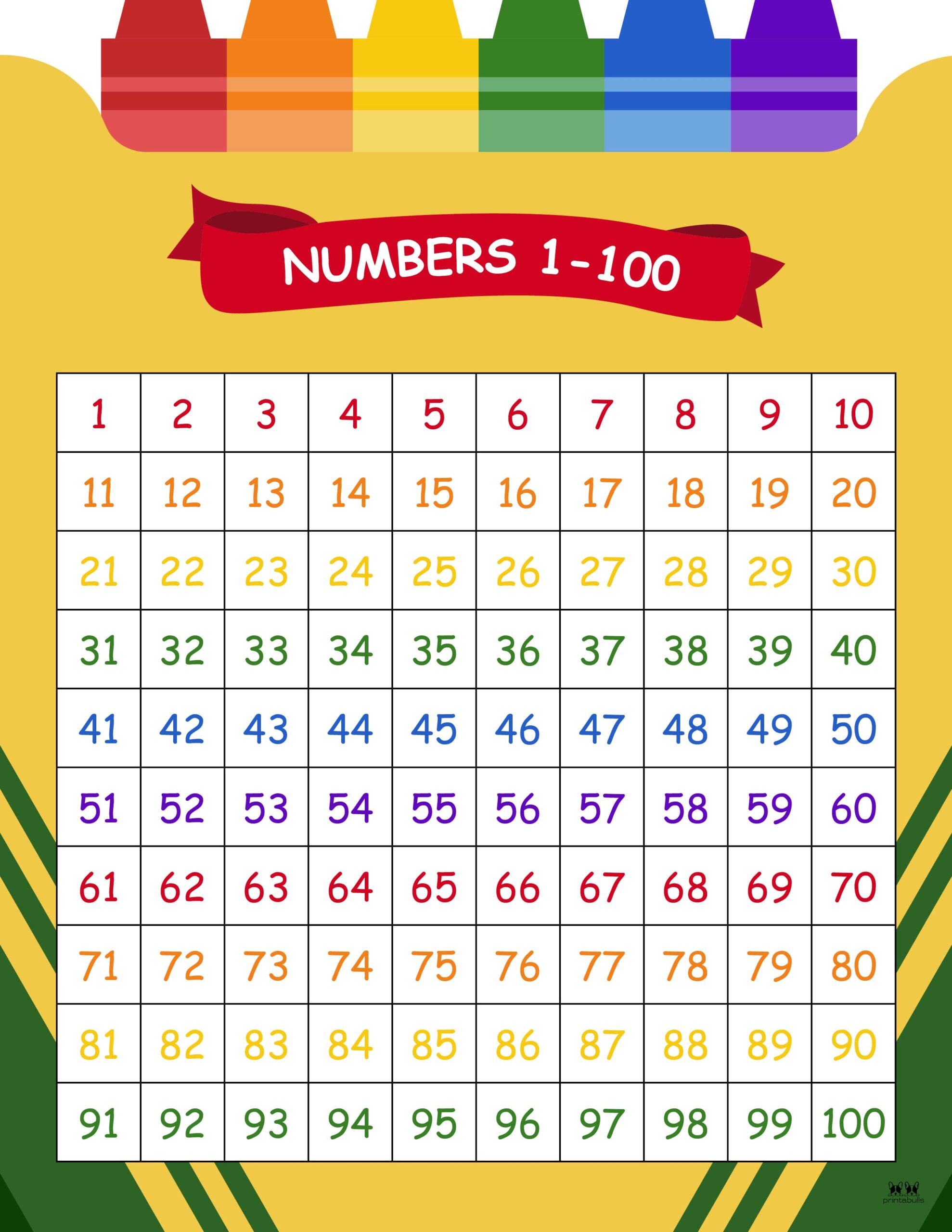
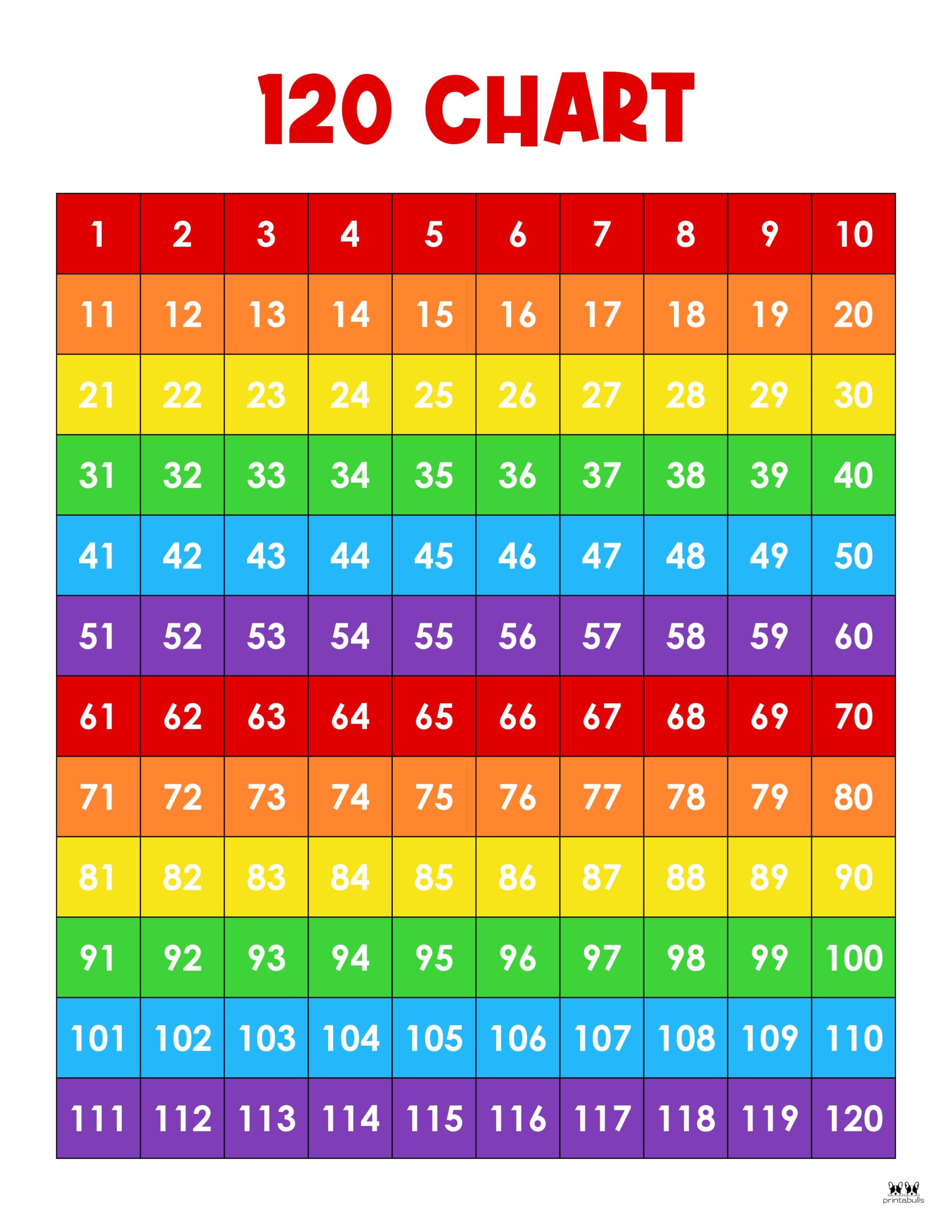
You've likely come across a 1 to 100 chart before, whether it's for a quick reference or to teach basic counting and number recognition. These charts are a simple yet effective tool, offering a visual representation of numbers in a sequential order, often with additional features like ordinal numbers or a number line. While the format and values may vary, the core purpose remains the same: to provide an at-a-glance guide for various tasks and learning activities.
The 1 to 100 Chart: A Simple Numbering Guide
The 1 to 100 chart is a fundamental tool for understanding and working with ordinal numbers, offering a visual representation of the counting sequence from 1 to 100. This chart serves as a reference for anyone learning or teaching basic numeracy, providing a clear and organized layout of numbers in their sequential order.
Key Details and Prerequisites
The 1 to 100 chart typically presents numbers in a grid format, with each number occupying a distinct cell or box. The chart is usually organized in rows and columns, with numbers increasing either horizontally or vertically. The numbering system follows a standard sequence, ensuring consistency and ease of use.
Reading the Chart: A Step-by-Step Guide
Begin at the starting point, which is usually the number 1, located at the top left corner of the chart. This is the first number in the sequence and serves as the foundation for the entire chart.
Proceed to the next number, which is 2, and so on. The chart typically follows a logical progression, with numbers increasing by 1 with each step. This sequential order is crucial for understanding the chart's structure.
As you move across the chart, either horizontally or vertically, notice how the numbers increase systematically. This pattern helps users quickly identify specific numbers and understand their position in the sequence.
To locate a particular number, simply count along the rows or columns until you reach the desired value. For instance, if you're looking for the number 50, start at 1 and count up until you reach 50.
The chart's design often includes additional features to aid in navigation and learning. These may include color-coding, highlighting, or even mathematical patterns to help users grasp number relationships and patterns.
Common Variations and Differences
While the 1 to 100 chart follows a standard numbering sequence, variations can occur depending on the context and purpose. For instance, educational charts might use different colors or designs to emphasize specific number patterns or mathematical concepts. Additionally, some charts may include additional information, such as prime numbers or even simple equations, to enhance learning.
Avoiding Mistakes and Ensuring Accuracy
When using a 1 to 100 chart, it's essential to double-check the specific numbering system and format. While the standard sequence is consistent, variations can exist, especially in educational or specialized charts. Always verify the chart's labeling and numbering to ensure accuracy. Additionally, be mindful of the chart's purpose and intended audience, as this can influence its design and features. For instance, a chart designed for young learners may have a simpler layout and focus on basic counting, while a more advanced chart might incorporate complex number patterns.
Hey there! We've covered a lot of ground with our 1 to 100 chart guide, and I hope it's given you a clear understanding of this handy tool. Remember, while the basics remain the same, you might find slight variations in different contexts, so always double-check your sources.
Don't forget, we've got a whole host of other practical guides and resources on our site, so feel free to explore and discover more helpful tips and tricks. Happy learning, and keep those charts organized!