





Super Kitties Coloring Pages Overview
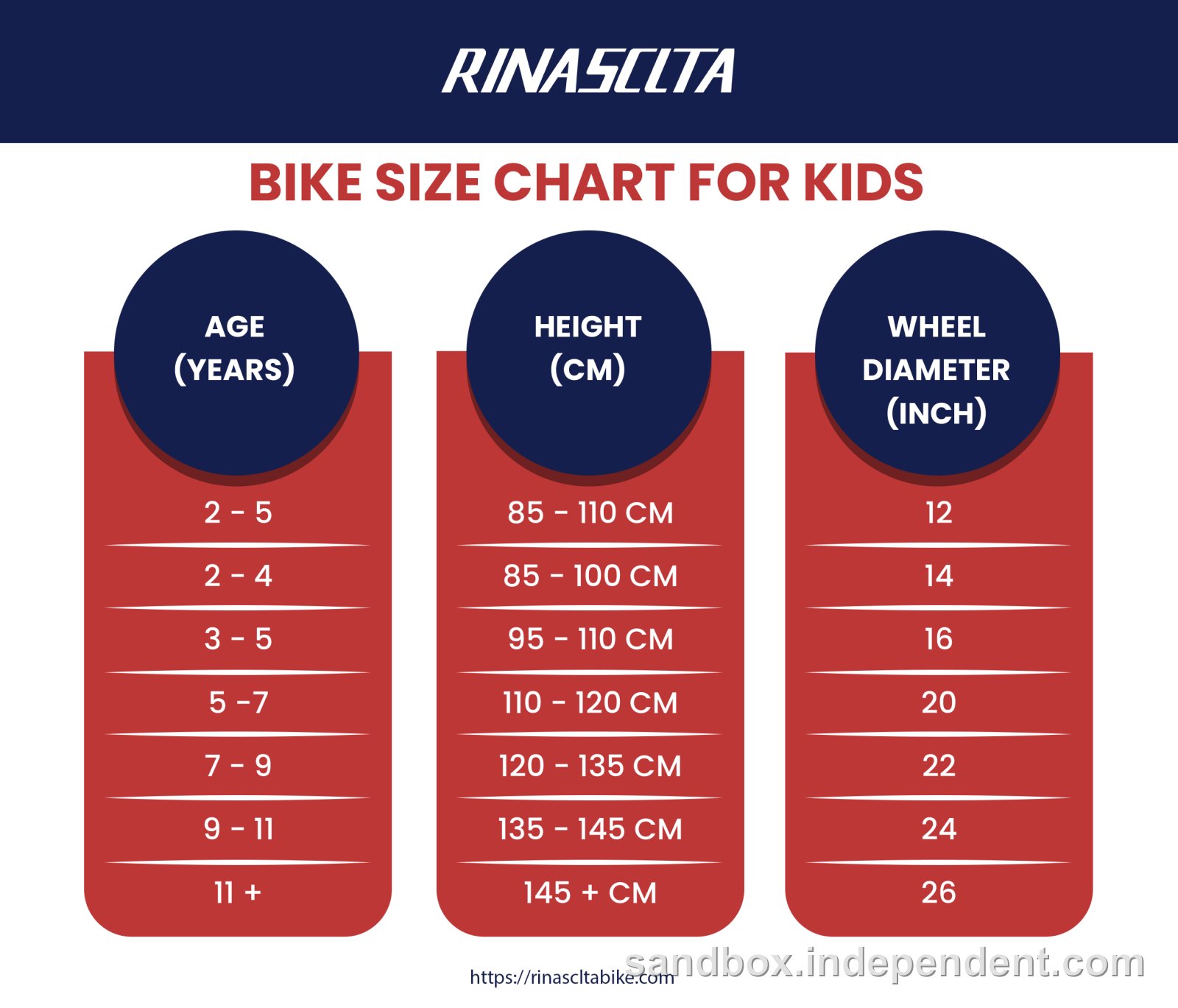
A bike length chart is often misunderstood as a complex and confusing tool, but it's actually a simple and handy reference for any cyclist. Many riders assume it's an exact science, but the truth is, these charts are versatile and offer a range of options.
While it's a great starting point, the measurements can vary depending on your riding style and preferences. The chart provides a guide, but you can adjust and personalize your bike setup with a few simple checks, like seat height and reach.
Understanding the Bike Length Chart
The bike length chart is a handy tool for cyclists, offering a simple guide to choosing the right bike size. It's a reference point, helping you find the ideal fit for your height and riding style. This chart is a great starting point, but it's important to remember that it's not an exact science; there are other factors to consider too.
Comparing Bike Size Options
Bike size charts typically list bike frame sizes, often in inches or centimeters, and match them to rider height. You'll find charts for different bike types, like road, mountain, or hybrid bikes, each with its own size standards. These charts may also include other measurements like wheel diameter and seat height, offering a more comprehensive guide.
Choosing the Right Size: A Step-by-Step Guide
Start by identifying your primary use for the bike. Different riding styles require different fits. For example, a road bike might need a more aggressive position, while a leisure rider might prefer a more upright, comfortable position.
Check your height and compare it to the chart. Most charts will have a range of heights for each frame size, so find the one that best fits your height.
Consider your comfort and riding style. If you're between sizes, choose the larger frame for a more relaxed position, or the smaller for a more aggressive, performance-oriented fit.
Don't forget about other measurements. Check the wheel diameter and seat height to ensure they align with your preferences and riding needs.
Common Misreadings and How to Avoid Them
It's easy to misinterpret a bike length chart. One common mistake is assuming the chart is an exact science. While it's a great guide, it's not a guarantee of a perfect fit. Another pitfall is forgetting to consider other measurements, like reach and standover height, which can impact comfort and safety.
Factors Affecting Accuracy
Several factors can influence the accuracy of your bike size choice. These include your riding style, personal preferences, and the specific brand and model of the bike. It's always a good idea to double-check the exact specifications and tolerances of the bike you're interested in. Some brands may have slightly different standards, so it's worth checking their size guides too.
Well, there you have it! A handy bike length chart is a great tool to have in your cycling toolkit. It offers a quick and easy reference, but remember, it's always good to double-check the specific details for your bike's make and model.
Exact values can vary slightly, so it's best to confirm with your bike's manufacturer or a trusted bike shop. This chart is a brilliant starting point, but your bike's unique features might require a little extra attention. So, keep this page bookmarked for future reference, and you'll always have a quick and handy guide to refer to when needed!
Related: Unravel the Tog Rating Chart: A Simple Guide
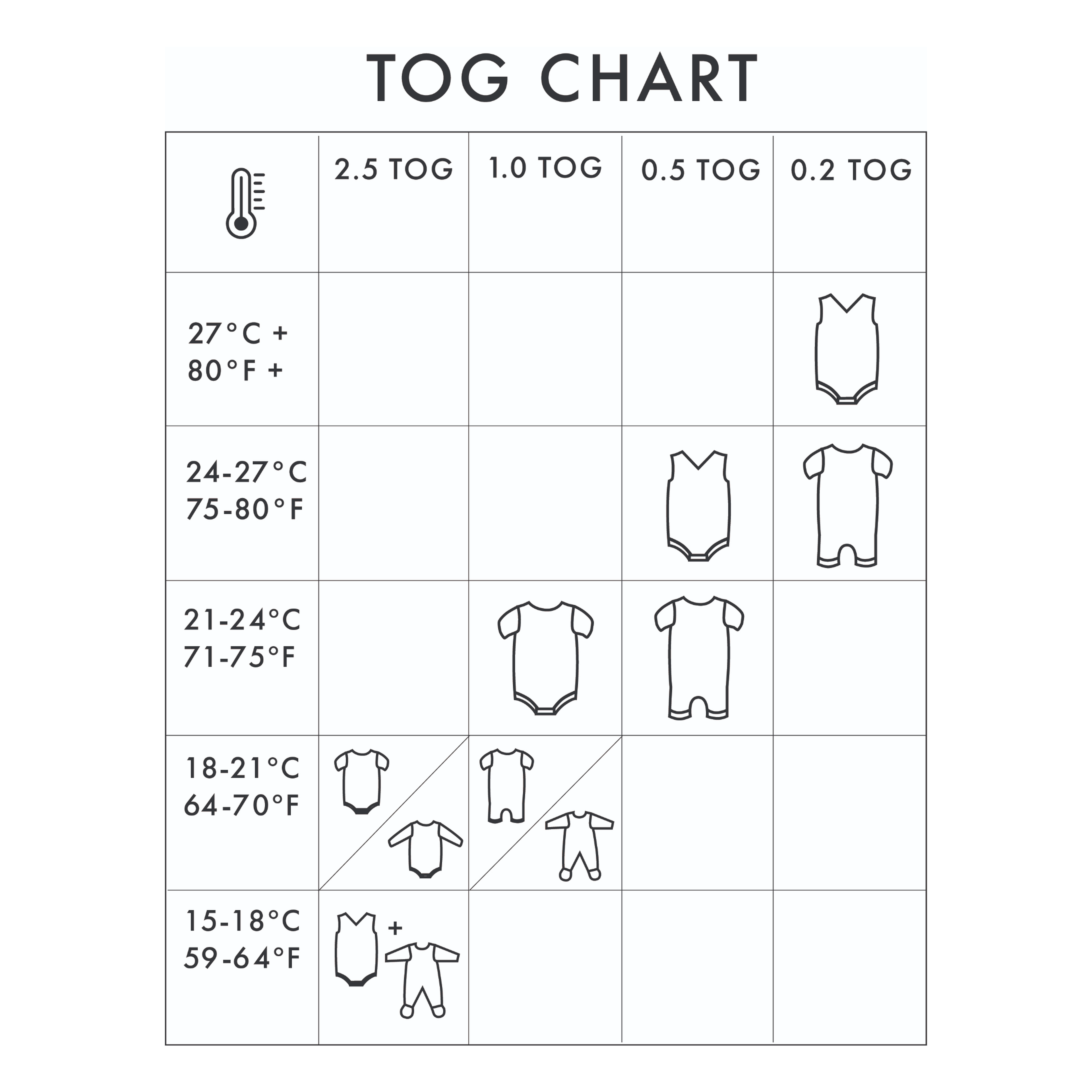
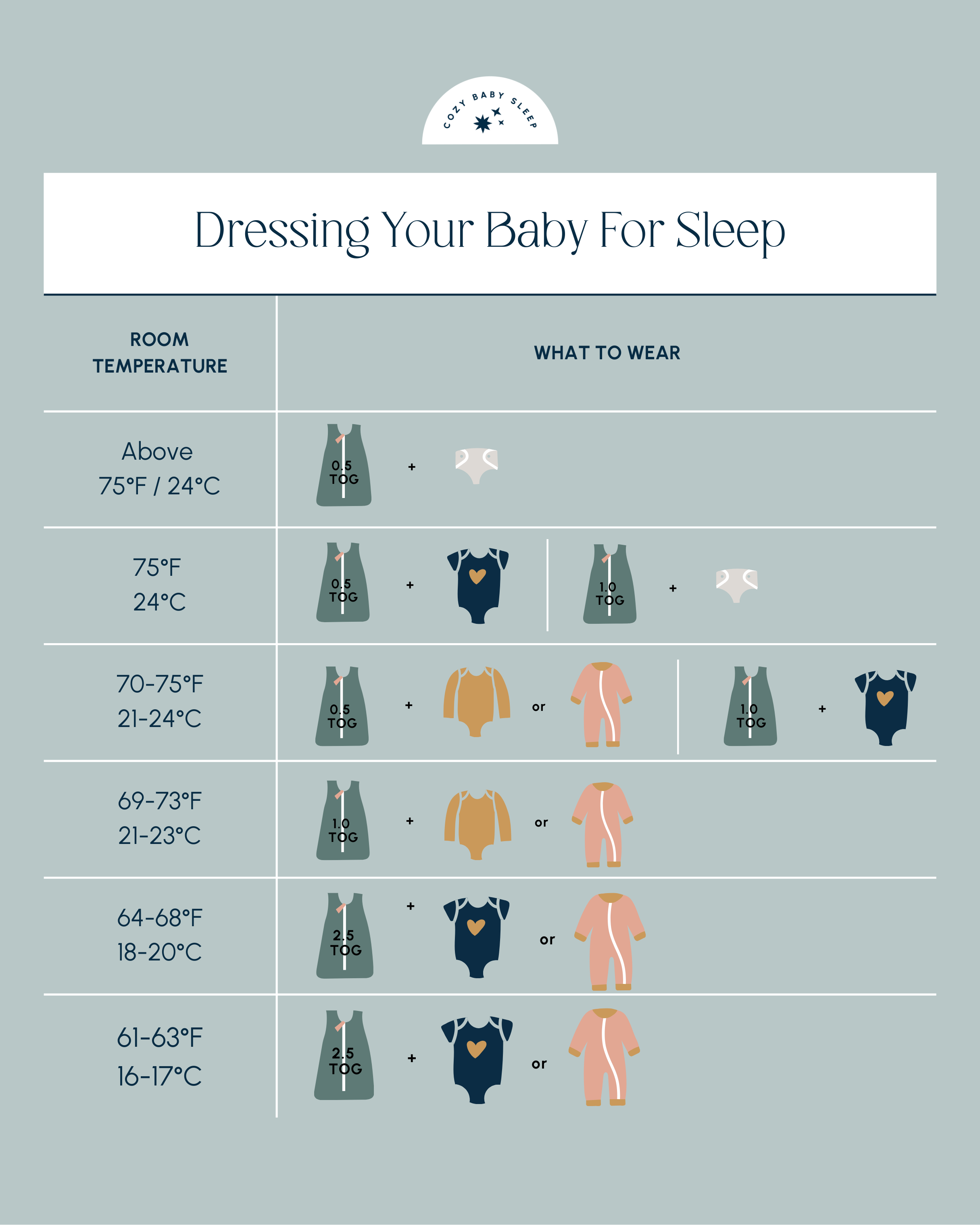
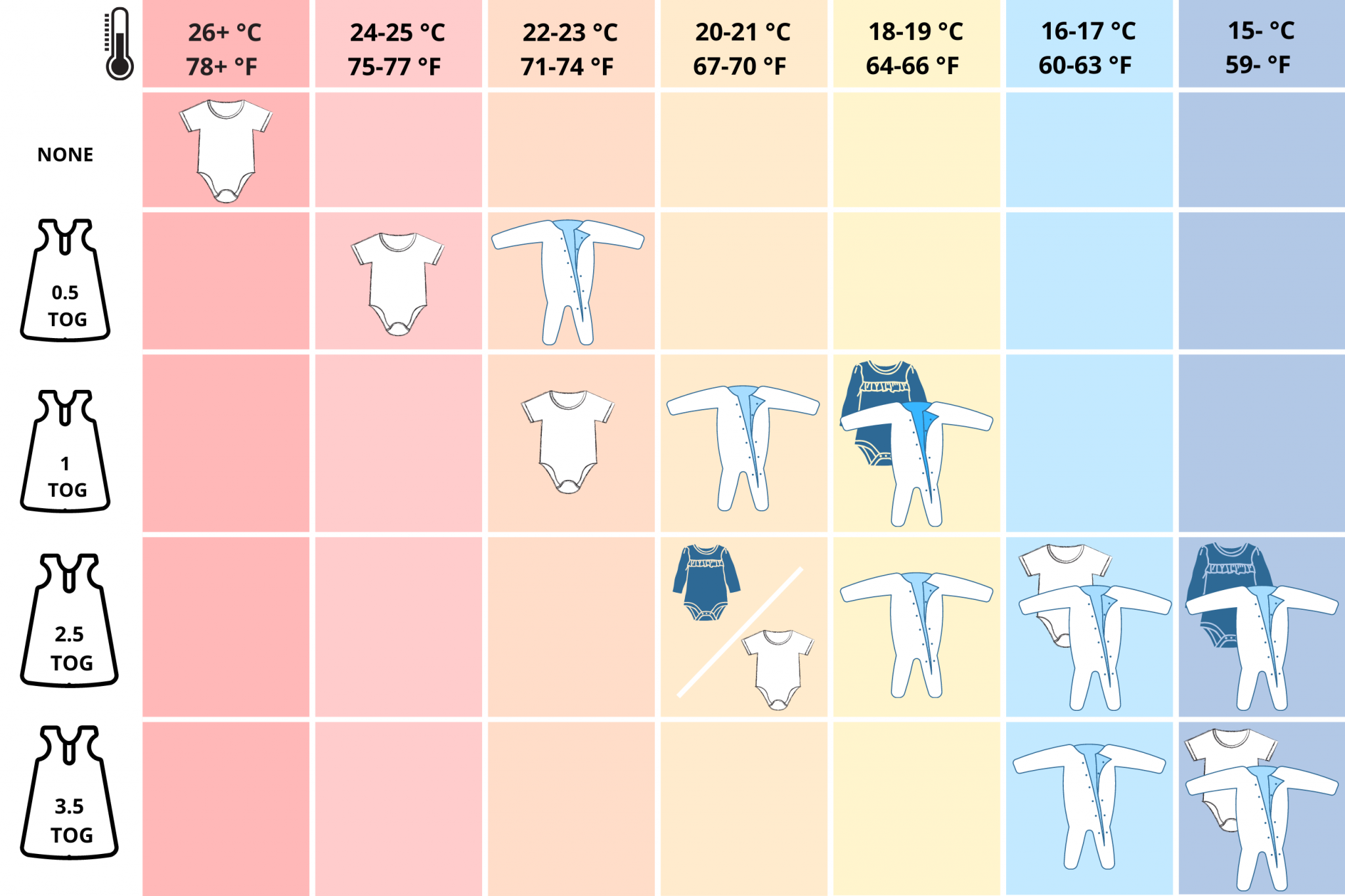
A common misconception about tog rating charts is that they are complex and confusing, but in reality, they are a simple and effective tool for understanding fabric and bedding warmth. This chart, often presented as a visual guide, provides a clear indication of thermal resistance, making it an accessible reference for anyone seeking insulation performance information.
While the exact values and formats may vary depending on standards and regions, the tog rating chart remains a reliable indicator, offering a quick and easy way to compare and choose the right warmth level for your needs. Whether you're looking at bedding or fabric weight, this chart simplifies the process, ensuring an accurate and informed decision.
Understanding the Tog Rating Chart
The tog rating chart is a valuable tool for anyone seeking to understand the warmth and insulation provided by different fabrics and materials. This chart offers a standardized way to measure and compare the thermal resistance of various items, from bedding to clothing. By using the tog scale, you can make informed decisions about the warmth and comfort you need for different seasons and activities.
Comparing Tog Ratings: Standards and Categories
Tog ratings typically range from 1 togo to 15 togs, with each number representing a specific level of warmth. Lower tog values indicate lighter, cooler fabrics, while higher togs signify greater insulation and warmth. The chart often includes categories such as 'Summer', 'Autumn/Spring', and 'Winter', making it easy to choose the right level of warmth for the season. It's important to note that tog ratings can vary slightly depending on the standard used; common standards include the international metric system and specific regional guidelines.
Step-by-Step Guide: Reading the Tog Rating Chart
To read and utilize the tog rating chart effectively, follow these steps:
- Identify the item you want to assess, whether it's a duvet, blanket, or garment.
- Locate the tog rating on the label or packaging. If it's not provided, you may need to contact the manufacturer for this information.
- Refer to the chart and find the corresponding tog value.
- Match the tog value with the appropriate season or activity category. For instance, a tog rating of 4 is suitable for summer, while a rating of 10 is ideal for autumn or spring.
- Consider personal preferences and the specific climate you'll be using the item in. If you tend to feel cold easily, you might opt for a slightly higher tog rating.
Avoiding Misinterpretations: Common Pitfalls
One common mistake is assuming that a higher tog rating always indicates better quality. While a higher tog generally means more warmth, it doesn't necessarily reflect the overall quality or durability of the item. Additionally, some materials, like down, can provide excellent warmth with lower tog ratings due to their natural insulating properties. Always consider the material and construction alongside the tog rating.
Factors Affecting Accuracy: Key Considerations
- Fabric Type: Natural fibers like cotton and wool have different insulating properties compared to synthetic materials.
- Thickness: The physical thickness of the fabric or filling can impact warmth, even if the tog rating is the same.
- Climate: Regional climates and personal preferences can influence the ideal tog rating for a specific item.
- Activity: The level of physical activity and the resulting body heat generation can affect the required tog rating.
Adapting the Tog Rating Chart for Your Needs
While the tog rating chart provides a standardized guide, it's flexible enough to accommodate specific needs. If you require a more precise measurement, you can convert tog ratings to clo values, which are used in the clothing industry. This conversion allows for a more detailed analysis of insulation performance. Additionally, some charts offer sub-categories or variations to account for different fabric types or intended uses, ensuring you find the right fit for your requirements.
Well, there you have it! A comprehensive guide to TOG ratings, covering all the bases. I hope this has been a useful reference for you and has clarified any uncertainties.
Remember, while this guide offers a solid framework, every situation is unique. Double-check your specific needs and ensure you're applying the right TOG rating for your project. Exact values may vary, so always refer back to this chart as a reliable starting point.
Feel free to bookmark this page for future reference. It's always good to have a quick, handy reminder for those moments when you need a refresh on TOG ratings. Happy rating!
Related: Understand Nipple Size Chart: A Simple Guide
You're probably here because you need a quick answer, a simple guide to help you understand nipple size charts and their purpose. It's a common query, and these charts are more useful than you might think! They provide a straightforward way to measure and compare nipple sizes, often alongside other breast-related measurements. While the values may vary depending on the source, a nipple size chart can be a handy reference tool, especially when paired with a bra size guide or areola size chart.
Understanding the Nipple Size Chart
The nipple size chart is a handy reference tool that provides a standardized way to measure and categorize nipple sizes. It offers a simple and visual guide to help individuals understand their nipple dimensions and find the right products or solutions based on size. This chart is particularly useful for those seeking nipple piercings, nipple jewelry, or even nursing aids, as it ensures a comfortable and accurate fit.
Key Details and Categories
The nipple size chart typically displays nipple diameters, measured in millimeters (mm) or inches, depending on the standard being used. It categorizes nipples into size ranges, often with labels like "Small," "Medium," "Large," and so on. These categories provide a quick reference for individuals to identify their nipple size without the need for precise measurements.
Reading the Measurements: A Step-by-Step Guide
Start by locating the chart's measurement scale. This scale will typically run along one edge of the chart, indicating the nipple diameters in either mm or inches.
Next, identify the category labels. These labels, such as "Small," "Medium," or "Large," are usually positioned above or below the measurement scale, indicating the size range.
To determine your nipple size, measure the diameter of your nipple using a ruler or a specialized nipple gauge. Ensure you measure from the base of the nipple, where it meets the areola, to the tip.
Compare your measured diameter to the scale on the chart. Find the corresponding size category, and you've identified your nipple size!
Common Variations and Differences
It's important to note that nipple size charts may vary depending on the standard or region. For instance, a chart designed for the US market might use inches as the unit of measurement, while an international chart might use millimeters. Additionally, some charts may provide more detailed size categories, especially for specialized products like nipple jewelry, which require precise sizing.
Mistakes to Avoid
One common mistake is assuming that all nipple size charts are the same. Always check the units of measurement and the source of the chart to ensure it aligns with your needs. Another pitfall is relying solely on category labels without measuring your nipples. While categories provide a quick reference, precise measurements are essential for an accurate fit, especially for delicate items like piercings or jewelry.
Practical Tips for Accurate Results
When measuring your nipples, ensure you're in a relaxed state. Nipple size can vary slightly depending on factors like temperature and arousal, so it's best to measure when you're comfortable and at rest. If you're measuring for piercings or jewelry, consider consulting a professional piercer or a medical professional for guidance and to ensure you're using the correct techniques and tools.
Double-Checking and Edge Cases
While the nipple size chart provides a useful guide, it's not an exact science. Individual variations and unique anatomical features can sometimes fall outside standard size categories. In such cases, it's essential to consult a professional or the manufacturer's guidelines for specific products. They may provide additional sizing information or custom solutions to accommodate unique nipple sizes.
Hey there, we've covered a lot of ground on this topic, and I hope it's been helpful! Remember, when it comes to nipple size charts, the exact measurements can vary slightly depending on the source or standard you're using, so it's always good to double-check.
This guide aims to provide a straightforward reference, but every body is unique, and so are their measurements. So, if you ever need a quick reminder or want to explore other related topics, feel free to bookmark this page for future use. It's always handy to have these practical guides at your fingertips!