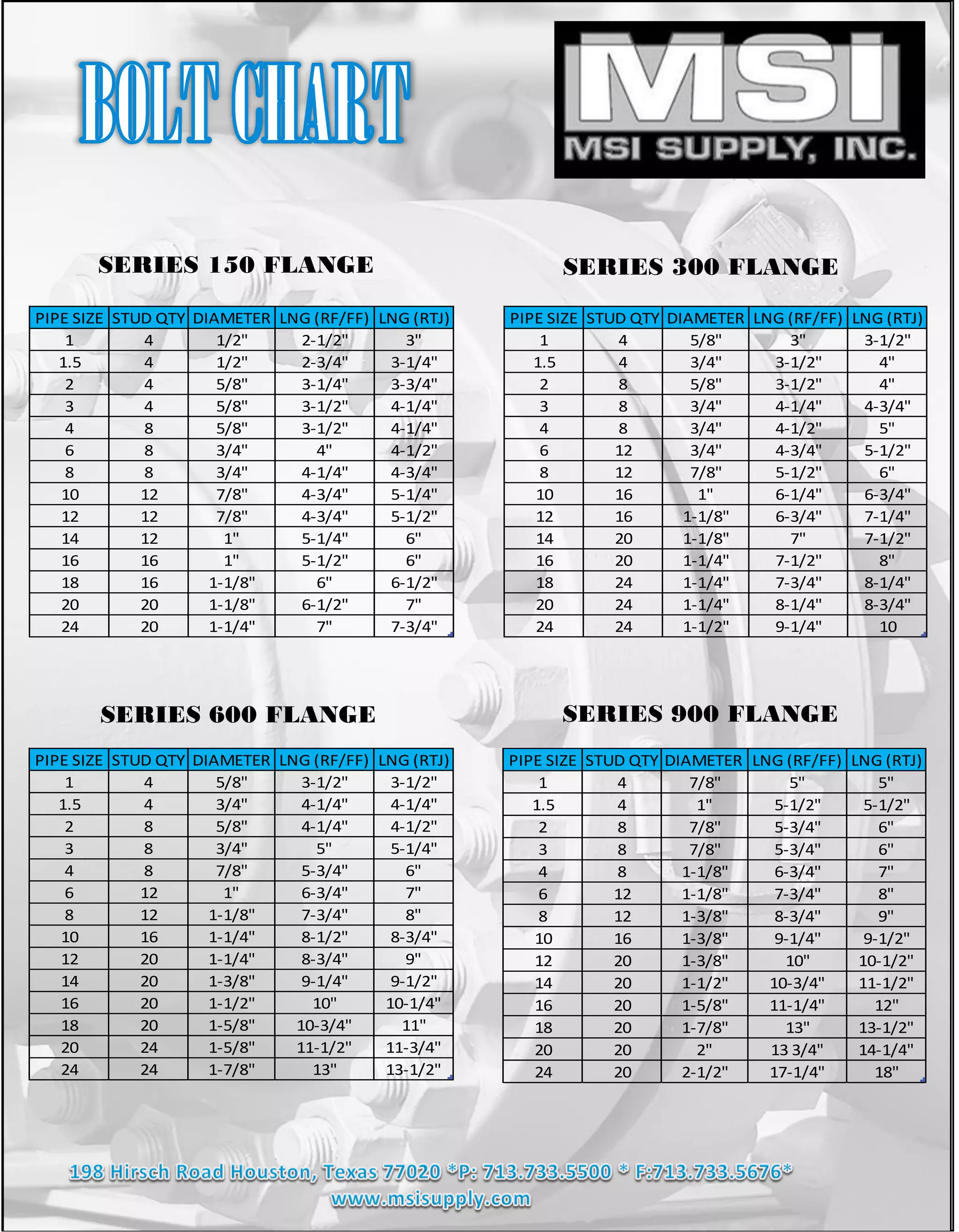
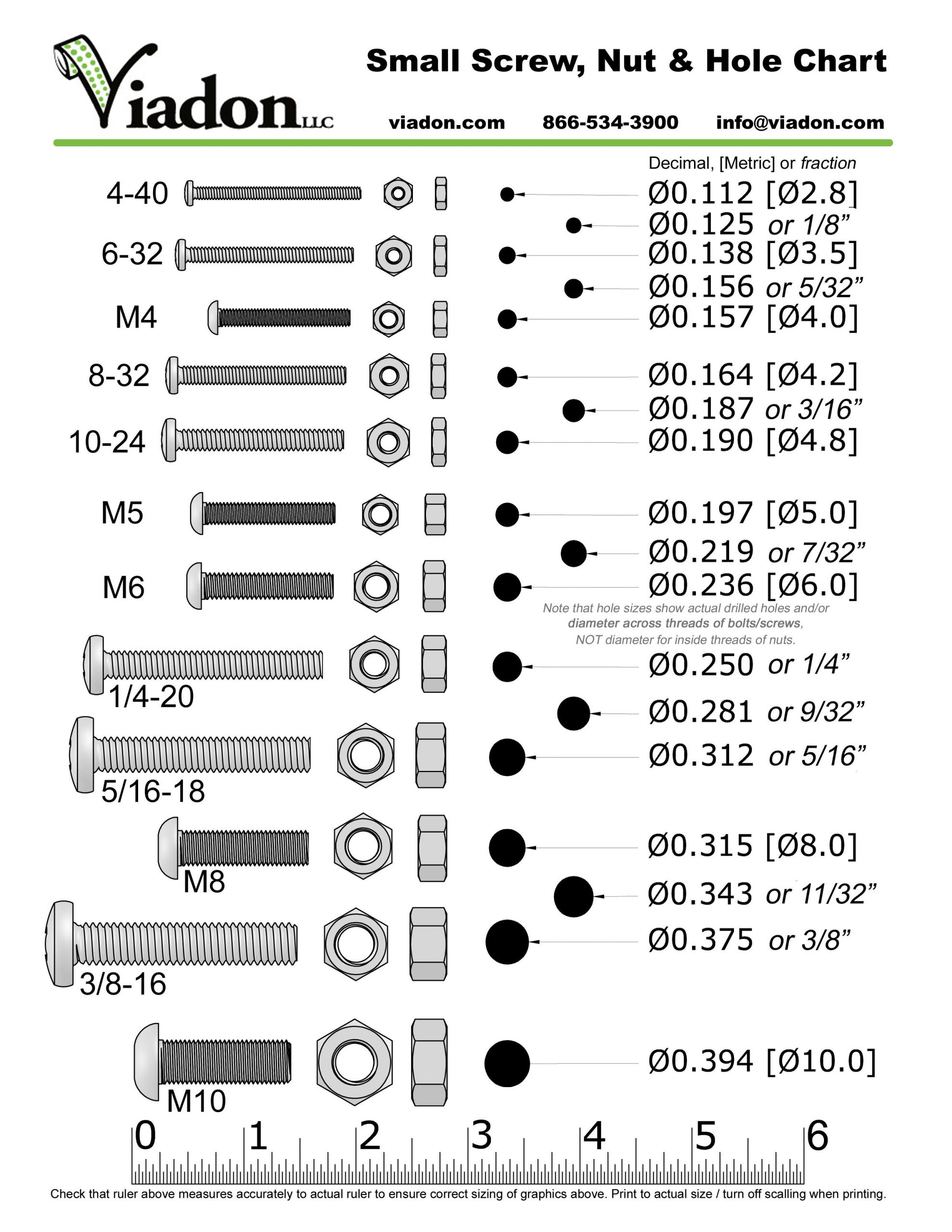

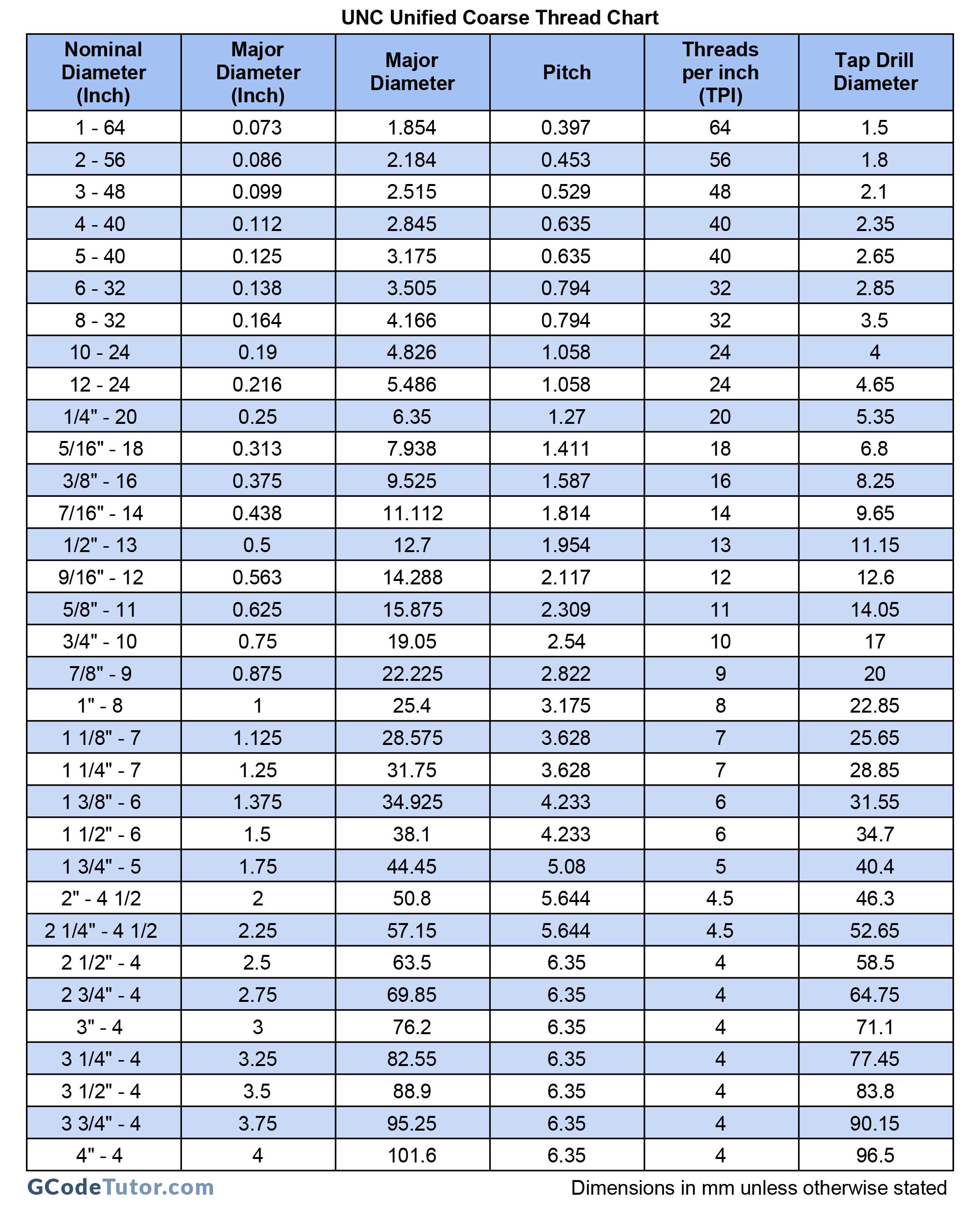
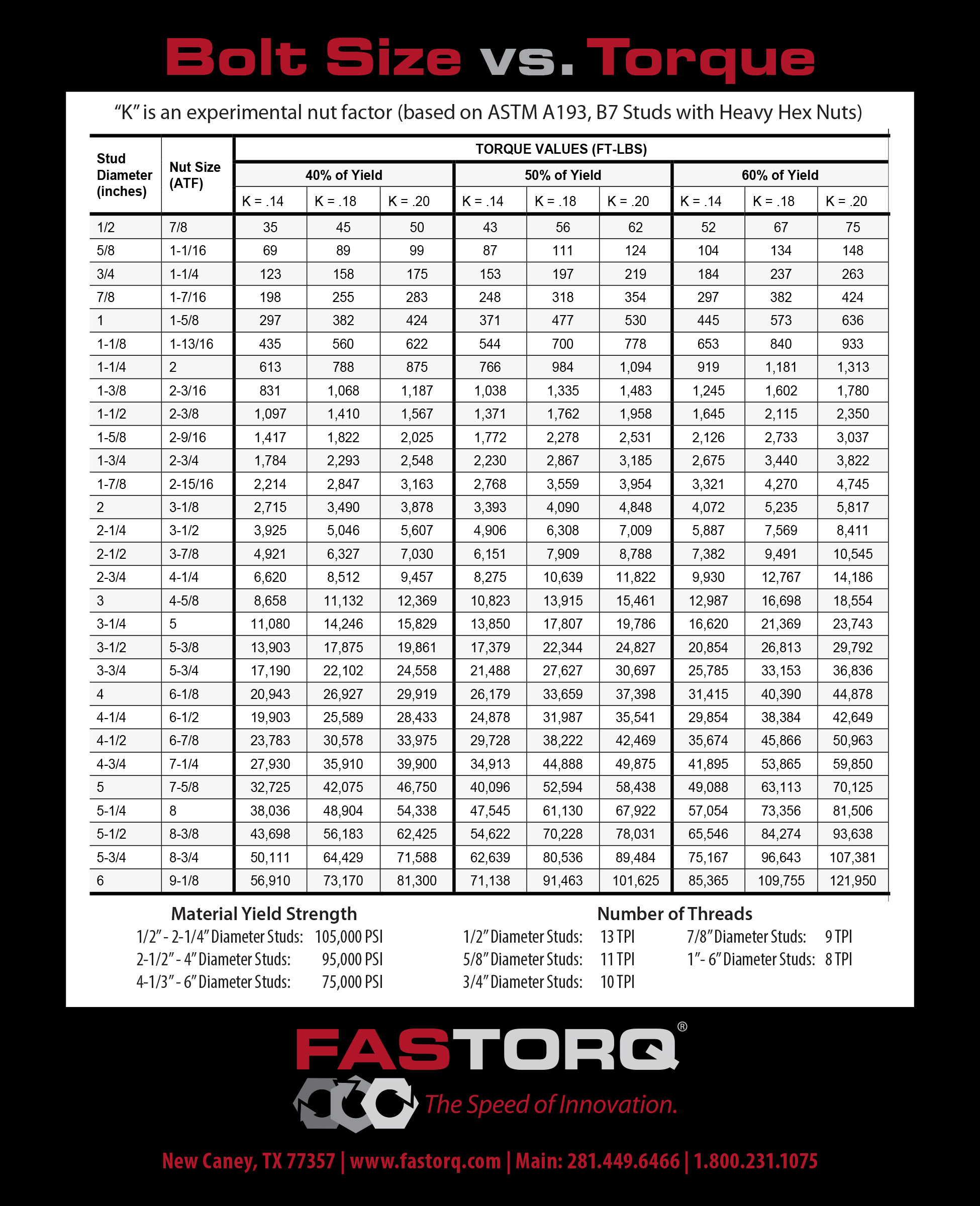


Tap Drill Chart Sheet Overview
You're likely here because you're seeking a simple, straightforward answer about hair length. Perhaps you're curious about the different categories and measurements used to describe hair length, or maybe you're looking for a quick reference guide to understand your own hair's growth progress.
The hair length chart is a valuable tool, offering a visual representation of various hair lengths, often categorized into standard ranges. These charts can provide a clear indication of your hair's current length and its potential for growth, and they may also offer insights into the time frames associated with different growth stages. While the specific values and formats can vary, the concept remains a practical and accessible way to measure and monitor hair length.
Hair Length Chart: A Comprehensive Guide
The hair length chart is a valuable tool for anyone interested in understanding and measuring hair growth and styles. It provides a standardized reference, allowing you to categorize and compare hair lengths accurately. This guide will help you navigate the chart, understand its categories, and use it effectively.
Key Details and Categories
The hair length chart typically uses inches or centimeters as its primary unit of measurement. It categorizes hair lengths into distinct ranges, often with descriptive names or codes. Common categories include:
- Short Hair: Usually up to 4 inches (or 10 cm) in length.
- Medium Hair: Ranges from 4 to 12 inches (10 to 30 cm).
- Long Hair: Hair exceeding 12 inches (30 cm) in length.
These categories are further divided into sub-ranges to provide more specific measurements. For instance, medium hair might be divided into medium-short (4-6 inches) and medium-long (6-12 inches) sections.
Reading the Chart: A Step-by-Step Guide
Identify the unit of measurement used on the chart. This is crucial, as it ensures accurate interpretation. Common units are inches (in) or centimeters (cm).
Locate the category that best describes your hair length. If your hair falls between two categories, consider the average or consult a professional for a precise measurement.
Within each category, you'll often find sub-ranges or specific measurements. These provide more detail and can be useful for precise styling or growth tracking.
Some charts may also include visual representations or diagrams, offering a quick reference for length comparison.
Common Length Variations and Their Causes
Hair length can vary due to several factors, leading to differences in measurements and categories. These variations are influenced by:
- Natural Hair Growth: Hair grows at different rates for each individual, and growth rates can vary over time.
- Styling and Cutting: Regular trims and styling choices can significantly impact perceived hair length.
- Regional Standards: Hair length standards may differ across regions, especially when comparing imperial (US) and metric (international) systems.
It's important to consider these factors when using a hair length chart, especially when comparing your hair to others or following styling guides.
Avoiding Common Mistakes
To ensure accurate use of the hair length chart, avoid these common pitfalls:
Relying solely on visual estimates: While visual comparisons can be helpful, they may not always provide precise measurements. Always refer to the chart for accurate categorization.
Ignoring personal growth rates: Everyone's hair grows at a unique pace. Regularly measuring and tracking your hair's growth will provide more accurate results over time.
Assuming universal standards: Hair length standards can vary, especially across regions. Always double-check the specific standard being used on the chart.
Forgetting to consider styling: The way you style your hair can impact its perceived length. Take this into account when categorizing your hair length.
By understanding these potential variations and following the step-by-step guide, you can accurately utilize the hair length chart for practical styling tips and growth tracking.
Remember, while this chart provides a handy reference, exact details can vary, so always double-check if you're working with specific standards or unique contexts.
Feel free to bookmark this page for future use, and if you're curious about other practical guides, you might find our other articles just as helpful!
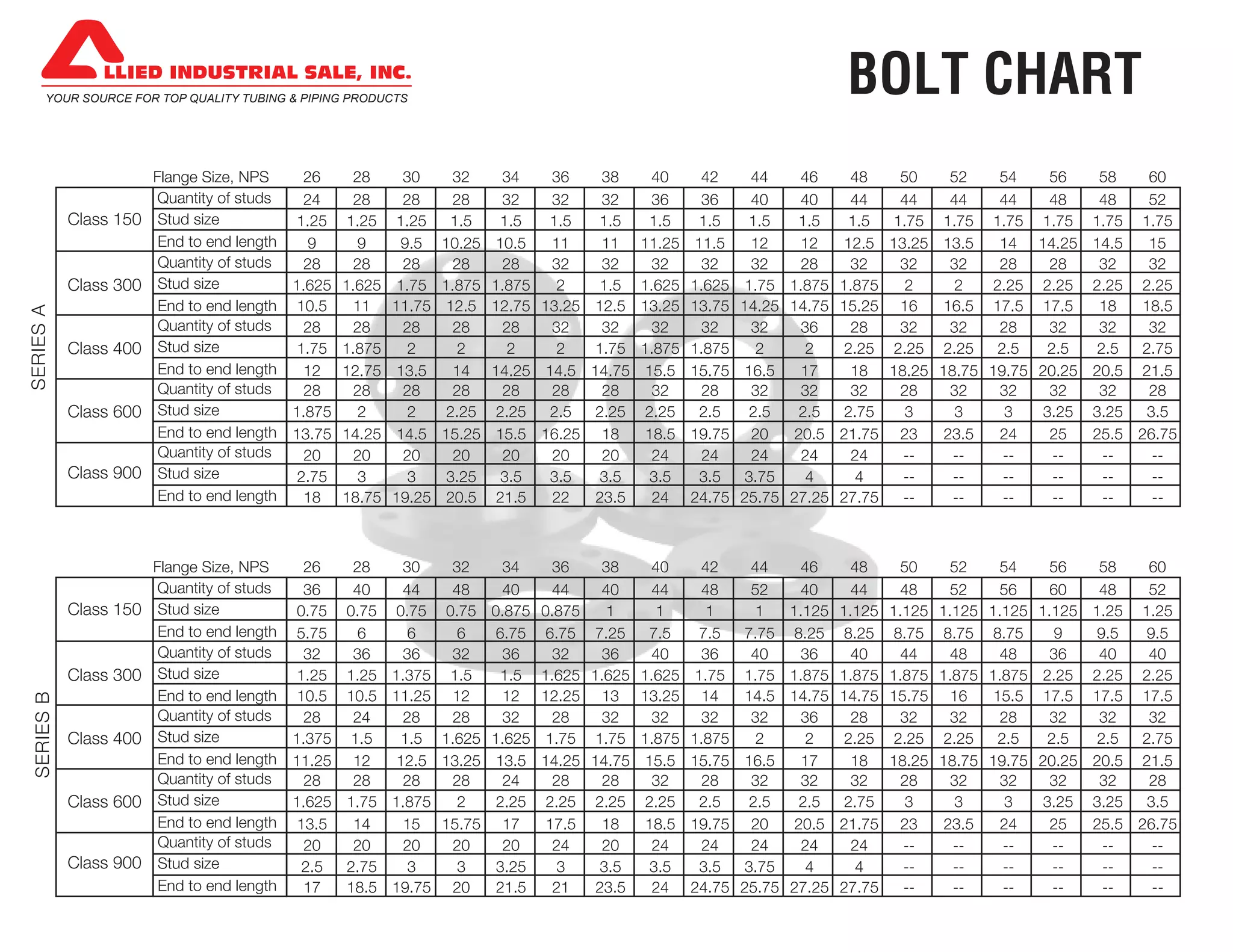
Related: What's the Right Bolt Size? A Quick Chart Guide
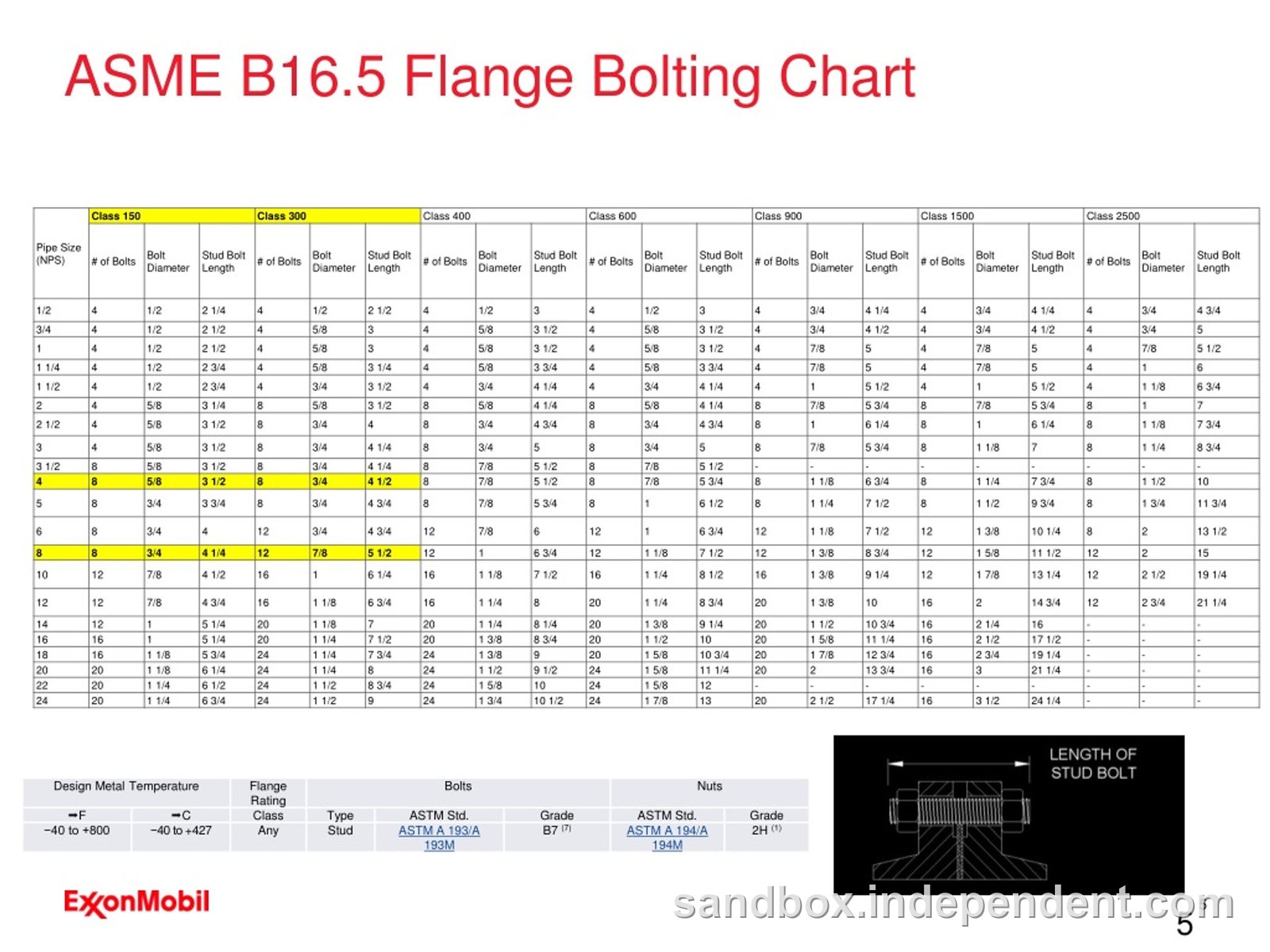
A bolt size chart is a handy tool for anyone working with bolts and fasteners. It's a simple yet effective way to ensure you're using the right size and type of bolt for your project. This guide will cover the basics of reading and using a bolt size chart, so you can tackle any fastening task with confidence.
These charts provide a quick reference for bolt dimensions, including length, diameter, and thread pitch. While the values may vary depending on the standard and region, a good chart will offer a clear and organized layout, making it easy to identify the bolt you need.
Understanding Bolt Size Charts
Bolt size charts are your practical guide to choosing the right bolt for any project. These charts provide a quick reference to help you match the bolt's size and specifications to your needs. It's like having a map to navigate the world of fasteners!
Key Details and Units
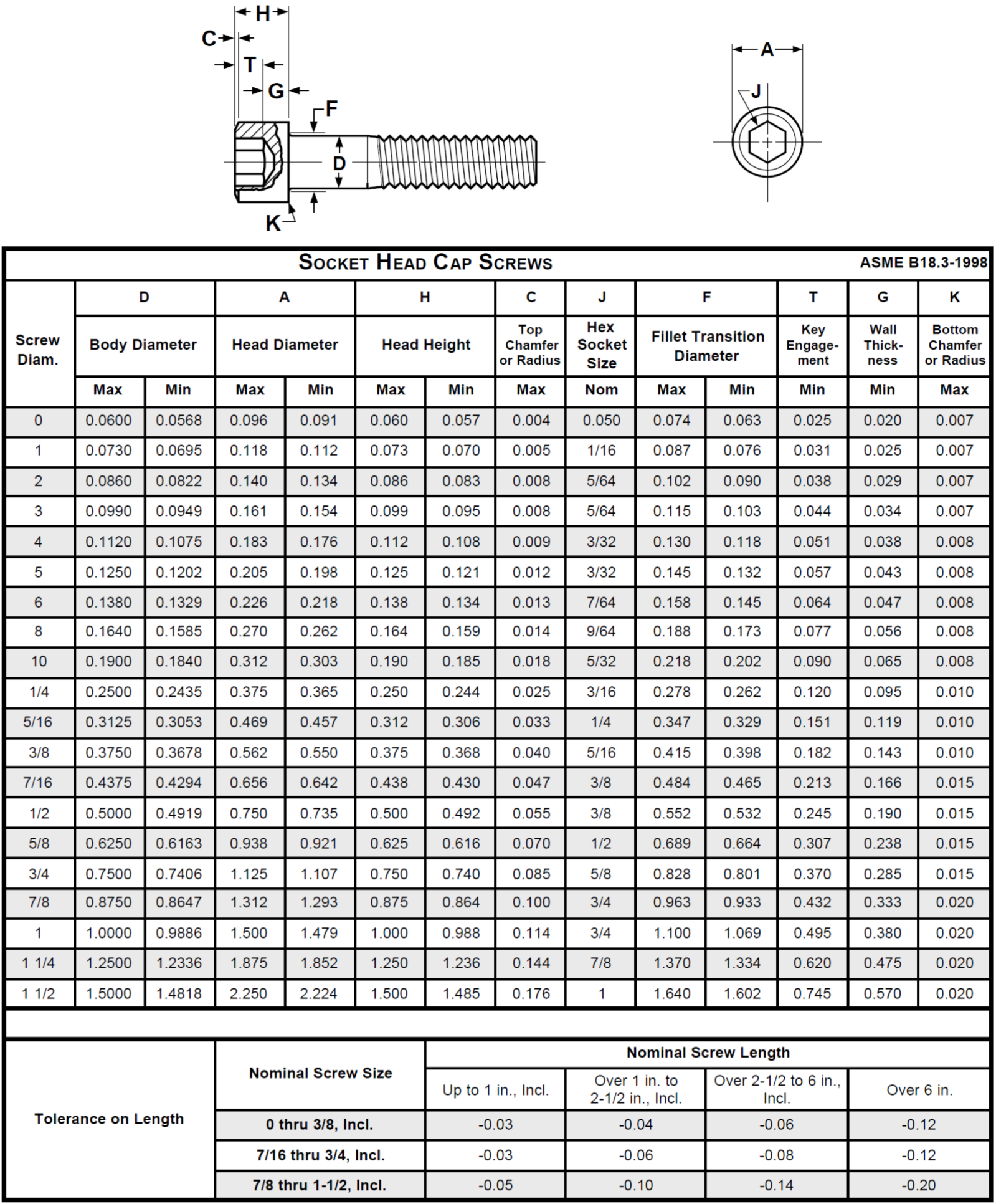
A bolt size chart typically includes essential information such as the bolt's diameter, length, thread pitch, and head type. These charts often follow specific standards, like the metric or imperial systems, so you'll find different charts for different regions and industries. The units used can vary, so it's crucial to know whether you're dealing with millimeters or inches.
Reading and Applying the Chart: A Step-by-Step Guide
- Start by identifying the bolt's primary purpose and the material it will fasten. This helps narrow down the options.
- Locate the diameter column on the chart. This is usually the first critical factor. Match the required diameter with the chart's values.
- Next, consider the length. The chart will provide a range of lengths for each diameter. Choose the length that best suits your project's needs.
- Thread pitch is the distance between threads. Different materials and applications may require specific thread pitches. Refer to the chart to select the appropriate pitch.
- Finally, identify the head type. Common head types include hex, socket cap, and flat. The chart will guide you on the available head types for your chosen diameter and length.
Variations and Differences
Bolt size charts can vary depending on the standard and the intended use. For instance, metric bolt sizes may have different thread pitches compared to imperial bolt standards. Additionally, specialized bolts for unique applications might have custom dimensions not found on standard charts. Always refer to the specific chart relevant to your project's needs.
Common Mistakes and How to Avoid Them
One common mistake is assuming all bolts are created equal. Different materials and applications require specific bolt dimensions. Always refer to the bolt size chart for the correct specifications. Another pitfall is ignoring the thread pitch. Using the wrong thread pitch can lead to stripped threads or poor fastening. Take the time to understand and select the right pitch.
Practical Tips for Accurate Results
When using a bolt size chart, always double-check the units. Mistakes can happen when converting between metric and imperial systems. Additionally, pay attention to the thread class, which indicates the thread's tolerance and fit. Using the wrong class can impact the bolt's performance and durability.
Double-Checking and Handling Exceptions
While bolt size charts are incredibly useful, they might not cover every edge case. For unique or specialized applications, it's best to consult the manufacturer's specifications. These can provide precise details and tolerances to ensure the bolt's performance and safety. Always err on the side of caution and double-check when dealing with critical applications.
Hey there! We've covered a lot of ground with this bolt size chart, and I hope it's given you a clear understanding of the basics. Remember, while the fundamentals remain the same, exact details might shift a little based on your specific situation or the standard you're working with.
So, the next time you're tackling a project and need a quick reference, feel free to bookmark this page. It's a handy tool to have in your back pocket, and you never know when you might need to size up those bolts!
Related: A Simple Guide to the Snot Color Chart
You're probably here because you're curious about the snot color chart or need a quick reminder of what those colors mean. It's a simple yet effective tool, a reference guide to help us understand the story our nasal discharge is telling. Think of it as a visual key to unlocking the secrets of your snot!
The chart is a handy resource, offering a quick way to check and interpret the colors and textures of your mucus. While the specific details might vary slightly depending on where you are in the world, the basic principles remain the same, and they're worth knowing.
A Quick Guide to the Mucus Color Chart
The snot color chart is a handy reference tool that can help you understand what your nasal discharge is telling you. It's a simple visual guide, often presented as a table or diagram, that shows the different colors of mucus and what they might indicate about your health. This chart is a great way to quickly assess any changes in your mucus and take appropriate action.
Comparing the Chart's Standards and Categories
The snot color chart typically follows a standard color-coding system, making it easy to interpret. The colors are usually represented as shades or a range of hues, with each color category having its own distinct meaning. For example, you might see a spectrum from light yellow to dark green, with each shade indicating a different level of severity or cause.
How to Use the Snot Color Chart: A Step-by-Step Guide
First, identify the dominant color of your mucus. Is it clear, white, yellow, green, brown, or even black? Each color has its own implications.
Next, refer to the chart. It will provide a detailed explanation of what each color could mean. For instance, clear mucus often indicates good health, while yellow or green might suggest an infection.
Remember, the chart is a guide, and the context matters. Consider other symptoms you might be experiencing alongside the change in mucus color. This will help you get a more accurate understanding of your health status.
Avoiding Misreadings and Pitfalls
While the snot color chart is a useful tool, it's important to be aware of potential misreadings. Colors can sometimes appear differently due to lighting or other environmental factors. Always trust your judgment and seek further advice if you're unsure. Additionally, remember that the chart provides a general guide; individual experiences may vary, and other symptoms should be considered.
Factors Affecting Accuracy and Real-World Use
The accuracy of the snot color chart can be influenced by various factors. For example, the consistency and texture of your mucus can provide additional clues. Thicker, stickier mucus might indicate different issues compared to runny, watery discharge. Additionally, your diet and hydration levels can affect mucus color and consistency. Always consider these factors when interpreting the chart and trust your instincts. If in doubt, consult a healthcare professional for a more detailed assessment.
Hey there, fellow snot color chart enthusiasts! We've covered a lot of ground, and I hope this guide has given you a clear and practical understanding of this topic. Remember, while the basics remain the same, the exact details might shift a bit based on your specific needs and the standards you follow.
So, the next time you find yourself in a snot-related conundrum, feel free to bookmark this page for a quick and easy reference. It's always good to have these tools at hand, and you never know when they might come in handy!