

Tarkov Ammo Chart Easy Overview
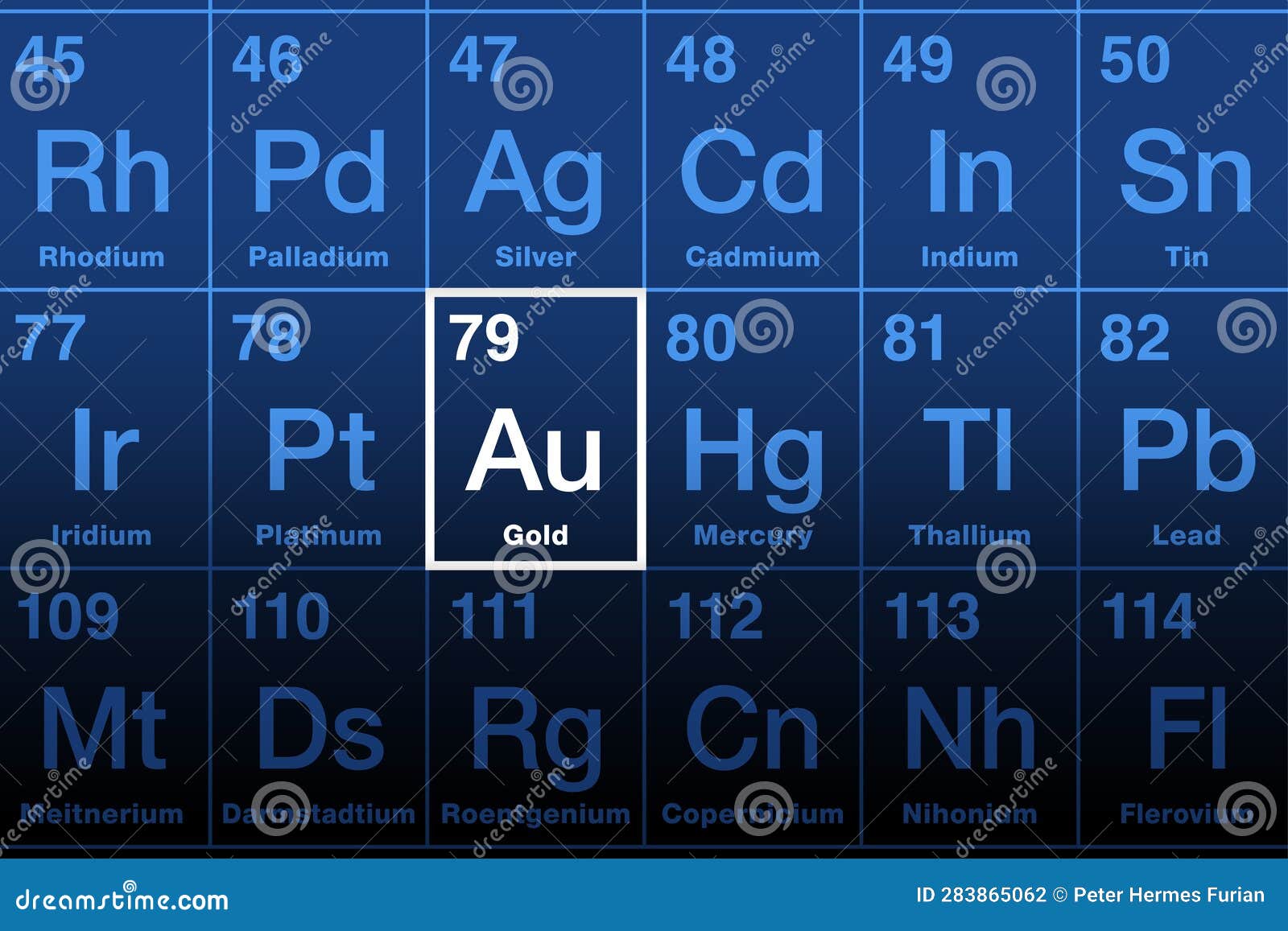
Many people mistakenly believe that the au periodic chart is solely for scientists and chemists, but this couldn't be further from the truth! It's a handy tool for anyone seeking precise information about gold and its various forms.
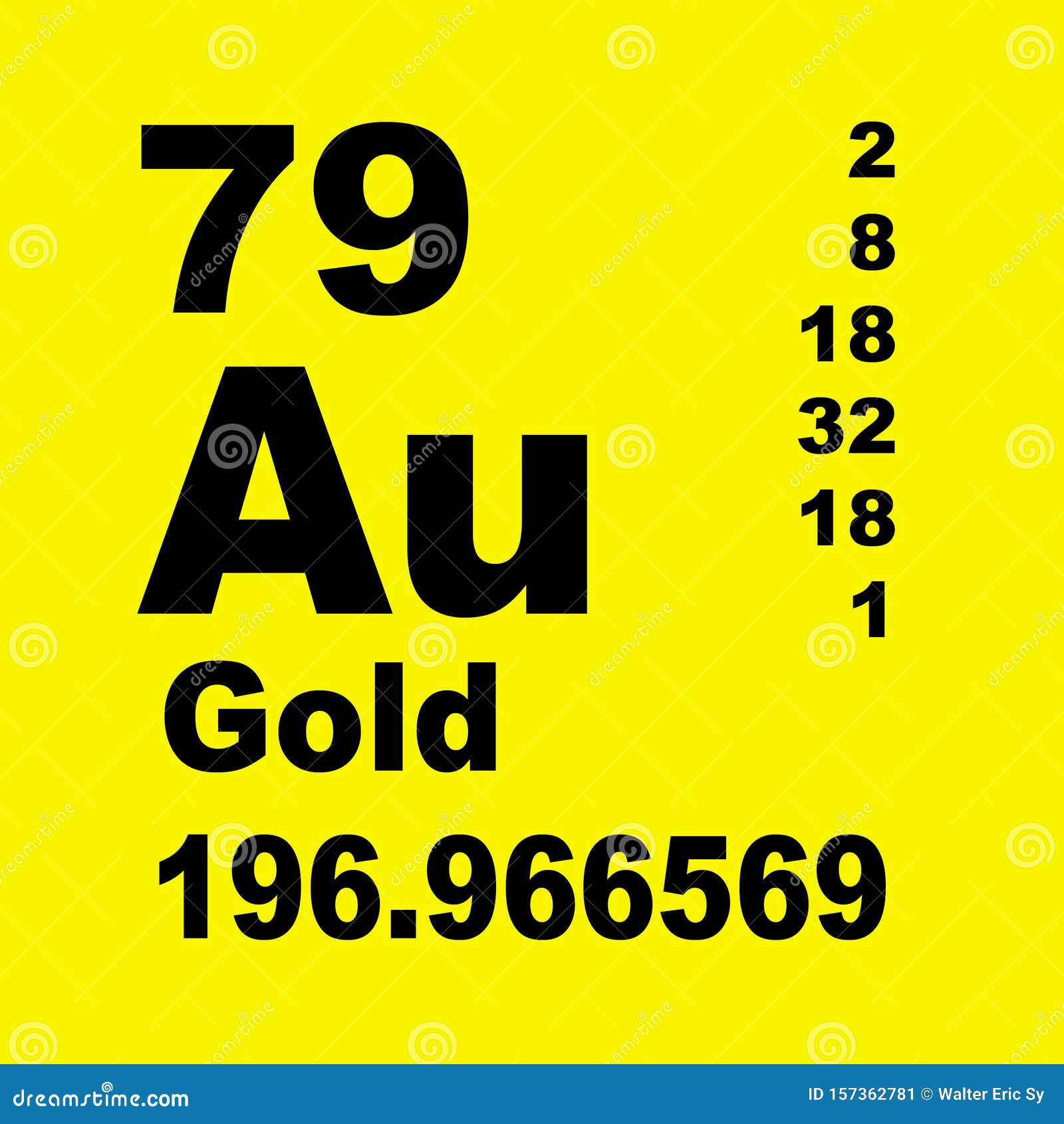
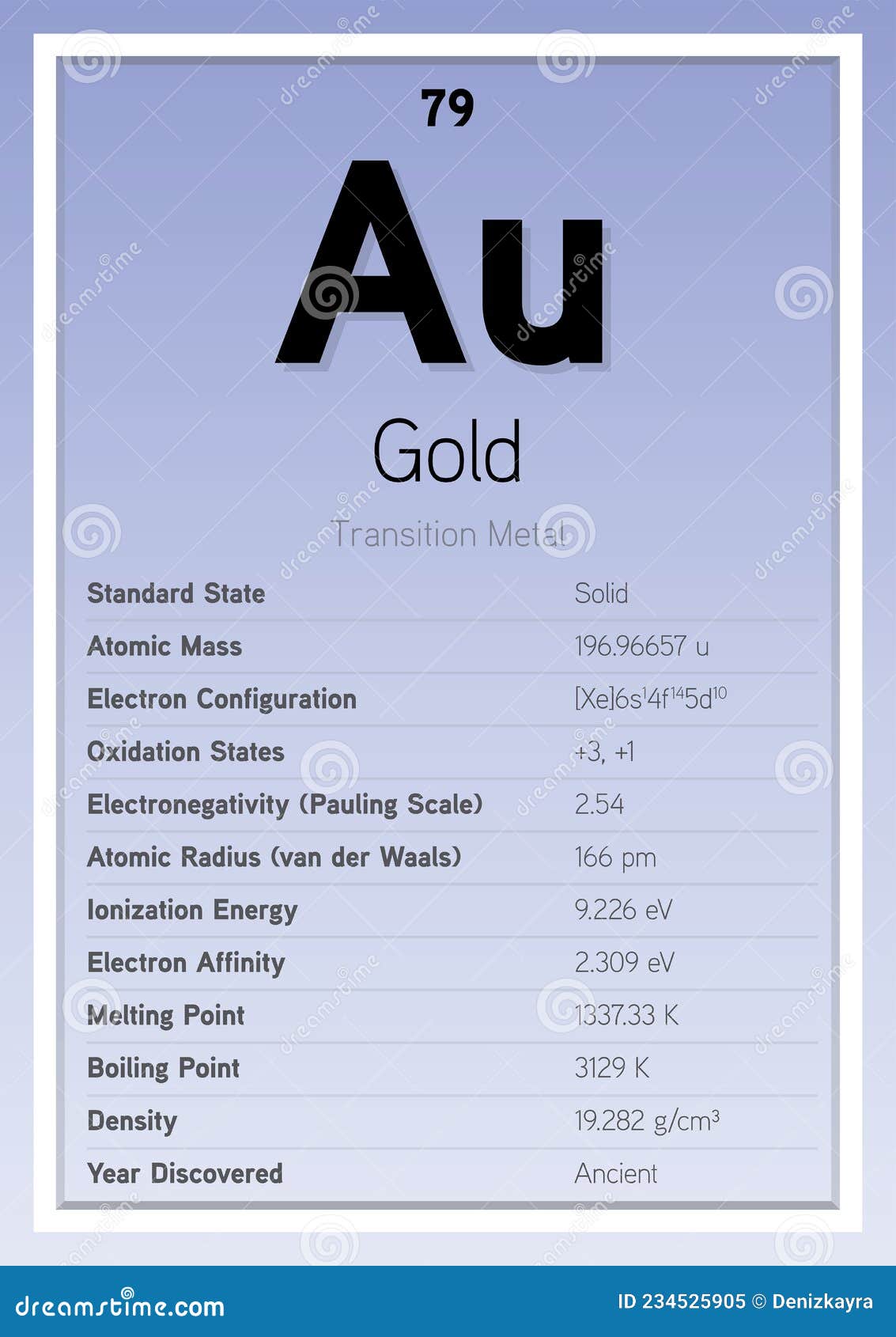
The chart offers a straightforward way to understand gold's atomic weight, purity levels, and even its role in alloy creation. While the values may differ slightly depending on the standard or region, the au periodic chart remains a reliable and accessible reference for all things gold-related, from the atomic weight chart to the karat purity scale.
Understanding the AU Periodic Chart: An Overview
The AU periodic chart is a handy reference tool for anyone working with gold and its alloys. It provides a quick and easy way to understand the composition and purity of gold-based materials. This chart is especially useful for jewelry makers, metalworkers, and anyone dealing with precious metals.
Comparing Standards and Formats
The AU periodic chart comes in various formats and standards, depending on your region and specific needs. The most common standards are the US and international (metric) systems, each with its own set of measurements and categories. For instance, the US standard uses the karat scale to indicate gold purity, while the international standard often refers to fineness or parts per thousand.
Using the AU Periodic Chart: A Step-by-Step Guide
Here's a simple guide on how to use the AU periodic chart:
Identify the Standard: First, determine which standard your chart follows. Is it the US or international standard? This information is usually indicated on the chart itself.
Read the Karat Scale: If you're using a US-standard chart, the karat scale will be your primary guide. It shows the percentage of pure gold in an alloy. For example, 24 karat gold is pure gold, while 18 karat gold contains 75% pure gold and 25% other metals.
Understand Fineness: In the international standard, fineness indicates the parts per thousand of pure gold. So, 999 fineness means 99.9% pure gold.
Common Alloy Blends: The chart often includes common alloy blends and their compositions. These blends can vary, but typical alloys include copper, silver, and other metals to enhance durability and color.
Convert and Calculate: If you need to convert between standards or calculate specific alloy compositions, the chart may provide conversion factors or formulas. These can be useful for precise measurements.
Avoiding Misreadings and Pitfalls
It's important to avoid common misreadings when using the AU periodic chart. Here are some tips:
Pay attention to the standard: Ensure you're using the right standard for your region or project. Mixing up US and international standards can lead to significant errors.
Understand the scale: Whether it's the karat scale or fineness, make sure you know how to interpret the values correctly. Misreading these scales can result in inaccurate alloy compositions.
Check for updates: AU periodic charts may get updated periodically to reflect new industry standards or discoveries. Always double-check if you're using an outdated chart to avoid inaccurate information.
Key Factors Affecting Accuracy
Several factors can impact the accuracy of the AU periodic chart and its real-world application:
Precious metal measurements: The purity and composition of gold alloys can vary slightly depending on the source and manufacturing process. Always refer to the specific tolerances and specifications provided by the manufacturer or supplier.
Alloy composition: While the chart provides common alloy blends, actual compositions can vary. Some alloys may contain trace elements not listed on the chart, especially in specialty or custom blends.
Environmental factors: Over time, gold alloys can undergo changes due to exposure to certain chemicals or extreme conditions. These factors can alter the alloy's composition and, consequently, its properties.
Manufacturing processes: Different manufacturing techniques can impact the final composition of the alloy. For instance, casting and rolling processes may introduce variations in the alloy's structure and purity.
Adapting the AU Periodic Chart for Specific Needs
While the AU periodic chart offers a comprehensive guide, it may not cover every specific need or exception. In such cases, you might need to adapt or customize the chart:
Industry-specific charts: Certain industries, like dentistry or electronics, may have their own gold standard references with unique composition requirements. Ensure you're using the right chart for your industry.
Custom blends: If you're working with custom alloy blends, you may need to create your own reference chart or consult with a metallurgist to determine the exact composition and properties of your alloy.
Regional variations: Some regions may have unique standards or traditions when it comes to gold alloys. Always consider local practices and regulations when adapting the chart for your specific needs.
So, there you have it! A comprehensive guide to navigating the au periodic chart. Remember, this chart is a handy tool, but it's always wise to double-check the specifics for your unique situation. No two projects are the same, and while this chart offers a great starting point, your context might require some tweaks.
Feel free to bookmark this page for future reference. It's a simple yet effective resource to have at your fingertips, and you never know when it might come in handy!
Related: What's the best way to use a slacks size chart?
A slacks size chart is your handy tool for ensuring a perfect fit every time. This guide will walk you through the ins and outs, offering a simple approach to understanding those charts and ensuring you get the right size.
You'll find these charts are a great reference, offering waist size charts, pant guides, and even international size standards. While the values may vary slightly depending on the brand and region, they provide a reliable starting point for your measurements.
Understanding Slack's Size Chart
A waist size chart is a handy tool to help you find your perfect fit when shopping for slacks. It's a reference guide that translates your body measurements into the right size label, making it easier to choose the correct pair of pants.
Comparing Size Chart Standards
Size charts can vary depending on the brand and region. For example, a pant size guide from a US brand might use different measurements or labels compared to an international brand. It's important to check which standard the chart follows to ensure an accurate fit.
Step-by-Step Guide to Using the Size Chart
Using a slacks size chart is simple. Here's a quick guide:
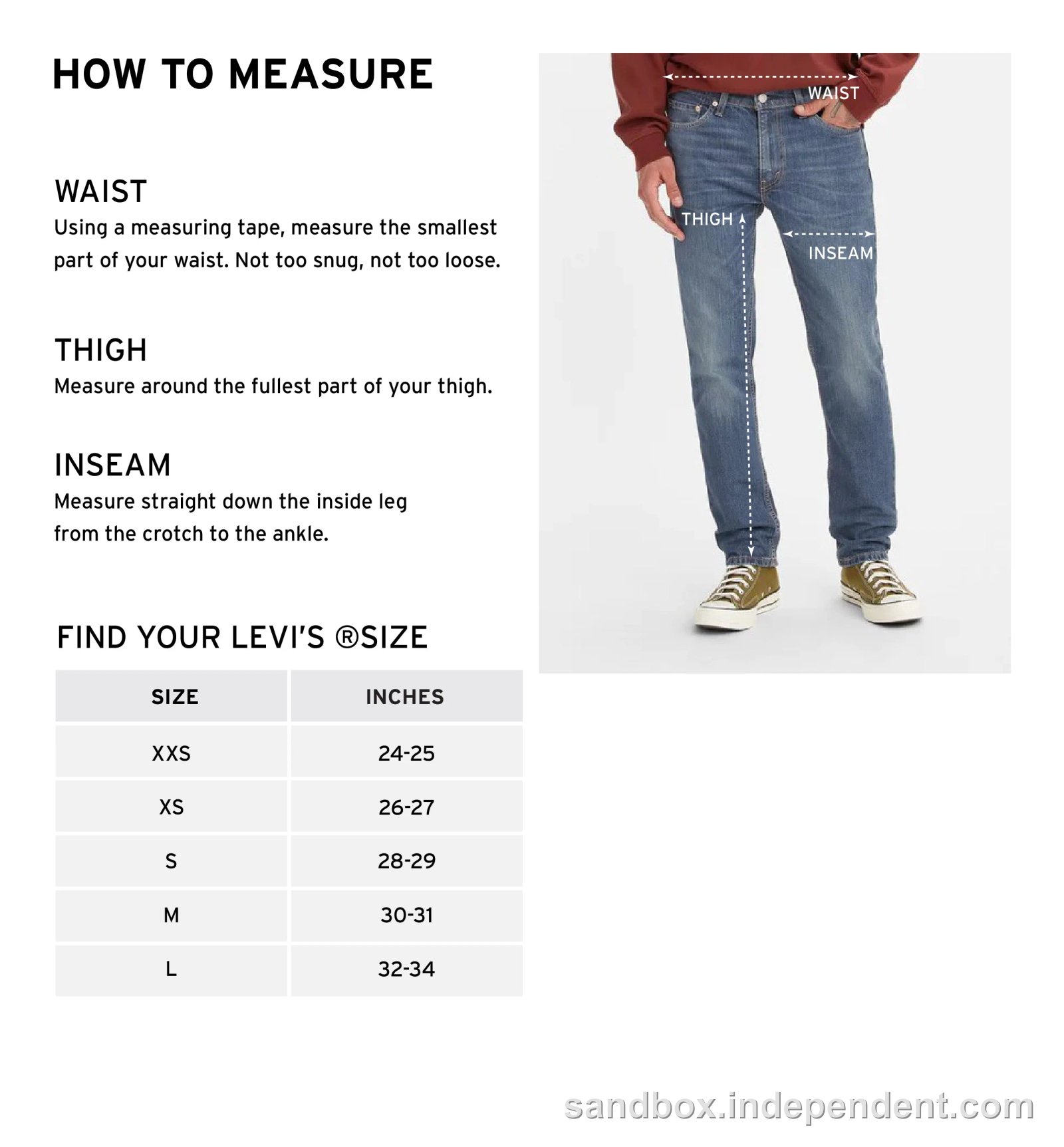
Measure your waist: Use a tape measure to find your natural waist, which is usually the smallest part of your waist. Make sure the tape is snug but not too tight.
Find your waist size: Look for the waist measurement column on the chart. It will typically list a range of sizes, often in inches or centimeters. Find the number that matches or is closest to your waist measurement.
Check the hip measurement: Some charts also include hip measurements. If your hips are wider than your waist, ensure the hip measurement on the chart accommodates your body shape.
Consider the inseam: The inseam length determines how long your pants will be. Choose the length that suits your preference and height.
Avoiding Common Misreadings
It's easy to misinterpret a size chart if you're not familiar with it. Here are some tips to avoid common mistakes:
Always double-check the units of measurement. Some charts use inches, while others use centimeters.
Pay attention to the size labels. Brands might use different terminology, so ensure you understand their specific size categories.
If you're between sizes, it's often better to size up for comfort. Most charts provide a range, so choose the larger size if you're unsure.
Factors Affecting Accuracy
Several factors can influence the accuracy of a slacks size chart:
Body shape: The chart provides a general guide, but everyone's body is unique. Factors like muscle mass, bone structure, and body fat distribution can affect how clothes fit.
Fabric and design: The material and cut of the pants can impact the fit. Stretch fabrics might offer more flexibility, while structured fabrics may require a more precise fit.
Personal preference: Comfort and style are subjective. Some people prefer a looser fit, while others like their pants more tailored. Consider your personal style and comfort level when choosing a size.
Adapting the Chart for Your Needs
The beauty of a slacks size chart is its adaptability. You can use it as a starting point and make adjustments based on your preferences:
If you prefer a more relaxed fit, choose a size larger than your measured waist size.
For a more tailored look, opt for a size that matches your waist measurement precisely.
Consider the rise of the pants (high, medium, or low) and choose a size that aligns with your preference.
Keeping Your Reference Reliable
To ensure a consistent and reliable experience, it's beneficial to keep your slacks size chart updated:
Measure yourself regularly, especially if you've gained or lost weight. Body measurements can change over time, so it's essential to have an accurate reference.
Take note of the brand and style of pants you usually wear. This information can help you quickly identify your size when shopping online or in-store.
Share your measurements with trusted friends or family members. This way, they can assist you in finding the right size when shopping together.
Well, there you have it! A comprehensive guide to slacks size charts, covering all the bases. We've explored the different options, learned the steps to get an accurate fit, and even discussed some common pitfalls to avoid.
Remember, when it comes to size charts, there can be slight variations, so always double-check the specific requirements for your chosen brand or style. It's a good idea to keep this page bookmarked for future reference, so you can quickly refer back to it when needed. Stay stylish, and happy sizing!
Related: What's the deal with quilt sizes chart?
A quilt sizes chart can be a handy tool, but it's often misunderstood as a rigid, one-size-fits-all guide. In reality, these charts are flexible and adaptable, offering a range of standard sizes as a starting point for your quilting journey.
While the quilt sizes chart provides a great reference, it's important to remember that these dimensions can vary slightly depending on your region and personal preferences. Whether you're crafting a crib quilt size or aiming for a king-size masterpiece, understanding the chart is key to achieving your desired quilt measurements.
Understanding the Quilt Sizes Chart
The quilt sizes chart is your practical guide to creating quilts with precision and ease. It provides a clear overview of standard quilt dimensions, helping you choose the right size for your project and ensuring a perfect fit every time. This chart is a valuable resource for quilters, offering a quick reference to common quilt sizes and their measurements.
Comparing Quilt Size Categories
When exploring the quilt sizes chart, you'll notice a range of categories, each representing a specific quilt size. These categories are typically based on standard bed sizes, such as crib, twin, full, queen, and king. The chart provides the length and width measurements for each size, allowing you to select the right dimensions for your quilt. It's a simple and effective way to ensure your quilt fits its intended purpose.
Step-by-Step Guide to Using the Chart
Using the quilt sizes chart is straightforward. Here's a simple guide:
- Identify the intended use for your quilt. Are you making a crib quilt, a baby quilt, or a larger quilt for a bed?
- Refer to the chart and locate the relevant category.
- Take note of the length and width measurements provided. These are the standard dimensions for that particular quilt size.
- Measure your available space or the intended recipient's bed to ensure the quilt will fit perfectly.
- Use the chart's measurements as a guide to create your quilt pattern and ensure a comfortable and well-fitted result.
Avoiding Common Misreadings
While the quilt sizes chart is a reliable reference, it's essential to avoid common misreadings. Always double-check the units of measurement, as some charts may use imperial or metric units. Additionally, be aware that the chart provides standard measurements, and variations may exist based on personal preferences or specific projects. Always measure your space or the intended bed to ensure an accurate fit.
Factors Affecting Accuracy
Several factors can influence the accuracy of your quilt size selection. Firstly, the intended use of the quilt is crucial. A crib quilt will have different dimensions compared to a king-size bed quilt. Additionally, personal preferences and design choices can impact the final size. Some quilters may opt for a larger or smaller quilt, depending on their style and the recipient's needs. Always consider these factors when referring to the quilt sizes chart.
Adapting to Specific Needs
While the quilt sizes chart provides standard measurements, it's flexible enough to accommodate custom quilt dimensions. If you require a unique size, you can use the chart as a starting point and adjust the measurements to fit your specific needs. This adaptability allows quilters to create one-of-a-kind quilts that perfectly suit their vision and the intended recipient's preferences.
Keeping Your Reference Reliable
To ensure the continued reliability of your quilt sizes chart, it's essential to keep it updated and accessible. Regularly refer to reputable sources to verify the accuracy of the measurements, especially if you notice any significant changes in standard quilt sizes. Consider printing the chart or saving it digitally for easy reference during your quilting projects. By keeping your chart up-to-date, you'll always have a trusted guide for creating beautifully sized quilts.
Well, there you have it! A handy guide to quilt sizes, covering all the bases and giving you the tools to tackle any quilting project.
Remember, every quilter's needs are unique, so take a moment to ensure the sizes and standards you're using fit your specific project. With these tips and tricks, you'll be quilting like a pro in no time!
Feel free to explore our other guides and resources; we've got plenty of practical advice to offer, so you can keep crafting with confidence. Happy quilting!