


Teeth Color Chart Sheet Overview
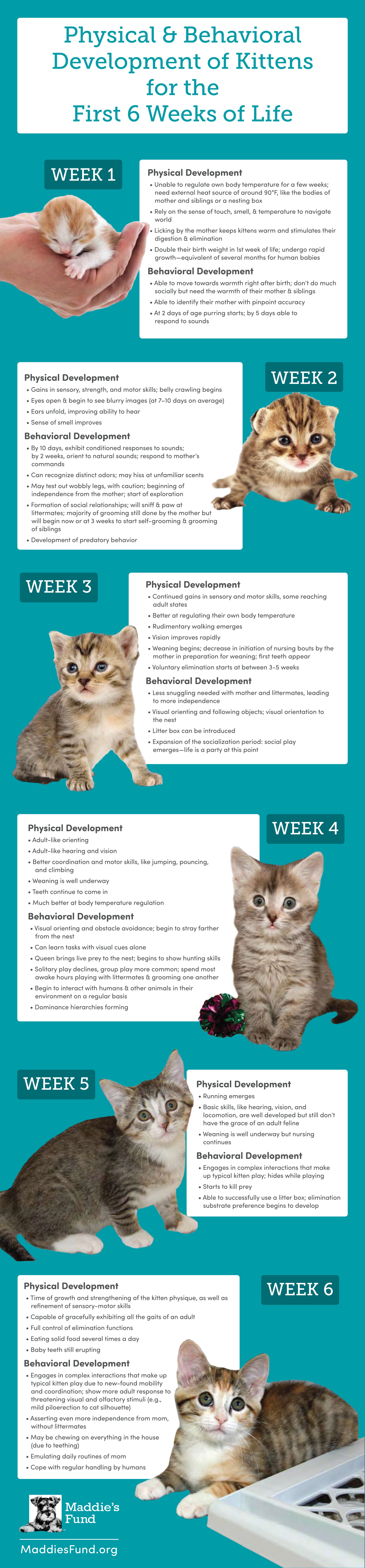
A kitten age chart is a handy tool for any cat lover or owner, offering a quick glimpse into a kitten's growth and development. This guide will cover the essentials, providing you with the knowledge to interpret and utilize a kitten age chart effectively.
From weeks to months, these charts outline standard milestones and common development stages, giving you an overview of your kitten's progress. While values may vary slightly depending on factors like breed and region, the charts offer a reliable reference point for cat enthusiasts and owners alike.
Understanding the Kitten Age Chart
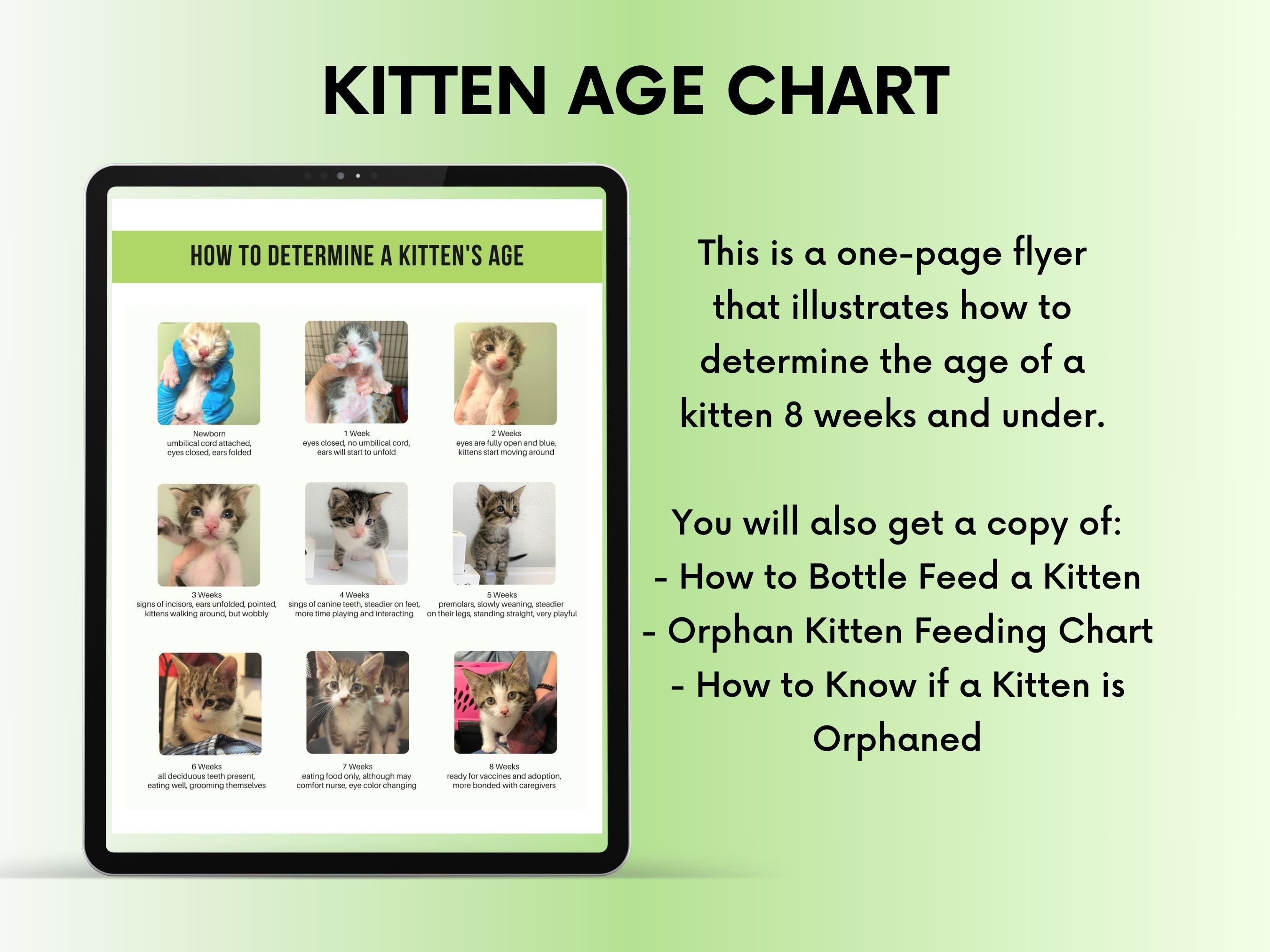
The kitten age chart is a valuable tool for cat owners and enthusiasts, offering a visual representation of a kitten's growth and development over time. This chart provides a practical guide to understanding a kitten's age and the associated milestones.
Key Details and Categories
The kitten age chart typically presents age in weeks or months, with corresponding physical and behavioral changes. It covers a kitten's journey from birth to adulthood, usually up to one year. The chart may vary slightly depending on the standard used, but it generally follows a consistent format.
Reading and Applying the Chart
To use the kitten age chart accurately, follow these steps:
- Identify the age of your kitten in weeks or months.
- Locate the corresponding age range on the chart.
- Review the physical and behavioral characteristics listed for that age range.
- Compare these characteristics to your kitten's development.
- Note any significant variations or delays, which may indicate the need for veterinary attention.
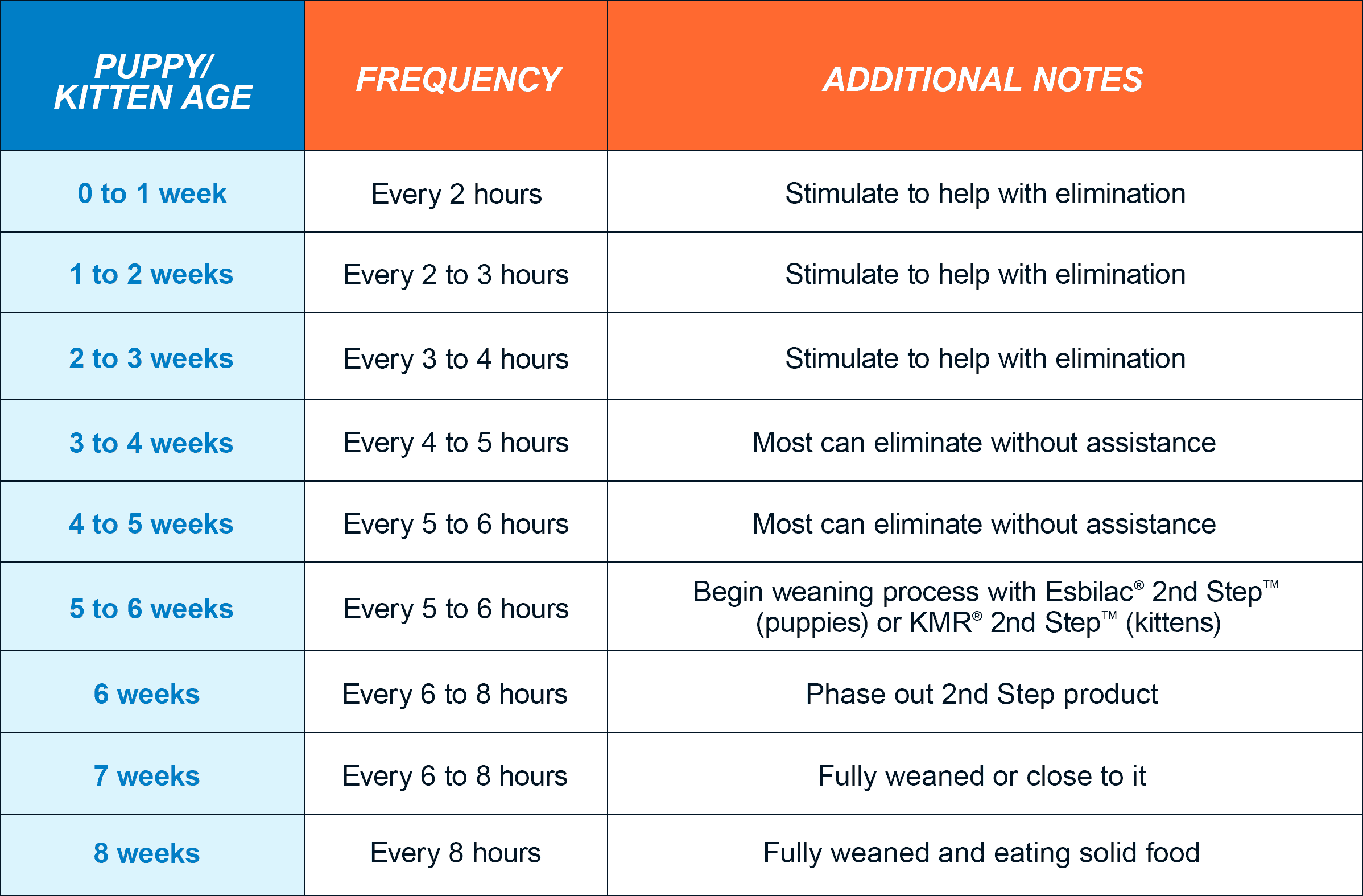
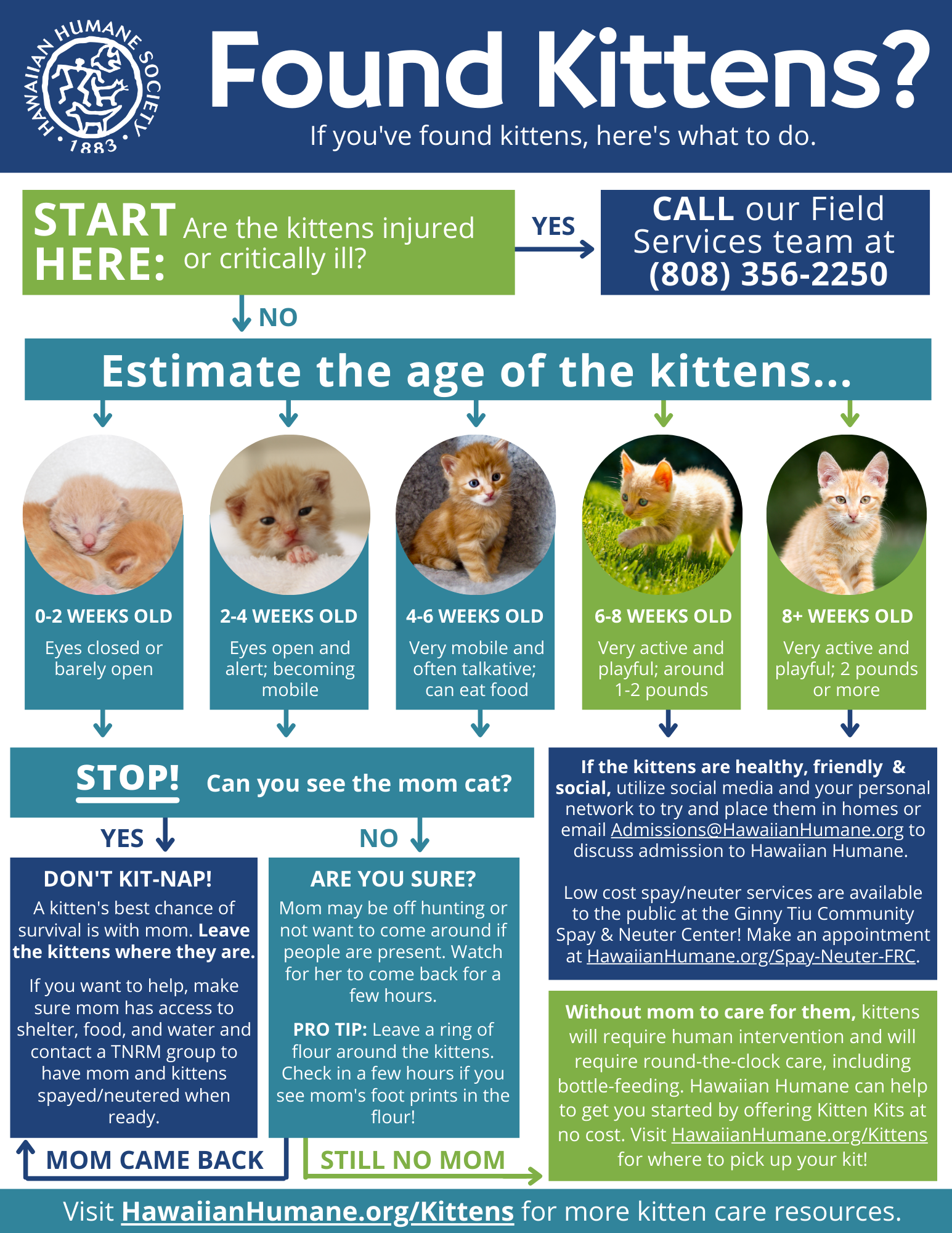
For instance, a four-week-old kitten should be gaining weight steadily, with eyes and ears opening, and initial attempts at walking. By eight weeks, kittens should be fully weaned and showing more independence.
Variations in Growth
It's important to note that every kitten is unique, and growth rates can vary. Factors such as breed, nutrition, environment, and overall health can influence a kitten's development. Here are some key variations to consider:
- Breed: Different cat breeds have distinct growth patterns. For example, larger breeds may take longer to reach maturity.
- Nutrition: A well-balanced diet is crucial for healthy growth. Malnutrition can lead to stunted development.
- Environment: A stimulating and safe environment promotes healthy growth. Stress or lack of stimulation can impact a kitten's development.
- Health: Underlying health issues can affect growth. Regular veterinary check-ups are essential to identify and address any concerns.
Remember, the kitten age chart provides a general guide, and individual kittens may develop at their own pace. If you have concerns about your kitten's growth, consult a veterinarian for personalized advice.
Remember that while this chart provides a great starting point, the exact details may differ slightly based on your kitten's unique development and the specific guidelines you follow. Every kitten is an individual, so keep an eye on their progress and adjust your expectations accordingly.
Feel free to explore our other guides for more practical tips and insights into the wonderful world of kitten care. You'll find a wealth of information to support you and your furry friend through every stage of their growth and development.
Related: Need a shirt size chart? Find your perfect fit!
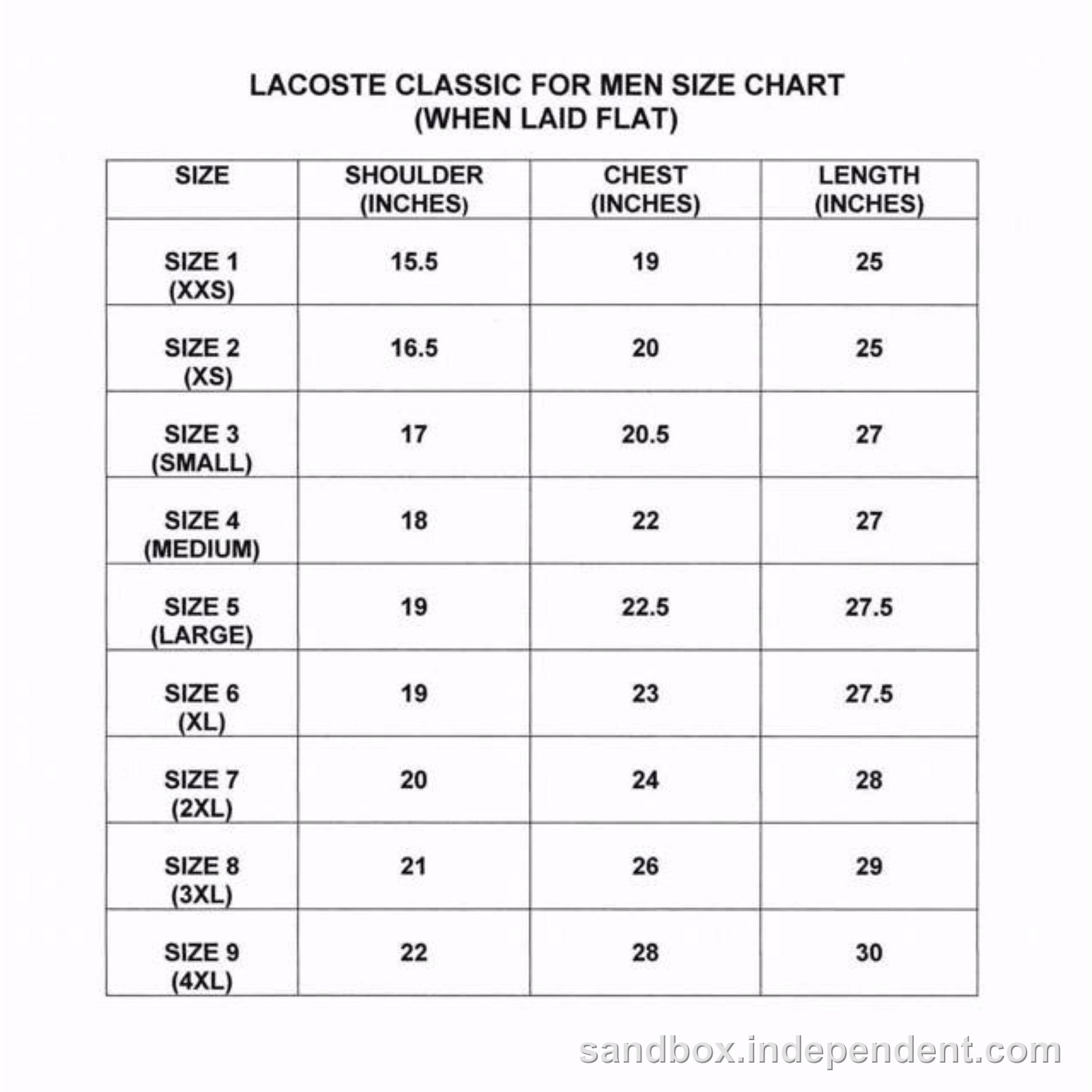
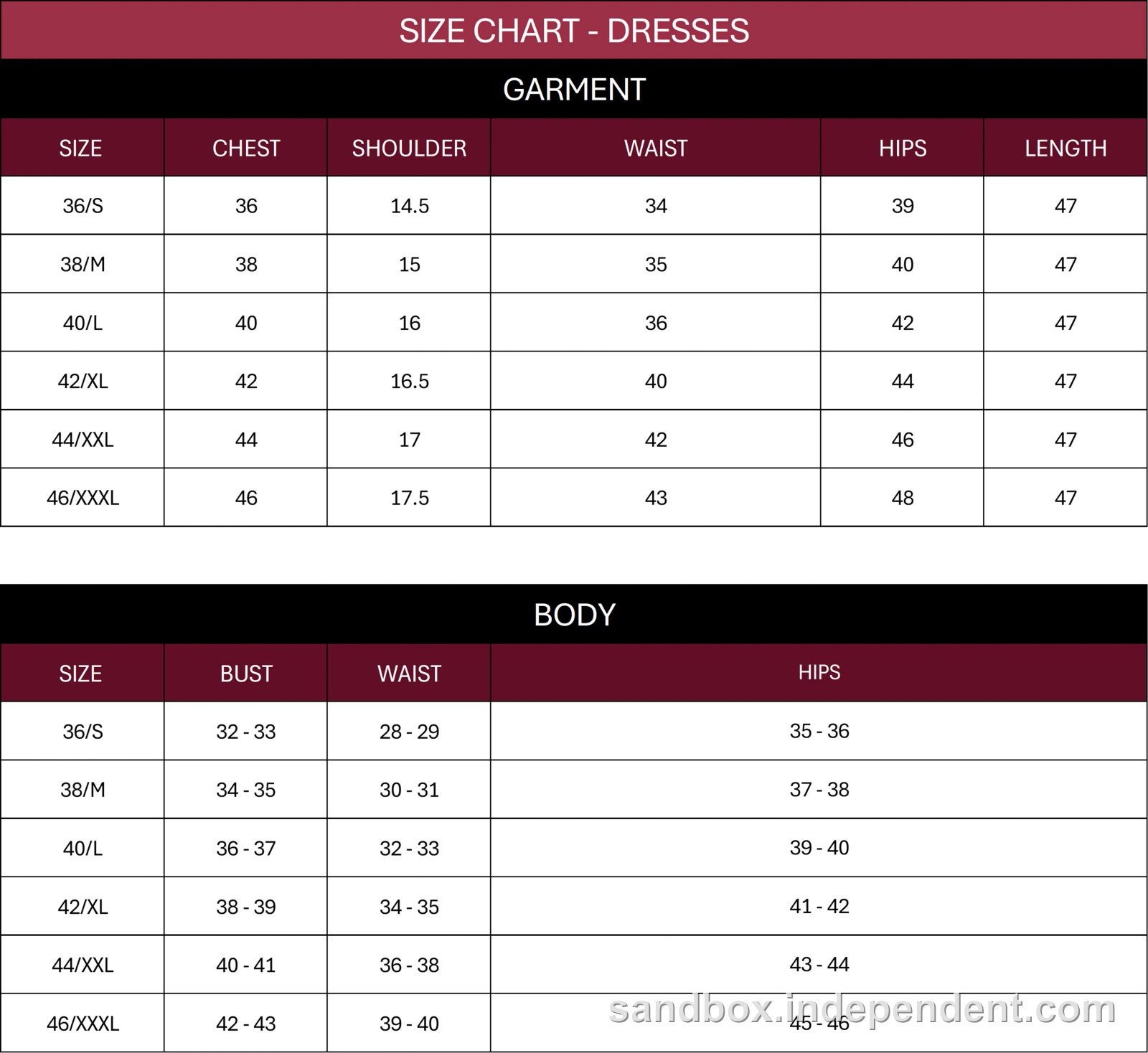
You're probably here because you need a quick fix, a simple solution to finding your perfect shirt size. And what better tool than a shirt size chart? It's a handy reference, a map to navigate the world of clothing sizes, and it's right at your fingertips. These charts offer a straightforward way to ensure you get the right fit, and they can vary slightly depending on the brand or region, so it's always good to have a reliable guide.
Shirt Size Chart: A Practical Guide
A shirt size chart is a handy reference tool that helps you find the perfect fit for your shirts. It provides a standardized way to determine your size based on key body measurements. These charts are essential for online shopping or when you need to order custom-made shirts.
Key Details and Categories
The shirt size chart typically includes measurements for chest circumference, waist circumference, and sometimes arm length. These measurements are usually given in inches or centimeters, depending on the standard being used. The chart also provides a range of sizes, often in small increments, to ensure a precise fit. For example, a chart might offer sizes from XS to 5XL, with each size representing a specific measurement range.
Step-by-Step Guide: Reading and Using the Chart
Follow these steps to accurately determine your shirt size using a size chart:
Measure your chest circumference at the fullest part of your chest, keeping the measuring tape parallel to the floor. This measurement is crucial for finding the right fit.
Locate your chest measurement on the chart. The chart will guide you to the corresponding size, often with a range of measurements for each size. For instance, a size Medium might fit chest circumferences between 38 and 40 inches.
If the chart provides waist circumference measurements, repeat the process for your waist. This measurement ensures a comfortable fit around your midsection.
Compare your measurements to the size chart's ranges. Choose the size that aligns most closely with your measurements. If your measurements fall between two sizes, consider factors like your preferred fit (more relaxed or snug) and the fabric's stretchability.
For more precise fitting, some charts may include arm length measurements. Measure your arm length from the base of your neck to your wrist. Match this measurement to the chart's arm length column to ensure a perfect sleeve length.
Understanding Variations and Differences
It's important to note that shirt size charts can vary depending on the brand, manufacturer, or even the specific style of shirt. Some brands may have slightly different measurement standards or size increments. Additionally, the intended fit of the shirt (e.g., slim, regular, or relaxed) can impact the size chart. Always check the brand's size guide or any notes about fit to ensure an accurate selection.
Common Mistakes and How to Avoid Them
One common mistake is relying solely on your usual shirt size without considering the specific brand or style. Each brand may have its own unique sizing system, so it's crucial to refer to their size chart. Another mistake is neglecting to measure yourself accurately. Take precise measurements, especially for the chest and waist, to ensure an accurate fit. Avoid guessing or estimating, as this can lead to disappointment with the final product.
Practical Fitting Tips for Accurate Results
To ensure the best fit, consider these tips:
When measuring, stand naturally and relax your arms. Avoid pulling the measuring tape too tight or too loose.
If you're between sizes, choose the larger size for a more comfortable fit, especially if the shirt has a slim or tailored cut.
Pay attention to the fabric and its stretchability. Some fabrics, like cotton blends, have more give, while others, like linen, are more rigid.
Check the brand's size guide for any specific notes or recommendations. They might offer tips for their unique sizing or suggest sizing up or down for certain styles.
Consider the intended use of the shirt. If it's for a formal occasion, you might want a more tailored fit, while casual shirts can allow for a looser fit.
Remember, the shirt size chart is a valuable tool, but it's just a guide. Always prioritize your comfort and personal style when making a final decision.
Well, there you have it! A shirt size chart is a handy tool to ensure you get the perfect fit every time. Remember, while these charts provide a great starting point, exact values can vary, so it's always wise to check the specific guidelines for your chosen brand or standard.
Don't forget to explore our other guides and resources; we've got plenty of practical tips to help you navigate the world of fashion and sizing with ease. Stay tuned for more!
Related: Understand Aurora Charter Oak: A Quick Guide
You're here, probably with a Aurora Charter Oak chart in front of you, seeking a quick understanding of its purpose and how to use it effectively. This practical tool, often in the form of a chart or diagram, provides valuable insights into oak tree growth and care. It offers a simple yet effective way to track and manage the health of your oak trees, ensuring they thrive and reach their full potential.
Understanding the Aurora Charter Oak Chart
The Aurora Charter Oak chart is a handy reference tool for anyone interested in oak tree care and growth. It provides a visual representation of the typical growth patterns and sizes of charter oak trees, offering a quick guide to their development. This chart is particularly useful for tree enthusiasts, gardeners, and arborists who want to monitor and understand the growth of these majestic trees.
Comparing Growth Categories and Standards
The Aurora Charter Oak chart categorizes tree growth based on two key measurements: trunk diameter and height. These measurements are essential as they indicate the overall size and maturity of the tree. The chart presents these categories in a clear, easy-to-read format, typically using a color-coded system to distinguish different growth stages.
When referring to the chart, you'll notice that trunk diameter is measured in inches or centimeters, depending on the standard being used. This measurement is taken at a standard height of 4.5 feet (or 1.37 meters) above the ground, known as the diameter at breast height (DBH). The height, on the other hand, is measured in feet or meters, representing the total height of the tree from the ground to its highest point.
Step-by-Step Guide to Using the Chart
Using the Aurora Charter Oak chart is straightforward and can be done in three simple steps:
Measure your charter oak tree's trunk diameter at breast height (DBH). This measurement should be taken with a measuring tape or calipers at a height of 4.5 feet above the ground.
Find the corresponding trunk diameter value on the chart. The chart will typically have a scale or legend indicating the diameter ranges.
Once you've identified the trunk diameter, follow the row or column to find the tree's estimated height. The chart will provide a range of heights associated with that diameter, giving you a good indication of your tree's size and growth stage.
Avoiding Common Misreadings and Pitfalls
While the Aurora Charter Oak chart is a valuable tool, it's important to keep in mind a few potential pitfalls:
The chart provides a general guide and may not account for every unique growth pattern. If your tree's growth seems significantly different from the chart's predictions, it's worth consulting an arborist for a more detailed assessment.
Always ensure you're using the correct standard for your region. Different countries and organizations may use different units or measurement protocols, so double-check to ensure accuracy.
Remember that tree growth is influenced by various factors, including soil quality, climate, and care practices. The chart offers a typical growth pattern, but your tree's growth may vary based on these environmental factors.
By understanding these potential variations and using the chart as a guide rather than a rigid rule, you can accurately interpret the Aurora Charter Oak chart and gain valuable insights into the growth and care of these beautiful trees.
Hey there! I hope this guide has been helpful and easy to follow. Remember, when it comes to Aurora Charter Oak, it's all about finding the right fit for your needs. The chart and steps provided should give you a solid foundation, but it's always a good idea to double-check the specific requirements and context for your project.
So, before you wrap up, take a moment to ensure you've covered all the bases. And don't forget to bookmark this page; it'll be a handy reference for future adventures with Aurora Charter Oak. Happy charting!