Ten Commandments Coloring Sheet Overview
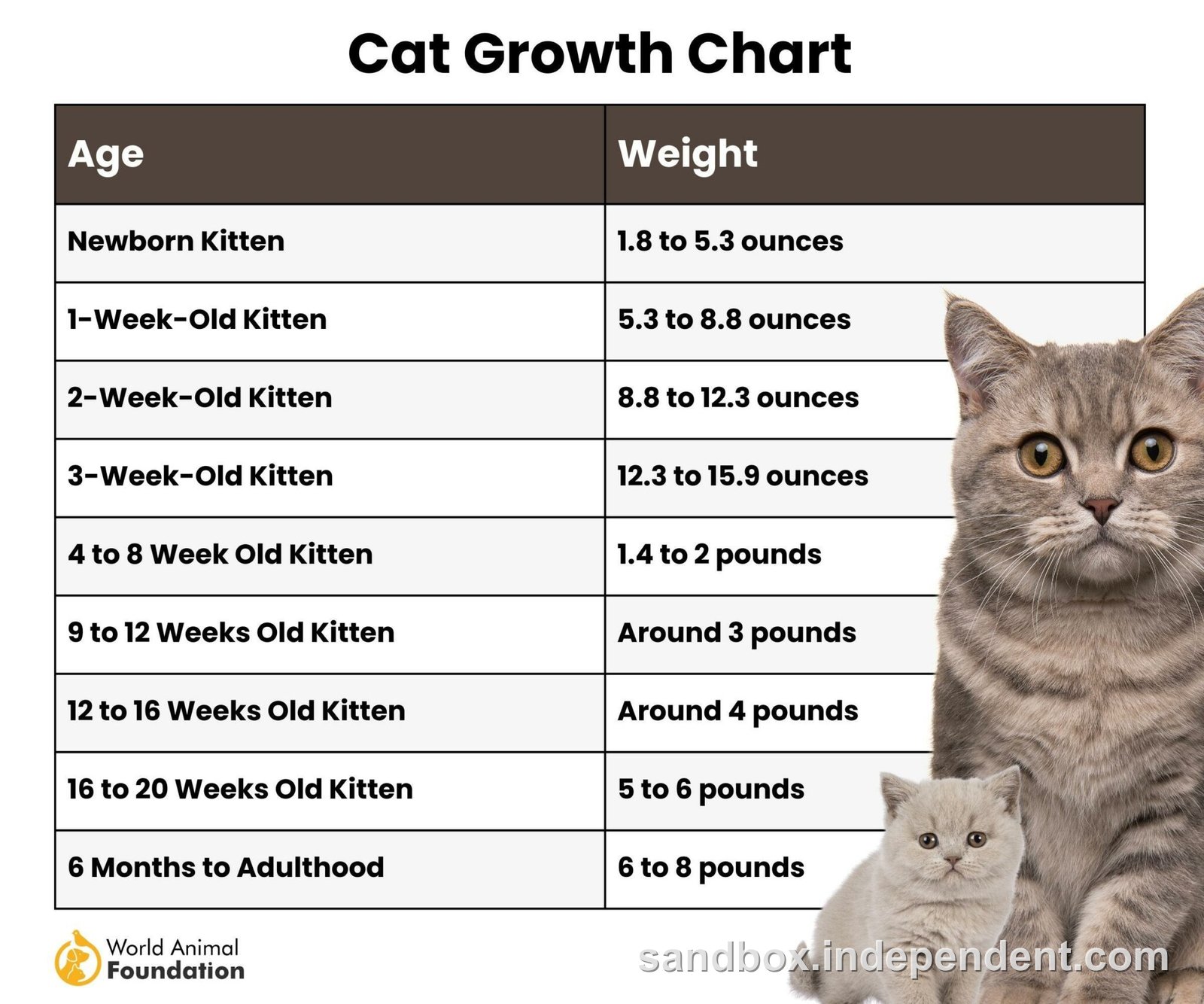
A kitten age chart is a handy tool for any cat lover or owner, offering a quick glimpse into a kitten's growth and development. This guide will cover the essentials, providing you with the knowledge to interpret and utilize a kitten age chart effectively.
From weeks to months, these charts outline standard milestones and common development stages, giving you an overview of your kitten's progress. While values may vary slightly depending on factors like breed and region, the charts offer a reliable reference point for cat enthusiasts and owners alike.
Understanding the Kitten Age Chart
The kitten age chart is a valuable tool for cat owners and enthusiasts, offering a visual representation of a kitten's growth and development over time. This chart provides a practical guide to understanding a kitten's age and the associated milestones.
Key Details and Categories
The kitten age chart typically presents age in weeks or months, with corresponding physical and behavioral changes. It covers a kitten's journey from birth to adulthood, usually up to one year. The chart may vary slightly depending on the standard used, but it generally follows a consistent format.
Reading and Applying the Chart
To use the kitten age chart accurately, follow these steps:
- Identify the age of your kitten in weeks or months.
- Locate the corresponding age range on the chart.
- Review the physical and behavioral characteristics listed for that age range.
- Compare these characteristics to your kitten's development.
- Note any significant variations or delays, which may indicate the need for veterinary attention.
For instance, a four-week-old kitten should be gaining weight steadily, with eyes and ears opening, and initial attempts at walking. By eight weeks, kittens should be fully weaned and showing more independence.
Variations in Growth
It's important to note that every kitten is unique, and growth rates can vary. Factors such as breed, nutrition, environment, and overall health can influence a kitten's development. Here are some key variations to consider:
- Breed: Different cat breeds have distinct growth patterns. For example, larger breeds may take longer to reach maturity.
- Nutrition: A well-balanced diet is crucial for healthy growth. Malnutrition can lead to stunted development.
- Environment: A stimulating and safe environment promotes healthy growth. Stress or lack of stimulation can impact a kitten's development.
- Health: Underlying health issues can affect growth. Regular veterinary check-ups are essential to identify and address any concerns.
Remember, the kitten age chart provides a general guide, and individual kittens may develop at their own pace. If you have concerns about your kitten's growth, consult a veterinarian for personalized advice.
Remember that while this chart provides a great starting point, the exact details may differ slightly based on your kitten's unique development and the specific guidelines you follow. Every kitten is an individual, so keep an eye on their progress and adjust your expectations accordingly.
Feel free to explore our other guides for more practical tips and insights into the wonderful world of kitten care. You'll find a wealth of information to support you and your furry friend through every stage of their growth and development.
Related: Home Extension Cobham Essential Guide
I've just been thinking about home extension cobham and how it could be a great option for us. We've been considering our options for more space, and an extension seems like a practical, long-term solution. It's an exciting idea, but I want to make sure we approach it the right way.
Understanding Home Extensions
A home extension is basically adding a new room or space to your existing house. It's a popular choice for growing families or those who need more room for hobbies, guests, or just a bit of extra breathing space. Home extension cobham is all about creating a seamless blend of the old and new, so it looks and feels like it was always part of your home. It's a big project, but with the right planning and professionals, it can be a fantastic way to transform your living environment.
When you're considering an extension, you need to think about the layout and design. Do you want a simple, open plan space, or something more complex with multiple rooms? The design should fit your lifestyle and needs. It's also important to consider the existing structure and how the extension will connect to it. You want a smooth, integrated look, so the extension feels like a natural part of your home's architecture.
Finding the Right Builders
Hiring the right builders is crucial for a successful home extension. You want a team that understands your vision and can bring it to life. Look for experienced contractors with a good track record and positive reviews. Ask for references and check their previous work. It's also a good idea to get multiple quotes to compare prices and services. Make sure the quotes are detailed and cover all aspects of the project, from materials to labor and any necessary permits.
The name of the construction business can be an important factor in attracting clients. It should be memorable, professional, and reflect the services offered. Some examples of unique and catchy names could be:
- Build & Beyond
- Crafted Spaces
- Home Evolution
- Creative Construction
- Structure Solutions
- The Extension Experts
Remember, a great name can set the tone and create a positive first impression.
Costs and Considerations
The cost of a home extension can vary widely. It depends on factors like the size and complexity of the build, the materials used, and the local labor rates. You'll also need to consider any additional costs, such as planning permission, architectural designs, and any necessary utilities or infrastructure upgrades. Getting multiple quotes will help you understand the range of prices and find a contractor who offers a competitive and transparent pricing structure.
Industry Insights and Outlook
The construction industry is constantly evolving, and staying informed is key. Tools like RSMeans provide valuable cost data and resources for estimating and planning projects. It's a great way to stay on top of industry trends and ensure accurate cost estimates. The outlook for home extensions is positive, with many homeowners recognizing the benefits of expanding their living spaces. It's an investment that can add value to your home and improve your quality of life.
In conclusion, home extension cobham is an exciting and practical way to create the space you need. It's a big decision, but with careful planning and the right professionals, it can be a rewarding experience. I'm excited to explore this option further and see how it could transform our home.
Related: easy paper craft for kindergarten fun creative ideas
Easy paper craft for kindergarten is a fun and simple way to get creative with your little ones, and it's something I've really enjoyed doing with my kids. It's a great activity to keep them entertained and engaged, and it's so satisfying to see their little faces light up with pride when they've made something cool.
So, what is this all about? Well, it's basically a collection of craft ideas that use paper as the main material. These crafts are designed to be accessible and fun for kids, with simple steps and minimal supervision needed. It's a brilliant way to encourage their creativity and fine motor skills, and it's an affordable activity too!
You can find a whole range of ideas online, from the classic paper chain to more intricate pop-up cards. Some ideas are seasonal, like making paper snowflakes for Christmas, while others are more general and can be done anytime. The best part is that these crafts often require very few materials - paper, scissors, glue, and maybe some crayons or markers.
Getting Started
If you're new to this, I'd recommend starting with some basic folding and cutting activities. You can teach them how to make simple shapes like squares and triangles, and then use those to create fun designs. For example, folding a piece of paper into a fan shape is a great way to introduce the concept of symmetry and pattern-making.
Step It Up
Once they've got the hang of the basics, you can introduce more complex crafts. One of my favorites is making paper boats. It's a classic for a reason - it's easy, and kids love seeing their creations float in water! You can also try making paper hats, which is a fun way to encourage imagination and role-play.
The beauty of easy paper craft for kindergarten is that it's so adaptable. You can tailor the difficulty level to your child's age and abilities, and you can often use these crafts as a springboard for other activities. For instance, making a paper doll might lead to a fun dress-up game, or creating a paper city could inspire some imaginative play.
So, why not give it a go? It's a brilliant way to spend some quality time with your kids, and you might just discover a new hobby together!