



The Grinch Coloring Page Overview
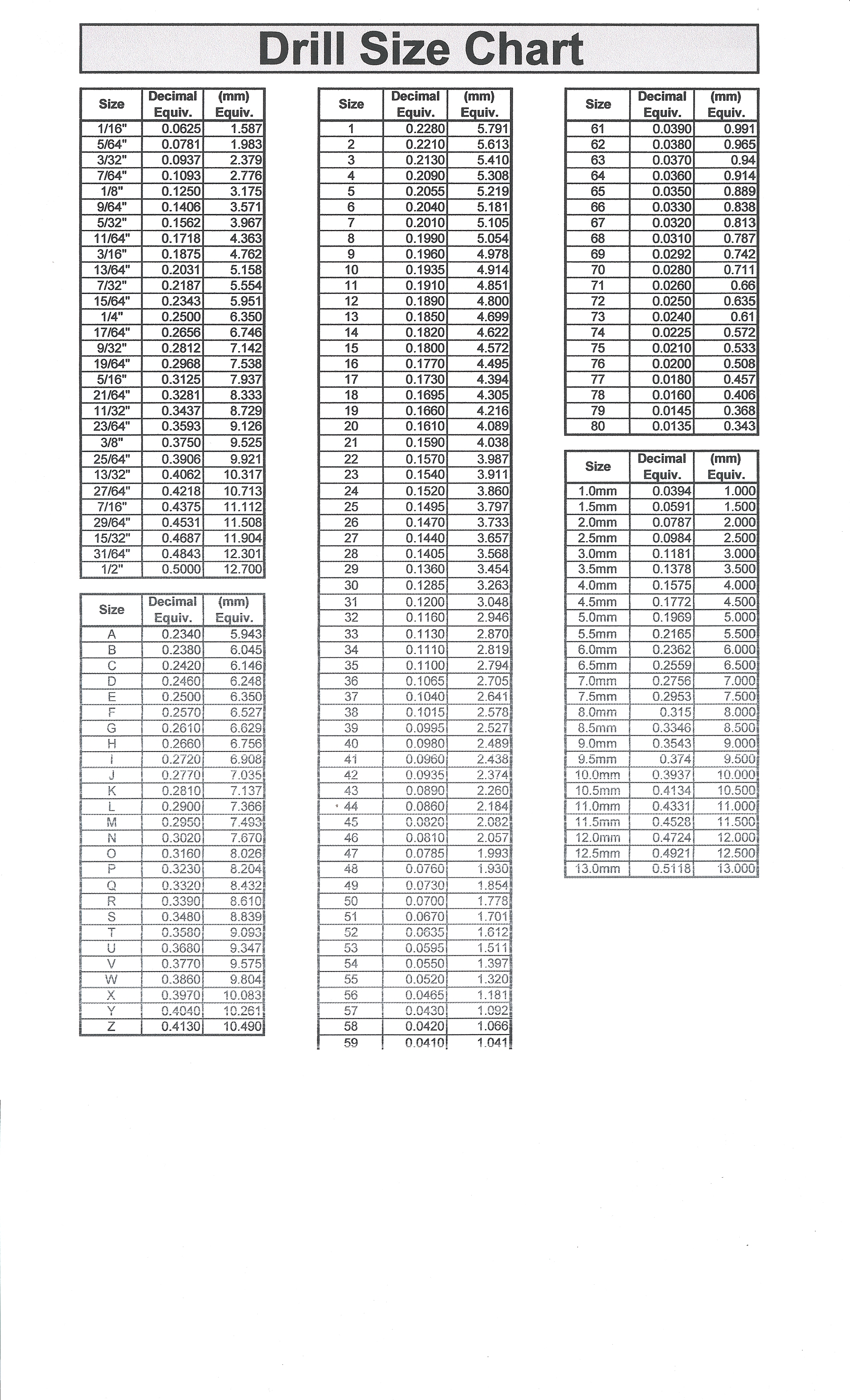
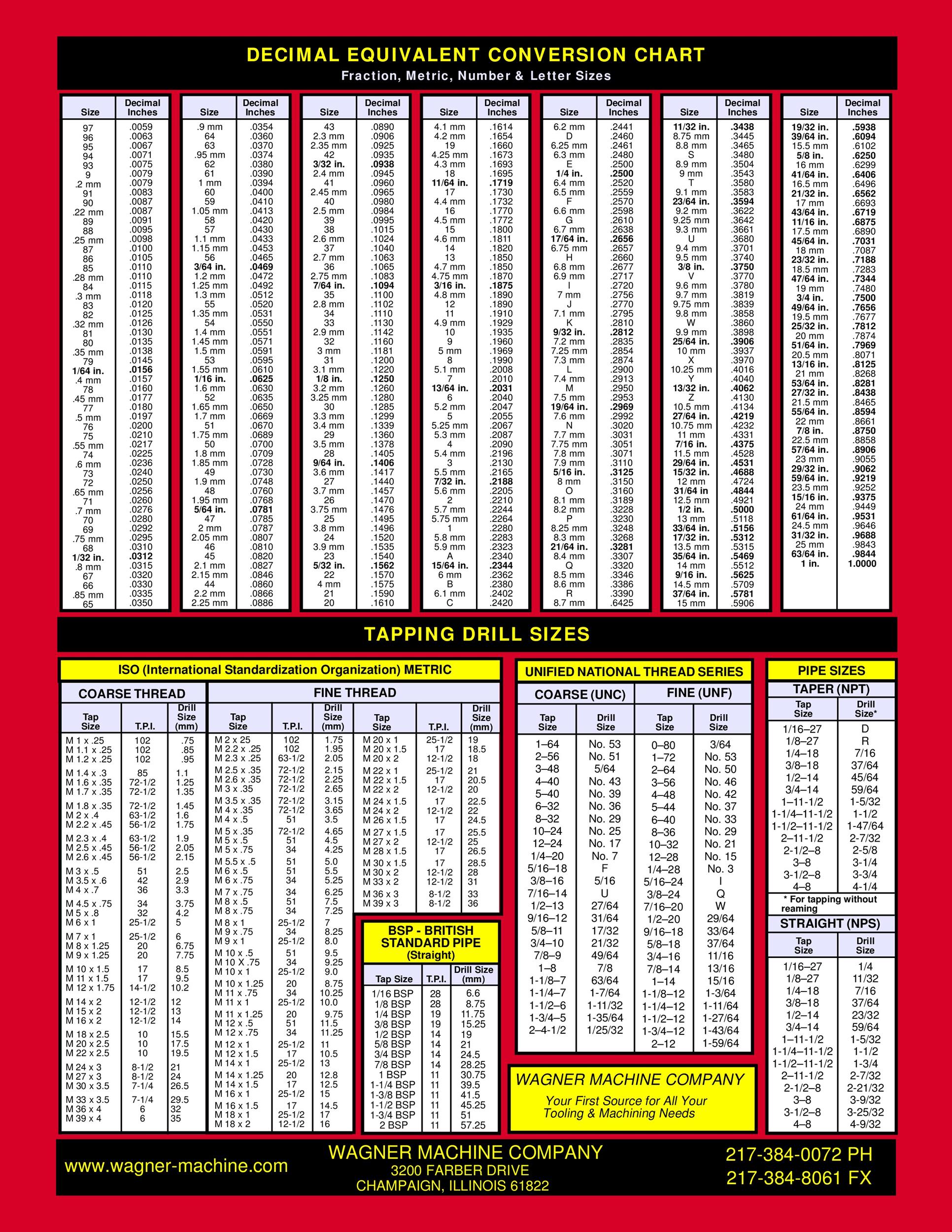
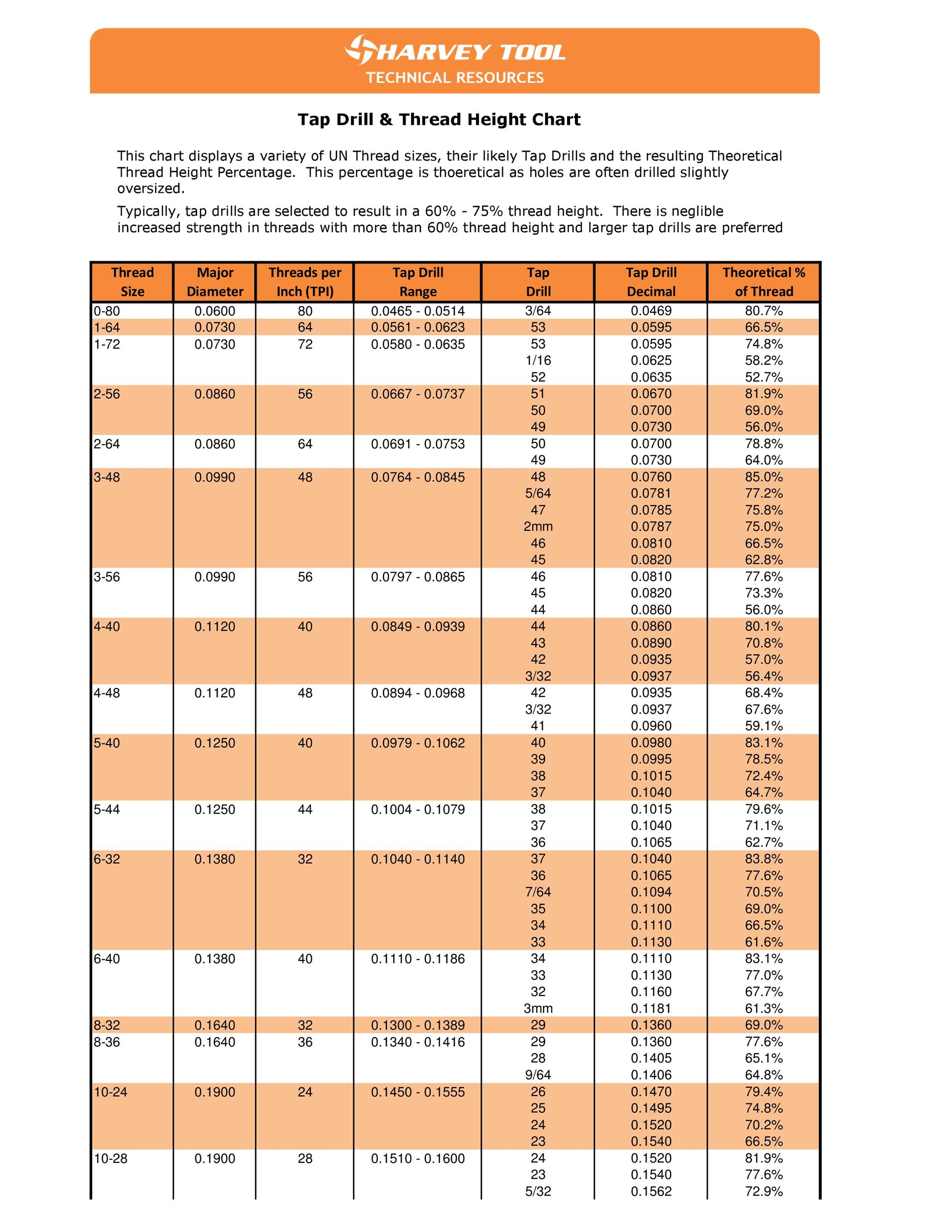
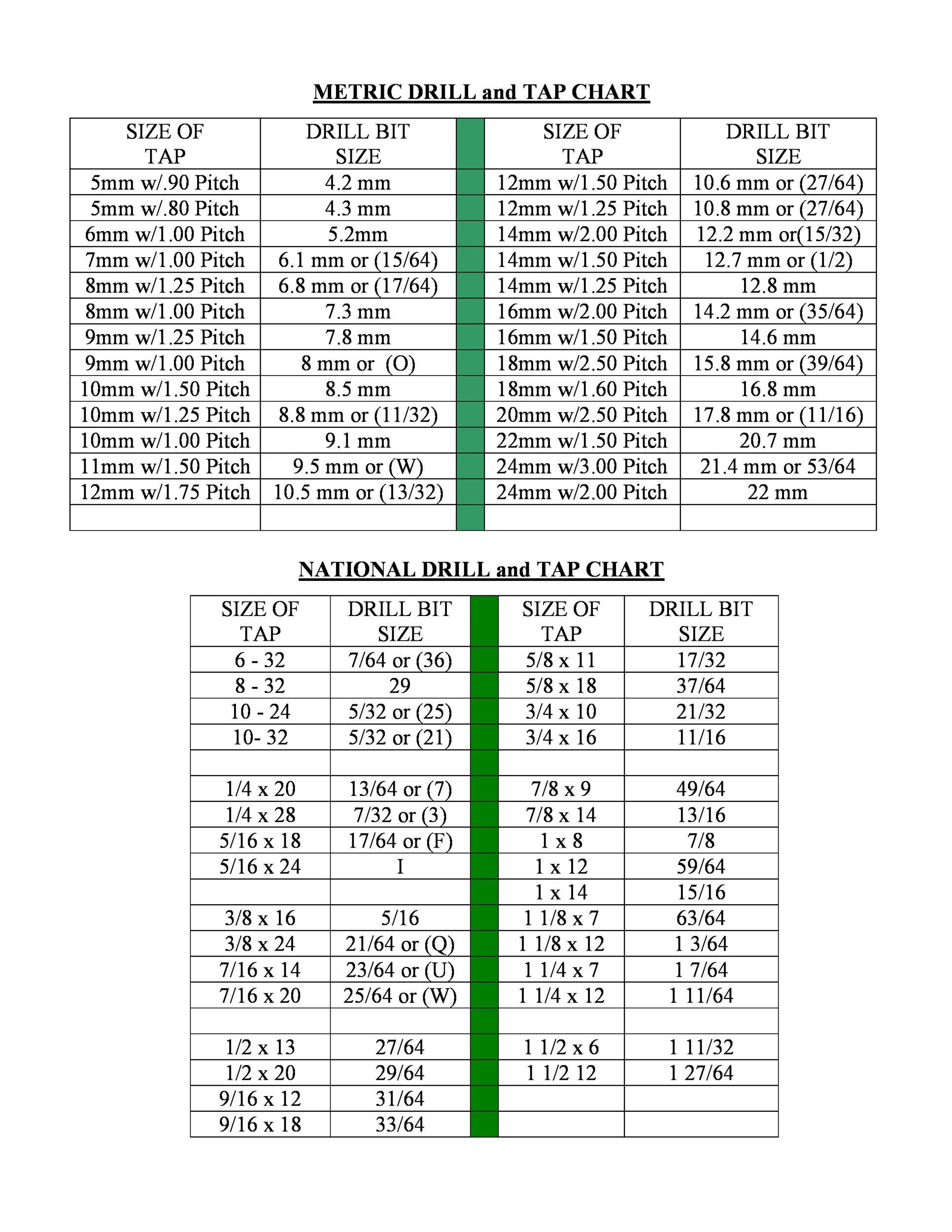
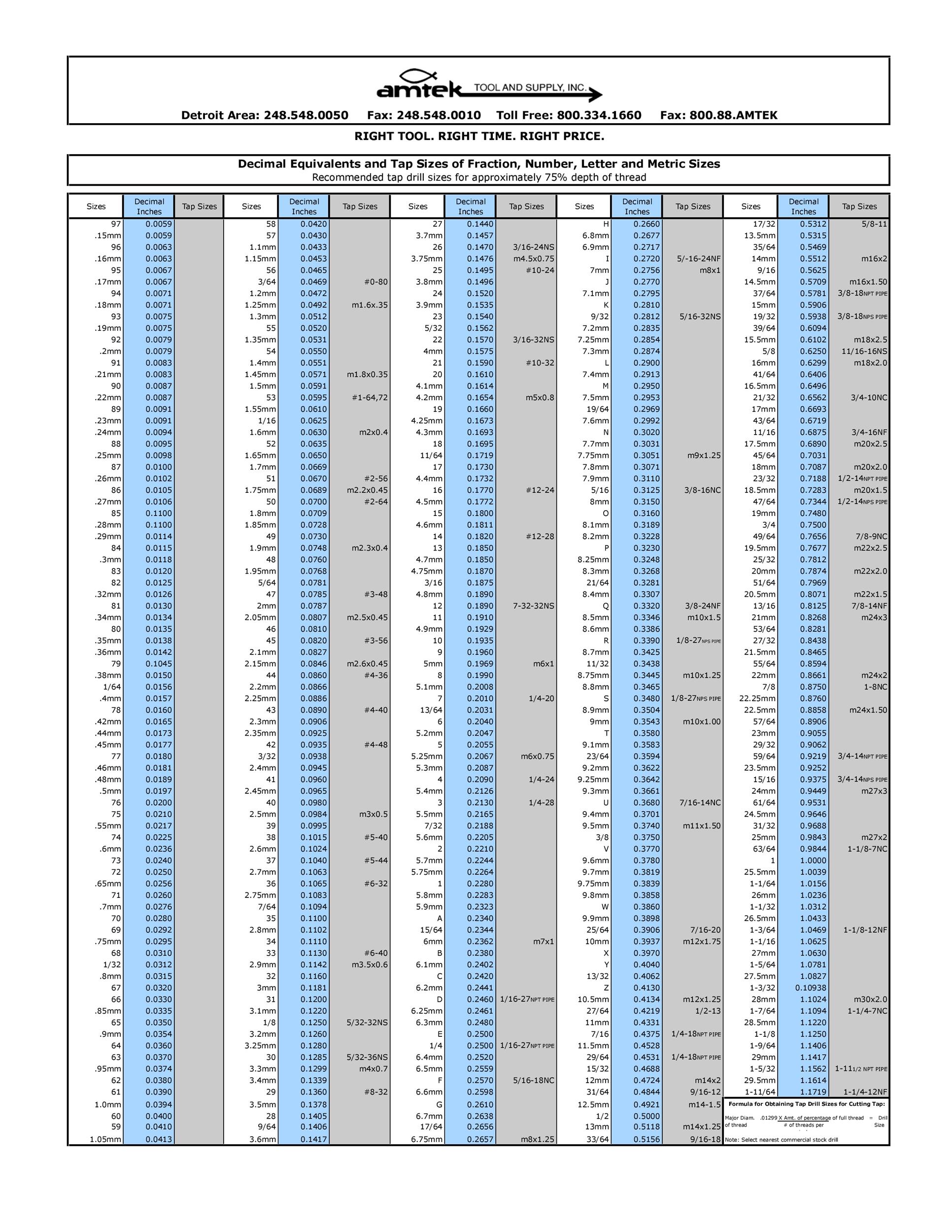
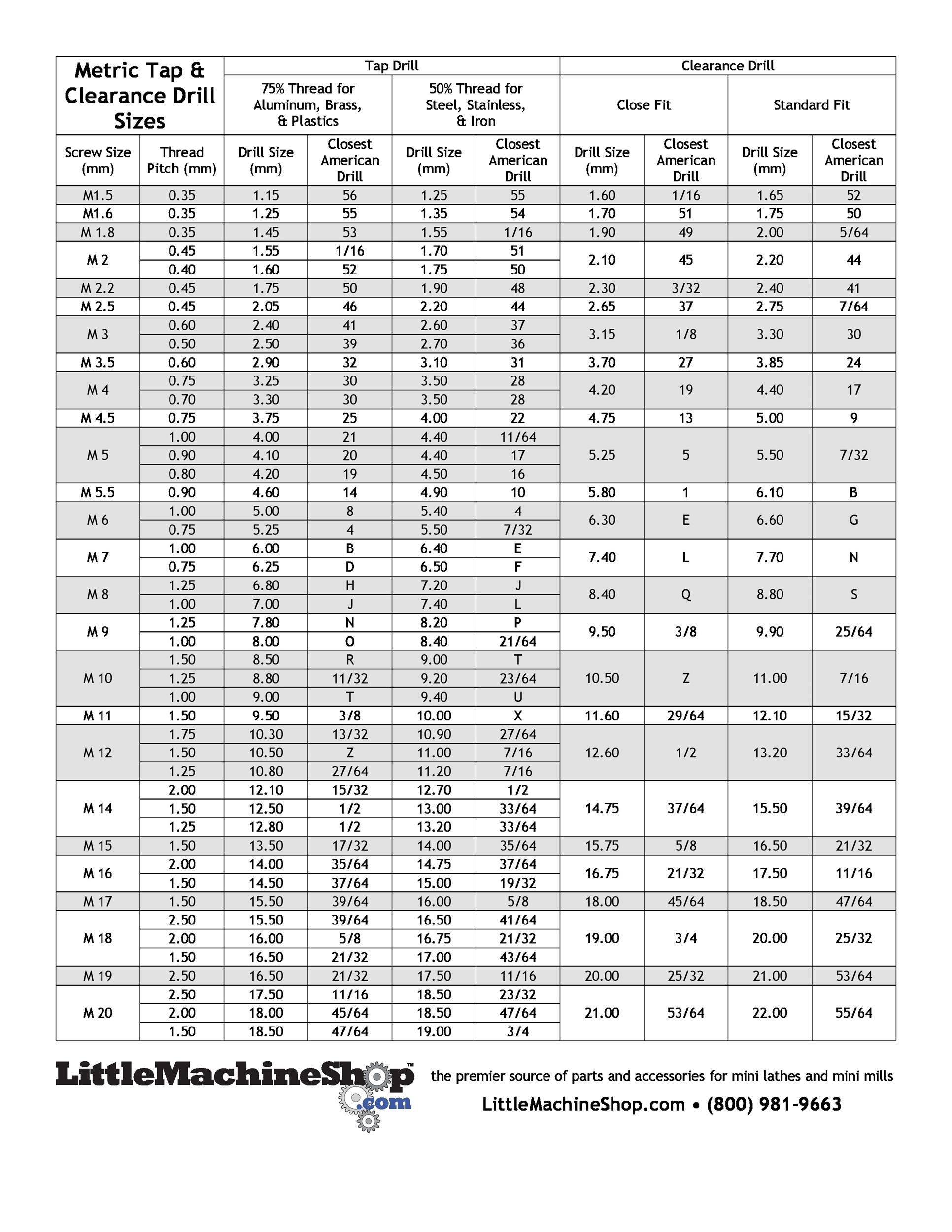
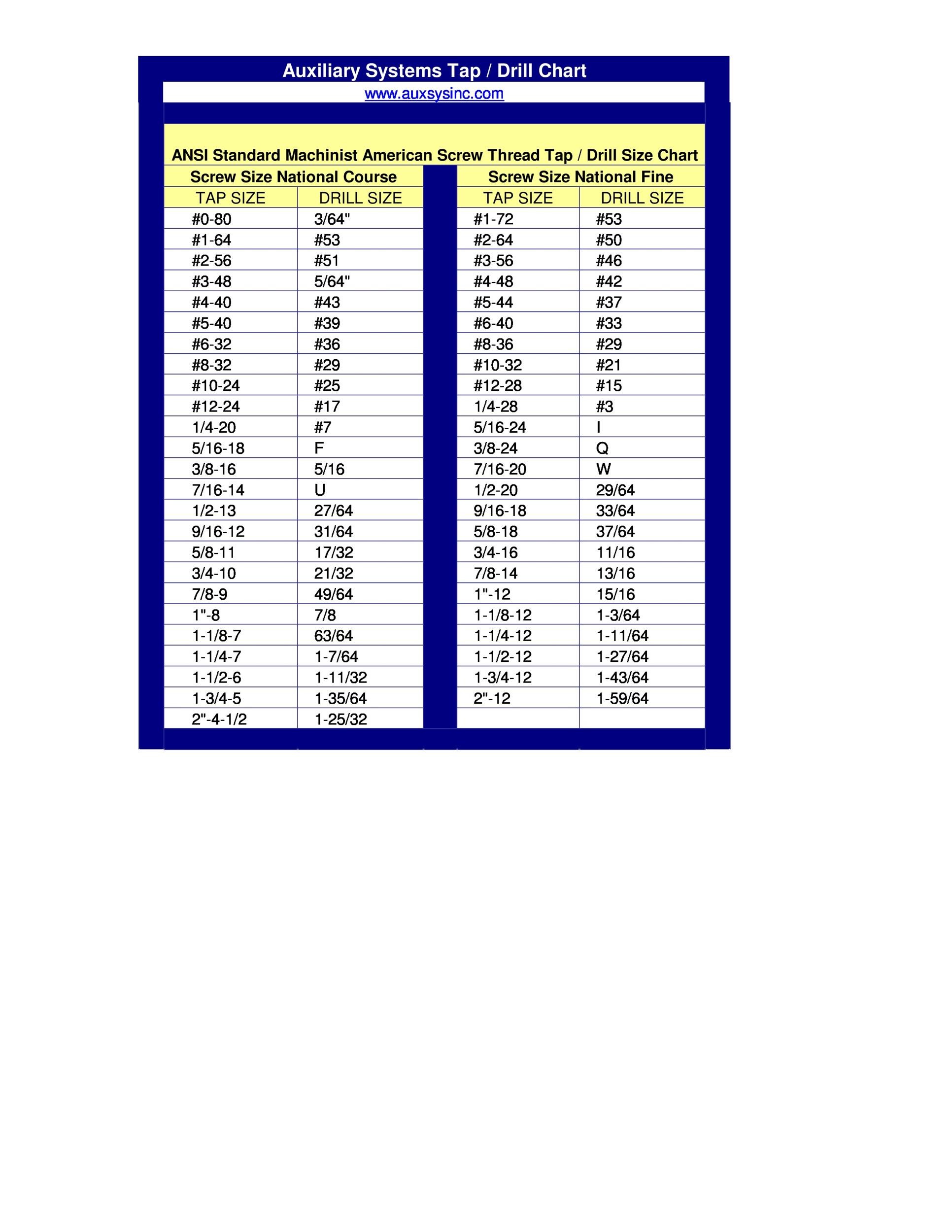
You're here, searching for a quick fix, a reliable guide to help you with your tap drill chart needs. Well, you've come to the right place! This handy reference tool is your go-to for all things related to drilling and tapping. Whether you're a pro or a DIY enthusiast, the tap drill chart is an essential companion, offering a simple and visual way to ensure your projects are precise and accurate. It's like having a secret weapon, a map to guide you through the world of thread sizes and drill bits.
Understanding the Tap Drill Chart
The tap drill chart is your handy guide to choosing the right drill bit size for creating threads with a tap. It's a simple yet powerful tool that ensures your projects turn out just right. Think of it as a map to help you navigate the world of drilling and tapping.
Comparing Common Thread Types
When it comes to threads, there are a few common standards: the Unified Thread Standard (UTS) and the metric system. These standards define the size and pitch of threads, and they're crucial for selecting the correct tap and drill bit. The tap drill chart often covers both, so you can easily switch between systems.
Step-by-Step Guide to Using the Chart
Using the tap drill chart is straightforward:
- Identify the thread size you need, whether it's a UTS or metric size.
- Locate the corresponding column on the chart.
- Find the row that matches the thread size and pitch.
- The intersection of the row and column gives you the recommended drill bit size.
- Choose your drill bit accordingly, and you're ready to tap!
Avoiding Common Misreadings
It's easy to misinterpret the tap drill chart if you're not careful. Here are a few tips to avoid common mistakes:
- Always double-check the units. Some charts use inches, while others use millimeters.
- Pay attention to the thread pitch. A small difference in pitch can lead to a different drill bit size.
- If you're unsure, consult a professional or refer to the manufacturer's guidelines.
Key Factors Affecting Accuracy
Several factors can influence the accuracy of your tapping process:
Drill bit quality: Using a dull or worn-out drill bit can affect the thread's accuracy.
Material hardness: Softer materials may require a larger drill bit size.
Tapping speed: Going too fast can lead to inaccurate threads.
Lubrication: Proper lubrication is essential for smooth tapping.
Thread depth: Ensure you're drilling to the correct depth for the desired thread length.
Adapting the Chart for Specific Needs
While the tap drill chart provides a general guide, it might not cover every scenario. Here's how to adapt it:
- For unusual thread sizes or materials, consult the manufacturer's specifications.
- If you're working with a specific project, consider using a tap drill size calculator to get precise measurements.
- In some cases, you might need to create a custom chart or adjust the standard sizes to fit your needs.
Remember, the tap drill chart is a valuable tool, but it's always wise to cross-reference and adapt it to your specific requirements. Happy tapping!
Hey there, we've covered a lot of ground on tap drill charts and I hope you found it useful! These charts are an essential tool for anyone working with taps and threads, and it's great to have a reliable reference guide.
Remember, the exact details might differ slightly depending on the standard or your specific needs, so it's always good to double-check. Feel free to explore our other guides too; we've got plenty of practical tips and tricks to share!
Consider bookmarking this page for a quick refresh whenever you need it. It's a handy resource to have at your fingertips!
Related: How to Understand the Navajo Clan Chart?
You're here, perhaps with a Navajo clan chart in front of you, wanting a straightforward guide to understanding this unique system. These charts are an essential tool for anyone exploring Navajo culture and its intricate kinship ties. While the Navajo clan chart may seem complex at first, with its specific symbols and terms, it's a valuable resource for navigating the traditional Navajo family structure and its unique clan system diagram.
Understanding the Navajo Clan Chart
The navajo clan chart is a fascinating tool that provides insight into the traditional Navajo kinship system. It visually represents the complex web of relationships and connections within Navajo communities, offering a unique perspective on their cultural heritage.
Key Details and Categories
This chart is a reference guide to the Navajo clan system, which is based on a complex set of relationships and roles. It consists of various symbols and categories that represent different clans, their affiliations, and the associated kinship terms. The chart typically includes four main sections: clan names, kinship terms, clan affiliations, and symbols. Each section provides specific information to navigate the clan system effectively.
Reading the Chart: A Step-by-Step Guide
- Start by identifying the clan names. These are often represented by unique symbols or icons. Understanding the clan names is crucial as they form the foundation of the kinship system.
- Next, locate the kinship terms. These terms describe the relationships between individuals within the clan system. For example, there are specific terms for parents, siblings, cousins, and other extended family members.
- Clan affiliations are an essential part of the chart. They indicate the relationships between different clans and how they are interconnected. This section helps navigate the complex web of clan relationships.
- Symbols play a significant role in the navajo clan chart. Each symbol represents a specific clan or kinship term. Learning to recognize these symbols is key to understanding the chart's visual representation.
Common Variations and Differences
While the navajo clan chart provides a comprehensive overview, it's important to note that variations may exist across different Navajo communities and regions. These variations can include slight differences in kinship terms, clan names, or even the visual representation of symbols. It's essential to be aware of these potential variations when using the chart, especially when dealing with specific cultural contexts.
Avoiding Common Mistakes
One common mistake is assuming that the navajo clan chart is a universal guide applicable to all Navajo communities. While it provides a solid framework, it's crucial to respect the diversity within Navajo culture and be mindful of regional differences. Another pitfall is misinterpretation of symbols. Each symbol has a specific meaning, so it's essential to refer to reliable sources or consult with knowledgeable individuals to ensure accurate interpretation. Lastly, remember that the chart is a tool for understanding, not a strict rulebook. Flexibility and cultural sensitivity are key when applying the navajo clan chart in real-life situations.
Well, there you have it! A handy Navajo clan chart to guide you through the basics. Remember, this chart provides a general overview, so be sure to cross-reference and double-check any specific details or unique cases that may apply to your situation.
Consider bookmarking this page for future reference; it's a quick and easy way to refresh your memory on the Navajo clan system and its key components. Happy exploring!
Related: Need the Torrid Size Chart? A Quick Guide?
Frustrated by the lack of clarity in size guides? You're not alone! Many of us have been there, staring at a Torrid size chart, wondering if the numbers align with our bodies. It's a common struggle, especially when shopping for plus-size clothing. But fear not! Understanding these charts is easier than you think.
The Torrid size guide, for instance, offers a simple solution. It provides a clear breakdown of measurements, ensuring you find the perfect fit. Whether you're after a Torrid dress size chart or a Torrid jeans size chart, the key is to take your time and measure accurately.
Understanding the Torrid Size Chart
The torrid size chart is your go-to guide for finding the perfect fit in Torrid clothing. It's a simple yet effective tool that helps you navigate their range of sizes and styles, ensuring you get a comfortable and flattering look every time.
Key Details and Categories
The chart provides a clear breakdown of measurements for different body parts, typically including bust, waist, hips, and inseam. These measurements are presented in a table format, with sizes ranging from 00 to 6X, covering a wide range of body types. The units used are inches, a standard measurement system. It's important to note that the chart is designed specifically for Torrid's clothing line, so it may differ from other size guides.
Step-by-Step Guide to Reading the Chart
Here's a simple process to follow when using the torrid size chart:
- Identify your body type and the specific item of clothing you're interested in.
- Locate the relevant size guide for that item on the chart.
- Measure your body according to the guide's instructions. Ensure you're measuring the right body parts accurately.
- Compare your measurements to the size chart. Find the size that most closely matches your measurements across all relevant body parts.
- If you fall between sizes, consider the fabric and style of the garment. Some fabrics have more give, and certain styles may be more forgiving.
- Don't forget to check the reviews and fit notes provided by Torrid and other customers. These can offer valuable insights into how the garment fits in real life.
Size Chart Variations and Differences
It's important to remember that size charts can vary across brands and even within a brand for different clothing types. Torrid clothing size charts may differ slightly for jeans compared to dresses or bras, as these items have unique fit requirements. Additionally, Torrid, like many brands, offers size guides for both US and international (metric) measurements, so ensure you're using the correct guide for your region.
Common Mistakes and How to Avoid Them
- Measuring inaccurately: Ensure you're using a flexible measuring tape and following the instructions precisely.
- Assuming sizes are universal: Remember, each brand's size chart is unique. Don't assume your Torrid size will be the same as another brand.
- Not considering fabric and style: The fit of a garment can vary significantly based on fabric and design.
- Neglecting to check reviews: Customer reviews often provide valuable insights into how an item fits in practice.
- Forgetting to account for personal preferences: If you prefer a looser fit, size up; if you like it snug, size down.
- Relying solely on the size chart: While the chart is a great guide, it's always a good idea to check the fit notes and reviews for a more accurate picture.
Hey there, I hope this guide has been helpful in understanding the Torrid size chart and its practical use. Remember, while the core principles remain the same, the exact details can differ slightly, so it's always good to refer to the specific chart you're using.
Don't hesitate to explore other guides on our site, where you'll find more tips and tricks to enhance your shopping experience and make informed choices. Happy shopping, and stay stylish!