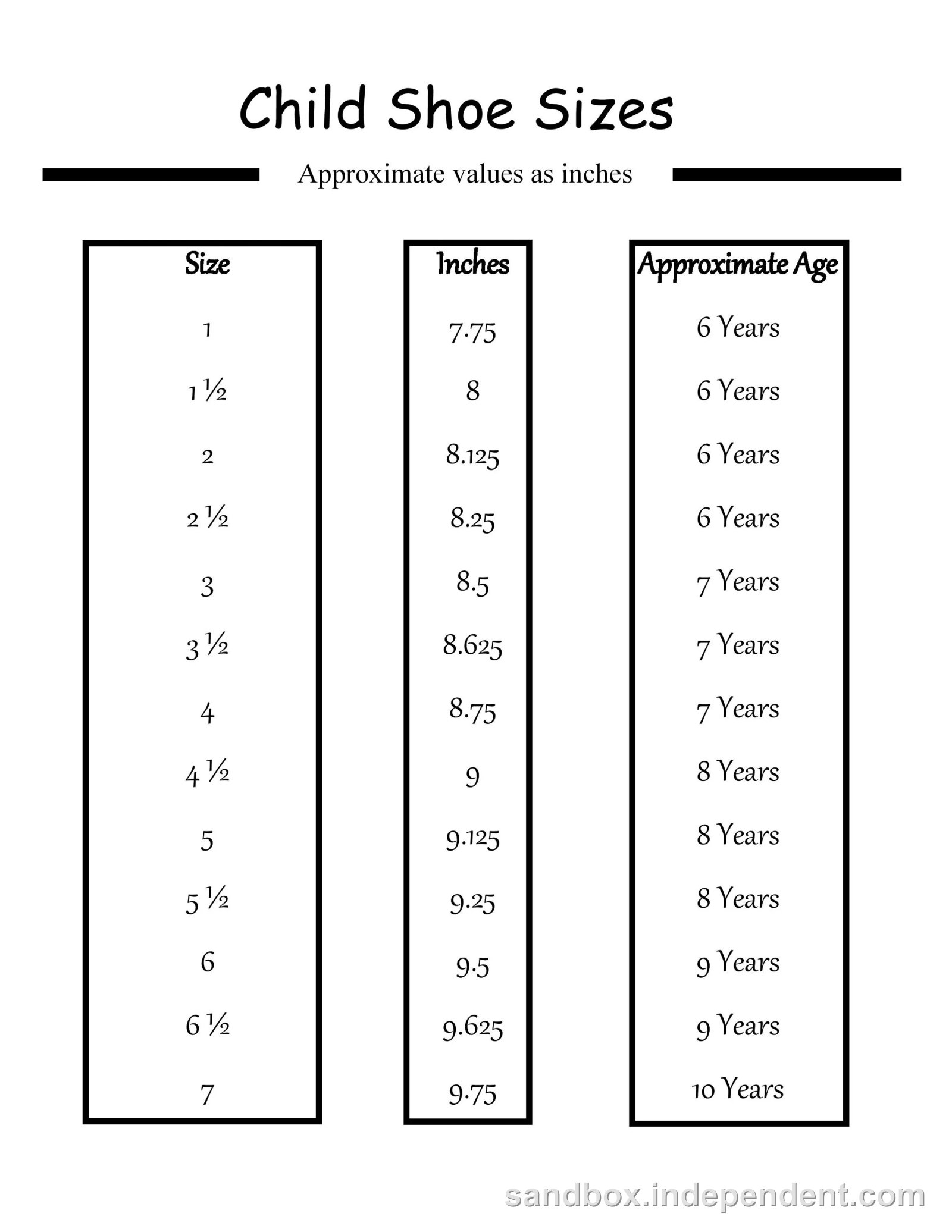





Thread Size Chart Easy Overview
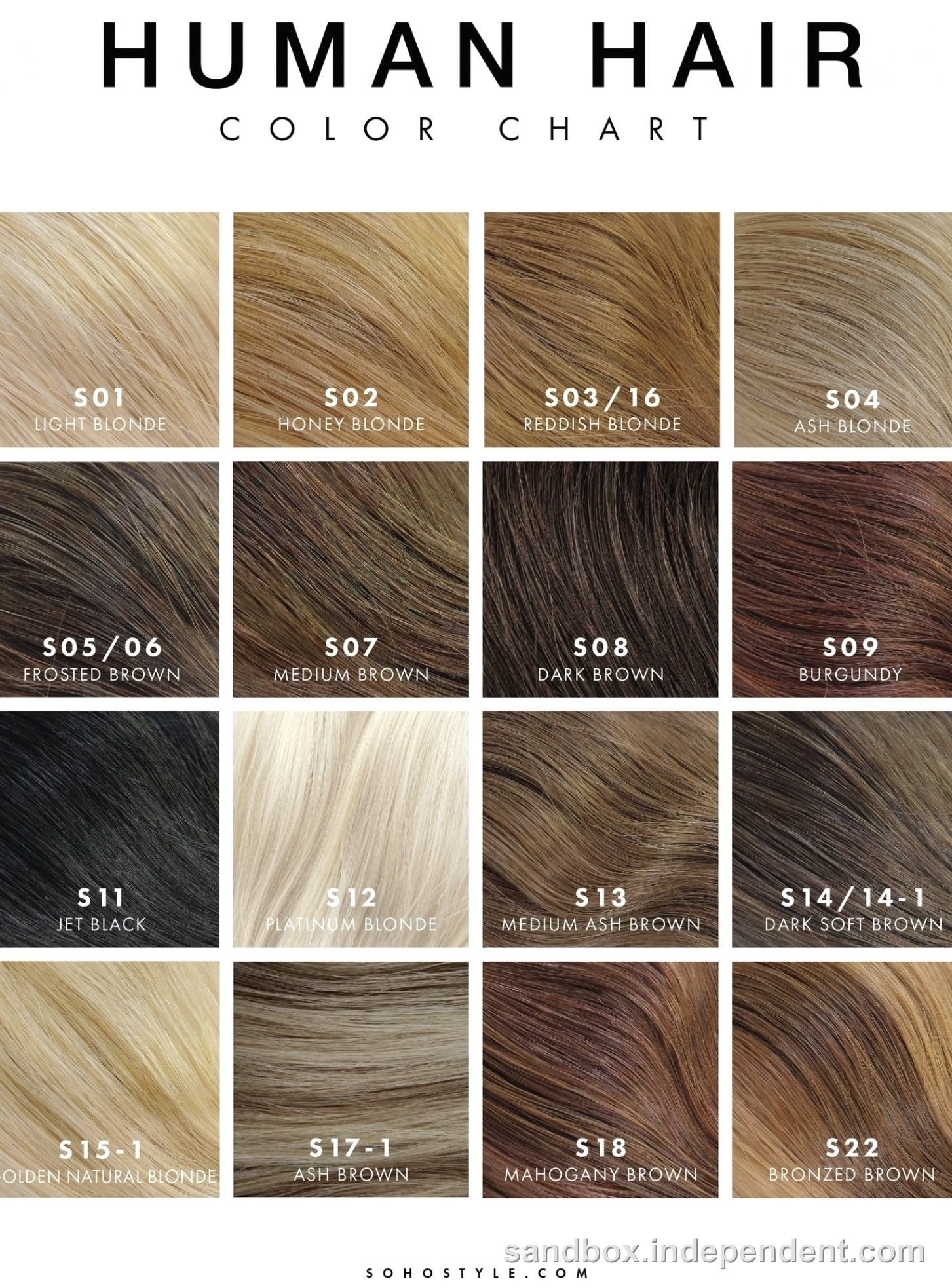
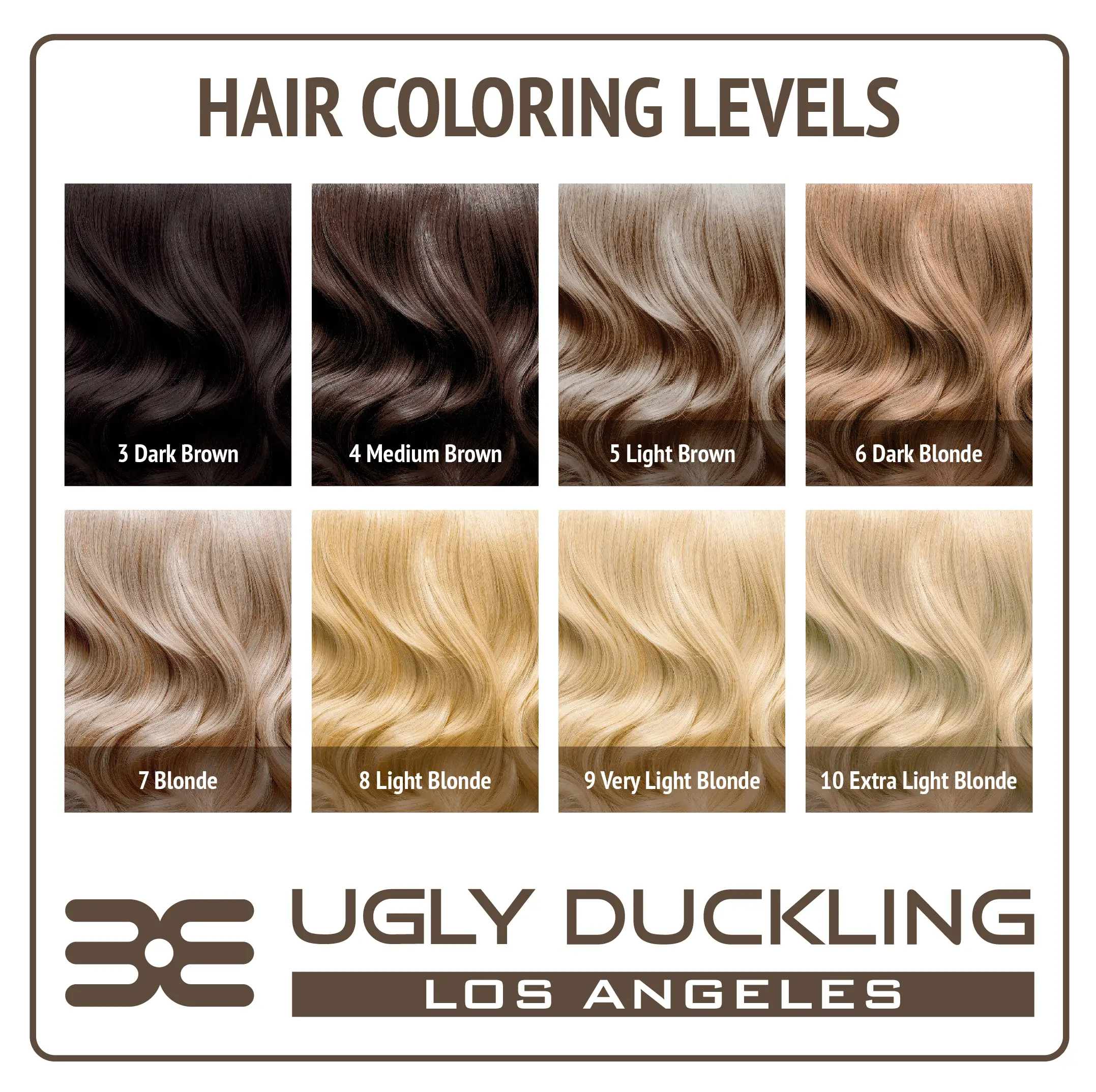
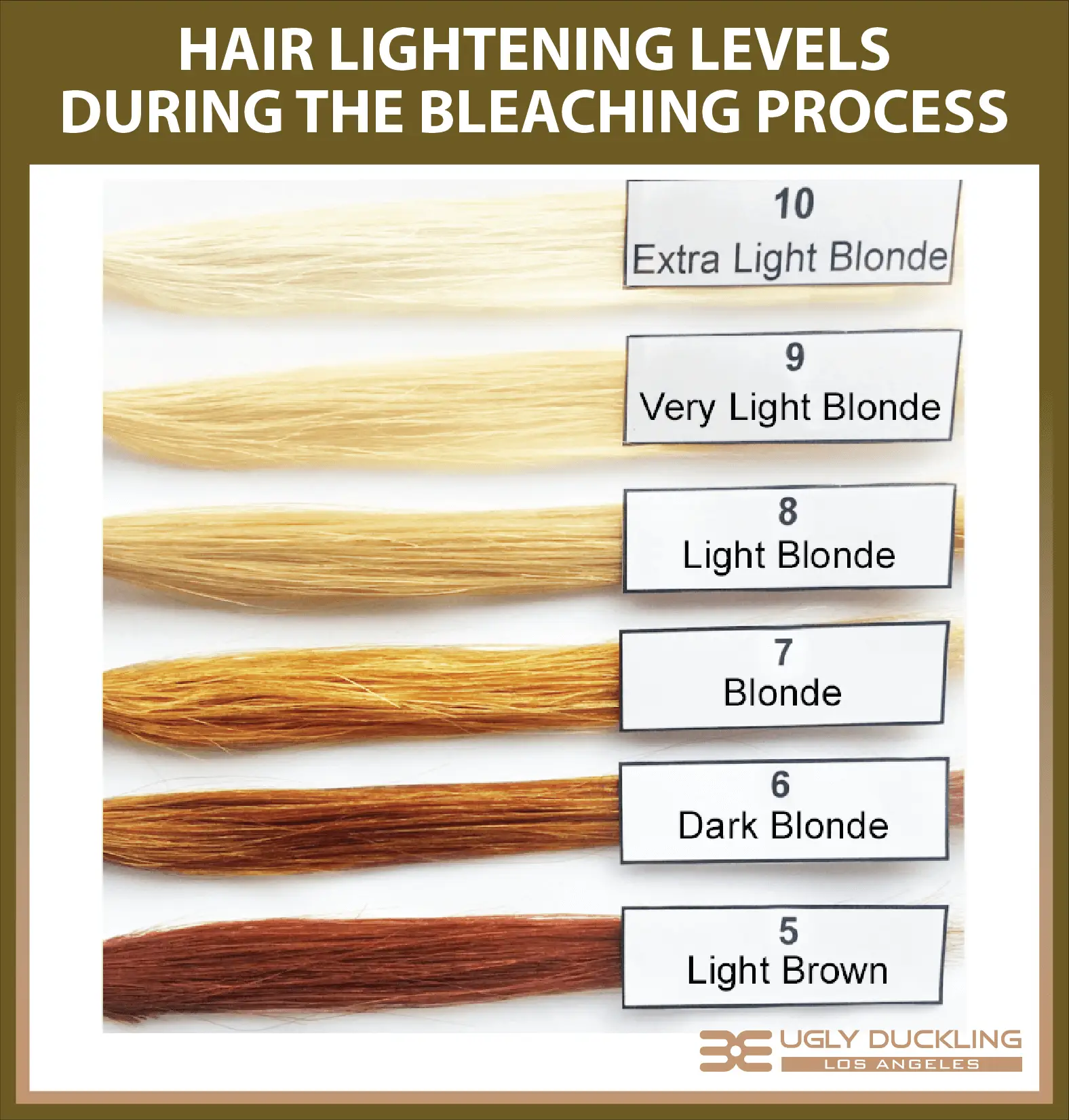
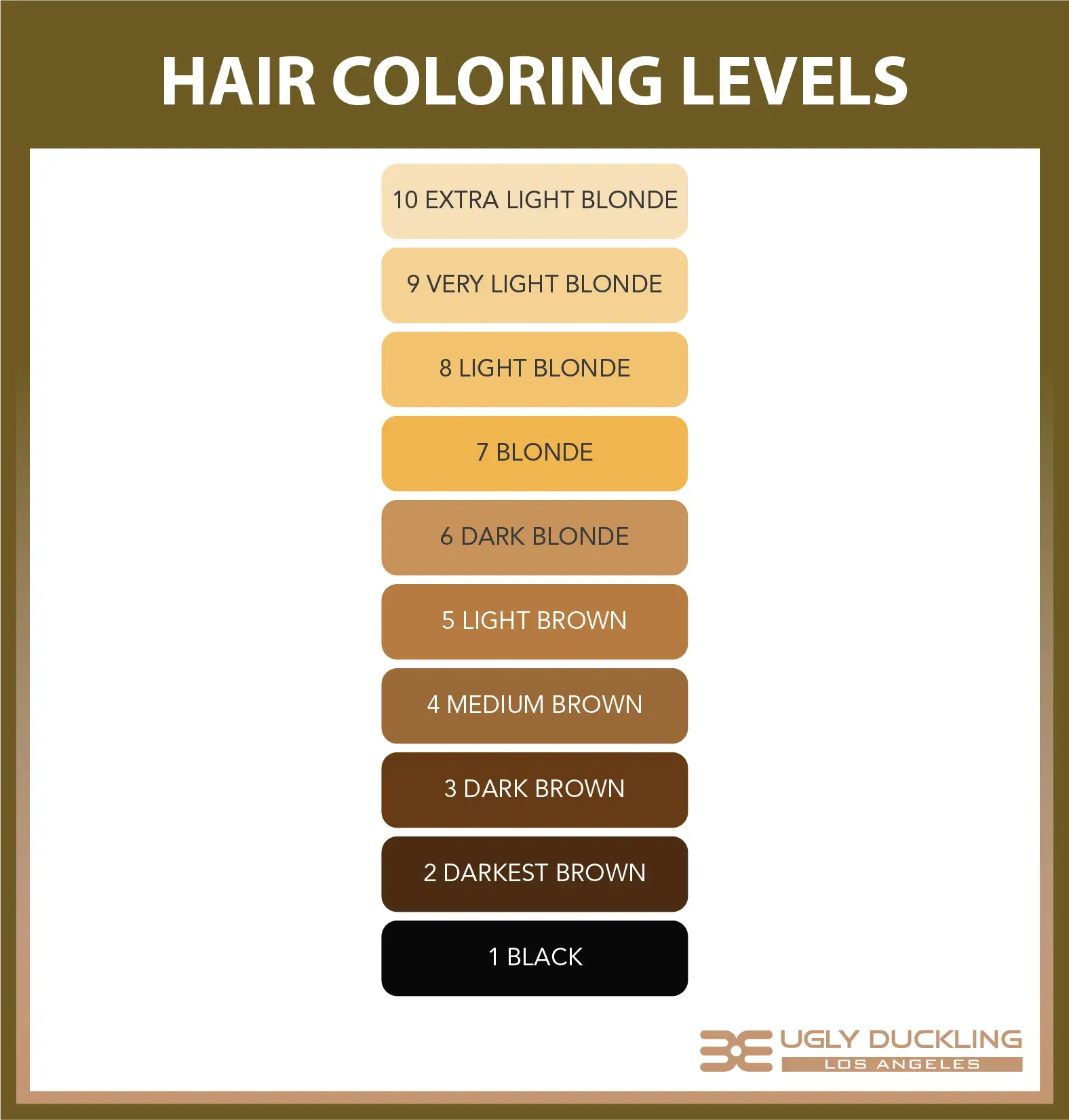
You're probably here because you need a quick solution, right? Well, if you're looking for a simple guide to understanding hair length, the hair level chart is a handy tool. It's like having a secret code to deciphering those tricky hair measurements. This chart, a simple yet effective reference, can help you determine your hair's growth and length accurately. From there, you can explore various hair growth charts, length guides, and even styling tips tailored to your hair's level.
Understanding the Hair Level Chart: A Quick Overview
The hair level chart is a useful tool for anyone interested in hair care and styling. It provides a visual representation of hair length, offering a standardized way to measure and communicate hair length. This chart is especially handy for professionals in the hair industry, ensuring consistency in haircuts and styles.
Comparing Hair Level Chart Standards and Formats
There are a few different standards and formats for hair level charts. The most common one is based on the hair growth chart, which typically uses a numerical scale. This scale ranges from 1 to 10, with each number representing a specific hair length. For example, level 1 might indicate very short hair, while level 10 represents extremely long hair.
Another format uses descriptive terms, such as "short," "medium," and "long," to categorize hair lengths. This method is often used in everyday conversations and provides a more general idea of hair length. However, it lacks the precision of numerical scales.
Measuring Hair Accurately: A Step-by-Step Guide
To use the hair level chart accurately, follow these simple steps:
- Start by determining your current hair length. You can do this by measuring your hair from the scalp to the tip.
- Compare your measurement to the chart. Look for the closest match on the numerical scale or find the descriptive term that best describes your hair length.
- If you're using a numerical scale, you might find your hair length falls between two levels. In such cases, you can estimate or round up to the nearest level.
- Once you've identified your hair level, you can communicate it to your hairstylist or use it as a reference for styling and product choices.
Common Misconceptions and Pitfalls to Avoid
While the hair level chart is a practical tool, there are a few things to keep in mind:
- Hair length can vary depending on factors like hair type, texture, and individual growth rates. So, while the chart provides a standard, your personal hair characteristics may influence the accuracy of the measurement.
- The chart might not cover all hair types and styles. For instance, some hairstyles, like dreadlocks or extensions, may require additional considerations.
- It's essential to measure your hair accurately. Ensure you measure from the scalp and consider the natural fall of your hair.
- Remember, the chart is a guide, and individual preferences may vary. Feel free to adjust the level based on your desired style and comfort.
By understanding these factors, you can use the hair level chart effectively and make informed decisions about your hair care and styling.
Well, there you have it! A handy hair level chart can be a great tool to ensure you're getting the right products and services for your hair type. It's always a good idea to refer to these charts and guides, but remember, every head of hair is unique, so make sure to consider your specific needs and goals.
Feel free to explore our other guides and resources; we've got plenty of practical tips and tricks to help you navigate the world of hair care and styling. Happy hair adventures!
Related: What is the Lund Browder Chart and How to Use It?
So, you're here, searching for information on the Lund Browder chart, probably wanting a quick guide to understanding this essential tool. It's a handy reference, often used to assess burn injuries, and it's important to know how to interpret it correctly. The chart provides a visual representation, usually as a diagram or table, detailing the body's surface area and the percentage burned, which is crucial for medical professionals when treating burn victims.
The Lund Browder Chart: A Burn Assessment Tool
The Lund Browder chart is an essential tool for healthcare professionals, particularly those working in burn care. It provides a visual representation of the human body, divided into various regions, to help assess and calculate the extent of burns on a patient's body. This chart is widely used due to its accuracy and ability to provide a detailed analysis.
Understanding the Chart's Details
The Lund Browder chart displays the body as a series of regions, each with a specific percentage value. These values represent the proportion of the total body surface area (TBSA) that each region covers. The chart considers age-specific variations, as the body surface area distribution changes as we grow. You'll find different charts for adults and children, ensuring accurate assessments. The units used are percentages, and the chart provides a comprehensive guide to help healthcare professionals quickly estimate burn surface areas.
Reading and Applying the Lund Browder Chart
Using the Lund Browder chart involves a systematic approach. First, identify the burned areas on the patient's body and locate the corresponding regions on the chart. Then, estimate the percentage of each region affected by the burn. Add up these percentages to calculate the total burn surface area. For example, if a patient has a burn on their arm (9% of TBSA) and leg (18% of TBSA), the total burn surface area would be 27%. This calculation is crucial for determining the severity of the burn and the required treatment.
Variations and Differences
It's important to note that there can be variations in Lund Browder charts depending on the standard used. Different regions or organizations may have slight differences in the percentage values or the way the body is divided. These variations are usually minor and don't impact the overall assessment significantly. However, it's essential to use the appropriate chart for your region or follow the guidelines set by your healthcare facility.
Common Mistakes and How to Avoid Them
One common mistake is misinterpreting the chart's values. Remember, the percentages represent the relative size of each body region, not the absolute size. Another pitfall is neglecting to consider age-specific charts. Adults and children have different charts due to their varying body proportions. Using the wrong chart can lead to inaccurate assessments. Always ensure you're using the correct chart for the patient's age group.
Practical Tips for Accurate Results
To ensure accuracy, it's crucial to have a good understanding of the human body's anatomy and how it relates to the chart. Familiarize yourself with the different body regions and their corresponding percentages. Practice estimating burn surface areas using the chart to improve your skills. Additionally, consider using other burn assessment tools, like the rule of nines or the parkland formula, to cross-reference your calculations and enhance accuracy.
Handling Edge Cases and Exceptions
While the Lund Browder chart is a valuable tool, it's not without its limitations. In certain cases, such as burns affecting multiple body regions or unusual body proportions, the chart may not provide an accurate representation. In such situations, it's essential to consult with experienced burn care specialists or use advanced imaging techniques to get a more precise assessment. Always prioritize accuracy and seek expert advice when needed.
Hey there, we've covered a lot of ground with the Lund Browder Chart and its applications. Remember, while the fundamentals remain the same, the exact details can vary slightly depending on the specific context and standards you're working with.
Feel free to explore our other guides and resources to dive deeper into related topics and discover more practical tools and insights. Keep learning, keep growing, and stay curious!
Related: Find Your Perfect Fit: Wetsuit Size Chart
You're here, searching for a wetsuit size chart, probably with a wetsuit in hand, ready to take on the waves. And let's face it, getting the size right is crucial; no one wants a wetsuit that's too tight or too loose, right? The wetsuit size chart is your go-to guide, a simple yet effective tool to ensure a perfect fit. It's all about finding the right measurements, from chest to waist, and even considering the neoprene thickness. So, let's get you suited up and ready for some serious surfing!
Understanding the Wetsuit Size Chart
The wetsuit size chart is your go-to guide for finding the perfect fit. It's a simple tool that ensures you get a wetsuit that's comfortable and functional, allowing you to enjoy your water activities without any discomfort or restrictions. This chart provides a quick and easy reference for sizing, but it's important to understand how to use it accurately.
Comparing Sizing Standards and Formats
Wetsuit size charts can vary slightly depending on the manufacturer and the intended use of the wetsuit. While there are some standard sizing guidelines, it's essential to check the specific chart for the brand and type of wetsuit you're interested in. These charts often cover different wetsuit styles, including full-body suits, shorties, and wetsuit tops or bottoms. The sizing may also differ for men's and women's suits, so be sure to refer to the correct chart.
Step-by-Step Guide to Using the Size Chart
Using the wetsuit size chart is straightforward, but it's crucial to follow these steps to ensure an accurate fit:
Measure yourself: Take accurate measurements of your chest, waist, hips, and inseam length. These measurements are critical for finding the right size. Make sure you follow the instructions provided on the chart for measuring these areas.
Choose the right size: Compare your measurements to the size chart. Look for the size that aligns with your largest measurement. For example, if your chest measurement is larger than your waist and hips, choose the size based on your chest. This ensures a comfortable fit without restricting your movement.
Consider neoprene thickness: The thickness of the neoprene material can affect the fit. Thicker wetsuits may feel tighter, so you might need to size up if you prefer a looser fit. Keep this in mind, especially if you plan to use the wetsuit in warmer waters.
Check sleeve and leg lengths: Some charts provide additional measurements for sleeve and leg lengths. Ensure these measurements align with your preferences to avoid any discomfort or awkwardness while wearing the wetsuit.
Common Misreadings and How to Avoid Them
It's easy to make a mistake when using a wetsuit size chart, especially if you're not familiar with the process. Here are some common pitfalls to watch out for:
Overlooking the size guide: Always refer to the specific size guide for the wetsuit you're interested in. Different brands may have slight variations in their sizing, so relying on a generic chart can lead to an incorrect fit.
Measuring incorrectly: Take your time and follow the instructions carefully when measuring yourself. Inaccurate measurements can result in a poor fit. Ensure you understand how to measure each area properly.
Ignoring personal preferences: The size chart provides a starting point, but it's essential to consider your comfort and activity level. If you prefer a tighter fit for better performance, you might need to size down. Conversely, if you want a more relaxed fit, sizing up might be the better option.
Factors Affecting Accuracy and Real-World Use
Several factors can impact the accuracy of the wetsuit size chart and its real-world application:
Body shape: The chart provides a general guide, but body shape can vary significantly. If you have a unique body shape, you might need to adjust the sizing accordingly. For example, if you have broad shoulders and a narrow waist, you may need to size up to accommodate your upper body.
Brand variations: Different wetsuit brands may have slightly different sizing standards. Always check the brand's specific size chart and consider their sizing philosophy. Some brands might run smaller or larger than others, so be mindful of this when choosing a size.
Activity and water temperature: The type of activity and water temperature can influence the fit you need. For instance, if you're a competitive swimmer, you might prefer a tighter fit for better performance. On the other hand, if you're surfing in cold water, a slightly looser fit might be more comfortable.
Remember, while the wetsuit size chart is a valuable tool, it's just a guide. Always consider your personal preferences and the intended use of the wetsuit to ensure you get the perfect fit for your needs.
So, there you have it! A wetsuit size chart is a handy tool to ensure you get the right fit for your aquatic adventures. It's a simple guide, but one that can make a big difference to your comfort and performance.
Remember, while this chart provides a solid framework, it's always wise to consider your personal preferences and the specific activities you'll be doing. Exact values might vary slightly, so it's good to double-check and ensure you're happy with the fit. Consider bookmarking this page for future reference; it'll be there waiting for you when you need it next!