





To Do List Printables Overview
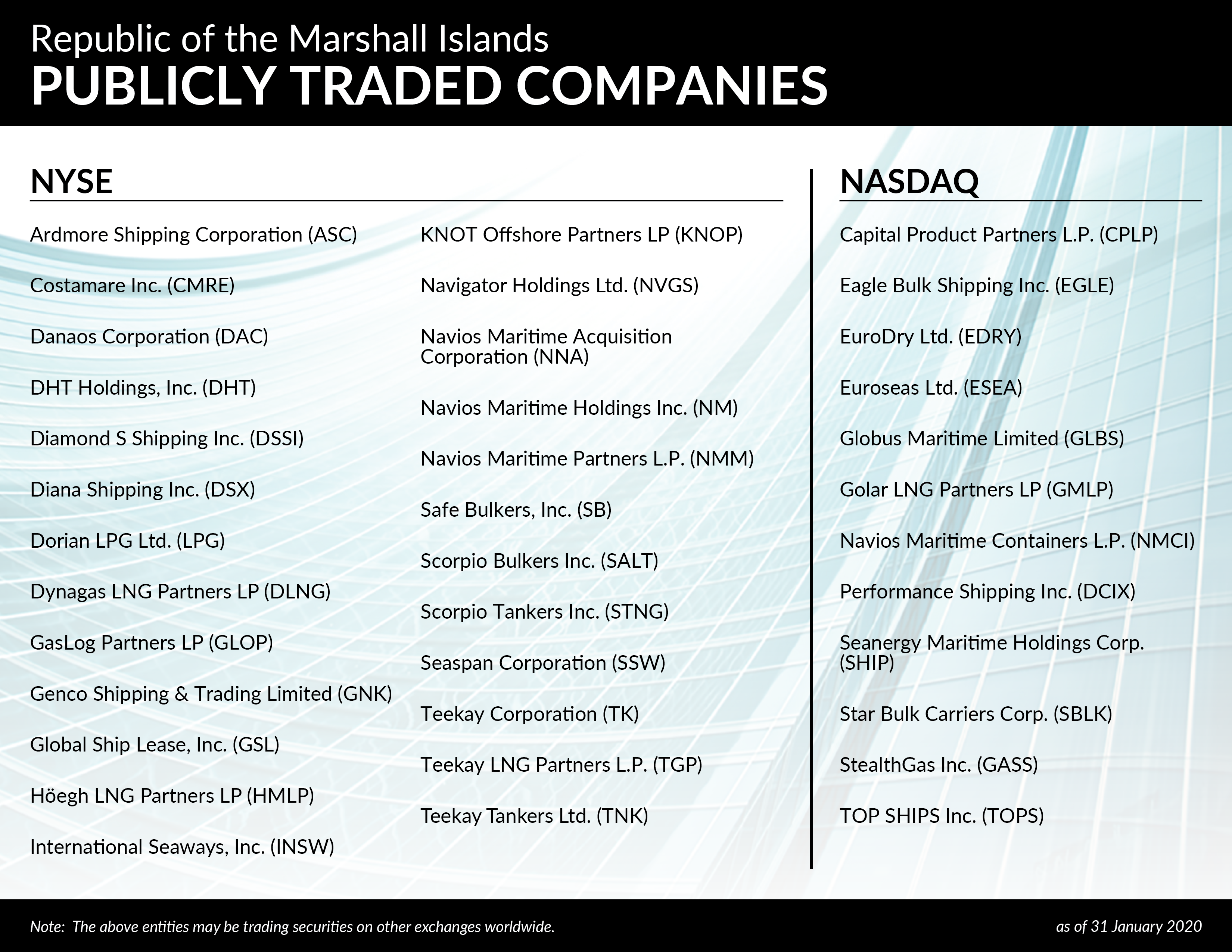
I was walking past a busy construction site the other day, and it got me thinking about public listed construction companies. Who are these firms, and what do they do? Well, let's find out!
Understanding Public Listed Construction Companies
A public listed construction company is a business that builds and renovates structures, from homes to commercial buildings, and everything in between. These companies are often large-scale operations, with the resources to take on major projects. They might construct new buildings from the ground up or handle complex renovations and additions. The key here is that these companies are publicly listed, which means their shares are traded on a stock exchange and anyone can invest in them.
So, why does this matter? Well, for one, it means these companies are usually well-established and financially stable. They have the backing of investors and the public market, which can be a good sign of their long-term viability. This stability is important when you're considering hiring a contractor for a big project. You want to know they'll be around to honor their warranty and provide ongoing support.
Hiring a Contractor: What to Look For
When you're in the market for a contractor, whether it's for a home renovation or a new build, there are a few key things to consider. First, check their licensing and insurance. Make sure they're properly registered and insured for the work they do. This protects you in case of accidents or issues down the line. Next, ask for references and check their online reviews. Seeing what past clients have to say can give you a good idea of the company's reliability and quality of work.
It's also important to get multiple quotes. Prices can vary widely, and you want to make sure you're getting a fair deal. Compare apples to apples though; make sure the scope of work is the same across all quotes. And don't forget to ask about the timeline. A good contractor will give you a realistic estimate of how long the project will take, and they should be able to explain any potential delays.
Naming Your Construction Business
If you're in the construction business or thinking of starting one, you'll need a great name. A catchy, memorable name can help you stand out and make a good first impression. But what makes a good name? It should be unique, easy to remember, and reflect your business's personality or services. Avoid names that are too generic or could be confused with other businesses.
Here are a few original name ideas:
- BuildCraft
- Renova Solutions
- StructureWorks
- HomeRevamp
- ConstructoPros
- BuildTech
Remember to check the availability of these names and secure the relevant domains and local registrations before you finalize your choice.
The Construction Industry: A Quick Overview
The construction industry is a vast and diverse field, with roles ranging from general contractors to specialized tradespeople. Estimators, for example, play a crucial role in calculating costs and providing accurate quotes. Then there are project managers, who oversee the entire operation, ensuring it stays on track and within budget. These jobs can be found through various channels, including online job boards, industry-specific websites, and even word-of-mouth recommendations.
Data and Tools: RSMeans and More
In the construction world, tools like RSMeans are essential. RSMeans provides cost data and estimating tools, helping contractors and companies accurately price their work. It's a valuable resource for staying competitive and ensuring projects are financially viable. Similarly, cost databases and indexes are used to track and predict construction costs, helping businesses plan and budget effectively.
Large vs. Small Construction Firms
The construction industry is diverse, with a range of company sizes. Large firms often have the resources to take on big, complex projects and may have a national or even international presence. They can offer a wide range of services and have the manpower to handle multiple projects simultaneously. On the other hand, smaller firms might specialize in a particular area, like home renovations, and offer a more personalized service. They might be better suited to local projects and have a strong understanding of the specific market and its needs.
So, there you have it! A quick dive into the world of public listed construction companies. Whether you're looking to hire a contractor or just curious about the industry, I hope this gives you a better understanding of what these companies do and how they operate.
Related: What's the Hot vs Crazy Chart All About?
You're probably familiar with the hot vs crazy chart, a handy tool that's become a bit of a pop culture phenomenon. It's a simple concept: a chart that aims to help you navigate the dating game by assessing a potential partner's "hotness" and "craziness" levels. While it might sound like a light-hearted joke, this chart actually offers a fun way to discuss and analyze relationship dynamics and compatibility.
Decoding the Hot vs Crazy Chart: Unraveling Relationship Dynamics
The hot vs crazy chart is a fun and light-hearted way to visualize and understand relationship dynamics. It's a simple matrix that plots two key factors: a person's attractiveness or "hotness" and their level of "craziness" or unpredictability. This chart provides a unique perspective on compatibility and can offer some insights into the potential challenges and rewards of different relationships.
Understanding the Matrix: Key Details and Categories
The hot vs crazy chart typically uses a 10-point scale for both axes, creating a grid-like structure. The horizontal axis represents "hotness," with values ranging from 1 to 10, where 10 is extremely attractive. The vertical axis represents "craziness," also ranging from 1 to 10, with higher values indicating increased unpredictability or erratic behavior. Each person in a relationship can be plotted on this matrix, providing a visual representation of their dynamic.
Interpreting Results: How to Read and Apply the Chart
To use the hot vs crazy chart, follow these steps:
- Assess your own "hotness" and "craziness" levels honestly. Be realistic and self-aware.
- Plot yourself and your partner on the matrix. This gives you a visual snapshot of your dynamic.
- Analyze the quadrant you fall into:
- Top-Left: High "hotness" and low "craziness." This is often seen as the ideal, balanced relationship.
- Bottom-Right: Low "hotness" and high "craziness." This may indicate a challenging dynamic.
- Top-Right: High on both scales. These relationships can be intense and unpredictable.
- Bottom-Left: Low on both. While stable, they might lack excitement.
- Discuss and reflect on your positions. Understanding your dynamic can lead to better communication and problem-solving.
Common Pitfalls: Variations and Differences to Consider
It's important to note that the hot vs crazy chart is a simplified model and may not capture the complexity of real relationships. Here are some key considerations:
- Attraction and craziness are subjective and can vary over time. What seems crazy at first might become manageable with understanding.
- The chart assumes a linear scale, but in reality, these factors can be non-linear. A small increase in "craziness" might have a larger impact than expected.
- Context matters. A person's behavior can be influenced by external factors, so their position on the chart might not always be consistent.
- While the chart provides a snapshot, relationships are dynamic and can change. Regular check-ins and reassessments can help keep the chart relevant.
Remember, the hot vs crazy chart is a tool for fun and reflection, not a definitive guide. It's a conversation starter, encouraging couples to explore their dynamics and strengths.
Well, there you have it! The Hot vs Crazy Chart is a handy tool to keep in mind when navigating the dating scene. It's a simple concept but can offer some valuable insights.
Remember, while this chart provides a fun and practical framework, every situation is unique. So, be sure to adapt and adjust as needed, keeping your specific context and preferences in mind. It's always good to be prepared, but don't forget to enjoy the ride!
Feel free to explore our other guides for more dating and relationship tips. We've got you covered with plenty of practical advice and insights to keep things interesting.
Related: A Simple Piano Notes Chart Guide
You've landed here because you're seeking a piano notes chart to help you out, right? Maybe you're a musician looking for a quick reference, or a music enthusiast wanting to understand the notes better. Either way, these charts are a handy tool to have.
The great thing about piano notes chart is that they provide a visual overview, making it easier to grasp the layout and understand note frequencies. While there are different formats and variations, the core information remains the same, offering a simple and effective way to navigate the piano's vast range of notes.
What is a Piano Notes Chart?
A piano notes chart is a visual representation that helps musicians and music enthusiasts understand the relationship between piano keys and the corresponding musical notes. It serves as a handy reference tool, especially for beginners, to grasp the layout of the piano keyboard and the notes it produces.
Key Details and Categories
The chart typically displays the piano keyboard's layout, with each key labeled according to its note. It covers the entire range of notes, from the lowest to the highest, and often includes multiple octaves. The notes are usually represented by their standard musical notation, such as C, D, E, F, G, A, and B, along with their respective sharps and flats. Additionally, some charts may include the frequency of each note, which is a numerical value indicating the pitch.
How to Read and Apply the Chart
Reading a piano notes chart is straightforward. Here's a step-by-step guide:
- Identify the Keyboard: The chart will display a visual representation of the piano keyboard, typically showing the white and black keys.
- Note Labels: Each key on the chart is labeled with its corresponding note. Look for the notes you need, whether it's a specific scale, chord, or a single note.
- Octaves and Range: Understand the octaves displayed on the chart. Octaves are indicated by numbers, and each octave contains a complete set of notes. The chart will usually cover multiple octaves to provide a comprehensive view.
- Sharps and Flats: Pay attention to the sharps (#) and flats (b) on the keys. These indicate the raised or lowered pitch of a note. For example, Cis a semitone higher than C, and Db is a semitone lower.
- Frequency (Optional): If the chart includes frequency values, these represent the pitch of each note in hertz (Hz). This information is useful for understanding the scientific aspect of pitch.
Variations and Differences
Piano notes charts may vary depending on the standard used. Different regions and music education systems might have slight variations in notation or labeling. For example, some charts might use scientific pitch notation, while others prefer the traditional letter names. Additionally, the range of notes covered can differ, especially when dealing with specialized keyboards or digital pianos with extended ranges.
Common Mistakes and How to Avoid Them
One common mistake is confusing the placement of sharps and flats. Remember, sharps raise the pitch, while flats lower it. Another pitfall is assuming all pianos have the same note distribution. While most standard pianos have 88 keys, some keyboards or digital pianos might have fewer keys, affecting the range of notes. Always double-check the specific keyboard you are using to ensure accuracy.
Practical Tips for Accurate Results
When using a piano notes chart, it's essential to familiarize yourself with the layout and understand the note names and their positions. Practice identifying notes by sight and sound. Start with the basic notes and gradually expand your knowledge to include sharps, flats, and different octaves. Additionally, consider using color-coded charts or stickers on your piano keys as a visual aid, especially if you are a beginner.
Double-Checking and Edge Cases
While piano notes charts provide a valuable reference, it's crucial to double-check specific note frequencies or tolerances for professional or precise applications. Some charts might not cover every possible note variation or custom keyboard setup. In such cases, consult specialized resources or seek guidance from music experts to ensure accuracy, especially when dealing with unique instruments or specific musical requirements.
Well, there you have it! You now possess a handy piano notes chart and the knowledge to use it effectively. Remember, when it comes to music and instruments, there's always room for variation and personal preference. So, ensure you check any specific requirements or standards relevant to your context.
Consider bookmarking this page for future reference. It's a quick and easy way to refresh your memory on those piano notes and their corresponding keys. Happy playing, and keep those fingers dancing!