United States Map Coloring Page Overview
A common misconception about tog rating charts is that they are complex and confusing, but in reality, they are a simple and effective tool for understanding fabric and bedding warmth. This chart, often presented as a visual guide, provides a clear indication of thermal resistance, making it an accessible reference for anyone seeking insulation performance information.
While the exact values and formats may vary depending on standards and regions, the tog rating chart remains a reliable indicator, offering a quick and easy way to compare and choose the right warmth level for your needs. Whether you're looking at bedding or fabric weight, this chart simplifies the process, ensuring an accurate and informed decision.
Understanding the Tog Rating Chart
The tog rating chart is a valuable tool for anyone seeking to understand the warmth and insulation provided by different fabrics and materials. This chart offers a standardized way to measure and compare the thermal resistance of various items, from bedding to clothing. By using the tog scale, you can make informed decisions about the warmth and comfort you need for different seasons and activities.
Comparing Tog Ratings: Standards and Categories
Tog ratings typically range from 1 togo to 15 togs, with each number representing a specific level of warmth. Lower tog values indicate lighter, cooler fabrics, while higher togs signify greater insulation and warmth. The chart often includes categories such as 'Summer', 'Autumn/Spring', and 'Winter', making it easy to choose the right level of warmth for the season. It's important to note that tog ratings can vary slightly depending on the standard used; common standards include the international metric system and specific regional guidelines.
Step-by-Step Guide: Reading the Tog Rating Chart
To read and utilize the tog rating chart effectively, follow these steps:
- Identify the item you want to assess, whether it's a duvet, blanket, or garment.
- Locate the tog rating on the label or packaging. If it's not provided, you may need to contact the manufacturer for this information.
- Refer to the chart and find the corresponding tog value.
- Match the tog value with the appropriate season or activity category. For instance, a tog rating of 4 is suitable for summer, while a rating of 10 is ideal for autumn or spring.
- Consider personal preferences and the specific climate you'll be using the item in. If you tend to feel cold easily, you might opt for a slightly higher tog rating.
Avoiding Misinterpretations: Common Pitfalls
One common mistake is assuming that a higher tog rating always indicates better quality. While a higher tog generally means more warmth, it doesn't necessarily reflect the overall quality or durability of the item. Additionally, some materials, like down, can provide excellent warmth with lower tog ratings due to their natural insulating properties. Always consider the material and construction alongside the tog rating.
Factors Affecting Accuracy: Key Considerations
- Fabric Type: Natural fibers like cotton and wool have different insulating properties compared to synthetic materials.
- Thickness: The physical thickness of the fabric or filling can impact warmth, even if the tog rating is the same.
- Climate: Regional climates and personal preferences can influence the ideal tog rating for a specific item.
- Activity: The level of physical activity and the resulting body heat generation can affect the required tog rating.
Adapting the Tog Rating Chart for Your Needs
While the tog rating chart provides a standardized guide, it's flexible enough to accommodate specific needs. If you require a more precise measurement, you can convert tog ratings to clo values, which are used in the clothing industry. This conversion allows for a more detailed analysis of insulation performance. Additionally, some charts offer sub-categories or variations to account for different fabric types or intended uses, ensuring you find the right fit for your requirements.
Well, there you have it! A comprehensive guide to TOG ratings, covering all the bases. I hope this has been a useful reference for you and has clarified any uncertainties.
Remember, while this guide offers a solid framework, every situation is unique. Double-check your specific needs and ensure you're applying the right TOG rating for your project. Exact values may vary, so always refer back to this chart as a reliable starting point.
Feel free to bookmark this page for future reference. It's always good to have a quick, handy reminder for those moments when you need a refresh on TOG ratings. Happy rating!
Related: What is the DMC Color Chart All About?
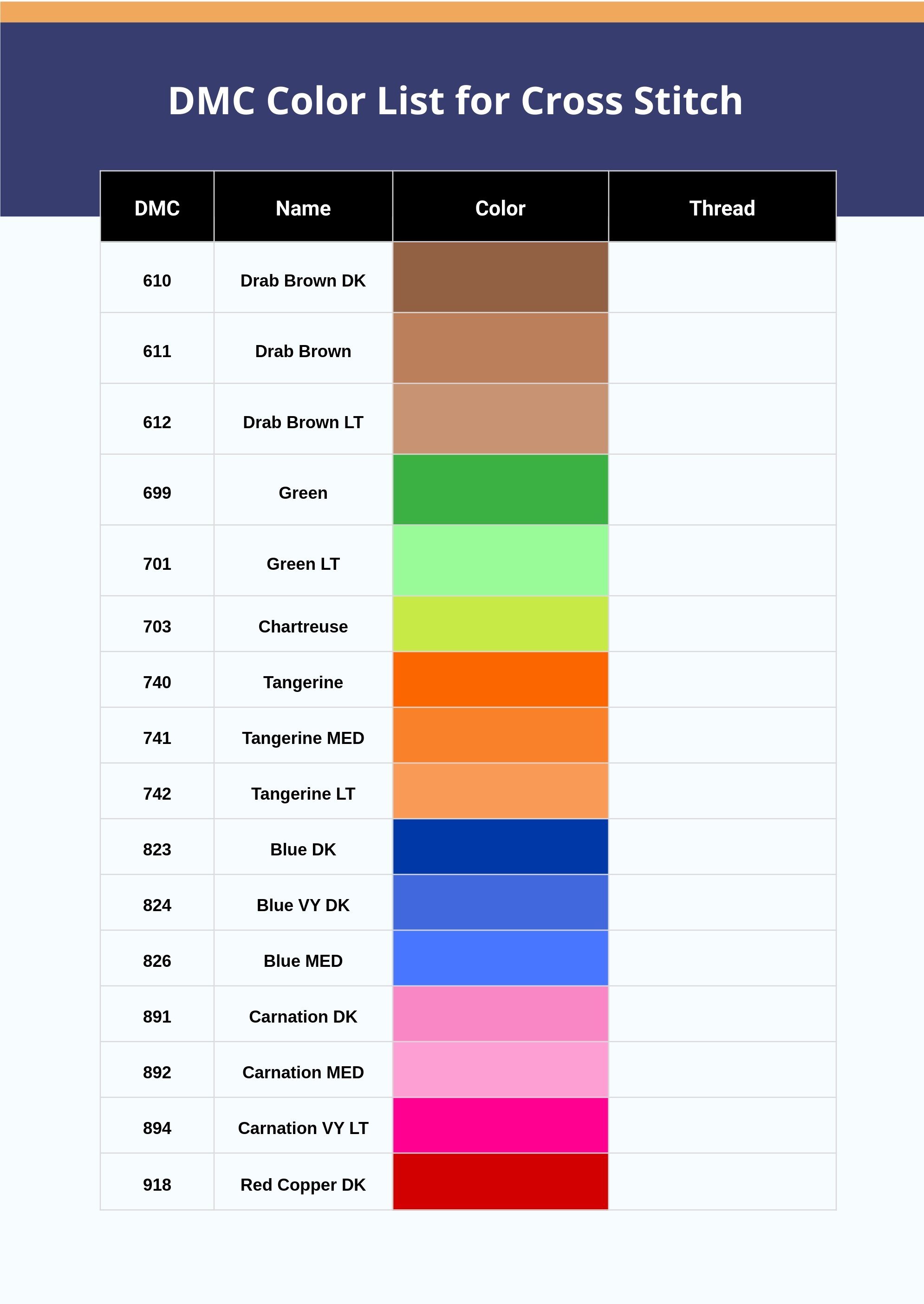
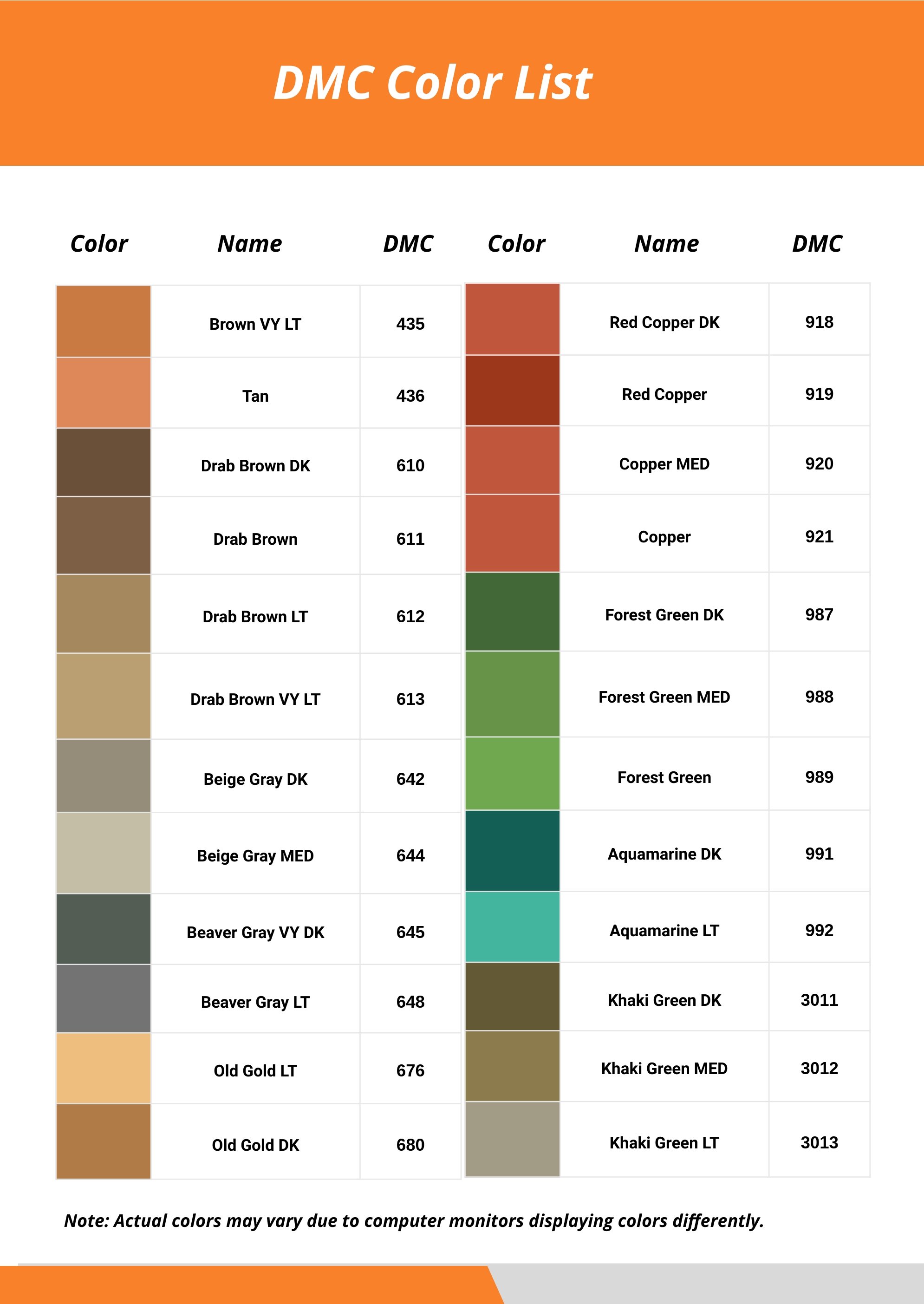
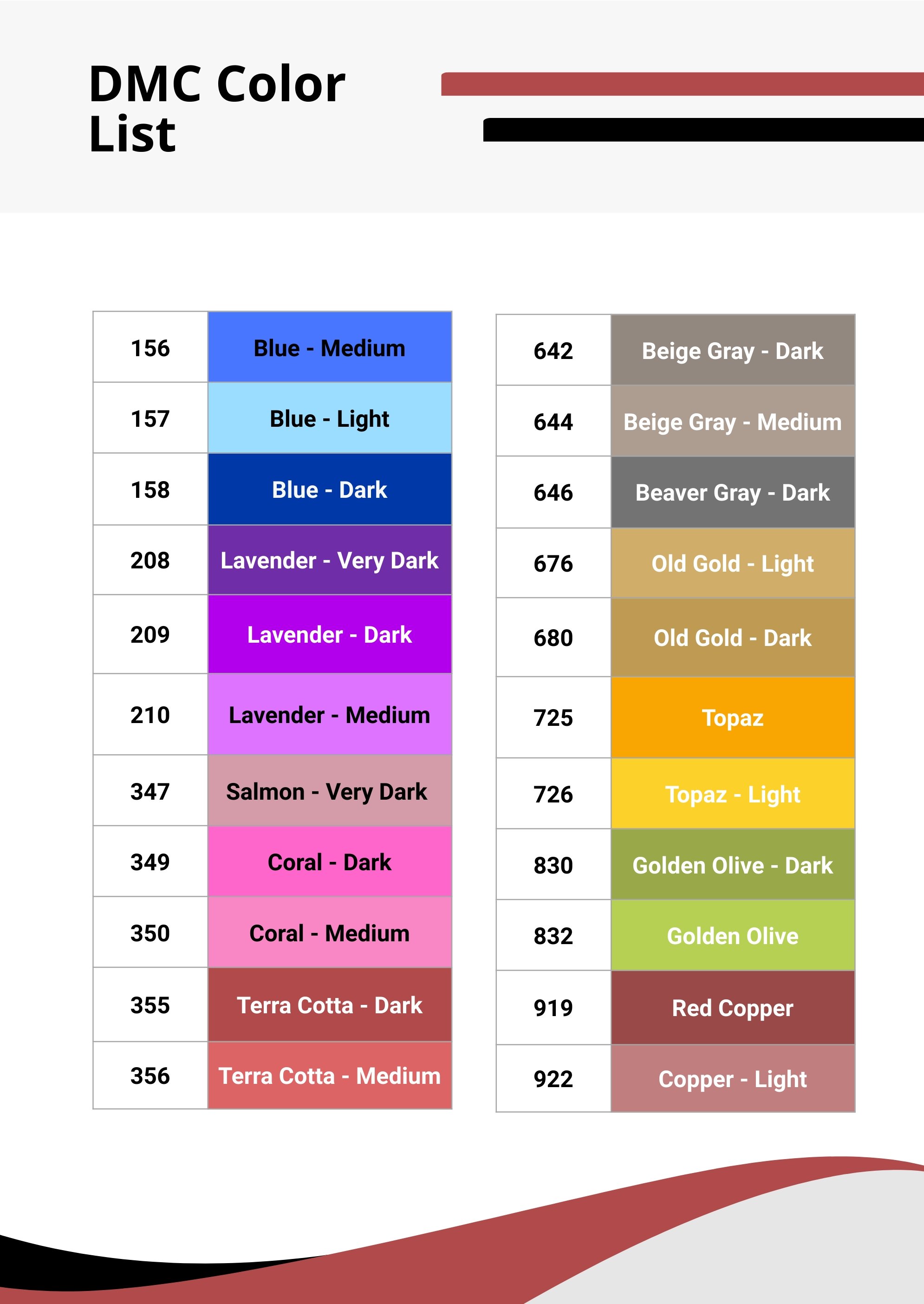
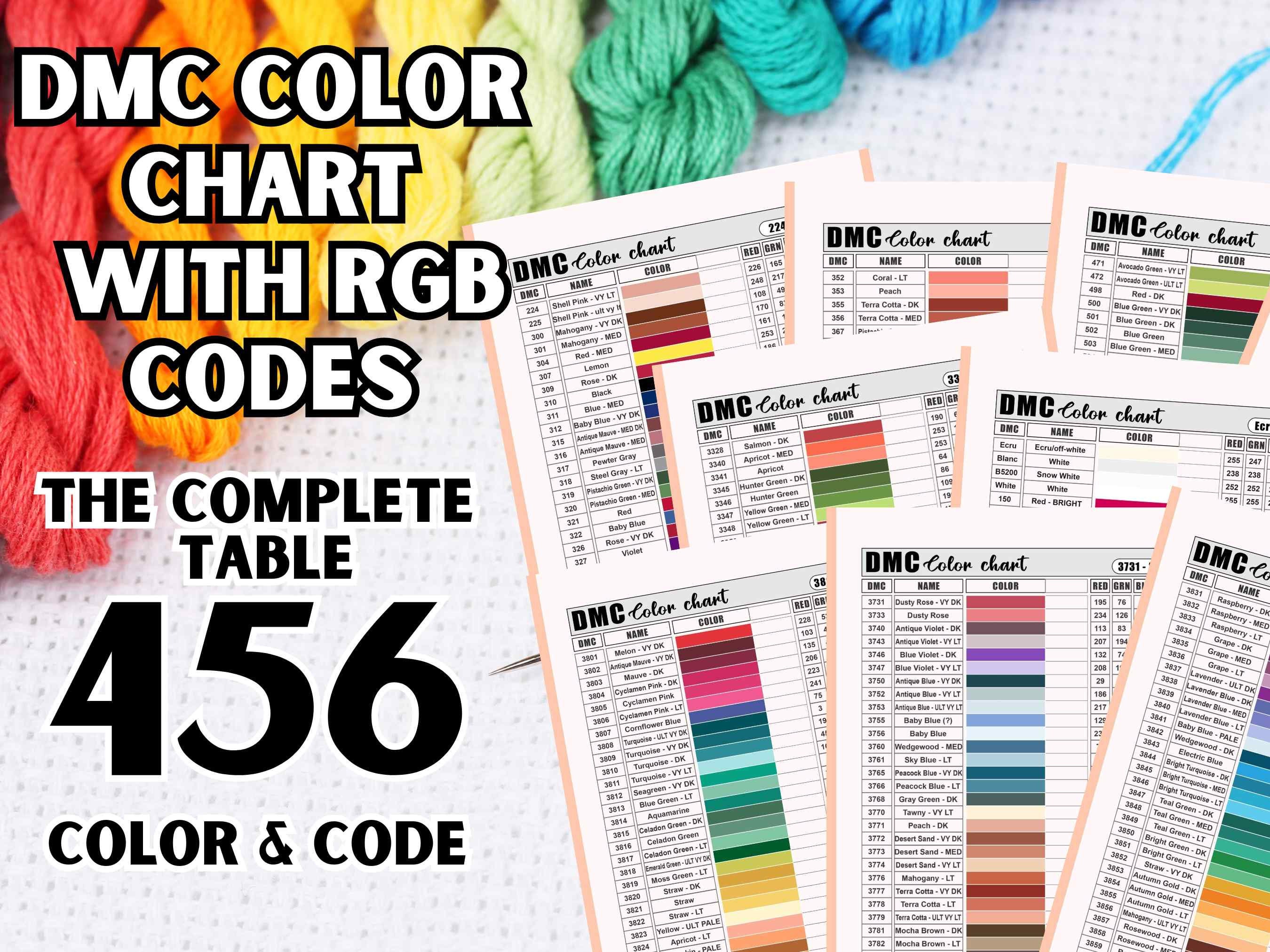
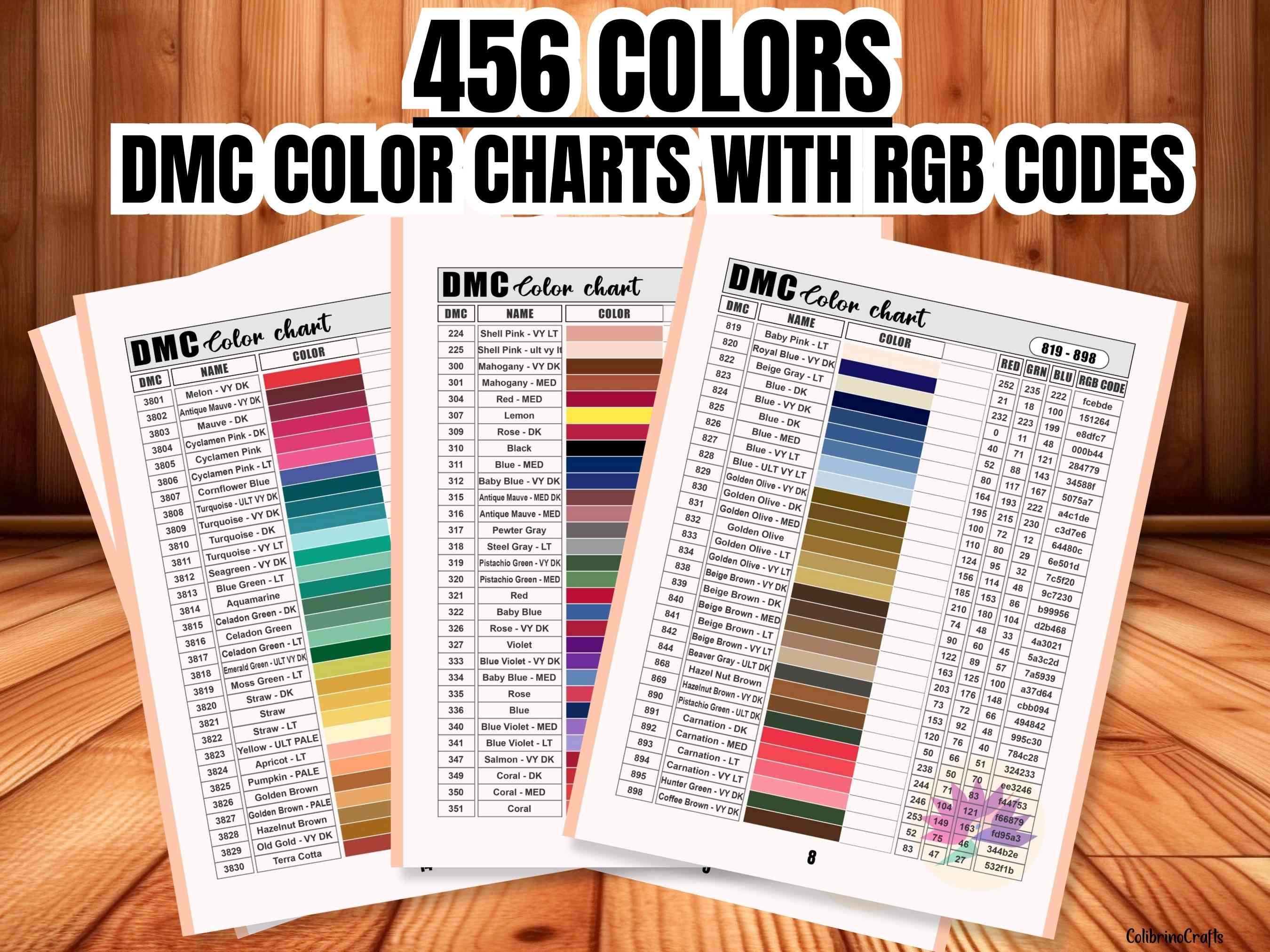
You're likely here because you need a reliable dmc color chart to guide your creative project, be it embroidery, cross-stitch, or another craft. This chart is a crucial tool, offering a clear and organized display of colors, often in the form of a thread or floss color guide. With various formats and standards, it's essential to find the right reference for your specific needs, ensuring an accurate and satisfying result.
Understanding the DMC Color Chart
The DMC color chart is an essential tool for embroidery enthusiasts and professionals. It serves as a comprehensive guide to the vast range of DMC thread colors, providing a visual reference and accurate color codes. This chart is your key to unlocking the full potential of DMC embroidery threads.
Comparing Color Standards and Formats
DMC offers a standardized color system, ensuring consistency across their thread range. The chart typically displays a color swatch with its corresponding DMC color code. These codes are unique identifiers, allowing you to easily specify and match colors accurately.
Step-by-Step Guide to Using the DMC Color Chart
- Begin by identifying the color you wish to use. Look for the desired shade on the chart, which is usually organized by color family.
- Once you've located the color, note its DMC color code. This code is essential for referencing and ordering the correct thread.
- Use the chart as a guide when selecting threads for your embroidery projects. It ensures you achieve the intended color scheme and maintain consistency.
Avoiding Common Misreadings
It's important to note that lighting conditions can affect how colors appear. Ensure you view the chart in natural light to get an accurate representation of the shades. Additionally, be mindful of the difference between on-screen colors and physical thread colors, as screens may not always display true-to-life shades.
Factors Affecting Accuracy
Several factors can influence the accuracy of color representation on the DMC color chart. These include the type of paper or fabric used for the swatches, as well as the printing process. It's advisable to cross-reference colors with actual thread samples whenever possible to ensure precise color matching.
Choosing the Right Format
DMC provides various formats of their color chart to cater to different needs. You can opt for a physical color card, which is portable and convenient for on-the-go reference. Alternatively, digital versions are available for easy access on your device. Consider your preferred method of reference and choose the format that suits your embroidery workflow.
Maintaining Reliability for Future Projects
To ensure the longevity and reliability of your DMC color chart, handle it with care. Keep it away from direct sunlight and moisture to prevent fading or damage. Regularly update your chart to the latest version, as DMC may introduce new colors or make adjustments to their color range. By doing so, you'll always have an accurate and up-to-date reference for your embroidery endeavors.
Remember, the specifics of your DMC color chart may differ slightly, so it's always good to refer back to this guide for a quick refresh. Exact values can vary, so it's best to have your trusted reference at hand.
Feel free to bookmark this page for future use, and check out our other guides for more practical tips and insights. We aim to provide clear, concise information, so you can navigate these topics with ease. Happy crafting!
Related: A Comprehensive Nail Length Chart Guide
Many people approach the nail length chart with some confusion, assuming it's a complex tool when it's actually a simple, handy reference. Rest assured, it's an easy-to-use guide!
The chart provides a clear visual representation of nail lengths, offering a quick way to measure and compare. While values may vary slightly depending on your region or the brand you use, the nail length chart remains a reliable tool for anyone seeking precision and consistency. Think of it as your go-to nail size chart or fingernail measurement guide!
Nail Length Chart: A Practical Guide
A nail length chart is a handy tool that provides a reference for various nail lengths, typically used in the beauty and fashion industries. It offers a visual representation of different nail sizes, helping you understand and communicate nail lengths effectively.
Understanding the Key Details
The chart usually displays nail lengths in two common units: inches and millimeters. You'll find categories like "Short," "Medium," and "Long," each with a range of values. For example, short nails might be 0.5 to 1 inch (or 12 to 25 mm), while long nails could be 1.5 to 2 inches (38 to 51 mm).
Reading the Chart and Measuring Nails
Here's a step-by-step guide to using the nail length chart:
- Identify the unit you prefer, whether it's inches or millimeters.
- Locate the category that best describes the nail length you want to measure or achieve.
- Within that category, find the specific length you need. For instance, if you want medium-length nails, you might aim for 1 inch (25 mm).
- Use a nail length gauge or a simple ruler to measure your nails against the chart's values.
Variations and Differences
It's important to note that nail length charts may vary depending on the standard or context. Different regions and industries might have slightly different measurements or categories. For instance, the US and international standards might have slight variations in the exact ranges for each category. Additionally, specific nail art or design trends can influence the definitions of nail lengths.
To ensure accuracy, always refer to the appropriate standard for your industry or region. If you're unsure, it's best to double-check the exact specifications or consult a professional. Remember, the chart provides a general guide, but precise measurements might require additional tools or expertise.
Hey there! I hope this nail length chart guide has been helpful. Remember, these measurements are a great starting point, but they can vary slightly depending on the context and your personal preferences.
It's always good to have a reference guide like this handy, so feel free to bookmark this page for future nail adventures! You'll find other practical guides on our blog too, so make sure to check them out for more tips and tricks. Happy measuring!