

Usmc Ribbon Chart Editable Overview
A common misconception about dress size charts is that they are a universal guide, providing an exact fit for every individual. However, it's important to understand that these charts are more like a starting point, offering a general size reference. While a dress size chart can be a valuable tool, it's not an exact science; variations exist due to different sizing standards and brand-specific fits.
Understanding Size Labels
A dress size chart is an essential tool for anyone shopping for clothing, especially online. It provides a standardized guide to help you choose the right size based on your body measurements. This chart is a reference point, offering a clear and consistent way to understand clothing sizes across different brands and styles.
Comparing Standards and Formats
There are several size charts and standards used globally, with variations between regions and even brands. The most common ones are the US standard, UK standard, and international or metric size charts. These charts may differ in their measurement units, categories, and size ranges. For instance, the US standard typically uses inches, while the metric system employs centimeters. It's crucial to know which standard a chart follows to ensure accurate sizing.
Measuring for Accuracy: A Step-by-Step Guide
To use a dress size chart effectively, follow these steps:
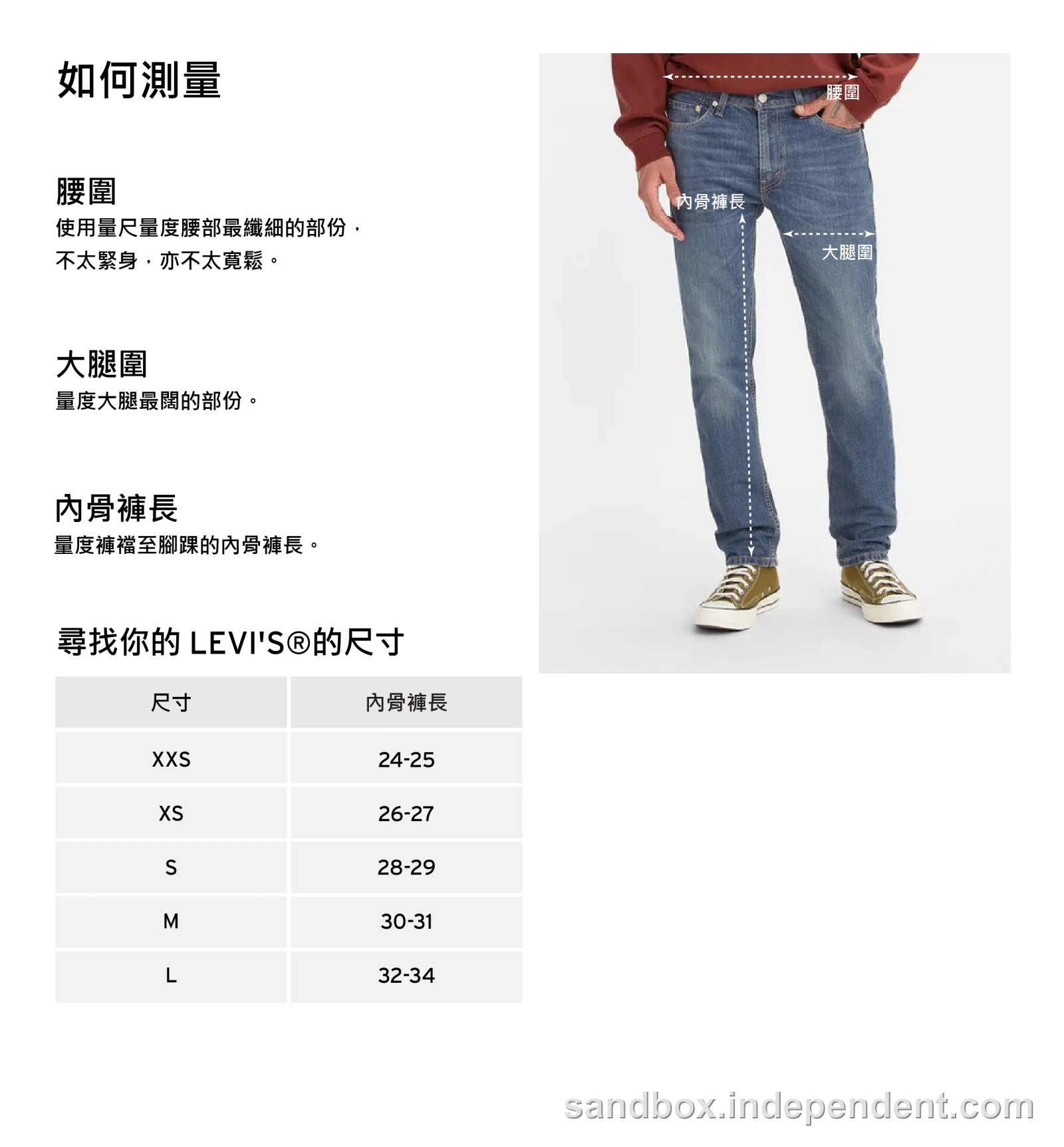
Take your body measurements: Measure your bust, waist, and hip circumference using a flexible tape measure. Ensure the tape is not too tight or too loose, and keep it parallel to the floor for accuracy.
Find your size on the chart: Locate the column or row on the chart that corresponds to your measurement. For example, if you are measuring your bust, find the column with the heading "Bust" or "Chest." Look for the row that matches your measurement in inches or centimeters.
Check other measurements: Repeat this process for your waist and hip measurements. It's important to consider all three measurements to ensure a comfortable and flattering fit.
Choose the right size: Once you have your measurements, look for the size that aligns with all three measurements. If your bust, waist, and hip measurements fall into different size categories, it's best to choose the size that fits the largest of the three. This ensures a comfortable fit and prevents the garment from being too tight or restrictive.
Common Misreadings and How to Avoid Them
Misinterpreting a dress size chart can lead to incorrect sizing. Here are some common pitfalls:
Assuming one size fits all: Different brands and styles may have slight variations in their sizing. Always refer to the specific chart for the item you're interested in.
Relying solely on vanity sizing: Some brands use vanity sizing, where the labeled size may not reflect the actual measurements. Always double-check with the provided size chart.
Ignoring body shape: Dress size charts provide a general guide, but your body shape can impact the fit. Consider your body type and choose a size that accommodates your unique shape.
Key Factors Affecting Accuracy
Several factors can influence the accuracy of a dress size chart and your final fit:
Body measurements: Ensure your measurements are accurate and consistent. Small variations can make a difference in the size you choose.
Brand variations: Different brands may have slightly different sizing standards. Always check the brand's specific size chart, especially when shopping online.
Fabric and design: The fabric and design of a garment can impact its fit. Stretchy fabrics may provide more flexibility, while structured designs may require precise sizing.
Personal preference: Your comfort and style preferences play a role. Some may prefer a looser fit, while others opt for a more tailored look.
Adapting the Chart for Your Needs
While dress size charts provide a standardized guide, they may not always fit every individual's unique body shape. Here's how to adapt:
International size conversion: If you're shopping internationally, familiarize yourself with the conversion between different size standards. Online retailers often provide conversion charts to assist with this.
Custom sizing: Some brands offer custom sizing or made-to-measure options. This is especially useful for those with unique body shapes or specific fit requirements.
Size guides and reviews: Many online retailers provide detailed size guides and customer reviews. These can offer valuable insights into the fit and sizing of specific garments.
Remember, the dress size chart is a helpful tool, but it's not an exact science. Listen to your body and trust your instincts when choosing the right size. With a bit of practice and attention to detail, you'll become an expert at finding your perfect fit!
Well, there you have it, a comprehensive guide to dress size charts and their various aspects. Remember, while this guide offers a solid foundation, your unique body and personal preferences play a significant role. So, always double-check the specific requirements and context when applying these charts.
Consider bookmarking this page for future reference; it might come in handy the next time you need a quick reminder on dress sizes and their nuances. Until then, happy measuring and stay stylish!
Related: What is the DMC Color Chart All About?
You're likely here because you need a reliable dmc color chart to guide your creative project, be it embroidery, cross-stitch, or another craft. This chart is a crucial tool, offering a clear and organized display of colors, often in the form of a thread or floss color guide. With various formats and standards, it's essential to find the right reference for your specific needs, ensuring an accurate and satisfying result.
Understanding the DMC Color Chart
The DMC color chart is an essential tool for embroidery enthusiasts and professionals. It serves as a comprehensive guide to the vast range of DMC thread colors, providing a visual reference and accurate color codes. This chart is your key to unlocking the full potential of DMC embroidery threads.
Comparing Color Standards and Formats
DMC offers a standardized color system, ensuring consistency across their thread range. The chart typically displays a color swatch with its corresponding DMC color code. These codes are unique identifiers, allowing you to easily specify and match colors accurately.
Step-by-Step Guide to Using the DMC Color Chart
- Begin by identifying the color you wish to use. Look for the desired shade on the chart, which is usually organized by color family.
- Once you've located the color, note its DMC color code. This code is essential for referencing and ordering the correct thread.
- Use the chart as a guide when selecting threads for your embroidery projects. It ensures you achieve the intended color scheme and maintain consistency.
Avoiding Common Misreadings
It's important to note that lighting conditions can affect how colors appear. Ensure you view the chart in natural light to get an accurate representation of the shades. Additionally, be mindful of the difference between on-screen colors and physical thread colors, as screens may not always display true-to-life shades.
Factors Affecting Accuracy
Several factors can influence the accuracy of color representation on the DMC color chart. These include the type of paper or fabric used for the swatches, as well as the printing process. It's advisable to cross-reference colors with actual thread samples whenever possible to ensure precise color matching.
Choosing the Right Format
DMC provides various formats of their color chart to cater to different needs. You can opt for a physical color card, which is portable and convenient for on-the-go reference. Alternatively, digital versions are available for easy access on your device. Consider your preferred method of reference and choose the format that suits your embroidery workflow.
Maintaining Reliability for Future Projects
To ensure the longevity and reliability of your DMC color chart, handle it with care. Keep it away from direct sunlight and moisture to prevent fading or damage. Regularly update your chart to the latest version, as DMC may introduce new colors or make adjustments to their color range. By doing so, you'll always have an accurate and up-to-date reference for your embroidery endeavors.
Remember, the specifics of your DMC color chart may differ slightly, so it's always good to refer back to this guide for a quick refresh. Exact values can vary, so it's best to have your trusted reference at hand.
Feel free to bookmark this page for future use, and check out our other guides for more practical tips and insights. We aim to provide clear, concise information, so you can navigate these topics with ease. Happy crafting!
Related: Unravel the pt chart 410a Mystery
Hey there! Let's talk about PT Chart 410a, a handy tool for anyone working with refrigerants and air conditioning systems. This guide will give you a quick rundown on how to use and read this chart effectively.
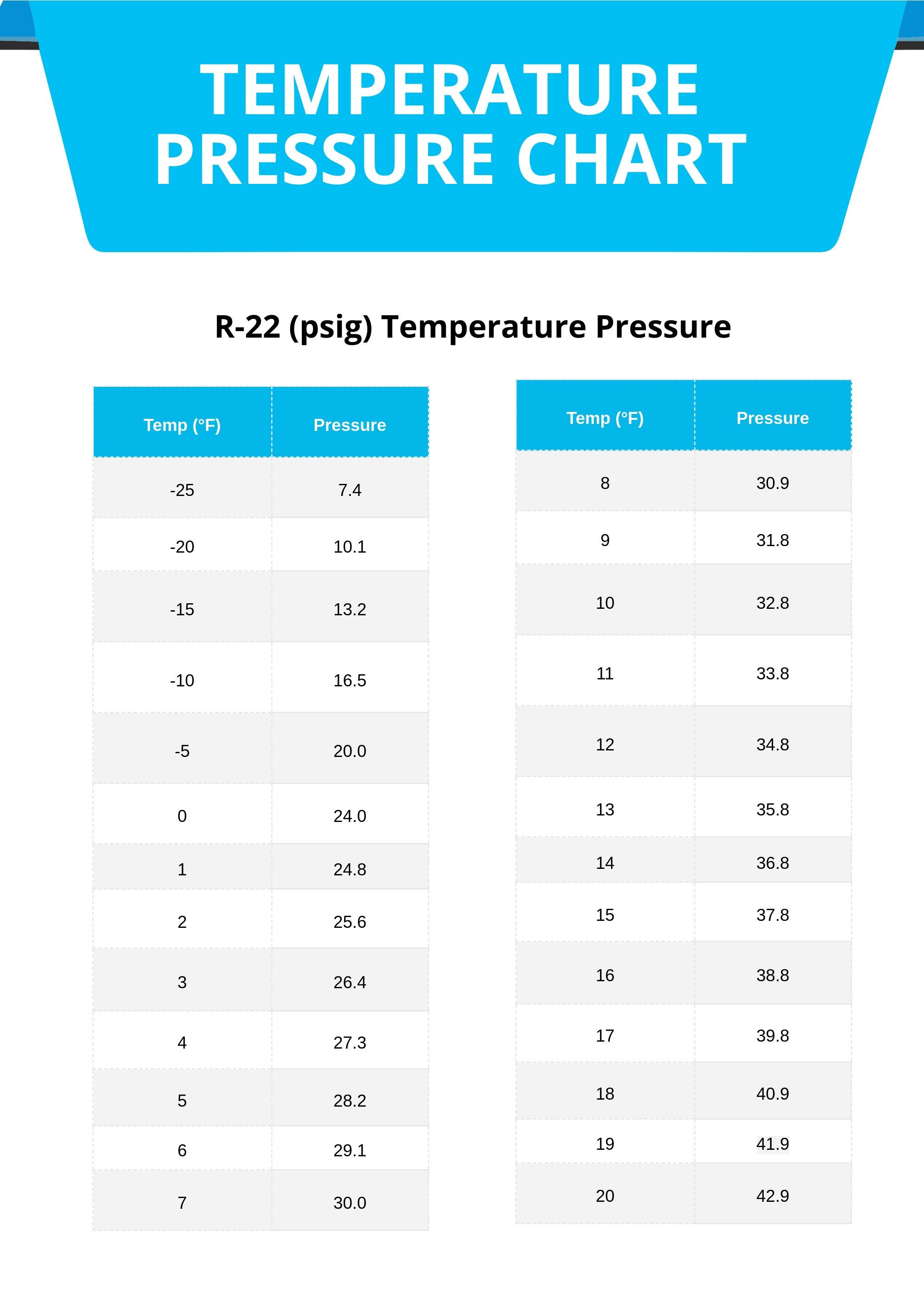
The PT Chart 410a is a visual reference, providing insights into the relationship between pressure and temperature for a specific refrigerant. While the values may vary slightly depending on your region or the specific brand of refrigerant, this chart is a reliable starting point for understanding these critical variables. It's worth noting that there are similar charts for other refrigerants, like PT Chart 410b and Pressure Temperature Chart R134a, which we won't cover here.
Understanding the PT Chart 410a
The PT chart 410a is a handy reference tool for anyone working with refrigeration or air conditioning systems. It's a visual guide that helps you understand the relationship between pressure and temperature for a specific refrigerant, in this case, R410a. Think of it as a map that shows you how these two factors are connected, making it easier to diagnose issues and make adjustments.
Comparing Standards and Formats
While there are different versions of PT charts, the 410a is designed for a particular type of refrigerant. Other charts, like the 410b or r134a, are tailored to different refrigerants. These charts use standard pressure units, usually in psi (pounds per square inch) or kPa (kilopascals), and temperature in degrees Fahrenheit or Celsius. It's important to use the right chart for your specific refrigerant to ensure accurate readings.
Step-by-Step Guide to Using the PT Chart 410a
- Identify the refrigerant you're working with. In this case, it's R410a, so you'll need the corresponding PT chart.
- Locate the pressure and temperature values on the chart. The chart will have a grid-like structure with pressure on one axis and temperature on the other.
- Find the intersection point of your desired pressure and temperature. This point will give you an idea of the refrigerant's state, whether it's a liquid, gas, or a mixture.
- Use this information to make adjustments or diagnose issues. For example, if the pressure is too high for the given temperature, you might need to release some refrigerant.
Avoiding Common Misreadings
One of the most common mistakes is using the wrong chart for your refrigerant. Always double-check you're using the correct PT chart 410a for R410a refrigerant. Another pitfall is misinterpreting the chart's data. Remember, the chart provides a general guide, and real-world conditions might vary slightly. Always consider other factors like humidity and the system's overall health.
Key Factors Affecting Accuracy
- Pressure and Temperature: These are the primary variables, and their accuracy is crucial. Ensure your pressure gauge and temperature sensor are calibrated and functioning correctly.
- Humidity: Moisture in the air can affect the system's performance and the readings on your chart. Consider using a dehumidifier if needed.
- System Age and Condition: Older systems or those with leaks or blockages may not behave exactly as the chart predicts. Regular maintenance is key.
- External Factors: Environmental conditions like extreme temperatures or high altitudes can impact the system's performance.
Choosing the Right PT Chart for Your Needs
While the PT chart 410a is designed for R410a refrigerant, there are variations and adaptations for different applications. If you're working with a different refrigerant, such as r134a, you'll need to use the corresponding chart. Always refer to the manufacturer's guidelines and industry standards to ensure you're using the correct chart for your specific system and refrigerant.
Hey there! I hope this guide has given you a clear understanding of the PT Chart 410a and its practical uses. Remember, while the basics remain the same, there might be slight variations in the details, so always double-check for your specific needs.
Feel free to bookmark this page for future reference; it's always handy to have a quick, reliable guide at your fingertips. And don't forget to explore our other guides too; there's always something new to learn and discover!