





Violin Size Chart Free Printable Overview
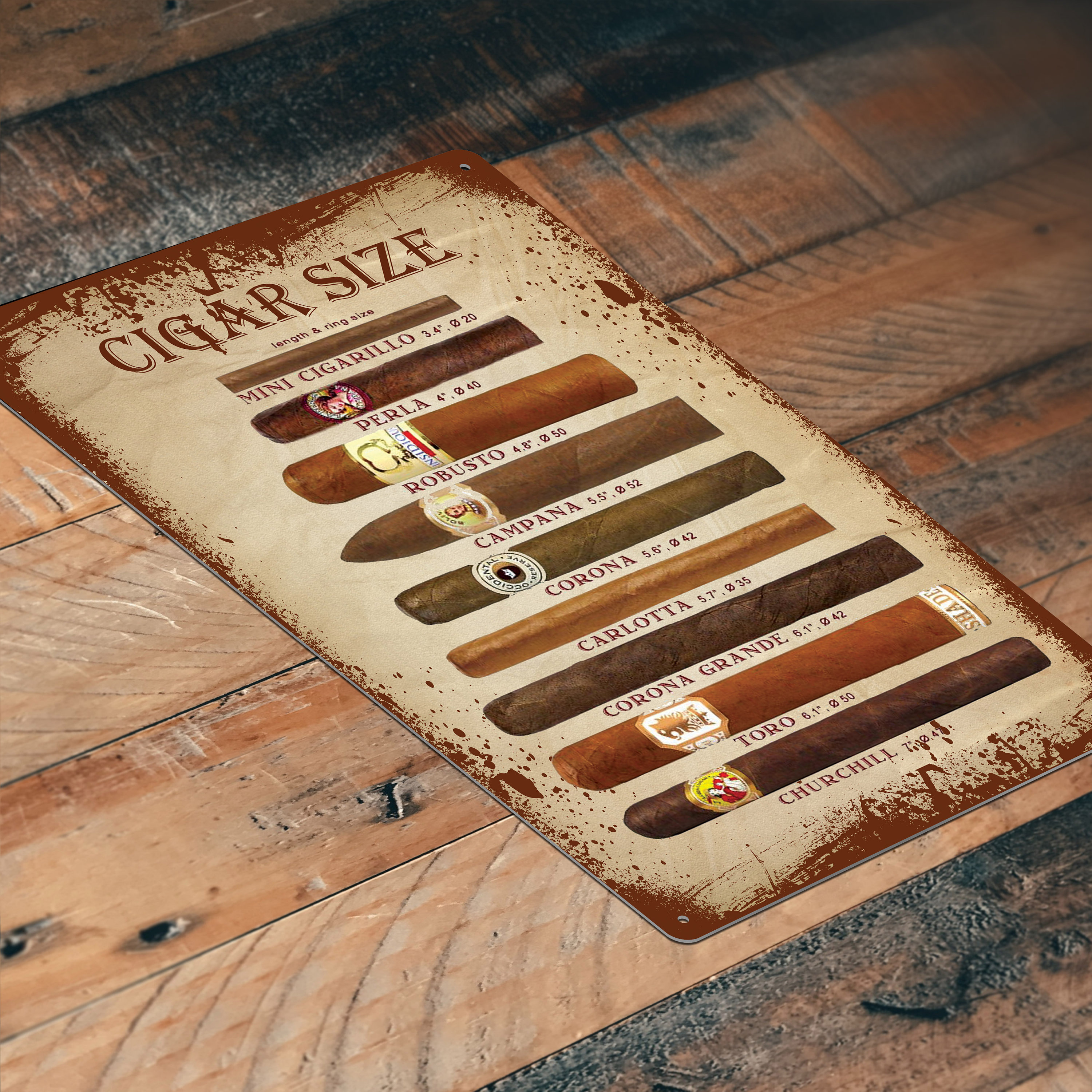
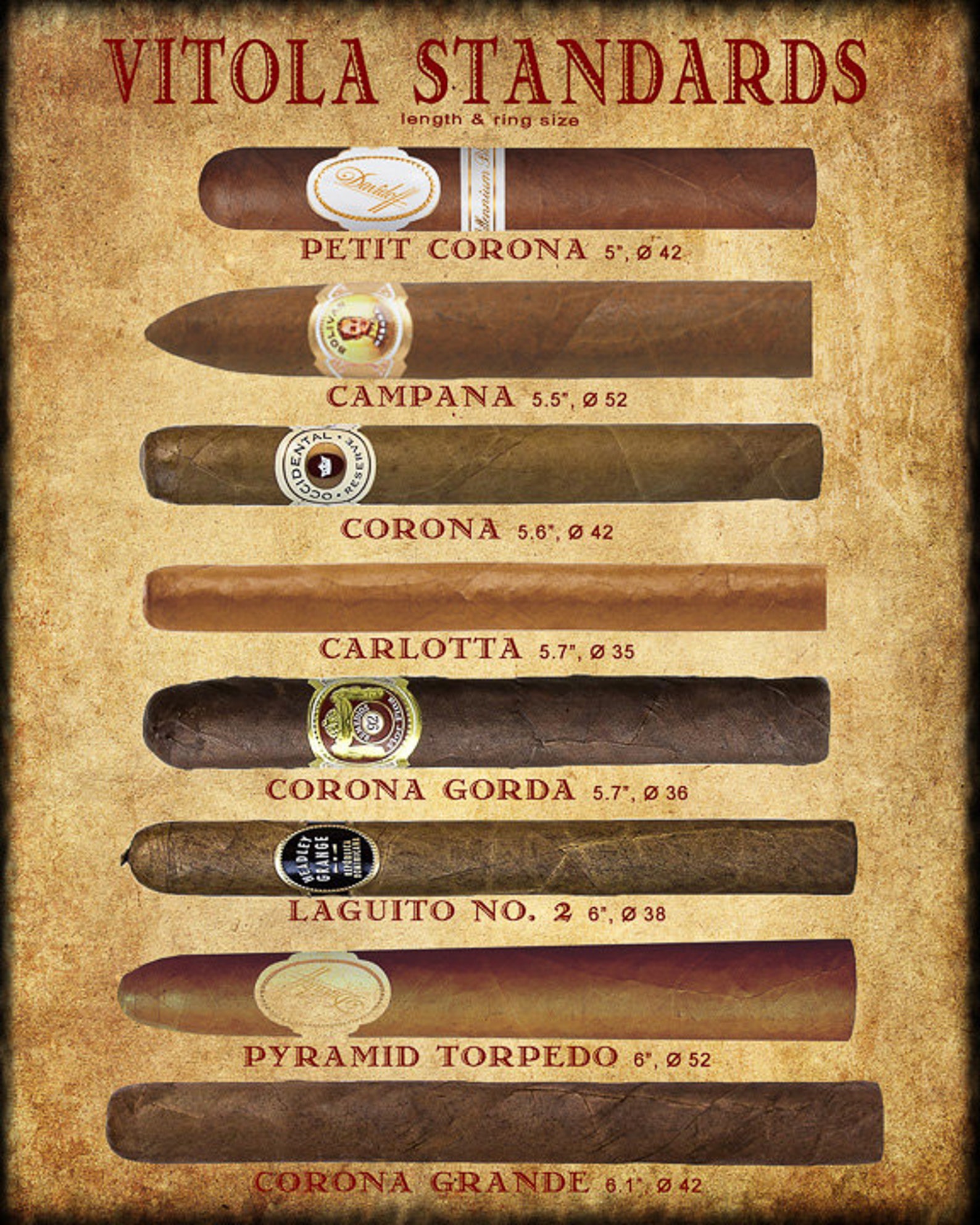
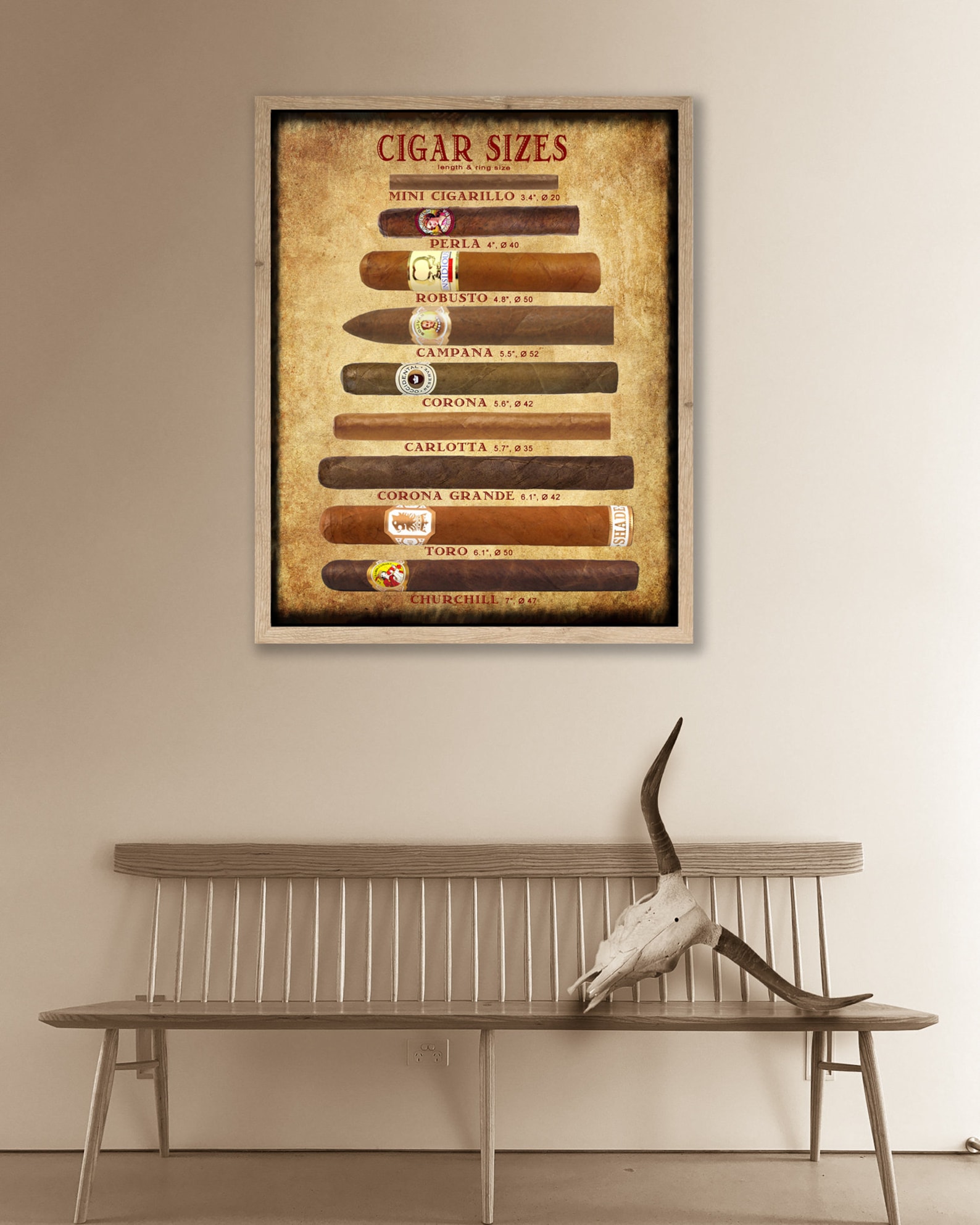
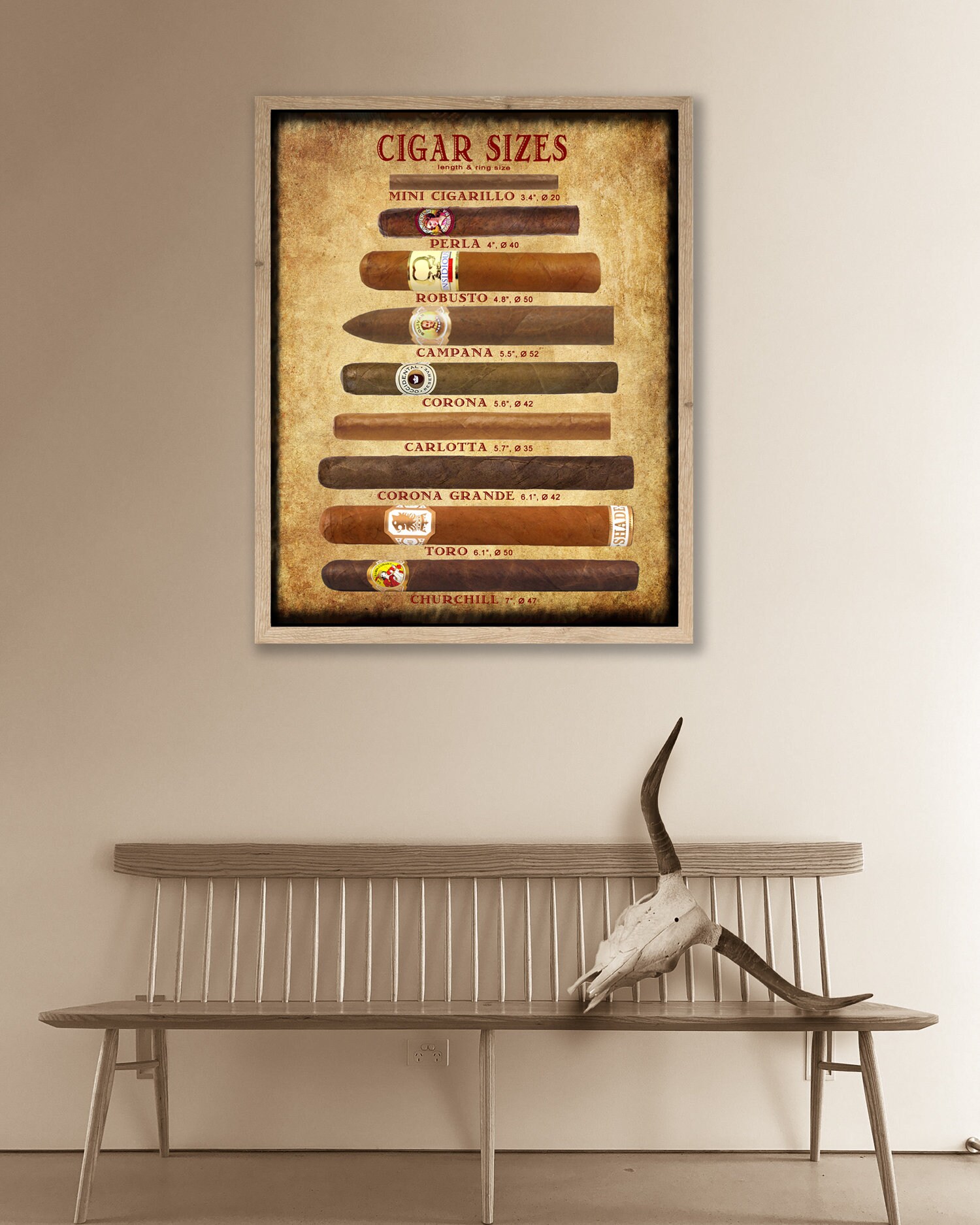
A cigar size chart is a handy tool for any cigar enthusiast, offering a quick and easy way to understand cigar dimensions. This guide will take you through the basics, covering the essential info you need to read and interpret these charts like a pro.
From cigar ring gauge to length, these charts provide a simple visual reference, ensuring you can identify and choose the right cigar size. While values may vary, the cigar size chart remains a reliable starting point, offering a clear and consistent way to explore the world of cigar sizes.
Understanding Cigar Sizes: A Practical Guide
Cigar size charts are your go-to resource for navigating the world of cigars. They provide a visual representation of the various dimensions and formats cigars come in, helping you make informed choices. These charts typically showcase two key measurements: length and ring gauge. The ring gauge, often referred to as the diameter, is a critical factor in determining a cigar's burn and flavor.
Standard Cigar Dimensions: Comparing Formats
Cigar size charts offer a standardized way to understand cigar sizes. They present a range of common formats, each with its own name and unique dimensions. For instance, a robusto is typically around 5 inches long with a 50 ring gauge, while a toro might measure 6 inches with a 54 ring gauge. These charts provide a quick reference, allowing you to visualize the differences between various cigar sizes.
How to Use a Cigar Size Chart: A Step-by-Step Guide
- Identify the two primary measurements: length and ring gauge. These are usually displayed side by side or in a clear, tabular format.
- Match the length of the cigar you have or are considering with the chart's length column.
- Cross-reference the ring gauge to find the corresponding format. For example, if your cigar is 6 inches long and has a 52 ring gauge, it likely fits the description of a "Churchill."
- Understand the implications: Different sizes impact the smoking experience. Larger cigars may offer a longer, more complex smoke, while smaller ones provide a quicker, more focused flavor profile.
Common Misreadings and How to Avoid Them
One common pitfall is assuming all cigars within a size category are identical. While the ring gauge and length are standardized, other factors like brand, tobacco blend, and construction can vary. These nuances impact the smoking experience, so always consider the cigar's brand and specific details when making comparisons. Additionally, be mindful of regional variations; some countries may use different measurement systems or have unique size names.
Factors Affecting Accuracy and Real-World Use
Several variables can influence the accuracy of a cigar size chart. Firstly, the chart's origin matters; some are designed for specific regions or markets, so ensure you're using one relevant to your location. Secondly, while standardized, there can be slight variations in measurements across different manufacturers. Always check the cigar's packaging or official brand specifications for precise details. Lastly, remember that cigars, especially handmade ones, may have slight imperfections, so the chart serves as a guide rather than an absolute measurement tool.
Well, there you have it! A handy guide to cigar sizes, covering the main options, how to use the chart, and some common pitfalls to avoid. Remember, these measurements can vary slightly, so always double-check if precision is key.
Feel free to explore our other guides for more practical tips and tricks. We've got a whole range of topics to help you navigate the world of cigars and beyond!
Related: How do I use a ski sizing chart?
Many people assume that a ski sizing chart is a one-size-fits-all guide, but it's actually a bit more nuanced than that! While these charts offer a great starting point, they're not always an exact science. It's a common mistake to think that your height alone determines your ski size, when in fact, there are several factors to consider.
The ski sizing chart is a useful tool, but it's important to remember that ski size recommendations can vary slightly depending on your skiing ability, personal preference, and even the type of terrain you typically ski on. So, while it's a great reference, it's always worth seeking a little extra advice to ensure you get the perfect fit.
Ski Sizing Chart: A Practical Guide
Ski sizing charts are your go-to tool for finding the perfect ski length. They provide a simple way to match your height, weight, and skill level with the right ski size. This chart is a handy reference, but it's important to understand how to use it accurately.
Key Details: Understanding the Chart
The ski size guide typically shows a range of heights and corresponding ski lengths. It often includes categories like beginner, intermediate, and advanced skiers. The units used are usually inches or centimeters, depending on the standard. For example, a common recommendation might be a ski length of 160-170 cm for a skier who is 170-180 cm tall. These charts are a great starting point, but they're not one-size-fits-all.
Reading and Applying the Chart: Step-by-Step
Here's a simple process to follow:
- Identify your height and skill level.
- Locate your height range on the chart.
- Choose a ski length within the recommended range.
- Consider your personal preference and adjust slightly if needed.
For instance, if you're an intermediate skier and the chart suggests 165-175 cm skis for your height, you might opt for 170 cm skis. Remember, this is a guide, so feel free to experiment within the suggested range.
Variations: Why Ski Sizing Charts Differ
Several factors can cause variations in ski size recommendations:
- Ski height to length ratio: This ratio can vary based on the type of skiing (e.g., alpine vs. cross-country).
- Ski size by ability: Advanced skiers often prefer longer skis, while beginners might find shorter ones more manageable.
- Ski size by weight: Heavier skiers might benefit from slightly longer skis for better float and stability.
- Manufacturer preferences: Different brands may have unique recommendations.
- Regional standards: Some charts might use metric units, while others use imperial.
Common Mistakes and How to Avoid Them
A few simple errors to watch out for:
- Assuming one chart fits all: Always check if the chart is relevant to your skill level and the type of skiing you plan to do.
- Ignoring personal preference: While the chart is a guide, your comfort and confidence are key. Don't be afraid to adjust within the recommended range.
- Relying solely on height: Skill level and weight also play a role, so consider all factors.
Practical Tips for Accurate Results
To ensure you get the best fit:
- Double-check the chart's units and ensure they match your measurements.
- If you're between sizes, consider your skill level and the type of skiing.
- When trying skis, take a few runs to get a feel for the length.
- Remember, the chart is a starting point, but your comfort and performance are the ultimate goals.
By understanding the ski sizing chart and its variations, you can make an informed decision and enjoy your skiing experience. Happy trails!
Well, there you have it! Finding the perfect ski size is an important step to ensure your comfort and safety on the slopes. Remember, while this guide provides a great starting point, it's always a good idea to consult with experts or try out different sizes to find your ideal fit.
Feel free to explore our other guides and resources to enhance your skiing experience. We've got plenty of tips and tricks to help you become a pro!
Related: Need a T-Shirt Size Chart? Find Your Perfect Fit!
You're probably here because you need a quick answer, right? Maybe you're trying on a new T-shirt and it's a bit of a mystery whether it fits or not. Well, fear not! A T-shirt size chart is your handy guide to cracking this code. It's a simple tool that helps you find your perfect fit, and it's especially useful when shopping online or trying out a new brand. These charts can vary slightly, but they usually give you a clear idea of measurements and sizes, often with a T-shirt sizing guide and a clothing size chart to refer to.
Understanding the Chart: A Quick Overview
The t-shirt size chart is your practical guide to finding the perfect fit. It's a reference tool that simplifies the process of choosing the right size, ensuring comfort and style. This chart provides a standardized way to measure and categorize t-shirts, making online shopping or in-store browsing a breeze.
Comparing Standards and Formats
T-shirt size charts can vary depending on the region and manufacturer. The most common standards are the US sizing system and the international metric system. US sizes often use alphabetical letters (e.g., S, M, L) with numerical values for specific measurements. International sizes, on the other hand, typically use numerical values for height and weight ranges. It's essential to know which standard you're dealing with to ensure accurate sizing.
Measuring for Accuracy: A Step-by-Step Guide
To use a t-shirt size chart accurately, follow these simple steps:
- Gather your measuring tools: a flexible tape measure and a notepad.
- Measure your body: Take accurate measurements of your chest, waist, and height. For chest and waist, wrap the tape measure around the fullest part of your body. For height, stand straight and measure from the top of your head to the floor.
- Refer to the chart: Locate your measurements on the chart. Match your chest and waist measurements to the corresponding size categories. If your measurements fall between sizes, consider the fit you prefer: a looser or tighter look.
- Consider fabric and fit: Different fabrics and styles can affect the fit. Stretchier fabrics may require a smaller size, while structured fabrics might need a larger size. Always check the product description for any specific fitting notes.
- Double-check: If you're unsure, try comparing your measurements with a well-fitting t-shirt you already own. Place it flat and measure the width and length to get an idea of the ideal size.
Common Misreadings and How to Avoid Them
Misinterpreting a t-shirt size chart is easy, especially with varying standards. Here's how to avoid common mistakes:
- Don't assume: Always double-check the sizing standard. US and international sizes can differ significantly.
- Consider the fabric: The stretch and drape of the fabric can impact the fit. If the t-shirt is made of a stretchy material, it might fit differently than a structured fabric.
- Know your brand: Some brands have unique sizing systems. Check the brand's size guide or customer reviews for any specific sizing notes.
- Don't rely on vanity sizing: Some brands use vanity sizing, which means their sizes may not align with standard measurements. Always trust the measurements provided rather than the size label.
Key Factors Affecting Accuracy
Several factors can influence the accuracy of your t-shirt size chart readings:
Fabric type: As mentioned, different fabrics have varying levels of stretch and drape, which can affect the fit.
Brand variations: Each brand may have slight variations in their sizing, so always check their specific size guide.
Personal preference: Your desired fit can impact the size you choose. Do you prefer a loose, relaxed fit or a more tailored look?
International differences: Sizing can vary between countries and regions. Always check if the chart follows the US or international standard.
Body shape: Different body types may require adjustments. For example, a muscular build might need a different size than indicated by height and weight alone.
Adapting the Chart for Specific Needs
While t-shirt size charts provide a general guide, you may need to adapt them for specific situations:
- Layering: If you plan to wear the t-shirt as a base layer, consider going for a size up to accommodate additional clothing.
- Style variations: Different t-shirt styles, like slim-fit or oversized, may require adjustments. Check the product description for any fitting recommendations.
- Custom sizing: Some brands offer custom sizing options, allowing you to input your exact measurements for a perfect fit.
- Pregnancy or weight fluctuations: During these periods, your body shape may change, requiring temporary adjustments to your usual size.
Remember, the t-shirt size chart is a helpful tool, but it's not an exact science. Always consider your personal preferences and the specific characteristics of the t-shirt you're buying. With these tips, you'll be a pro at finding the perfect fit!
Hey there! I hope this guide has been helpful in navigating the world of T-shirt size charts. Remember, while the basics remain the same, there can be slight variations in measurements and standards. It's always a good idea to double-check and ensure you're referring to the right chart for your needs.
Feel free to bookmark this page for future reference, and don't hesitate to explore other guides on related topics. We've got you covered!