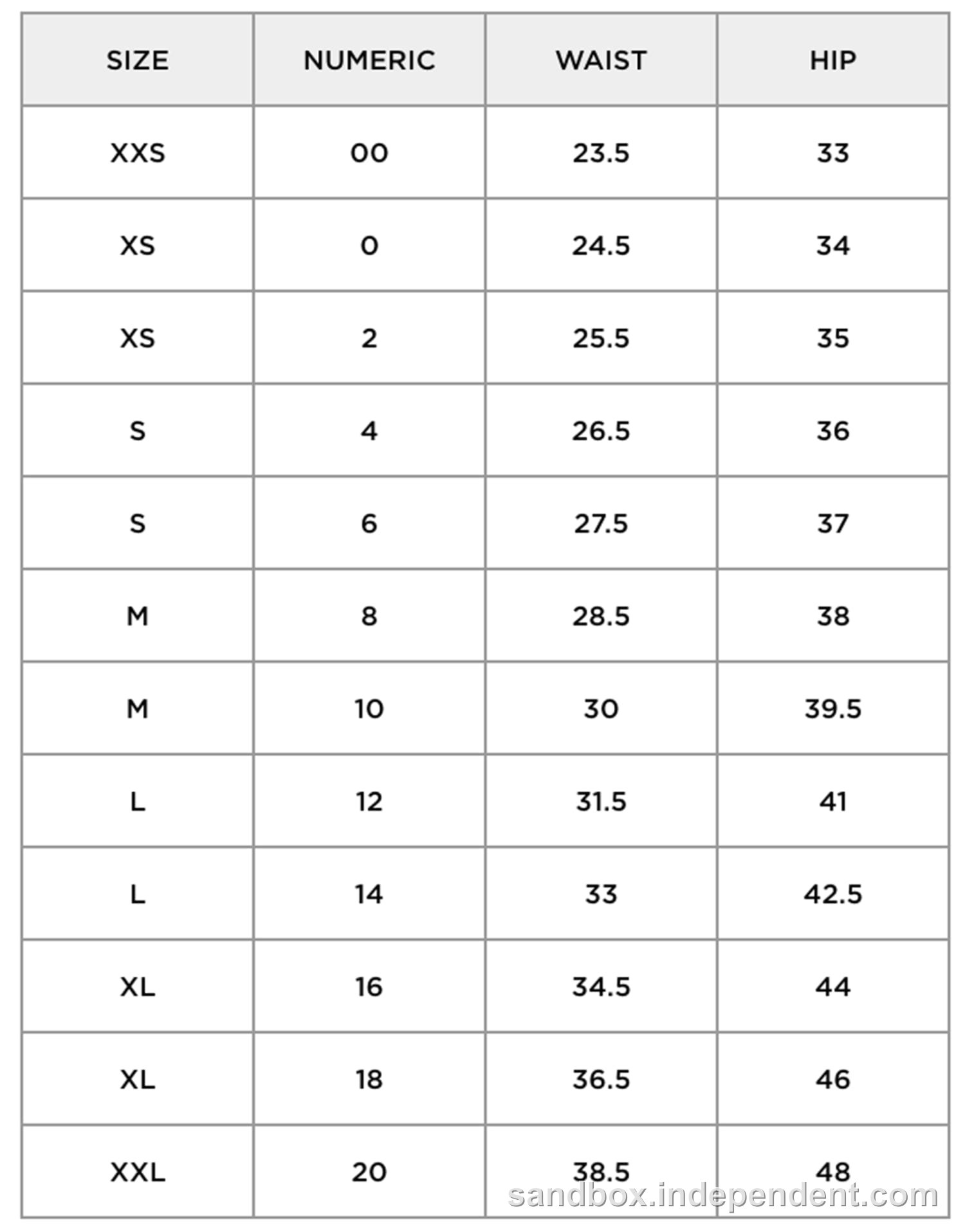


Vuori Size Chart Blank Overview
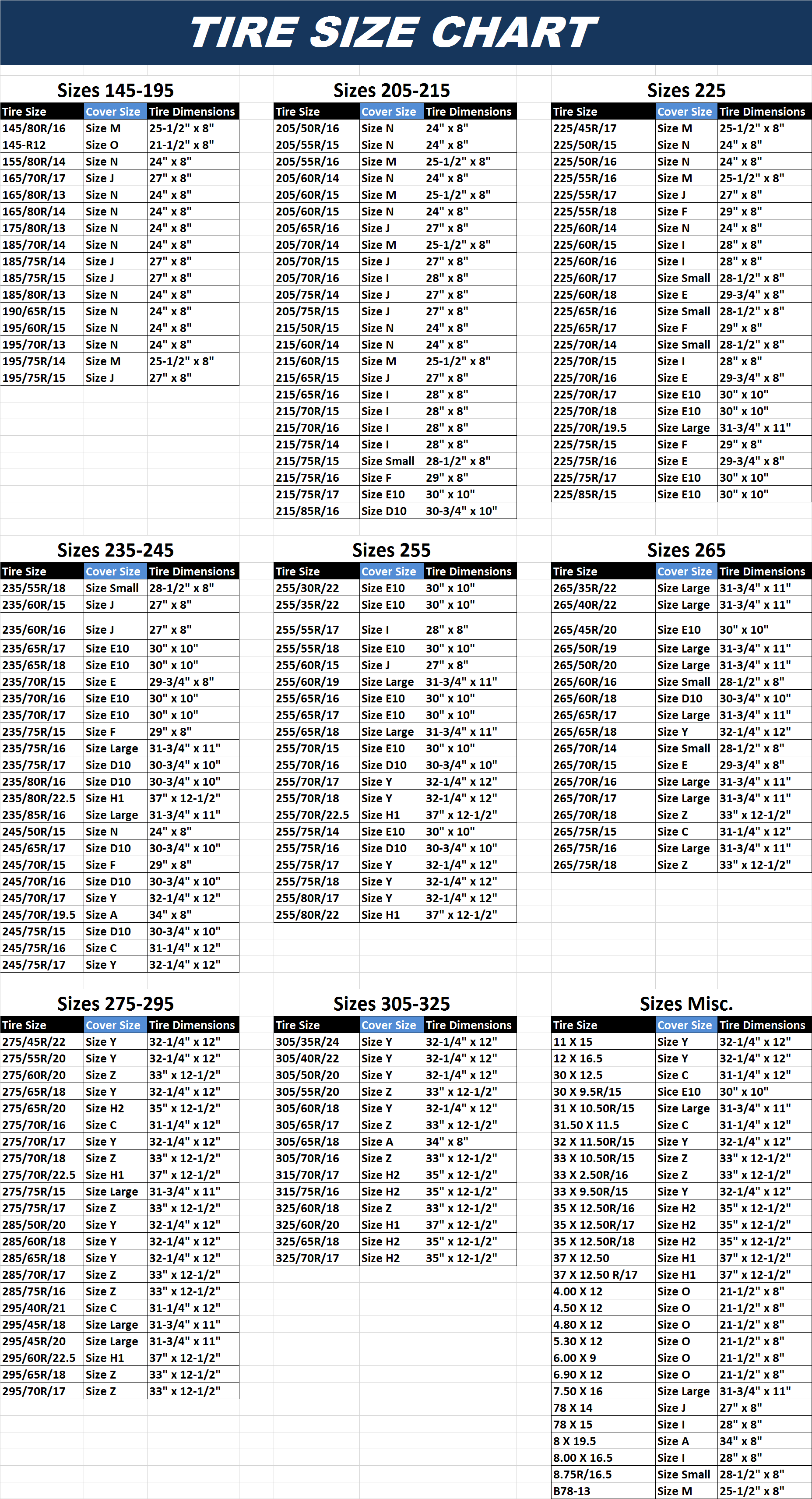
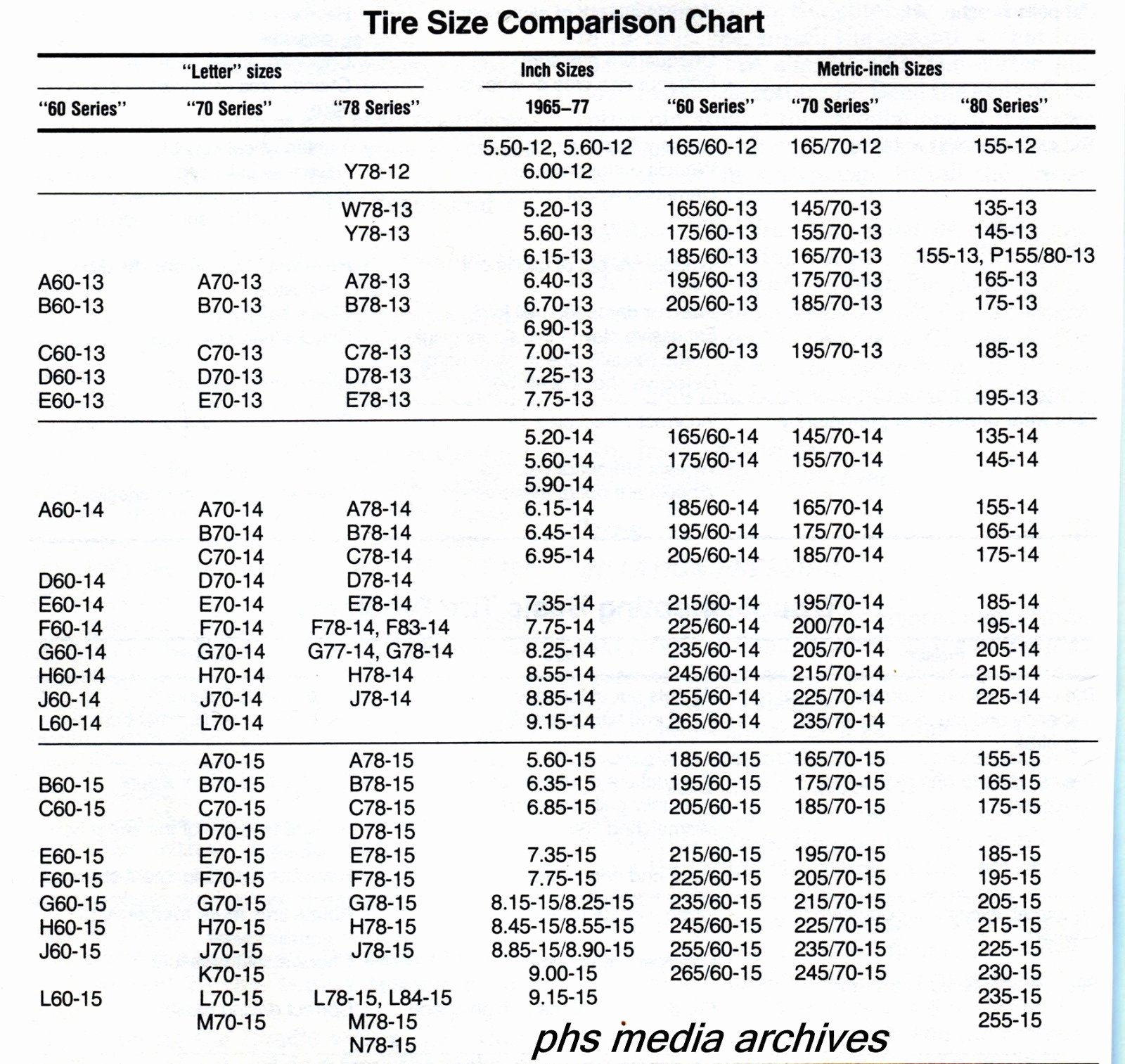
Finding the right tire size can be a straightforward process with the right tools. A tire size chart is an essential reference, offering a clear overview to help you make an informed decision. This chart, a simple yet powerful tool, provides a quick and reliable way to match your needs with the right tire specifications. From tire diameter charts to rim size guides, these resources offer a comprehensive view, ensuring you find the perfect fit for your vehicle.
Understanding Tire Size Charts: A Quick Overview
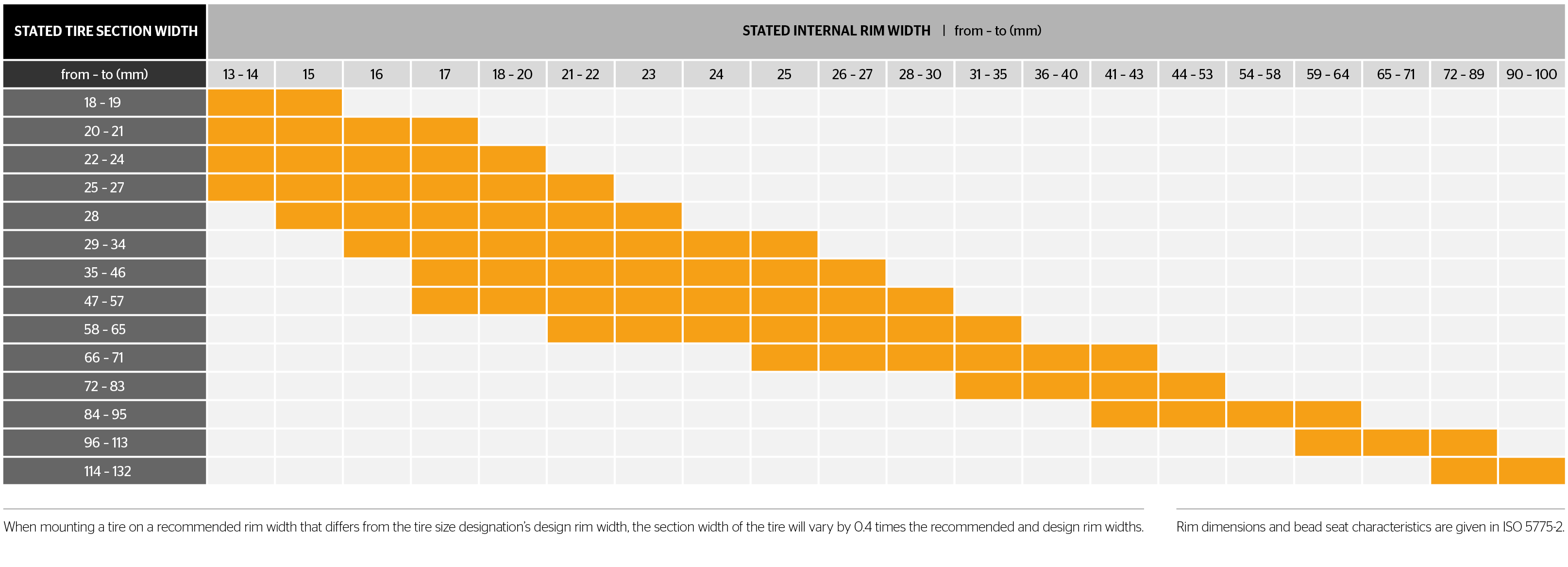
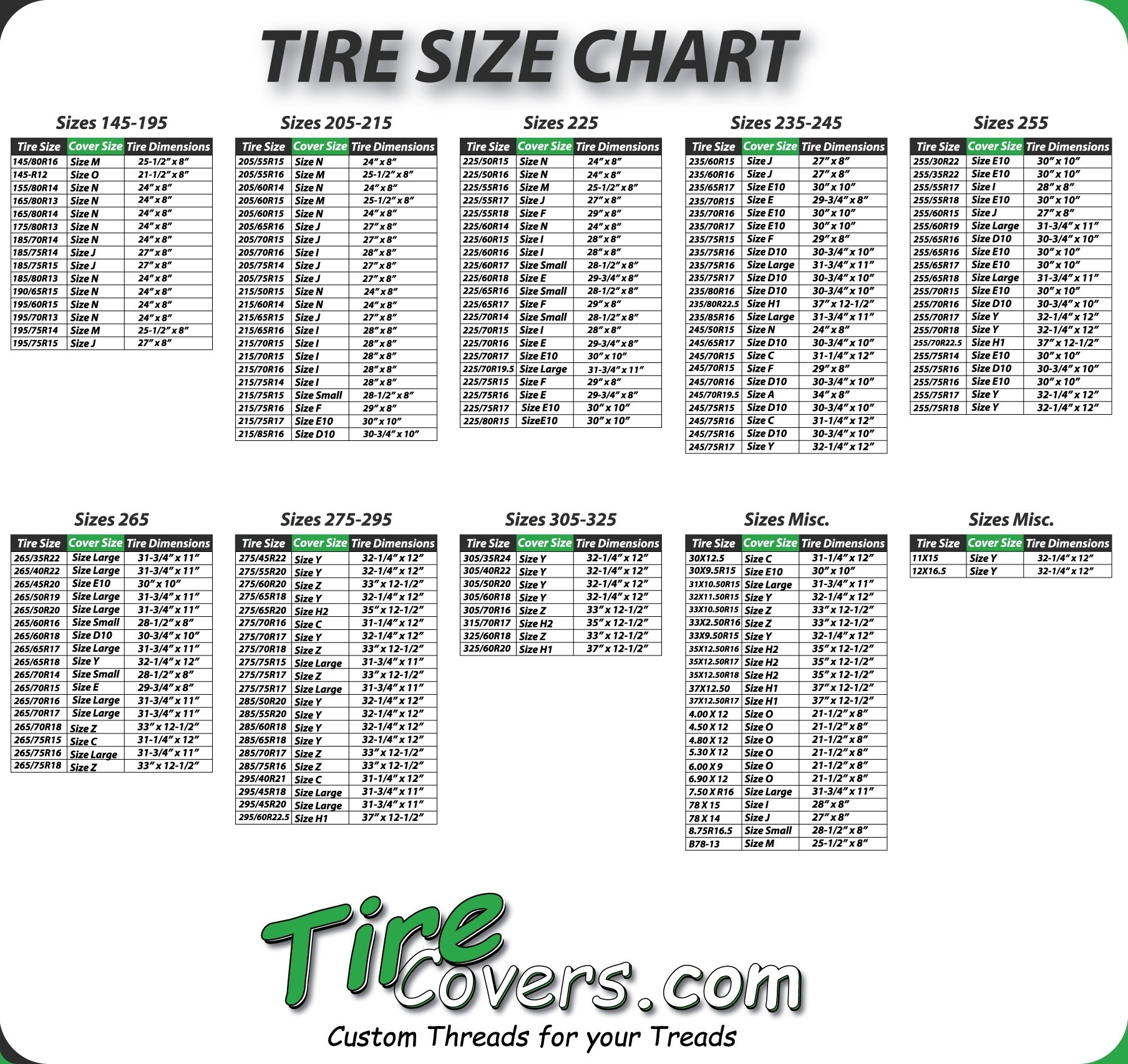
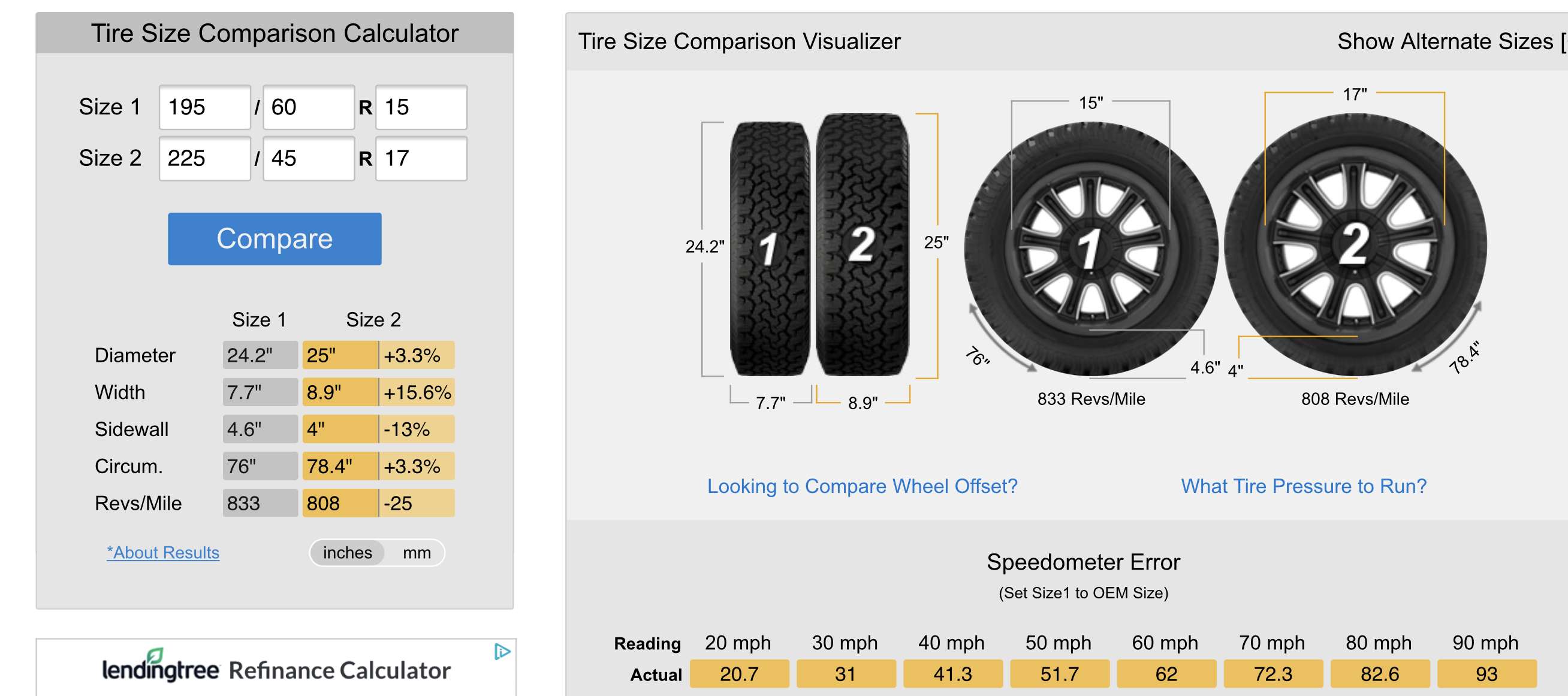
A tire size chart is an essential tool for anyone dealing with tires, offering a comprehensive guide to tire dimensions and specifications. It provides a clear, visual representation of various tire sizes, helping you make informed choices for your vehicle.
Comparing Tire Size Chart Standards and Formats
There are different standards and formats for tire size charts, primarily the metric tire size chart and the one based on imperial units. The metric system is widely used internationally, while the imperial system is more common in the US. These charts may also vary based on the tire manufacturer's specific guidelines.
Practical Guide to Reading Tire Size Charts
To use a tire size chart accurately, follow these steps:
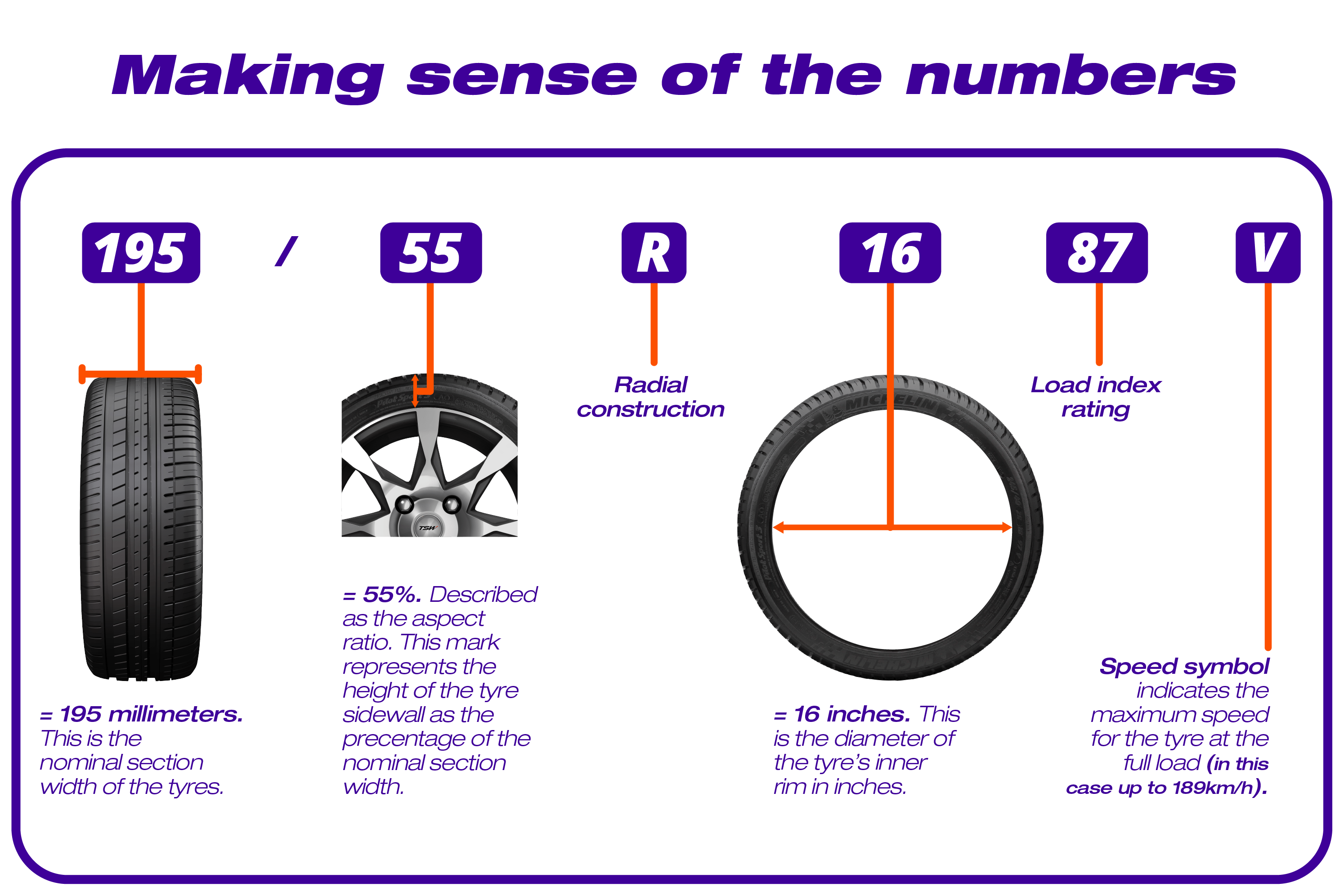
Identify the tire size code on your existing tire. This code typically starts with a letter (e.g., P for passenger vehicle) followed by numbers indicating the width in millimeters, aspect ratio, and rim diameter in inches.
Locate the corresponding size on the chart. Most charts are organized with tire width on one axis and aspect ratio on the other, with rim sizes indicated along the edges.
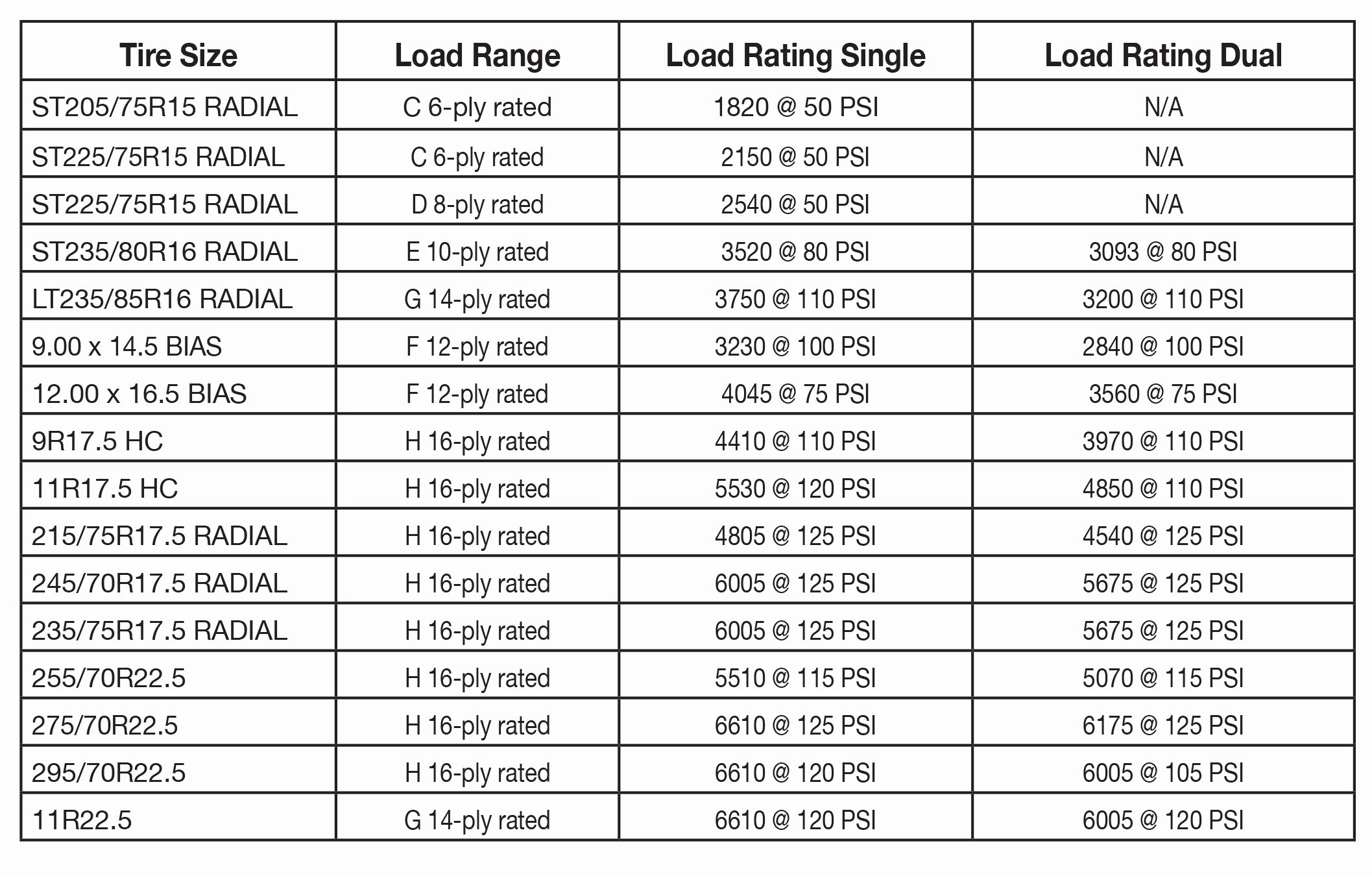
Cross-reference the size code with the chart to find the tire's diameter, load index, and other relevant specifications.
Ensure the tire size you choose is compatible with your vehicle's make and model, as well as the intended use (e.g., off-road vs. highway driving).
Common Misreadings and How to Avoid Them
Tire size charts can be misinterpreted if you confuse the tire width with the rim size. Always check the chart's labels to ensure you're reading the correct values.
Aspect ratio, which represents the tire's sidewall height, is often misunderstood. It's a percentage of the tire width, not an absolute value.
Load index, indicating the maximum weight a tire can carry, is another critical specification. Ensure you understand the load index range for your vehicle and choose tires within this range.
Remember, while tire size charts provide valuable guidance, they may not cover every possible variation. Always double-check exact specifications, especially when dealing with specialized tires or unique vehicle requirements.
While the chart provides a comprehensive guide, it's important to remember that tire sizing can have slight variations, so always double-check the specifics for your vehicle. These details might differ based on your region and the tire manufacturer's standards.
Feel free to explore our other guides for more practical tips and insights. We've got a range of topics covered, so you can find the information you need to make informed decisions. Happy reading!
Related: Unraveling the Infant Poop Chart Mystery
Many new parents are often surprised by the variety of infant poop and the fact that it can be a useful indicator of their baby's health. The infant poop chart is a simple yet effective tool to help you navigate this unfamiliar territory. It's not as scary as it sounds; this chart is a straightforward guide, offering a quick reference to understand your baby's stool consistency and what it might mean. While the exact values may vary slightly, the infant poop chart provides a reliable framework to ensure you're on the right track.
What is an Infant Poop Chart?
An infant poop chart is a simple yet informative tool for parents and caregivers to understand and track a baby's bowel movements. It provides a visual guide to help identify and categorize different types of poop, offering insights into a baby's digestive health and potential issues.
Key Details and Categories
The infant poop chart typically consists of a scale or a series of images representing various poop consistencies. These categories are often inspired by the Bristol Stool Scale, a widely recognized reference for stool types. The chart may use terms like "Meconium," which is the baby's first tar-like poop, and then progress through different stages, often with descriptive names like "Mustard Seeds" or "Soft Serve Ice Cream." Each category has a unique appearance and texture associated with it.
How to Read and Apply the Chart
Reading the infant poop chart is straightforward. Match the appearance and texture of your baby's poop to the closest representation on the chart. This process helps you identify the stage of your baby's digestive development. For instance, if the poop resembles smooth, soft peaks, it might fall under the "Soft Serve Ice Cream" category, indicating a healthy, well-digested meal.
Understanding Variations and Differences
Variations in poop consistency are normal and can be influenced by several factors. A baby's diet, including breast milk or formula composition, solid food introduction, and even hydration levels, can impact poop appearance. Additionally, individual digestive systems vary, and some babies may naturally have firmer or looser stools. Environmental factors like temperature and humidity can also play a role.
Common Mistakes and How to Avoid Them
One common mistake is overinterpreting the chart. Remember, it's a guide, not a rigid rule. Don't panic if your baby's poop doesn't perfectly match a category. Small variations are normal. Another pitfall is comparing your baby's poop to others. Every baby is unique, and their digestive systems develop at their own pace. Avoid unnecessary stress by focusing on your baby's individual progress.
Practical Tips for Accurate Results
To ensure accurate readings, pay attention to the context. Note any recent dietary changes, illnesses, or medications that might affect your baby's digestion. Keep a poop journal to track patterns and changes over time. This can help you identify any potential issues or simply observe your baby's natural progression.
Double-Checking and Handling Edge Cases
While the infant poop chart is a valuable tool, it's not exhaustive. If you notice any concerning changes, such as persistent diarrhea, blood in the stool, or a sudden shift in consistency, consult a healthcare professional. They can provide personalized advice based on your baby's specific situation. Always seek medical guidance if you're unsure or concerned about your baby's health.
Well, there you have it! An easy-to-use infant poop chart, a handy tool for any parent or caregiver. Understanding the ins and outs of baby poop is a crucial step in their overall health and development, so it's great to have a simple guide to refer to.
Remember, while this chart provides a general overview, exact values can vary, so always consider your specific context and consult with a healthcare professional if you have any concerns. It's always better to be safe than sorry! Bookmark this page for future reference, and you'll always have a quick and handy resource to turn to. Happy pooping!
Related: A Quick Guide to Ems Charts Login
Ems charts login is a handy tool for anyone in the medical field, offering a quick glance at essential emergency procedures. This guide will take you through the basics, ensuring you know how to access and interpret these charts effectively.
The charts provide a visual overview of emergency protocols, offering a simple and fast reference for medical responders. While the specific values and formats may vary depending on your region or organization, the ems charts login system ensures a standardized approach, making it a reliable and accessible resource.
Understanding EMS Charts Login
EMS charts login is a valuable tool for emergency medical services personnel, providing a quick reference guide to various emergency procedures and treatment protocols. This chart is designed to offer key information at a glance, aiding rapid decision-making during critical situations.
Key Details and Prerequisites
The EMS charts login typically includes a range of categories and symbols, each representing a specific action or response. These categories may cover areas such as patient assessment, vital signs, medication administration, and emergency equipment usage. The chart often uses standardized symbols and colors to ensure easy interpretation. For instance, a red cross might indicate a critical action, while a green symbol could represent a less urgent step.
Interpreting the Data: A Step-by-Step Guide
- Begin by identifying the primary issue or symptom for which you require guidance. This could be a medical condition, an injury, or an environmental factor affecting the patient.
- Locate the relevant section on the chart. EMS charts login are often organized by body systems or common emergency scenarios.
- Follow the flow of the chart, reading the instructions and taking note of any specific actions or medications required. Pay attention to any special symbols or notes that provide additional context.
- Ensure you understand the recommended course of action before proceeding. If in doubt, consult a more detailed reference or seek guidance from a senior medical professional.
- Act upon the instructions, ensuring you follow any specific timing or dosage requirements.
Variations and Differences
It's important to note that EMS charts login may vary depending on the specific standard or protocol being followed. Different regions and organizations may have slightly different approaches to emergency response, so it's crucial to be aware of any local variations. Additionally, the chart's design and content might evolve over time as medical knowledge and practices advance. Always refer to the most up-to-date version of the chart for accurate and reliable information. While EMS charts login provides a comprehensive overview, it is not a substitute for thorough training and medical expertise. It serves as a valuable tool to support decision-making, but individual judgment and clinical skills are essential in emergency situations.
So, there you have it! A simple and practical guide to navigating EMS charts. Remember, these charts are a handy tool, but it's always wise to double-check the specific details and standards relevant to your situation.
Consider bookmarking this page for future reference; it might just save you some time and effort the next time you need a quick refresh on EMS charts. Happy charting!