


Weekly Planner In Notion Overview
A chore weekly chart is a handy tool to keep your household tasks organized and ensure a smooth daily routine. This guide will show you how to make the most of your chart, offering a simple and effective way to manage chores.
The beauty of a chore chart is its adaptability; you can customize it to fit your family's needs. Whether you prefer a simple task list or a more visual weekly planner, the key is finding a format that works for you and helps keep everyone on track with their household duties.
What is a Chore Weekly Chart?
A chore weekly chart is a practical tool to help you organize and manage household tasks efficiently. It's a visual representation of your weekly chores, making it easier to stay on top of your responsibilities and ensure a clean and well-maintained home.
Understanding the Key Details
The chart typically consists of a grid with days of the week across the top and chore categories down the side. Each cell represents a specific chore for a particular day. Common categories include cleaning tasks like vacuuming, laundry, dishes, and grocery shopping. The chart provides a clear overview of what needs to be done and when.
Reading and Applying the Chart
Here's a step-by-step guide to using your chore weekly chart:
- Start by identifying the tasks you want to include. Consider daily, weekly, and monthly chores, as well as any specific tasks that need to be done regularly, like taking out the trash or changing bed linens.
- Assign tasks to each day of the week. Distribute the chores evenly to avoid an overwhelming workload on any single day.
- Use symbols or colors to indicate the status of each chore. For example, a checkmark can signify completion, while a red X might mean the task is overdue.
- Review and update your chart regularly. As you complete tasks, mark them off. If something comes up and a chore needs to be rescheduled, adjust the chart accordingly.
- Involve your family or housemates. If you're sharing the workload, ensure everyone understands their responsibilities and can refer to the chart for guidance.
Variations and Differences
While the basic concept of a chore weekly chart remains consistent, there can be variations based on personal preferences and household needs. Here are some factors that may cause differences:
- Household size: A larger family may require more complex chore rotations to ensure fairness.
- Individual preferences: Some people prefer a simple list format, while others like the visual appeal and organization of a chart.
- Task frequency: Certain chores may need to be done daily or monthly, influencing how you structure your chart.
Common Mistakes and How to Avoid Them
It's easy to make mistakes when creating a chore weekly chart, but these tips can help you avoid them:
- Overloading: Avoid assigning too many tasks to one day. Spread the workload evenly to prevent burnout.
- Forgetting regular tasks: Include all recurring chores, even if they seem obvious. It's easy to overlook something like taking out the recycling or wiping down kitchen counters.
- Not updating: Regularly review and update your chart to reflect changes in your routine or household needs.
Tips for Success
To make the most of your chore weekly chart and ensure it works effectively for your household, consider these best practices:
- Personalize your chart: Tailor it to your specific needs and preferences. Add notes or symbols that make sense to you and your family.
- Keep it visible: Display your chart in a central location, like the kitchen or family room, so everyone can refer to it easily.
- Review and adjust: Regularly assess how well your chart is working and make adjustments as needed. Flexibility is key to a successful chore management system.
- Involve everyone: Encourage participation and ownership of chores by involving all family members or housemates in creating and maintaining the chart.
A chore weekly chart is a great way to stay organized and ensure everyone pitches in. With the right approach, you can create a simple and effective system for your household. Remember, it's all about finding a balance and making it work for your unique situation.
When adapting any guide, it's important to consider your specific needs and context. While these charts offer a solid framework, they can be tailored to suit your family's routines and preferences. So, take the time to customize and make it your own! And don't forget to explore our other resources for even more practical tips and tricks.
Related: How to use an ASL alphabet chart?
You're here, searching for that handy ASL alphabet chart, probably needing a quick refresh or a reliable reference. It's a simple yet powerful tool, this chart, a visual guide to the American Sign Language alphabet, offering a clear way to learn and use fingerspelling. Whether you're a beginner or just need a quick reminder, these charts are a handy resource, and they can vary slightly depending on where you find them.
The ASL Alphabet Chart: A Visual Guide
The ASL alphabet chart is a handy tool for anyone learning American Sign Language or wanting to communicate with the deaf community. It's a simple yet powerful reference, showing you the manual alphabet—the foundation of ASL fingerspelling.
Key Details: Understanding the Chart
The ASL alphabet chart displays the 26 letters of the English alphabet, each represented by a unique handshape and movement. These handshapes, or hand signs, are the building blocks of ASL fingerspelling. The chart usually includes clear images or illustrations of each letter, making it easy to visualize and remember.
Reading and Using the Chart: Step-by-Step
Here's how to make the most of your ASL alphabet chart:
- Start with the basics: Begin by familiarizing yourself with the handshapes for each letter. Practice forming these shapes with your dominant hand.
- Pay attention to movement: In ASL fingerspelling, letters are not only about the handshape but also the movement. Some letters involve a quick flick or twist, so observe the direction and speed indicated on the chart.
- Practice regularly: Repetition is key. Use the chart to guide your practice, spelling out words and names. Over time, the movements will become more natural.
- Learn common variations: While the ASL alphabet chart provides a standard, there are some common variations. For example, the letter "S" is often signed with a slight twist, and the letter "Z" may have a more exaggerated movement.
- Apply in context: The chart is a great starting point, but ASL fingerspelling is best learned in real-life conversations. Practice with a friend or join a sign language class to improve your skills.
Common Variations and Why They Happen
While the ASL alphabet chart offers a standard, variations can occur due to regional differences and individual styles. Here are some factors that may cause variations:
- Regional dialects: Just like spoken languages, ASL can have regional variations. Different areas may have slightly different handshapes or movements for certain letters.
- Individual expression: ASL is a visual language, and like any language, personal style can influence how signs are formed. Some signers may add a unique twist to certain letters.
- Context and fluency: As you become more fluent in ASL, you'll notice that fingerspelling often becomes more efficient and natural. This may lead to slight variations in speed or movement.
Avoiding Common Mistakes
To ensure accurate communication, here are some tips to avoid common mistakes when using the ASL alphabet chart:
- Don't rush: Take your time when learning and practicing. ASL fingerspelling is about clarity, so ensure your movements are precise and distinct.
- Practice consistency: Consistency is key. Try to maintain the same handshape and movement for each letter, even if you see variations in other signers.
- Seek feedback: If possible, practice with a fluent ASL user or a teacher. They can provide valuable feedback on your technique and help you refine your skills.
- Stay updated: ASL is an evolving language, so stay informed about any updates or changes to the manual alphabet. Regularly review your ASL alphabet chart to ensure you're using the most current version.
Hey there, I hope this guide has been a helpful reference for you! Remember, the ASL alphabet chart is a handy tool, and while the basics are the same, you might find slight variations in different contexts.
Don't stress over the small differences; just focus on the overall signs and their meanings. If you need a quick refresh on any language-related topics, feel free to explore our other guides too!
Related: How to use a kitten age chart?
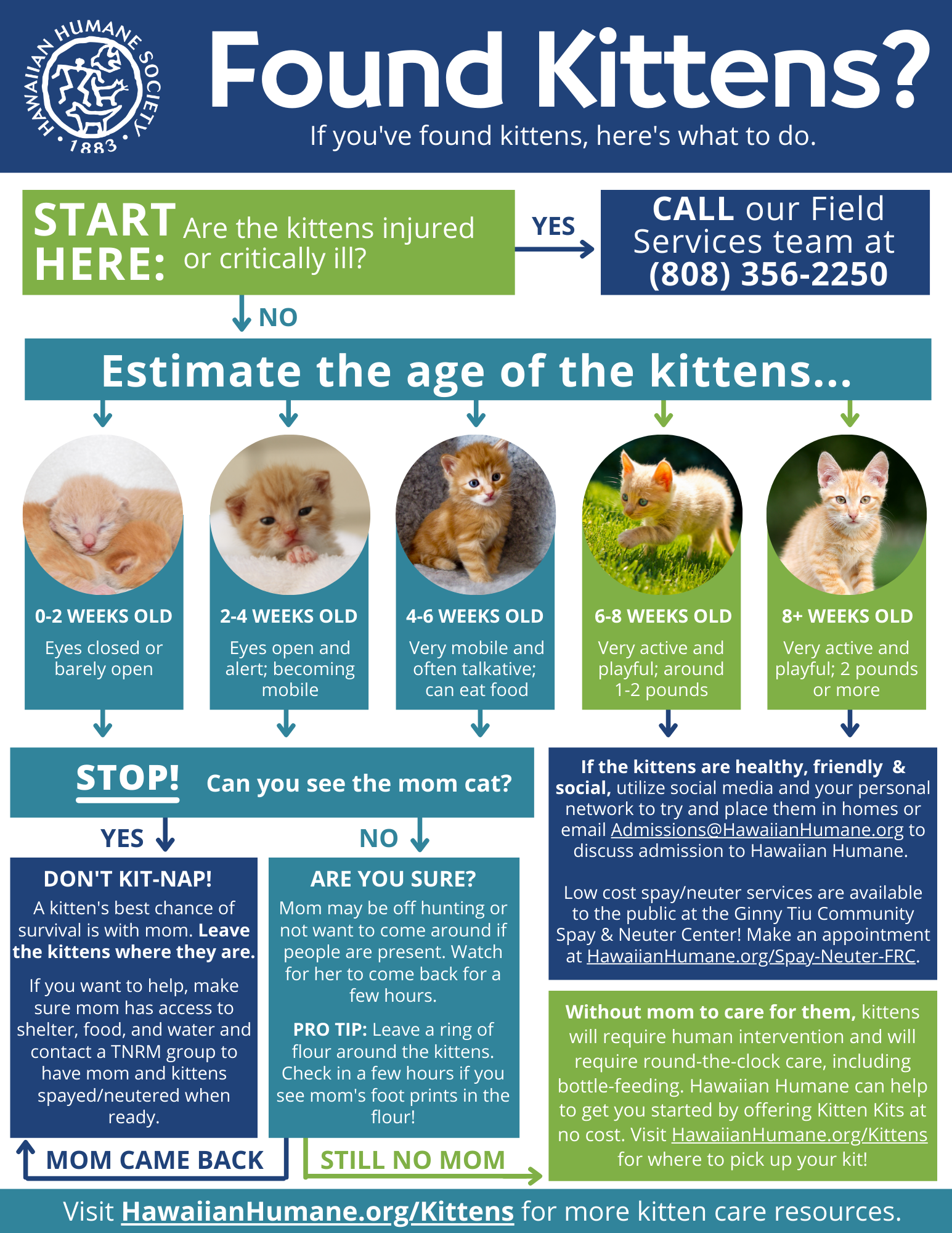
A kitten age chart is a handy tool for any cat lover or owner, offering a quick glimpse into a kitten's growth and development. This guide will cover the essentials, providing you with the knowledge to interpret and utilize a kitten age chart effectively.
From weeks to months, these charts outline standard milestones and common development stages, giving you an overview of your kitten's progress. While values may vary slightly depending on factors like breed and region, the charts offer a reliable reference point for cat enthusiasts and owners alike.
Understanding the Kitten Age Chart
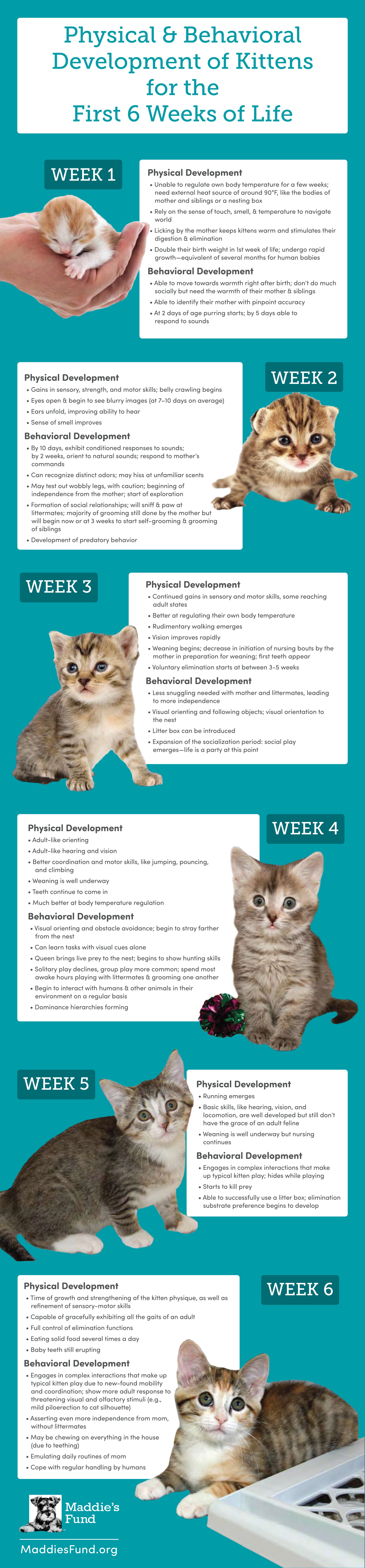
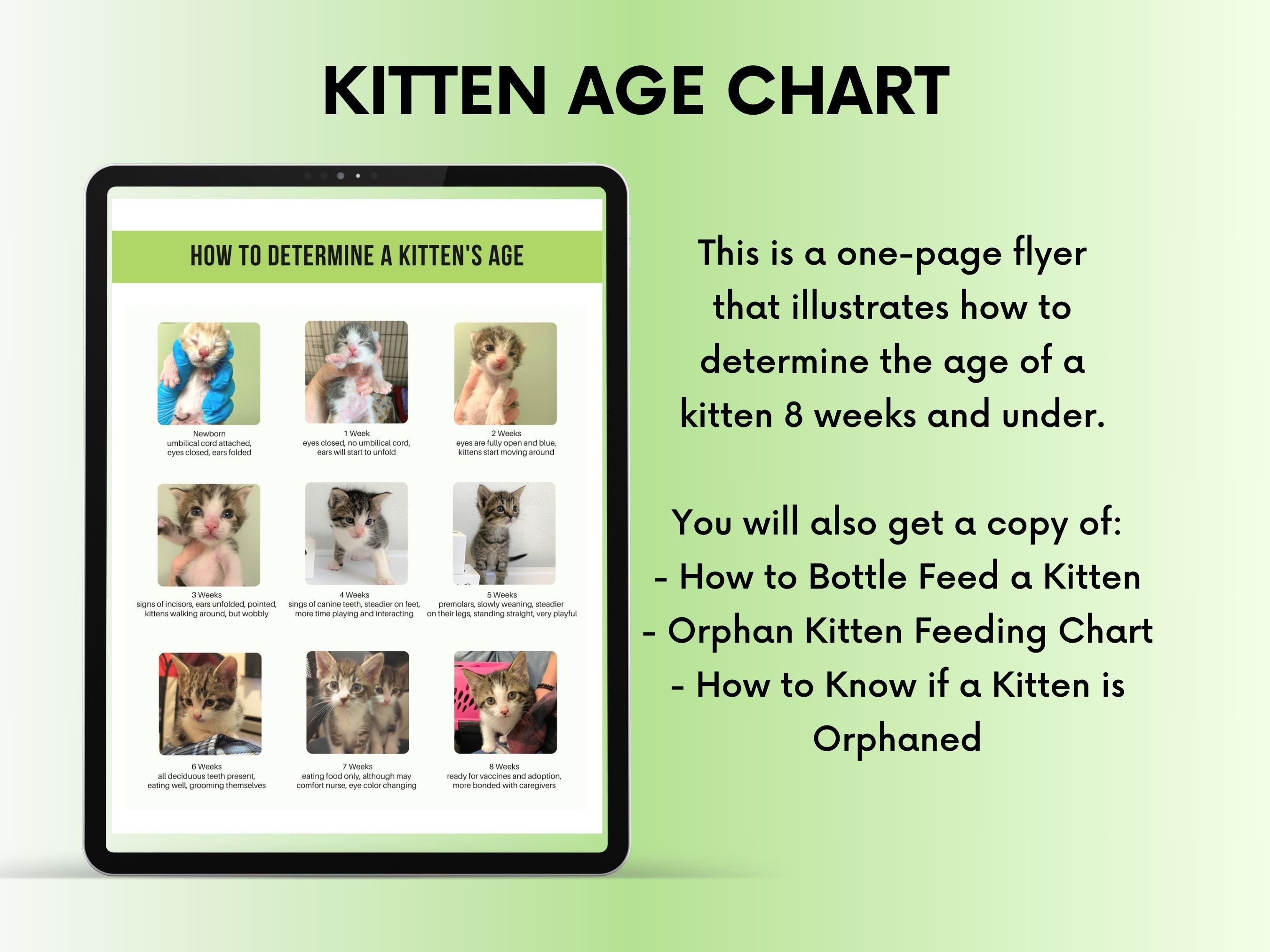
The kitten age chart is a valuable tool for cat owners and enthusiasts, offering a visual representation of a kitten's growth and development over time. This chart provides a practical guide to understanding a kitten's age and the associated milestones.
Key Details and Categories
The kitten age chart typically presents age in weeks or months, with corresponding physical and behavioral changes. It covers a kitten's journey from birth to adulthood, usually up to one year. The chart may vary slightly depending on the standard used, but it generally follows a consistent format.
Reading and Applying the Chart
To use the kitten age chart accurately, follow these steps:
- Identify the age of your kitten in weeks or months.
- Locate the corresponding age range on the chart.
- Review the physical and behavioral characteristics listed for that age range.
- Compare these characteristics to your kitten's development.
- Note any significant variations or delays, which may indicate the need for veterinary attention.
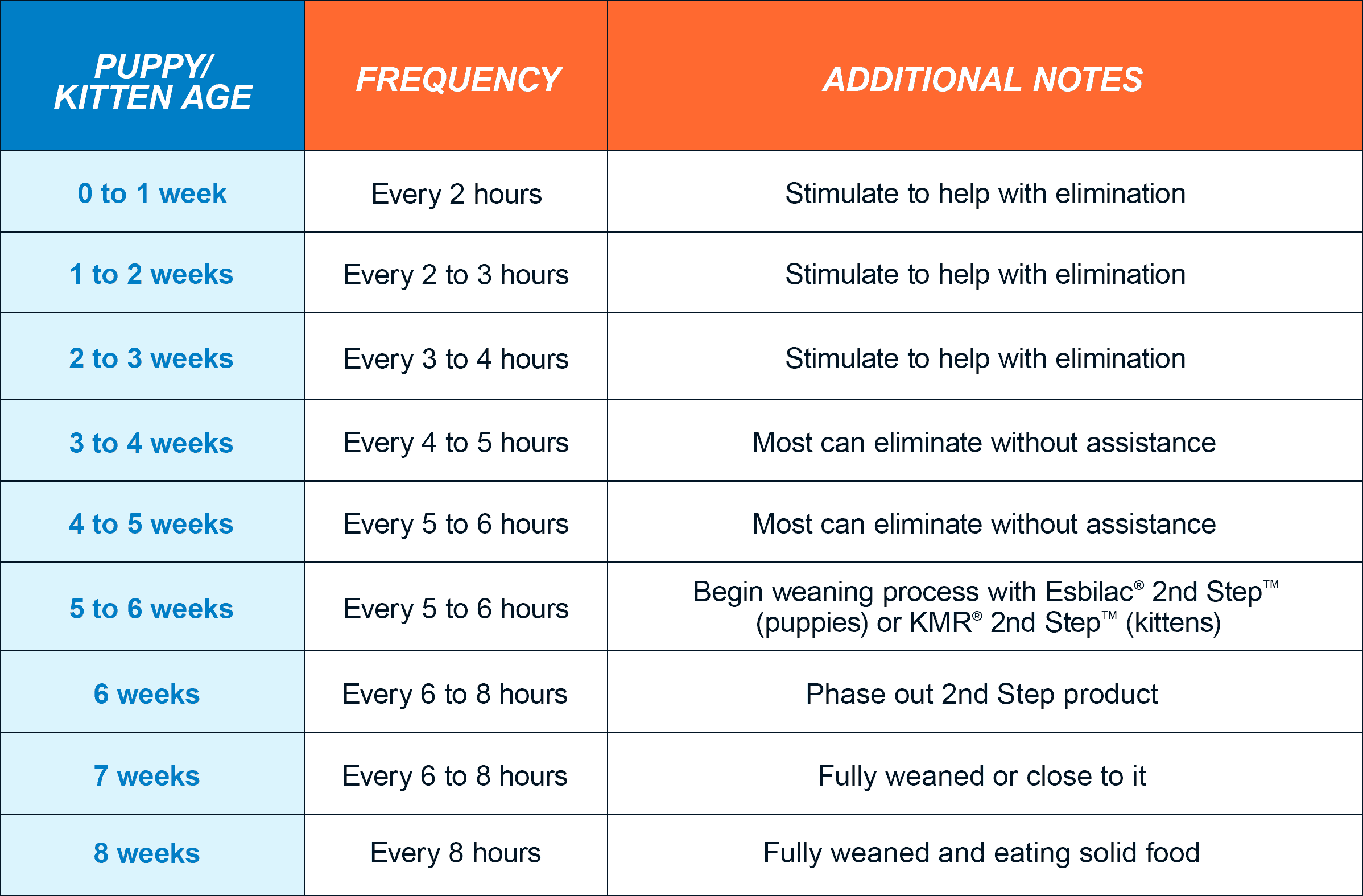
For instance, a four-week-old kitten should be gaining weight steadily, with eyes and ears opening, and initial attempts at walking. By eight weeks, kittens should be fully weaned and showing more independence.
Variations in Growth
It's important to note that every kitten is unique, and growth rates can vary. Factors such as breed, nutrition, environment, and overall health can influence a kitten's development. Here are some key variations to consider:
- Breed: Different cat breeds have distinct growth patterns. For example, larger breeds may take longer to reach maturity.
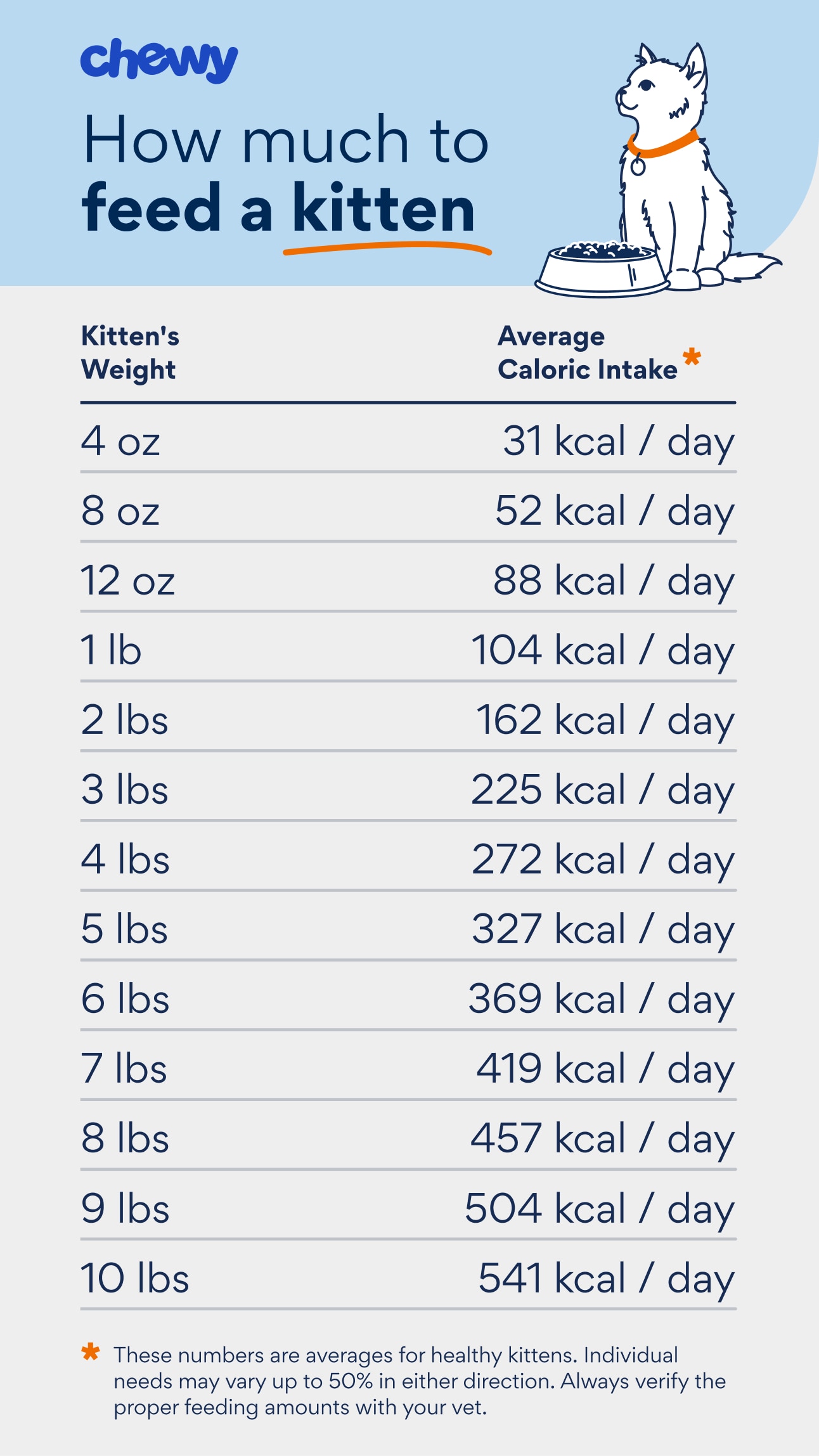
- Nutrition: A well-balanced diet is crucial for healthy growth. Malnutrition can lead to stunted development.
- Environment: A stimulating and safe environment promotes healthy growth. Stress or lack of stimulation can impact a kitten's development.
- Health: Underlying health issues can affect growth. Regular veterinary check-ups are essential to identify and address any concerns.
Remember, the kitten age chart provides a general guide, and individual kittens may develop at their own pace. If you have concerns about your kitten's growth, consult a veterinarian for personalized advice.
Remember that while this chart provides a great starting point, the exact details may differ slightly based on your kitten's unique development and the specific guidelines you follow. Every kitten is an individual, so keep an eye on their progress and adjust your expectations accordingly.
Feel free to explore our other guides for more practical tips and insights into the wonderful world of kitten care. You'll find a wealth of information to support you and your furry friend through every stage of their growth and development.