




Weld Symbol Chart 2026 Overview
A bike length chart is often misunderstood as a complex and confusing tool, but it's actually a simple and handy reference for any cyclist. Many riders assume it's an exact science, but the truth is, these charts are versatile and offer a range of options.
While it's a great starting point, the measurements can vary depending on your riding style and preferences. The chart provides a guide, but you can adjust and personalize your bike setup with a few simple checks, like seat height and reach.
Understanding the Bike Length Chart
The bike length chart is a handy tool for cyclists, offering a simple guide to choosing the right bike size. It's a reference point, helping you find the ideal fit for your height and riding style. This chart is a great starting point, but it's important to remember that it's not an exact science; there are other factors to consider too.
Comparing Bike Size Options
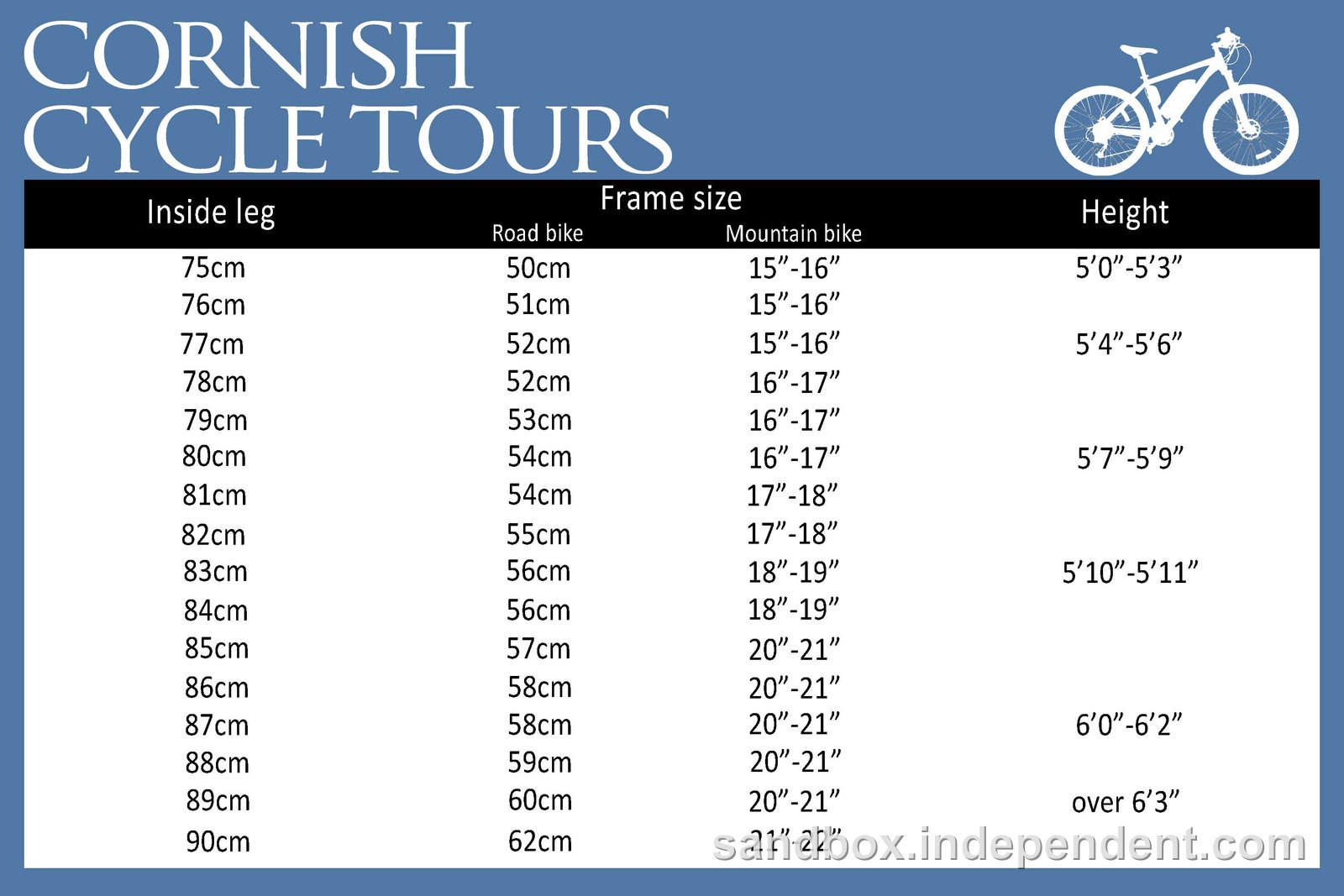
Bike size charts typically list bike frame sizes, often in inches or centimeters, and match them to rider height. You'll find charts for different bike types, like road, mountain, or hybrid bikes, each with its own size standards. These charts may also include other measurements like wheel diameter and seat height, offering a more comprehensive guide.
Choosing the Right Size: A Step-by-Step Guide
Start by identifying your primary use for the bike. Different riding styles require different fits. For example, a road bike might need a more aggressive position, while a leisure rider might prefer a more upright, comfortable position.
Check your height and compare it to the chart. Most charts will have a range of heights for each frame size, so find the one that best fits your height.
Consider your comfort and riding style. If you're between sizes, choose the larger frame for a more relaxed position, or the smaller for a more aggressive, performance-oriented fit.
Don't forget about other measurements. Check the wheel diameter and seat height to ensure they align with your preferences and riding needs.
Common Misreadings and How to Avoid Them
It's easy to misinterpret a bike length chart. One common mistake is assuming the chart is an exact science. While it's a great guide, it's not a guarantee of a perfect fit. Another pitfall is forgetting to consider other measurements, like reach and standover height, which can impact comfort and safety.
Factors Affecting Accuracy
Several factors can influence the accuracy of your bike size choice. These include your riding style, personal preferences, and the specific brand and model of the bike. It's always a good idea to double-check the exact specifications and tolerances of the bike you're interested in. Some brands may have slightly different standards, so it's worth checking their size guides too.
Well, there you have it! A handy bike length chart is a great tool to have in your cycling toolkit. It offers a quick and easy reference, but remember, it's always good to double-check the specific details for your bike's make and model.
Exact values can vary slightly, so it's best to confirm with your bike's manufacturer or a trusted bike shop. This chart is a brilliant starting point, but your bike's unique features might require a little extra attention. So, keep this page bookmarked for future reference, and you'll always have a quick and handy guide to refer to when needed!
Related: Read the Swing Speed Chart: A Simple Guide
A swing speed chart is a handy tool for golfers and sports enthusiasts, offering a quick glimpse into the world of swing analysis. This guide will walk you through the basics, ensuring you can interpret these charts like a pro.
It's a simple yet effective way to understand swing dynamics, providing insights into club head speed and other key metrics. Whether you're a golfer looking to improve your game or a coach seeking accurate references, these charts can be tailored to various standards and regions.
What is a Swing Speed Chart?
A swing speed chart is a valuable tool for golfers and sports enthusiasts, offering a visual representation of club head speed during a swing. It provides insights into your swing dynamics, helping you understand your performance and potential areas for improvement.
Key Details and Categories
The chart typically displays club head speed in miles per hour (mph) or meters per second (m/s). It categorizes speeds into ranges, often with color-coded sections for easy interpretation. Common categories include slow, moderate, and fast swing speeds. The specific ranges may vary depending on the standard or manufacturer's guidelines, so it's essential to refer to the correct chart for your region or equipment.
How to Read and Apply the Swing Speed Chart
- Identify your club head speed: Use a swing speed calculator or a radar device to measure your swing speed accurately. This value will be your reference point.
- Locate your speed on the chart: Find the range that corresponds to your measured speed. Most charts will have a clear scale or legend to help you identify the right category.
- Interpret the results: The chart will provide insights into your swing's characteristics. For instance, a slow swing speed might indicate a need for more power, while a fast speed could suggest a focus on control and accuracy.
- Adjust your swing: Based on the chart's insights, you can make informed decisions about your swing technique. Consider practicing with different clubs or adjusting your swing dynamics to achieve your desired speed and performance.
Understanding Variations and Differences
Swing speed charts may vary based on the sport or activity. For example, a golf club speed chart will have different ranges and categories compared to a chart for tennis or baseball. Additionally, personal factors like age, gender, and physical attributes can influence swing speeds, leading to variations across individuals. It's essential to use charts specific to your sport and consider your unique characteristics when interpreting the results.
Common Mistakes and How to Avoid Them
- Using the wrong chart: Ensure you select a chart that aligns with your sport and the specific equipment you're using. Misinterpreting charts can lead to incorrect swing adjustments.
- Relying solely on the chart: While the swing speed chart is a valuable tool, it's just one piece of the puzzle. Consider other factors like technique, form, and practice habits to get a comprehensive understanding of your swing.
- Ignoring personal factors: Your age, fitness level, and individual goals can impact your swing speed. Tailor your interpretations and adjustments to your unique circumstances.
- Overlooking conversions: If your chart uses a different unit of measurement than your device, ensure you convert your swing speed accurately. Mistakes in conversion can lead to incorrect interpretations.
Well, there you have it! A swing speed chart is a handy tool to have in your golf bag, offering a quick reference to keep your game on track. Remember, these charts provide a general guide, so it's always wise to check the specific standards and sources relevant to your game.
Don't forget to explore our other golf guides and resources. We've got plenty of tips and tricks to help you improve your swing and overall performance. Happy golfing!
Related: How to read a nail size chart?
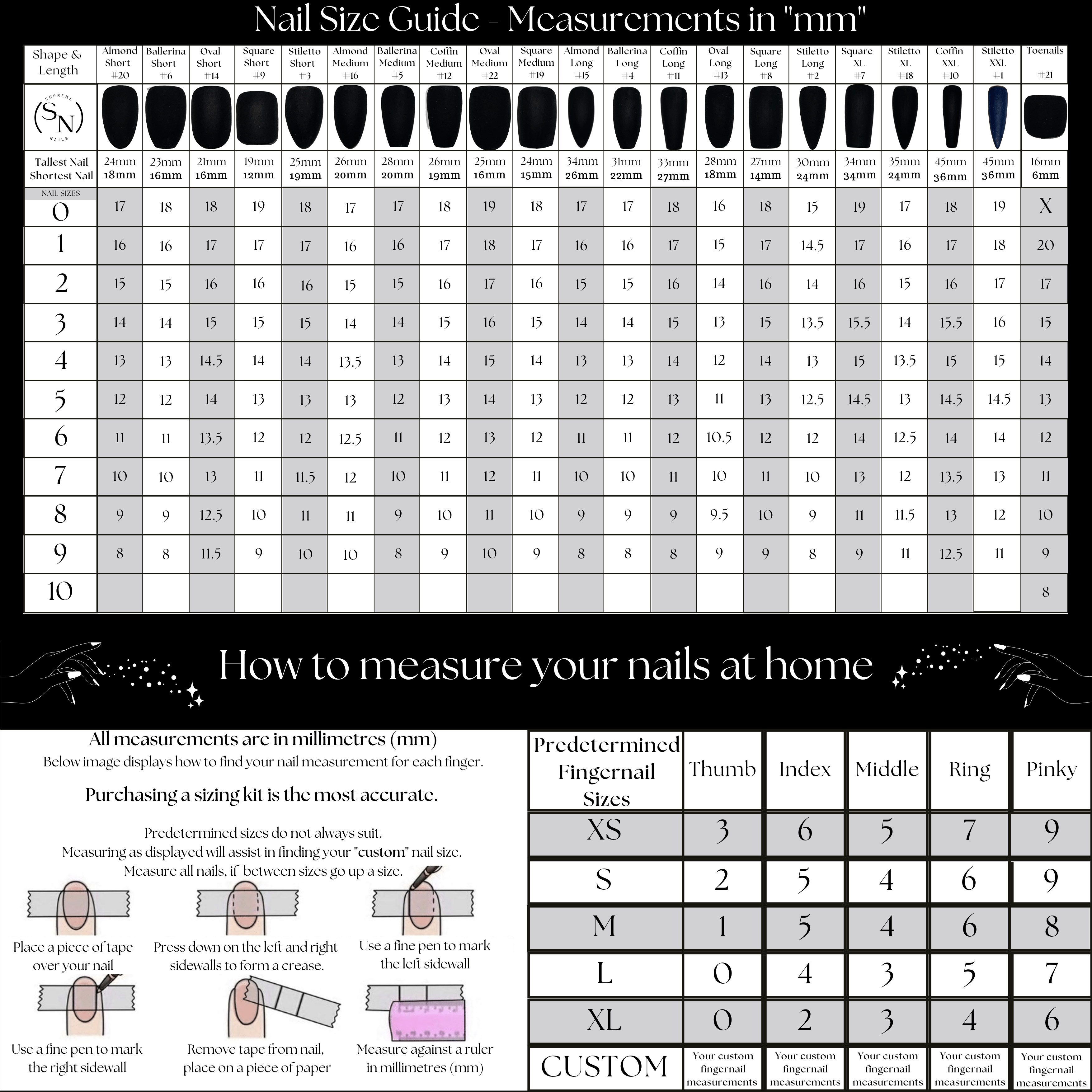
Many people approach the nail size chart with confusion, assuming it's a complex tool reserved for professionals. In reality, this chart is a simple and essential guide, offering a clear reference for anyone working with nails, be it for construction or crafting. It provides a straightforward way to understand nail dimensions, with values that can vary depending on your region and the specific standards you follow.
Understanding the Chart: A Practical Guide
The nail size chart is a valuable tool for anyone working with nails, offering a quick reference guide to standard nail lengths and diameters. It provides a visual representation of common nail types, helping you choose the right nail for your project. This chart is an essential resource for ensuring accuracy and efficiency in your work.
Comparing Standards and Formats
Nail size charts can vary depending on the standard being followed. The most common standards are the imperial and metric systems, which use different units of measurement. Imperial charts typically display nail sizes in inches or fractions of an inch, while metric charts use millimeters. It's crucial to select the appropriate chart based on your region and project requirements.
Step-by-Step Guide to Using the Chart
To utilize the nail size chart effectively, follow these simple steps:
- Identify the nail type you need. Different nails are designed for specific purposes, such as framing, finishing, or roofing.
- Locate the relevant section on the chart. Nail types are often categorized based on their intended use.
- Determine the desired length and diameter. The chart provides a range of options, allowing you to choose the most suitable nail size.
- Select the appropriate gauge or diameter. Nail gauges are numbered, with lower numbers indicating larger diameters.
- Cross-reference the length and gauge to find the perfect match. The chart will provide a clear indication of the nail's size and its corresponding code or description.
Avoiding Misreadings and Pitfalls
While the nail size chart is straightforward, there are a few potential pitfalls to avoid:
- Ensure you are using the correct standard. Imperial and metric charts are not interchangeable, so double-check your region's standard.
- Pay attention to the gauge numbers. Lower gauge numbers mean larger diameters, so don't mistake them for smaller sizes.
- Be aware of tolerances. Nail sizes may have slight variations, so always refer to the specific manufacturer's specifications for precise measurements.
Factors Affecting Accuracy
Several factors can influence the accuracy of your nail size selection:
- Material: Different materials, such as wood or metal, may require specific nail sizes.
- Project requirements: Consider the strength and holding power needed for your project.
- Head style: Nail heads come in various shapes, and the right head style can impact the overall nail size.
- Coating and treatment: Nails with coatings or treatments, like galvanization, may have slightly different dimensions.
Adapting the Chart for Specific Needs
While the nail size chart provides a comprehensive guide, there may be instances where you need to adapt it for your unique requirements. In such cases:
- Consult manufacturer-specific charts or guidelines. Some manufacturers offer detailed charts for their nail products, ensuring precise sizing.
- Consider custom-sized nails. If your project demands non-standard nail sizes, you can explore custom options with specialized manufacturers.
- Seek expert advice. For complex projects or specific industry needs, consulting with professionals can ensure you select the right nail sizes.
Remember, while these charts provide a helpful reference, the exact details can vary slightly, so it's always good to double-check the specific standards or sources you're working with. We've got plenty more guides to explore, so feel free to browse around and find the perfect resource for your next project. Happy nailing!