


What Are Crayons Made Of Overview
Many folks assume that a square roots chart is only for advanced math whizzes, but it's actually a super useful tool for all kinds of calculations and quick references. While it might look a bit intimidating at first, with its rows and columns of numbers, it's a simple and efficient way to find square roots without the need for complex calculations. Think of it as a handy cheat sheet! The square roots chart is your go-to resource, offering an easy-to-read format that can vary depending on your needs and preferences.
Understanding the Square Roots Chart
The square roots chart is a handy reference tool that simplifies the process of finding the square root of a number. It's like having a quick guide to uncover the values hidden beneath the radical sign. This chart is a visual representation, often in table form, that displays the square roots of various numbers, making it easier to grasp and apply this mathematical concept.
Key Details and Categories
Before diving into the chart, let's clarify some basics. The square root of a number is the value that, when multiplied by itself, gives you the original number. For example, the square root of 9 is 3, because 3 x 3 = 9. The square roots chart typically covers a range of numbers, usually starting from 0 and going up to a certain limit, depending on the chart's scope. It's important to note that the chart usually focuses on positive square roots, as negative numbers have two square roots, and the chart aims to provide a concise reference.
Reading Square Roots: A Step-by-Step Guide
Using the square roots chart is straightforward. Here's a simple guide:
- Identify the number for which you need to find the square root. Let's say you want to find the square root of 16.
- Locate the number on the chart. Square root charts are often organized with numbers increasing from left to right and top to bottom.
- Read the corresponding value in the chart. For our example, you'll find that the square root of 16 is 4.
- Verify the result by squaring the value you found. In this case, 4 x 4 = 16, confirming that the chart provided the correct square root.
Variations and Differences
While the square roots chart is a valuable tool, it's essential to understand that variations exist. Different charts may have slight differences in formatting, especially when considering international standards or specific mathematical contexts. For instance, some charts might include negative numbers or provide additional information like decimal approximations. It's always a good practice to refer to the specific chart's guidelines and ensure you're using the right one for your needs. Additionally, for precise calculations, especially in advanced mathematics or engineering, a square root calculator might be more suitable, offering a higher level of accuracy and flexibility.
So, there you have it! A square roots chart is a handy tool, offering a quick reference for those tricky square roots. Remember, it's always a good idea to check the specific guidelines or standards relevant to your context, as exact values may differ slightly.
Feel free to explore more of our practical guides and resources. We've got a whole collection of tips and tricks to make your work easier and more efficient. Happy learning and stay curious!
Related: Chart Square Roots: A Simple Reference Guide
Many individuals may mistakenly believe that chart square roots are solely for advanced mathematical pursuits. However, this couldn't be further from the truth! These charts are incredibly accessible tools, offering a simple and visual way to understand and calculate square roots. A chart square root provides an organized layout, allowing users to quickly reference and identify the square root values they need.
A Quick Overview
The chart square roots is a valuable tool for quickly finding the square root of a given number. It is a reference guide, often presented as a table, that displays a range of numbers and their corresponding square roots. This chart is an efficient way to estimate and calculate square roots without the need for complex calculations.
Comparing Formats and Standards
Square root charts can vary in their presentation and format. While the core concept remains the same, you might encounter different layouts and styles. Some charts are designed for specific number ranges, while others cover a broader spectrum. It's essential to choose a chart that aligns with your needs and the standards you are working with. Common variations include charts with decimal places or those tailored for scientific or engineering applications.
Step-by-Step Guide to Using the Chart
Using a chart square root is straightforward. Here's a simple guide:
- Identify the number for which you need to find the square root. Let's say you want to find the square root of 16.
- Locate the number on the chart. In this case, you'll find 16 in the number column.
- Read across the row to find the corresponding square root value. For 16, the square root is 4.
- If your number is not an exact match, you can estimate the square root by interpolation. For instance, if you need the square root of 16.5, you can estimate it as a value between the square roots of 16 and 25.
Avoiding Common Misreadings and Pitfalls
While the chart square roots is a user-friendly tool, there are a few common mistakes to avoid. Firstly, ensure you are using the correct chart for your number range. Using a chart designed for larger numbers might not provide accurate results for smaller values. Additionally, be cautious when reading decimal places. Some charts may display rounded values, so it's essential to check the chart's precision.
Factors Affecting Accuracy and Real-World Use
The accuracy of a square root chart depends on various factors. The chart's precision, the number range it covers, and the specific application all play a role. For critical calculations, it's advisable to double-check results using a square root calculator or the square root formula. While charts provide quick estimates, they might not account for all real-world variations and tolerances.
Choosing the Right Format for Your Needs
When selecting a chart square root, consider your specific requirements. If you often work with large numbers, a chart designed for extensive ranges might be more practical. For educational purposes or basic calculations, simpler charts with a limited number range can be sufficient. Additionally, think about the units you need. Some charts display results in different units, so choose one that aligns with your measurement system.
Well, there you have it! A comprehensive guide to chart square roots, covering all the bases. We've explored the different formats, walked through the process, and even addressed some common pitfalls.
Remember, when it comes to accuracy, your specific context matters. Double-check the standards and sources relevant to your needs, as exact values may differ slightly. It's always good to be precise! Feel free to explore our other guides; we've got plenty of resources to keep you informed and inspired. Happy learning!
Related: What is a Flange Bolt Chart?
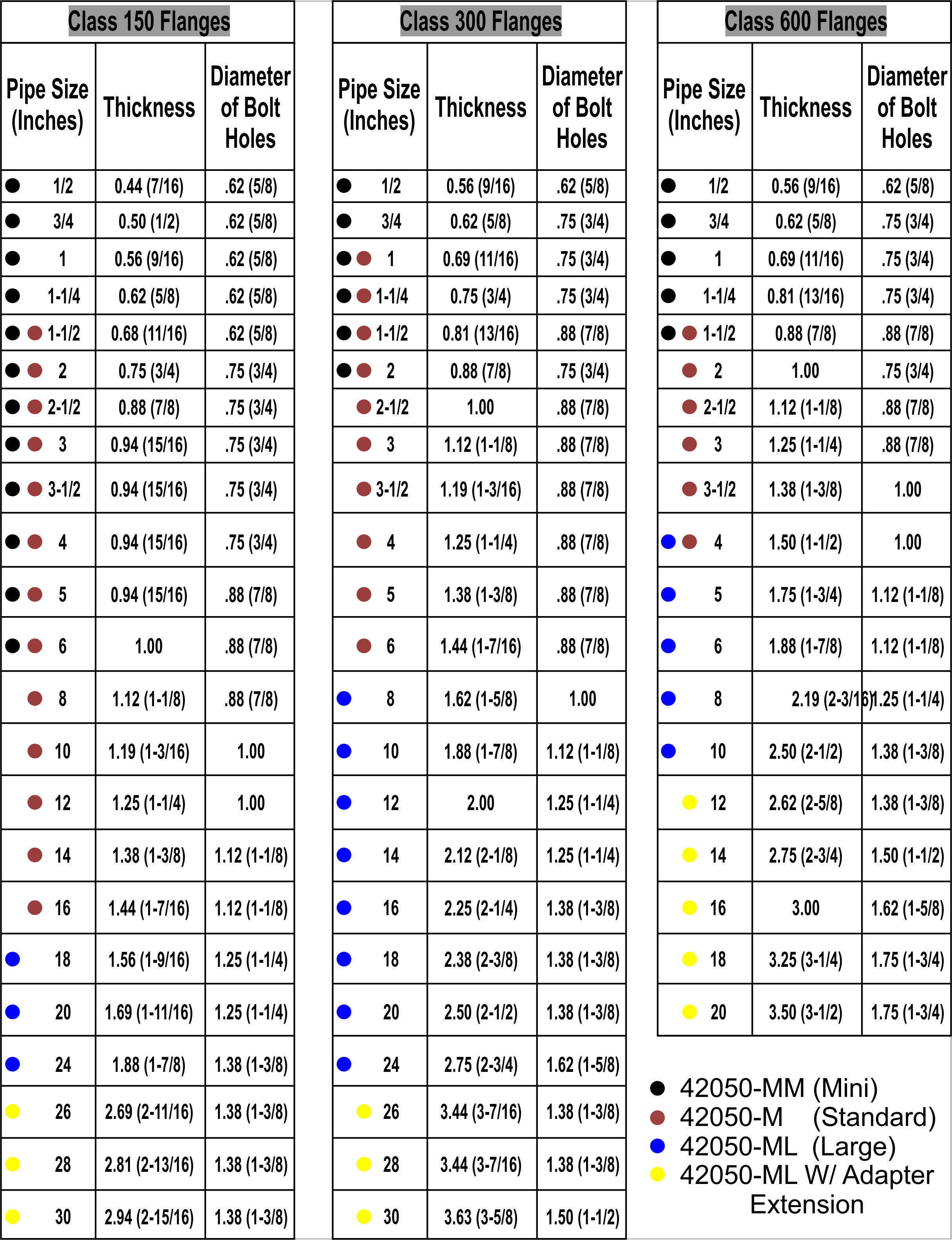
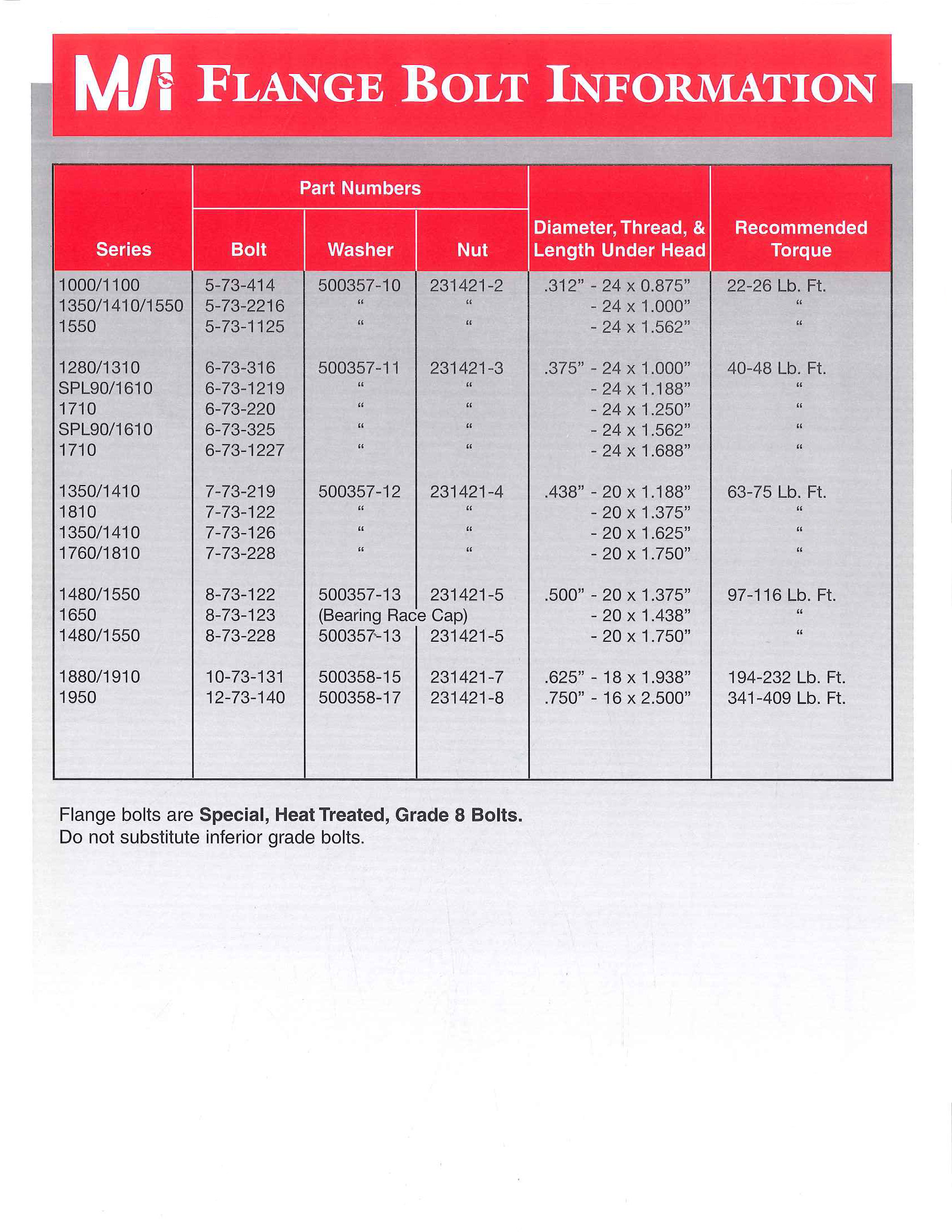
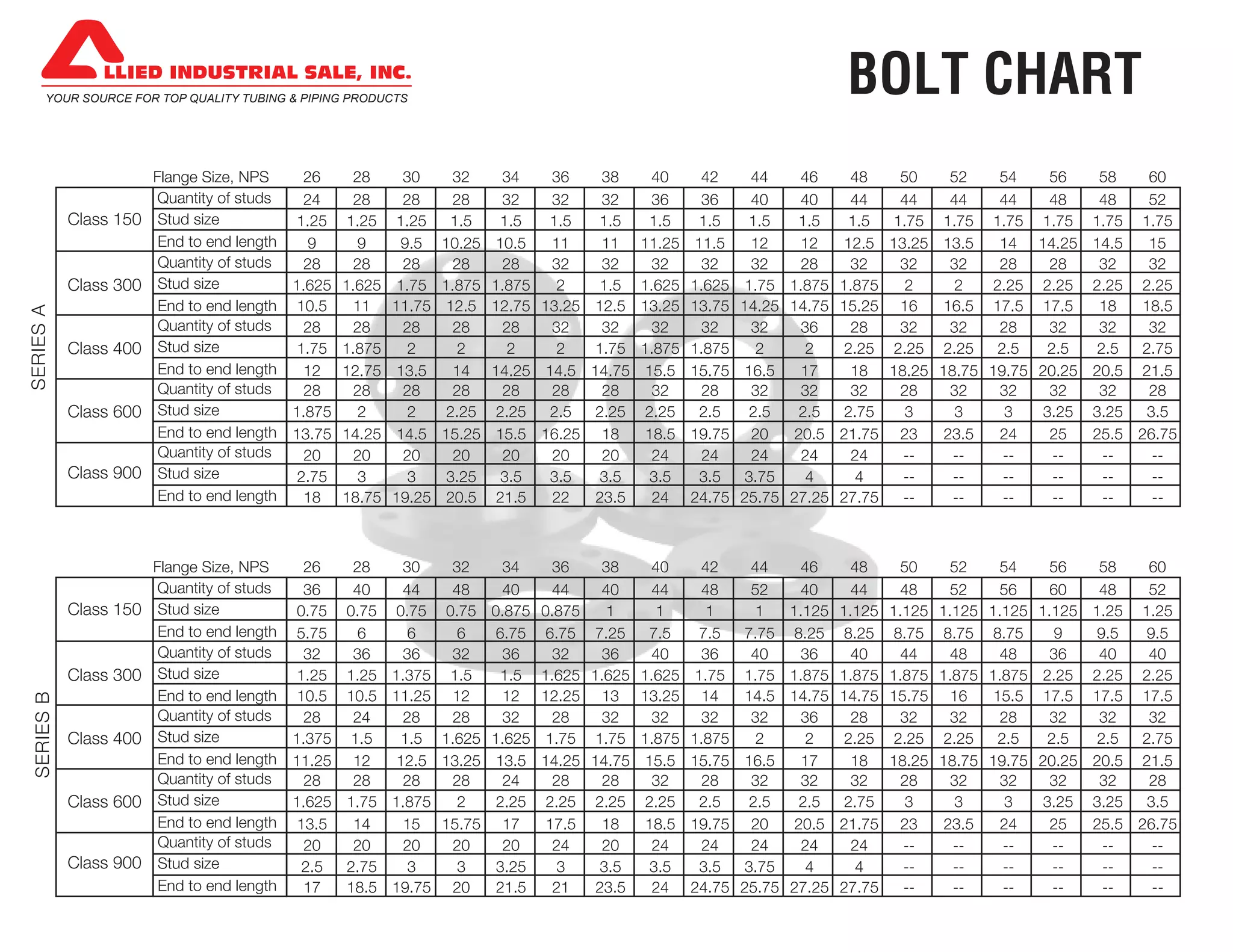
A common pitfall when working with flange bolt charts is assuming they are universal and consistent across industries. In reality, these charts can vary based on factors like standards, regions, and specific applications. It's essential to understand that a flange bolt chart is a tailored tool, providing precise information for a particular context.
These charts offer a quick reference for flange bolt dimensions, including sizes, strengths, and markings. While the format may differ, the purpose remains the same: to ensure accurate selection and application of flange bolts, a critical component in many industries.
Understanding the Flange Bolt Chart
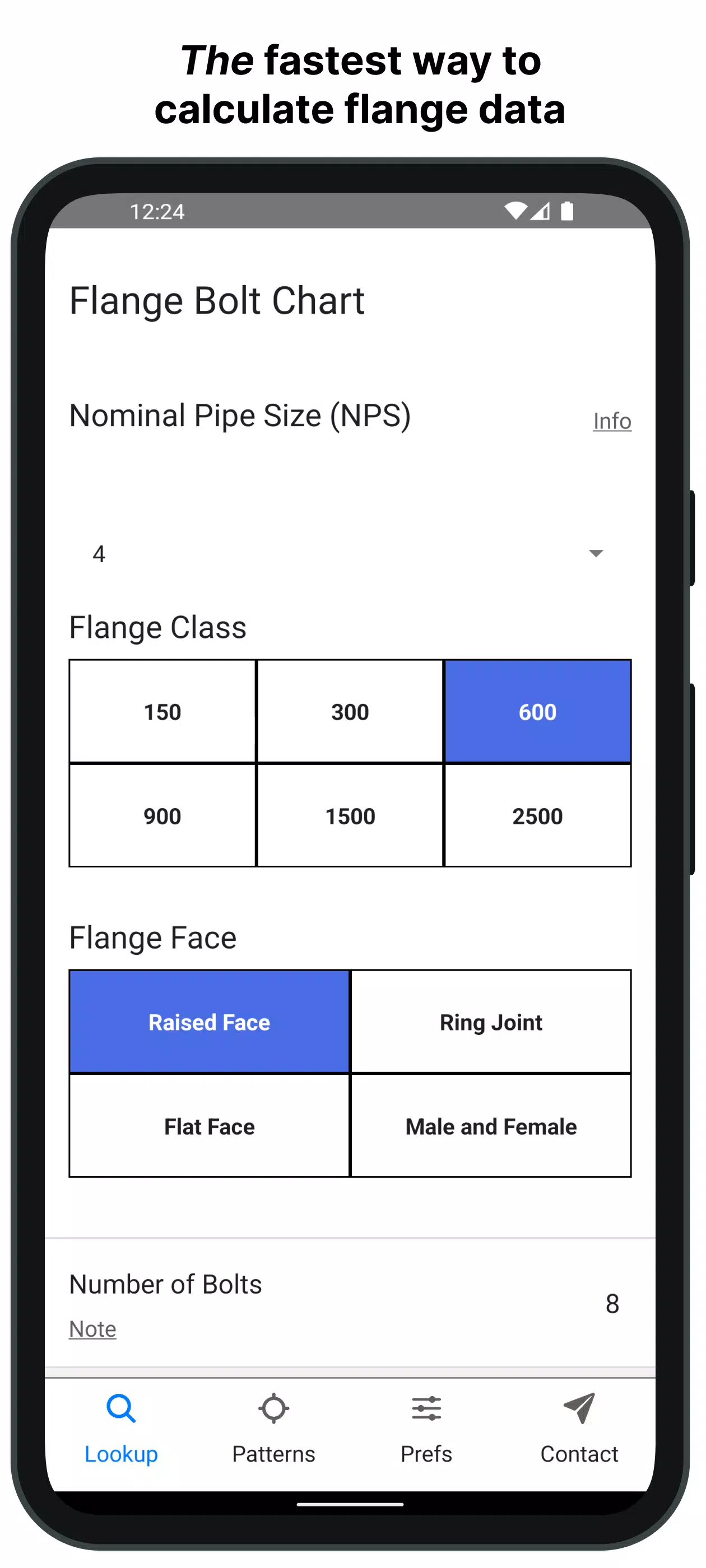
The flange bolt chart is a valuable reference tool for anyone working with flange connections. It provides a quick and practical guide to selecting the right bolts for your project. This chart offers a visual representation of various bolt sizes, strengths, and specifications, ensuring accurate choices for your application.
Comparing Standards and Formats
Different standards and regions may have variations in flange bolt charts. For instance, the metric bolt chart follows international standards, while the ANSI B18.2.1 is specific to the US. These charts detail bolt dimensions, including head size, shank length, and thread pitch, ensuring compatibility with flange dimensions. Additionally, bolt strength is indicated by markings on the head, following standards like SAE J429.
Applying the Flange Bolt Chart: A Step-by-Step Guide
To use the flange bolt chart effectively, follow these steps:
- Identify the flange size and type you are working with. This information is crucial for selecting the correct bolt.
- Refer to the chart and locate the corresponding flange size. Each flange size will have a range of recommended bolt sizes and strengths.
- Choose the bolt size that best fits your application, considering factors like load capacity and space constraints.
- Check the bolt head markings to ensure you select bolts with the appropriate strength rating.
- Confirm the thread pitch and length of the bolts to ensure they match the flange's thread and provide sufficient grip.
Common Misreadings and Pitfalls
While the flange bolt chart is a precise tool, misreadings can occur. Here are some common pitfalls:
- Failing to consider the specific standard or region's chart: Different standards may have variations in dimensions and markings. Always use the correct chart for your application.
- Neglecting to check bolt head markings: These markings indicate bolt strength and must match your requirements.
- Assuming all charts are universal: While charts provide general guidelines, some applications may require specific bolt dimensions or strengths. Always double-check exact specifications, especially for critical applications.
Key factors to consider:
- Flange size and type
- Bolt size and strength
- Thread pitch and length
- Specific application requirements
By following these guidelines and being mindful of potential variations, you can accurately utilize the flange bolt chart for your projects.
Remember, while this guide offers a comprehensive overview, the exact details may differ slightly depending on your specific needs and the standards you follow. It's always a good idea to refer to the latest editions of the relevant standards and consult with experts when making critical decisions.
Feel free to explore our other guides for more practical insights and tips. We've got a range of topics covered, so you can find the information you need to tackle various projects with confidence. Happy learning and exploring!