



What Are Multisyllabic Words Overview
You're likely here because you're seeking clarity on the Redken color chart, a valuable resource for anyone wanting to navigate hair color options effectively. This chart is your go-to guide, offering a simple yet comprehensive overview of Redken's color range. It provides an easy-to-understand visual representation, ensuring you can make informed choices about your hair color journey.
Understanding the Redken Color Chart
The Redken color chart is a comprehensive guide to their hair color range, offering a visual representation of the various shades and tones available. It provides a standardized way to choose and mix colors, ensuring consistent results. This chart is an essential tool for professionals and enthusiasts alike, offering a clear reference for achieving desired hair colors.
Standard Color Notation: Comparing Options
The Redken color chart follows a simple and intuitive system. Each color is represented by a unique code, typically a combination of letters and numbers. For example, the code "GG" represents a specific shade of golden blonde. This notation allows for easy identification and mixing of colors. The chart also displays the intensity and tone of each color, helping users choose the right shade for their desired look.
Practical Application Tips: Step-by-Step Guide
To use the Redken color chart effectively, follow these steps:
- Identify your desired color family. The chart is organized into sections, making it easy to navigate.
- Choose the specific shade within that family. Consider the natural hair color and the desired level of lift or deposit.
- Note the color code and intensity. This information is crucial for accurate mixing.
- Follow the recommended mixing ratios and application techniques provided by Redken.
- Test a small strand to ensure the desired result before full application.
Common Misreadings and Pitfalls
While the Redken color chart is straightforward, there are a few potential pitfalls to avoid:
- Ensure you are using the correct chart for your region or standard. Redken may offer different charts for various markets.
- Pay attention to the color intensity and tone. A slight variation in these can lead to significantly different results.
- Be aware of the natural hair color and its impact on the final result. Pre-lightening or pre-pigmentation may be necessary for certain shades.
- Always refer to the Redken color wheel or swatches for a more visual representation of the final color.
- Remember, practice and experience are key to mastering color application.
Remember, while this guide offers a comprehensive overview, it's always beneficial to cross-reference with your specific needs. The Redken color chart is a versatile tool, but its application may vary depending on your unique circumstances.
Feel free to explore our other guides for a deeper understanding of hair care and styling. We've got plenty of resources to help you navigate the world of hair coloring and beyond!
Related: What is the lol mastery chart all about?
You've found yourself searching for a lol mastery chart to help you quickly grasp the game's mechanics and strategies. This simple yet effective tool, often in the form of a visual guide, offers a snapshot of the game's mastery system. It's a handy reference for players, providing an overview of the mastery tree, runes, and the path to progression.
Understanding the LOL Mastery Chart
The lol mastery chart is a visual representation of a player's progress and skill development in the game League of Legends. It provides an overview of a player's mastery points, ranks, and their journey through the game's mastery system. This chart is a valuable tool for players to track their growth and understand their standing among other players.
Key Details and Categories
The chart typically displays mastery points, which are earned through playing and achieving certain milestones. These points are represented on a scale, often with different colors or levels to indicate progress. The categories or ranks on the chart are usually divided into tiers, with each tier representing a higher level of mastery. These tiers may have names or numerical values associated with them, indicating the player's overall skill level.
Reading Mastery Levels and Progression
To read the lol mastery chart, start by identifying your current mastery rank or tier. This is often displayed prominently on the chart. Next, look at the mastery points associated with your rank. These points indicate the progress you've made and the skills you've acquired. The chart may also provide insights into the next steps for progression. It might suggest specific champions or roles to focus on to advance to the next tier.
Here's a step-by-step guide:
- Locate your current rank or tier.
- Note the mastery points and any associated achievements.
- Identify the requirements or suggestions for advancing to the next tier.
- Plan your gameplay to fulfill these requirements, whether it's mastering a new champion or improving your strategy.
Common Mastery Paths and Variations
The lol mastery chart can vary based on several factors. Firstly, different regions or servers may have slightly different mastery systems and charts. Additionally, the game itself evolves, introducing new champions and updates, which can impact the mastery path. Players' preferences and playstyles also contribute to variations. Some players might focus on a specific role or champion, resulting in unique mastery paths.
- Regional differences
- Game updates and new champions
- Player preferences and playstyles
Remember, the lol mastery chart is a guide, and while it provides a structured overview, it's important to adapt and tailor your gameplay to your strengths and interests. It's a tool to help you understand your progress and set goals, but the beauty of League of Legends lies in its diverse strategies and the freedom to explore different paths.
The LOL Mastery Chart is a handy tool, offering a clear and concise reference point for your LOL journey. By understanding the key elements, you can navigate and apply this chart with ease.
Remember, when utilizing any reference guide, it's essential to consider your unique context and requirements. Exact values and standards may vary, so a quick double-check ensures you're on the right path. Feel free to bookmark this page for future LOL adventures; it's a simple yet effective resource to have at your fingertips!
Related: What's the Right Pillow Size for You?
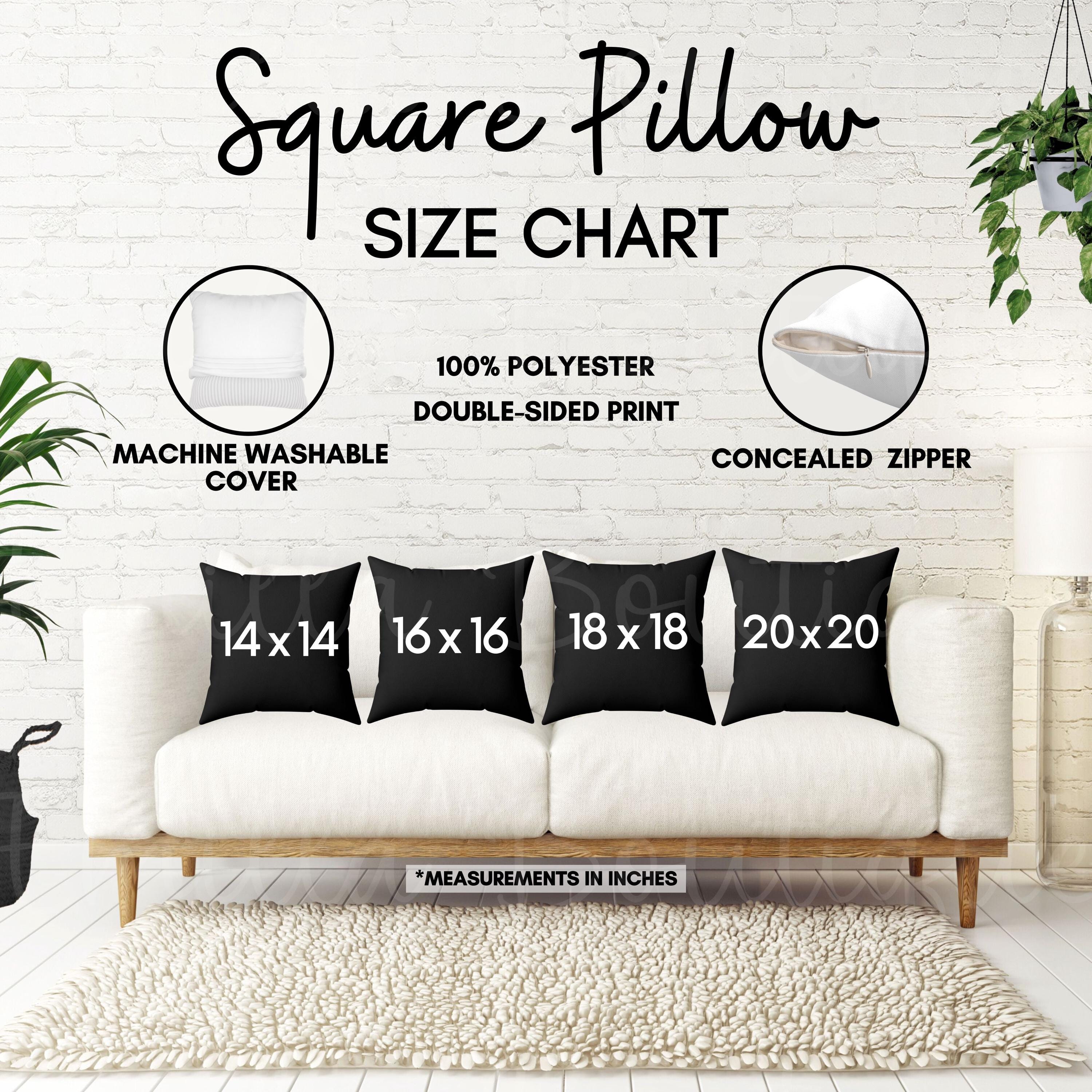
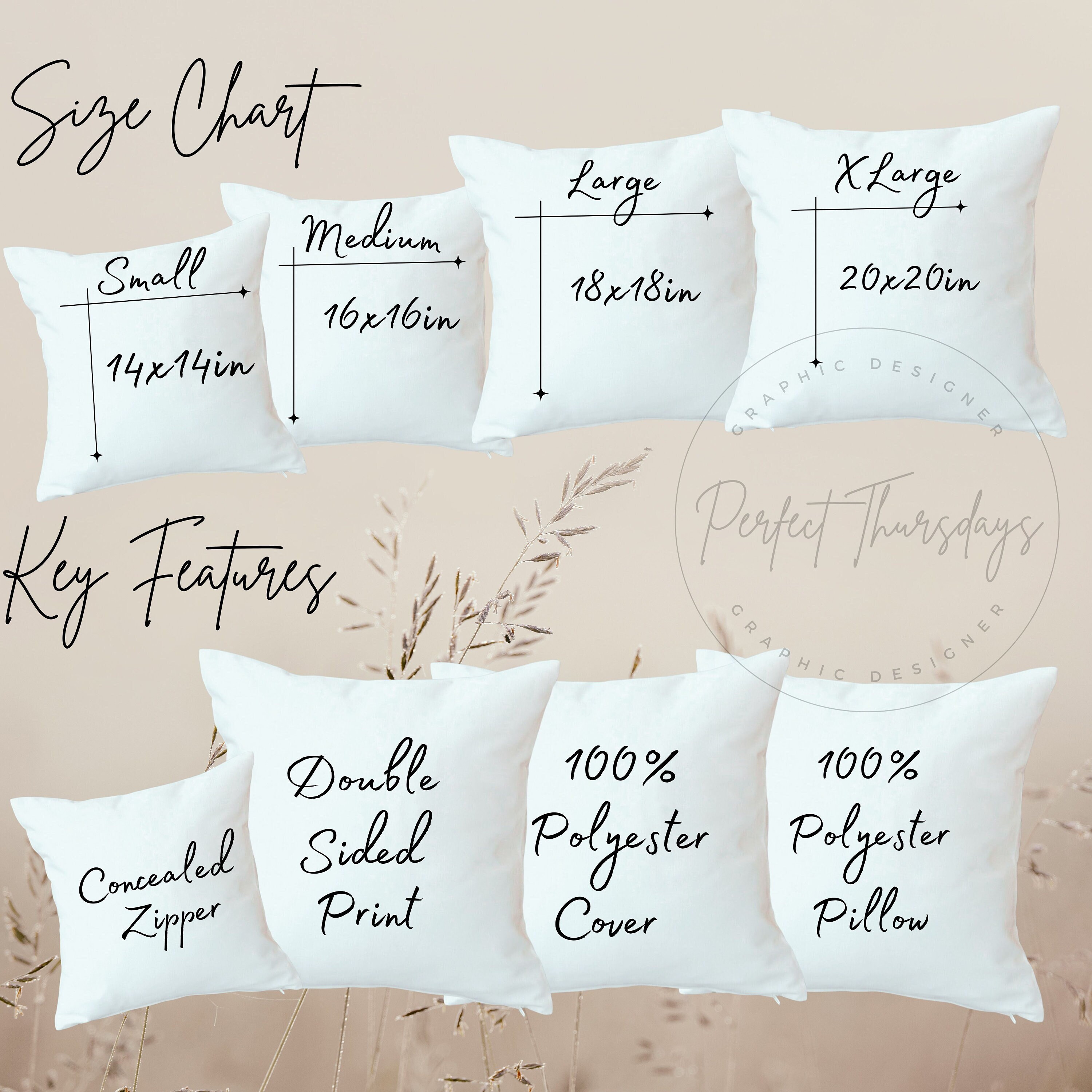
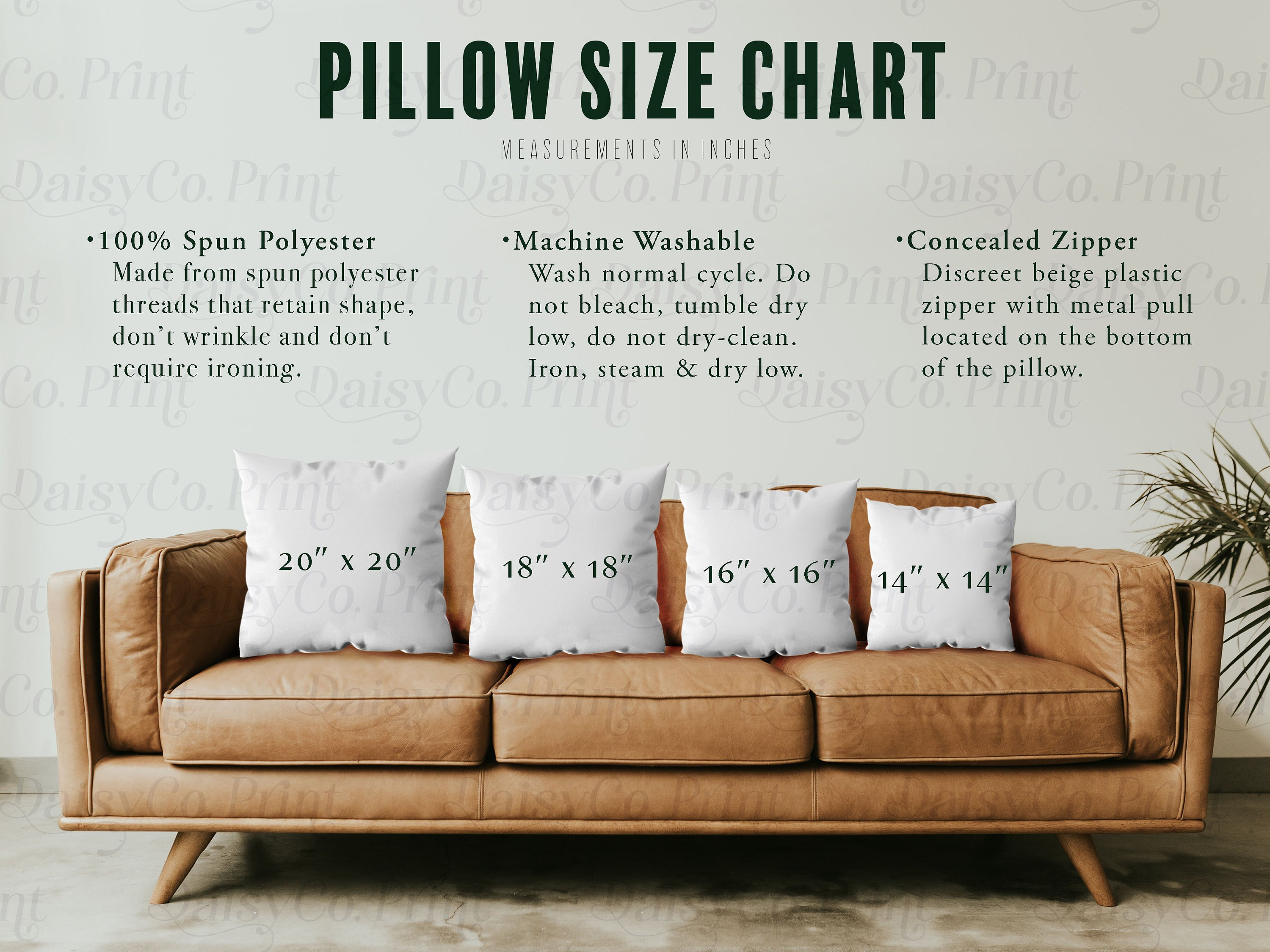
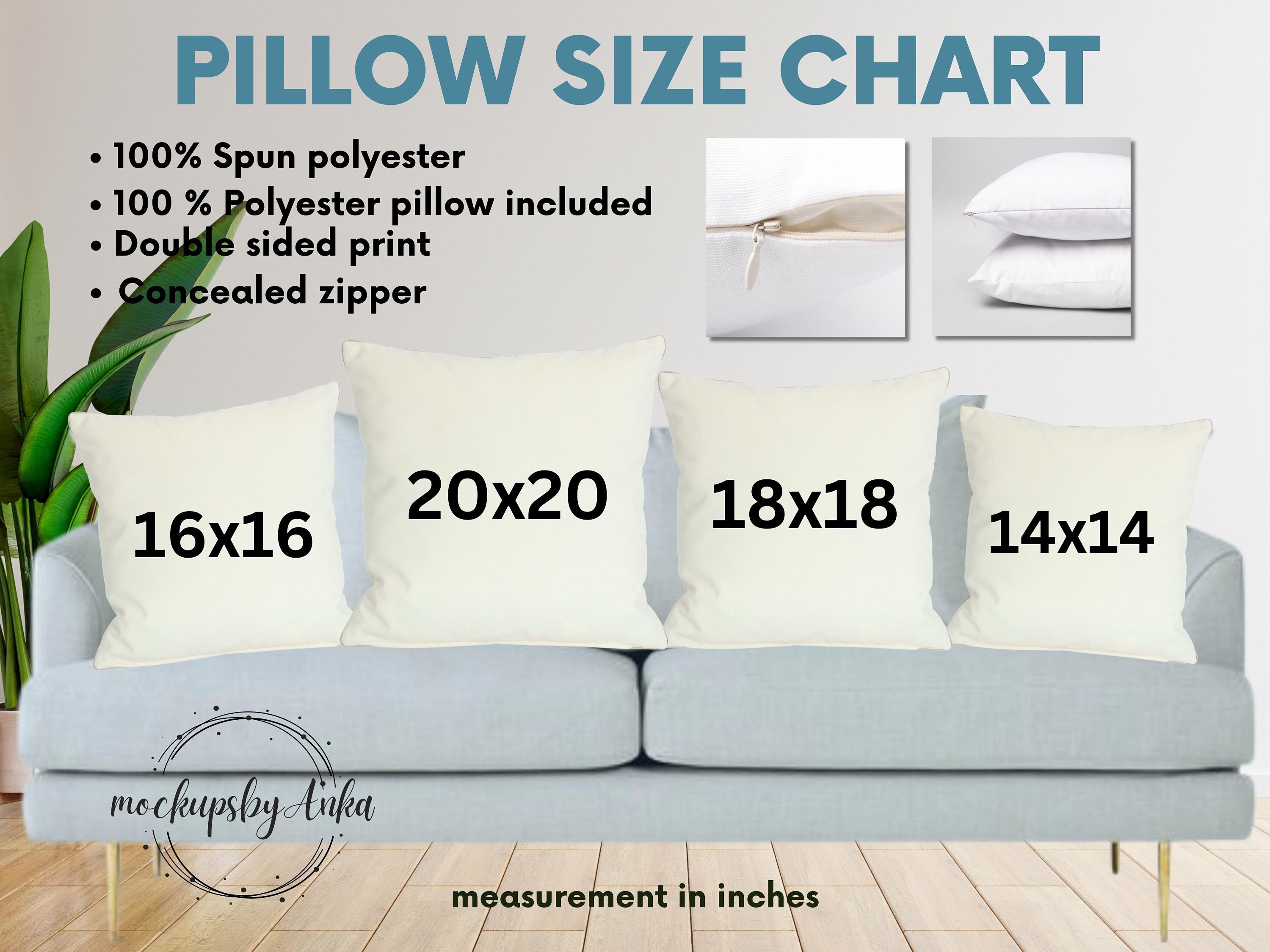
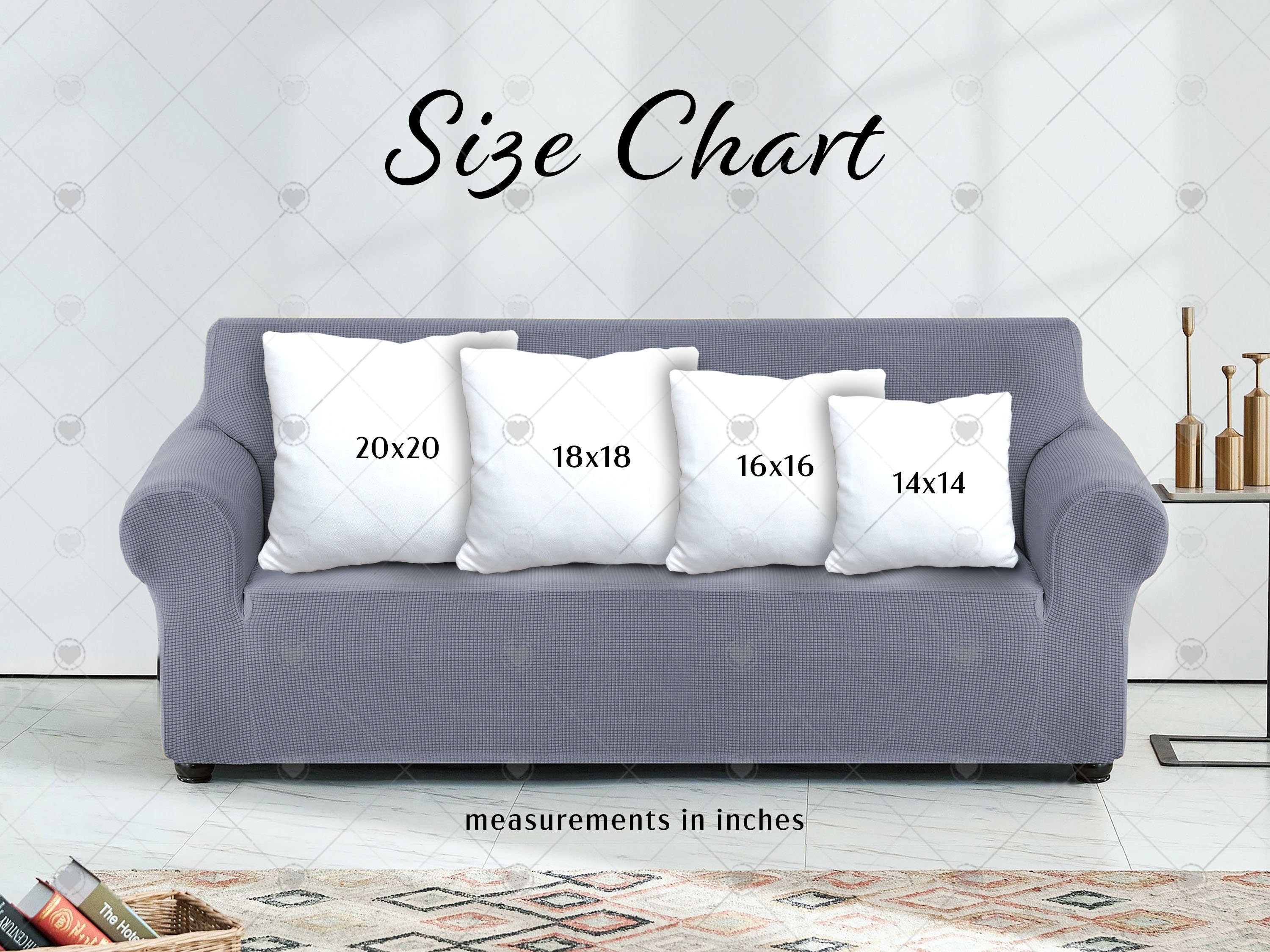
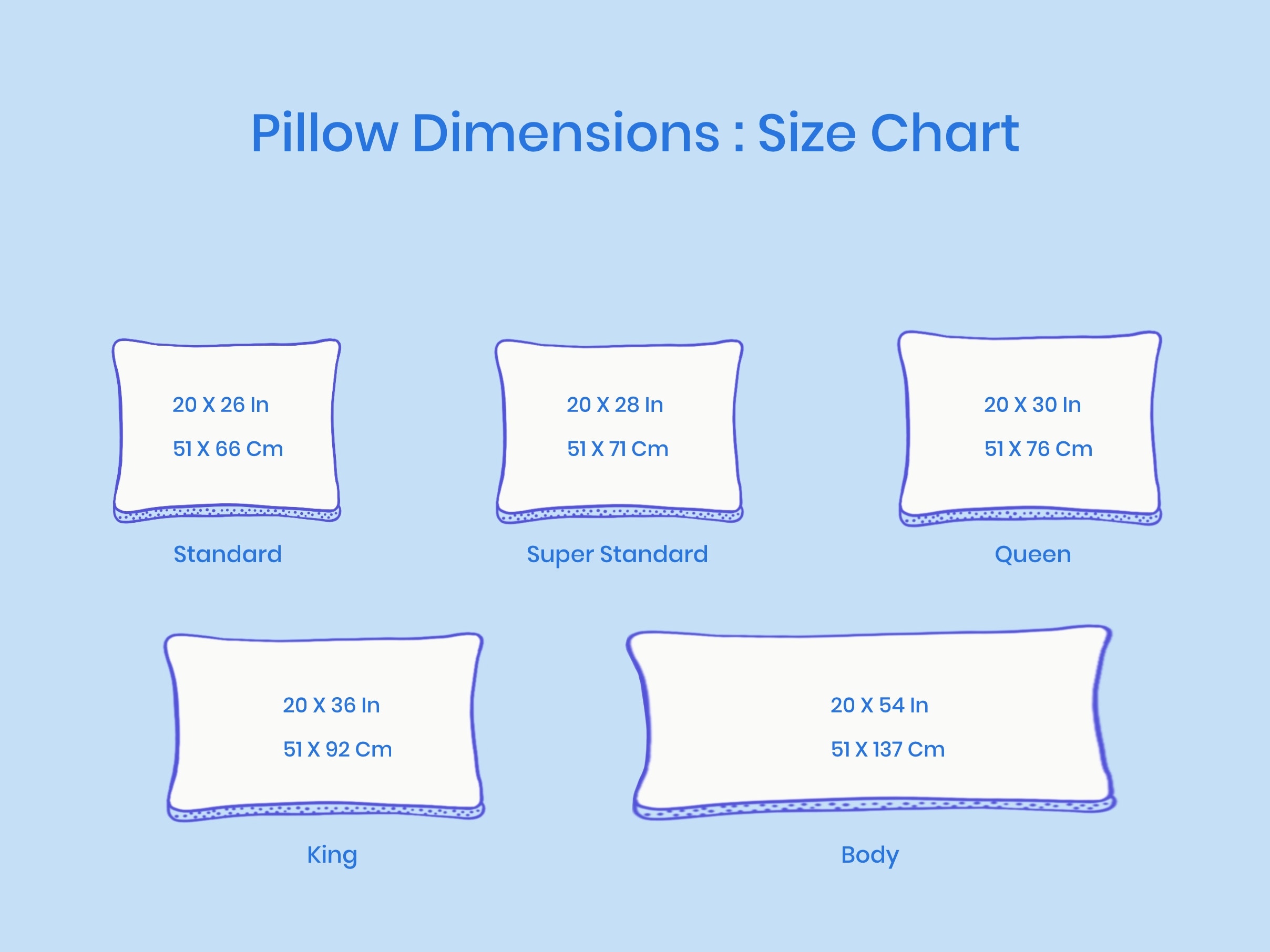
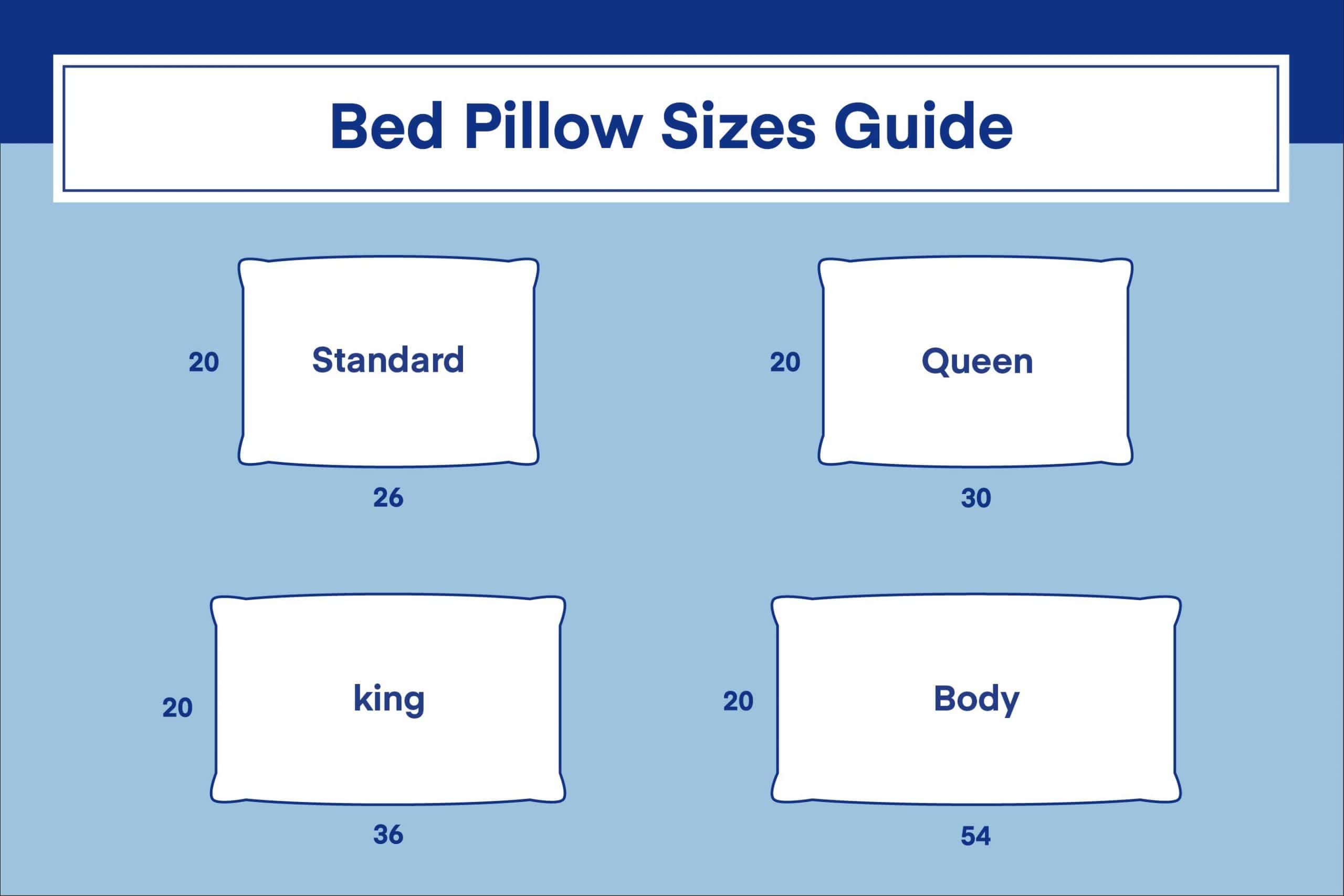
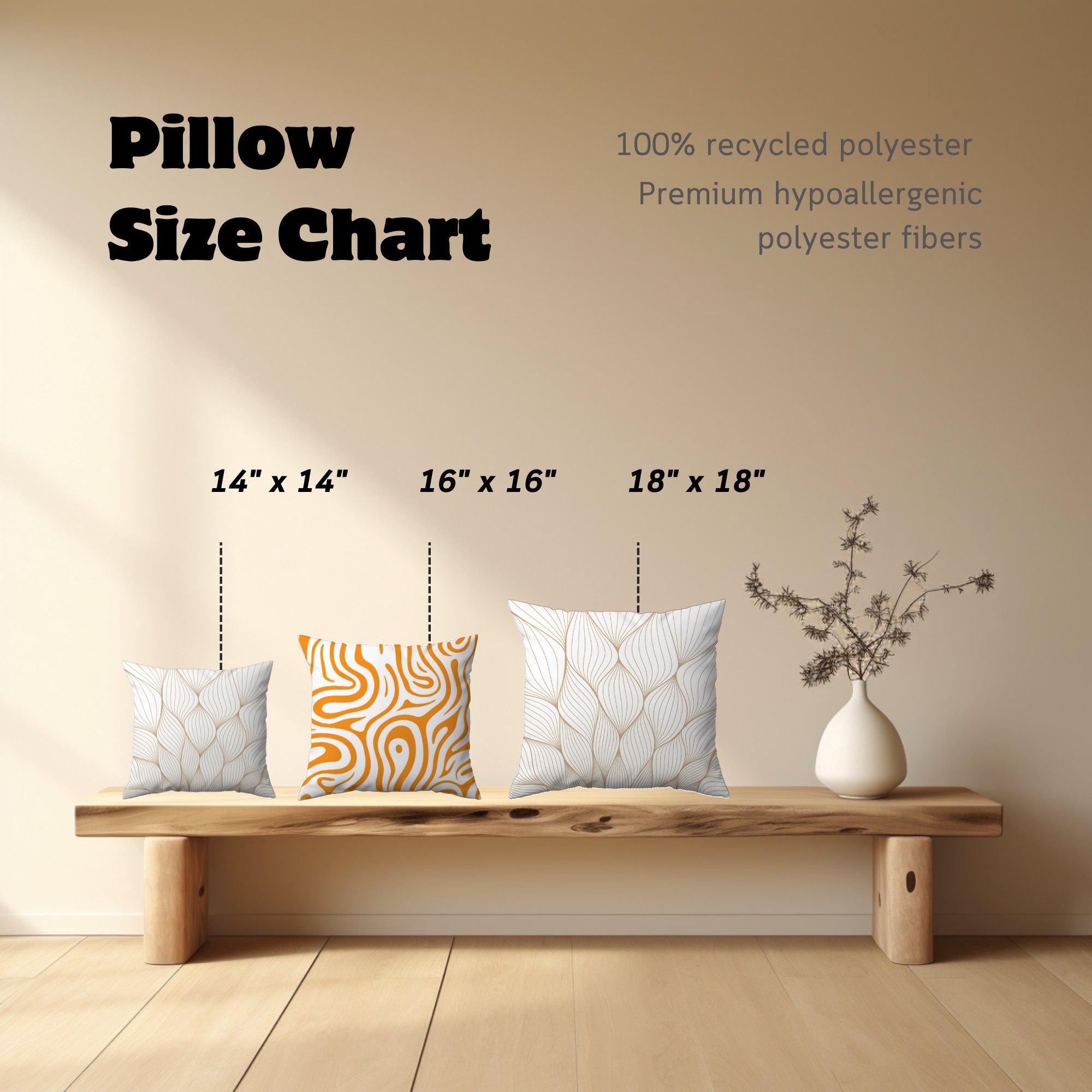
Many people assume that pillow sizes are a one-size-fits-all affair, but that's not the case! A pillow size chart is your go-to resource for understanding the diverse world of pillow dimensions. It's a simple yet powerful tool, offering a quick glance at the various sizes and their intended uses. From standard pillow dimensions to specialty sizes, this chart ensures you find the perfect fit for your needs.
Pillow Size Chart: A Quick Overview
A pillow size chart is a handy reference tool that provides a clear and visual guide to the various dimensions of pillows. It's like a map to help you navigate the world of pillow sizes, ensuring you get the right fit for your needs. This chart is a valuable resource for anyone looking to buy new pillows or pillowcases, as it offers a quick and easy way to understand the standard sizes available.
Comparing Standard and Custom Sizes
The beauty of a pillow size chart is that it presents both standard and custom sizes in a simple format. Standard sizes are the most common and widely used, and they often follow specific measurements and categories. These sizes are consistent across many brands and manufacturers, making it easy to find matching pillowcases or covers. On the other hand, custom sizes offer more flexibility and can accommodate unique preferences or specific requirements. Custom sizes might be necessary for specialty pillows, such as those designed for travel or medical purposes.
Step-by-Step Guide to Using the Chart
Using a pillow size chart is straightforward and can save you time and effort when shopping for pillows. Here's a simple process:
- Identify the Type: First, determine the type of pillow you need. Common types include standard, queen, king, and travel-sized pillows.
- Locate the Size: Find the corresponding size on the chart. The chart typically displays width and length measurements for each size.
- Check the Dimensions: Compare the chart's dimensions with the pillow or pillowcase you need. Ensure you match the width and length accurately.
- Consider Depth: Some charts also provide depth measurements, which is especially useful for pillows with varying thicknesses.
- Choose Your Size: Once you've found the size that matches your needs, you're ready to make an informed purchase.
Avoiding Common Misreadings
While a pillow size chart is user-friendly, it's essential to avoid a few common pitfalls:
- Unit Confusion: Always check the units of measurement. Some charts use inches, while others might use centimeters. Ensure you're comparing like with like.
- Rounding Errors: Charts often provide rounded measurements for simplicity. Be aware that actual products might have slight variations, so always check the exact specifications if precision is critical.
- Size Labels: Pay attention to size labels. For example, a "standard" size might not always be the same across different charts or regions.
Factors Affecting Accuracy
Several key factors can influence the accuracy of a pillow size chart and its real-world application:
- Regional Differences: Pillow sizes can vary between regions and countries. For instance, a "king" size in the US might differ from a "king" in Europe.
- Manufacturer Variations: Even within a region, manufacturers might have slight variations in their standard sizes. Always check the brand's specifications.
- Pillow Type: Different pillow types, like decorative or orthopedic pillows, might have unique size categories.
- Materials: The materials used can affect the overall size and shape of a pillow, especially over time as it ages and settles.
Choosing the Right Format for Your Needs
When it comes to pillow size charts, one size doesn't fit all. Here are some tips for choosing the right format:
- Standard vs. Custom: If you're looking for a quick and easy solution, a standard size chart is ideal. However, for specialized needs, a custom size chart might be more suitable.
- Online vs. Physical: Online charts are convenient, but having a physical chart or reference guide can be handy when shopping in-store.
- Visual Aids: Some charts use visual representations, like images or diagrams, to show size differences. These can be especially helpful for visual learners.
Keeping Your Reference Reliable
To ensure your pillow size chart remains a reliable reference, consider the following:
- Update Regularly: Pillow size standards can evolve over time. Periodically check for updated charts to ensure you have the latest information.
- Multiple Sources: Cross-reference charts from different sources to verify the accuracy of the measurements.
- Manufacturer Guides: Many pillow manufacturers provide their own size guides. Refer to these for specific product lines.
- Personal Notes: If you have unique pillow requirements, make a note of the sizes you need and keep them with your chart for easy reference.
So, there you have it! A handy pillow size chart can be a real game-changer for getting the perfect fit and comfort. But remember, it's always a good idea to double-check your specific needs and measurements to ensure you're getting the right size for your bed and sleeping style.
Feel free to explore our other guides and resources on similar topics. We've got plenty of practical tips and tricks to help you create a cozy and comfortable sleep space. Happy snoozing!